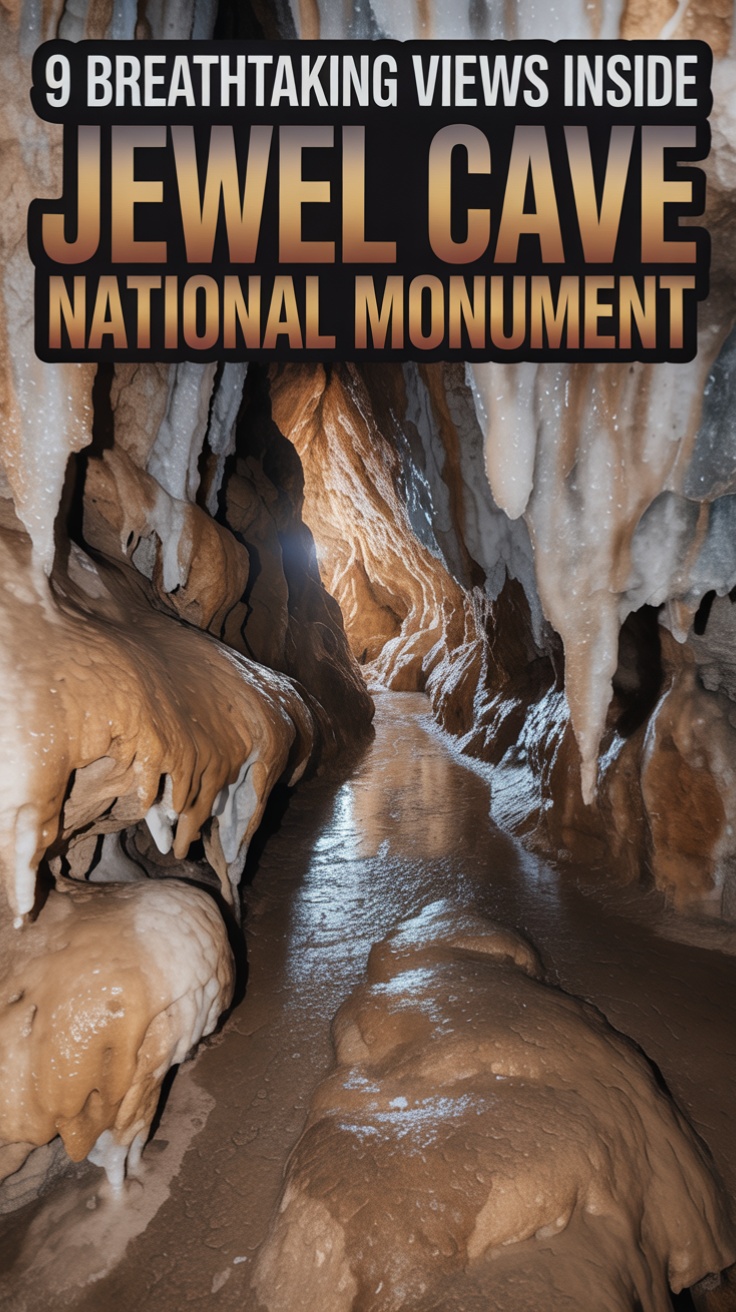
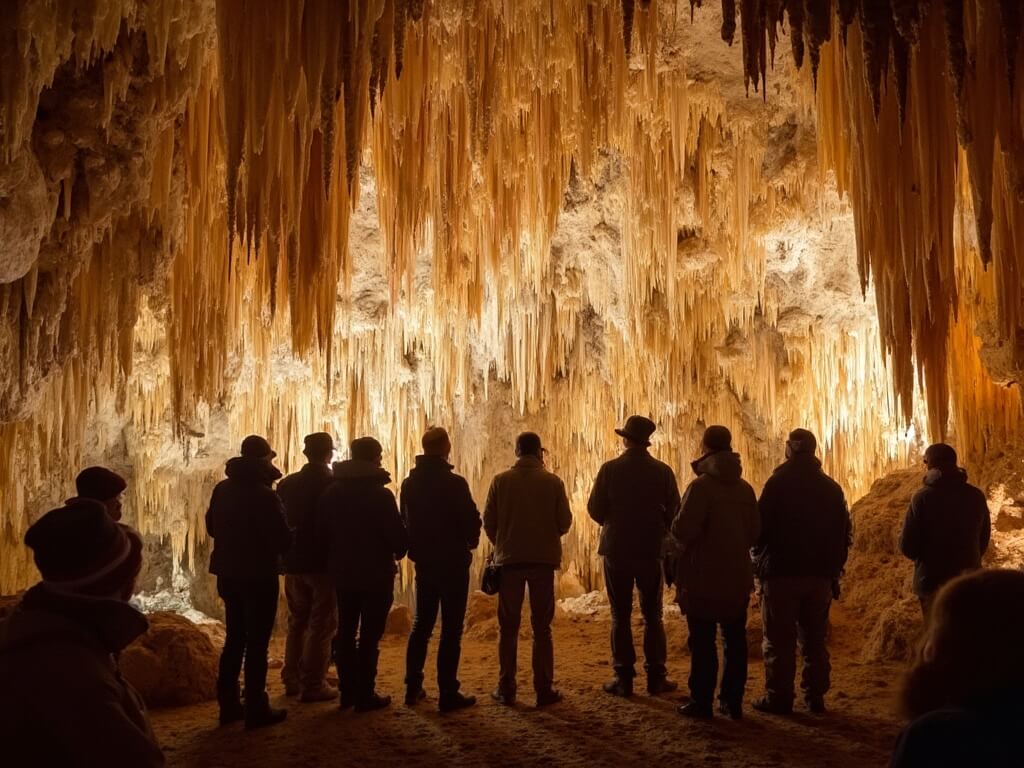
You’re standing 380 feet below the surface of South Dakota, surrounded by crystalline formations that took millions of years to form.
The air is cool—around 50 degrees Fahrenheit—and your guide is pointing out something called “cave bacon,” a wafer-thin mineral deposit that honestly looks exactly like strips of pork hanging from the cavern ceiling.
This is Jewel Cave National Monument, and it’s not what most people expect when they think of caves.
Why Jewel Cave Tours Matter More Than You Think
Here’s what caught me off guard when I first started researching this place: Jewel Cave is quietly one of the most significant geological discoveries in North America.
We’re talking about over 220 miles of mapped passages—making it the third-longest cave system in the world.
But here’s the thing that really matters—it’s still growing.
Geologists and cave explorers continue to discover new passages regularly, which means the cave is literally expanding as we speak.
The formations inside are genuinely rare.
You won’t find quartz and manganese deposits like this in most caves.
You won’t see cave bacon formations elsewhere.
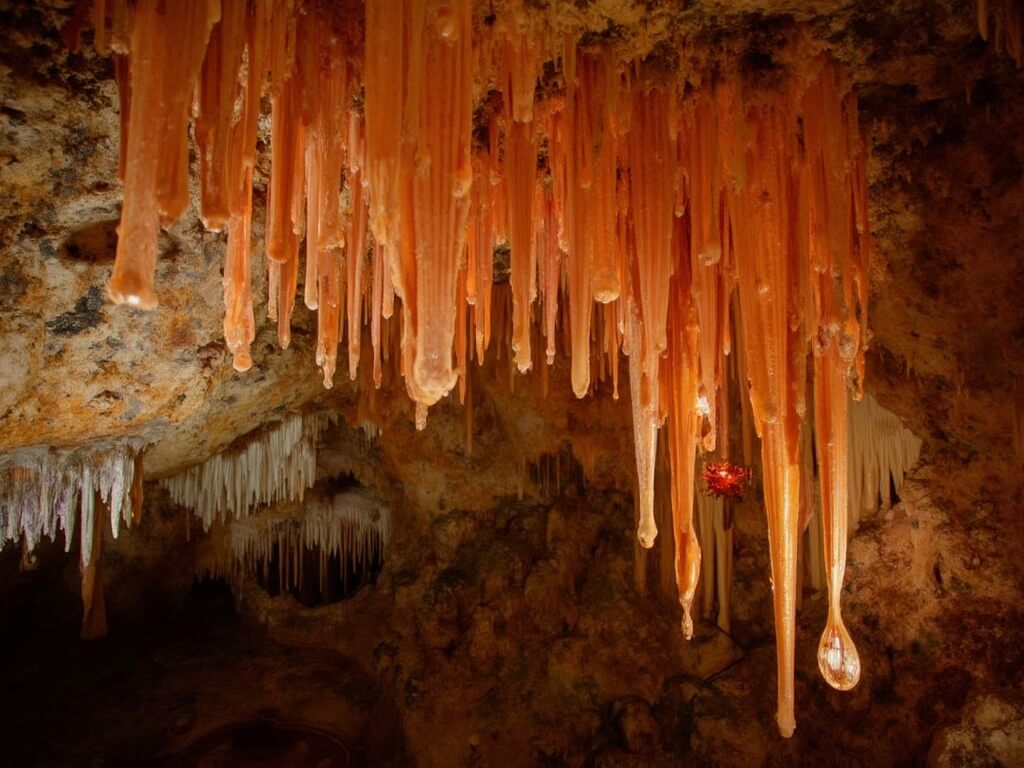
The soda straws, stalactites, stalagmites, and cave curtains create an underground landscape that feels alien yet somehow familiar.
I remember reading an account from a park ranger who described first-time visitors’ reactions as they descend the elevator 380 feet into the main chamber.
Most people go silent.
Not from fear, but from wonder.
That moment—when the geological reality of deep time crashes into your consciousness—is worth the trip alone.
Where Jewel Cave Actually Is (And Why Location Matters)
Jewel Cave sits just 25 minutes west of Custer, South Dakota, nestled in the Black Hills.
This matters because you’re not driving to the middle of nowhere.
You’re 25 minutes from a town with services, lodging, and restaurants.
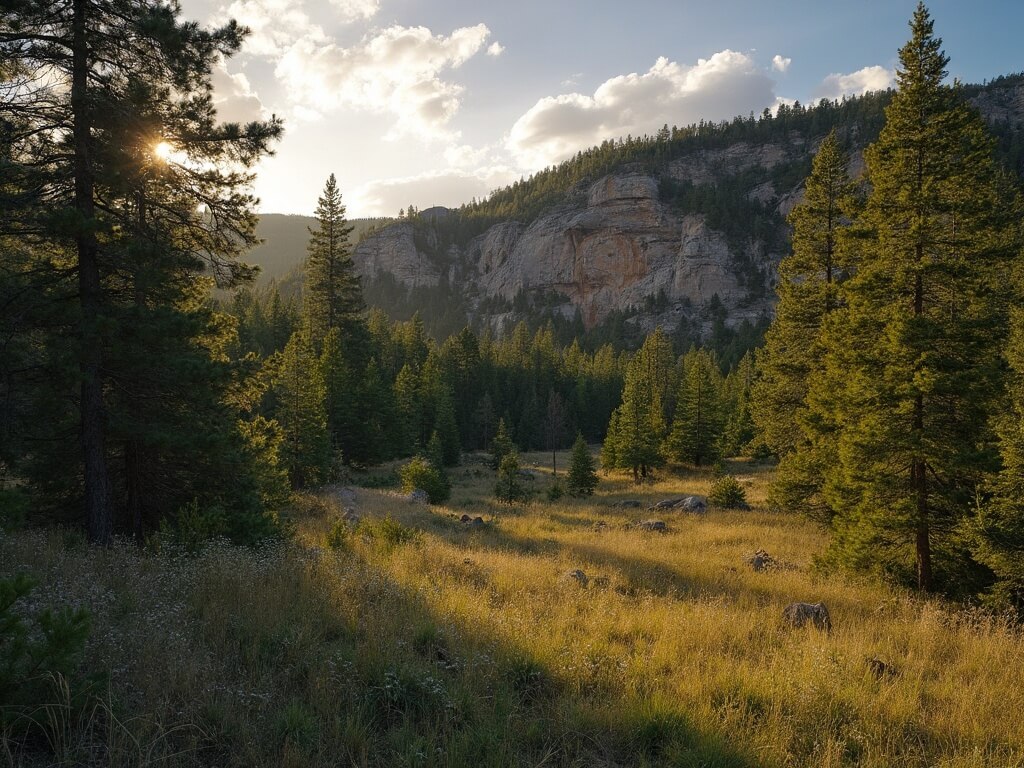
The monument itself is surrounded by ponderosa pine forest, meadows, rocky terrain, and scenic canyons that are worth exploring whether you’re interested in the cave or not.
The location also means something else: no entrance fee to the monument.
Zero.
You only pay for the actual cave tour you choose to take.
This is different from many national parks where you’re already committed to dropping cash just to walk through the gates.
Here, you can visit the visitor centre, explore the surface trails, and enjoy the landscape entirely free of charge.
Understanding the Four Tour Types (And Which One Actually Fits You)
This is where planning gets critical, because Jewel Cave offers four completely different experiences.
Choosing wrong means you either miss what you came for or find yourself in over your head—literally.
The Discovery Tour: Perfect If You’ve Got 20 Minutes and Mobility Concerns
This is the shortest option at 20 minutes.
It’s ADA accessible, which matters if you have mobility limitations or are travelling with elderly family members.
The tour gives you an overview of cave crystals, exploration history, and basic cave science without the physical demands of longer tours.
Parents often book this with young children.
It’s not a quick glimpse of nothing—you actually see real cave formations and learn meaningful information—but it’s designed as an introduction rather than an immersion.
The Scenic Tour: The Sweet Spot for Most First-Time Visitors
Now we’re talking 90 minutes and over 730 stairs.
Here’s how it works: you take an elevator down 380 feet, then navigate through multiple chambers featuring the unique mineral formations Jewel Cave is known for.
This is the tour that includes the famous “cave bacon” formations.
This is the tour that made that ranger’s account I mentioned earlier so compelling.
Most first-time visitors choose this option because it balances depth of experience with accessibility.
You’re getting a genuine cave exploration without requiring extreme physical fitness or technical climbing skills.
The 730 stairs sound intimidating until you realise they’re spread across 90 minutes of gradual descent and ascent.
The Historic Lantern Tour: For the Adventurous Who Want Atmosphere
Two hours, conducted entirely in lantern light, involving 500 steep wooden steps.
This tour recreates the experience of early cave explorers.
Lantern light creates shadows and depth in ways electric lights simply cannot.
The wooden stairs add to the historical authenticity—they’re not modern construction.
I spoke with someone who took this tour, and they described it as genuinely transformative.
The immersion into historical cave exploration changed their understanding of what early explorers actually experienced.
It’s physically challenging, particularly the descent and ascent of those wooden steps, but the experience justifies the effort.
The Wild Caving Tour: Only for People Who Know What They’re Getting Into
Three to four hours, physically demanding, and requiring a pre-tour squeeze test.
This isn’t exaggeration.
Before you can join this tour, you literally crawl through a concrete block to prove you can handle tight spaces.
The actual tour involves climbing, crawling through passages with names like “Brain Drain,” and navigating muddy, textured surfaces deep underground.
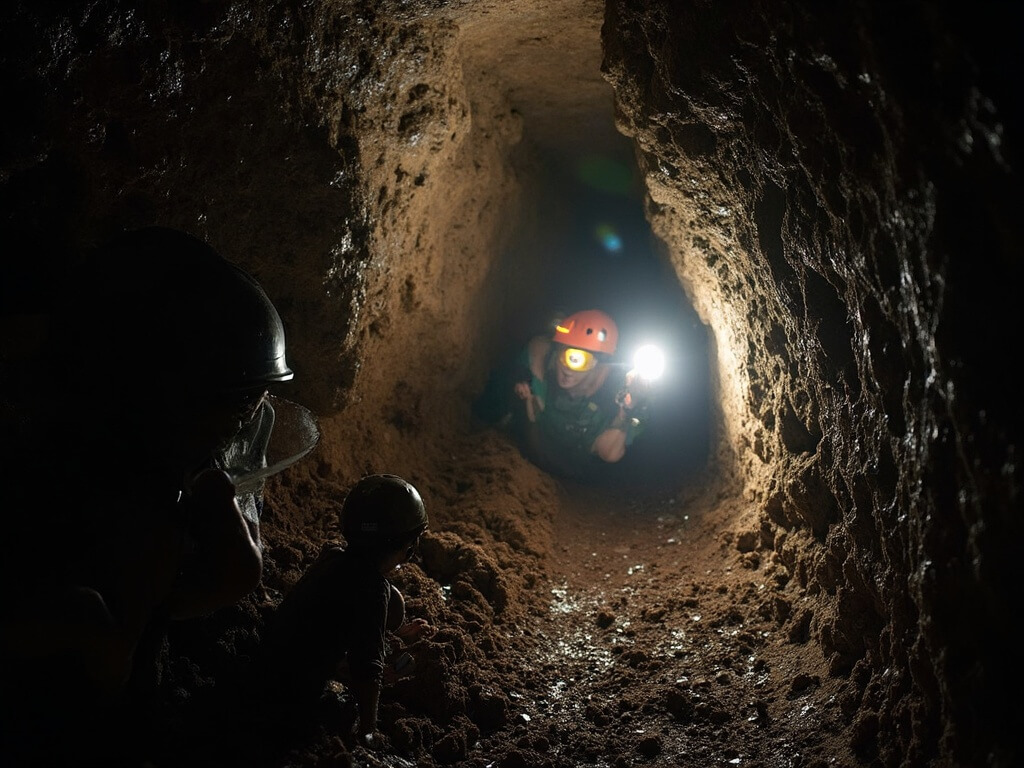
This is for experienced adventurers, not casual visitors.
I’ll be honest: this tour isn’t for most people, and the park knows it.
They make you prove your capability before committing.
This is the right approach because getting stuck 300 feet underground isn’t an acceptable outcome for anyone involved.
What You Must Know Before Booking Any Tour
There are three non-negotiable requirements that trip up unprepared visitors:
Footwear is absolutely mandatory.
No sandals. No open-toed shoes. No exceptions.
The cave floor is unforgiving, and your toes are vulnerable.
Completely enclosed footwear is the only option.
Temperatures inside Jewel Cave stay in the mid-50s Fahrenheit year-round.
This seems obvious until you’re standing on an elevator about to descend 380 feet and you realise you wore a t-shirt.
Bring a sweater or light jacket, even in summer.
Even if it’s 90 degrees outside.
The cave is colder than you think.
Physical fitness actually matters.
Most tours involve significant stair climbing, walking, and sometimes crawling.
The Scenic Tour alone has 730 stairs.
The Historic Lantern Tour has 500 steep wooden steps.
If you haven’t assessed your own fitness level honestly, you’re setting yourself up for genuine struggle.
This isn’t shaming—it’s just reality.
Know your limits before you book.
The Reservation Situation (And Why Planning Ahead Isn’t Optional)
Here’s where most people get frustrated: Jewel Cave tours fill up fast, especially May through September.
Advance reservations are available online 30 to 60 days in advance, and during peak season, they genuinely sell out.
You can show up without a reservation and hope for walk-up availability, but this strategy requires arriving early and accepting potential disappointment.
Only credit cards are accepted for onsite ticket purchases, which matters if you’re trying to pay cash.
The booking system exists for a reason: the cave has finite capacity, and rangers need to manage group sizes for safety and experience quality.
If you’re flexible with timing, consider visiting in shoulder seasons—April, May (early), September, or October.
Availability improves dramatically, and you’ll have a better experience without massive crowds.
The cave system continues to expand with new passages being discovered regularly, which means ongoing research and conservation efforts are constantly happening behind the scenes.
Understanding that Jewel Cave is an active site of geological discovery—not a static tourist attraction—changes how you experience it.
Looking for more amazing underground or outdoor adventures? Try this lighthouse tour in Maine or hiking to Delicate Arch in Utah.
What Happens Above Ground Matters Just as Much
Here’s something that surprises most people planning a Jewel Cave trip: the surface experience is genuinely worth your time.
This isn’t a cave-only destination where you descend, tour for 90 minutes, and leave.
The monument encompasses over 1,200 acres of Black Hills terrain, and much of it rewards exploration.
Two main hiking trails wind through the property, offering scenic views and legitimate wildlife encounters.
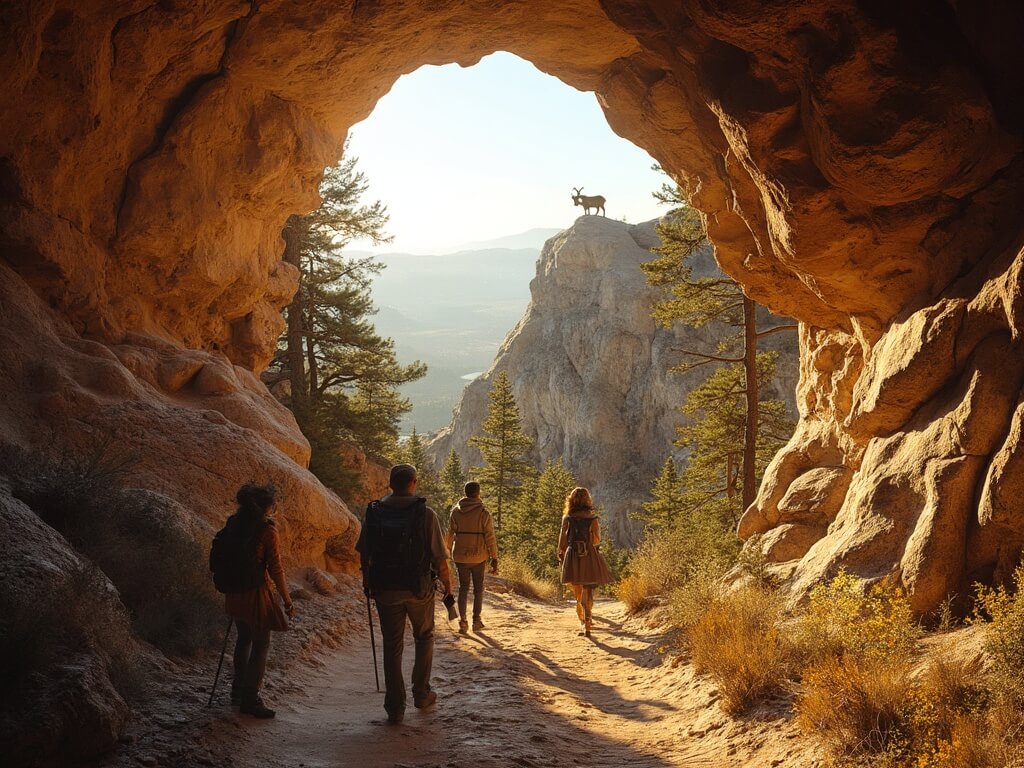
Lithograph Canyon and Hell Canyon showcase unique geology that complements what you’ve learned underground.
I spoke with a visitor who hiked these trails after completing the Scenic Tour, and they described the experience as the final piece clicking into place—seeing the surface geology made the underground formations make sense.
The limestone formations you see above ground are literally the same rock type that creates the underground landscape you just explored.
The visitor center itself houses interactive displays and educational films that provide context before or after your tour.
This isn’t filler content designed to pad your visit—it’s genuinely useful information that deepens your understanding of cave science and geology.
The Junior Ranger Program introduces children to the monument’s significance in an age-appropriate way.
If you’re visiting with kids, this program transforms a tour into a full educational experience rather than just entertainment.
Wildlife viewing opportunities include elk, deer, bighorn sheep, and wild turkeys.
The ponderosa pine forest attracts these animals predictably, especially during early morning and late afternoon.
Even if you’re not a dedicated wildlife photographer, seeing a bighorn sheep emerge from the canyon suddenly is the kind of moment that sticks with you.
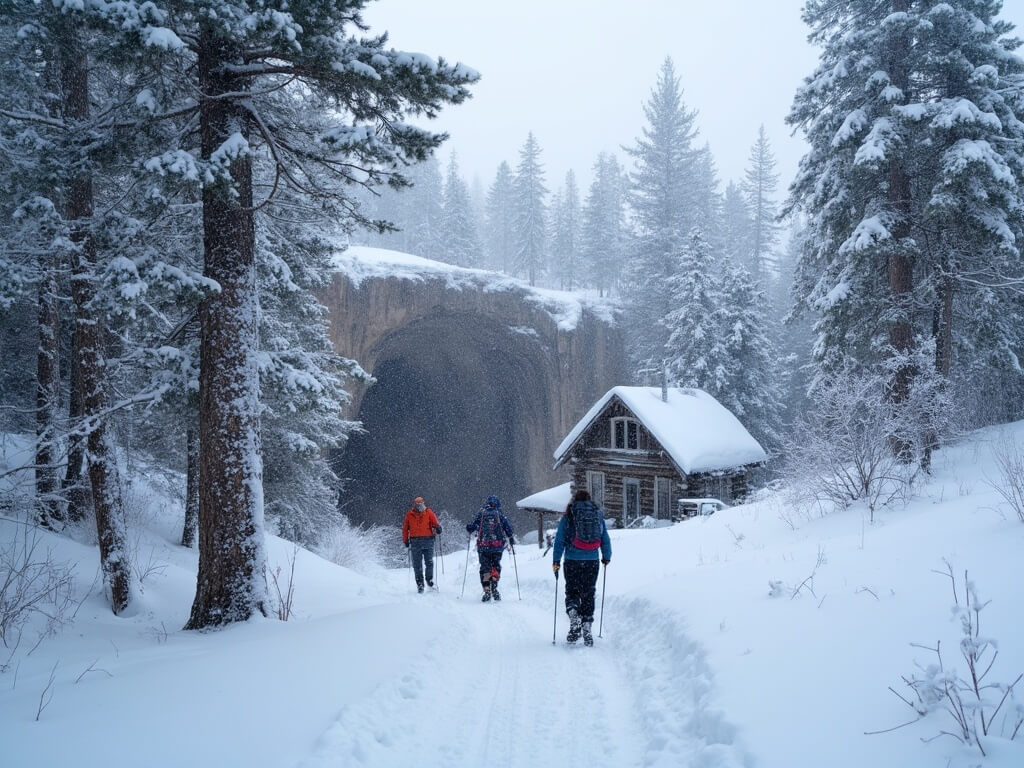
Winter changes the entire experience entirely.
The park loans snowshoes free of charge, allowing visitors to explore the surface landscape in conditions that fundamentally alter the visual landscape.
Snow transforms the Black Hills into something almost unrecognizable compared to summer visits.
The contrast between the chilly cave environment and snow-covered surface creates a full immersion into the region’s natural rhythm.
Planning Your Visit: The Practical Framework That Makes the Difference
Getting this right separates a great Jewel Cave experience from a frustrating one.
Reservation strategy matters more than you’d expect.
May through September is peak season, and tours genuinely sell out. Book 30 to 60 days in advance if you know your dates—this is not optional if you’re visiting during summer.
Guided cave tours at Jewel Cave National Monument offer several types, so selecting the right one early is key.
Walk-up tickets exist, but they operate on a first-come, first-served basis with limited daily supply. Arrive early if you’re hoping to snag one!
The alternative is genuinely choosing off-peak seasons. April, early May, late September, and October offer dramatically better availability and smaller group sizes.
Dress for the cave environment specifically, not the above-ground weather. The cave stays in the mid-50s Fahrenheit—bring a light jacket, even in the summer.
Footwear decisions also matter. Wear enclosed shoes—no flip-flops or Crocs. The cave floor is rough, and inadequate footwear leads to injuries.
Assess your physical fitness before booking. Scenic Tour = 730 stairs. Historic Lantern Tour = 500 stairs. Wild Caving Tour = crawling, climbing, and 3–4 hours of exertion. Be honest with yourself.
The Discovery Tour exists for those with mobility or time limitations. It’s a great alternative—not a downgrade.
Payment, Accessibility, and the Details That Actually Impact Your Day
The ticketing system has quirks. Credit cards only for onsite purchases—no cash. Online booking gives more flexibility.
ADA accessibility is available on the Discovery Tour only. Other tours include stairs and tight passages that make mobility devices impractical.
Rangers provide safety briefings before every tour—these are essential. They explain safety protocols, group movement, and preservation practices.
The Wild Caving Tour even includes a squeeze test to ensure you can physically complete the tour. This is smart risk management.
The visitor centre includes restrooms, educational displays, a gift shop, and picnic spots near the Historic Cabin and along trails.
There’s no restaurant onsite, so plan to bring food or eat in nearby Custer.
Visit the Jewel Cave National Monument official site for current operational details.
The Reality of What Visitors Actually Experience
Visitor testimonials consistently mention knowledgeable rangers who make the cave science accessible and engaging.
Educational value ranks highly—this is real learning, not just sightseeing.
Unique features like “cave bacon,” soda straws, and stalactites evoke genuine wonder. Seeing them in person is incomparable to photos.
The Discovery Tour receives praise from those with limited time or mobility—it’s short but meaningful.
The Scenic Tour hits the ideal balance for most—90 minutes, immersive, and not overly strenuous.
Historic Lantern Tours provide a magical experience with dim lighting—ideal for those seeking atmosphere and history.
Wild Caving Tours are for the physically fit and adventurous. They’re demanding but rewarding.
The Honest Pros and Cons Assessment
Pros:
- Exceptional geology and rare formations
- Meaningful educational programming
- Tour options for different interests and abilities
- No entrance fee for surface activities
- Beautiful hiking trails and wildlife experiences
Cons:
- High demand during peak season
- Physical limitations restrict access for some tours
- Strict footwear and preparation requirements
- Spontaneity is difficult—planning is necessary
What’s Actually Happening Behind the Scenes
The cave is still being explored. More than 220 miles are mapped, and new passages are discovered regularly.
Scientists study mineral deposits, water flow, and formation development. This research supports broader studies in geology and hydrology.
Environmental protections keep the cave pristine. Visitor numbers are managed to prevent damage.
Educational initiatives explain why these rules exist—most visitors support preservation once they understand its importance.
The Seasonal Strategy That Actually Works
Peak season runs May to September. July and August are busiest—book ahead and expect crowds.
Shoulder seasons (April, early May, late September, and October) offer smaller crowds and pleasant weather.
Winter offers snowshoeing and solitude. The cave stays at 50°F year-round, making underground experiences consistent.
Spring can be hit-or-miss with weather. Fall is ideal—low crowds and beautiful scenery.
Making the Decision: Will Jewel Cave Actually Work for Your Plans?
- Claustrophobic? This may not be the right destination for you.
- Fitness level? The tours are physically demanding—choose accordingly.
- Planning flexibility? Last-minute visits during peak season won’t work.
- Tour match? Scenic for immersive, Discovery for light interest, Wild for adventure.
- With kids? Match the tour to their age and attention span.
The Bottom Line: Why Jewel Cave Actually Matters
Jewel Cave National Monument is more than a tourist site—it’s a geological wonder managed with purpose.
The formations tell stories millions of years old. Ranger-led tours turn science into engaging experiences.
Active participation—climbing stairs, adjusting to dim light—creates deep memories.
The surface trails and visitor centre add context and value beyond the cave.
Actually Booking Your Visit: The Action Plan
- Visit the official site for operating hours
- Choose your tour based on ability and interest
- Book 30–60 days in advance via recreation.gov
- Dress for a 50°F cave: layers and enclosed shoes
- Arrive 15 minutes early for safety briefings
- Explore trails and exhibits post-tour
Allow 4–6 hours for the full experience.
The Experience That Changes How You See the Underground
Standing 380 feet underground, surrounded by millions-of-years-old formations, is humbling and inspiring.
“Cave bacon” looks like actual pork strips. Soda straws are impossibly delicate. Stalactites and stalagmites form natural cathedrals.
Your ranger explains geological processes and cave science in engaging ways—this is real education.
The physicality of the experience—stairs, cold air, sensory adaptation—makes the visit unforgettable.
Above ground, surface trails and exhibits complete the story. You’ll see how the cave fits into the Black Hills’ geological narrative.
The Final Word on Jewel Cave
Plan your visit thoroughly. Choose your tour carefully. Book early. Pack smart.
Respect the ranger briefings. Explore trails and exhibits. Visit in shoulder season if possible.
Understand you’re participating in a living geological discovery—a place of science, beauty, and awe.
Jewel Cave National Monument changes how you understand caves, time, and natural wonders. Don’t miss the opportunity to experience it fully.
Related Adventures
- Hike to Delicate Arch in Arches National Park
- Drive the Hana Highway in Maui
- Take the Cog Railway to the Top of Pikes Peak
- Walk the Beaches of the Oregon Coast
- Watch the Sunrise from Cadillac Mountain