How Much Time and Money Fall Decorating Actually Takes
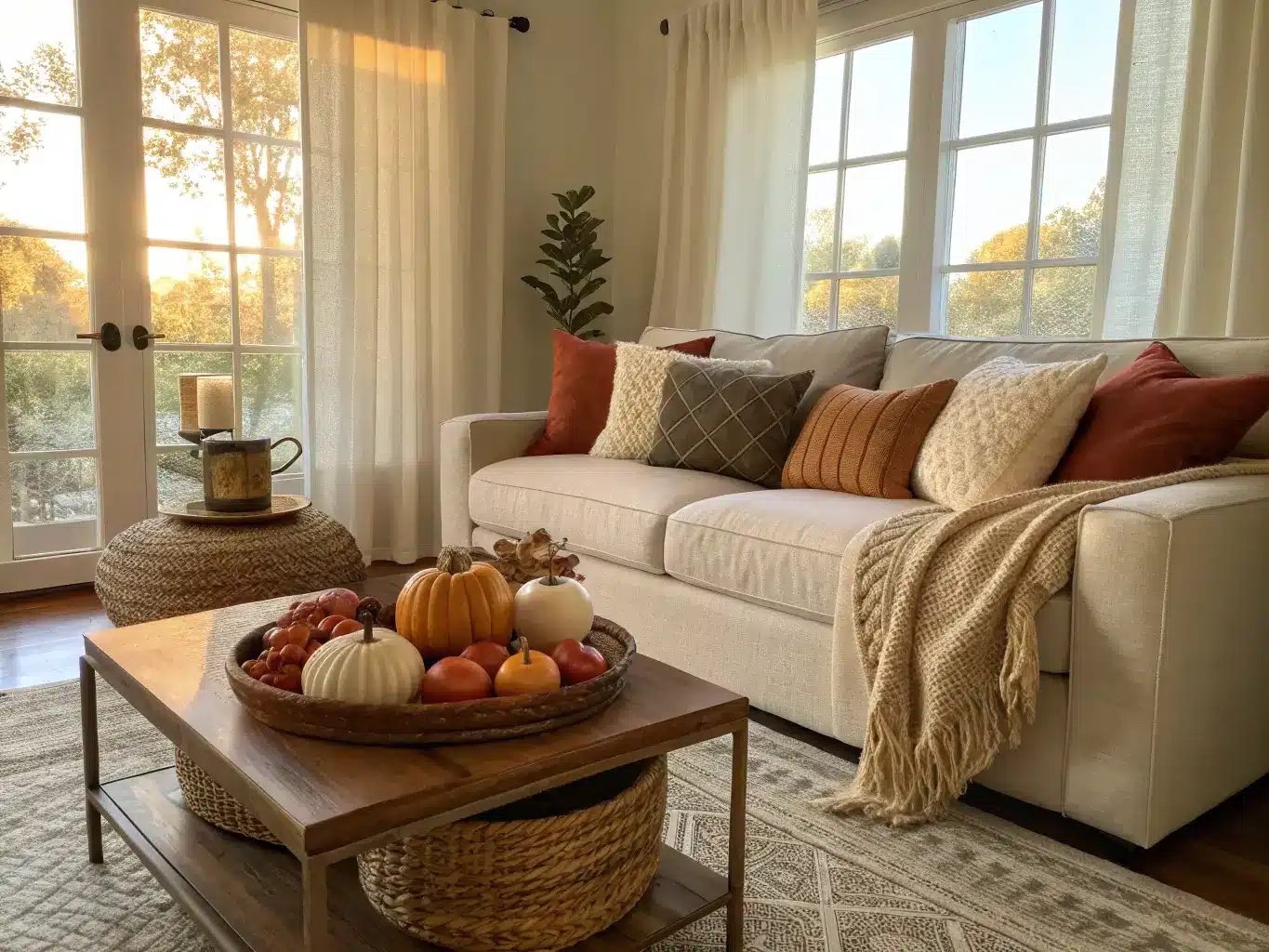
A simple refresh — new pillow covers, a throw blanket, a small pumpkin cluster on the coffee table — takes 1 to 3 hours. I can do my living room and entry table on a Saturday morning before lunch.
A fuller update covering the mantel, entry, dining table, and porch takes 4 to 8 hours, especially if you’re building a garland from scratch or layering a porch display with mums and lanterns. Budget a full afternoon, or split it over a weekend.
Cost depends entirely on scope:
– Budget refresh ($30–$120): A few pillows, one throw, a small faux pumpkin cluster, one candle or wreath. This is where I started my first apartment fall — three pillow covers from a discount store and a $12 pumpkin trio got the whole room feeling different.
– Mid-range update ($125–$350): Mantel garland, a real wreath, 3–4 pillows, a blanket, a couple of lanterns, faux pumpkins, tabletop accents. This is my usual range now — I spend on a good garland and cheap out on filler pumpkins.
– Larger setup ($400+): Multiple wreaths, a full porch display, accent lighting, bigger planters, premium faux stems. Worth it if you’re doing a whole house, not just one room.
This works in anything from a studio apartment to a five-bedroom house. The trick is picking one or two focal zones — mantel, entry, porch — rather than trying to touch every surface. Skill-wise, it’s beginner-friendly. Wreaths and garlands take a little more patience, but nothing here requires a power tool.
What Fall Decor at Home Actually Looks Like
The style people mean when they say “fall decor” is really cozy seasonal layering — it borrows from farmhouse, rustic, transitional, and modern organic styles depending on how polished you want it. It’s not one strict aesthetic. It’s a palette and a texture strategy applied to whatever style you already have.
Colors that make a room read as fall:
– Burnt orange, deep red, mustard, rust
– Olive green and plum as accent tones
– Champagne gold and bronze for metals
– Cream and brown as your neutral base
Materials that do the heavy lifting:
– Knit throws, plaid textiles, jute and rattan
– Wood, wicker, ceramic vessels
– Faux foliage, dried leaves, pinecones
– Real or faux pumpkins and gourds, glass cloches
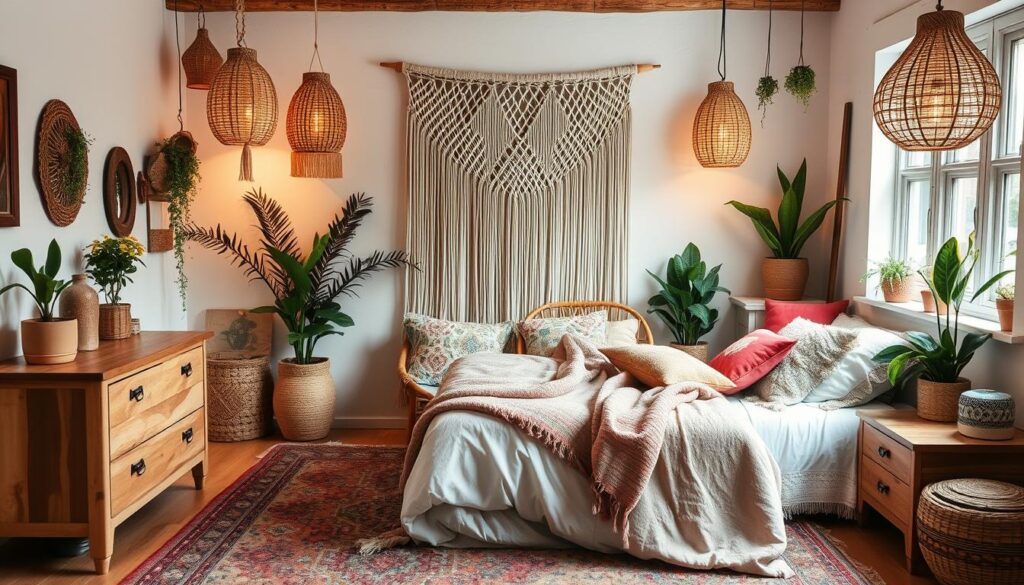
This look is for anyone who wants a fast update without repainting or buying new furniture. It works especially well if you rent — nothing here is permanent. And it’s not confined to the living room. I’ve done fall textile swaps in my bedroom (a mustard throw, two plaid pillow covers) that took ten minutes and changed the whole feel of the room.
The worth having Pieces for Fall Home Decor
If you only buy five things, buy these.
– Throw pillows and a blanket. This is the fastest, cheapest swap you can make. Two or three pillow covers in rust or olive, plus a chunky knit throw over the arm of the sofa, does more per dollar than almost anything else on this list.
– Pumpkins and gourds, real or faux. Cluster them in odd numbers — three or five — in mixed sizes. A single giant pumpkin looks like a leftover Halloween prop. A cluster looks styled.
– A fall wreath. Front door is the obvious spot, but a wreath on a window or leaned against a mirror indoors reads just as well.
– Garland or faux foliage. This is what makes a mantel look finished instead of just “decorated.” A 6-foot faux leaf or berry garland draped with a slight dip in the middle is the single highest-impact item I own.
– Candles and lanterns. Metal hurricane lanterns, taper candles in the $8–15 range, anything that throws warm light. Fall decor without light sources feels flat, especially once the days get shorter.
– Tabletop fillers — pinecones, acorns, small dried wheat bundles, a bowl of apples on the counter.
– A textural basket or tray. Rattan or woven jute, used to hold a folded blanket or anchor a vignette on the coffee table.
Optional Upgrades Worth the Money
Once the basics are in place, these are the additions that take a room from “fine” to “actually considered”:
– Potted mums by the front door or on a console table — instant seasonal color for under $15 at most grocery stores.
– Metallic accents — a brass candlestick, a bronze mirror frame — to keep rustic pieces from looking dated.
– A signature fall candle scent. I keep one lit whenever people come over; it does more emotional work than any object on a shelf.
– DIY touches if you have an hour to spare: painted mini pumpkins, a pressed-leaf garland, a simple three-stem arrangement in a thrifted vase.
– Porch upgrades — a layered doormat, a cluster of pumpkins by the steps, a couple of lanterns flanking the door.
How to Actually Put It Together, Step by Step
Prep first. Clear your target surface completely before you add anything new. Pull any bright blue, aqua, or pastel spring decor — it’ll fight with warm fall tones every time. Group your materials by type before you start styling: textiles in one pile, pumpkins and stems in another, candles and trays in a third. This sounds fussy but it saves you from the “I’ll just wing it” spiral where you end up with twelve small objects and no plan.
Build in layers, largest to smallest:
1. Start with your anchor piece — the wreath, the garland, a mirror, or a big tray.
2. Add medium pieces — pillows, the blanket, lanterns, a runner.
3. Finish with small accents — acorns, mini pumpkins, candle holders, a few loose dried leaves.
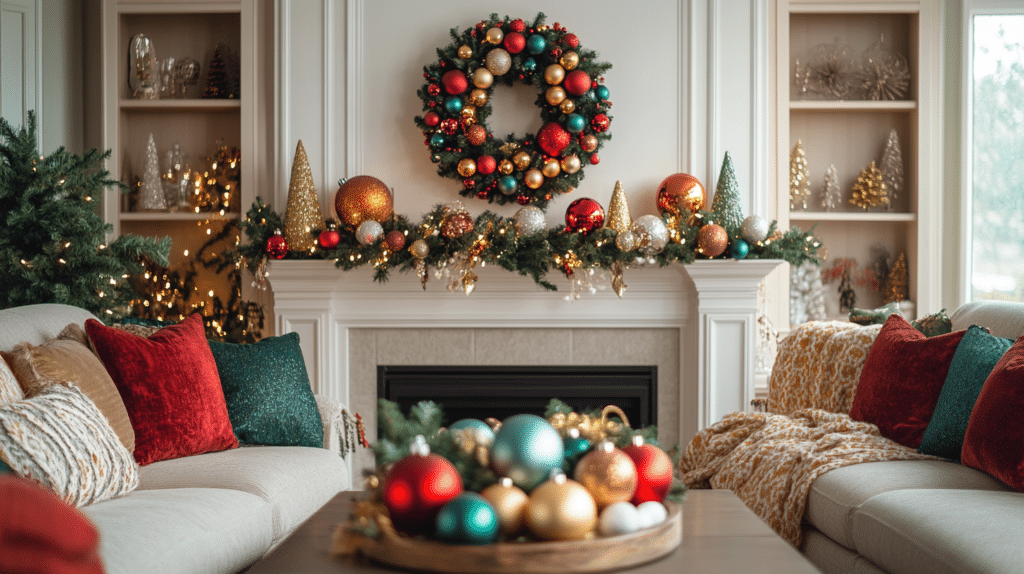
Mantel specifically: drape the garland with an intentional dip, not a straight line. Add taper candles at two different heights, lean a mirror or piece of art behind it, then finish with two or three asymmetrical accents — a small pumpkin here, a stack of books there. Symmetry looks stiff. Off-center looks styled.
Dining table: a table runner down the center, a low candle centerpiece (nothing that blocks sightlines across
New mom embracing the chaos and creativity! 💕 Sharing budget-friendly tips for cooking, DIY hacks, home decor, fashion, and making every moment stylish and affordable