Stacked inverted bob haircuts live or die by the nape: a short, graduated back with the front angled down to the chin, cut on dry hair so the stack sits where it actually falls. Most need a trim every four to six weeks and a round brush in the morning to keep the back lifted.
1. The Classic Inverted Bob
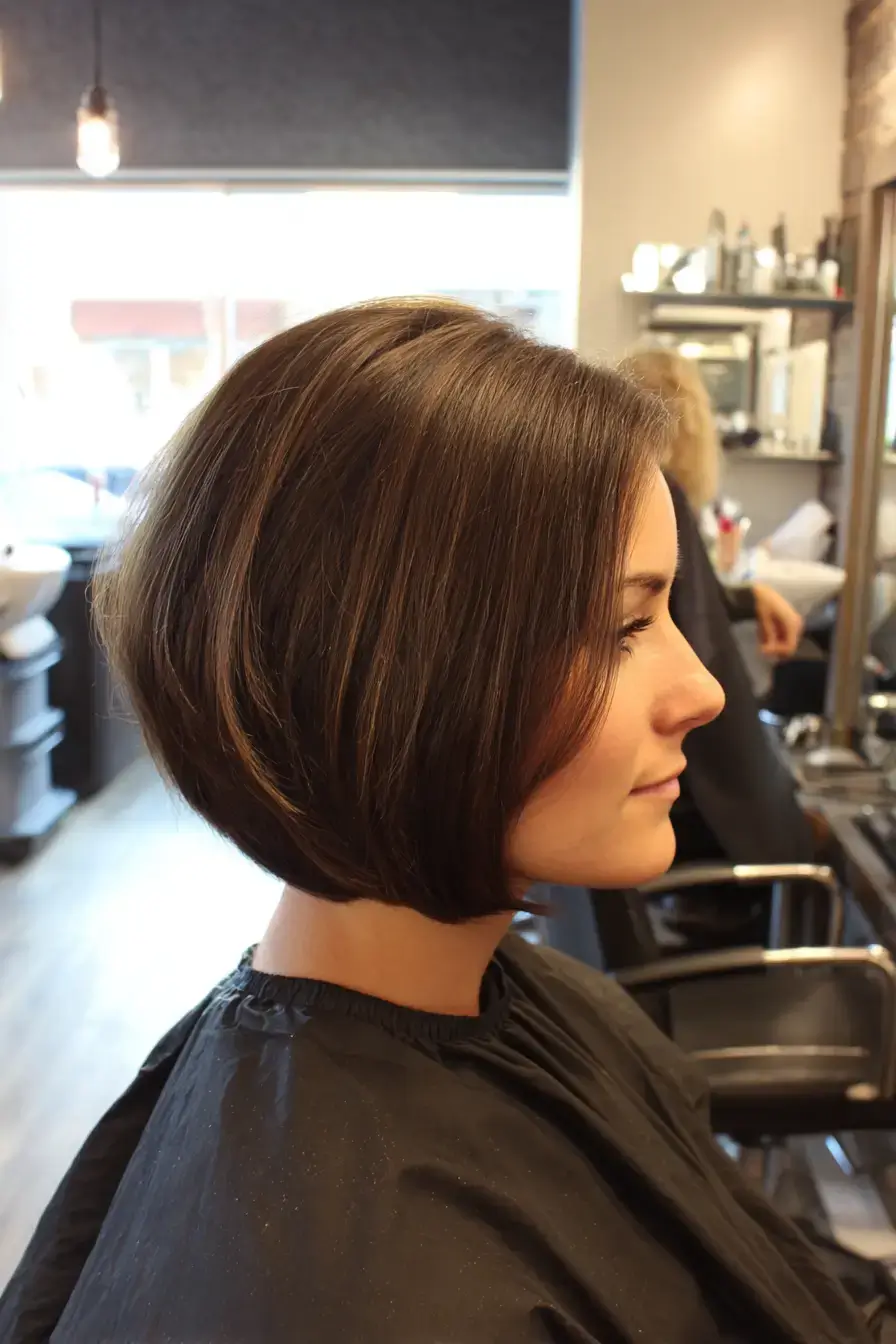
Every one of the inverted bob haircuts on this list starts from the classic version: a short, graduated nape with the front falling to the chin. Working on dry hair, I graduate the nape, set the weight line at the occipital, and then angle the front down to the chin. Round and square faces wear it well, in fine to thick density and 1A to 2A texture. Roll the front under with a round brush as you blow-dry. Book a trim every five weeks.
2. High-Stack Stacked Inverted Bob Haircuts
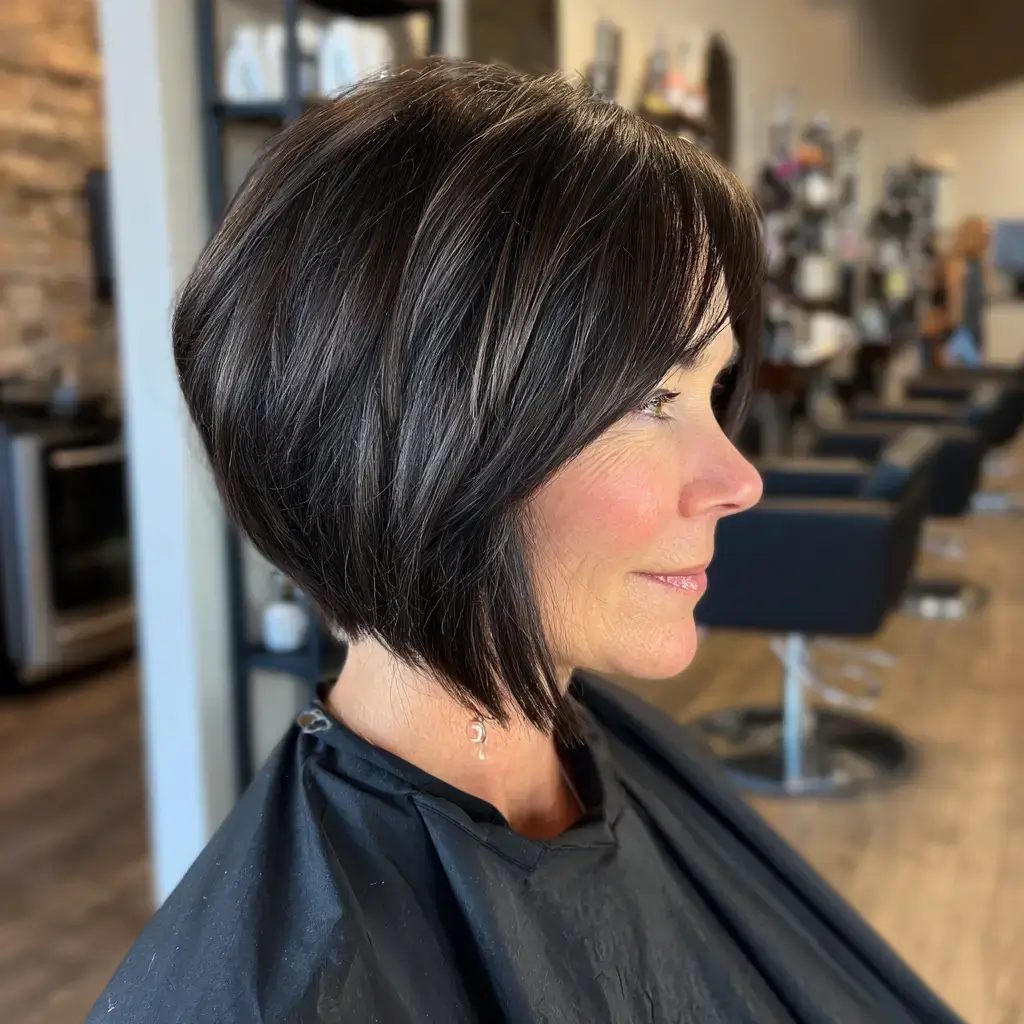
With a high stack, stacked inverted bob haircuts take the graduation all the way to the crown, so the back rises into a dome. On dry hair I cut the nape short, build the stack up to the crown in half-inch increments, and angle the front to the chin. Oval and round faces suit it, with fine to medium density and 1A to 2A texture. Use a small round brush on the stack and lift at the root. Trim it every four weeks.
3. Curtain-Bang Inverted Bob
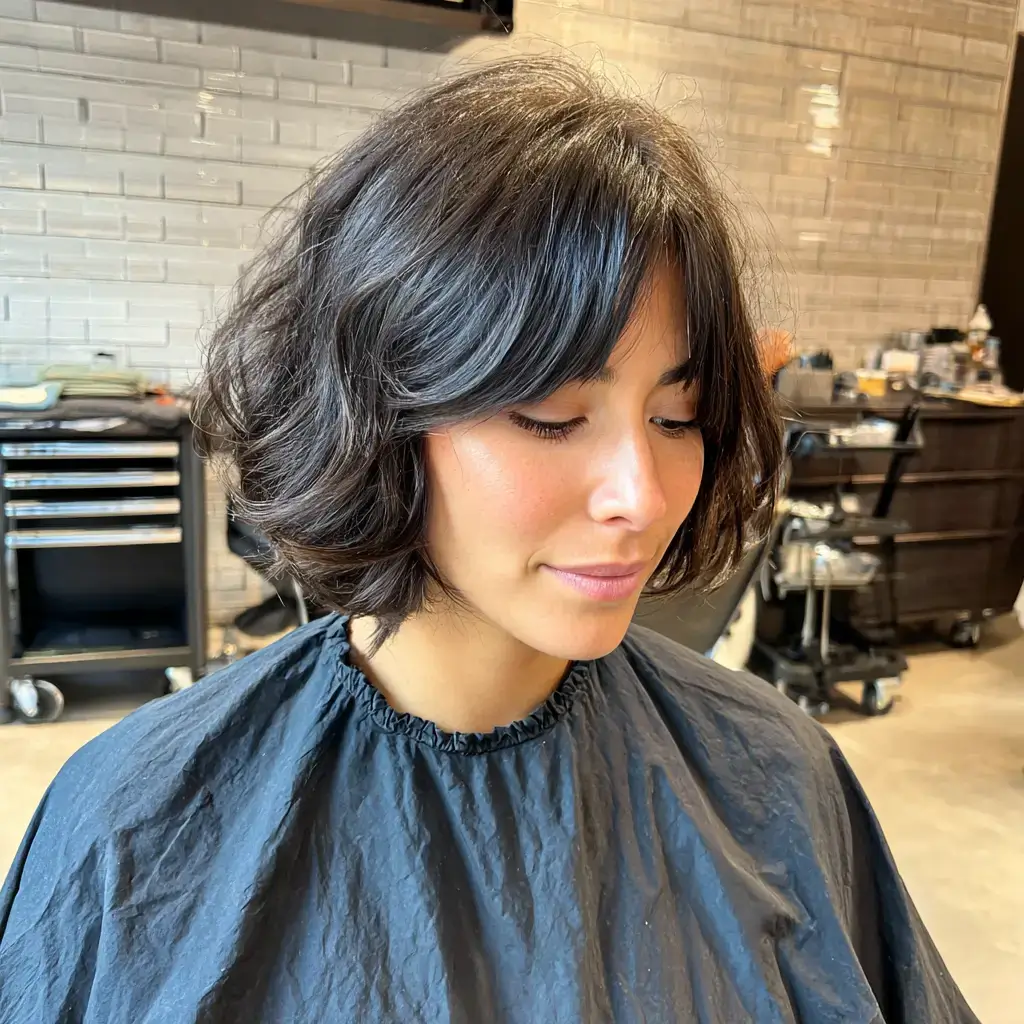
Adding curtain bangs to an inverted bob gives the back-heavy shape a softer second line running from brow to cheekbone. I graduate the nape dry, take the front down to the chin, section out a triangle, and cut the bangs from the brow to the cheekbone. It works on round and square faces with fine to medium density and 1B to 2B texture. Dry the bangs outward with a small round brush. The bangs need a trim every five weeks.
4. Fine-Hair Inverted Bob
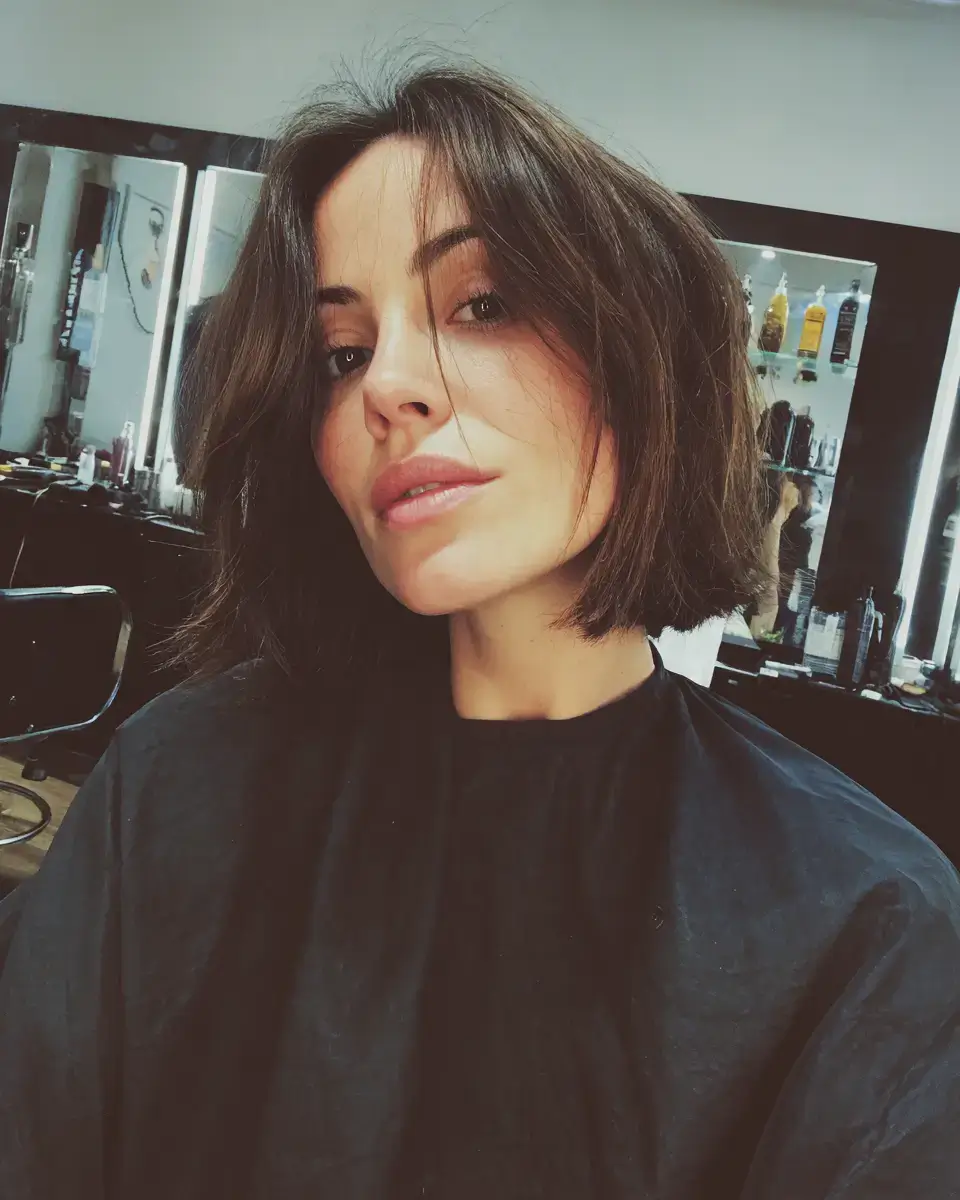
On fine hair, an inverted bob gets its body from the nape graduation, so I keep the stack tight and leave the front blunt. With the hair dry, I graduate the nape in quarter-inch increments and angle the front to the chin, shears held flat. Oval and round faces wear it best, in fine density and 1A to 2A texture. Work mousse into damp roots and blow the back up with a round brush. Trim every five weeks.
5. The Long Inverted Bob
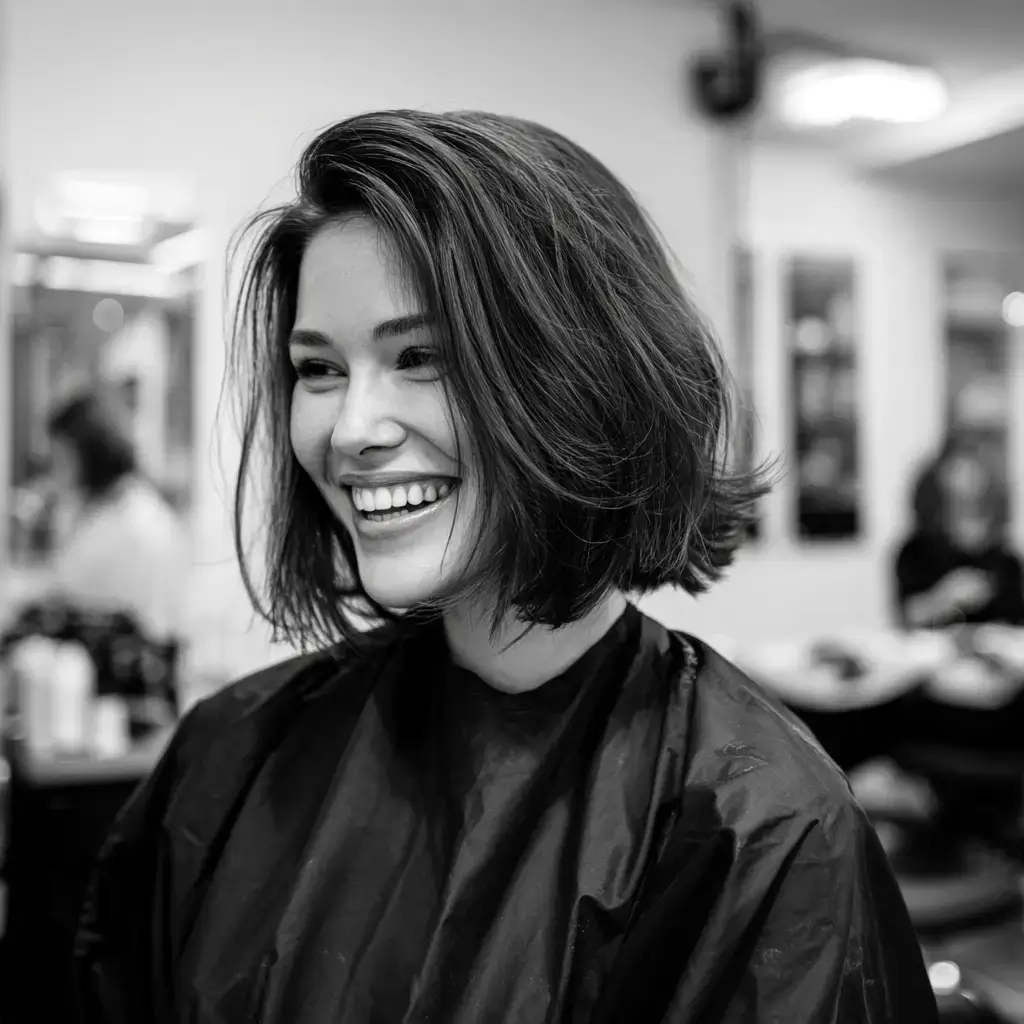
In a long inverted bob the back stays at the shoulder while the front drops to the collarbone, giving you a lob with lift. On dry hair I cut the back at shoulder length with soft graduation, then angle the front down to the collarbone. Round, square and oval faces suit it, across fine to thick density and 1A to 2B texture. Blow it smooth with a round brush and finish with a serum. Trim every eight weeks.
6. Thick-Hair Stacked Inverted Bob Haircuts
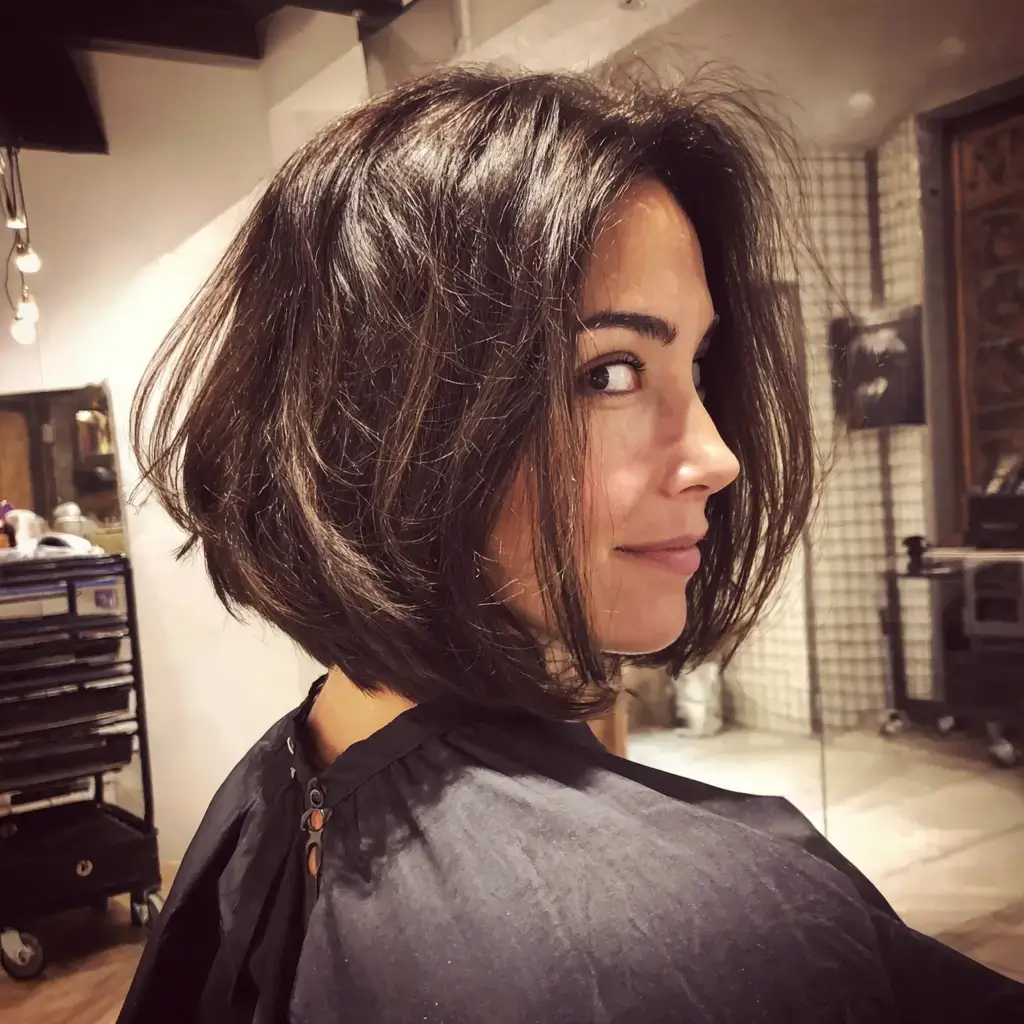
On thick hair, stacked inverted bob haircuts need the weight line thinned out, or the back juts out like a shelf. I graduate the nape dry, set the weight line at the occipital, and point cut internal layers beneath it to take out bulk. Any face shape can wear it, in thick density and 1A to 2B texture. Blow-dry with a paddle brush and smoothing cream, then go over the stack with a round brush. Trim every five weeks.
7. Inverted Bob for Women Over 50

For the inverted bob over 50, I keep the stack soft instead of tight and leave the front at the chin with point cut ends. Working dry, I graduate the nape in wider increments, angle the front to the chin, and texturize the ends. Most face shapes suit it, in fine to medium density and 1A to 2A texture. Put a volumizing mousse at the crown and blow-dry with a round brush. Trim every six weeks.
8. The Wavy Inverted Bob
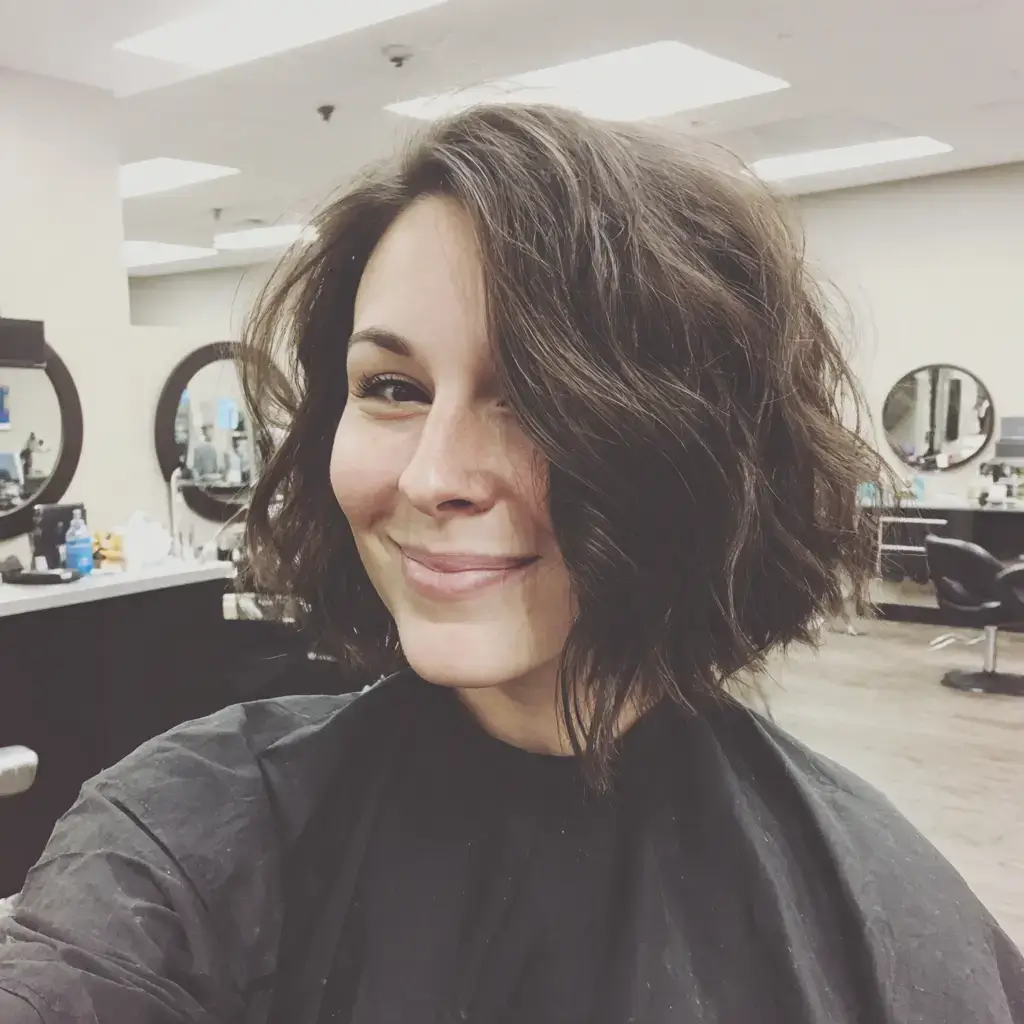
In a wavy inverted bob the front pieces are bent, which makes the back graduation look softer. I graduate the nape dry, angle the front to the chin, and point cut the ends. Round and square faces wear it, with fine to medium density and 1B to 2B texture. Use a one-inch iron to wave the front, keep the stack smooth, and loosen it all with a texture spray. Trim every six weeks.
9. Side-Swept-Bang Inverted Bob
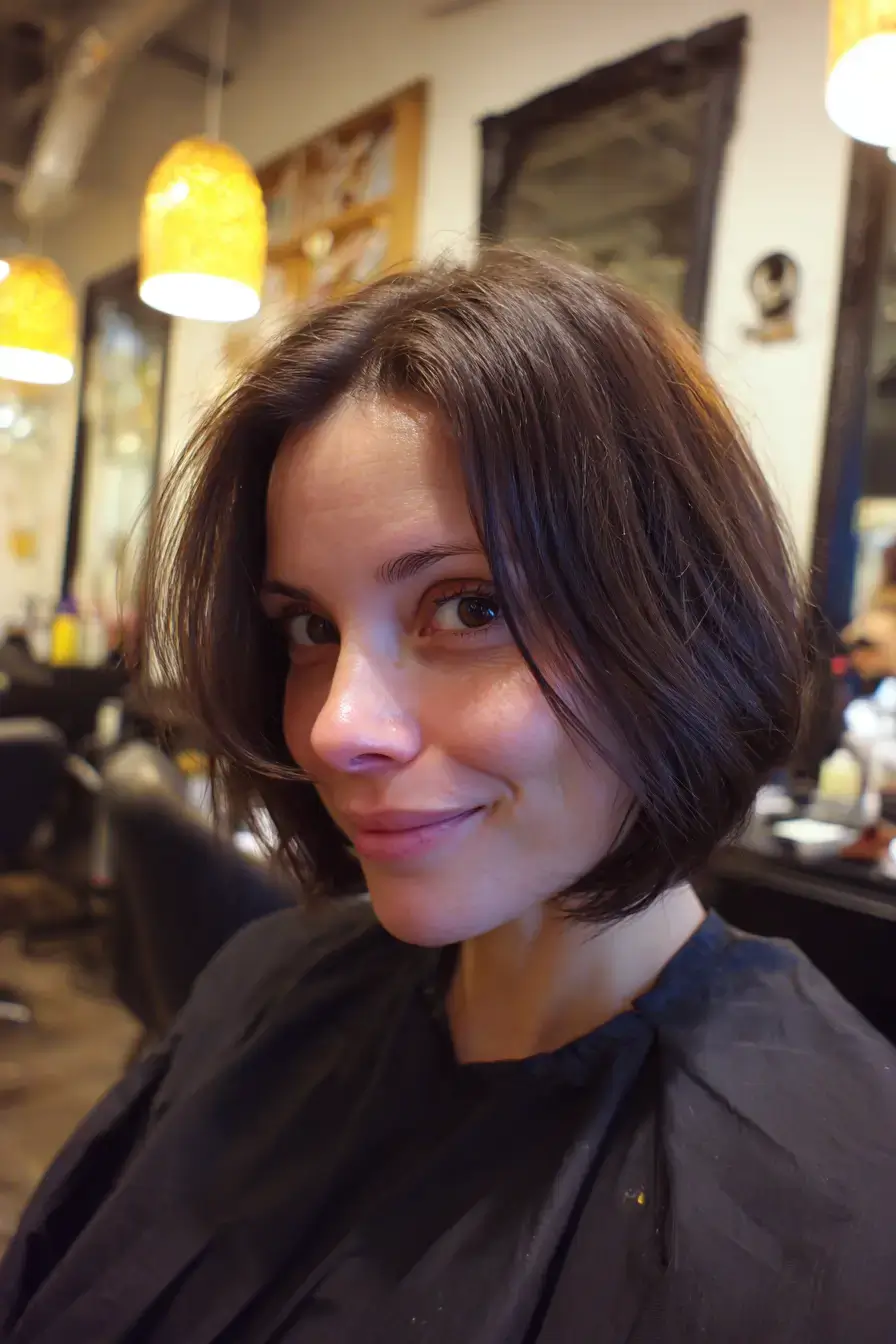
On an inverted bob, side swept bangs travel from the part to the cheekbone and track the angle of the front. I graduate the nape on dry hair, take the front to the chin, and cut the bangs from the part down to the cheekbone. It suits round and square faces with fine to medium density and 1A to 2B texture. Dry the bangs across with a flat brush and lift the back. Trim the bangs every five weeks.
10. The Short Inverted Bob
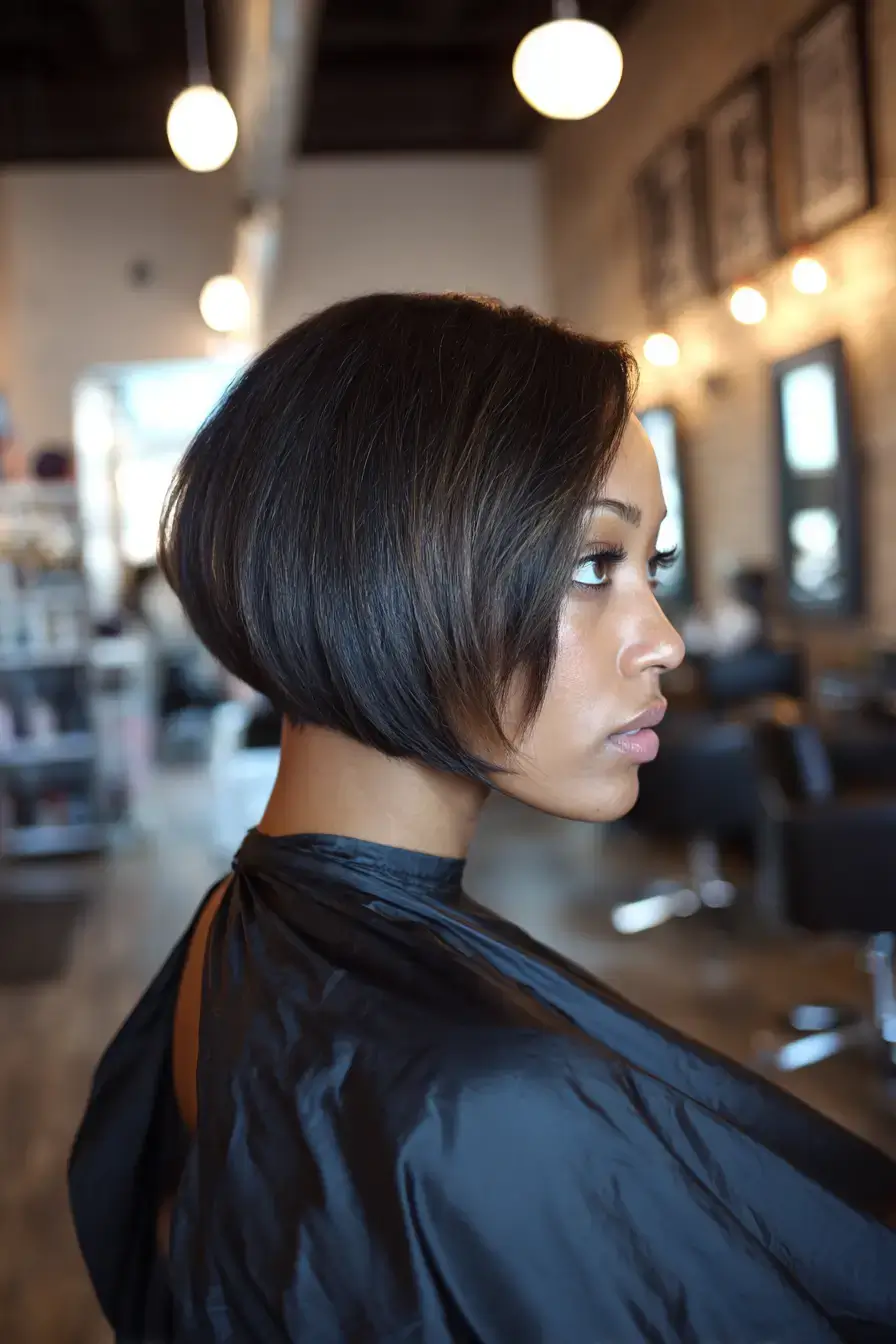
With a short inverted bob, the nape goes to the hairline and the front to the jaw, keeping the whole cut above the collar. On dry hair I graduate the nape tight, set the weight line at the occipital, and angle the front to the jaw. Oval and heart faces suit it, in fine to thick density and 1A to 2A texture. Roll the front under with a small round brush when you blow-dry. Trim every four weeks.
11. Blunt-Fringe Inverted Bob

Putting a blunt fringe on an inverted bob sets a horizontal line against the diagonal at the front. I graduate the nape dry, angle the front to the chin, and cut the fringe at the brow with flat shears. Oval and oblong faces wear it best, with fine to medium density and 1A to 1C texture. Dry the fringe down with a flat brush and turn the bob under with a round brush. Trim the fringe every four weeks.
12. The Sleek Inverted Bob

In a sleek inverted bob the graduation reads as a single smooth curve, so each piece needs to lie flat. I graduate the nape on dry hair, set the weight line at the occipital, and angle the front to the chin with the shears held flat. Round and square faces suit it, in fine to thick density and 1A to 1C texture. Use a paddle brush, then a flat iron over heat protectant, and finish with serum. Trim every five weeks.
13. Inverted Bob for Women Over 60
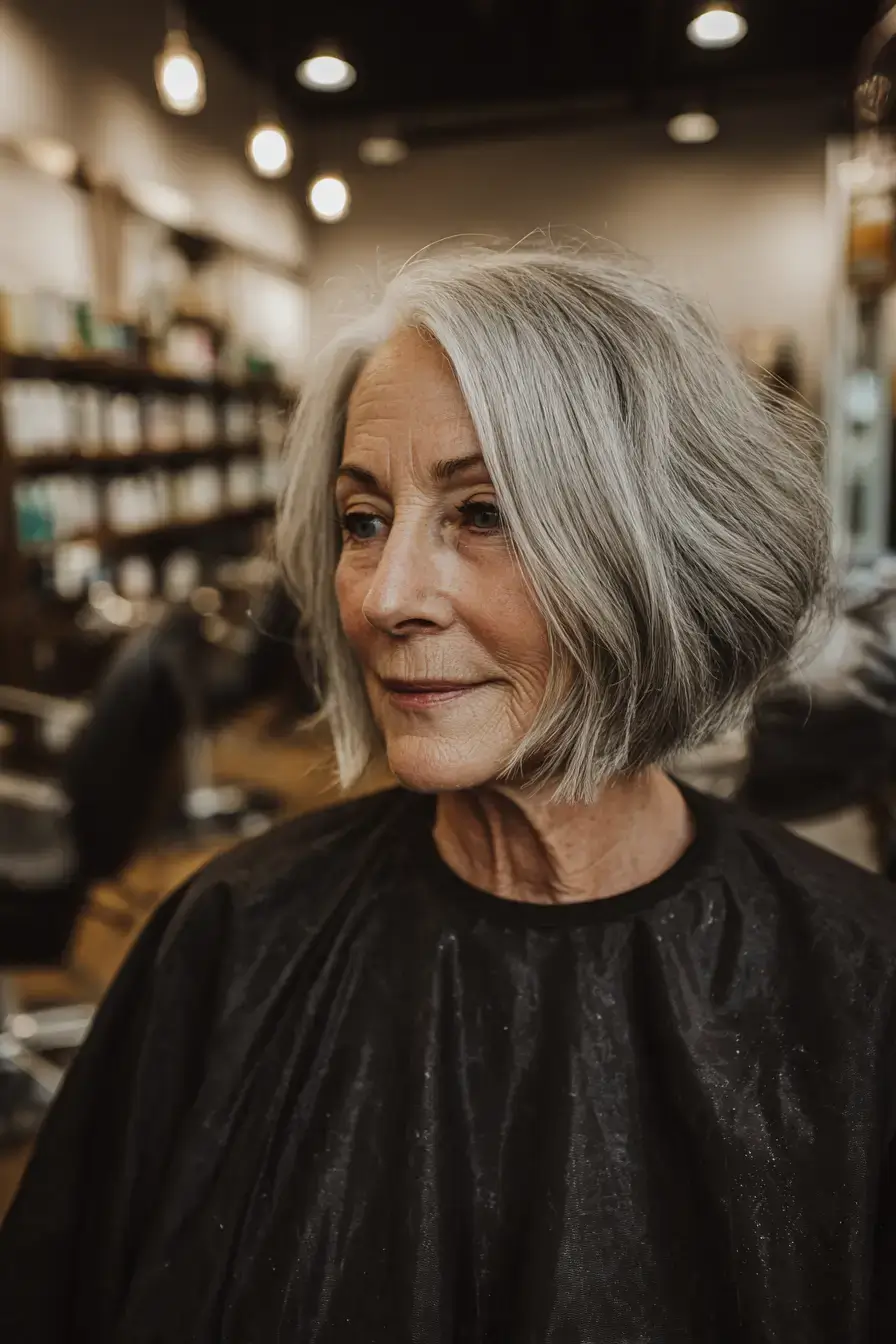
With the inverted bob over 60, I soften the graduation, leave the front at the chin, and point cut the ends so they keep their thickness. I work on dry hair, graduate the nape in wide increments, and angle the front down to the chin. Any face shape can wear it, in fine to medium density and 1A to 2A texture. Use mousse at the roots and a round brush. Trim every six weeks and gloss every eight.
14. The Curly Inverted Bob
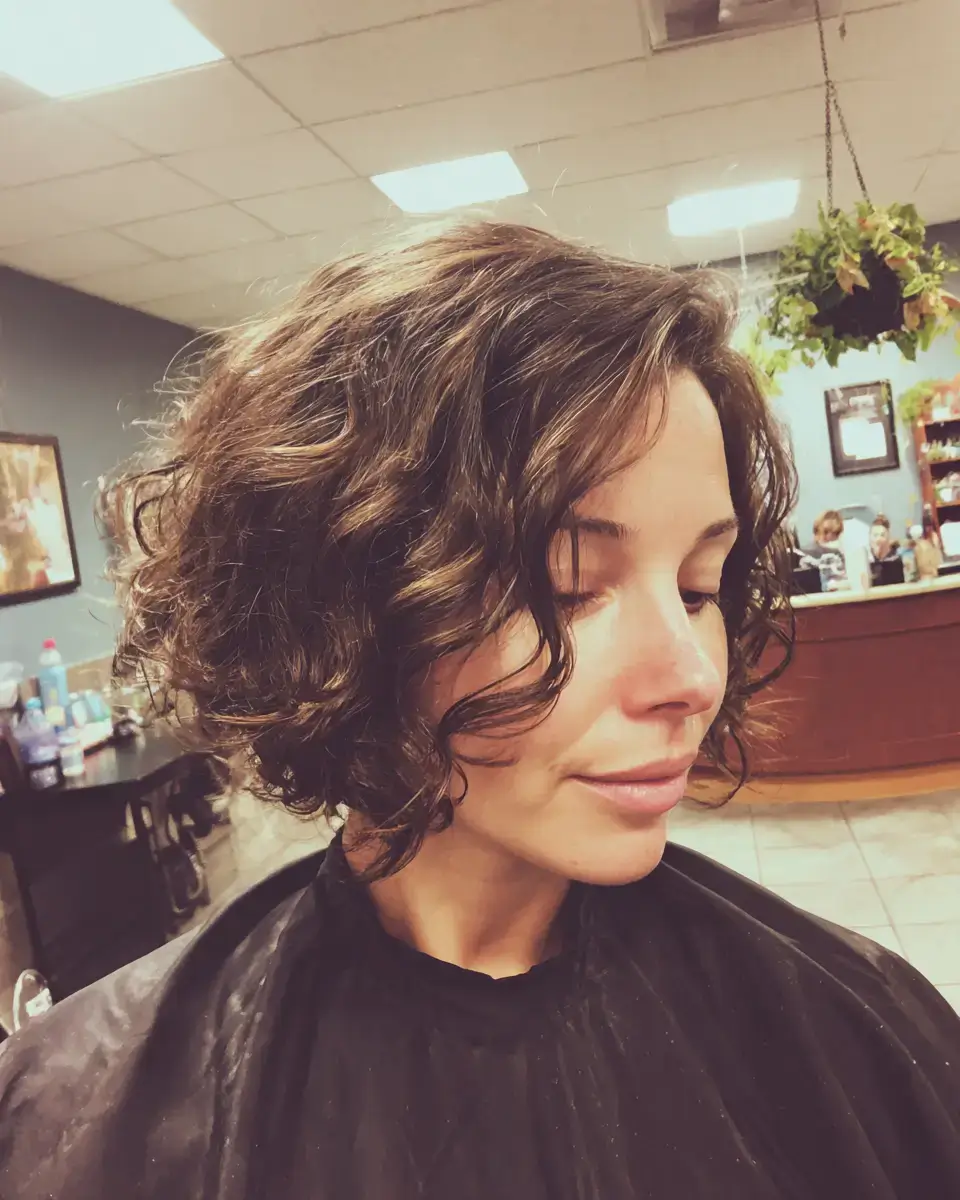
I cut a curly inverted bob dry and one curl at a time, so the graduation still reads after the curl springs up. Each curl at the nape gets graduated on dry hair, then the front is angled to the chin. It suits oval and heart faces with medium to thick density and 3A to 3C texture. Rake curl cream through wet hair, diffuse on low, and lift the back at the root. Trim every eight weeks.
15. Round-Face Stacked Inverted Bob Haircuts
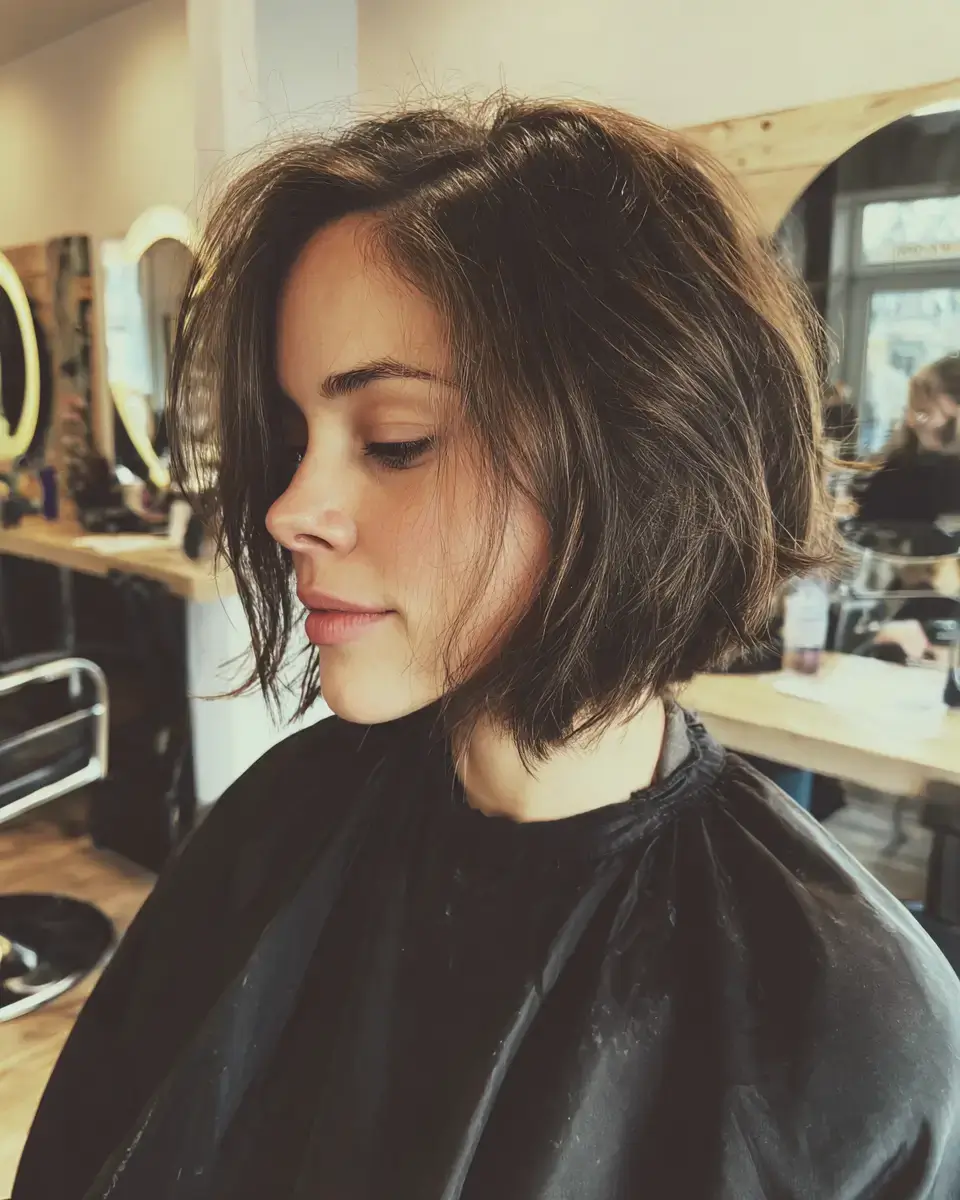
For a round face, stacked inverted bob haircuts bring the front past the chin, so the diagonal draws the eye downward while the stack gives height. I graduate the nape dry, place the weight line high, and angle the front to an inch below the chin. It works in fine to thick density and 1A to 2B texture. Blow the stack up with a round brush and keep the front smooth. Trim every five weeks.
16. Money-Piece Inverted Bob

On an inverted bob, a money piece brightens the front pieces where the angle runs longest. I graduate the nape dry, angle the front to the chin, then lift the two front sections to a level nine and tone them beige. It suits fine to medium density and 1A to 2B texture. Dry the front outward with a round brush and lift the back. Refresh the color every ten weeks.
17. The Textured Inverted Bob

A textured inverted bob gets deep point cutting through the ends, so the graduation looks soft rather than sharp. I graduate the nape on dry hair, angle the front to the chin, and point cut an inch up into the ends. Oval and square faces suit it, with medium to thick density and 1B to 2B texture. Rough-dry with texture spray, then bend the ends using a flat iron. Trim every six weeks.
18. Undercut Inverted Bob
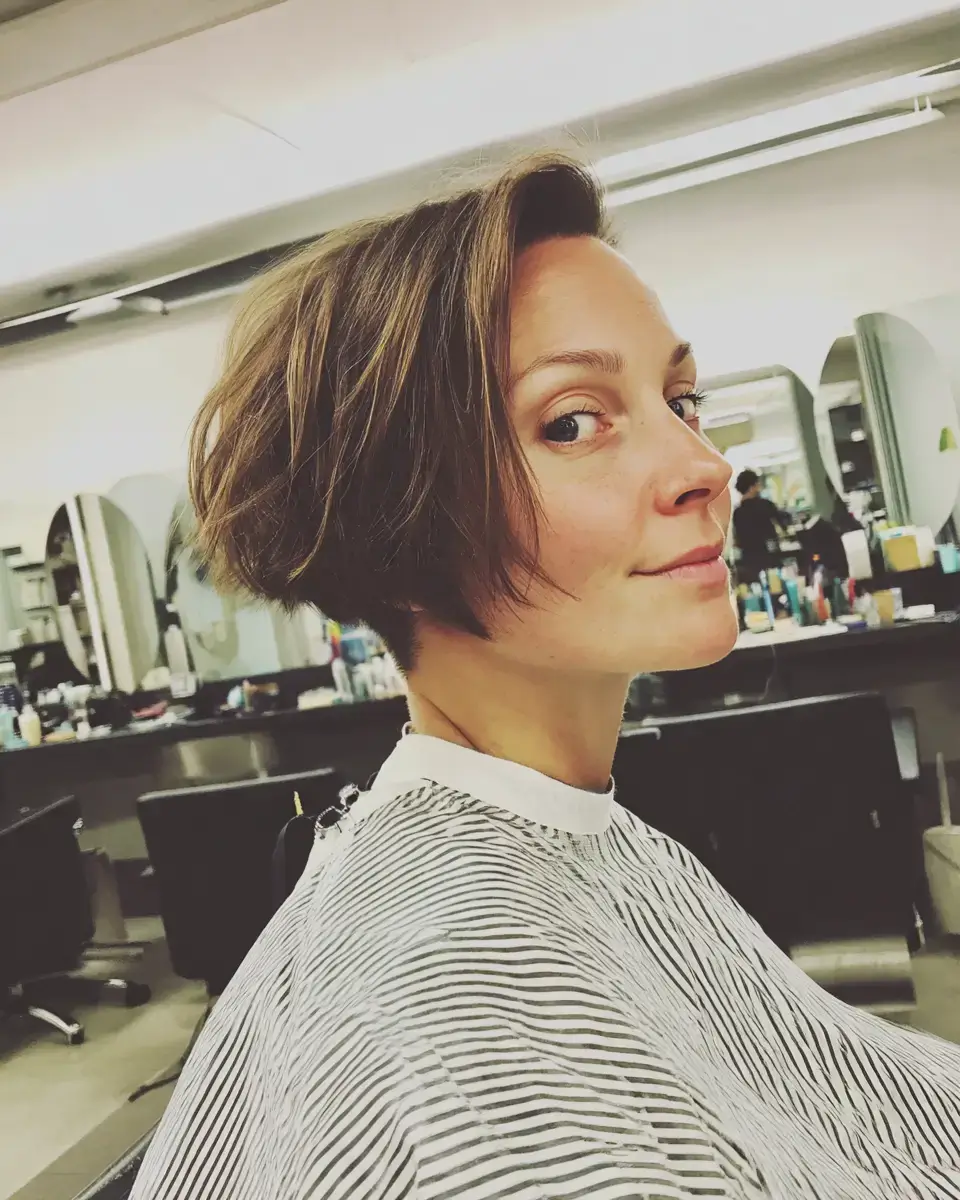
Putting an undercut beneath an inverted bob takes the bulk out of the nape so the stack lies flat to the head. On dry hair I clipper the nape to a number two, graduate above that, set the weight line at the occipital, and angle the front to the chin. Any face shape can wear it, in thick density and 1A to 2B texture. Blow-dry with a round brush. Buzz the undercut every three weeks.
19. The Copper Inverted Bob

On an inverted bob, copper shows up bright along the curve of the stack. I graduate the nape dry, angle the front to the chin, then put a level seven copper on the root and a demi through the ends. It suits warm skin tones with fine to medium density. Use a round brush to blow-dry and finish with serum. Trim every five weeks and refresh the tone every five.
20. Balayage Inverted Bob
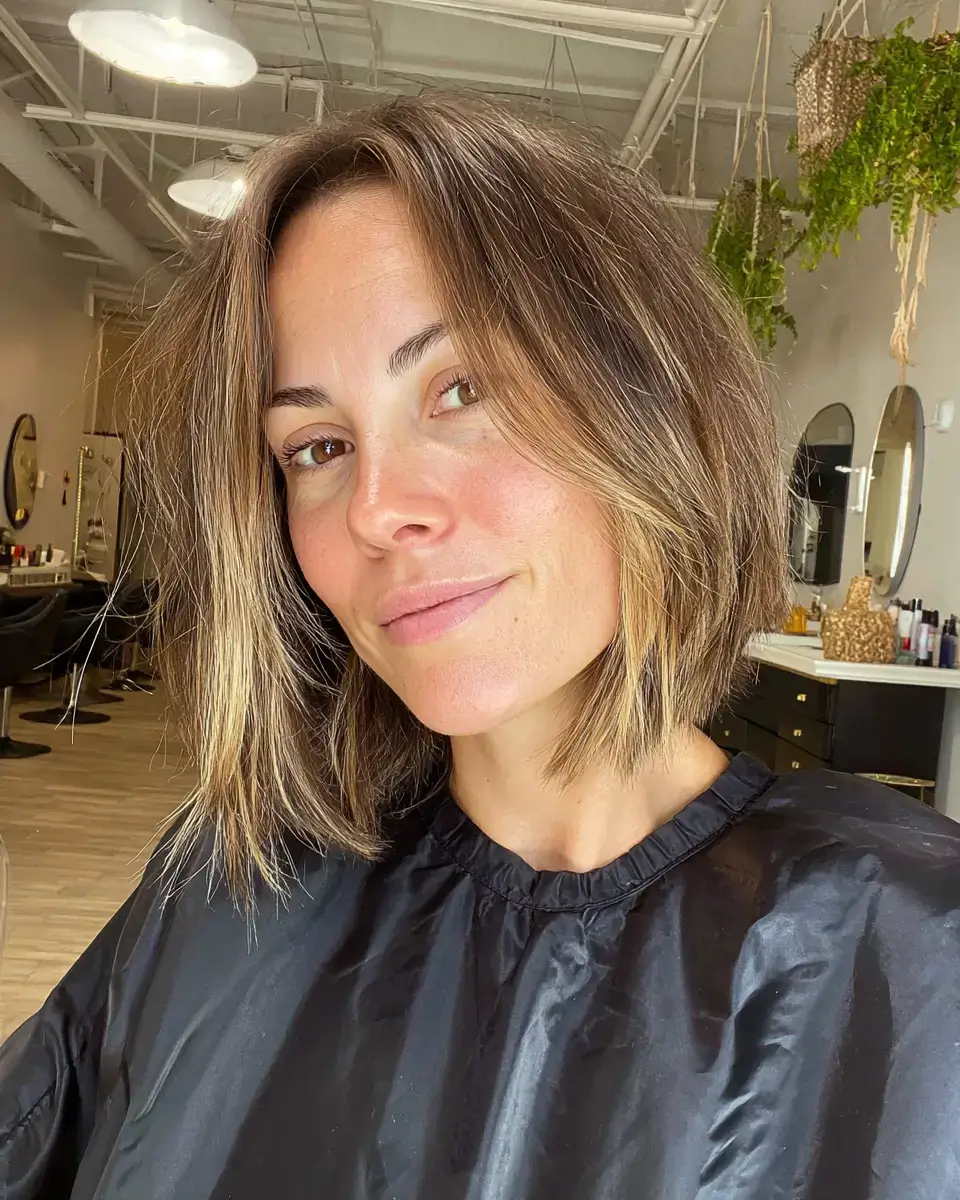
On inverted bob haircuts, I paint balayage brightest at the front where the pieces run longest and keep the stack darker. I graduate the nape dry, angle the front to the chin, and hand paint the front pieces and ends up to a level nine. It suits fine to thick density and 1A to 2B texture. Blow-dry with a round brush and finish with a serum. Refresh it every twelve weeks.
21. Square-Face Inverted Bob
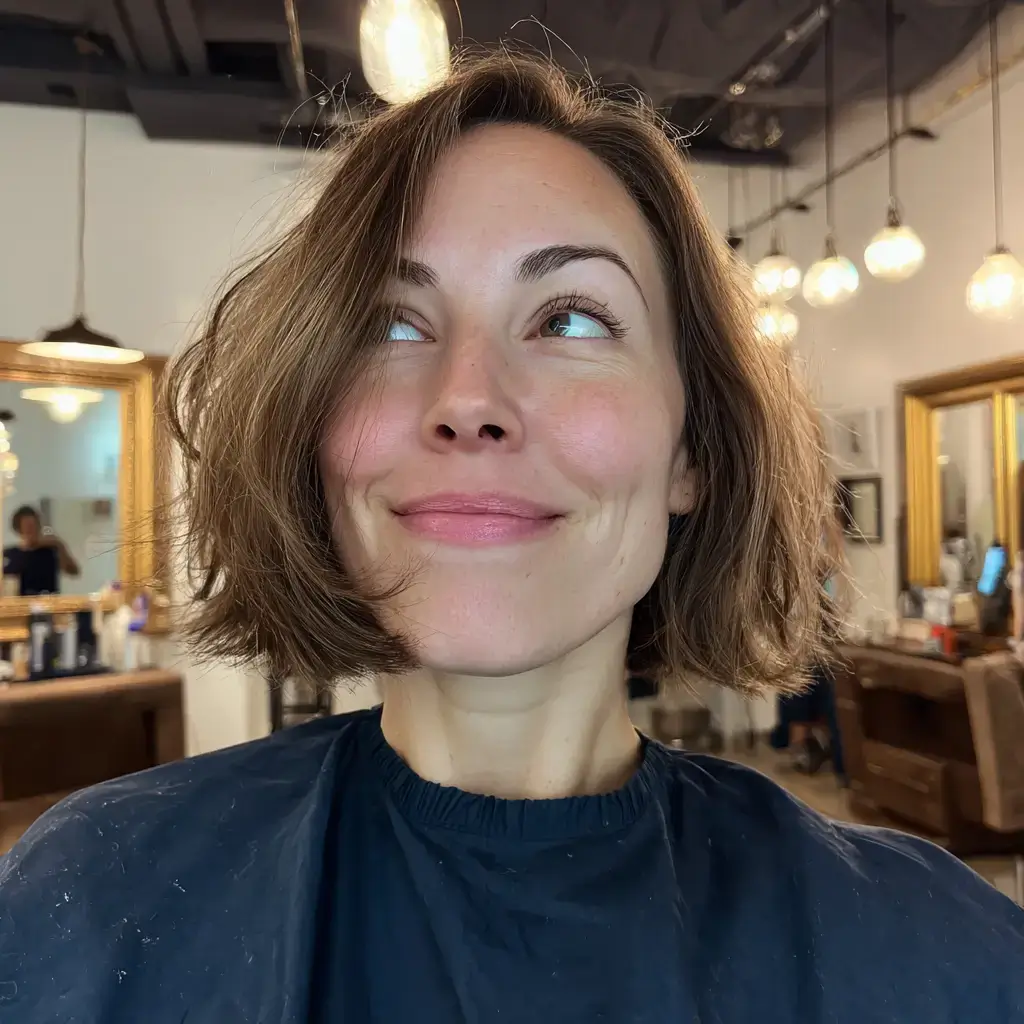
On a square face I drop the front of an inverted bob below the jaw so the diagonal runs past the corners. I graduate the nape dry, set the weight line at the occipital, angle the front to an inch below the jaw, and point cut the ends. It works with fine to thick density and 1A to 2B texture. Roll the front under with a round brush while you blow-dry. Trim every five weeks.
22. Shadow-Root Inverted Bob
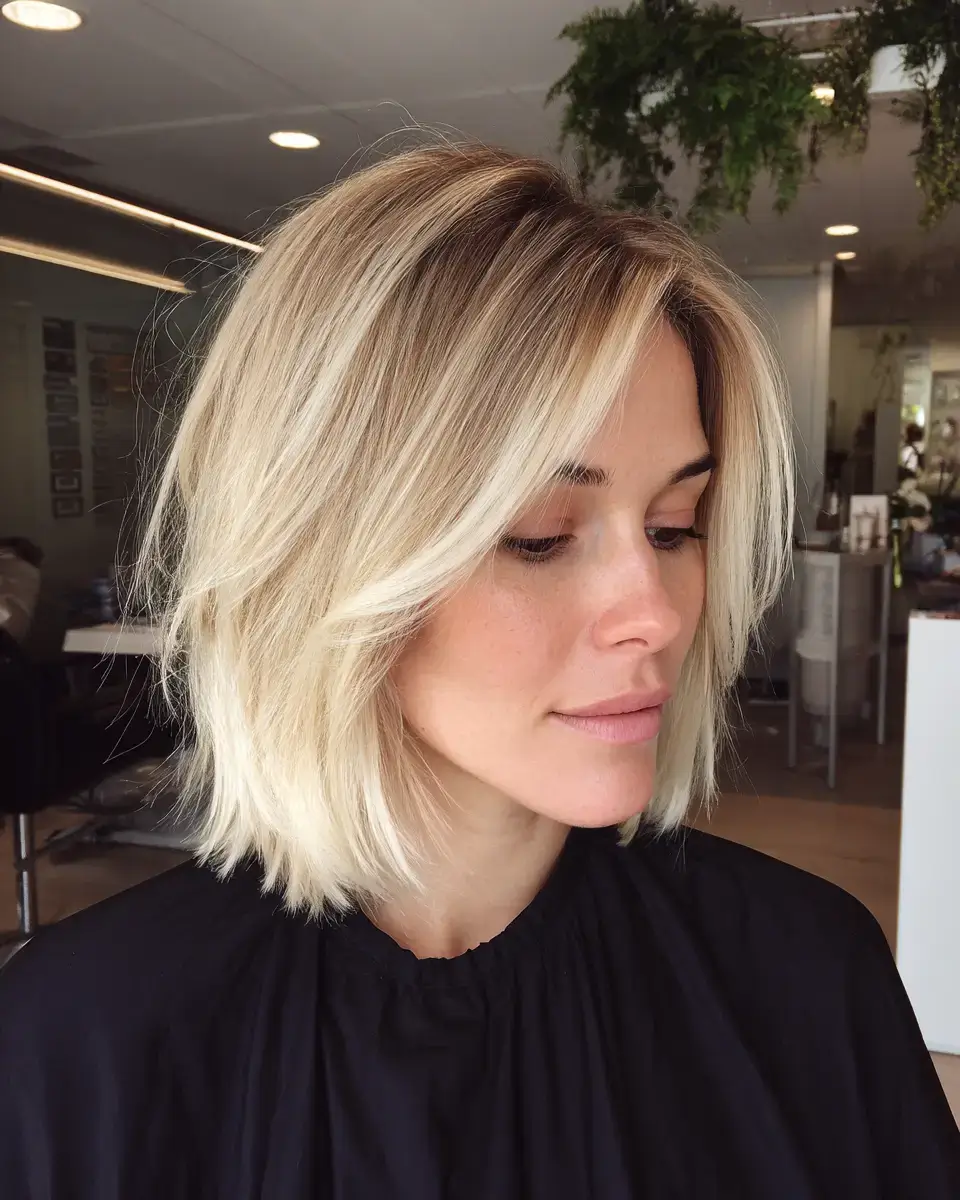
On a blonde inverted bob, a shadow root holds depth at the crown while the front and stack stay light. I graduate the nape dry, angle the front to the chin, then put a level six demi at the root and leave the lengths at level nine. It suits fine to medium density and 1A to 2B texture. A round brush is all you need for the blow-dry. Trim every five weeks, and refresh the root every ten.
23. Straight-Hair Inverted Bob
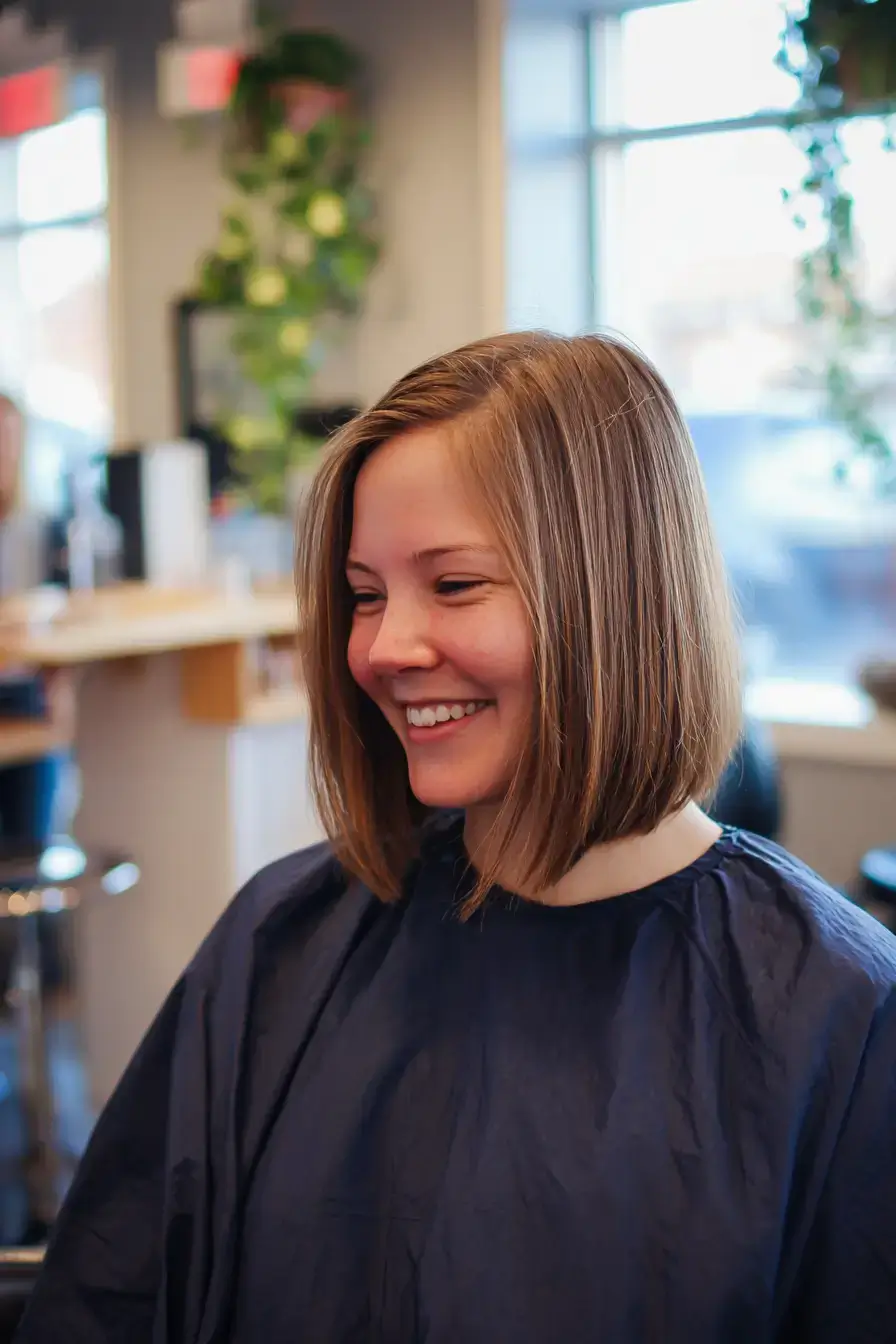
Straight hair holds the graduation of an inverted bob with no product, so the cutting has to be clean. I graduate the nape in quarter-inch increments on dry hair, then angle the front to the chin with flat shears. Round and square faces suit it, in fine to medium density and 1A to 1C texture. Blow it flat with a paddle brush and turn the front under with a flat iron. Trim every five weeks.
24. The Dark Brunette Inverted Bob
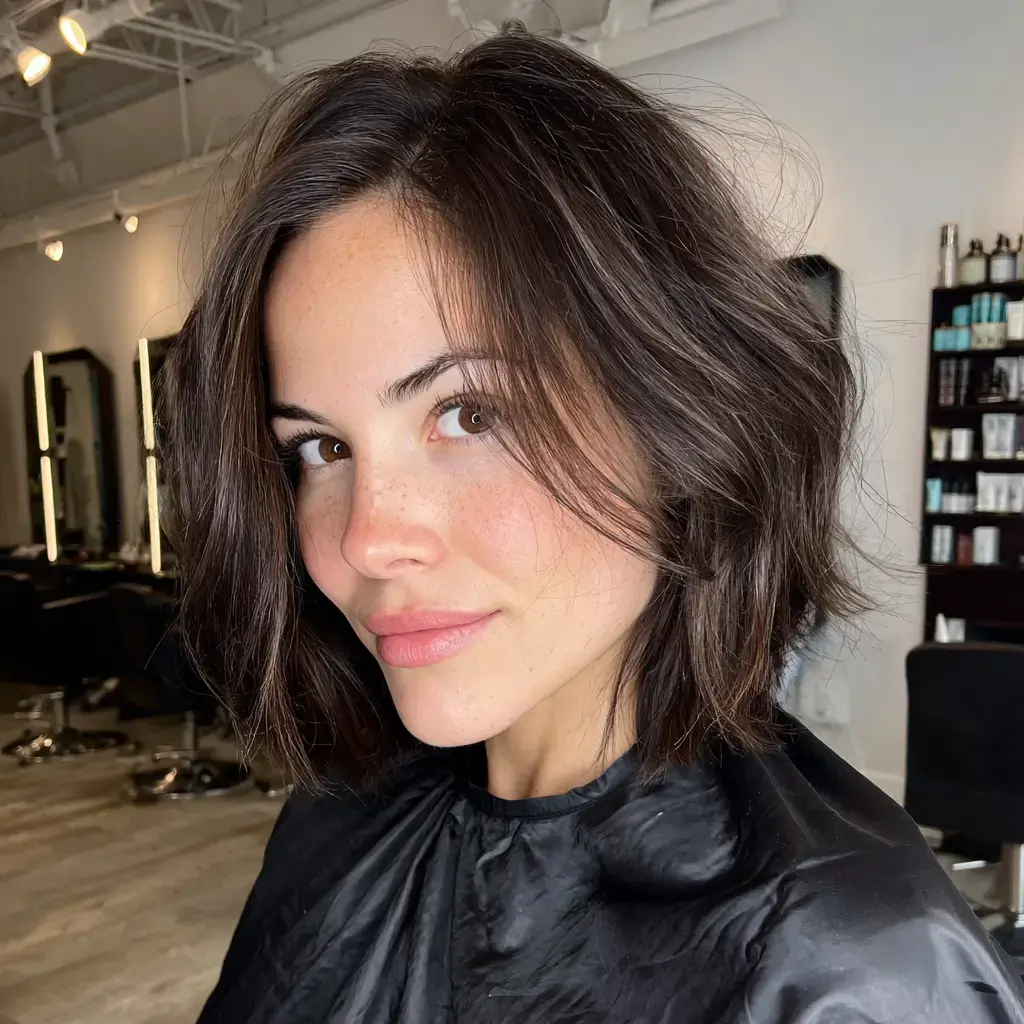
With dark brunette color, the curve of an inverted bob’s stack reads sharp against the skin. I graduate the nape dry, angle the front to the chin, and apply a level four demi from root to ends. It suits cool or neutral skin tones in fine to thick density. Blow it flat with a paddle brush and finish with a serum. Refresh the tone every eight weeks.
25. Air-Dry Stacked Inverted Bob Haircuts
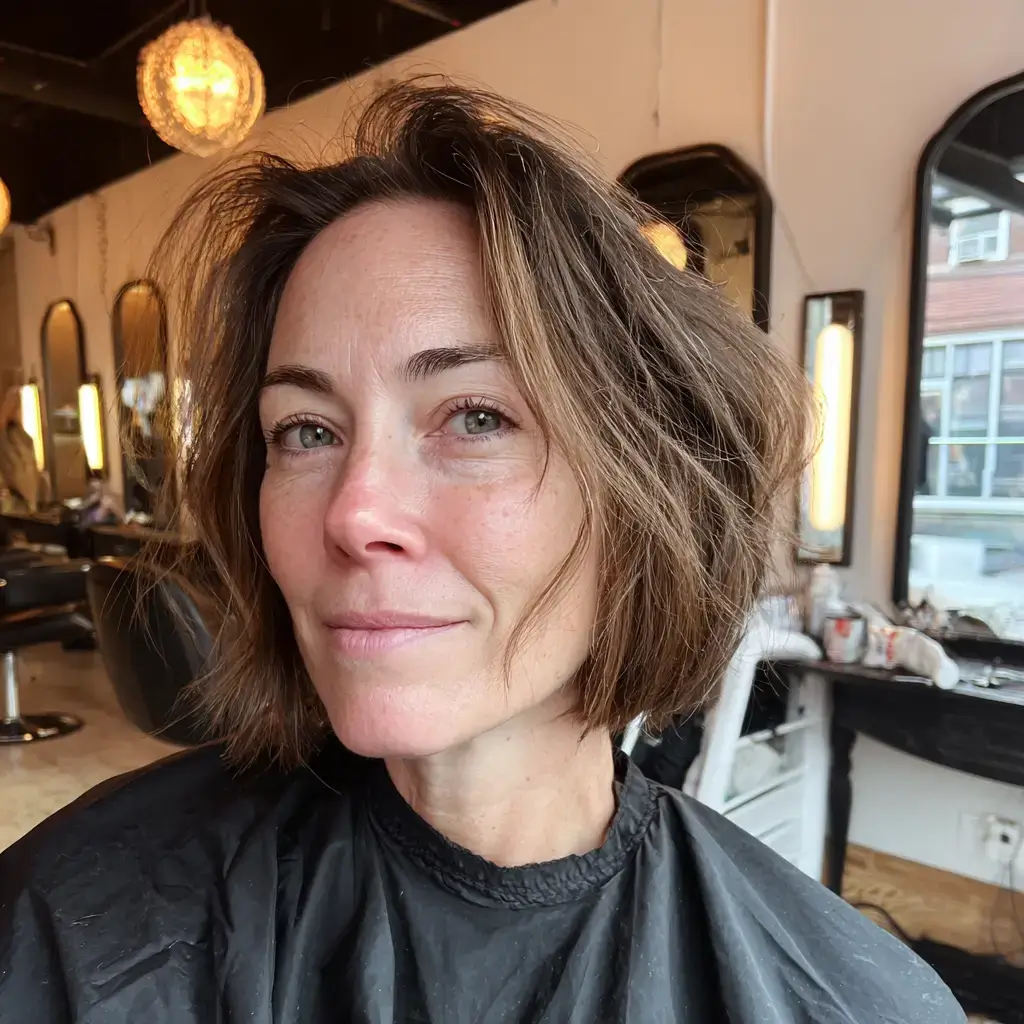
Stacked inverted bob haircuts meant to air-dry keep the stack loose and the front point cut, so the shape falls into place without a brush. On dry hair I graduate the nape in wide increments, angle the front to the chin, and point cut the ends. Any face shape can wear it, in fine to medium density and 1C to 2B texture. Smooth a light cream through damp hair, part it to one side, and leave it alone. Trim every six weeks.
For more, see wavy bob haircuts and choppy bob haircuts.
The inverted bob haircuts work because the back sits shorter and stacks up toward the front, so the shape holds even on straight hair. A trim every six weeks keeps that upward angle from flattening.