Image Credit @The Planet D
You’re standing in San Antonio, sweating through your shirt, and wondering if you’ve already seen everything worth seeing.
The River Walk was crowded.
The Alamo gift shop felt like a tourist trap.
But here’s what most visitors don’t realise: just a short drive away sits one of America’s most significant historical sites—and hardly anyone knows about it.
The San Antonio missions represent something genuinely rare.
Five Spanish colonial structures, built between the early 1700s and now.
Four of them sit within the San Antonio Missions National Historical Park, quietly doing their thing while the rest of the city focuses on the Riverwalk.
In 2015, these missions became UNESCO World Heritage Sites—the only ones in Texas.
That’s not just a trophy on a wall.
It means scholars, historians, and preservation experts from around the world have verified their cultural importance.
These weren’t built as tourist attractions or Instagram backdrops.
They were built with a specific purpose: to convert and educate indigenous populations whilst establishing Spanish colonial control across the Southwest.
That history—complicated, difficult, and absolutely essential to understanding American culture—sits here waiting for you to show up.
The Real Story Behind Why These Missions Still Matter
Most people think of missions as quiet, religious places frozen in time.
That’s only half true.
I learned this firsthand during a visit to Mission San José about three years ago.
I’d arrived expecting a quick tour, maybe thirty minutes of walking around old stone buildings.
Instead, I stumbled into a ranger-led discussion about the role Mission San José played in helping enslaved people escape to Mexico during the 19th century.
The ranger—an older woman named Patricia with genuine passion in her voice—explained how the mission was recently added to the National Underground Railroad Network to Freedom.
It wasn’t in any of the promotional materials I’d seen.
It wasn’t advertised on the tourist boards.
But here it was: evidence that these structures weren’t just relics of Spanish colonial ambition.
They were places where real people made real choices about freedom and survival.
That shifted everything for me about visiting these sites.
They’re not museums pretending to be churches.
They’re active Catholic parishes where people actually worship.
The missions blend living heritage with historical significance in a way that’s genuinely rare.
You can attend Mass on Sunday morning at Mission Concepción, then walk through the same space where Coahuiltecan and Apache peoples lived and worked three hundred years ago.
That’s the reality of San Antonio’s missions.
They’re not dead history.
What Makes Each Mission Different (And Why That Matters)
The biggest mistake visitors make is assuming all five missions are the same.
They’re not.
Each one has its own character, its own story, and its own reason to visit.
Mission San José gets called the “Queen of the Missions” for a reason.
It’s the largest.
It’s the most architecturally detailed.
The Rose Window—a decorative stone carving that somehow survived three centuries—sits on the south side of the church and catches afternoon light in a way that’s genuinely stunning.
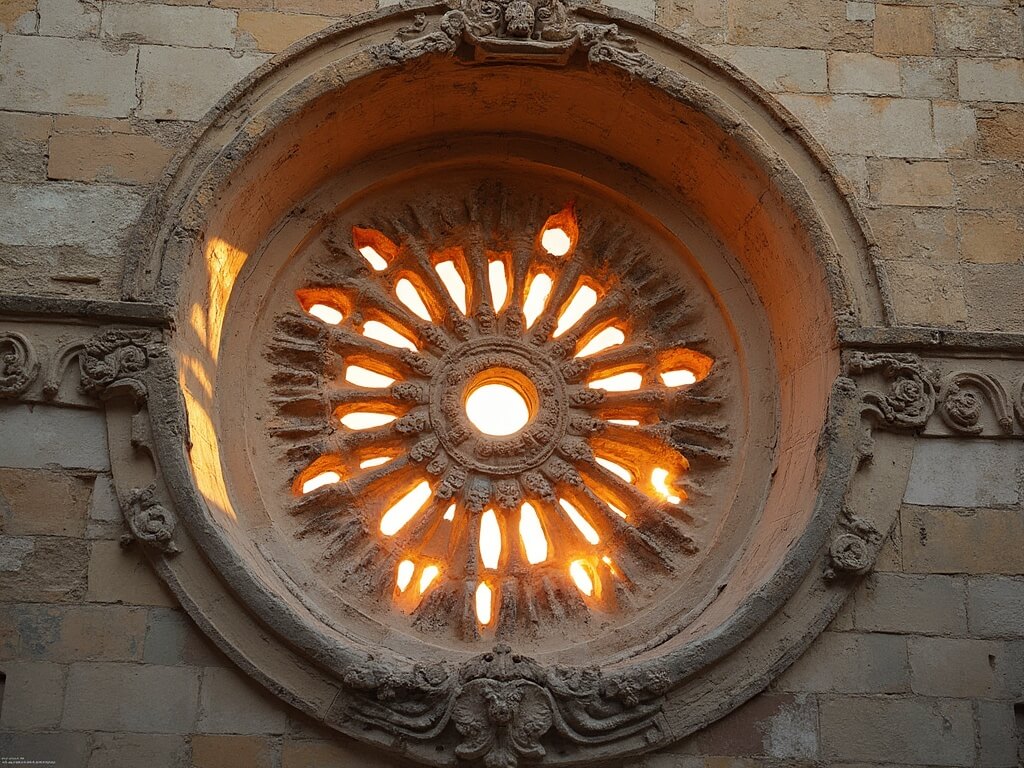
Image Credit @The Planet D
Flying buttresses, polychromatic plaster that’s been restored, and intricate carvings make this place feel less like a historical site and more like art you can walk through.
The Mission San José Visitor Center is here, which means amenities, guides, and interactive exhibits.
If you’re only visiting one mission, this should be it.
Mission Concepción tells a different story entirely.
This is the oldest unrestored stone church in the United States.
That sounds counterintuitive—shouldn’t older buildings get restored?
But the original frescos inside have survived because of minimal intervention.
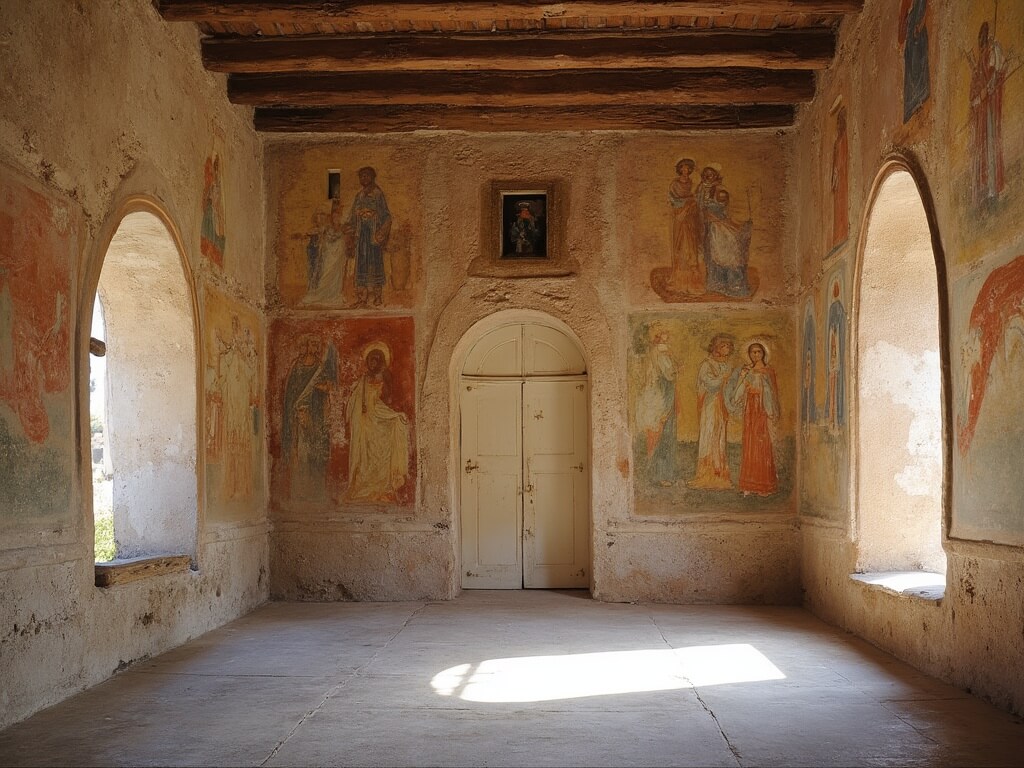
Image Credit @The Planet D
You walk in and see the actual pigments, the actual paint, that someone applied in the 1750s.
It’s 18th-century Spanish colonial architecture in its most authentic form.
No modernised interpretations or reconstructions.
Just old stone, old paint, and the weight of time.
Mission San Juan Capistrano established itself in 1731 with a specific focus on agriculture and trade.
Romanesque archways still frame the courtyard.
The bell tower rises above the complex.
Nature trails wind through the property, connecting visitors to both the historical and ecological context of the site.
This one appeals particularly to people interested in how missions functioned as economic centres, not just religious spaces.
Mission Espada, the southernmost mission, keeps its original acequia irrigation system intact.
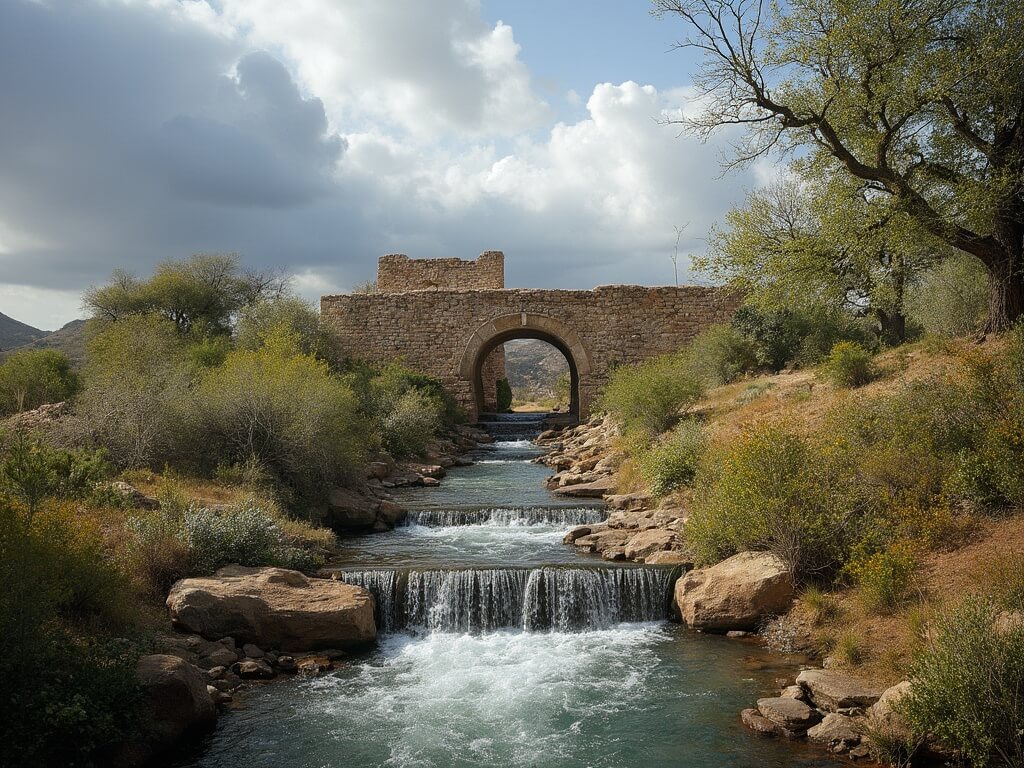
Image Credit @The Planet D
That’s the Espada Aqueduct—a 18th-century water system that’s still functional.
Imagine that: a structure designed to move water across terrain, built over three hundred years ago, and it still works.
The mission survived a fire in 1826 that destroyed much of it.
The original chapel and granary remain.
Photography here is genuinely excellent because the stone archways and weathered surfaces tell their own visual story.
The Alamo deserves its own mention because it’s famous for a reason.
It’s the oldest mission—originally called Mission San Antonio de Valero—and it sits outside the national park boundaries even though it’s part of the UNESCO World Heritage listing.
The Battle of the Alamo in 1836 makes it instantly recognisable to anyone with even casual knowledge of Texas history.
That fame means it’s crowded, touristy, and commercial in ways the other four missions aren’t.
But if you’re interested in Texas Revolution history or just want to see where a pivotal moment happened, it’s worth the visit.
The difference between these five sites is crucial.
Visiting them all gives you a complete picture.
Visiting only one leaves you with an incomplete understanding of what Spanish colonial missions actually were.
How to Actually Experience These Places Without Wasting Your Time
Here’s where most tourists go wrong: they show up without a plan and hope something interesting happens.
It doesn’t work that way.
These sites require intentional visiting.
Guided tours change everything.
Park rangers, docents, and trained historians lead tours that start at the Mission San José Visitor Center.
They know the stories behind the architecture.
They know which details matter and why.
They can explain the difference between a flying buttress and a regular wall—and more importantly, why the people who built these missions made those specific choices.
Group sizes are sometimes limited, so booking ahead matters if you’re visiting during peak season.
Self-guided tours work if you’re comfortable exploring independently.
Brochures and informational panels help, and mobile apps now provide additional context.
This approach works well if you want to move at your own pace, spend extra time at specific spots, or visit multiple times without feeling rushed.
The Mission Reach Trail connects all four park missions across eight miles of pedestrian paths.
Biking or walking this trail gives you a different perspective entirely.
You see how these missions relate geographically to each other.
You encounter natural habitat—wildlife, vegetation, native plants—that provides ecological context.
Public art installations scattered along the trail remind you that these are living spaces, not frozen historical exhibits.
Fitness enthusiasts often combine historical tourism with their workout.
That’s a legitimate way to experience the missions.
Accessibility matters more than promotional materials usually mention.
Most sites are ADA compliant, but older stone pathways and uneven surfaces can challenge people with mobility issues.
Visitor centres have information about specific accessibility features at each location.
Parking exists at each mission, which helps if walking long distances isn’t feasible.
Public transport connections to the River Walk mean you can integrate mission visits into broader San Antonio sightseeing without needing a car.
Worship schedules are available if you’re interested in attending actual religious services.
This isn’t a performance for tourists.
These are active parishes where people genuinely gather for Mass and community activities.
Attending respectfully means understanding that you’re in a worship space, not a museum.
Photography restrictions apply during services.
Behaviour expectations exist.
But if you’re willing to participate respectfully, attending Mass at one of these missions provides a genuinely immersive experience that no guided tour can replicate.
Pets are welcome outdoors on leashes, but not inside mission structures.
If you’re visiting with animals, plan accordingly.
Picnic areas exist at several locations, so bringing food and water makes sense, especially during hot Texas afternoons.
Restrooms and visitor facilities help prevent the unpleasant surprises that sometimes derail historical site visits.
The Uncomfortable History You Actually Need to Understand
Here’s what makes San Antonio’s missions genuinely important: they force you to grapple with complicated history.
These structures weren’t built out of pure religious conviction.
They were built as tools of colonisation.
Spanish Catholic orders established missions to convert indigenous populations—primarily Coahuiltecan and Apache peoples—and integrate them into Spanish colonial society.
That sounds clinical and bureaucratic.
The reality was messier and more painful.
Indigenous peoples lost their autonomy, their traditional practices, and their way of life.
They gained education, shelter, and access to European farming techniques.
Whether that exchange was beneficial or destructive depends entirely on your perspective and your understanding of what was lost in the process.
Modern interpretation at these sites increasingly acknowledges this complexity rather than glossing over it.
Ranger-led tours now include indigenous voices and perspectives that older historical narratives often excluded.
Archaeological research continues to uncover information about who lived at these missions and what their daily lives actually looked like.
That’s important work.
It means the missions function as educational sites, not just tourist attractions.
You can’t visit these places and come away with a simplified version of history.
The architecture itself tells you something was significant happened here.
The indigenous artwork integrated into Spanish colonial designs shows cultural blending and resistance.
The continued use of these spaces as active parishes demonstrates that they’re not relics of the past—they remain central to San Antonio’s cultural and religious identity.
Understanding this context transforms a casual historical tour into something more meaningful.
You’re not just looking at old buildings.
You’re standing in spaces where complex human experiences unfolded over centuries.
The missions preserve that complexity.
That’s what makes them genuinely worth your time.
Want more cultural travel experiences? Read about The National Civil Rights Museum in Memphis or spending a day at Mall of America in Minnesota.
Why Visiting These Missions Beats Every Other San Antonio Tourist Trap
Here’s something that became clear to me during a second visit to the missions: they’re genuinely underrated compared to everything else San Antonio markets to tourists.
The River Walk is beautiful, sure. But it’s also packed, commercialised, and feels designed primarily to separate you from your money.
The missions operate differently. They’re free to visit.
The four park missions don’t charge admission fees. Some guided tours cost money—typically between ten and twenty dollars—but self-guided exploration costs nothing.
That alone makes them accessible to families, school groups, and budget-conscious travellers in ways most major historical sites aren’t.
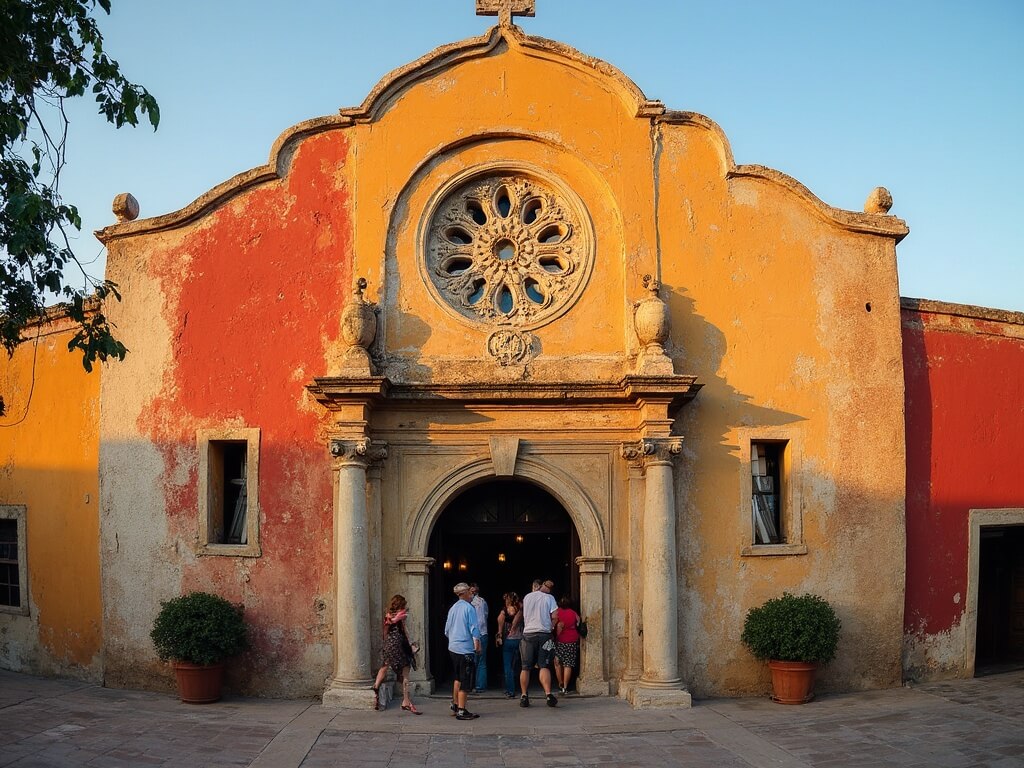
Image Credit @The Planet D
Beyond the financial aspect, these places feel genuinely authentic because they’re still functioning as intended. You’re not walking through a museum restoration of what a mission was. You’re standing in actual spaces where people worship, gather, and maintain community.
That distinction matters enormously. It means the missions aren’t frozen in time. They’re living historical sites.
The Espada Aqueduct still moves water. The acequias still support agriculture. Parish communities still gather for Mass. That continuity is rare enough that it deserves your attention.
The Hidden Ecological Context Nobody Talks About
Most visitors show up thinking about history and architecture. They miss something equally important: the ecological systems these missions managed and maintained.
The acequia system—that intricate network of irrigation channels—wasn’t just a Spanish colonial engineering achievement. It was sophisticated water management that sustained agriculture in an arid climate.
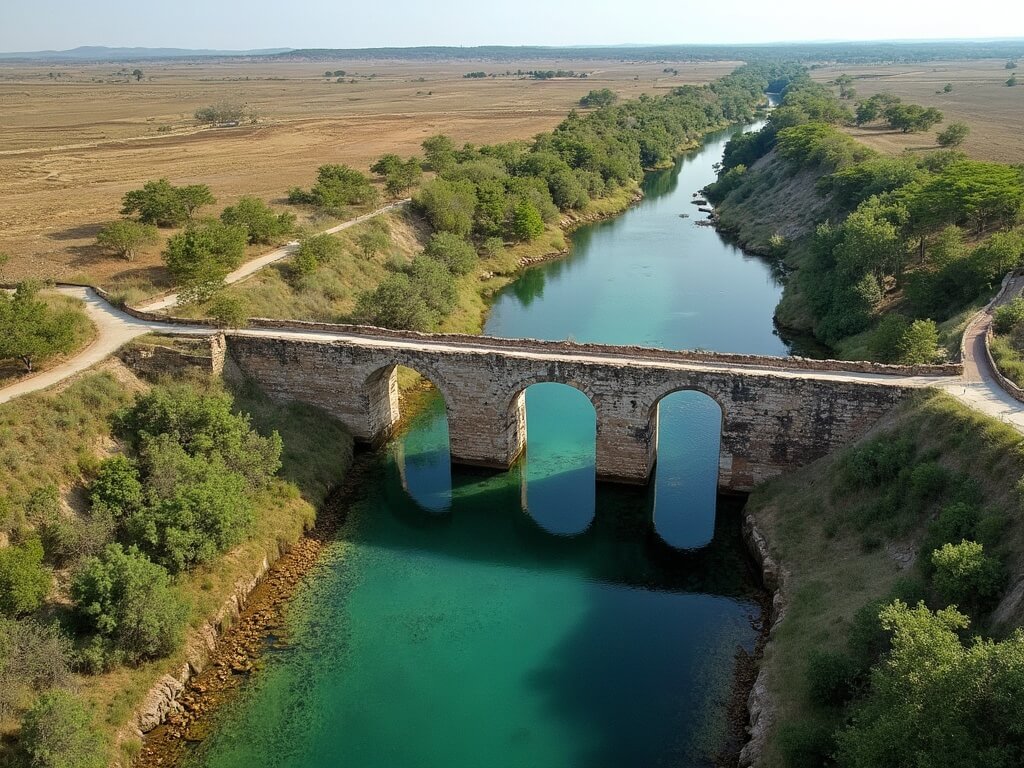
Image Credit @The Planet D
Mission Espada’s aqueduct still demonstrates how engineers three hundred years ago solved problems that modern systems sometimes struggle with.
Walking the Mission Reach Trail—that eight-mile stretch connecting all four park missions—puts you in contact with native vegetation, wildlife habitats, and restored natural areas that most people associate with parks rather than historical sites.
But here’s the thing: these ecological systems connect directly to how missions functioned economically and socially.
The nature trails at Mission San Juan Capistrano give you direct access to this context. Walking through farmland that’s been continuously cultivated for three centuries connects you to the practical realities of mission life in ways reading about it never could.
Public art installations along the Mission Reach Trail serve a specific function: they remind you that these are living communities, not dead history displays.
The Architecture Will Hit You Differently Once You Understand It
Most tourists snap photos of the Rose Window at Mission San José and move on. They miss the actual significance of what they’re looking at.
That Rose Window represents something genuinely remarkable: artistic ambition in a colonial frontier context. Someone designed that. Someone carved it. Someone maintained it across three centuries.
Understanding mission architecture means recognising the hybrid nature of these structures. Spanish Colonial design meets indigenous artistic traditions. Flying buttresses—a Gothic architectural innovation—support walls built by indigenous workers using local materials.
Frescos painted with indigenous artistic sensibilities express Christian theological concepts.
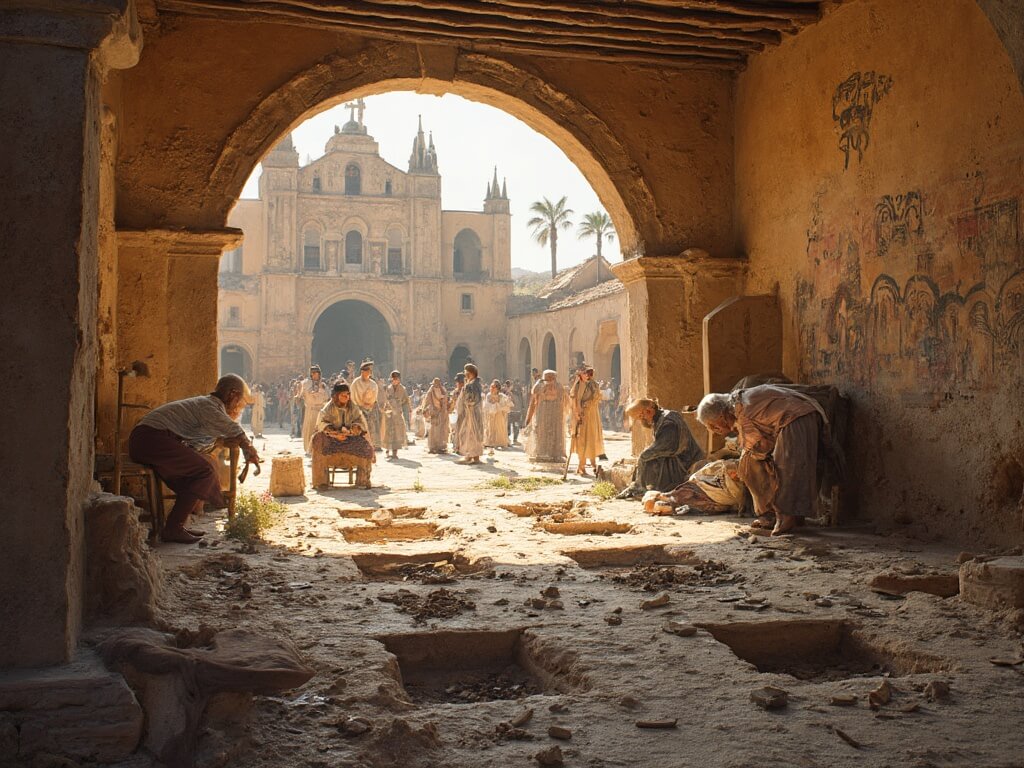
Image Credit @The Planet D
The polychromatic plaster at Mission San José—that restored and carefully maintained colourful exterior finish—represents ongoing efforts to understand what these buildings originally looked like.
When to Visit and Why Timing Actually Matters
Spring and fall provide comfortable weather and special events. Summer in San Antonio means extreme heat. Winter is cooler, but with fewer programs available.
Plan around March–May or September–November for peak programming and ranger-led tours.
Combining all four park missions with the Alamo takes a full day. Bringing water, sunscreen, hats, and comfortable shoes is essential.
The Practical Reality of Getting There and What to Expect
Public transportation connects the River Walk to mission access points, but private transportation offers more flexibility.
All missions have free parking. Facilities vary, with Mission San José offering the most robust services.
Ranger-led tours run 60–90 minutes. The Mission Reach Trail can take 2–4 hours depending on your pace and stops.
Leashed pets are allowed outdoors. Tours may be cancelled during extreme weather, so check ahead.
What Living Religious Function Actually Means for Your Visit
These are active Catholic parishes. Mass occurs regularly and takes precedence over other activities.
You’re welcome to attend Mass for a deeper understanding of their current role in San Antonio religious life. But respect is key—no photography during services, and please dress appropriately.
Attending Mass provides insight into living tradition, revealing how Spanish colonial, indigenous, and Catholic practices continue to intersect today.
The Underground Railroad Connection That Rewrites Texas History
Mission San José was added to the National Underground Railroad Network to Freedom—a surprising and powerful recognition.
It served as a waypoint for enslaved people fleeing to Mexico, offering shelter and communal support. This complicates the narrative and reveals the missions as complex social spaces.
This layer of history is being actively incorporated into interpretation by the National Park Service.
The Preservation Effort Nobody Really Understands
Maintaining 18th-century buildings used actively today is an enormous challenge.
Restoration efforts like the Rose Window and polychromatic plaster at Mission San José depend on collaboration between historians, conservationists, and religious communities.
Funding comes from a variety of sources including National Park Service grants and private donations. Archaeological discoveries continue revealing new stories and perspectives.
How to Actually Use Digital Resources to Deepen Your Experience
Augmented reality apps provide location-based interpretation. Point your phone at features like the Rose Window for detailed insights.
Virtual tours and ranger interviews available online help you prepare ahead or reflect after your visit. Social media channels and downloadable brochures from the UNESCO World Heritage Site page offer additional updates.
The Real Reason These Missions Matter More Than You Think
These are not just beautiful old buildings. They are complex, living heritage sites where history, culture, and spirituality converge.
They challenge simplistic narratives and invite visitors to understand American history in all its nuance and diversity.
These missions are ongoing conversations between past and present—with indigenous communities, Catholic parishes, and historical researchers all participating.
Making Your Visit Actually Meaningful
Don’t rush. Focus on two or three missions. Sit, observe, and engage with the space.
Talk to rangers. Bring a journal. Attend living history programs or Mass if possible.
Go with intentionality. These aren’t boxes to check—they’re ongoing stories you can step into.
The Bottom Line: Why You Should Actually Prioritise This
San Antonio has many attractions, but nothing compares to the missions’ combination of architectural significance, cultural depth, ecological integration, and living functionality.
The UNESCO designation confirms their global importance. Free admission and community integration make them uniquely accessible.
If you’ve done the River Walk and seen the Alamo gift shop, it’s time to walk the Mission Reach Trail and step into real, meaningful American history.