Miami’s Art Deco District has the largest concentration of Art Deco buildings in the country, nearly 800 of them, each one a small, careful statement in pastel and geometry. I walked Ocean Drive early one morning before the crowds showed up, and the buildings looked like they were still waiting for the 1930s to start.
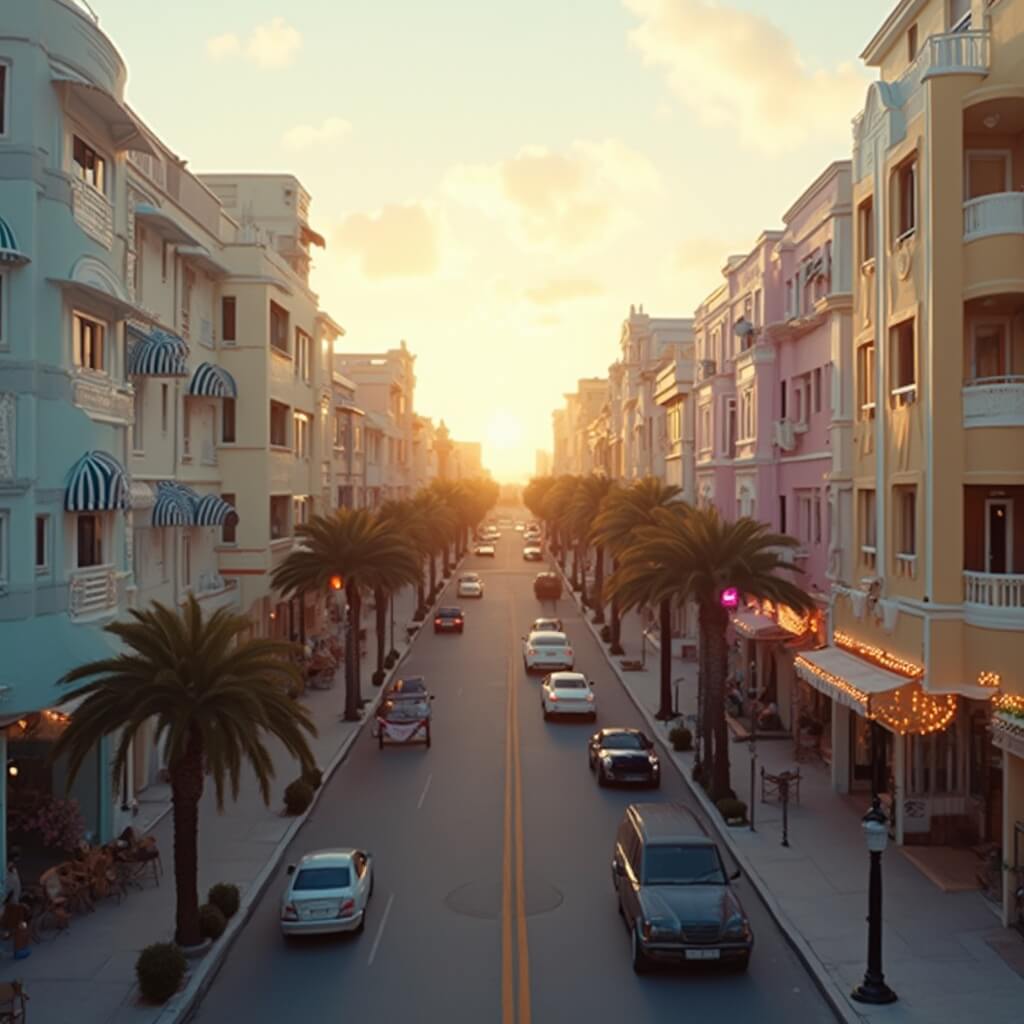
Image Credit @courtneysworld
Why Art Deco Matters in Miami
Miami isn’t just another beach destination. It’s a living museum of Art Deco architecture – the largest concentration in the United States. These aren’t just buildings. They’re carefully crafted statements of style, symmetry, and cultural identity.
Imagine walking down Ocean Drive, surrounded by geometric motifs, curved edges, and buildings dressed in soft pastel hues that seem to whisper stories from the 1920s and 1930s. Each structure is a carefully composed canvas of architectural storytelling.
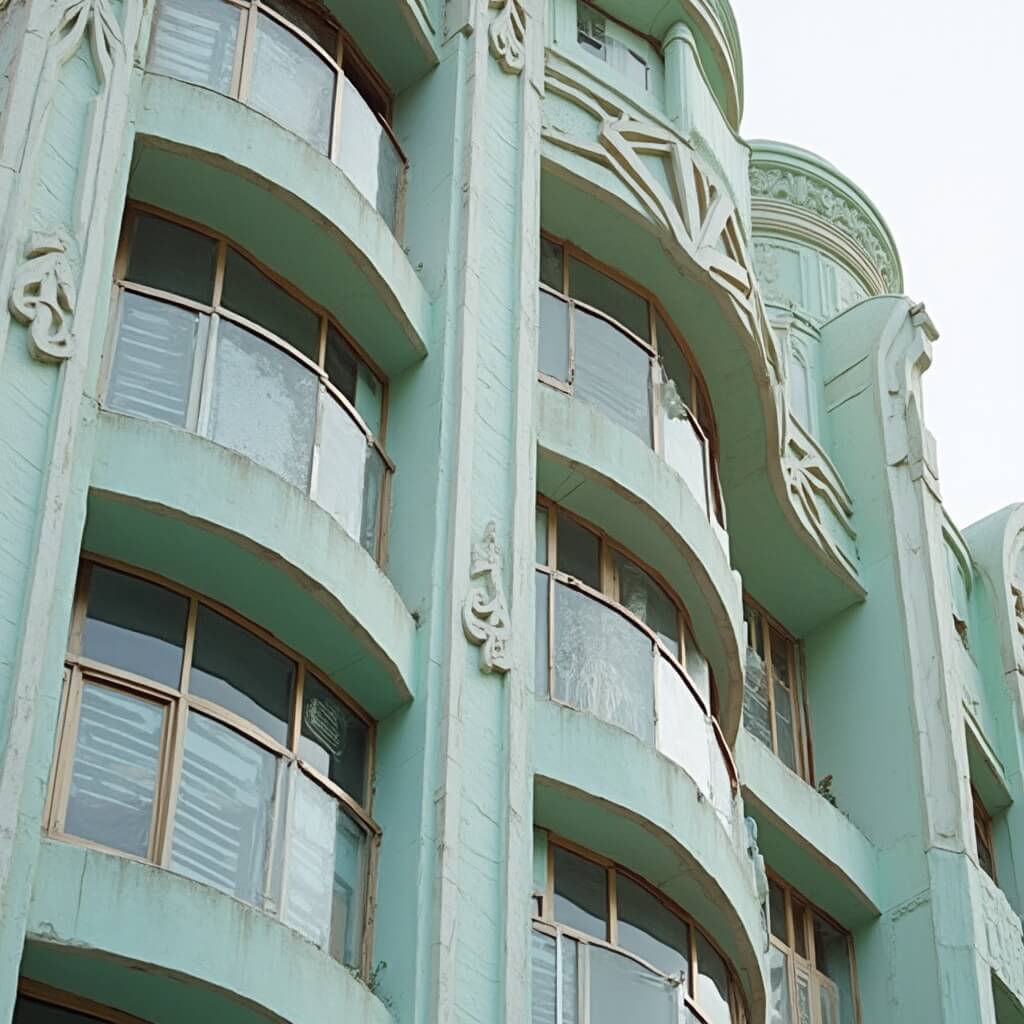
Image Credit @courtneysworld
A Geographical Slice of Paradise
The Art Deco District stretches between 5th and 23rd Street, sprawling across Ocean Drive, Collins Avenue, and Washington Avenue. It’s not just a location – it’s a portal to another era.
The Birth of a Stylistic Revolution
When the Jazz Age swept through Miami, it brought more than music. It introduced an architectural movement that would forever transform the city’s landscape. Local architects didn’t just copy European designs – they adapted them.
Larger windows captured sea breezes. Terrazzo floors provided cool respite from tropical heat. Pastel colors reflected the vibrant local culture. Art Deco in Miami wasn’t just a style. It was a conversation between architecture and environment.
Preservation: A Passionate Mission
In 1979, something extraordinary happened. The district was officially designated as a historic place, recognizing its immense cultural value. The Miami Design Preservation League emerged as the guardian of this architectural treasure, offering guided tours that aren’t just walks – they’re time-traveling experiences.
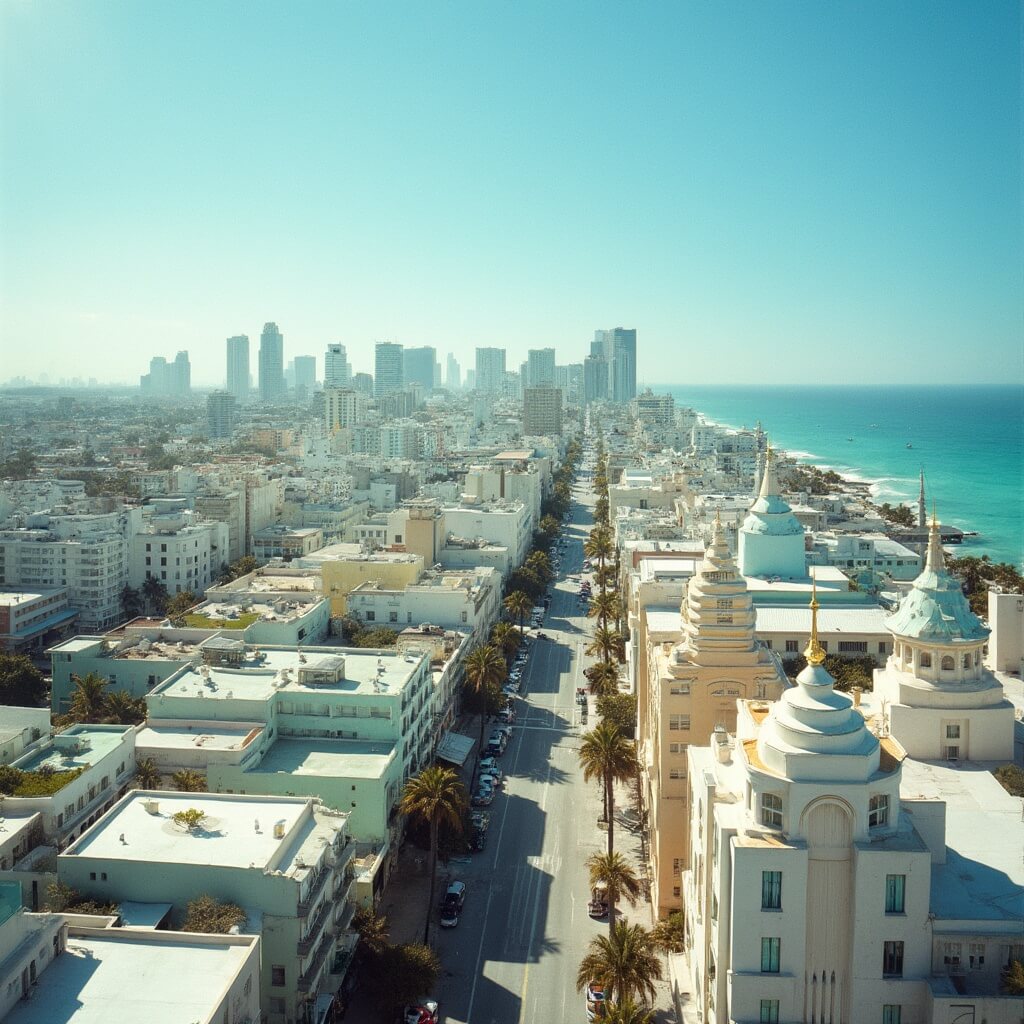
Image Credit @courtneysworld
Iconic Streets and Landmarks
Ocean Drive isn’t just a street. It’s a living postcard. World-famous pastel hotels with neon signage create a visual symphony that stops tourists in their tracks.
Collins Avenue? An open-air museum showcasing signature Art Deco structures. Washington Avenue offers hidden gems preserved with meticulous care.
Key landmarks like The Carlyle, with its elegant curves, and The Breakwater, featuring striking neon accents, aren’t just buildings. They’re architectural celebrities that define Miami’s unique aesthetic.
Personal Encounter: A Walking Tour Memory
During my first visit, I joined a Miami Design Preservation League tour. Our guide, a walking encyclopedia of architectural history, transformed cold facts into living narratives. Standing before the McAlpin, with its perfectly symmetrical facade, I realized these weren’t just structures. They were time machines capturing the optimism of an entire generation.
Exploring the District: Multiple Paths
Want to experience Art Deco? You’ve got options:
- Guided walking tours (up to two hours of pure architectural storytelling)
- Self-guided map-based adventures
- Special events like the annual Art Deco Weekend
Architectural DNA
Art Deco’s signature? Unmistakable:
- Geometric shapes that dance with symmetry
- Glass blocks that play with light
- Neon lighting that transforms buildings into nighttime art
- Curved corners that soften architectural lines
- A pastel palette unique to Miami Beach
Beyond Buildings: A Cultural Statement
This district isn’t just about architecture. It symbolizes Miami Beach’s soul – glamour, optimism, unbridled creativity. It’s where design meets cultural identity, where every building tells a story of resilience, imagination, and style.
The neon lights of Ocean Drive continue to pulse with the same energy that defined the Jazz Age – a reminder that great design is timeless.
As the Miami sun continues its dance across these historic facades, one question lingers: What stories will these buildings whisper to the next generation of explorers?
Related Insight
If you’re inspired by the city’s design language, check out our guide to Art Deco kitchen ideas for your home renovation for bringing a touch of Miami into your own space.
Challenges and Future: The Art Deco District’s Next Chapter
Preservation isn’t a static process. It’s a dynamic dance between honoring history and adapting to contemporary challenges.
Miami’s Art Deco District faces two critical battlegrounds: climate change and urban development. Sea levels are rising, and storm intensities are increasing. These historic structures – our architectural time capsules – aren’t just aesthetic treasures. They’re resilience narratives waiting to be written.
Climate scientists predict significant coastal challenges for Miami Beach. Some estimates suggest potential sea-level rises of 14–34 inches by 2060. For Art Deco buildings, this isn’t just a statistic. It’s an existential threat.

Image Credit @courtneysworld
Adaptation: The Architectural Survival Strategy
Local preservation teams aren’t sitting idle. They’re developing innovative strategies:
- Elevated foundations
- Advanced water-resistant materials
- Strategic structural reinforcements
- Comprehensive drainage systems
The Economic Equation
Here’s a fascinating paradox: These historic buildings aren’t just cultural artifacts. They’re economic powerhouses.
Tourism generated from the Art Deco District contributes an estimated $1.2 billion annually to Miami’s economy. Each preserved building represents not just architectural heritage, but a significant economic asset.
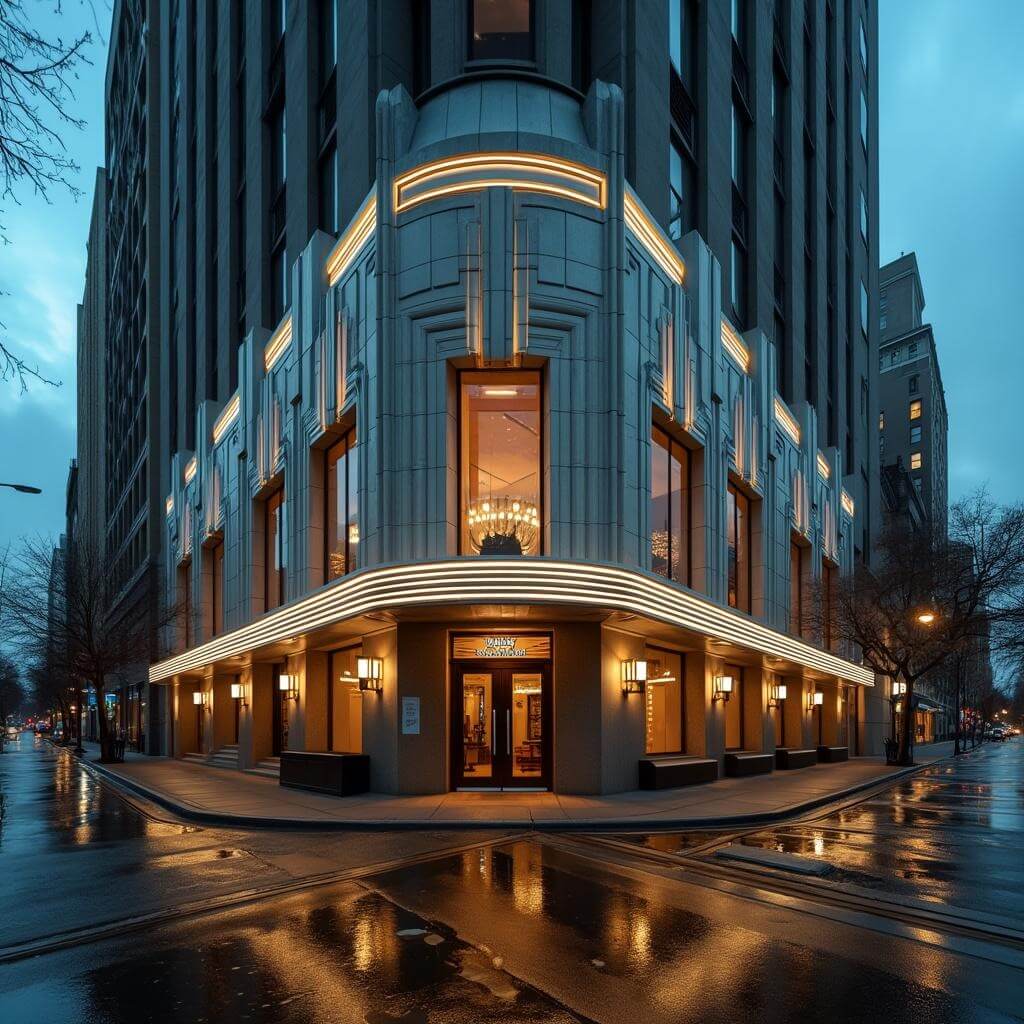
Image Credit @courtneysworld
Digital Frontiers: The New Preservation
Technology is reshaping how we experience historical districts. Augmented reality tours now allow visitors to:
- See original construction techniques
- Visualize historical contexts
- Understand architectural evolution
- Explore buildings virtually
During a recent tour, I watched a group of international architects use AR technology to peel back architectural layers, revealing design decisions made decades ago. It was like watching historical detective work unfold in real-time.
Community Voices: Preservation’s True Guardians
The Miami Design Preservation League isn’t just an organization. It’s a community heartbeat.
Local architects, historians, and passionate residents collaborate to ensure these buildings tell their stories. They’re not just preserving structures. They’re maintaining cultural narratives that define Miami’s unique identity.
Emerging Trends: What’s Next?
The Art Deco District is experiencing fascinating transformations:
- Sustainable retrofitting
- Integration of modern technologies
- Increased international architectural tourism
- Growing academic interest in preservation techniques
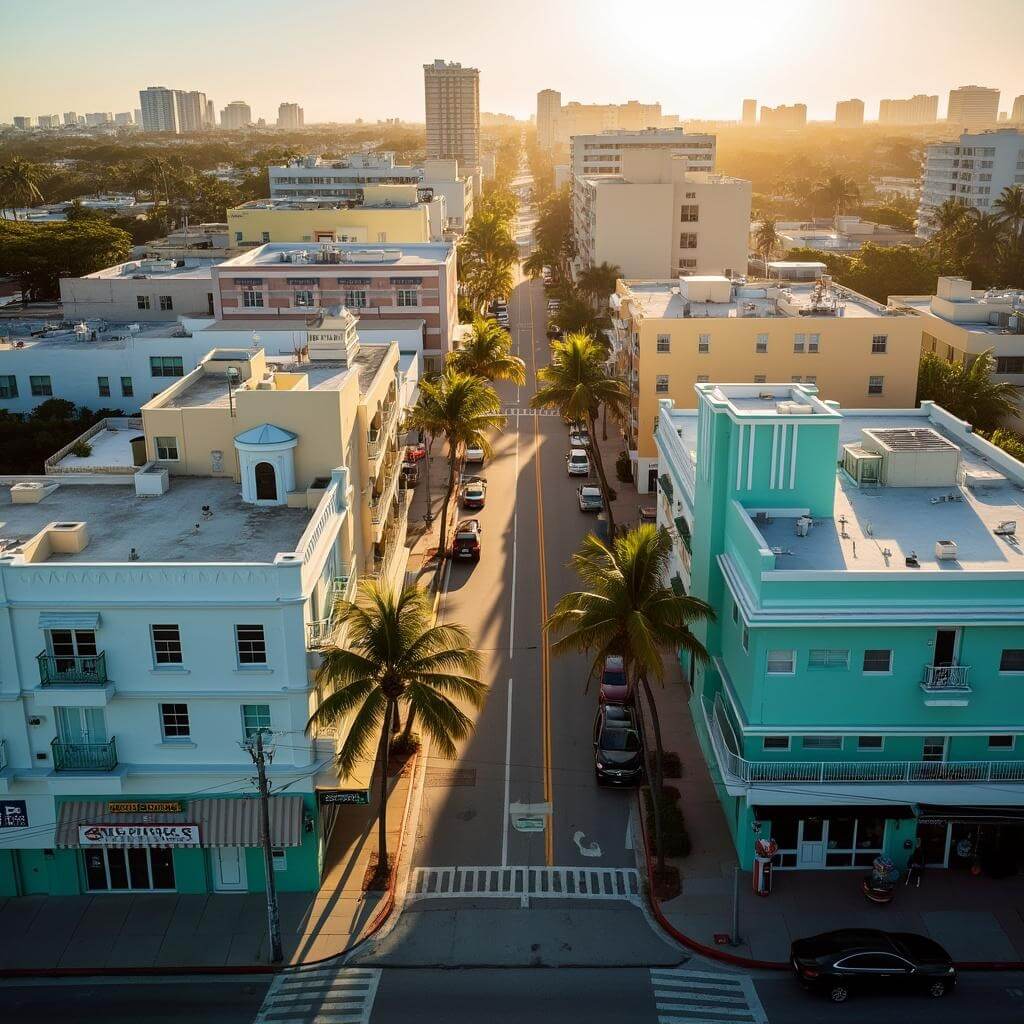
Image Credit @courtneysworld
Practical Visitor Tips
For those planning to explore this architectural wonderland:
- Visit during shoulder seasons (October–November, April–May)
- Book guided tours in advance
- Wear comfortable walking shoes
- Bring water and sun protection
- Respect preservation guidelines
The Larger Significance
Beyond aesthetic beauty, the Art Deco District represents something profound: Human creativity’s ability to transform environmental challenges into breathtaking design opportunities.
These buildings aren’t just structures. They’re resilience personified – adapting, surviving, and continuing to inspire generations.
Final Reflection
As sunlight dances across pastel facades and neon signs flicker to life, one truth becomes clear: Miami’s Art Deco District isn’t just a destination. It’s a living, breathing testament to architectural innovation and cultural persistence.
The story of Art Deco in Miami continues to be written – one carefully preserved building at a time.
Want to experience architectural magic? Miami’s Art Deco District awaits your exploration.
Explore More Related Topics:
- Art Deco Kitchen Ideas for Your Home Renovation
- Modern Kitchen Designs
- Elegant Kitchen Decor
- Aesthetic Kitchen
- Industrial Farmhouse Kitchen
I still go back for that same early walk whenever I’m in Miami, before the street fills up. Exploring the Art Deco District in Miami is best done at an hour when nobody else wants to be outside yet.