Wabi Sabi Painting Ideas: Embracing Imperfection in Art
The wabi sabi painting hanging in my hallway is a piece I made by dragging a dry brush across raw canvas until the fibers frayed at the edges. I never framed it. The rough edge is the best part.
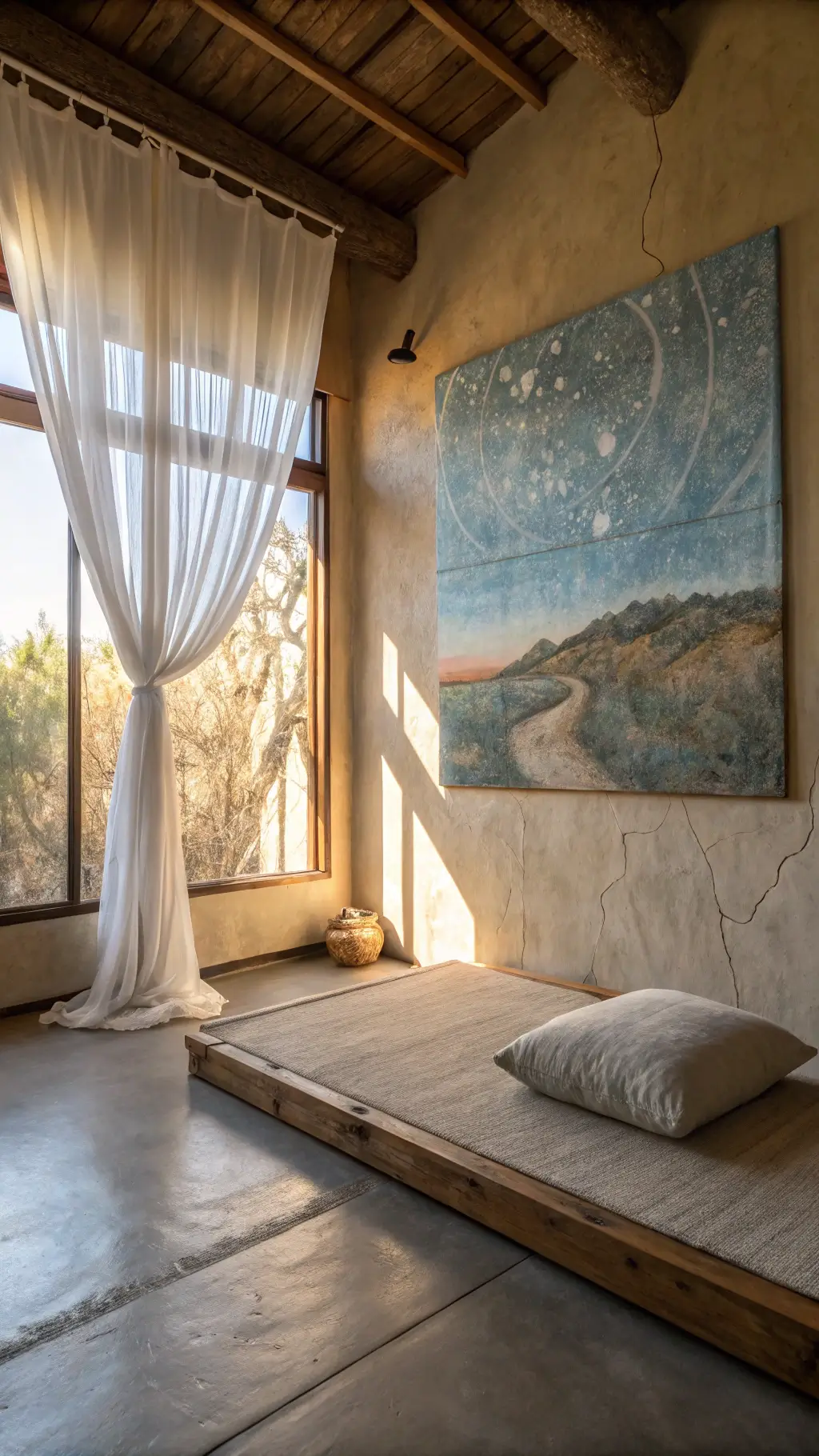
✎ Steal This Look
- Paint Color: Sherwin-Williams Accessible Beige SW 7036
- Furniture: hand-carved oak easel with visible tool marks and raw edges
- Lighting: adjustable brass-arm wall sconce with aged patina finish
- Materials: unbleached linen canvas, handmade washi paper, raw pine stretcher bars, visible brushstroke texture, tea-stained gesso
Your art studio should feel like a sanctuary where mistakes become texture and accidents become intention—this is where wabi sabi philosophy reworks from concept to daily practice.
What Makes Wabi Sabi Painting Unique?
Wabi sabi isn’t just a painting style—it’s a philosophy that celebrates:
- Imperfection as a form of beauty
- Natural aging and rework
- Minimalist, organic aesthetics
- Emotional depth over technical precision
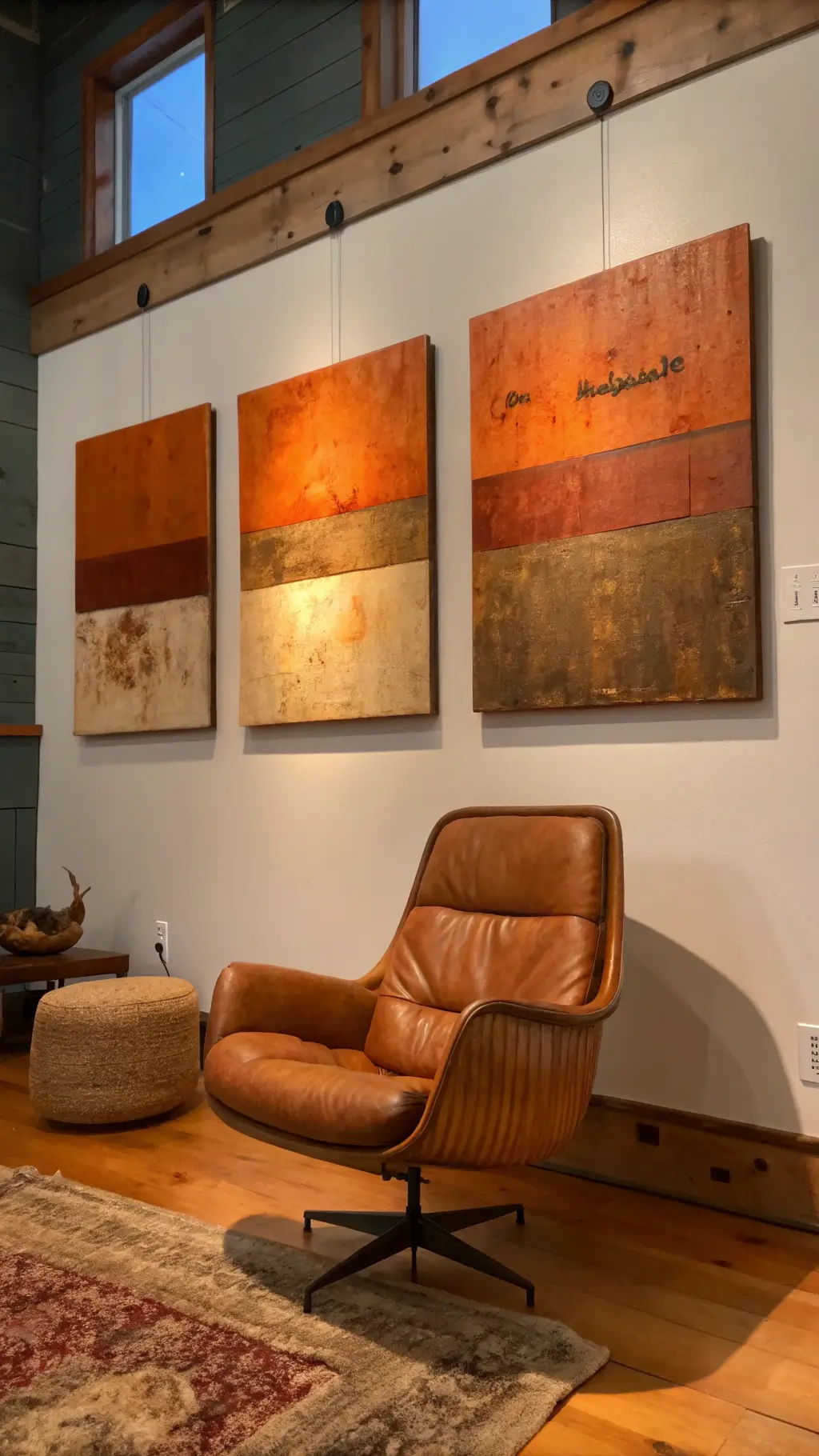
★ Steal This Look
- Paint Color: use Benjamin Moore brand. Match the ACTUAL wall color in the image. Format: Benjamin Moore ColorName CODE
- Furniture: low-profile wooden platform bed with visible grain and hand-planed surface
- Lighting: paper-and-bamboo Noguchi-style pendant with warm LED bulb
- Materials: raw linen, unglazed terracotta, weathered oak, handmade washi paper
This room asks you to slow down—the uneven plaster catches morning light differently each day, reminding you that beauty lives in change, not stasis.
Essential Materials for Your Wabi Sabi Journey
Supplies You’ll Need:
- Muted acrylic paints (earth tones)
- Textured canvas or wood panels
- Texture mediums (sand, modeling paste)
- Natural found objects (leaves, bark, stones)
- Unconventional painting tools (old brushes, palette knives)
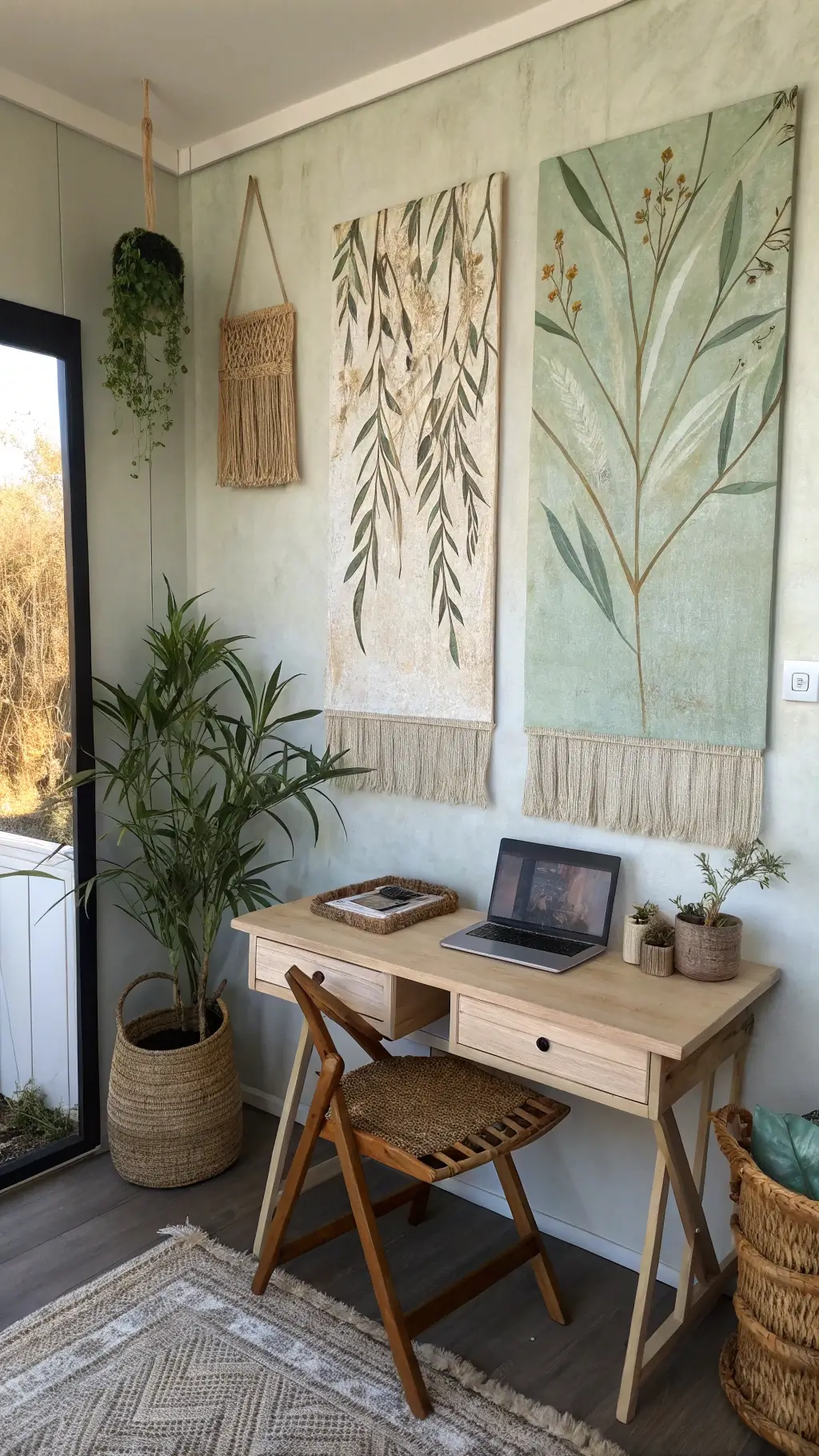
🌟 Steal This Look
- Paint Color: use Farrow & Ball brand. Match the ACTUAL wall color in the image. Format: Farrow & Ball ColorName CODE
- Furniture: raw-edge walnut work table with visible grain and live edge imperfections, paired with a vintage Japanese wooden stool with worn patina
- Lighting: Isamu Noguchi Akari 1A paper lantern pendant with hand-ribbed washi paper and bamboo ribbing
- Materials: unbleached linen drop cloths, reclaimed barn wood shelving, handmade ceramic paint palettes, brass patinaed brush holders, raw silk storage pouches
This is where your wabi sabi practice becomes tangible—these materials aren’t just tools but collaborators in accepting that control is an illusion and that the most compelling surfaces carry the history of their making.
Techniques to Master Wabi Sabi Painting
1. Embrace Textural Complexity
Texture Creation Techniques:
- Mix sand into acrylic paint
- Use palette knives for uneven application
- Create deliberate “imperfect” brushstrokes
- Allow paint to crack and age naturally
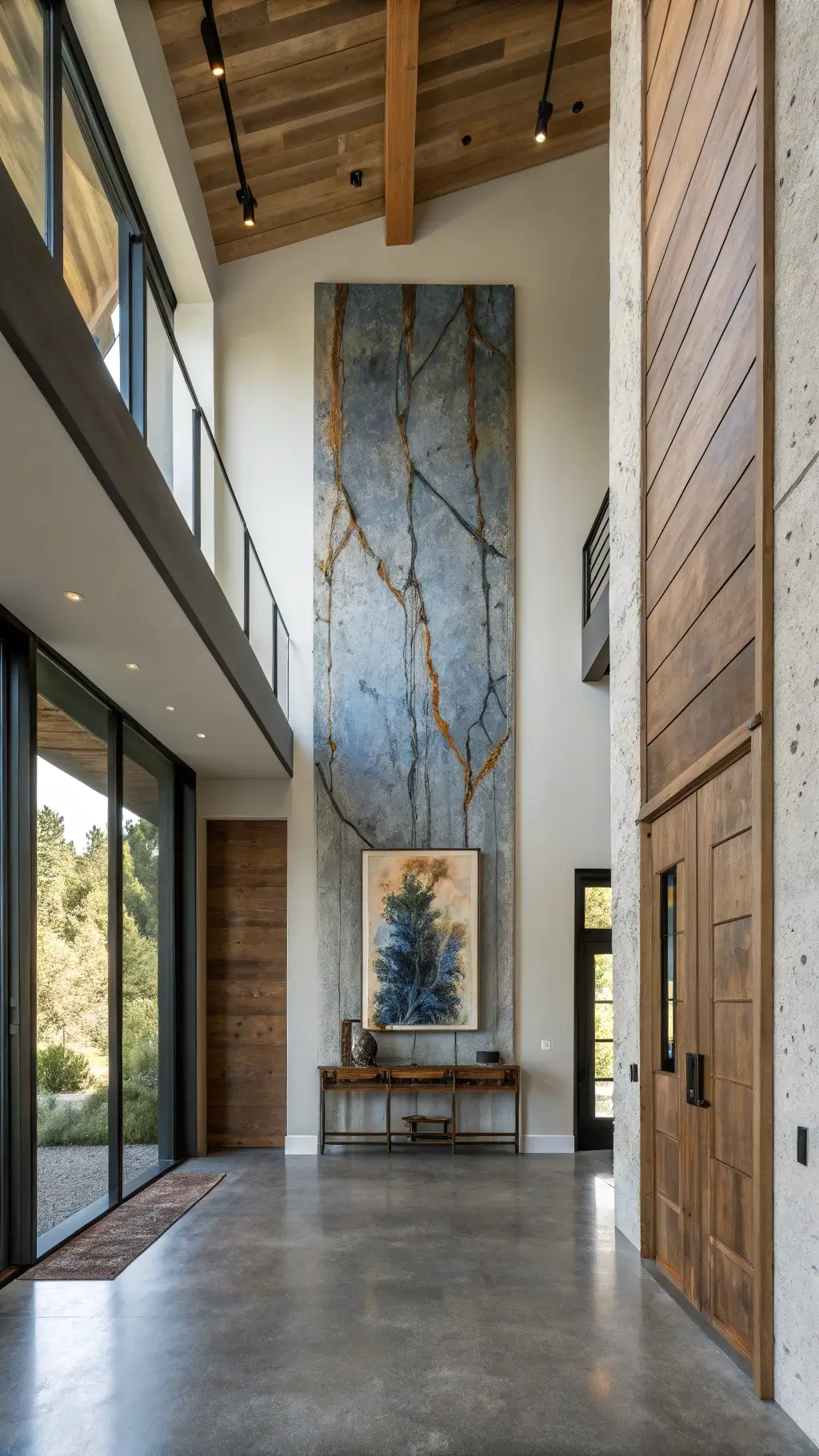
2. Color Palette Selection
Recommended Wabi Sabi Colors:
- Soft beige
- Muted sage green
- Weathered blue
- Terracotta
- Warm gray
3. Composition Principles
Wabi Sabi Painting Foundations:
- Leave negative space
- Create asymmetrical balance
- Avoid perfect symmetry
- Let some areas remain unfinished
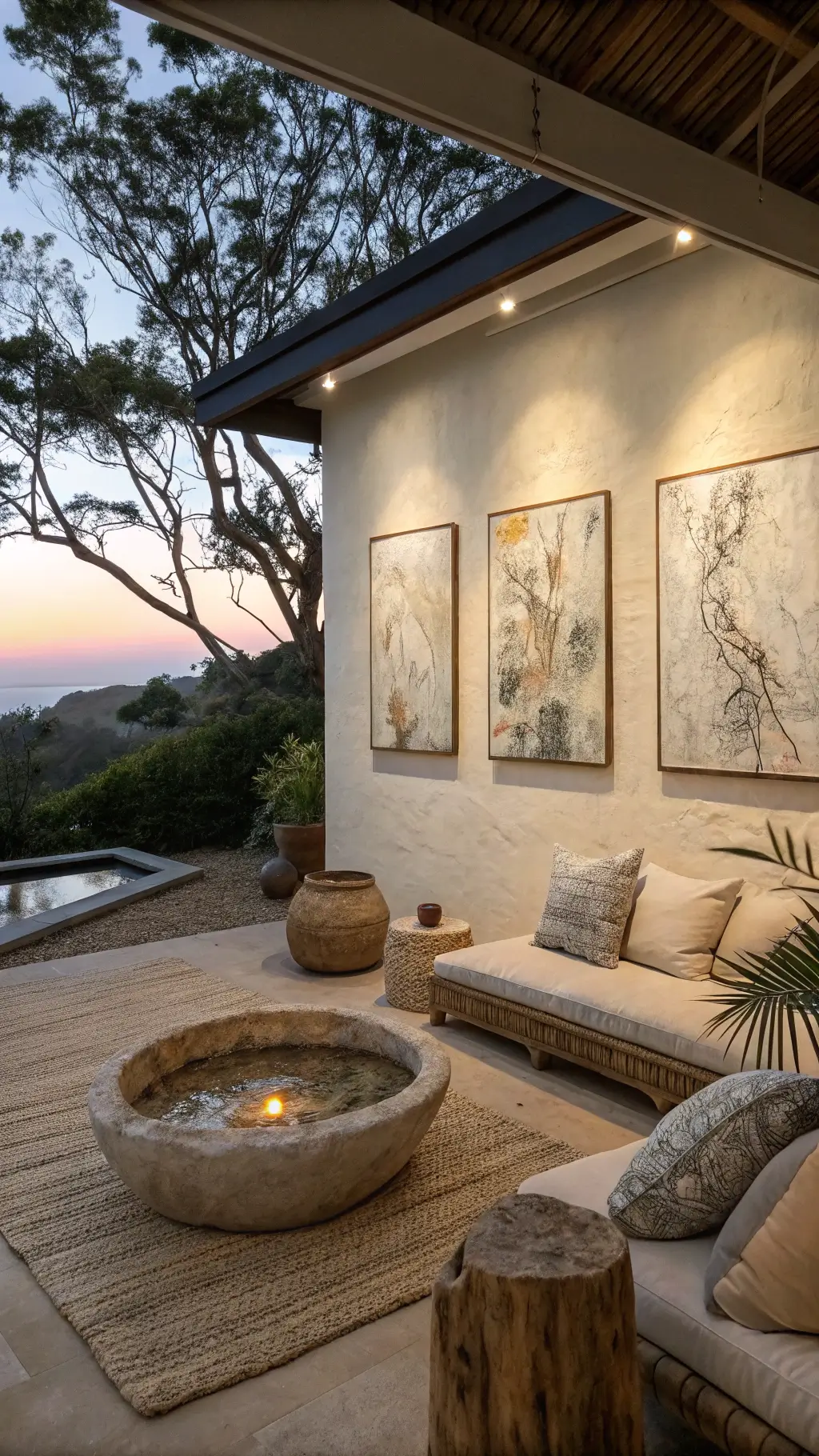
✎ Steal This Look
- Paint Color: Behr Weathered Moss N350-3
- Furniture: low-profile walnut platform bed with live-edge headboard, linen-upholstered reading chair in oatmeal
- Lighting: paper-and-bamboo Noguchi-style pendant with visible hand-creasing
- Materials: hand-troweled lime plaster walls, raw silk curtains, unsealed terracotta tiles, reclaimed barn wood accents
This is the room where you finally stop apologizing for the crack in the plaster—you’ll find yourself running your palm along the wall’s ridges like Braille, remembering that hands made this.
🛒 Get The Look
Step-by-Step Wabi Sabi Painting Process
- Choose a natural, textured surface
- Apply base layer with irregular texture
- Layer muted colors loosely
- Incorporate natural elements
- Allow accidental marks to remain
- Paint intuitively, without overthinking
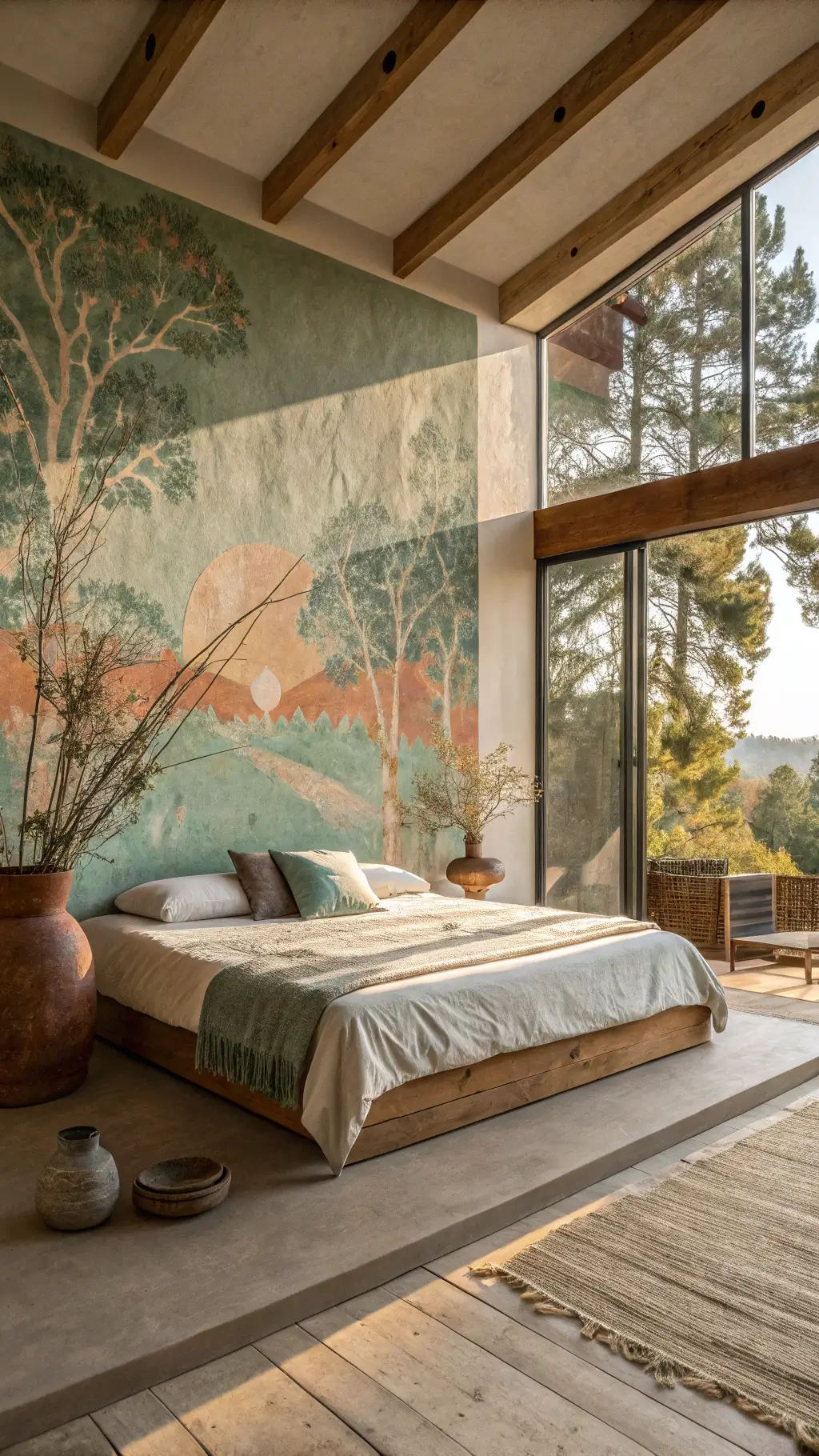
🌟 Steal This Look
- Paint Color: use Valspar brand. Match the ACTUAL wall color in the image. Format: Valspar ColorName CODE
- Furniture: unfinished teak meditation stool with visible grain knots
- Lighting: hand-formed ceramic pendant with uneven rim and warm LED filament
- Materials: raw linen canvas drop cloths, natural bristle brushes with splayed hairs, handmade washi paper for masking, volcanic lime plaster for dimensional base layers
This is where you finally let go of perfectionism—my own breakthrough came when I stopped trying to ‘fix’ a drip that became the soul of the piece.
Where to Display Wabi Sabi Art
Ideal Spaces:
- Meditation rooms
- Zen-inspired living areas
- Minimalist bedrooms
- Entryways
- Home offices
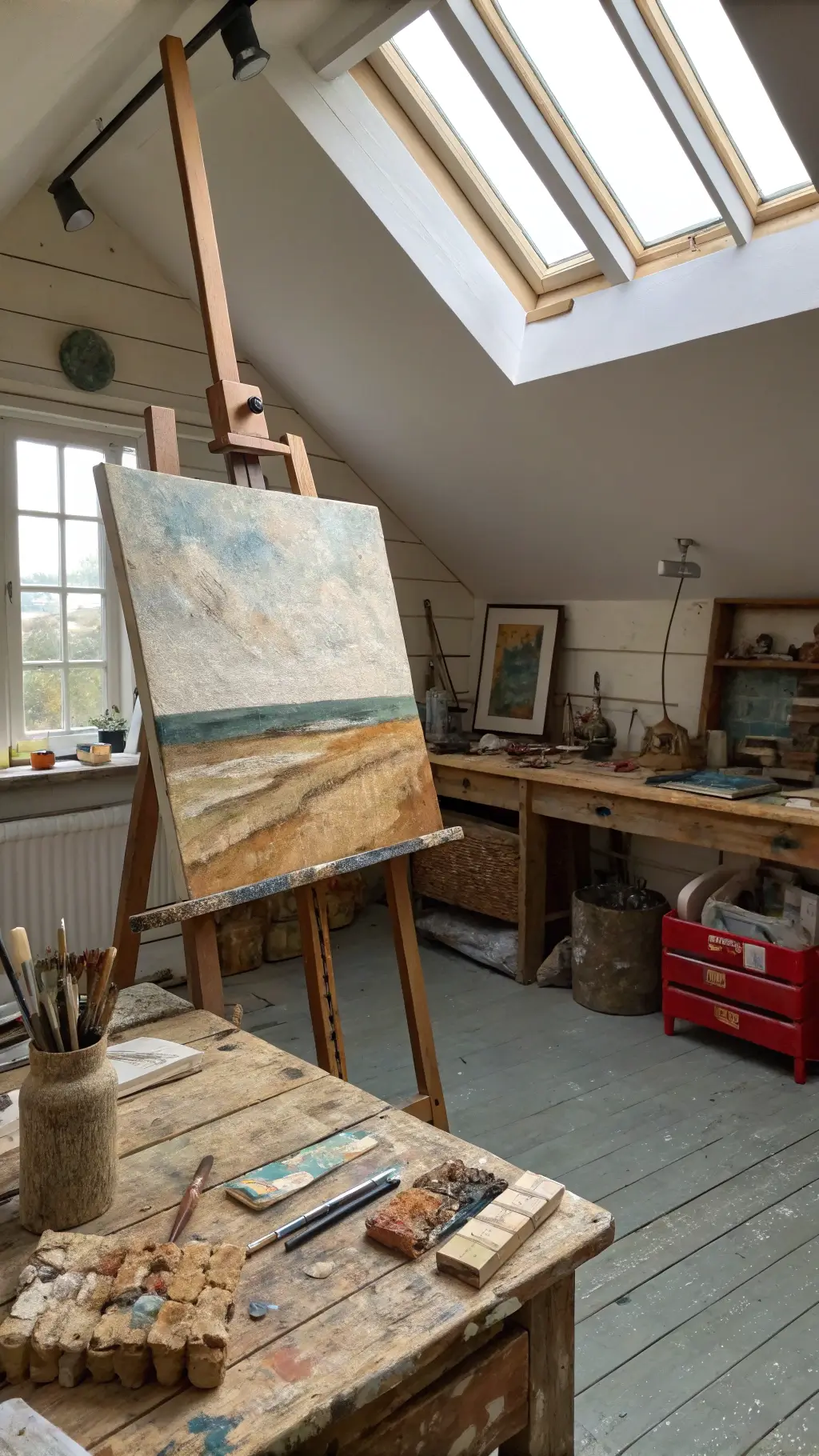
🏠 Steal This Look
- Paint Color: use PPG brand. Match the ACTUAL wall color in the image. Format: PPG ColorName CODE
- Furniture: low-profile platform bed frame in unfinished oak with visible grain knots
- Lighting: paper orb pendant light with uneven handmade texture
- Materials: raw linen bedding, hand-thrown ceramic bedside vessels, unfinished cedar ceiling beams
This is the room where you shed the day’s armor—wabi sabi art here isn’t decoration, it’s permission to be unfinished, to rest in your own beautiful imperfection.
Pro Tips for Authentic Wabi Sabi Expression
Mindset Matters:
- Let go of perfectionism
- Embrace impermanence
- Find beauty in simplicity
- Connect with natural rhythms
- Enjoy the creative process
“Wabi sabi whispers: perfection is boring. Authenticity is art.”
Wabi sabi painting works because the piece I like least according to technique is the one guests always ask about. It’s the one with the tear I patched with rice paper instead of throwing it out.
If you are comparing directions, my top cottagecore living room decor ideas guide covers the same room from another angle.
More Ideas to Explore
Keep the momentum going: Cottagecore Living Room Decor: Creating Your soft Countryside Escape covers another angle worth a look.