Discovering the Beauty of Imperfection
My favorite piece of wabi-sabi architecture is a temple gate near where I used to live, held together with visible metal brackets instead of hidden joints. Nobody tried to disguise the repair. That’s the whole idea behind the style.
What Exactly is Wabi-Sabi?
Wabi-Sabi is the Japanese art of finding profound beauty in imperfection. Imagine a space that:
- Celebrates natural aging
- Embraces slight irregularities
- Connects deeply with nature’s organic rhythms
- Strips away unnecessary complexity
The Essence of Wabi-Sabi Design
Core Principles to rework Your Space
Color Palette:
- Soft grays
- Moss greens
- Muted browns
- Earthy beiges
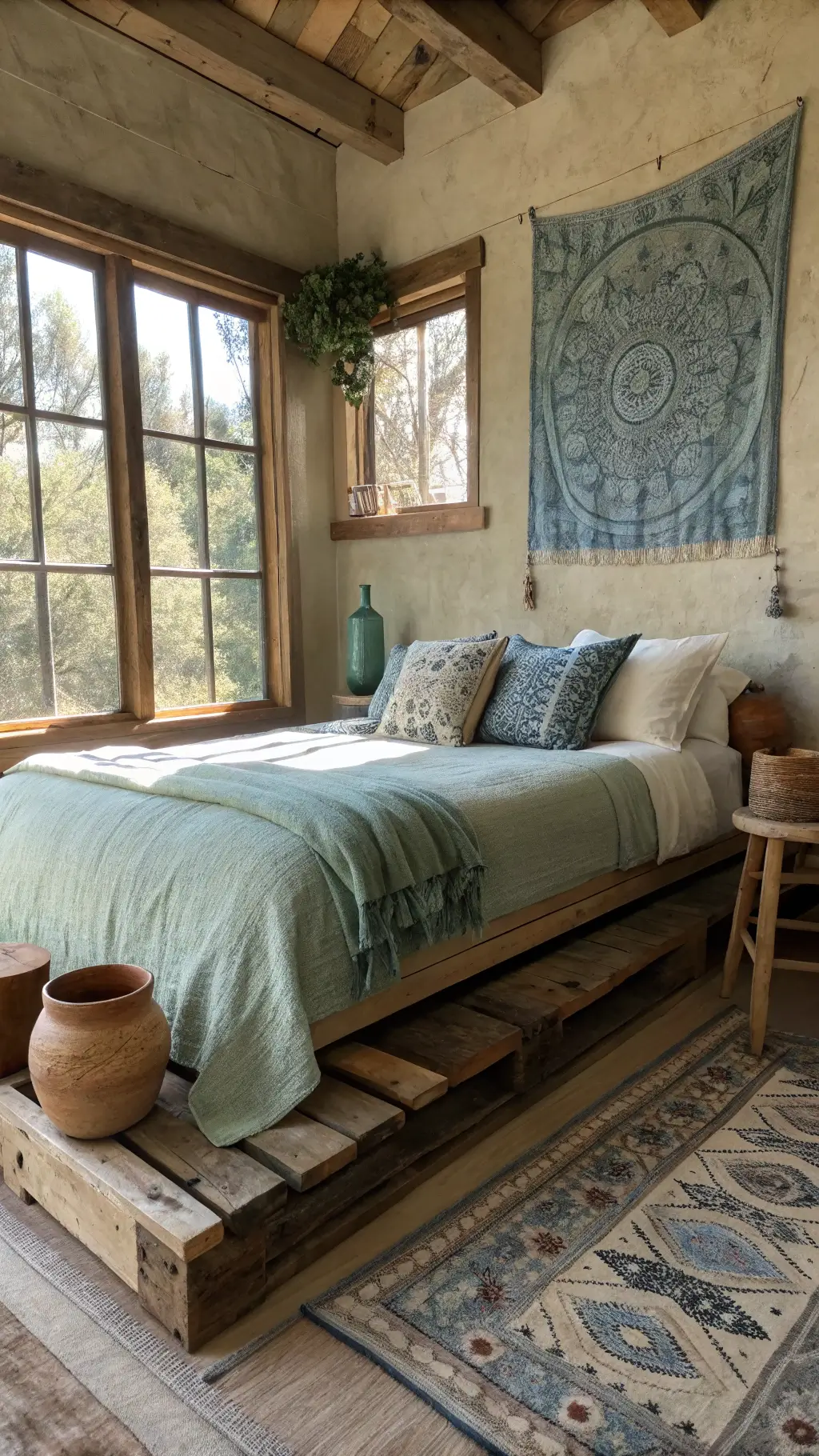
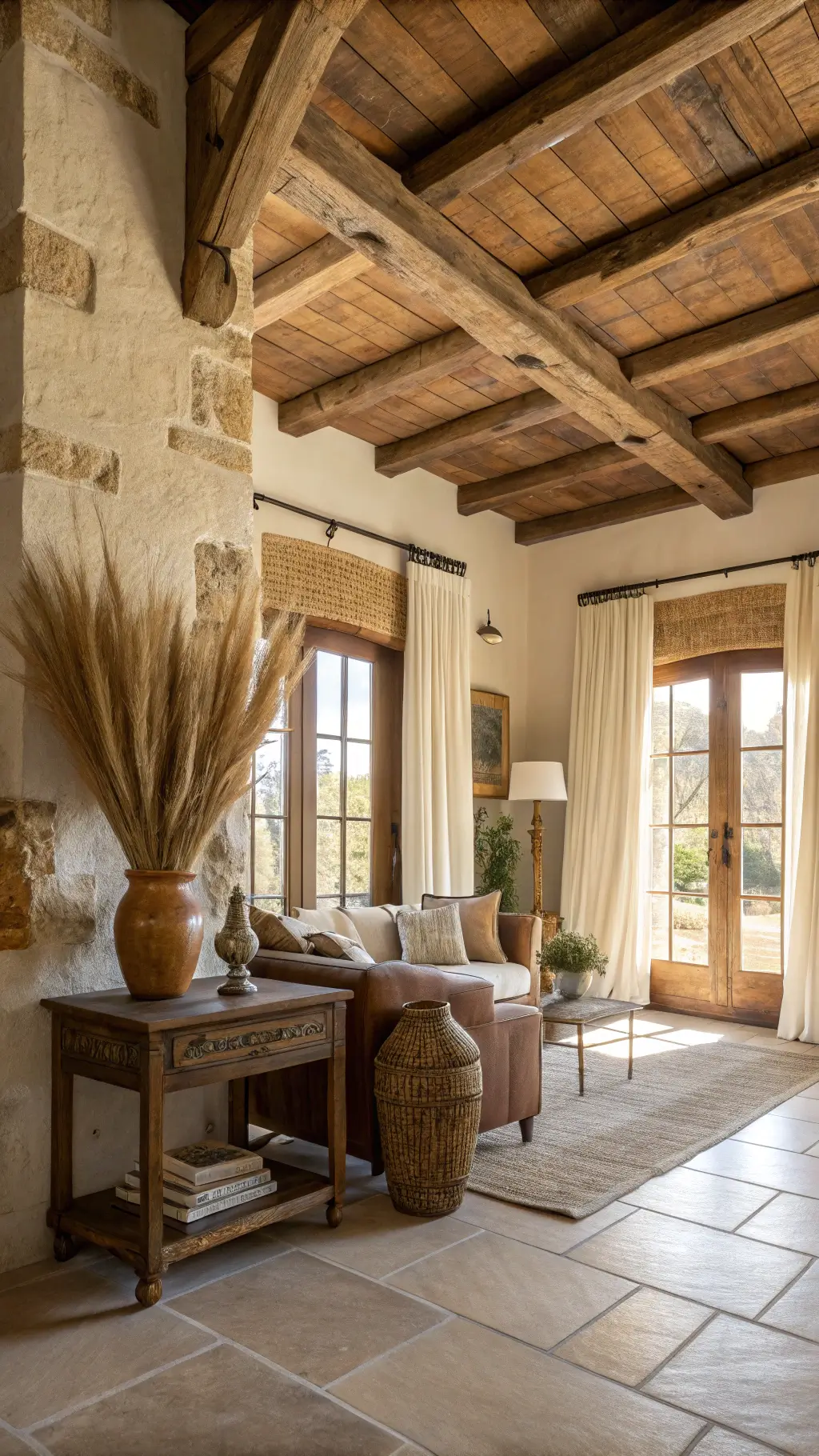
Materials That Tell a Story:
- Aged wood
- Unpolished stone
- Hand-thrown ceramics
- Raw textiles
- Weathered metals
Why Wabi-Sabi Matters
Most people chase perfection. We buy matching furniture sets. We obsess over pristine surfaces. Wabi-Sabi says: stop. Look closer. The crack in your favorite mug? That’s character. The worn leather chair? That’s history.
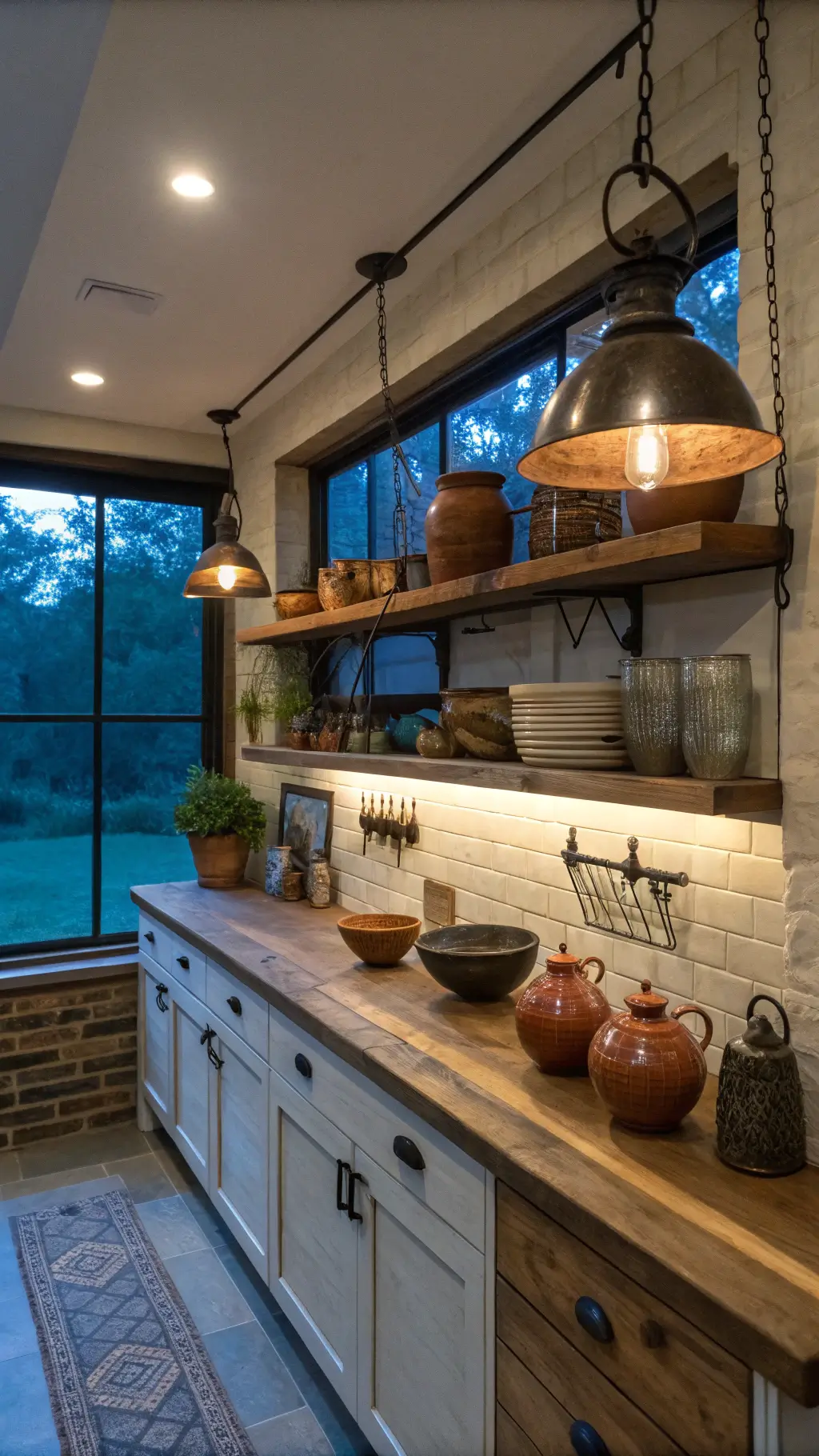
Practical Implementation: Creating Your Wabi-Sabi Space
Starter Kit for rework
worth having Elements:
- One statement piece with visible wear
- Natural fiber textiles
- Handmade ceramic objects
- Vintage or reclaimed furniture
- Organic decorative elements
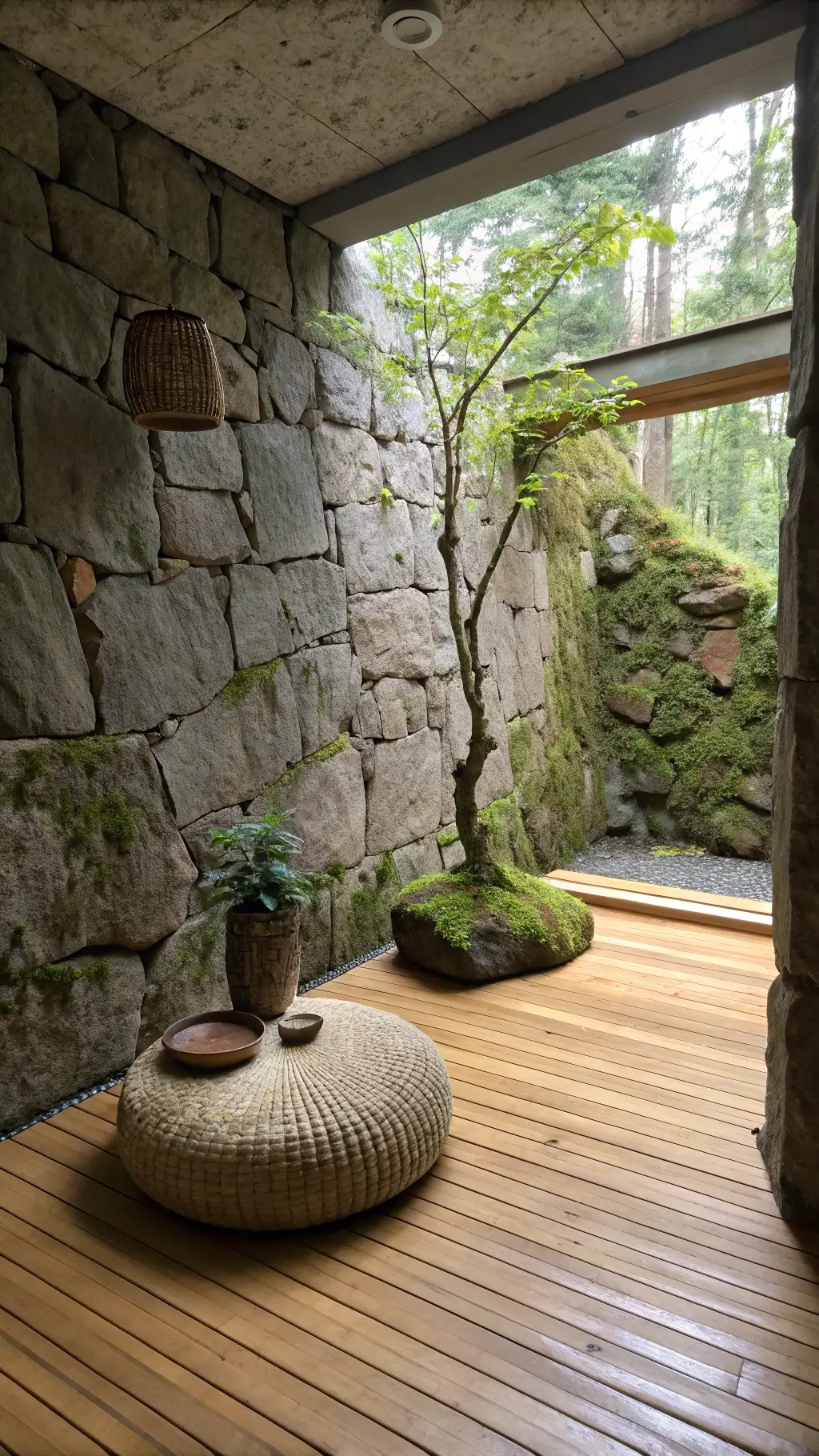
Budget Considerations
Cost Ranges:
- DIY/Upcycle: $0-$500
- Mid-Range Custom: $1,000-$3,000
- Premium Design: $5,000+
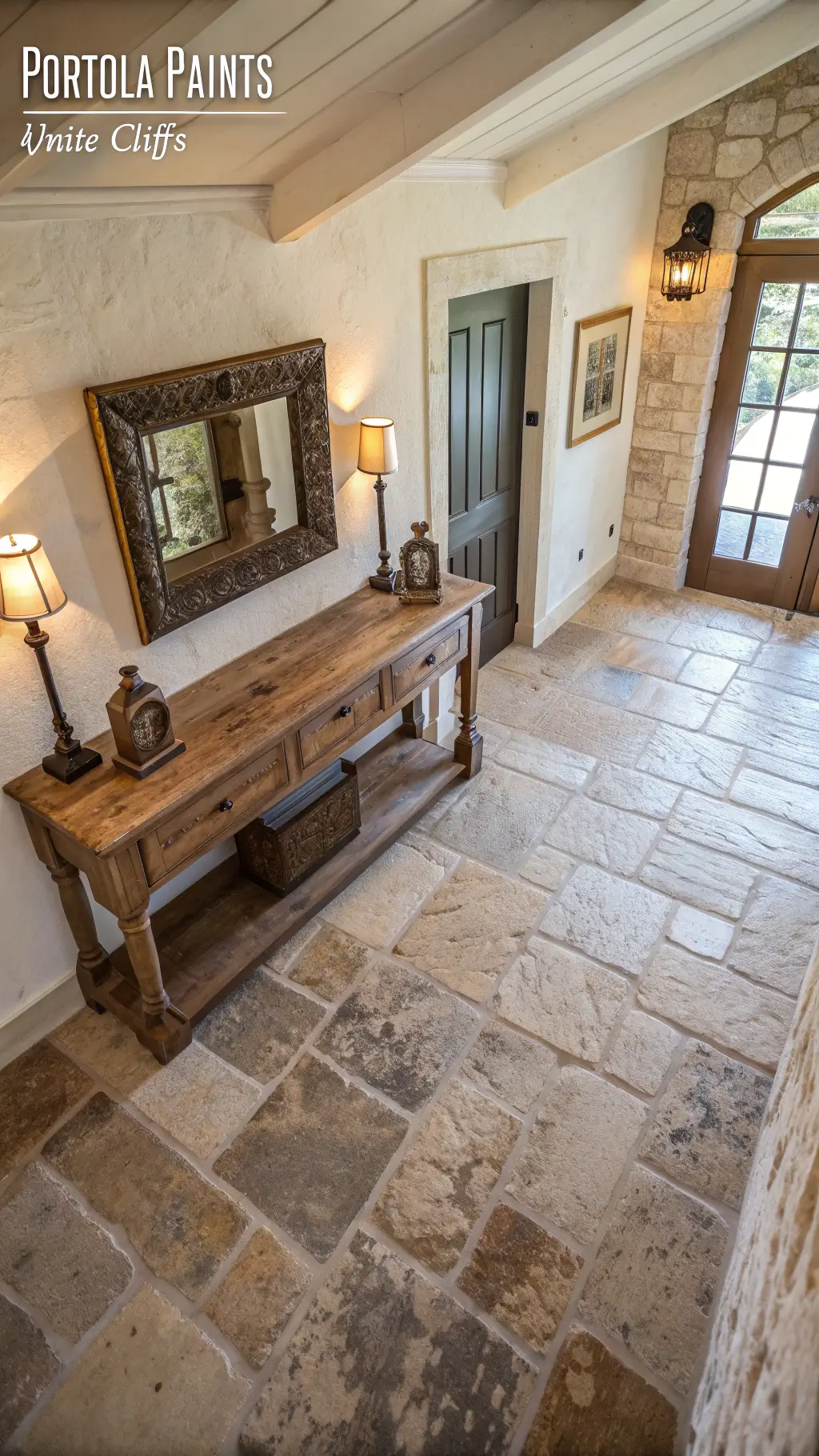
Styling Techniques That Work knack
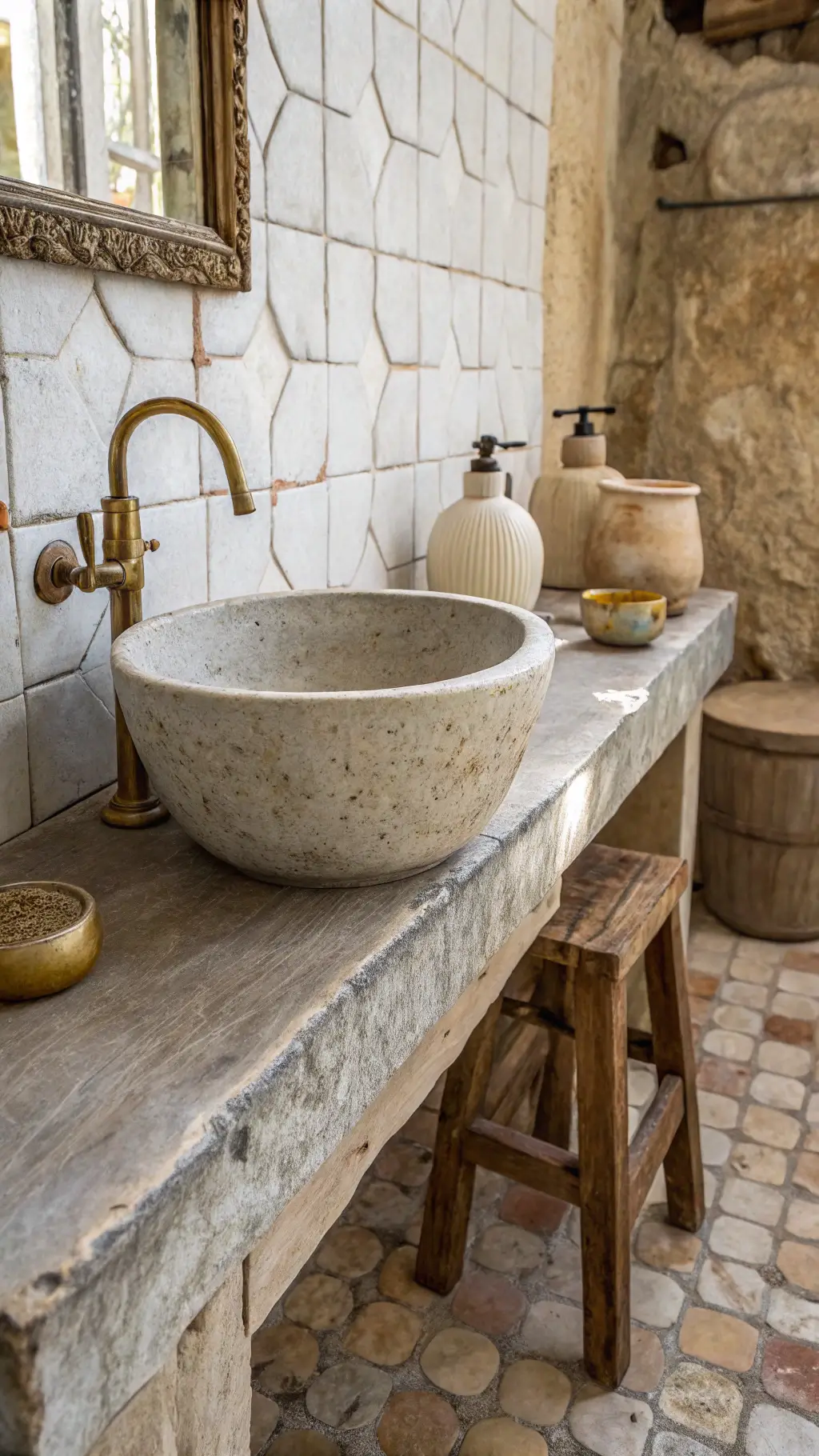
Texture is Your quiet tool
Layering Like a Pro:
- Combine smooth and rough surfaces
- Mix soft linens with hard ceramics
- Create visual depth through contrasting textures
Accessorizing with Intention
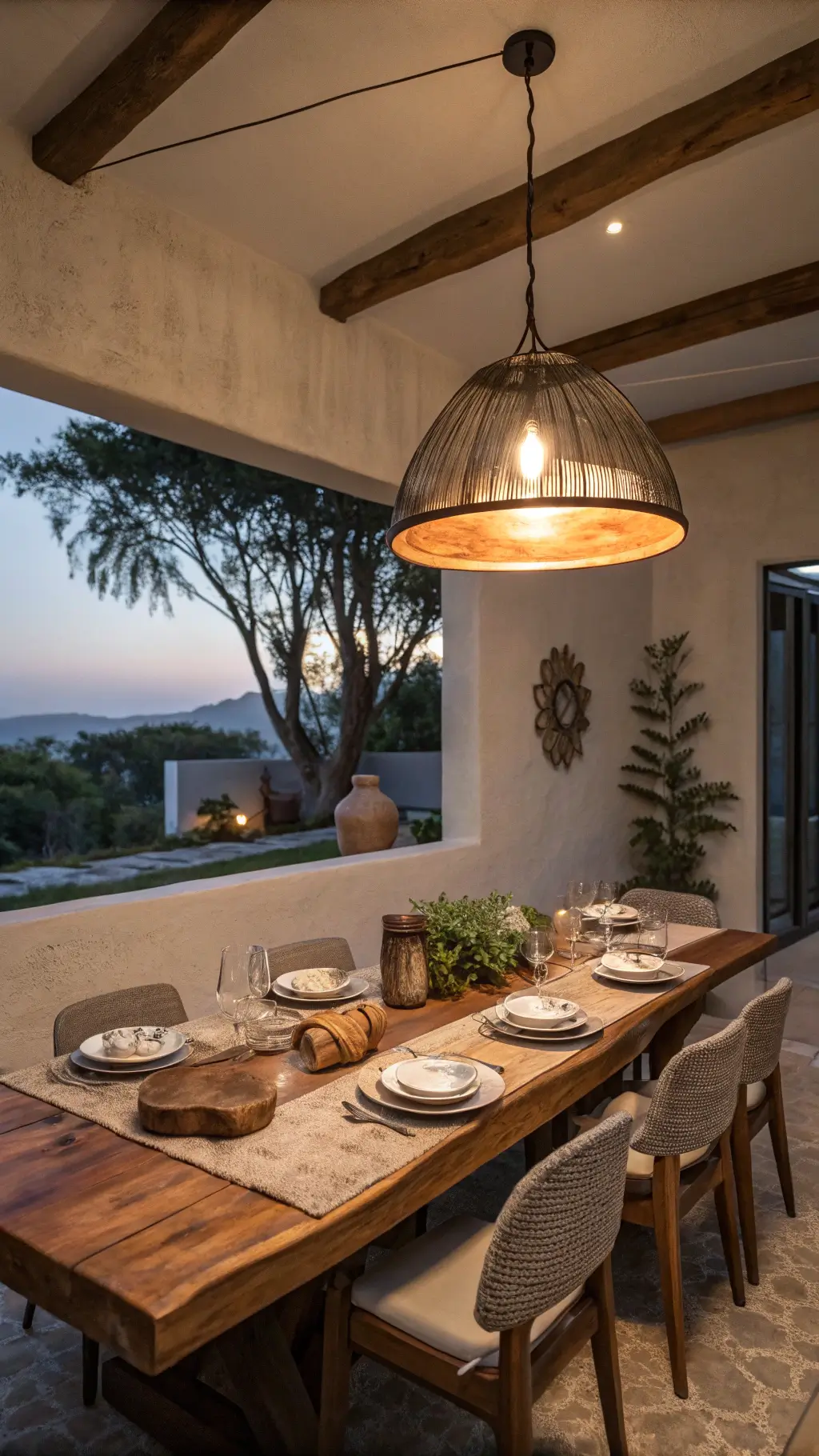
Less is Profoundly More:
- Choose objects with personal meaning
- Allow space between items
- Highlight natural imperfections
- Avoid overcrowding
Seasonal Adaptations
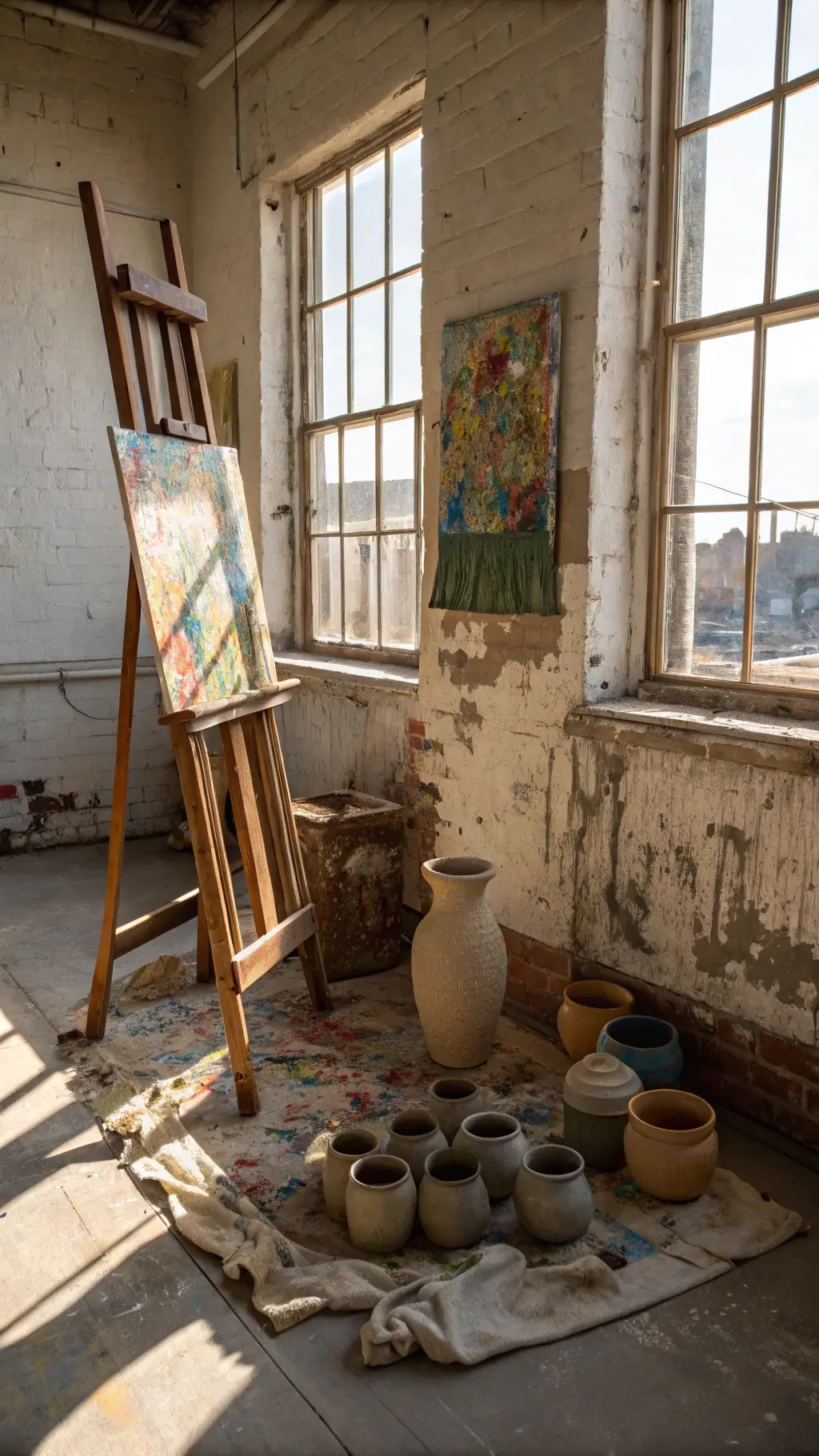
Wabi-Sabi isn’t static. It breathes with the seasons:
- Spring: Delicate branches, new growth
- Summer: Dried grasses, light fabrics
- Autumn: Warm woods, muted tones
- Winter: Minimal arrangements, subtle textures
Common Mistakes to Avoid
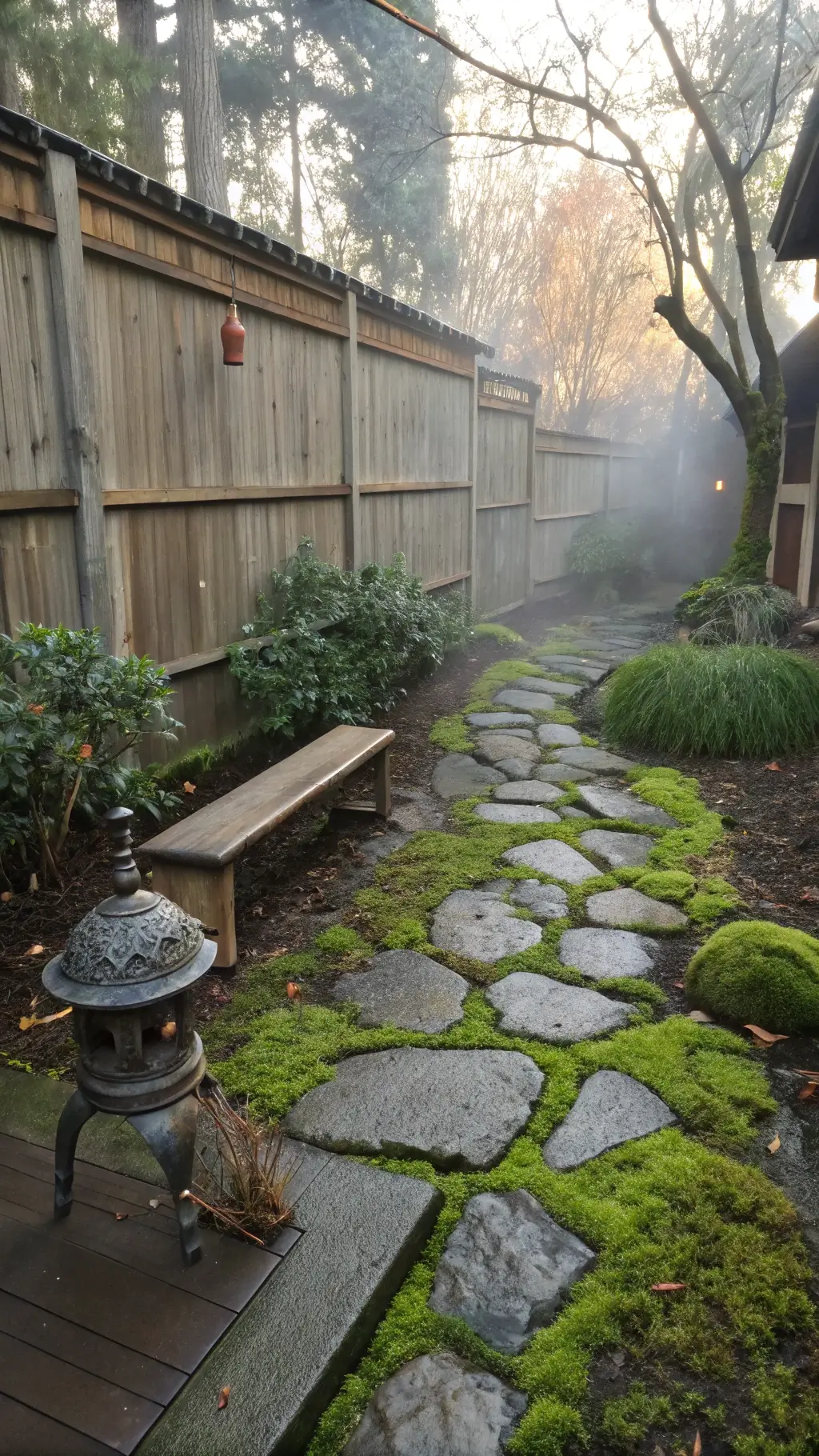
Warning Signs You’re Missing the Point:
- Forcing symmetry
- Using too many matching items
- Eliminating all personal history
- Choosing sterile, perfect surfaces
Final Thoughts: Your Personal Wabi-Sabi Journey
This isn’t about following strict rules. It’s about creating a space that reflects life’s beautiful, imperfect journey. Your home should tell your story—wrinkles, scars, and all.
Quick Start Checklist
- Observe your current space
- Identify items with genuine character
- Remove excess
- Introduce natural, slightly imperfect elements
- Create breathing room
Pro Tips from Design Experts
- Photograph your space in natural light
- Embrace objects with history
- Allow your space to evolve organically
- Connect with the materials’ inherent beauty
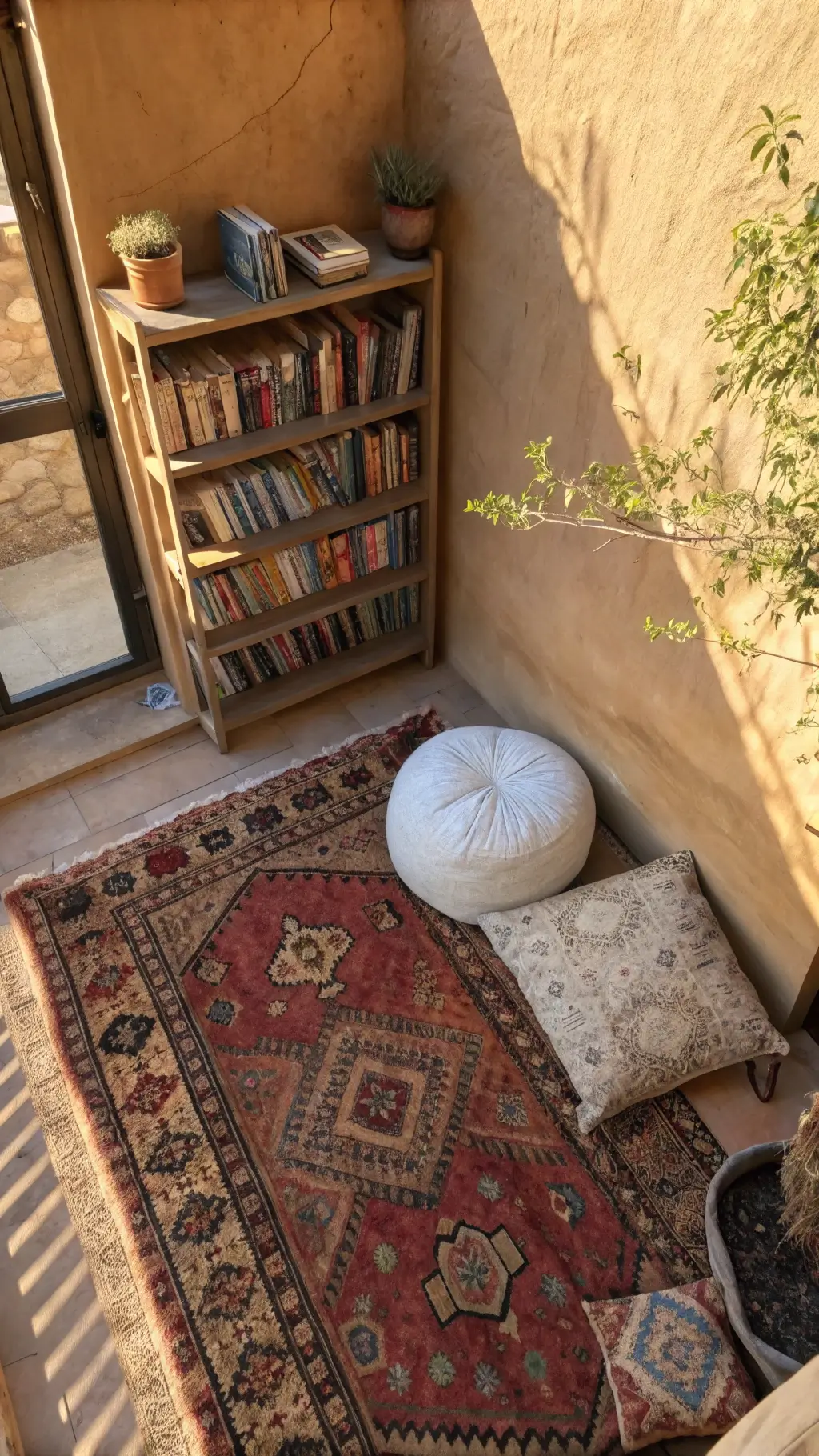
Wabi-sabi architecture holds up because the cracks in the plaster wall are still there from an earthquake retrofit years back, and nobody’s ever patched them. The house looks its age, and that’s the point.
If you are comparing directions, my wabi sabi bedroom guide covers the same room from another angle.
More Ideas to Explore
Keep the momentum going: Wabi Sabi Bedroom Sanctuary: Embrace Imperfection and Create Serene Calm covers another angle worth a look.