Wabi-Sabi Home Decor: Embracing Imperfect Beauty in Your Living Space
I’ve discovered the most transformative interior design philosophy that turns flaws into features and chaos into calm: wabi-sabi home decor.
Imagine walking into a room that feels like a deep breath—where every imperfection tells a story and nothing looks too polished or manufactured. That’s the magic of wabi-sabi.
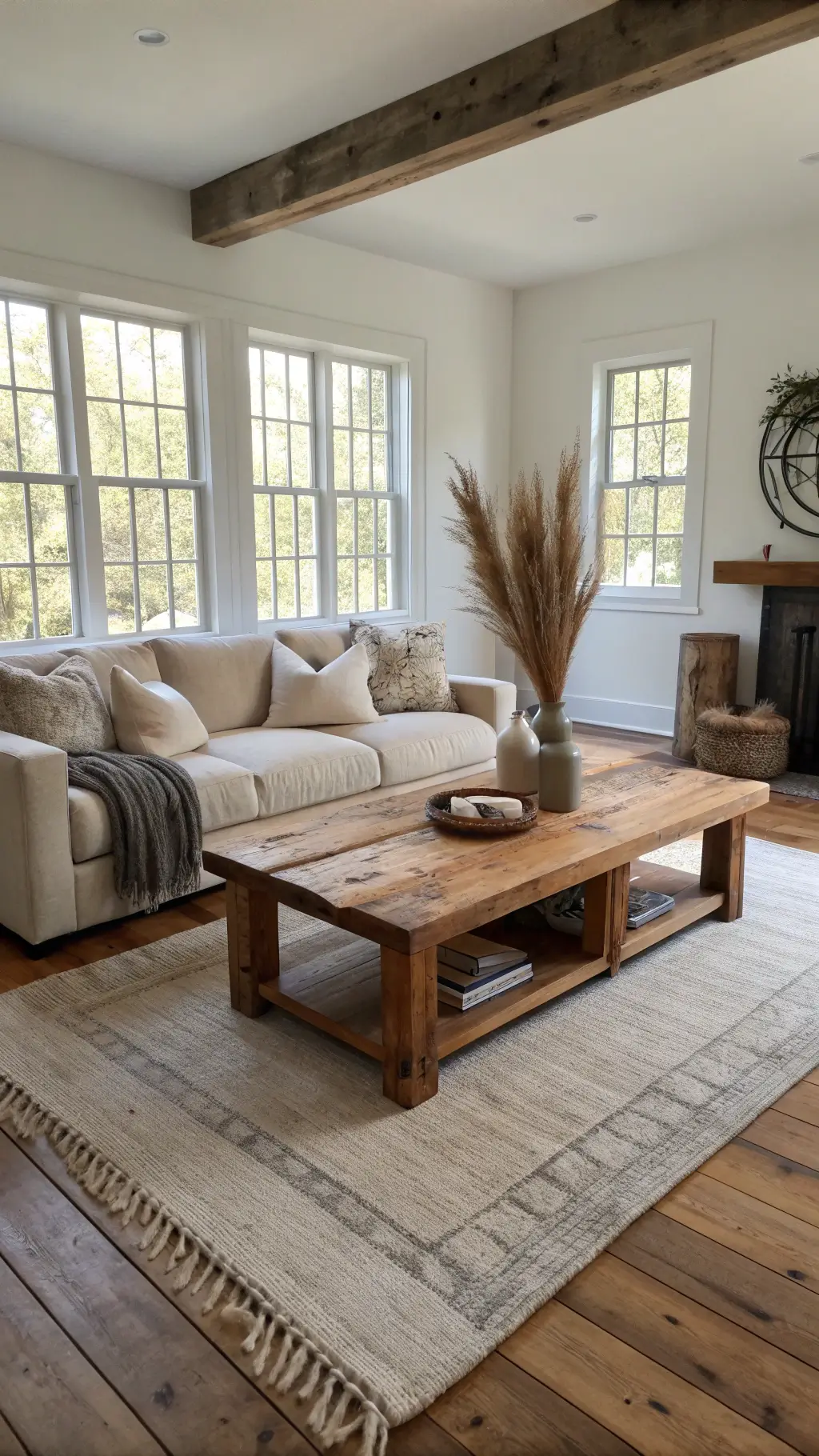
What Exactly is Wabi-Sabi?
Wabi-sabi isn’t just a design trend. It’s a Japanese philosophy that celebrates:
- Imperfection as beauty
- Natural, unrefined materials
- Simplicity and authenticity
- Embracing wear, age, and organic textures
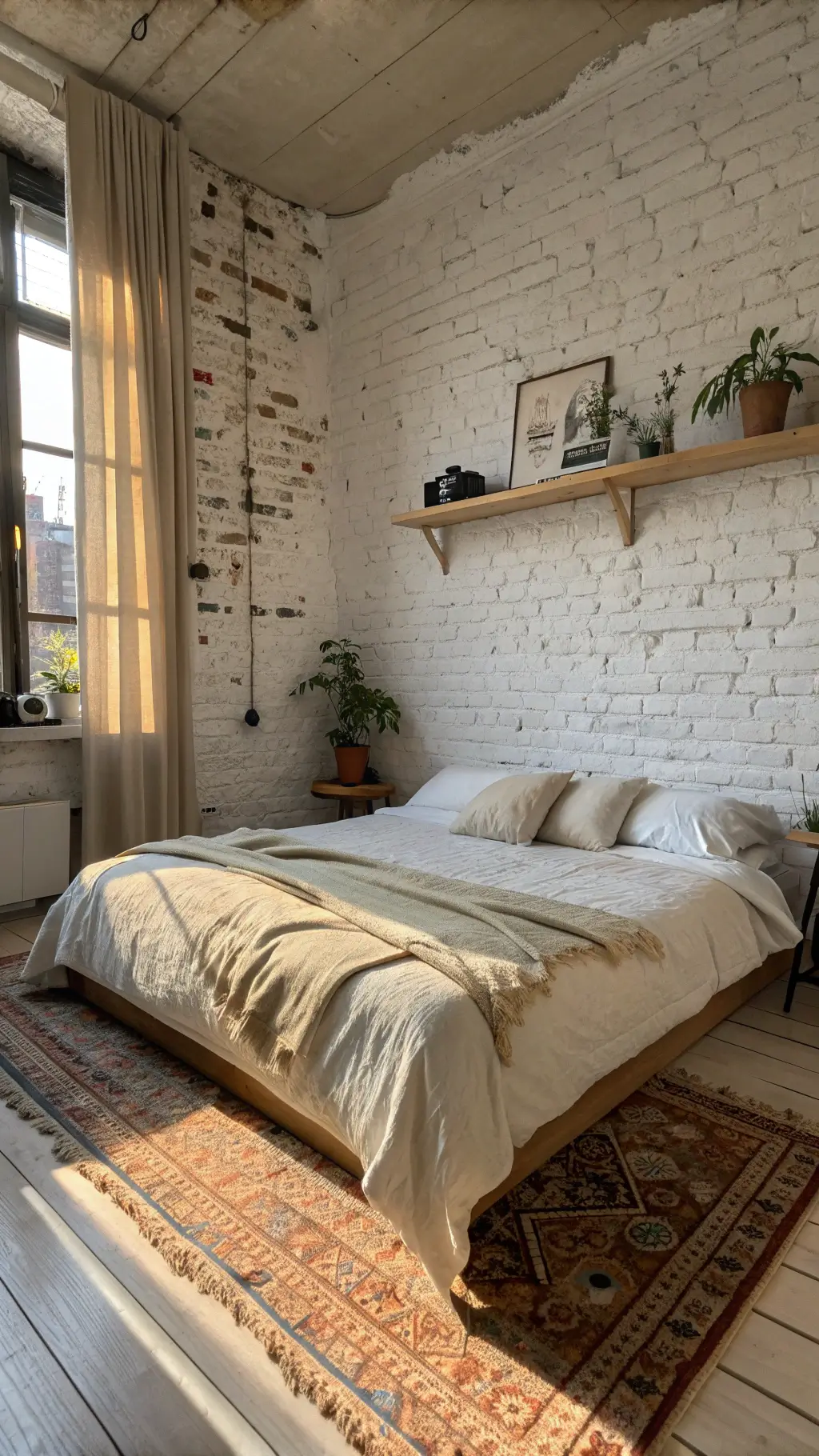
Why Your Home Needs Wabi-Sabi Right Now
Modern homes have become sterile showcases of perfection. Wabi-sabi rebels against that, offering:
- Emotional warmth
- Genuine character
- Stress-reducing environments
- Connection to natural world
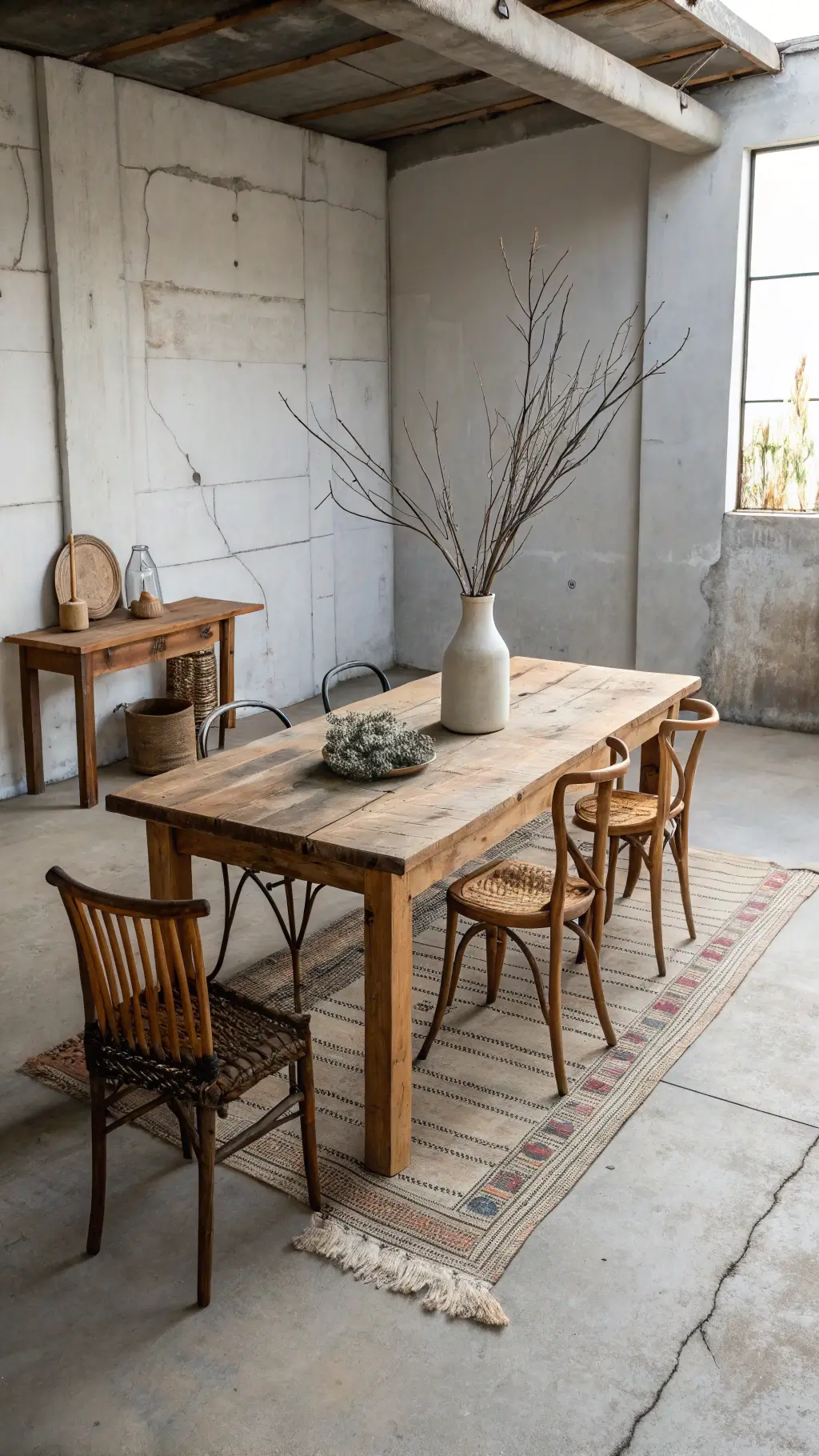
Essential Wabi-Sabi Design Elements
Colors That Whisper, Not Scream
Think soft, earthy palettes:
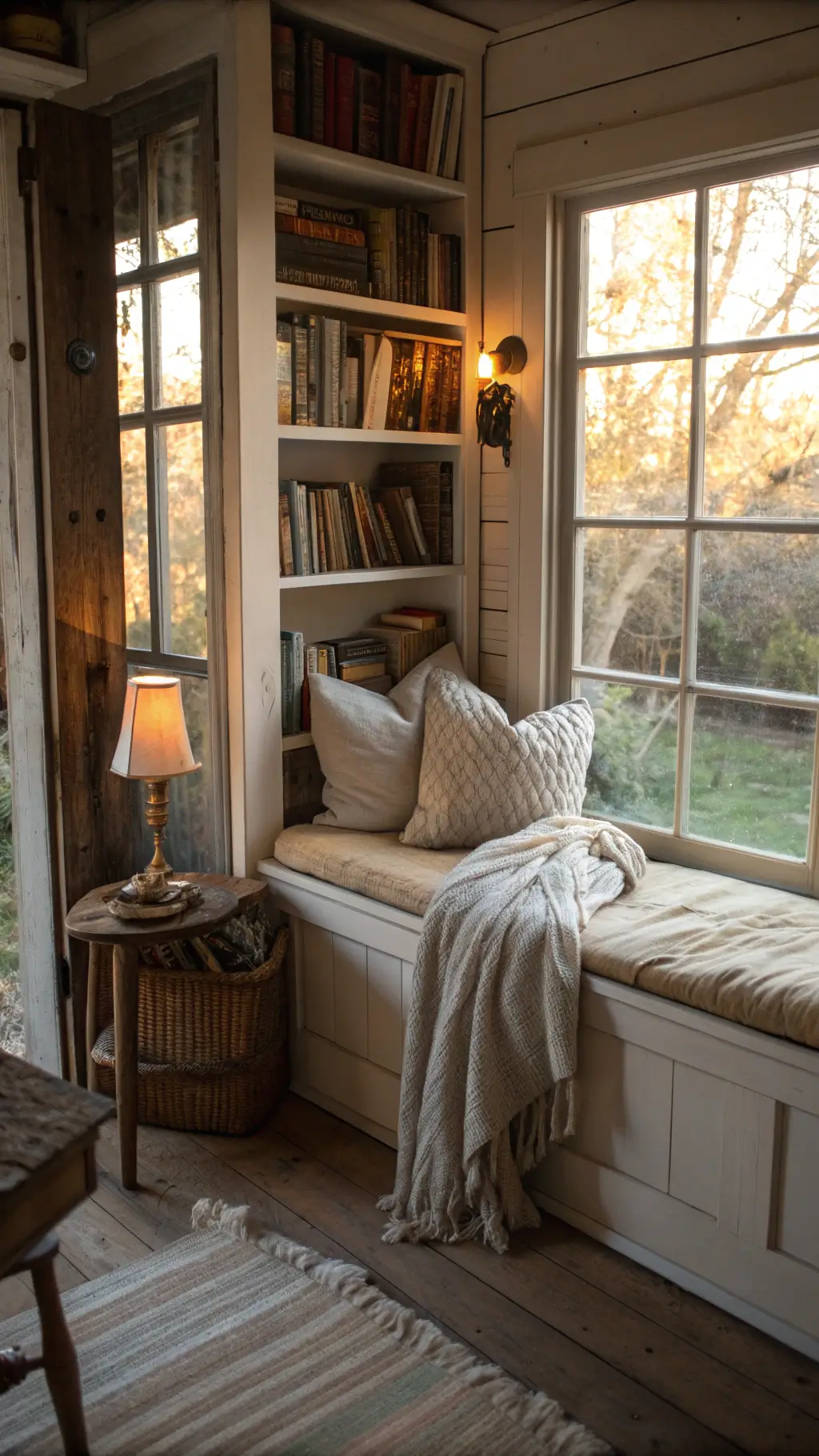
- Warm beiges
- Muted greens
- Soft greys
- Gentle off-whites
Materials That Tell Stories
Texture is king in wabi-sabi:
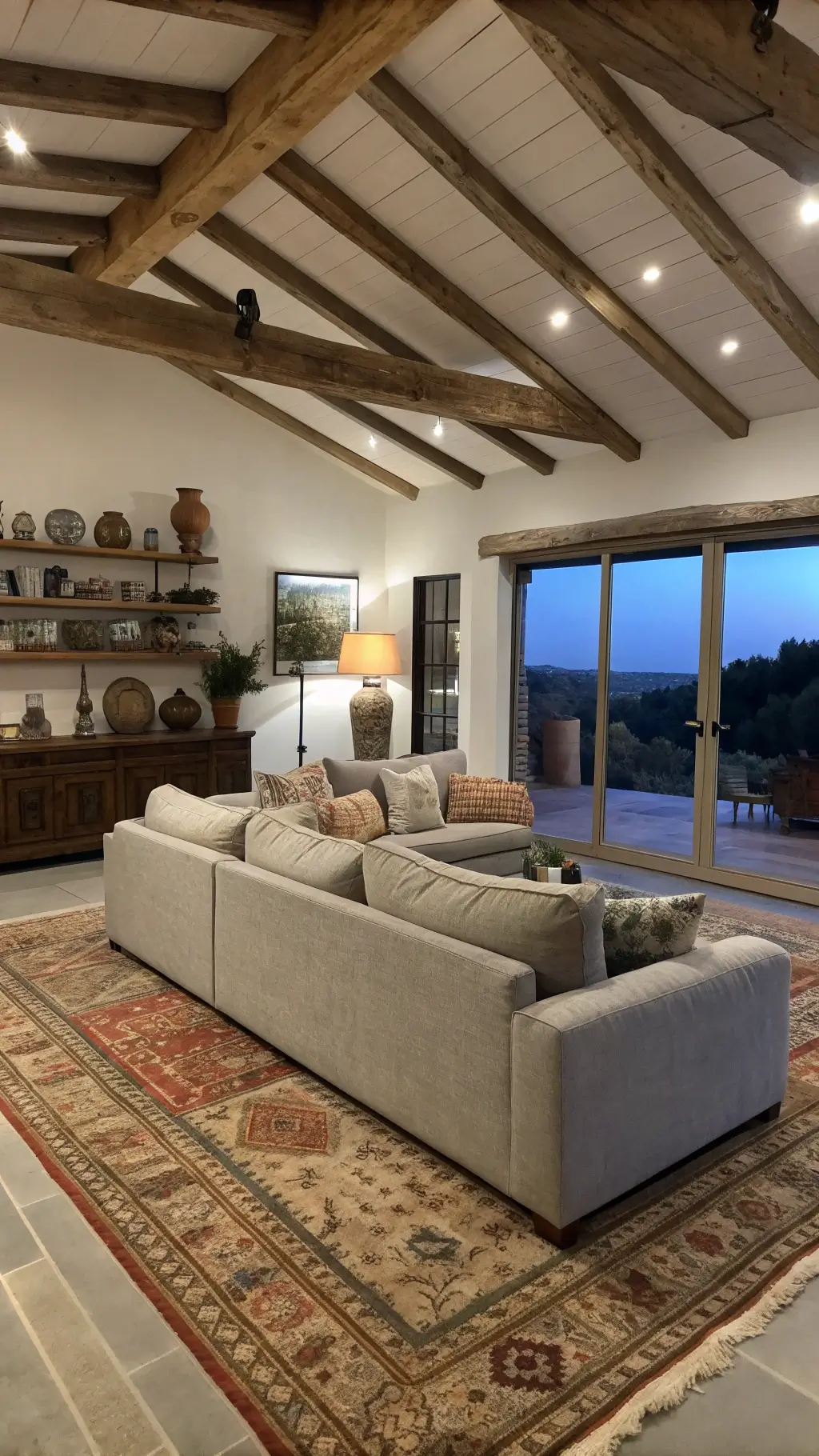
- Reclaimed wood
- Hand-thrown ceramics
- Linen fabrics
- Stone elements
- Weathered metals
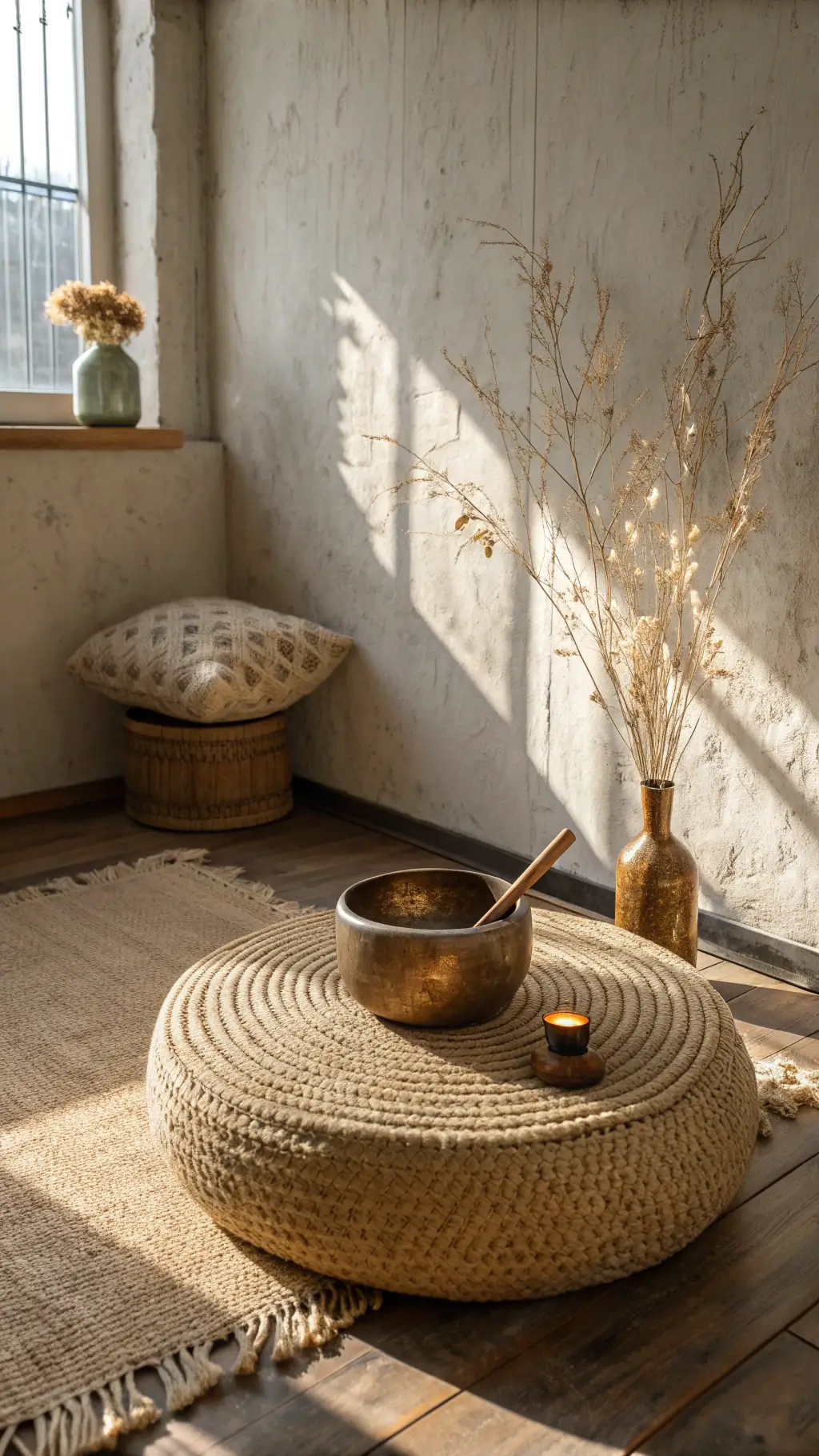
Crafting Your Wabi-Sabi Space: Practical Steps
1. Declutter with Intention
Less truly means more.
- Remove excess furniture
- Keep only meaningful objects
- Create breathing room in your spaces
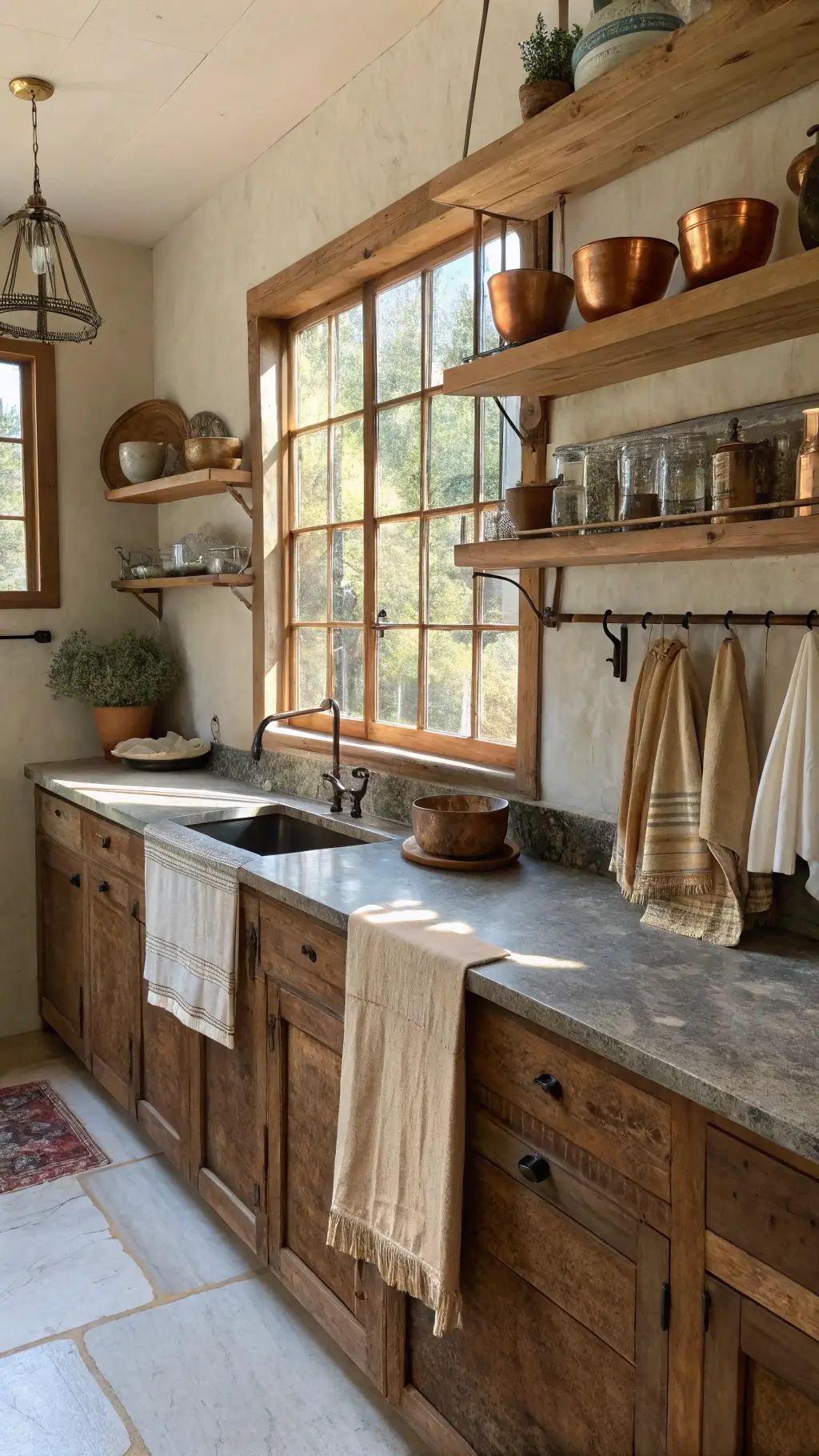
2. Choose Furniture Wisely
Look for pieces that show:
- Natural wear
- Handcrafted qualities
- Unique imperfections
- Organic shapes
3. Embrace Asymmetry
Perfect symmetry is boring.
- Group items in odd numbers
- Create gentle, unstructured arrangements
- Allow negative space to exist
Pro Styling Secrets
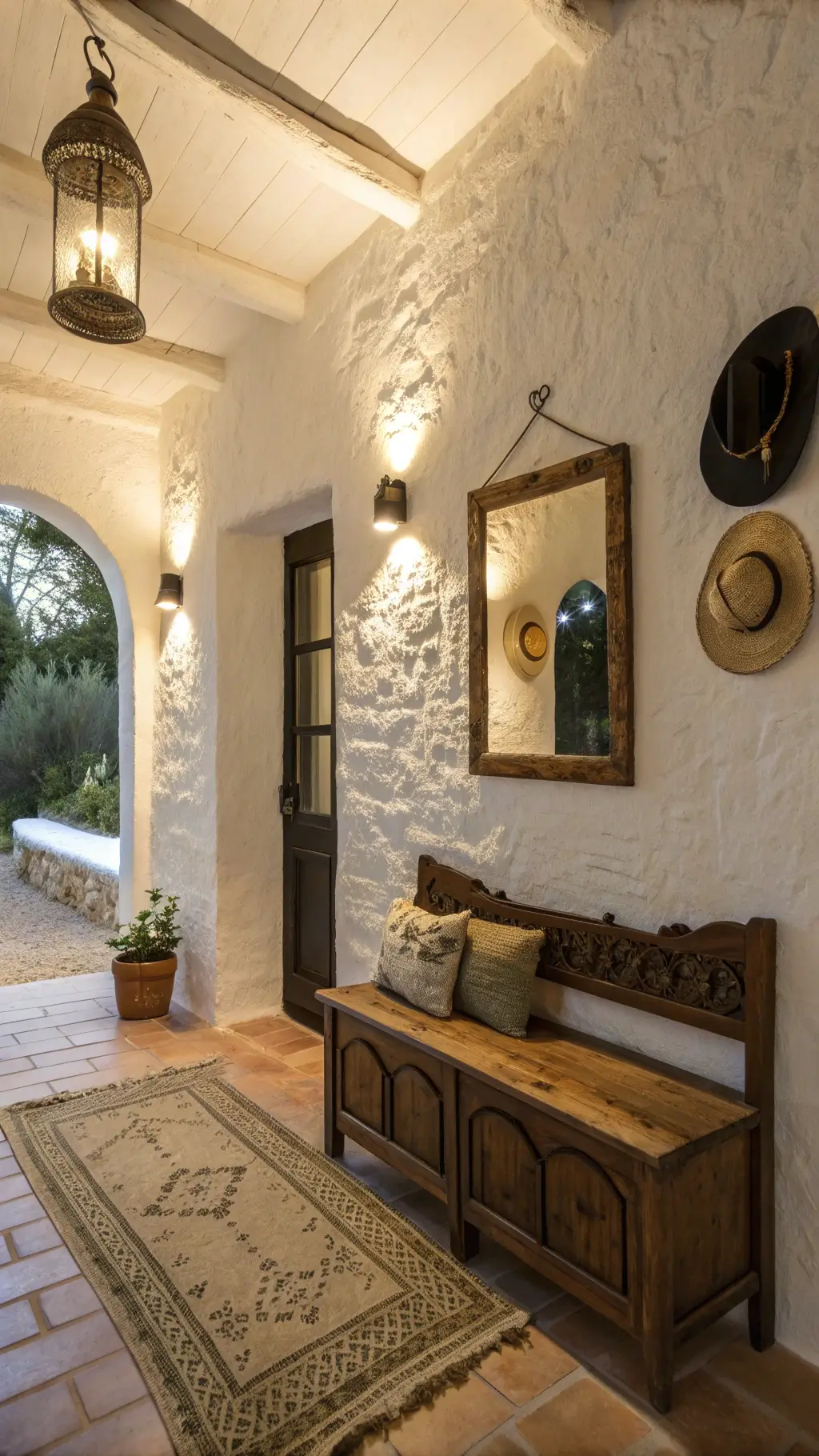
Texture Layering Techniques
- Combine rough wooden surfaces with soft linens
- Mix glazed and unglazed ceramics
- Blend different fabric weights
- Create visual depth through contrast
Accessorizing the Wabi-Sabi Way
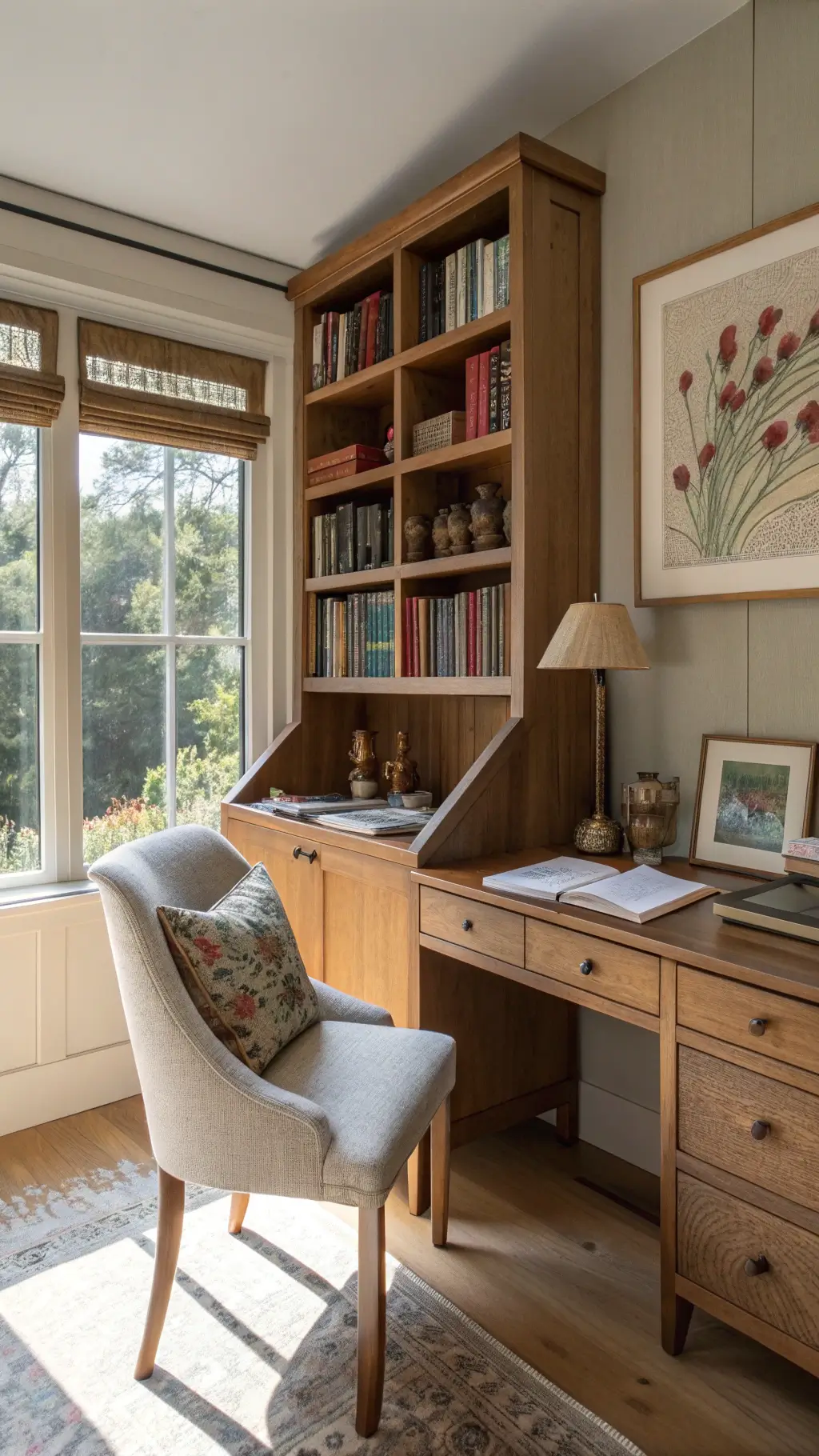
Must-have items:
- Handmade ceramic vases
- Vintage mirrors
- Natural fiber throws
- Minimalist art pieces
- Dried botanical arrangements
Budget-Friendly Wabi-Sabi Tips
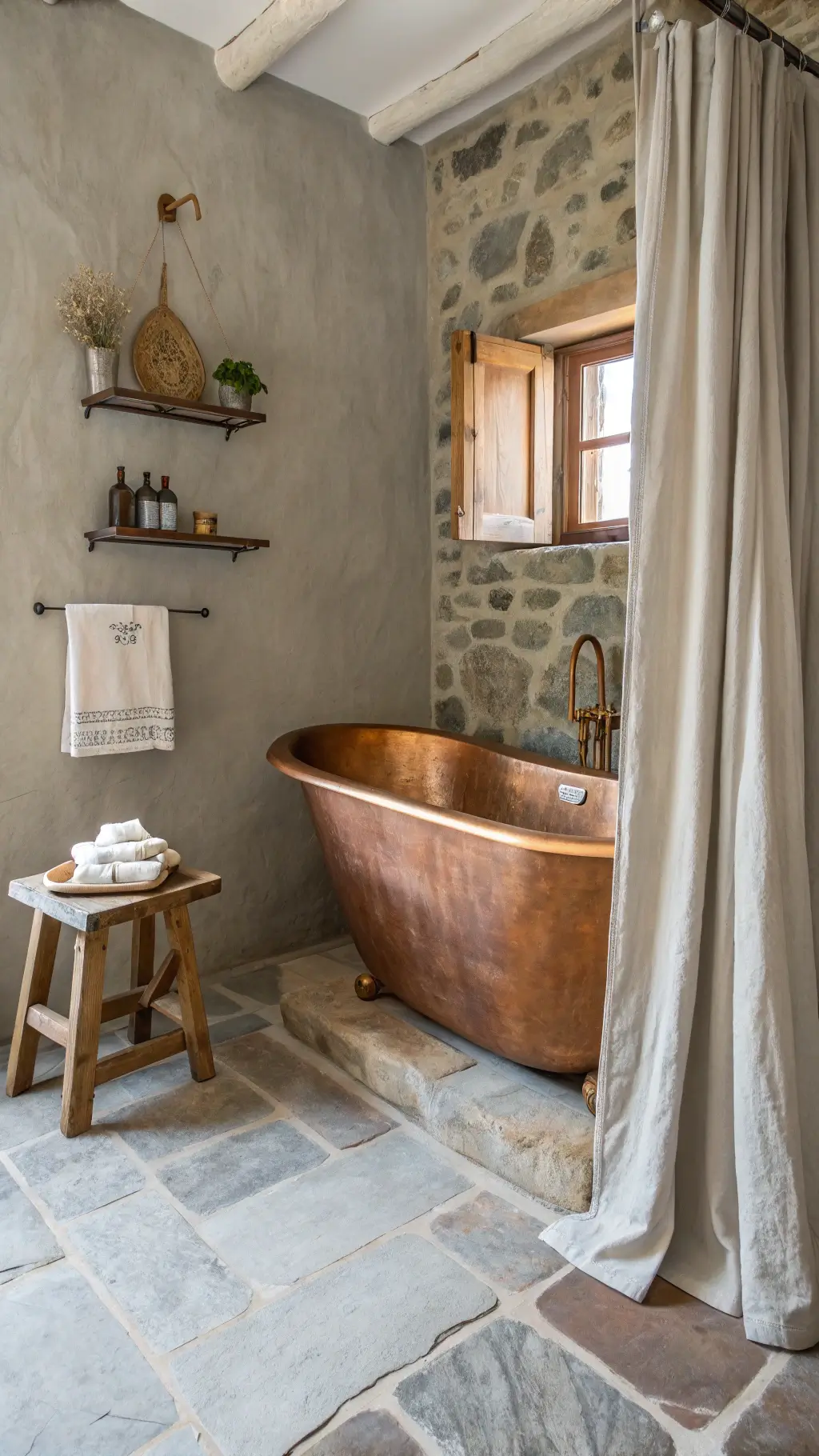
You don’t need thousands to achieve this look:
- Thrift store hunting
- DIY distressing techniques
- Upcycling existing furniture
- Focusing on meaningful, quality pieces
Common Mistakes to Avoid
- Don’t over-design
- Avoid mass-produced “perfect” items
- Skip ultra-glossy finishes
- Don’t eliminate all personality
Seasonal Wabi-Sabi Updates
Refresh your space:
- Rotate natural elements
- Update textile layers
- Introduce seasonal branches
- Adjust color palette subtly
Final Thoughts
Wabi-sabi isn’t just design—it’s a perspective. It whispers that beauty exists in imperfection, age, and authenticity.
Your home should feel like a gentle exhale, not a magazine spread. Embrace the cracks, celebrate the worn edges, and create a space that breathes with real life.