Wabi Sabi Bench Ideas: Embracing Imperfection in Natural Seating Design
Wabi Sabi is more than just a design concept—it’s a philosophy of finding beauty in imperfection and simplicity. When it comes to benches, this means creating seating that tells a story through its raw, unprocessed nature.
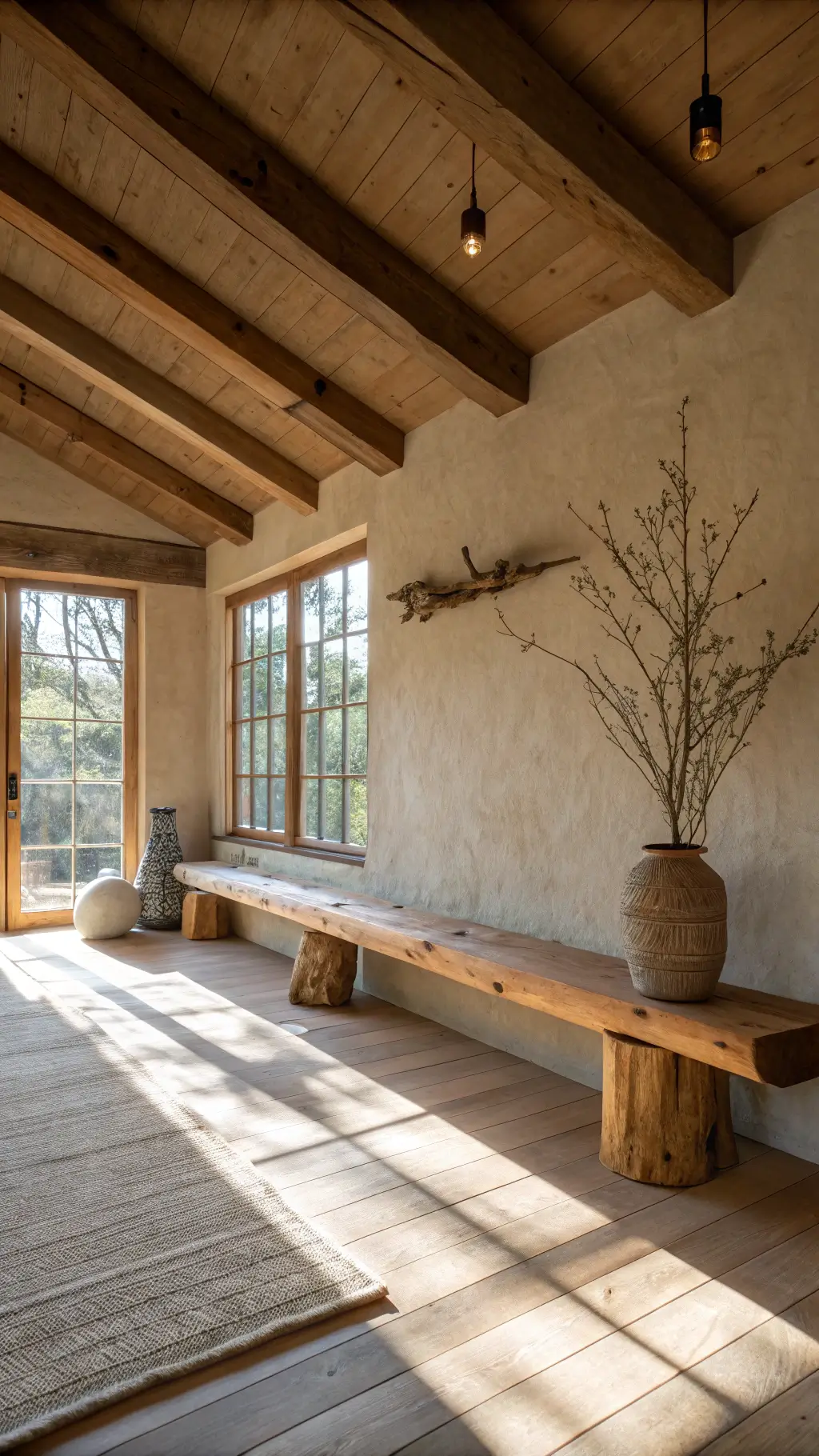
What Makes a Wabi Sabi Bench Unique?
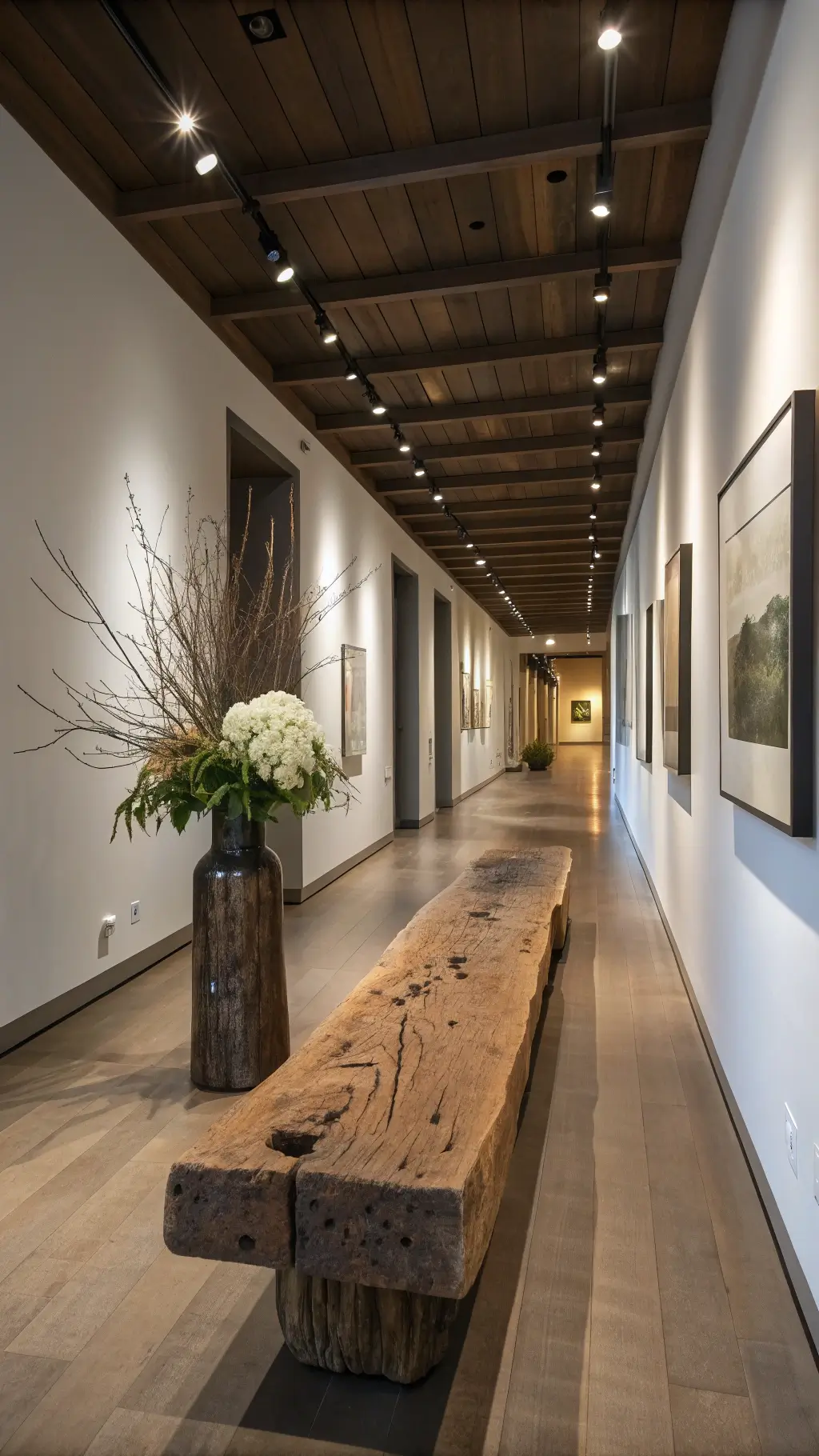
I’ve spent years exploring interior design, and nothing captures the essence of beauty quite like a Wabi Sabi bench. These aren’t your typical polished, perfect pieces of furniture. Instead, they’re raw, honest expressions of natural materials.
Key Characteristics of Wabi Sabi Benches:
- Materials That Speak Volumes
- Untreated woods like teak, madrone, or walnut
- Visible knots, cracks, and natural imperfections
- Uneven surfaces that tell a material’s history
- Design Philosophy
- Minimal, organic forms
- Celebration of natural edges
- Intentional asymmetry
- Handcrafted construction
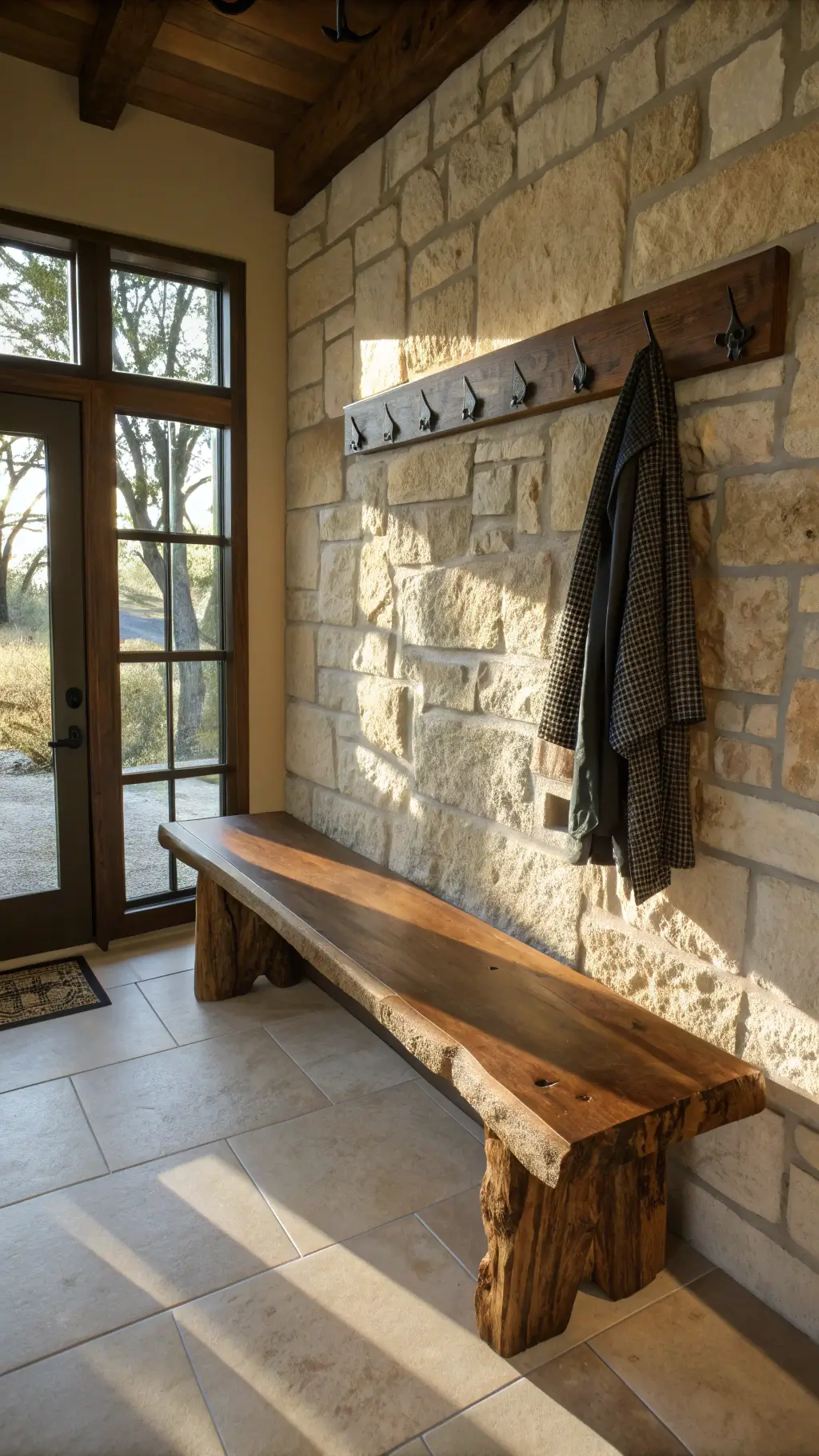
Design Inspiration Sources
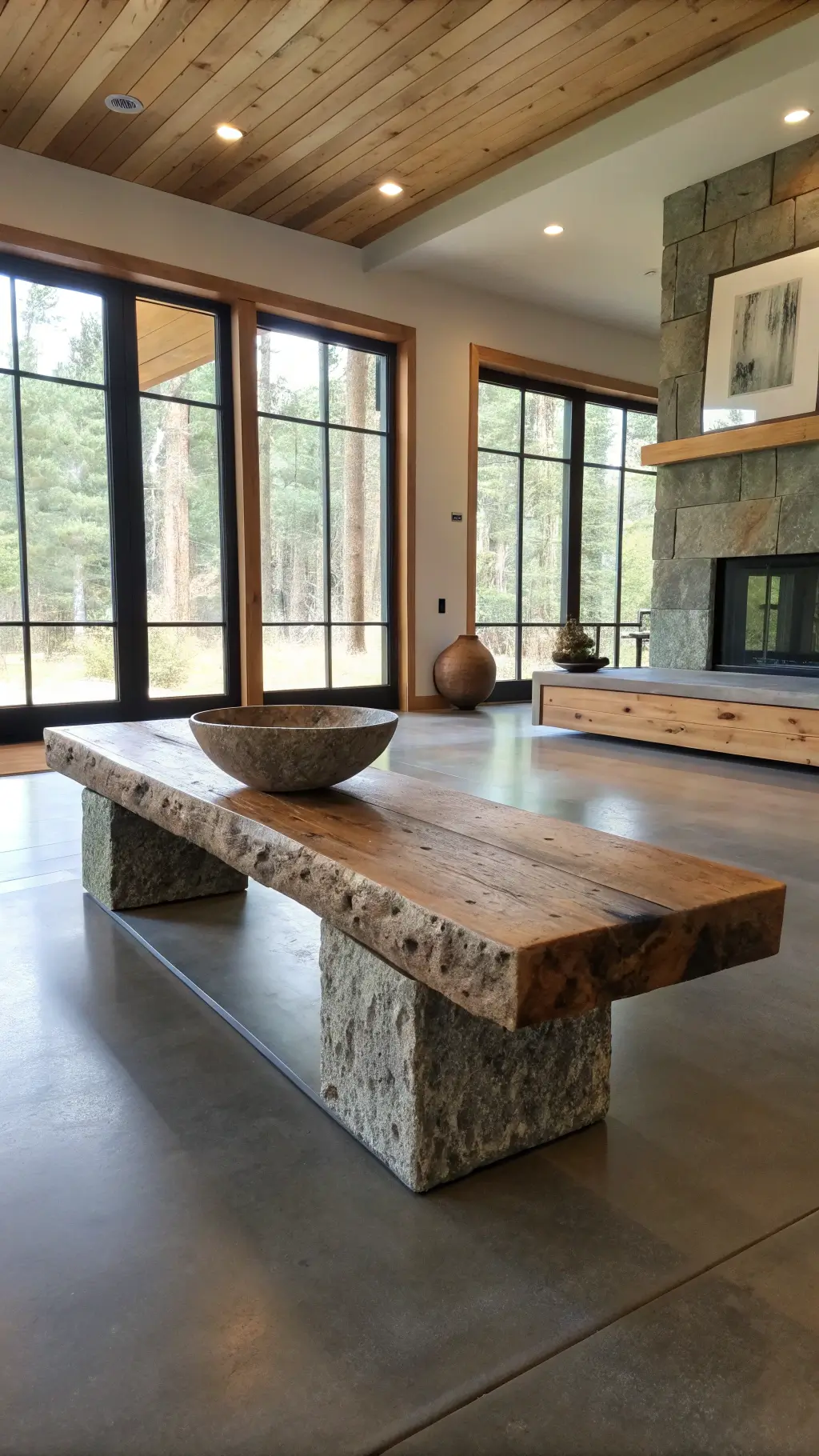
1. Ethan Stebbins’ Approach
Stebbins creates benches that literally embrace the raw edge of materials. Imagine a bench where hand-cut stone meets weathered wood, with edges that look like they’ve been gently sculpted by nature itself.
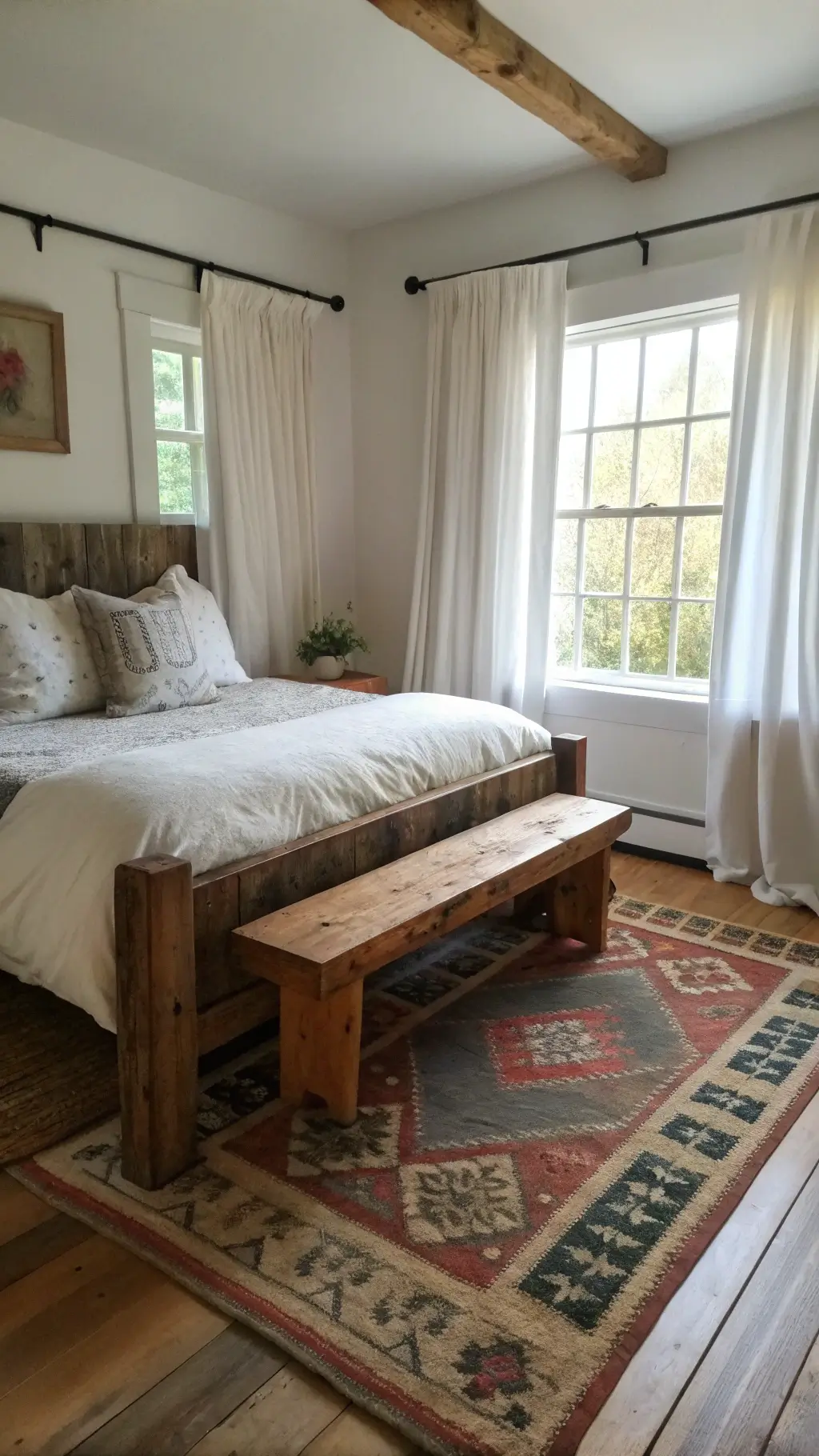
2. Andrianna Shamaris’ Minimalist Vision
Picture aged teak with softly rounded edges, featuring subtle butterfly inlays that highlight the wood’s natural journey through time.
Color and Styling Palette
My go-to Wabi Sabi color scheme includes:
- Weathered browns
- Soft grays
- Muted taupes
- Subtle white-washed tones
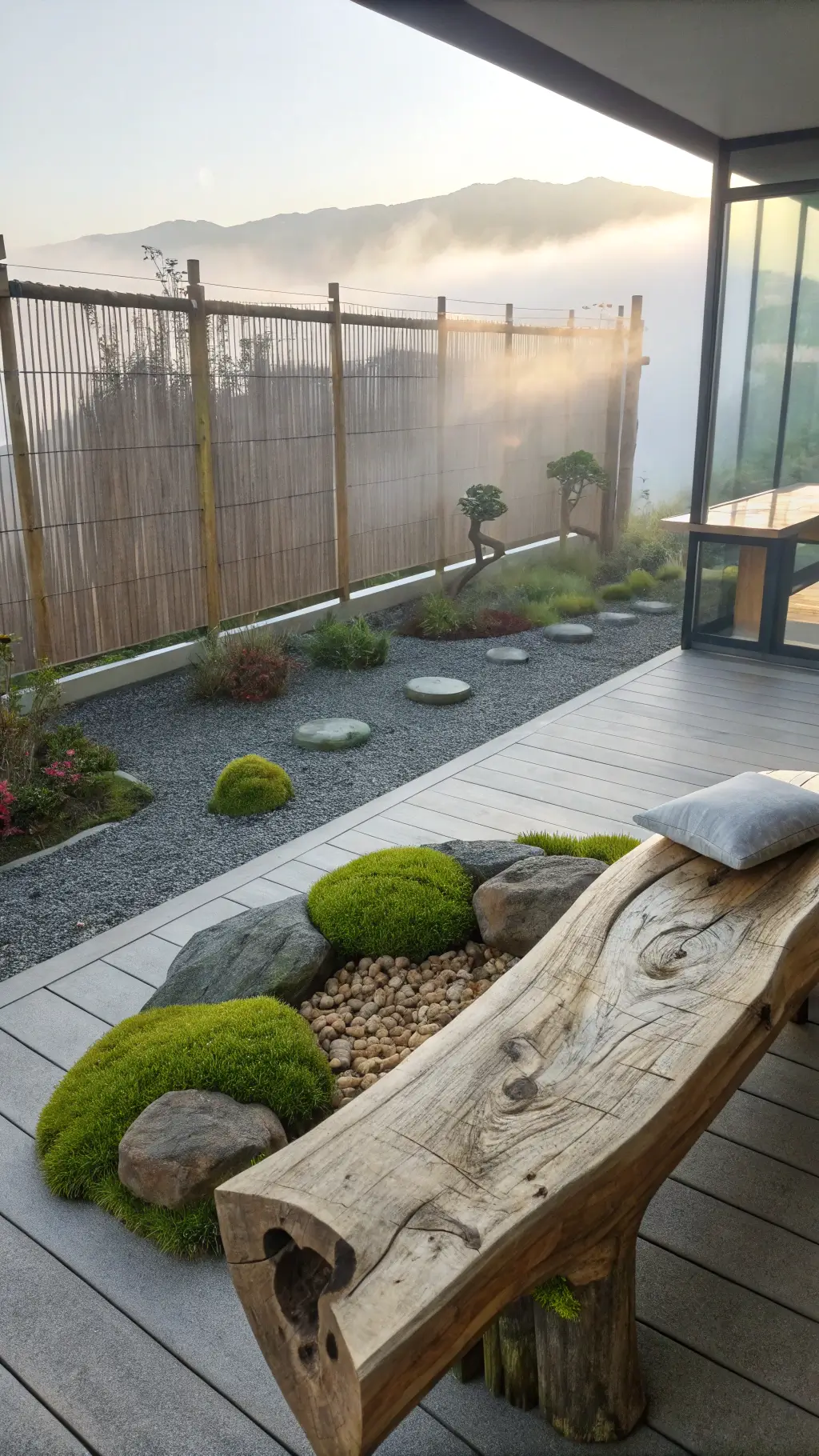
Styling Pro Tips
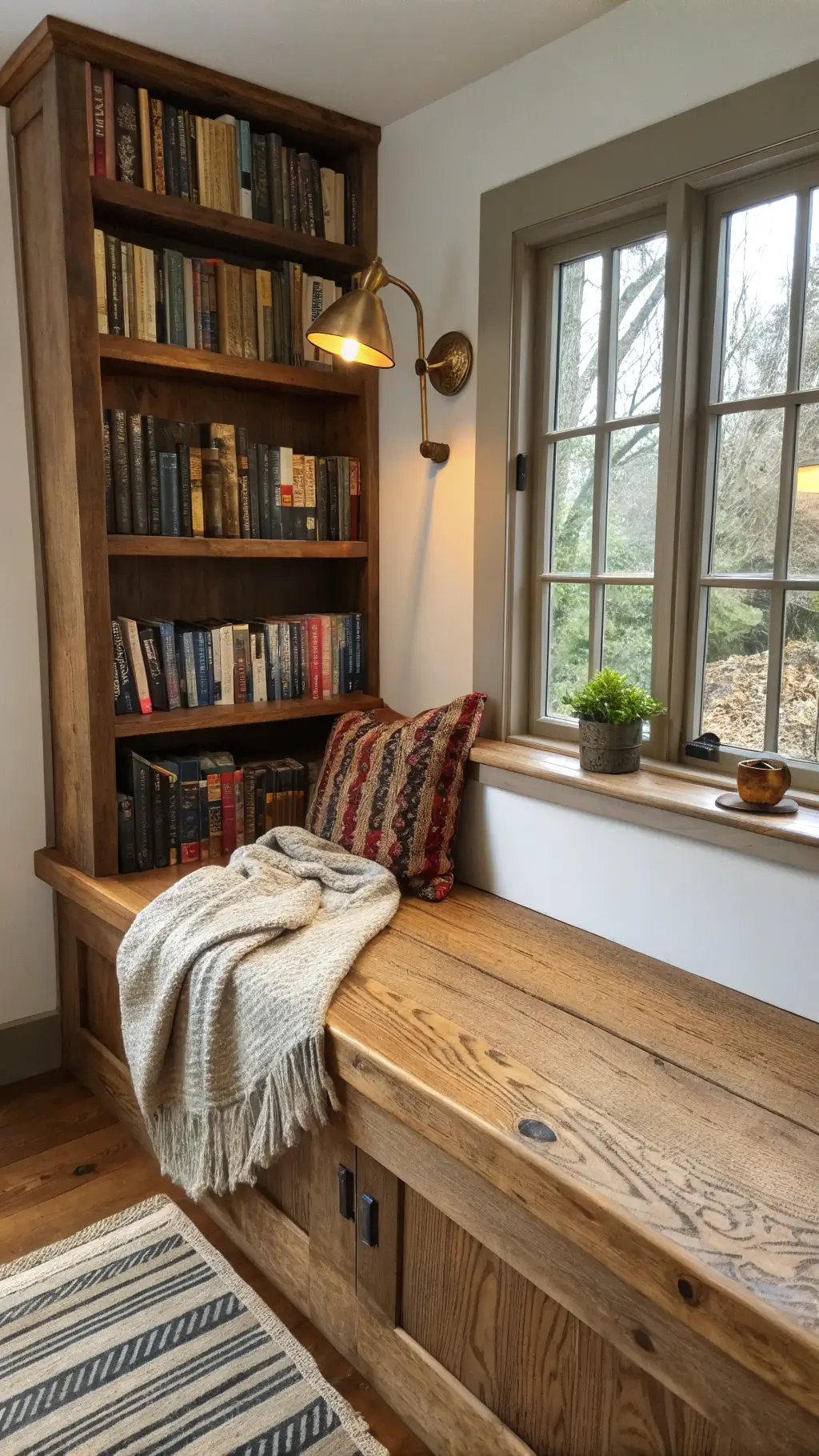
- Place your bench in spaces that allow breathing room
- Layer with rumpled linen cushions
- Add a single ceramic vase or asymmetrical branch
- Embrace negative space around the piece
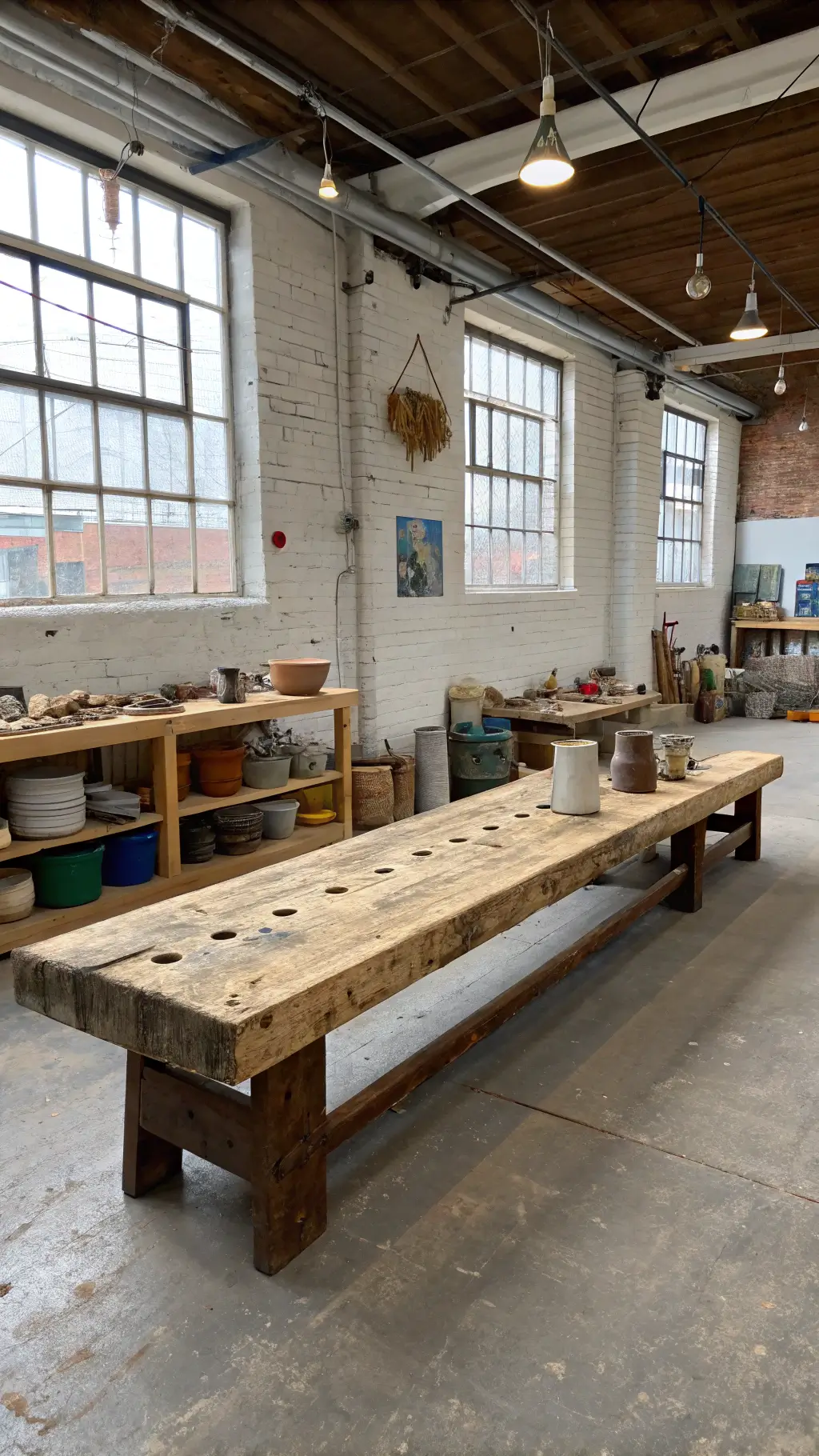
DIY Wabi Sabi Bench: The Simplest Approach
Want to create your own? Here’s the easiest method:
- Find a hefty wooden beam
- Cut blocks from the same wood for legs
- Leave tool marks visible
- Embrace the imperfections
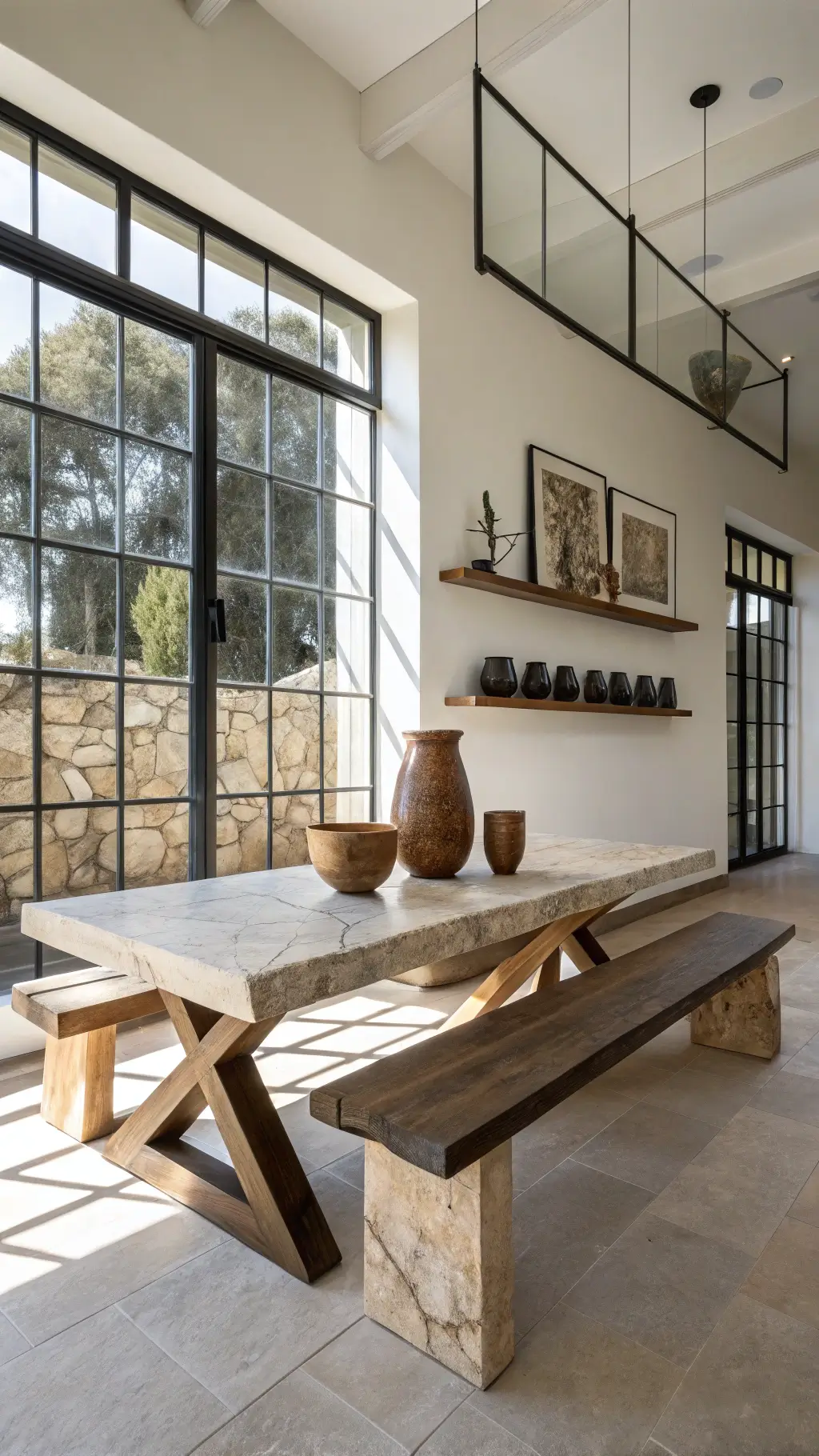
Perfect Spaces for Your Wabi Sabi Bench
- Entryways
- Minimalist living rooms
- Bedroom foot spaces
- Quiet meditation corners
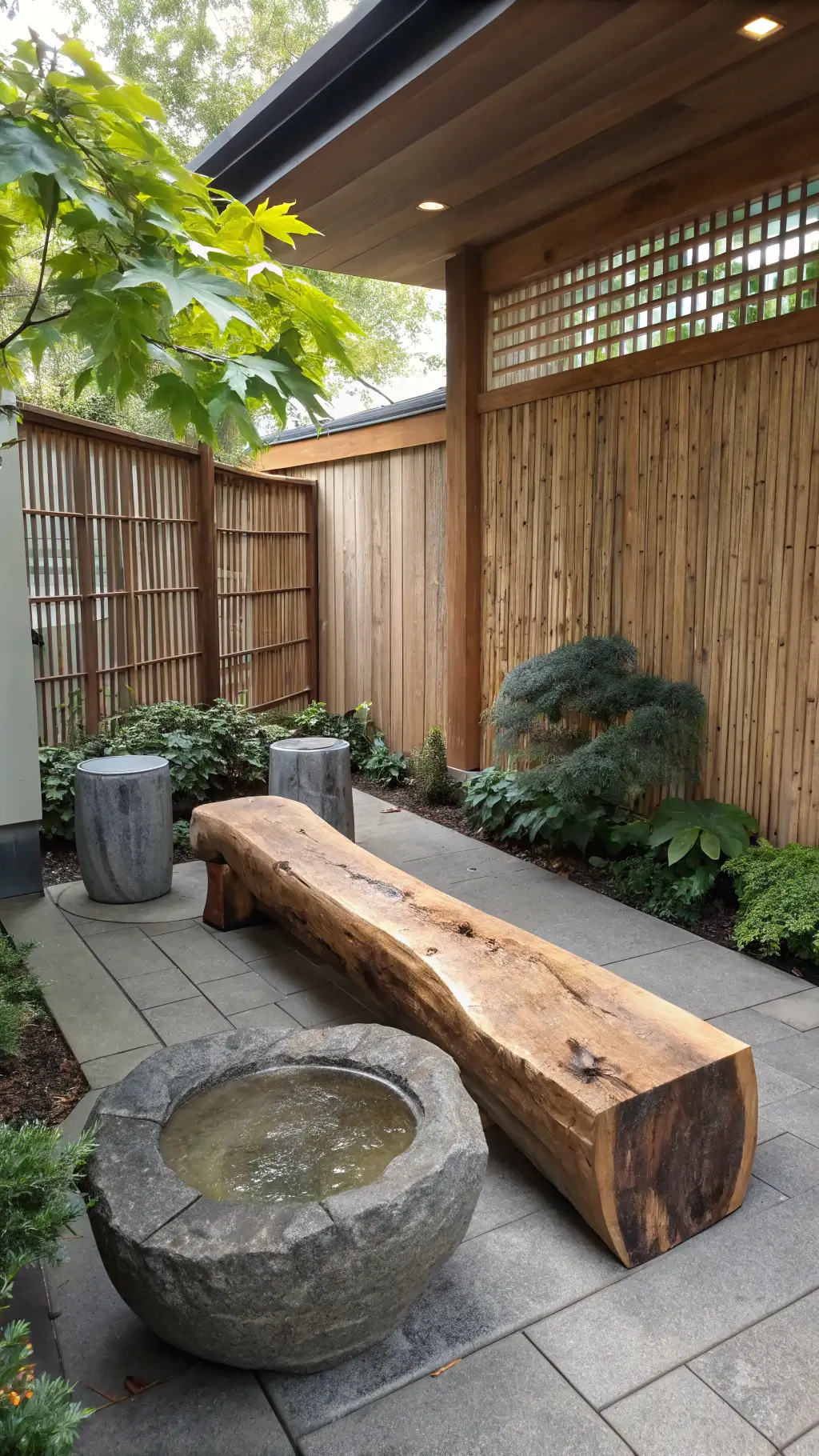
Materials to Consider
| Material | Unique Qualities |
|---|---|
| Teak | Natural oils, weather-resistant |
| Walnut | Rich, deep grain patterns |
| Stone | Rugged, timeless texture |
| Reclaimed Wood | History embedded in every fiber |
Final Thoughts
Wabi Sabi isn’t about perfection. It’s about authenticity. A true Wabi Sabi bench doesn’t hide its flaws—it celebrates them.
Keywords for Sharing:
wabi sabi bench ideas, natural wood bench, handcrafted minimalist seating, organic furniture design