Discovering the Beauty of Imperfection
Let me take you into the world of Wabi-Sabi, a design philosophy that transforms how we see our living spaces. This isn’t just another decorating trend—it’s a profound approach to creating homes that breathe authenticity and tranquility.
What Exactly is Wabi-Sabi?
Wabi-Sabi is the Japanese art of finding profound beauty in imperfection. Imagine a space that:
- Celebrates natural aging
- Embraces slight irregularities
- Connects deeply with nature’s organic rhythms
- Strips away unnecessary complexity
The Essence of Wabi-Sabi Design
Core Principles to Transform Your Space
Color Palette:
- Soft grays
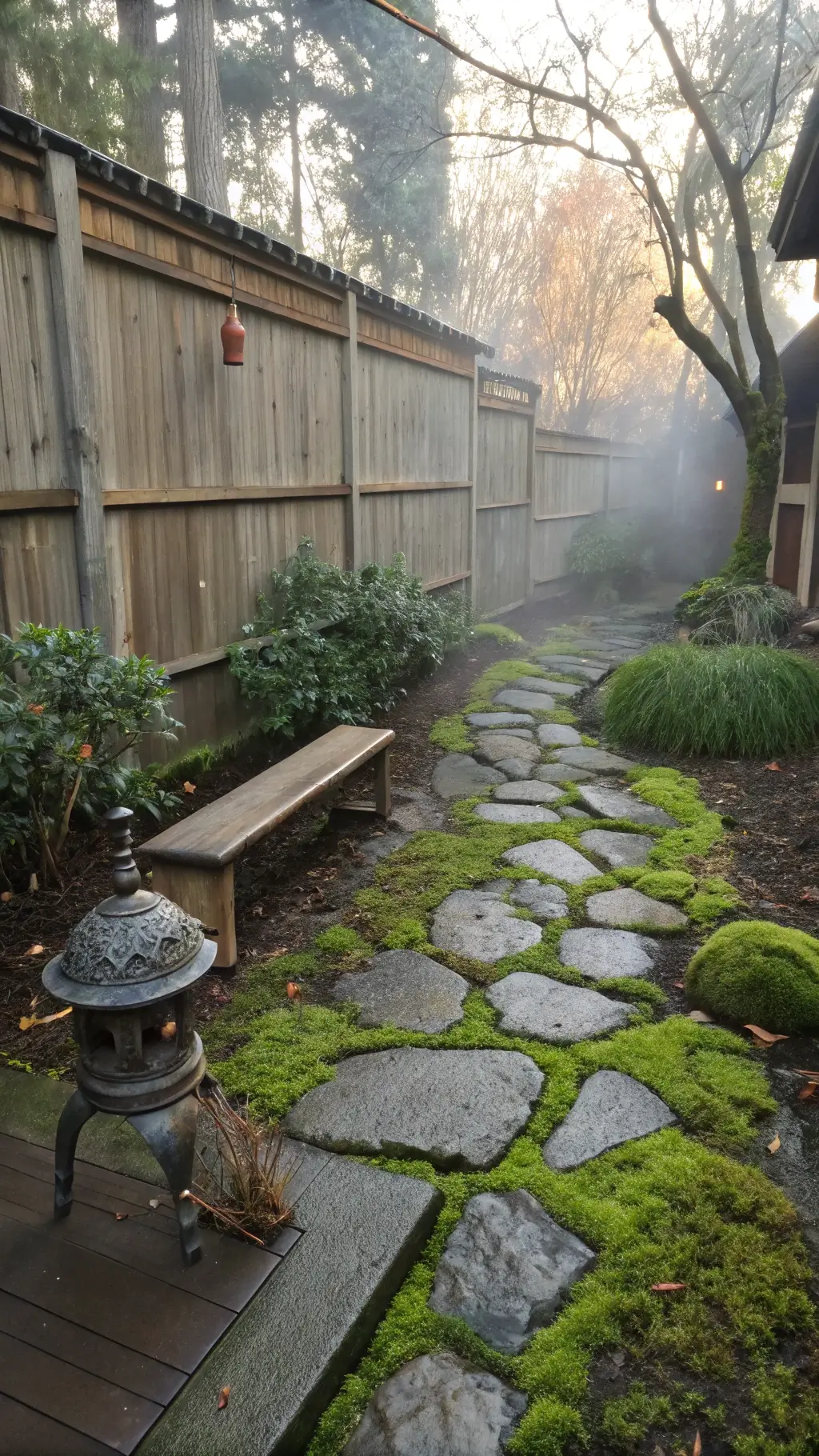
- Moss greens
- Muted browns
- Earthy beiges
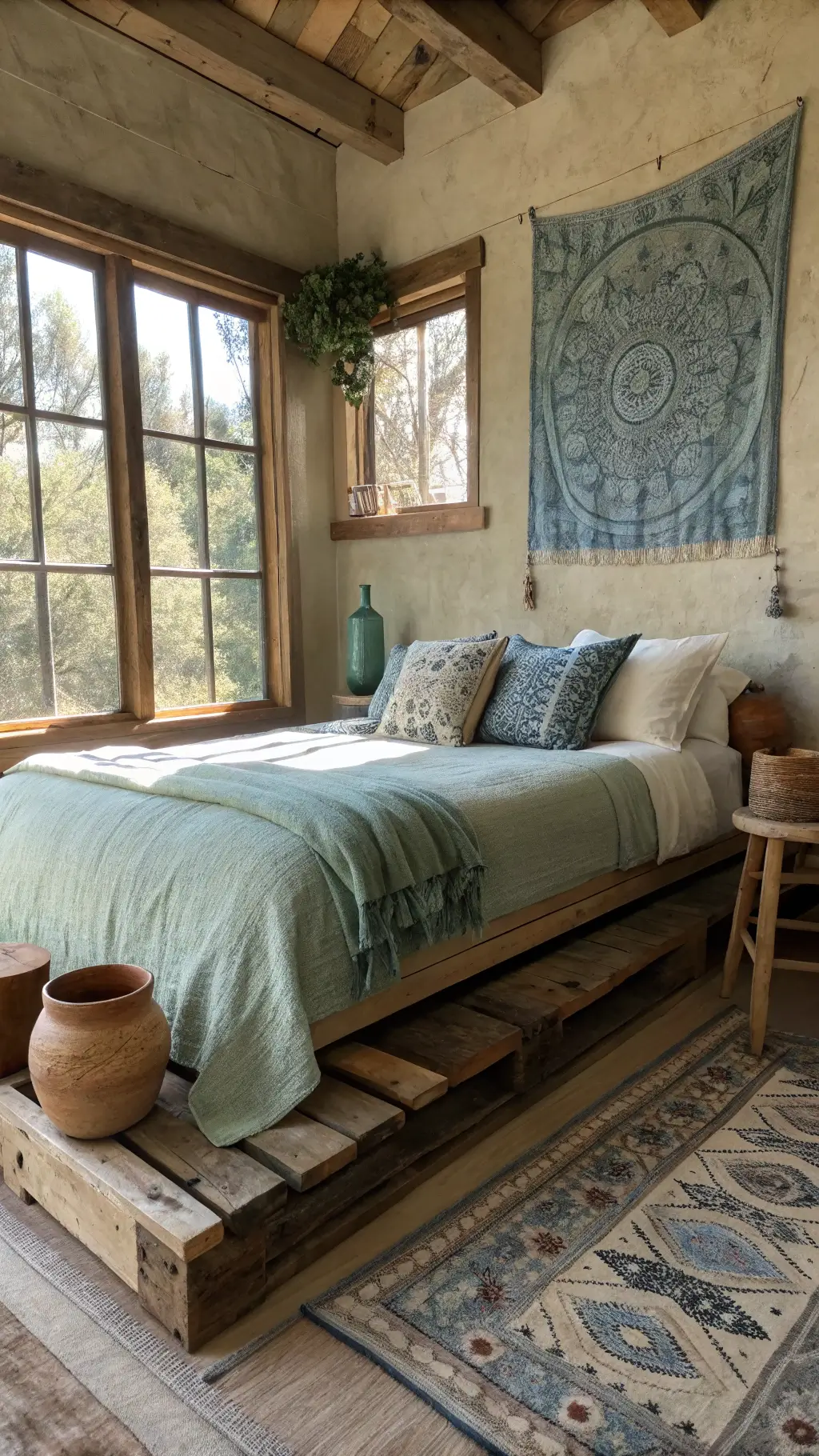
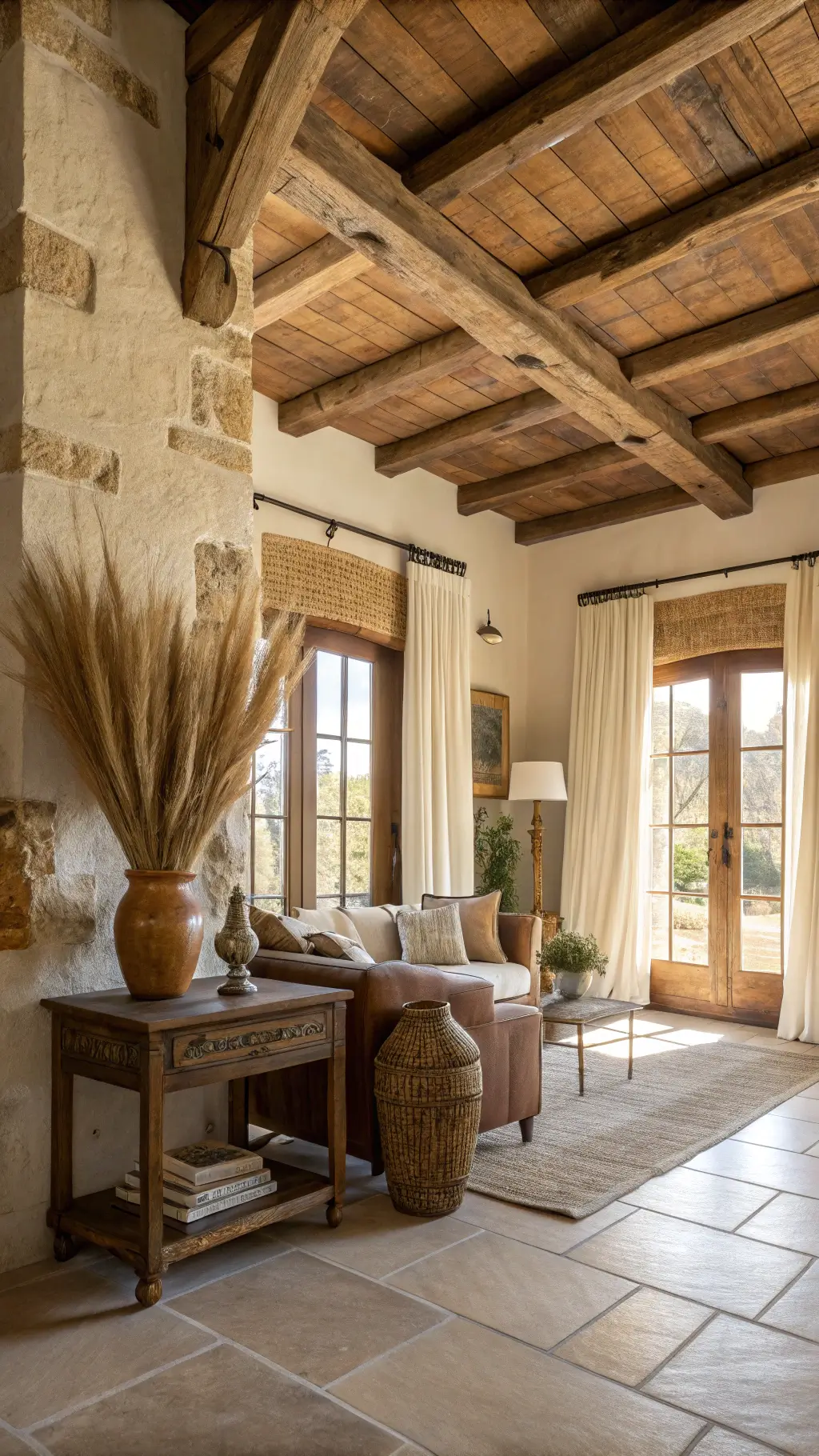
Materials That Tell a Story:
- Aged wood
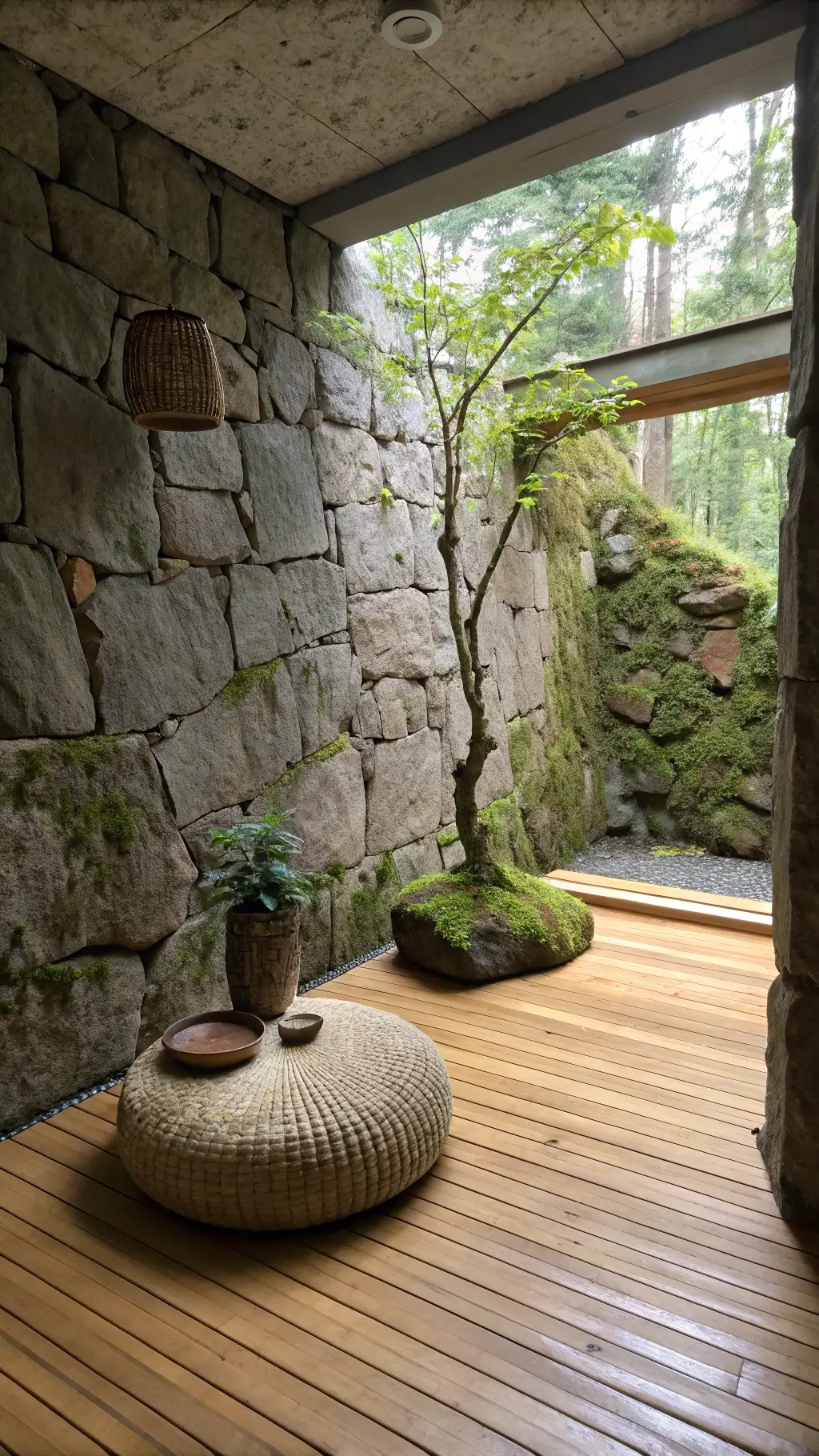
- Unpolished stone
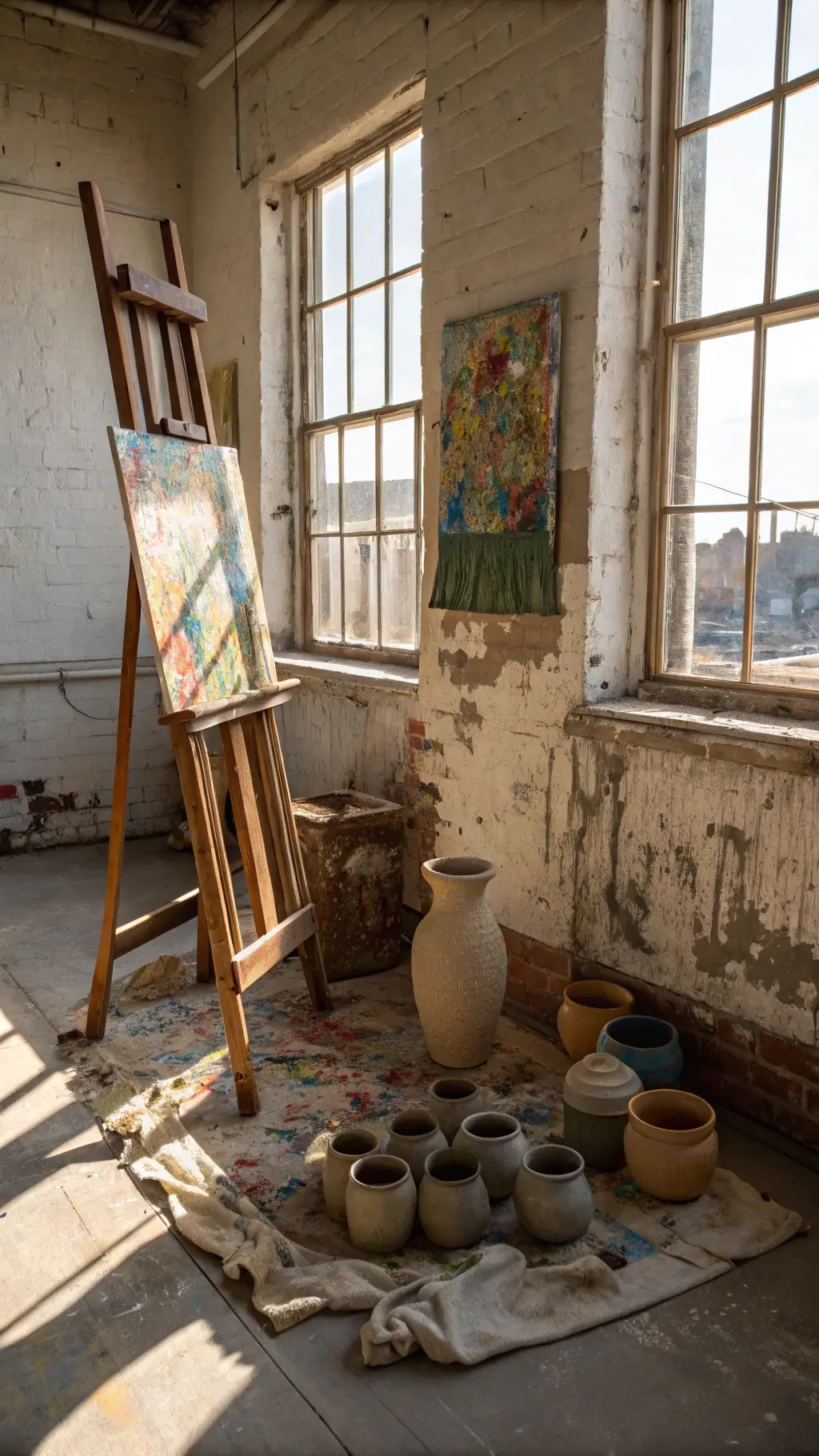
- Hand-thrown ceramics
- Raw textiles
- Weathered metals
Why Wabi-Sabi Matters
Most people chase perfection. We buy matching furniture sets. We obsess over pristine surfaces. Wabi-Sabi says: stop. Look closer. The crack in your favorite mug? That’s character. The worn leather chair? That’s history.
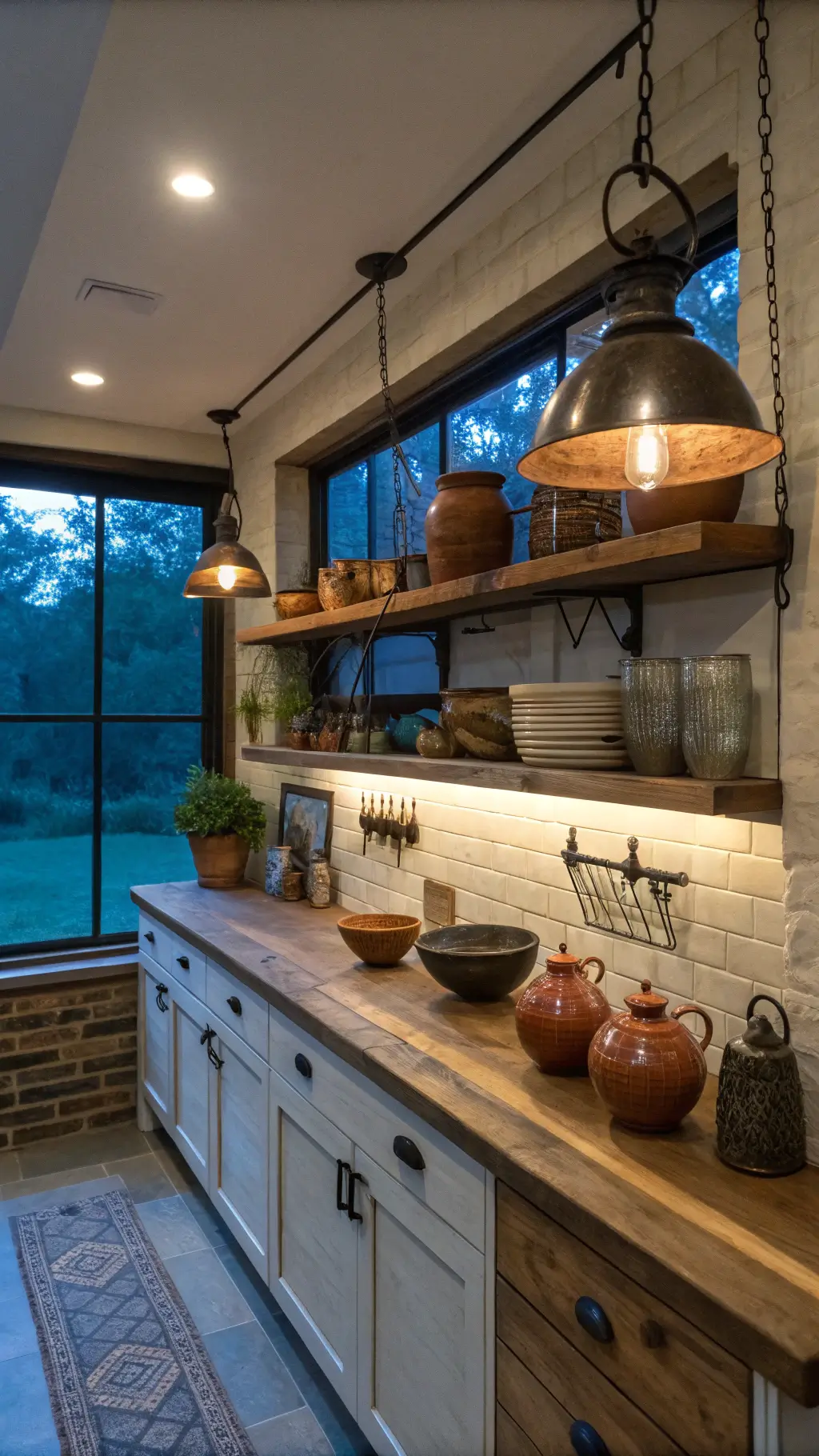
Practical Implementation: Creating Your Wabi-Sabi Space
Starter Kit for Transformation
Must-Have Elements:
- One statement piece with visible wear
- Natural fiber textiles
- Handmade ceramic objects
- Vintage or reclaimed furniture
- Organic decorative elements
Budget Considerations
Cost Ranges:
- DIY/Upcycle: $0-$500
- Mid-Range Custom: $1,000-$3,000
- Premium Design: $5,000+
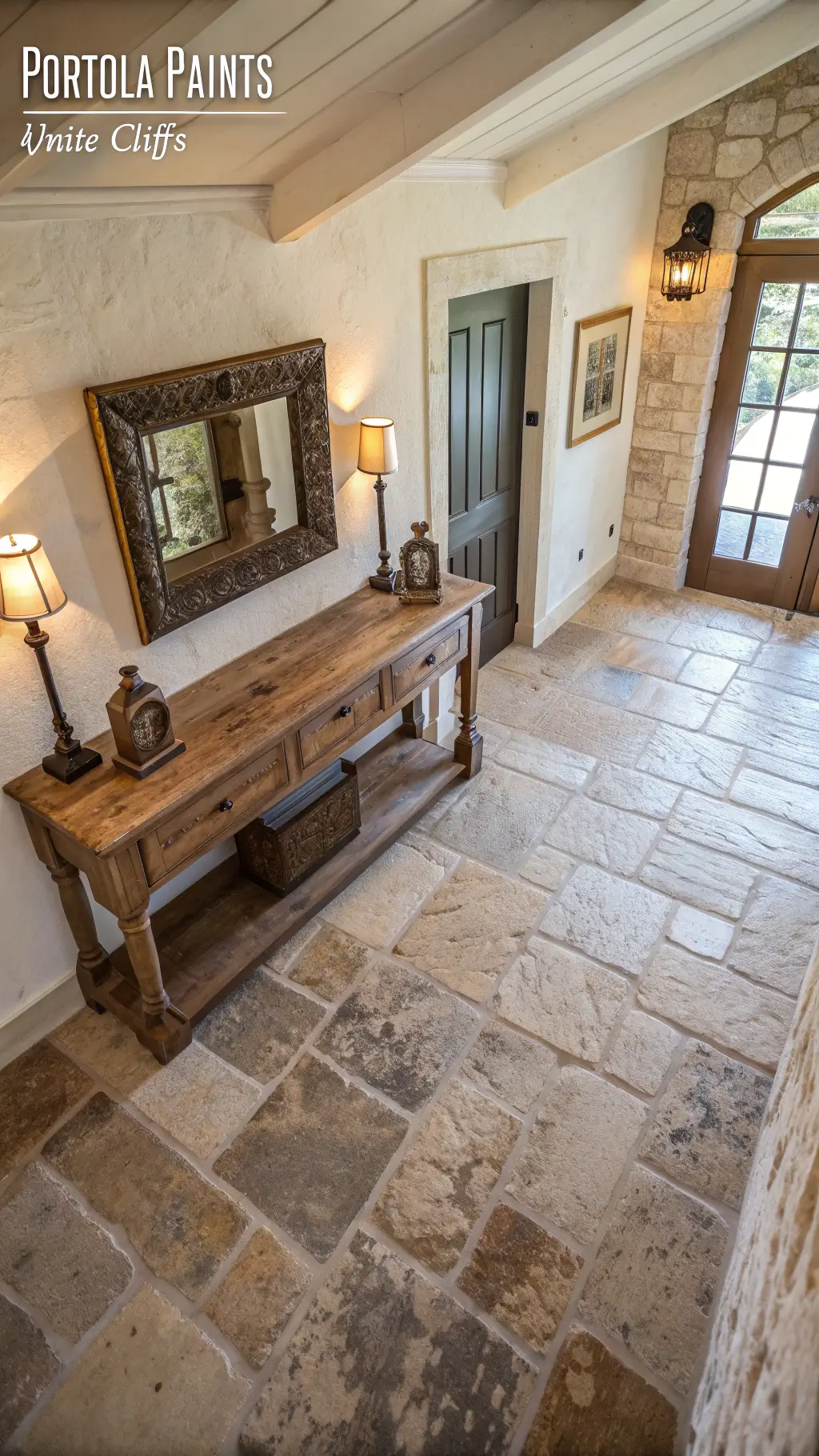
Styling Techniques That Work Magic
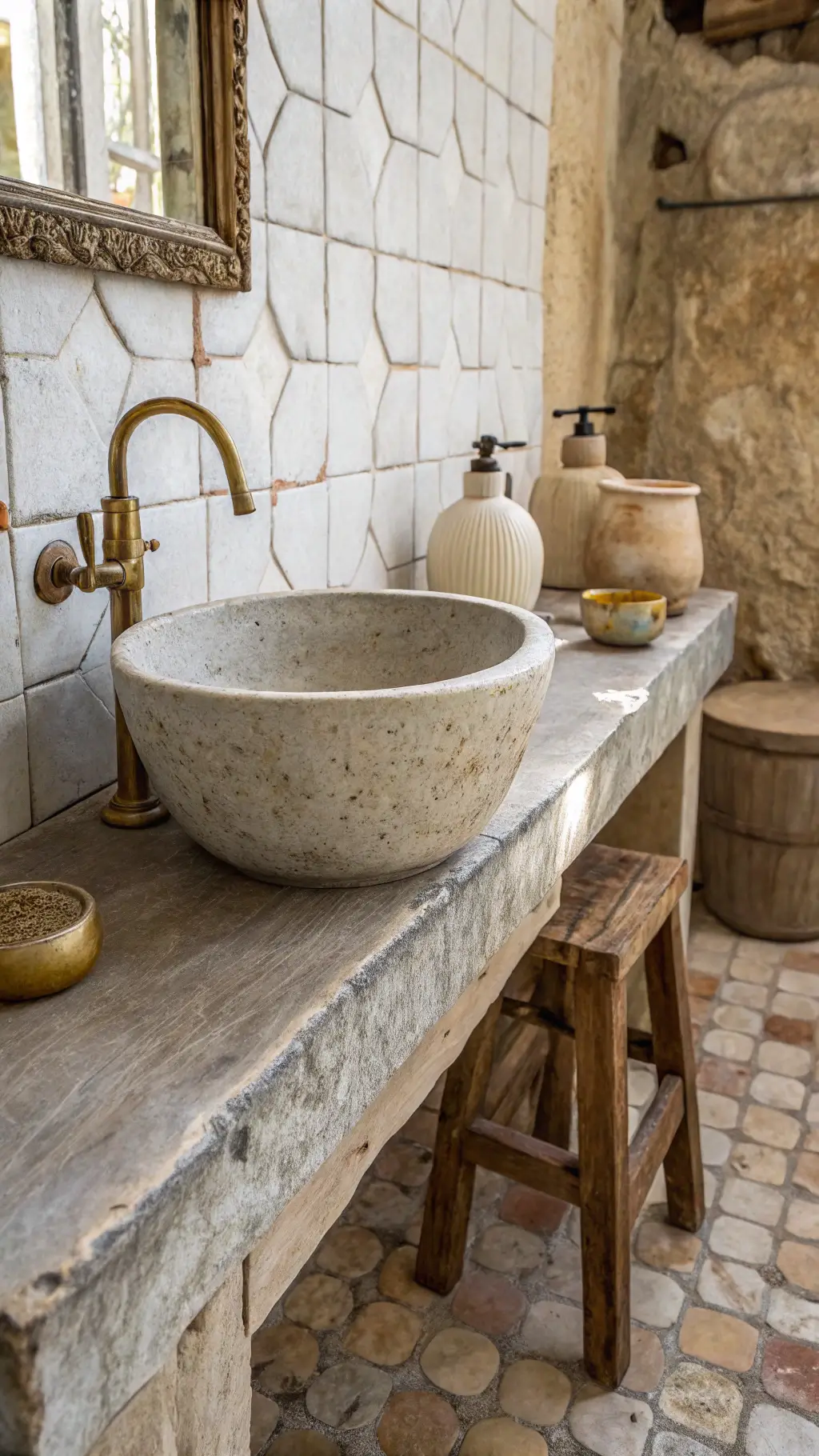
Texture is Your Secret Weapon
Layering Like a Pro:
- Combine smooth and rough surfaces
- Mix soft linens with hard ceramics
- Create visual depth through contrasting textures
Accessorizing with Intention
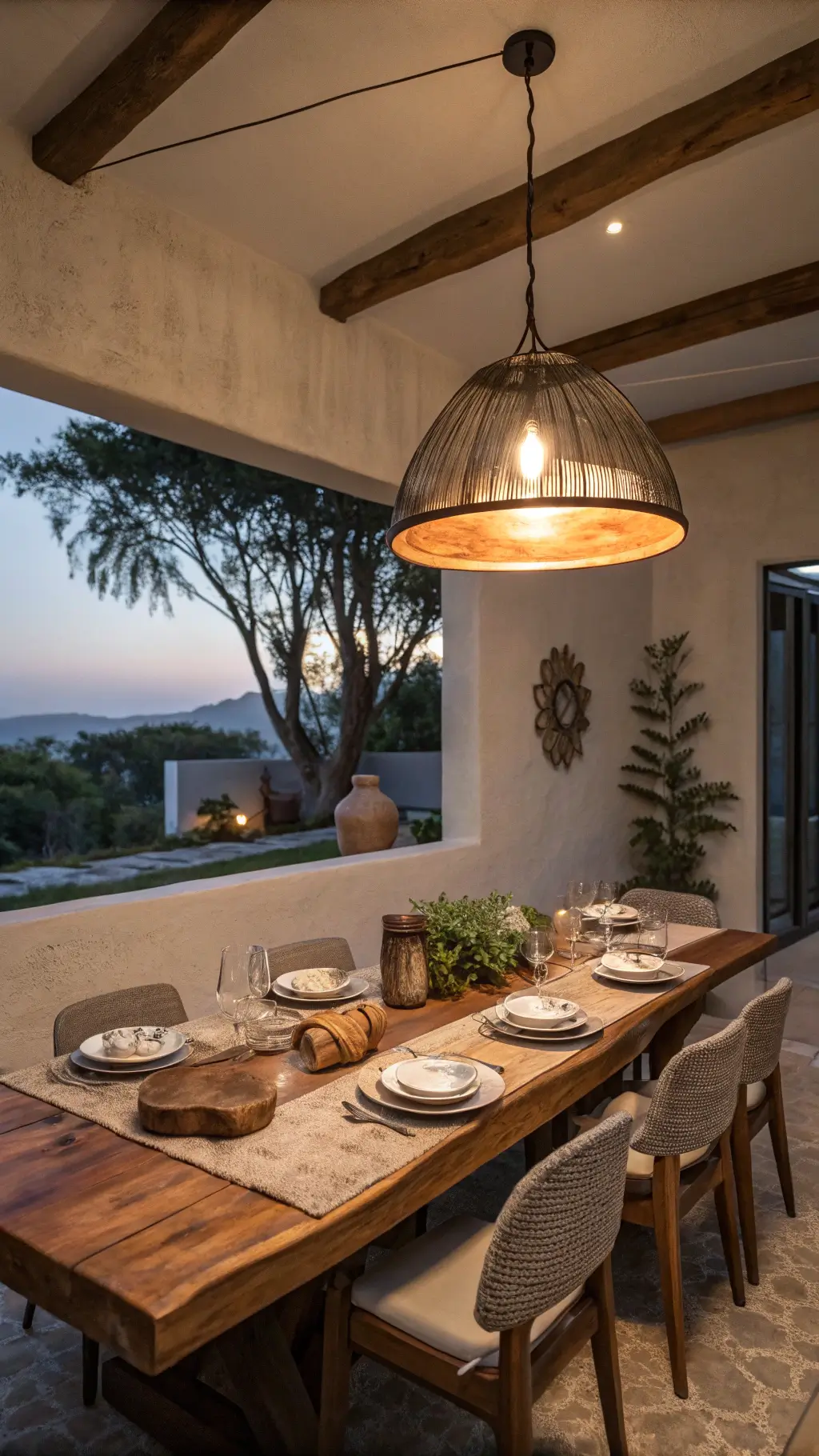
Less is Profoundly More:
- Choose objects with personal meaning
- Allow space between items
- Highlight natural imperfections
- Avoid overcrowding
Seasonal Adaptations
Wabi-Sabi isn’t static. It breathes with the seasons:
- Spring: Delicate branches, new growth
- Summer: Dried grasses, light fabrics
- Autumn: Warm woods, muted tones
- Winter: Minimal arrangements, subtle textures
Common Mistakes to Avoid
Warning Signs You’re Missing the Point:
- Forcing symmetry
- Using too many matching items
- Eliminating all personal history
- Choosing sterile, perfect surfaces
Final Thoughts: Your Personal Wabi-Sabi Journey
This isn’t about following strict rules. It’s about creating a space that reflects life’s beautiful, imperfect journey. Your home should tell your story—wrinkles, scars, and all.
Quick Start Checklist
- Observe your current space
- Identify items with genuine character
- Remove excess
- Introduce natural, slightly imperfect elements
- Create breathing room
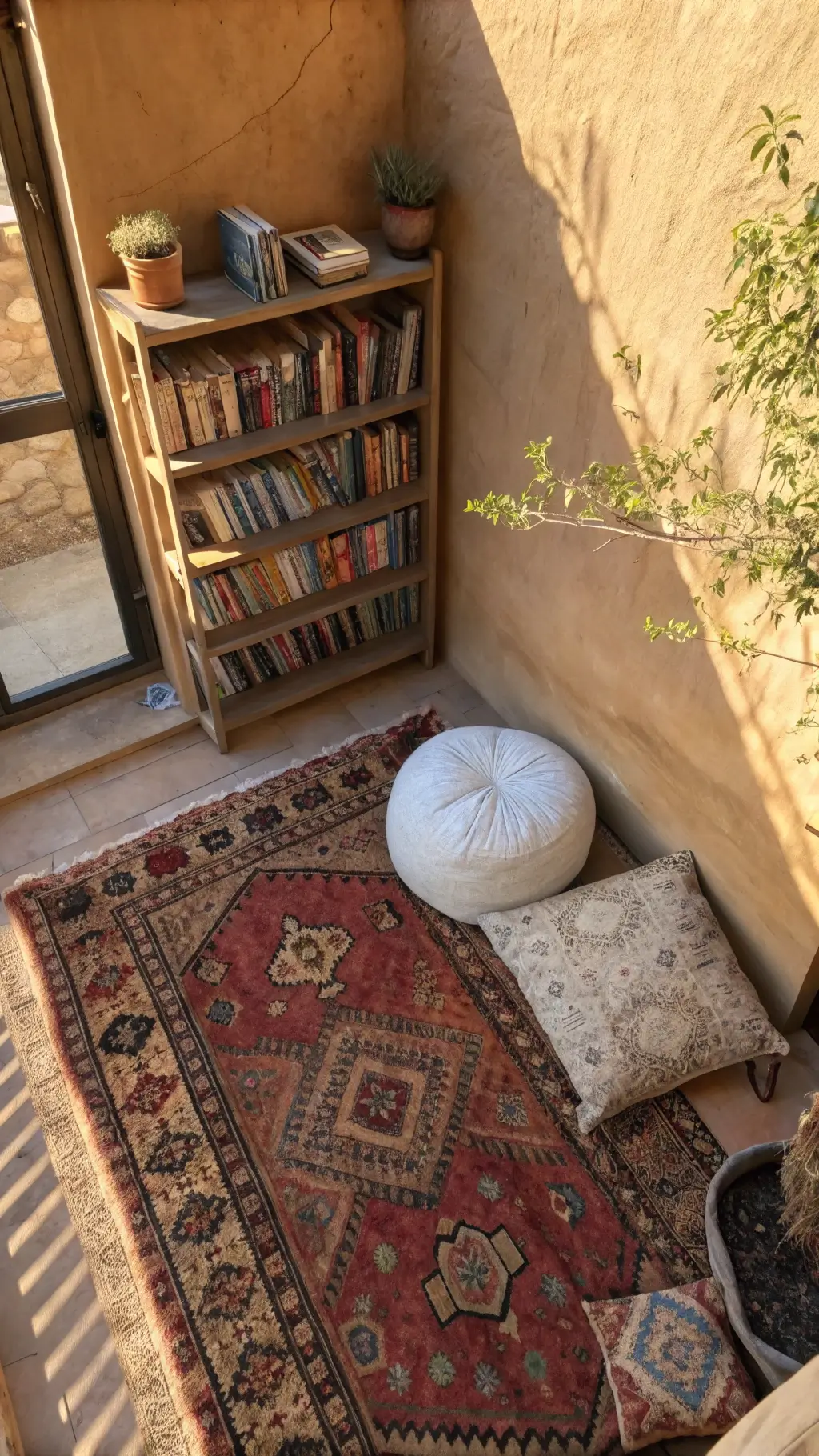
Pro Tips from Design Experts
- Photograph your space in natural light
- Embrace objects with history
- Allow your space to evolve organically
- Connect with the materials’ inherent beauty
Remember: Wabi-Sabi is not a destination. It’s a continuous, mindful conversation with your living environment.