You’ve probably seen photos of giant sequoias online and wondered if they’re actually that massive in person.
They are.
But here’s what most travel guides won’t tell you: visiting the sequoias in Kings Canyon isn’t just about snapping a photo next to a massive tree.
It’s about understanding why these organisms have survived for thousands of years while civilisations around them crumbled into dust.
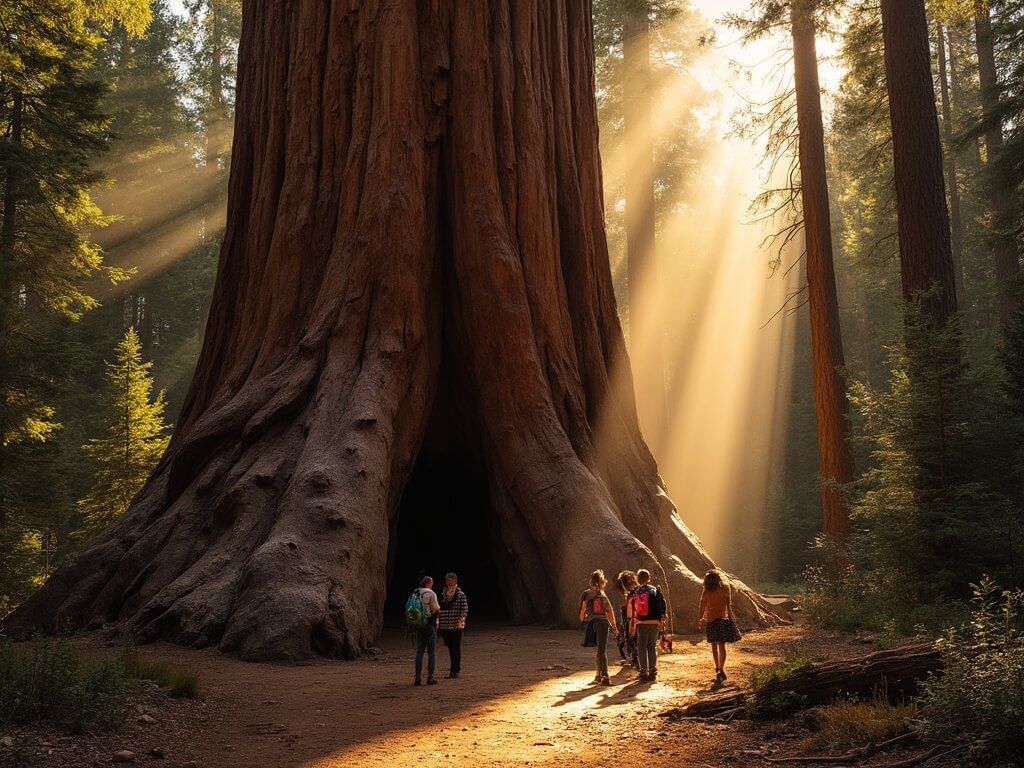
Two Parks, One Unforgettable Experience: Understanding Kings Canyon and Sequoia National Parks
The National Park Service manages Sequoia and Kings Canyon as a single unit, even though most visitors treat them as separate destinations.
They’re not.
Located in California’s Sierra Nevada mountain range, these adjacent parks sit about three hours east of Fresno, accessible via the scenic Generals Highway.
What makes this pairing special is the contrast.
Sequoia National Park showcases the famous Giant Forest, with its concentration of record-breaking trees and accessible infrastructure.
Kings Canyon, on the other hand, offers something rarer: solitude mixed with some of the world’s deepest canyons and the largest remaining sequoia grove on the planet.
I learned this distinction the hard way during my first visit.
I spent my entire first day at the crowded General Sherman area in Sequoia, squeezing through throngs of tourists, before someone at the visitor centre mentioned Redwood Canyon in Kings Canyon.
Three hours later, I was walking through a forest so quiet I could hear my own footsteps, surrounded by trees that dwarfed anything I’d seen at the busier site.
That’s when I realised the parks offered two completely different experiences.
The parks span diverse ecosystems across varying elevations, from 5,000 to 7,500 feet above sea level.
You’ll find California black oak, blue oak, and canyon live oak interspersed with the sequoias.
Meadows punctuate the forest floor, bursting with wildflowers in spring and early summer.
Waterfalls crash down granite cliffs during the snowmelt season.
Wildlife—bears, mule deer, marmots, and countless bird species—moves through these landscapes in rhythms shaped by millions of years of evolution.
The takeaway: If you’re planning a trip to visit the sequoias, block out time for both parks, not just one.
The Trees That Should Not Exist: Why Giant Sequoias Matter
Giant sequoias aren’t the tallest trees on Earth.
Coast redwoods in northern California hold that record.
Giant sequoias are something different: they’re the largest living organisms by volume.
A single General Sherman tree contains roughly 52,500 cubic metres of wood.
That’s enough material to build approximately 600 standard homes.
These trees—scientifically known as Sequoiadendron giganteum—can reach heights of 311 feet and diameters of up to 40 feet.
They live for up to 3,000 years.
Think about that for a moment.
When these trees were seedlings, the Roman Empire was collapsing.
They’ve weathered droughts, fires, earthquakes, and climate shifts that would exterminate most other species.
Yet they remain.
What makes them so resilient?
Sequoia bark contains virtually no flammable resin, instead packed with tannins that resist decay and fire damage.
Their wood is so dense that even fallen logs take centuries to decompose.
They grow exclusively in a narrow band of the Sierra Nevada between 5,000 and 7,500 feet elevation, where moisture-laden winter storms provide just enough water and conditions allow them to thrive.
Remove them from this specific environment, and they struggle.
Plant them elsewhere, and they often die within years.
This specificity is why sequoia groves feel almost sacred to visitors.
You’re not just looking at big trees—you’re witnessing an evolutionary masterpiece that exists nowhere else on Earth and has existed for millennia.
Where the Giants Live: The Sequoia Groves of Kings Canyon
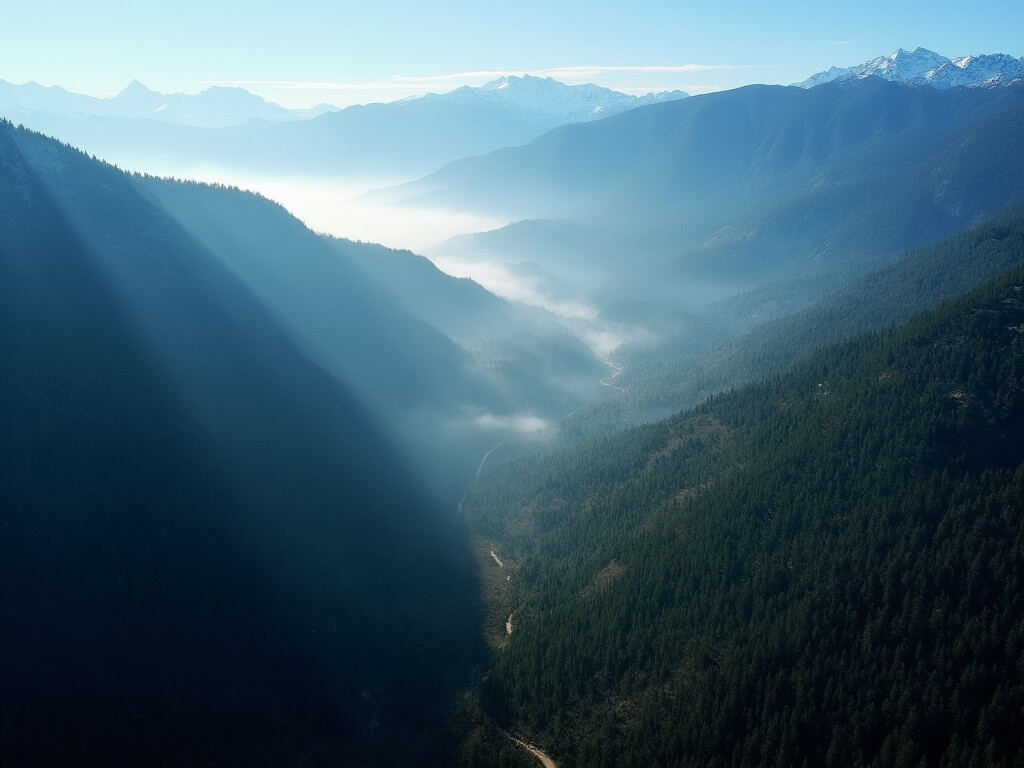
Grant Grove is your first introduction to Kings Canyon’s sequoias.
Home to the General Grant Tree, officially designated “the nation’s Christmas tree,” this grove represents accessible sequoia tourism at its best.
The General Grant isn’t the largest sequoia—it ranks second by volume—but it’s undeniably impressive, and the 0.3-mile trail to reach it requires minimal physical exertion.
Interpretive signs explain the forest ecology along the route, and you’ll spot historic fallen trees that tell stories of logging from the 19th century.
The North Grove Loop offers a quieter alternative, a 1.5-mile circuit that winds past creeks, meadows, and smaller sequoias.
Fewer tourists venture here, meaning you can actually experience the forest rather than navigate a crowd.
But if you want the full sequoia immersion, Redwood Canyon changes everything.
It’s the largest remaining sequoia grove in the world—roughly 6,700 acres of old-growth forest untouched by logging.
The trails here range from moderate to strenuous, which naturally keeps visitor numbers down.
I spent an entire morning hiking through Redwood Canyon without encountering another soul until I was halfway through my return journey.
The forest floor felt alive in ways the developed groves don’t.
Fallen logs hosted entire ecosystems of fungi and insects.
Shade-loving plants thrived in the understory.
The canopy filtered sunlight into cathedral-like beams.
This is what ancient sequoia forest actually feels like when humans step back.
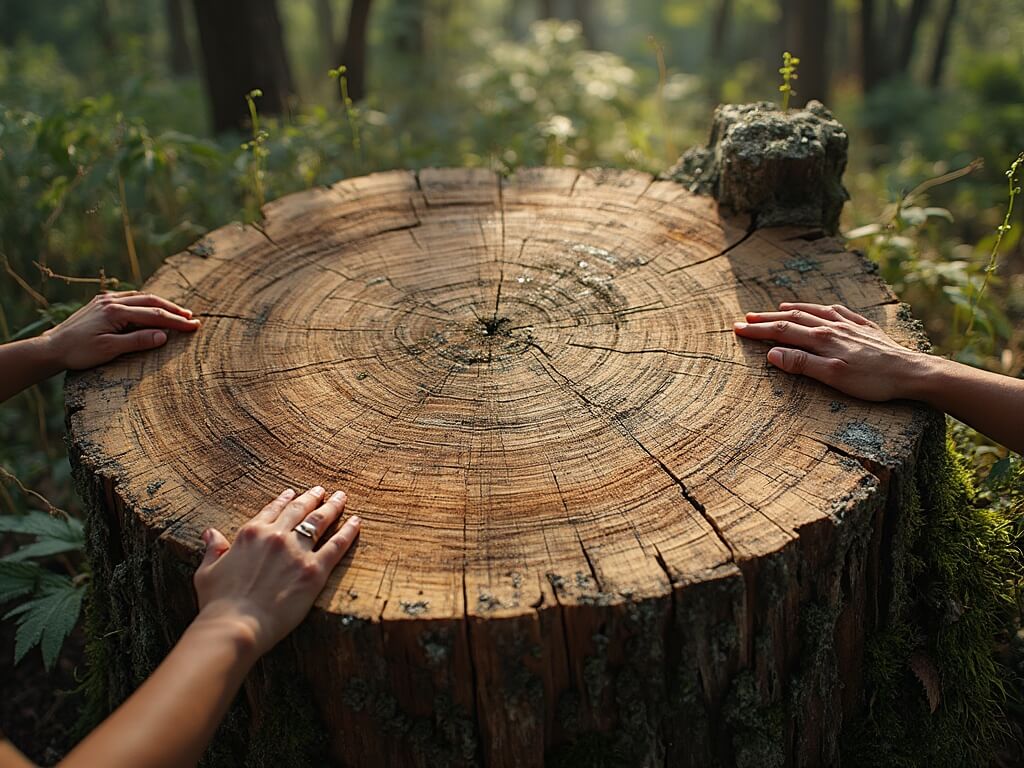
Chicago Stump offers a different kind of experience.
This historic logging site sits at the base of a sequoia that was felled in the 19th century during the misguided era when people believed these trees were limitless.
You can walk up to the massive stump and rest your hand on wood that’s over 2,000 years old, now exposed to the elements.
It’s a humbling reminder of what humans have lost through shortsightedness.
Key sequoia groves to prioritise:
- Grant Grove – accessible, family-friendly, iconic General Grant Tree
- Redwood Canyon – largest grove remaining, minimal crowds, backcountry immersion
- North Grove Loop – quiet alternative with flowing water and smaller trees
- Chicago Stump – historical significance paired with natural majesty
The sequoia ecosystem extends beyond just the trees themselves.
These forests support specific plant communities that evolved alongside the sequoias.
Circle Meadow, found within nearby Sequoia National Park, exemplifies this ecosystem—wildflowers and butterflies create seasonal bursts of colour, whilst the soil remains rich and complex, supporting species that only exist in these specific conditions.
Destroy the sequoias, and these entire systems collapse.
Protect them, and countless dependent species survive.
The takeaway: Sequoia groves aren’t random collections of large trees—they’re integrated ecosystems where every element serves a purpose shaped by millennia of evolution.
The Non-Negotiable Experiences: Must-See Sites and Trails Worth Your Time
If you’re visiting the sequoias in Kings Canyon, certain experiences shouldn’t be missed, though which ones depends entirely on your fitness level, time availability, and tolerance for crowds.
For the time-limited visitor (one to two days):
The General Grant Tree at Grant Grove should be your first stop.
The 0.3-mile walk takes 15 minutes maximum.
You’ll see the second-largest tree on the planet, interpretive signage explaining sequoia biology, and fallen historic trees that create natural photo opportunities.
Don’t expect solitude—especially during July and August—but do expect clarity about why people have protected these forests for over a century.
From Grant Grove, drive south along the Generals Highway toward Sequoia National Park and visit the General Sherman Tree Trail, a paved, family-friendly walk that showcases the world’s largest tree.
This tree holds more wood volume than any other living thing.
Seeing it in person reveals why ancient peoples might have believed in gods.
For visitors with three to five hours:
Take the North Grove Loop from Grant Grove (1.5 miles).
It’s quiet enough for actual contemplation, passes through flowing creeks, and features meadows where mule deer often graze.
Then drive to Circle Meadow Trail, where the Black Arch Sequoia creates one of the most photographed silhouettes in the park.
Wildflowers bloom here in late spring and early summer, transforming the meadow into a palette of yellows, purples, and whites.
For serious hikers with a full day:
Redwood Canyon offers trails ranging from moderate to strenuous.
The High Sierra Trail provides sweeping views, while the Redwood Canyon Loop delivers complete immersion in the world’s largest sequoia grove.
These trails require more planning—water sources are limited, weather changes quickly at elevation, and you’ll want to start before 8 a.m. to finish before dark—but they deliver something the day-trippers never experience: genuine wildness.
For photographers seeking iconic shots:
The Congress Trail in Sequoia National Park presents a 2-mile loop featuring the President Tree (the third-largest sequoia), plus two famous groupings named the Senate and House.
Early morning light transforms these groves into something almost unreal, with shadow and illumination creating depth that flat midday light never achieves.
The Boole Tree Trail, less crowded than the main attractions, offers the largest sequoia on National Forest land in a quieter setting.
If you’re chasing the perfect photograph without fighting crowds, this is your destination.
Tharps Log and Chimney Tree represent history merged with nature.
Tharps Log was hollowed out and actually lived in by early settler Hale Tharp, creating a shelter that predates park construction.
The Chimney Tree remains a walk-through experience, a reminder that these trees are so massive that humans have carved structures into them for centuries.
The takeaway: Match your interests to your time and energy.
The sequoia groves accommodate everyone from seniors wanting a 15-minute walk to backcountry hikers seeking multi-day expeditions, but trying to do everything in two days guarantees frustration.
Choose deliberately.
Timing Your Visit: When to See the Sequoias Without Losing Your Mind
Here’s a question most travel blogs avoid: when should you actually visit Kings Canyon if you want to enjoy yourself?
May through October represents the only truly accessible window.
Roads can close due to snow, trails become ice-covered hazards, and facilities shut down from November through April.
Within that window, two distinct seasons emerge.
May and early September through October offer ideal conditions.
Weather remains mild, trails aren’t crowded, and wildflowers still bloom in early summer.
You can park without arriving at dawn.
You can sit on a log in Grant Grove without strangers asking to share your bench.
These shoulder seasons have become my preferred visiting window—the parks remain mostly operational, crowds haven’t peaked, and the forest feels alive rather than overrun.
July and August bring peak visitation, and the crowds are staggering.
Parking lots fill by 9 a.m., trails become conveyor belts of humanity, and photographing anything without including strangers in the frame becomes nearly impossible.
That said, July and August are when schools are closed, which means families travel.
If you’re visiting with children, these months work despite the crowds.
But if you’re seeking solitude or a contemplative experience, avoid these months at all costs.
The National Park Service now recommends arriving before 10 a.m. during peak season just to secure parking.
Some visitors now plan around shuttle systems that operate seasonally, reducing individual car traffic.
If you’re planning a mid-summer visit, check current NPS guidelines before departing—operating procedures change annually based on visitor volume and fire conditions.
Planning your stay:
- One to two days – focus on Grant Grove, General Grant Tree, and one additional grove
- Three to five days – add Redwood Canyon, Cedar Grove canyon views, and secondary trails like North Grove Loop
- Five-plus days – incorporate backcountry exploration, Crystal Cave tours (reservations required), and less-visited sites like Chicago Stump and Hospital Rock
Longer stays allow you to recover from crowded sites by exploring lesser-known areas on different days.
Shorter stays require choosing priorities ruthlessly—you cannot see everything in a weekend trip.
Most visitors regret trying.
The takeaway: Visit in May or September through October for the optimal balance of access, crowds, and forest vitality.
If you’re visiting during peak season, arrive early, manage expectations, and consider weekday visits if your schedule permits.
Now that you understand the basics of the giant sequoias themselves and when to visit them, the practical mechanics of actually planning a trip—where to stay, which specific trails demand your time, and how to avoid the mistakes that ruin most first-time visits—become the next essential layer of preparation.
Looking for other epic U.S. nature experiences? Consider our guides to taking a lighthouse tour in Maine or hiking to Delicate Arch in Arches National Park.
Where to Sleep, Eat, and Actually Enjoy Being There
Here’s where most visitors make their first critical mistake: they don’t plan accommodation until a week before arrival, then discover everything is booked or they’ve committed to a two-hour commute each way from the valley floor.
Kings Canyon and Sequoia offer in-park lodging options that range from rustic cabins to modern hotel rooms, plus established campgrounds throughout both parks.
The problem isn’t availability—the problem is that where you stay fundamentally determines your experience.
Staying in-park means you can access trailheads before crowds arrive and explore areas others miss.
Staying outside the parks means cheaper lodging but longer drives and compressed exploration time.
Wuksachi Lodge sits near Giant Forest in Sequoia National Park at 7,000 feet elevation.
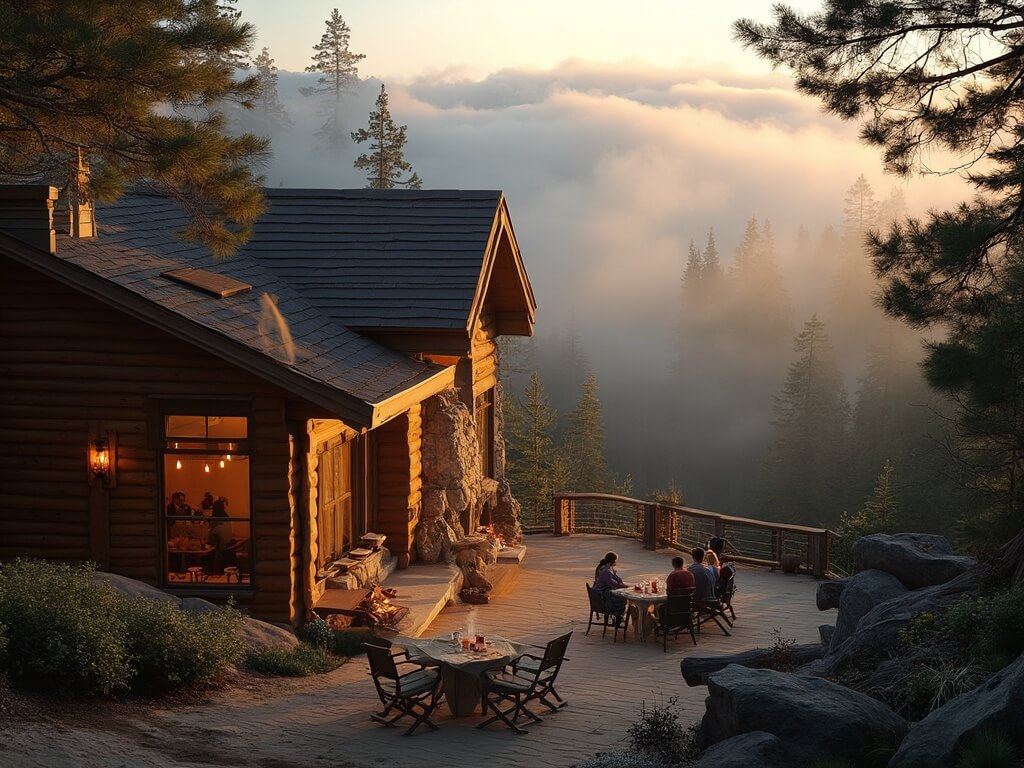
It’s the park’s primary hotel—modern, well-maintained, with good dining options—but booking requires planning months in advance during peak season.
If you can secure a reservation here, do it.
The advantage of staying at elevation means shorter drives to most major attractions.
Grant Grove Cabins operate within Kings Canyon proper, offering rustic but comfortable lodging directly at the General Grant trailhead.
If your priority is minimising driving time and maximising flexibility, this becomes your ideal base.
I’ve stayed here twice, and the convenience of rolling out of bed and being on the trail within minutes creates an entirely different trip than driving 45 minutes from a valley motel.
Camping options exist throughout both parks, with sites ranging from developed campgrounds with water and restrooms to backcountry dispersed camping requiring permits.
Lodgepole Campground near Giant Forest provides the easiest access to major sequoia sites with full facilities.
Azalea Campground near Grant Grove operates year-round and sits directly adjacent to the General Grant grove.
If you’re comfortable with basic facilities, camping costs roughly one-third of hotel lodging and puts you within arm’s reach of the forest at sunrise.
The downside: you’ll share communal bathhouses with dozens of other visitors, and bears become a legitimate concern requiring proper food storage.
For food, understand this reality upfront: the parks have limited dining options, and nothing approaches restaurant-quality meals within park boundaries.
Grant Grove Restaurant serves basic American fare—burgers, sandwiches, pasta—and it’s serviceable if unremarkable.
The better strategy involves preparing substantial breakfasts, packing lunches, and accepting that dinner might mean heating camp stove food or driving to lodging area restaurants.
Bring a cooler.
Pack more food than you think you’ll need.
The park visitor centres sell basic snacks and drinks, but prices run 40-60 percent above what you’d pay in surrounding towns.
The takeaway: Book accommodation as soon as dates are set (ideally months ahead during peak season), prioritise in-park lodging if possible, and plan meals around what you can carry on trails rather than expecting dining options within the park.
Beyond the Biggest Trees: Everything Else Worth Your Time
Most visitors focus entirely on sequoias and miss half the magic.
Kings Canyon itself deserves attention.
The canyon is one of North America’s deepest, rivaling Yosemite Valley in grandeur despite receiving a fraction of the visitors.
Cedar Grove, located at the bottom of Kings Canyon, provides access to canyon-floor trails, meadows, and waterfalls that feel worlds away from the sequoia groves.
Roaring River Falls crashes with genuine force during snowmelt season (typically May through July), creating viewpoints that rival any waterfall destination in California.
Grizzly Falls sits accessible via a moderate 4-mile roundtrip hike and showcases granite cliffs rising thousands of feet above a pristine forest floor.
The aesthetic here shifts from sequoia forest to alpine wilderness—granite dominates, water flows constantly, and the forest transitions to whitebark pine and other high-elevation species.
Hospital Rock represents a different category of experience entirely.
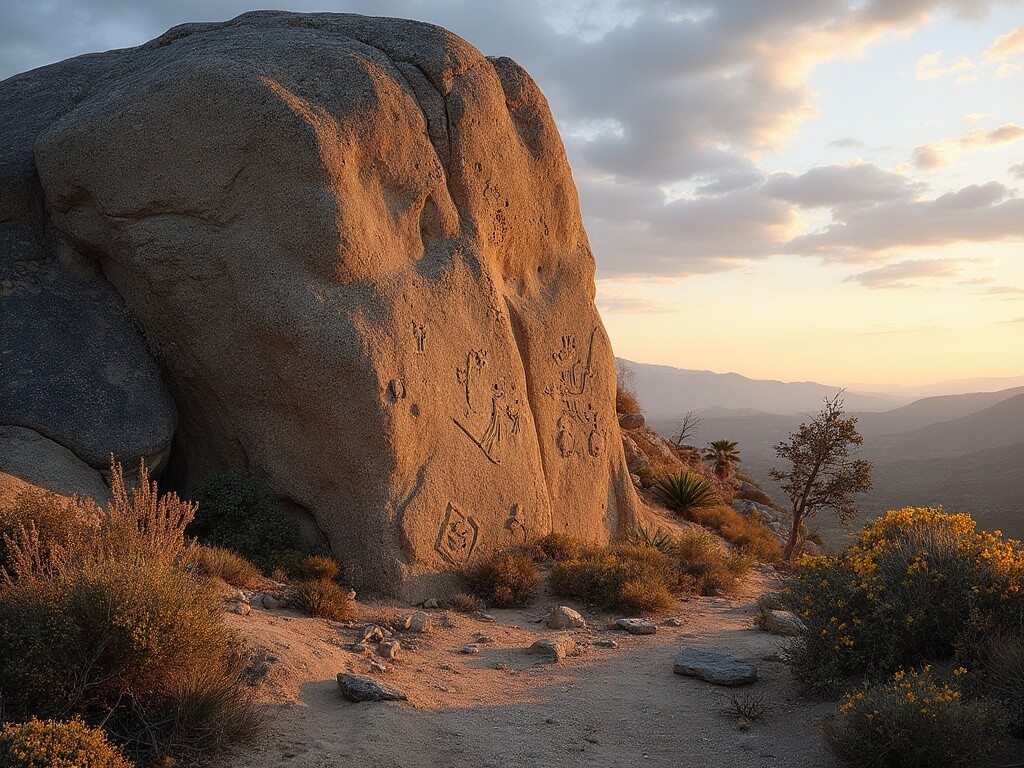
This site contains Native American petroglyphs estimated at roughly 500 years old, carved into granite by Monache people who inhabited these mountains before European contact.
An interpretive trail explains the rock art’s significance and contextualizes the Indigenous history that preceded park establishment.
The petroglyphs remain haunting—abstract geometric patterns and animal figures that suggest spiritual practices now largely lost to time.
Visiting Hospital Rock shifts perspective from viewing nature as empty wilderness to recognising that humans inhabited and shaped these landscapes for millennia before preservation became a concept.
Crystal Cave operates via guided tours only, with reservations required during peak season.
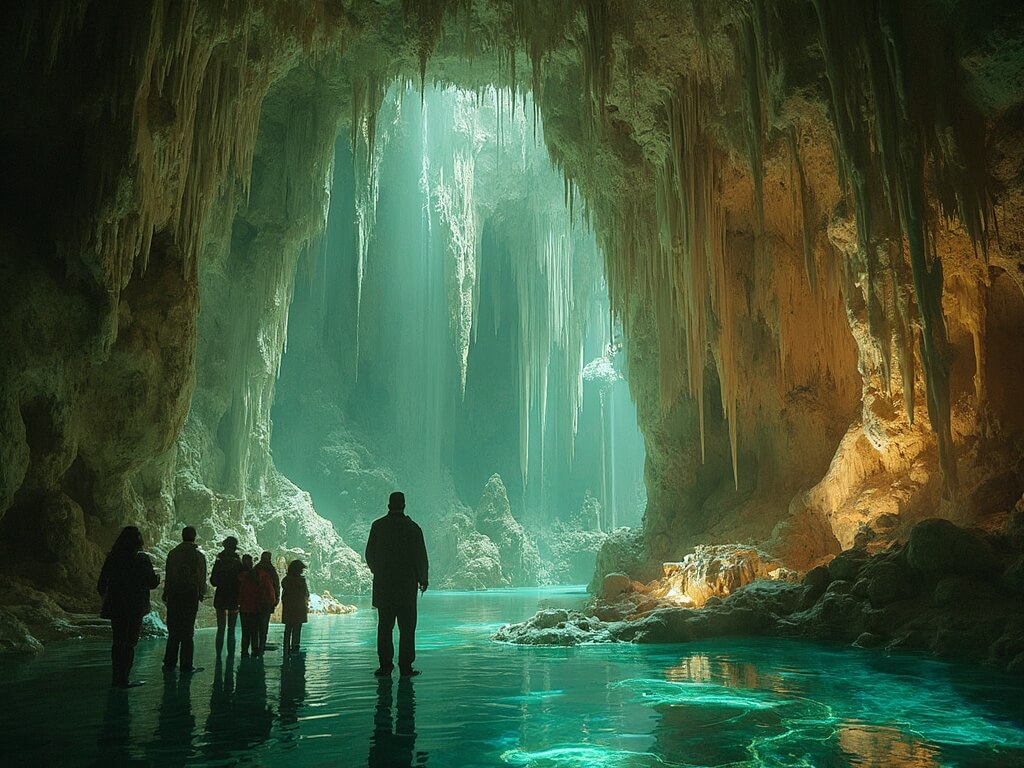
The cave system extends roughly three miles underground, featuring marble chambers, stalactites, stalagmites, and underground streams.
Tours last between 50 minutes and two hours depending on which route you select.
The cave remains roughly 48 degrees Fahrenheit year-round, so bring layers despite warm surface temperatures.
Honestly, I found Crystal Cave less impressive than I expected—it’s visually interesting but lacks the drama of larger cave systems elsewhere in California.
That said, the experience of descending underground, surrounded by solid rock formed millions of years ago, creates a perspective shift about the timescale involved in these landscapes.
Wildlife viewing requires patience but rewards persistence.
Mule deer, black bears, marmots, and various birds like mountain quail and Steller’s jays animate the meadows and rocky outcrops if you visit early or late in the day.
The takeaway: The sequoia groves in Kings Canyon National Park represent the parks’ headline attractions, but canyons, waterfalls, historic sites, caves, and wildlife create experiences that round out your visit and provide context for why these landscapes matter beyond just the largest trees.
Photography That Actually Captures What You Saw
Photography in these parks isn’t like standard landscape photography. Light quality matters more than you think.
Midday sun washes out sequoia bark and flattens the forest. Shoot during golden hour to capture depth and contrast.
Composition requires intentional framing. Include foreground elements and multiple trees to convey scale and experience.
Use proper equipment: manual exposure cameras, tripods, circular polarisers, and wide-angle lenses help significantly.
Seek unique angles rather than replicating popular shots of Tunnel Tree or General Sherman.
The takeaway: Prioritise light quality, compose with intention, and aim to create images that trigger emotional memory—not generic snapshots.
Avoiding the Mistakes That Ruin Trips
Most trip issues come down to predictable, avoidable mistakes:
- Underestimating elevation and weather
- Trying to do everything in too little time
- Arriving late and facing parking chaos
- Ignoring reservation requirements for places like Crystal Cave
- Insufficient water and food preparation
- Improper bear precautions
- Visiting during peak fire season without checking conditions
The takeaway: Advance planning, conservative scheduling, and flexibility about weather and trail conditions allow you to avoid disaster and actually enjoy your visit.
The Bigger Picture: Why These Forests Matter Beyond Tourism
These forests do more than wow visitors—they filter water, sequester carbon, and host species found nowhere else on Earth.
They’re ancient, vital, and increasingly threatened by climate change.
Your visit and your behaviour matter: support conservation efforts, follow Leave No Trace principles, store food properly, and understand the ecological stakes.
The takeaway: You’re not just a tourist—you’re a steward participating in a broader effort to preserve some of Earth’s most extraordinary ecosystems.
The Final Practical Details: Everything Else You Need to Know
Plan according to seasonal realities:
- Cell service is nonexistent—download offline maps.
- Roads close seasonally—check the Kings Canyon National Park attractions website beforehand.
- Trail accessibility varies—confirm before hiking.
- Facilities and campgrounds may be closed during winter.
- Book lodging and tours months ahead for peak travel windows.
- Pets have limited access—review restrictions in advance.
The takeaway: Review all current conditions and logistics two to three weeks before your trip. Flexibility and preparation are key.
Your Journey Into the Ancient Forest Begins Now
Standing beneath a 3,000-year-old sequoia shifts your perspective on time, preservation, and natural wonder.
Your visit is more than a trip—it’s an encounter with something timeless, sacred, and urgently in need of guardianship.
Start planning now. Prepare for variable weather, elevation, and limited services. And most importantly, prepare to be transformed.
Related adventures to explore:
- Walk the beaches of the Oregon Coast
- Drive the Hana Highway in Maui
- Take the Cog Railway to the top of Pikes Peak
- Ride the Great Smoky Mountains Alpine Coaster
- Spend a day at Mall of America in Minnesota