You’ve probably heard the stories.
A mysterious crash in the New Mexico desert in 1947.
Government cover-ups that lasted decades.
Strange debris that vanished overnight.
Eyewitnesses who claimed to see things that defied explanation.
But here’s the real question: what’s actually true?
That’s exactly what drew me to the International UFO Museum in Roswell a few years back, and I’ll be honest—I wasn’t expecting what I found.
Most people assume museums dedicated to UFO phenomena are just carnival attractions filled with tinfoil-hat conspiracy theories and dubious exhibits designed to separate tourists from their money.
The International UFO Museum is different.
It’s genuinely one of the most thoughtfully constructed educational institutions I’ve encountered, and it takes its responsibility to present facts—not fiction—with surprising seriousness.
Let me walk you through why visiting this place actually matters, whether you’re a sceptic, a believer, or just someone curious about one of history’s most talked-about incidents.
What the International UFO Museum Actually Is (And Why It Exists)
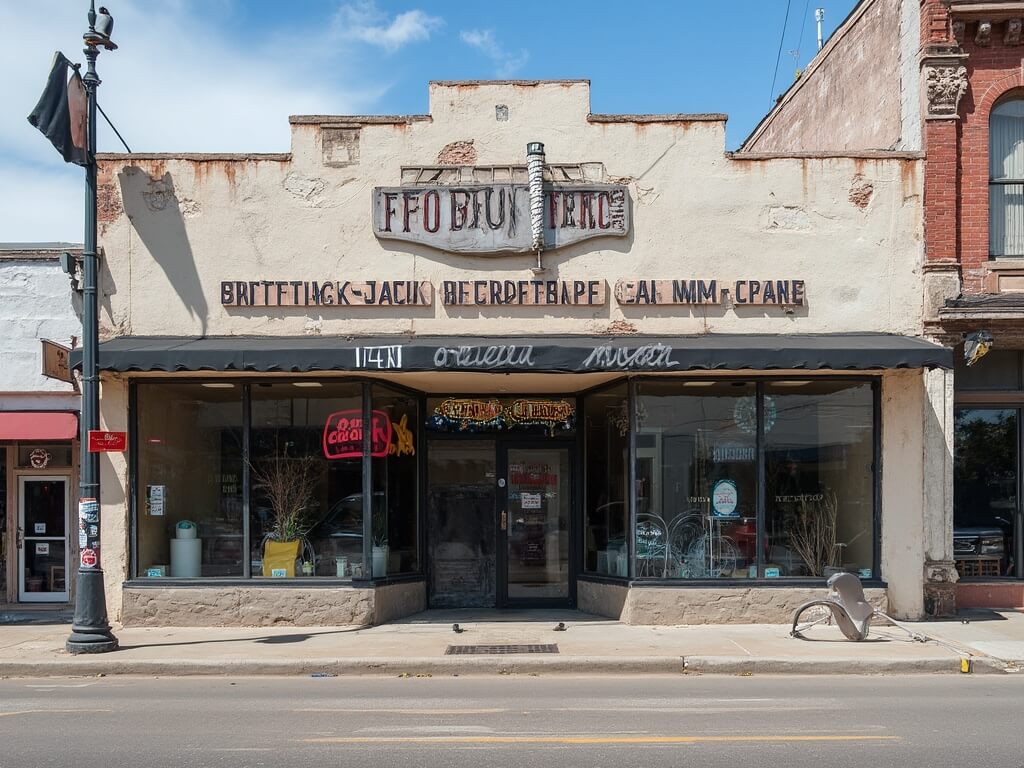
Located at 114 N. Main Street in Roswell, New Mexico, the International UFO Museum and Research Center operates as a non-profit educational organisation.
That distinction matters more than you’d think.
Founded in 1991 and opened to the public in 1992, the museum exists for a single purpose: to help people understand what happened in 1947 and to examine UFO phenomena through available evidence rather than speculation.
Here’s their actual philosophy, and I respect it:
They don’t tell you what to believe.
Instead, the museum presents evidence, eyewitness accounts, government documents, and competing theories side by side, then encourages you to draw your own conclusions.
That’s the opposite of how most theme attractions operate.
I visited on a Wednesday afternoon in September, and what struck me immediately was the intellectual honesty running through every exhibit.
There’s no pressure to buy into anything.
The curators aren’t trying to convert you into a believer.
They’re genuinely interested in presenting what we know versus what remains mysterious.
The 1947 Roswell Incident: The Story Behind the Museum
You can’t understand why this museum exists without understanding the incident it documents.
On or around July 4, 1947, a rancher named Mac Brazel discovered debris scattered across his property northwest of Roswell.
What he found included metallic fragments, unusual materials, and other objects that didn’t match anything conventional.
The U.S. Army’s Roswell Army Air Field initially issued a press release claiming they’d recovered a “flying disc.”
Within hours, that statement was retracted.
The official story changed to a weather balloon.
That flip-flop sparked decades of questions.
Key figures emerged from that incident:
Walter Haut was the public information officer who issued the original “flying disc” press release.
Glenn Dennis, a mortician, later claimed to have been approached by military personnel asking about small caskets.
Max Littell, a local realtor and eventual co-founder of the museum, believed the truth deserved public examination.
These weren’t fringe characters making wild claims for attention.
They were respected members of their community, and their accounts form the backbone of what the museum presents.
The incident became the most well-known UFO case globally—and it’s remained controversial for over 75 years.
Why Visiting the Roswell UFO Museum Feels Different
I walked into the main exhibition space expecting a collection of blurry photos and unconvincing “alien artifacts.”
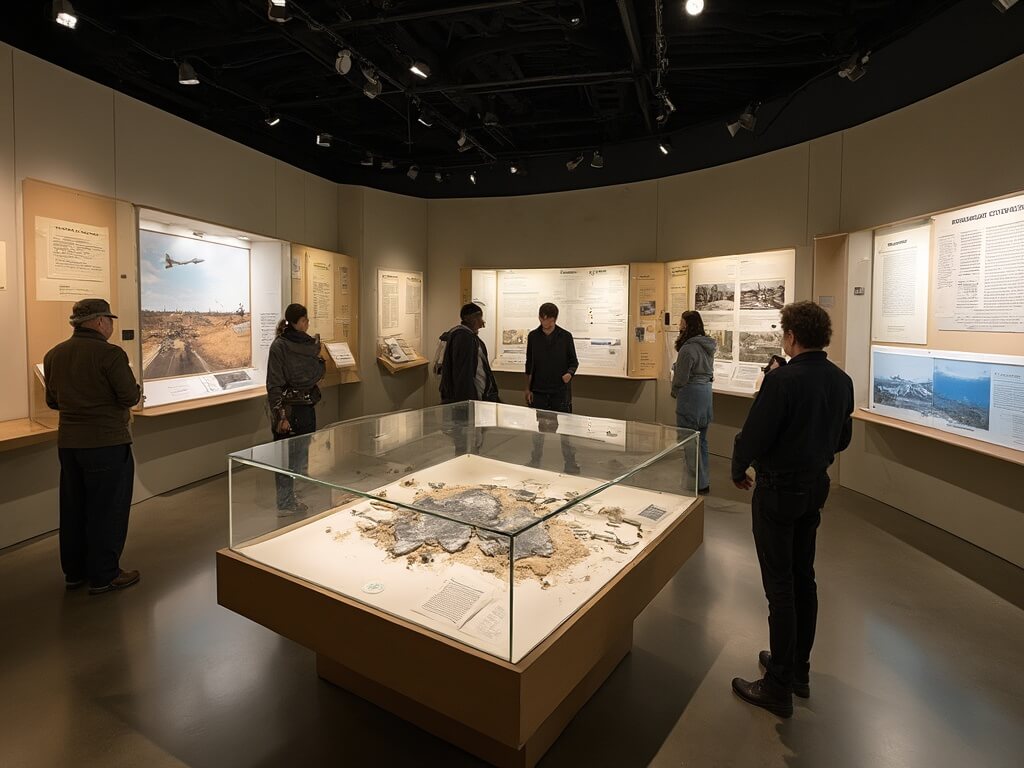
Instead, I found meticulously organised displays, primary source documents, and exhibits designed to raise genuine questions rather than settle them.
Here’s what you’ll actually encounter:
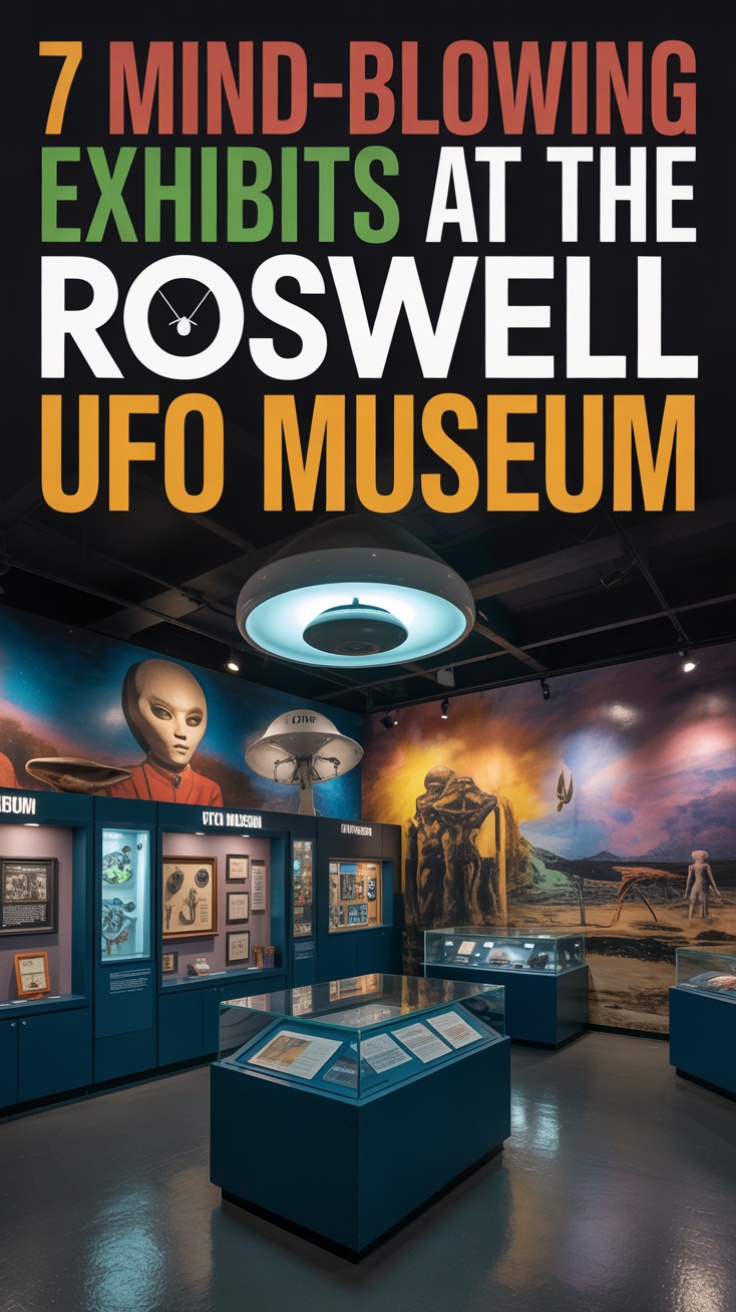
- Roswell Incident dioramas and documents that reconstruct what happened in 1947 using photographs, recovered materials, and eyewitness testimonies.
- Comprehensive UFO sightings records spanning from recent incidents to historical cases from around the world.
- Interactive thematic displays covering topics like crop circles, Area 51, ancient astronaut theories, and abduction accounts.
- An immersive autopsy film and simulator theatre that, regardless of what you think about the content, offers a different type of engagement than reading placards on walls.
- Guest lectures and events featuring researchers and experts who discuss their findings in academic rather than sensationalist terms.
The museum genuinely attracts serious researchers, not just casual tourists.
The Research Library: Where the Real Work Happens
Here’s where the museum transforms from attraction into actual institution.
Their research library holds:
- 7,000+ books on UFO-related topics.
- 30,000+ magazines, periodicals, and pamphlets.
- 1,500+ DVDs covering research, documentaries, and interviews.
I spent two hours in that library speaking with a staff member about my interest in government documentation and UAP (Unidentified Aerial Phenomena) reports.
She directed me to sources I hadn’t known existed and helped me navigate their cataloguing system without any gatekeeping or pretension.
Students, authors, researchers, and the general public all have access.
That library is used by legitimate academics, which tells you something about how the museum positions itself within the broader research community.

Getting There, Costs, and What to Expect
Opening hours:
The museum operates daily from 9:00 AM to 5:00 PM.
They close completely on Thanksgiving, Christmas, and New Year’s Day, with early 2 PM closure the day before each of those holidays.
Admission prices:
- Adults: £4.50 (approximately $7.00 USD).
- Children aged 5–15: £2.60 ($4.00 USD).
- Children under 4: free.
- Seniors and military: £3.25 ($5.00 USD).
Parking is free, and they offer occasional discounts.
The museum sits right on Main Street, so you won’t struggle finding it or locating parking.
What to plan for:
- A typical visit runs between 1–2 hours if you’re moving at a reasonable pace.
- Researchers who want to access the library materials should allocate significantly more time.
- Pet-friendly policies mean you can bring leashed dogs, which matters if you’re travelling with animals.
- The facility is accessible for people with disabilities.
The Museum’s Honest Approach to Controversy
Here’s what I found genuinely impressive: the museum doesn’t shy away from scepticism.
They present eyewitness accounts alongside critical perspectives.
They acknowledge that not everything presented is scientifically verified.
They recognise that serious debate exists between believers, sceptics, and UFO researchers about what actually happened in 1947.
This balanced approach makes some strict sceptics uncomfortable—they want the museum to definitively debunk UFO claims.
It also frustrates true believers—they want the museum to advocate for alien visitation as established fact.
Instead, the museum exists in the middle, which is exactly where honest institutions should be.
The exhibits don’t claim to have all the answers.
They present what we know, what we don’t know, and why the questions still matter.
Why This Matters Right Now
Government interest in UFO phenomena has shifted dramatically since 2020.
What was previously dismissed or mocked has entered serious policy conversations.
The U.S. Department of Defence released UAP reports.
Congressional hearings examined the topic publicly.
Mainstream media began covering these subjects without automatic ridicule.
The Roswell UFO Museum updated its exhibits to reflect this shift in the broader conversation.
They’re incorporating recent government reports, contemporary sightings, and the vocabulary change from “UFO” to “UAP” (which removes the implicit assumption of extraterrestrial origin).
This museum isn’t stuck in 1947.
It’s evolving with what we collectively know and what we’re starting to take seriously as a society.
The institution now represents something more significant than historical curiosity—it’s become part of the legitimate discussion around unexplained aerial phenomena and government transparency.
Related Experiences You Might Like:
Special Events That Actually Draw Serious People
If you’re planning a visit, timing matters.
Early July is when Roswell transforms into something genuinely electric.
The annual Roswell UFO Festival draws thousands of visitors, researchers, and enthusiasts for what amounts to a working conference disguised as a community celebration.
I attended the festival a couple of years back and was surprised by the caliber of people showing up.
You had former military pilots discussing their encounters with unexplained objects. Astrophysicists presenting peer-reviewed research on habitable exoplanets. Journalists who’d spent decades investigating government documents.
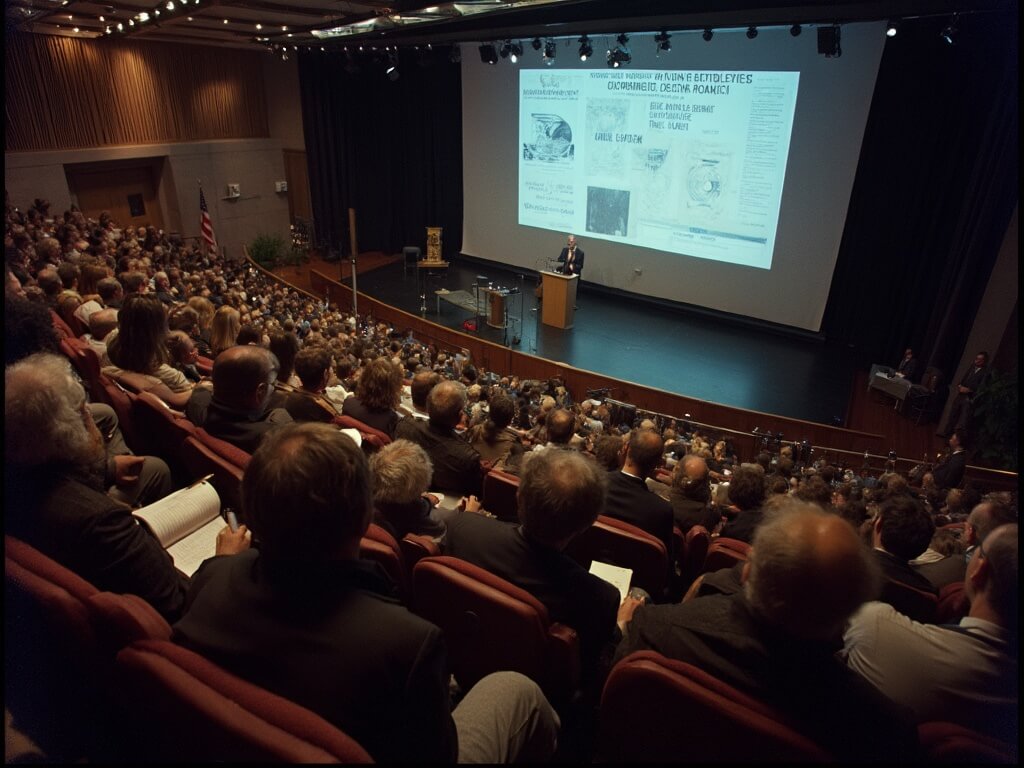
It wasn’t a costume party or carnival atmosphere. It was people who take these questions seriously gathering to share what they’d learned.
The museum hosts guest lectures during these periods featuring noted researchers and experts. These aren’t sensationalists looking for book deals—they’re academics and investigators who’ve spent careers studying UFO phenomena.
The conversations that happen during festival week often continue in the museum’s research library long after the main events conclude.

Local schools also use the museum for educational programming throughout the year. Teachers bring students to examine historical events, discuss critical thinking about extraordinary claims, and explore how to evaluate evidence.
That educational role—separate from the tourist attraction aspect—reveals something important about institutional credibility. Schools don’t send their students to places they don’t trust.
The Gift Shop Isn’t Just Tourist Trinkets
I know that sounds like a weird thing to mention, but stay with me.
The gift shop at the Roswell UFO Museum stocks books, documentaries, and memorabilia.
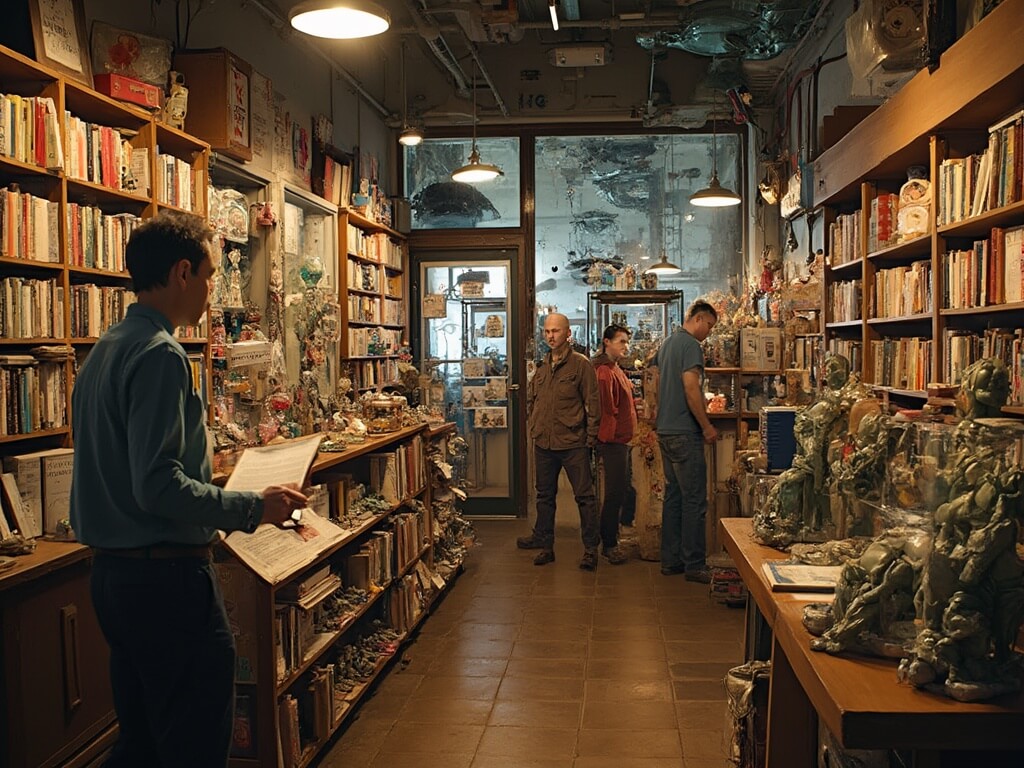
What matters is what they actually carry. You’ll find serious UFO research texts alongside the expected novelty items.
Academic papers on UAP sightings sit next to alien figurines. Documentary DVDs produced by credible researchers share shelf space with pop culture merchandise.
This mixture—which might seem contradictory—actually reflects the museum’s real mission. They acknowledge that some people come for entertainment. They also serve people conducting legitimate research.
I picked up a book by Dr. James E. Clarkson about government transparency and UAP investigation that I’d struggled to find elsewhere. That’s the kind of resource availability you rarely encounter in tourist destinations.
This balance of credibility and accessibility is what sets the gift shop—and the entire museum—apart.
Planning for Accessibility and Different Visit Types
Not everyone visits museums the same way.
For casual visitors:
Plan 1–2 hours maximum. Start with the Roswell Incident dioramas and exhibits. Watch the immersive theatre presentation. Browse the gift shop.
For researchers and serious enthusiasts:
Contact the museum in advance about library access. Book time with a staff member who can help navigate their 30,000+ periodicals and 7,000 books. Bring a notebook and spend 4–8 hours minimum.
For school groups and large parties:
Advance reservations are essential. The museum works with educators to create tailored experiences that fit curriculum requirements, often including private exhibit time and staff interactions.
For visitors with accessibility needs:
The facility accommodates people with disabilities. Call ahead for specific requirements—they take these seriously.
For families with young children:
The exhibits are generally family-friendly. The interactive dioramas work well for kids. Children under 4 receive free admission.
Addressing the Skeptic Question: Why Should Non-Believers Visit?
This is the conversation I have most often when recommending the museum.
“I don’t believe in UFOs,” people say. “Why would I spend time there?”
The answer isn’t about convincing you aliens visited Earth. It’s about understanding how intelligent people evaluate extraordinary claims.
You see eyewitness testimony presented alongside technical analysis. You engage with a 75-year-old incident that remains unexplained. You encounter government documents that raise legitimate questions.
The museum doesn’t avoid skeptical perspectives—it incorporates them. You’ll find exhibits that address multiple theories and ask what evidence supports or challenges them.
That’s intellectual honesty, and it’s rare.
The Economic Impact and Why Locals Actually Support It
Roswell residents generally support this museum in ways they don’t always support other tourist attractions.
The museum generates real economic activity—visitors book hotels, eat, and shop locally. But beyond that, it’s respected.
It’s operated by community members and employs local staff. It earns prestige from being taken seriously by researchers and academics.
One local business owner told me that museum staff actively recommend her restaurant—and she returns the favor. That’s a mutual support system built on trust and collaboration.
Recent Government Interest and What Changed Since 2020
Starting in 2020, the landscape around UAP research changed dramatically.
The U.S. Department of Defence released official reports. Congress held hearings. The Pentagon created reporting protocols for military personnel.
That’s huge. And the Roswell UFO Museum adapted accordingly.
They updated exhibits to reflect these changes. They reframed older cases like the 1947 incident in light of modern transparency efforts.
The 2023 congressional hearings referenced eyewitness credibility—something the museum has emphasized for decades.
This shift proves the museum was ahead of the curve. Not chasing headlines—doing the work before the headlines arrived.
Technology Integration and What’s Coming Next
The museum is embracing tech to enhance—not replace—its exhibits.
Interactive displays now let visitors examine documents and photos in high resolution. Virtual reality experiences are being tested to recreate key moments and testimonies.
This attracts younger audiences and improves accessibility.
But the core remains: primary source materials. The physical library, the documents, the artifacts. Technology serves the research, not vice versa.
As one curator put it: “We’re not trying to become a tech experience. We’re trying to make research more accessible through tech.”
Planning Your Visit: Practical Logistics
Location: 114 N. Main Street, Roswell, New Mexico.
Parking: Free along Main Street and nearby streets.
When to go: Weekdays outside of peak summer are less crowded. July offers special events but big crowds. September–May is quieter and educational.
What to bring: Comfortable shoes, a notebook, and a camera (within policy).
How long to stay: 2–3 hours for general visits. 4–8+ hours for research library access.
Food and drink: Main Street has several nearby restaurants. The museum offers water but no full cafe.
Nearby attractions: Visit the Roswell Museum, Walker Aviation Museum, or UFO shops downtown.
What Visitors Actually Say When They Return
Repeat visitors say consistent things: they appreciate the museum’s neutrality, the research library’s depth, and the respectful tone of exhibits.
One researcher visits annually for new library acquisitions. Another calls it “the only UFO-related institution I can recommend without embarrassment to academic colleagues.”
That’s high praise. No one called it revolutionary—but everyone called it thoughtful and honest.
The Skeptical Objection Worth Taking Seriously
The museum isn’t perfect. Some exhibits blur lines between theory and evidence. Not all materials are scientifically verified.
The autopsy film is controversial and presented with disclaimers, but still may mislead.
That said, the museum acknowledges this. It presents multiple views and encourages critical thinking.
It’s not a peer-reviewed journal. It’s an educational institution trying to make complex content accessible.
Bringing It All Together: Why This Actually Matters
Most attractions blur together. The Roswell UFO Museum sticks in your mind.
Why? Because it teaches you how to think about the unknown.
It forces real questions: What do we do with credible testimony? How should we balance skepticism and belief? Why did governments classify “weather balloon” crashes?
These aren’t small curiosities. They’re about truth, evidence, and belief.
The museum doesn’t give final answers—it models how to ask better questions.
Plan your visit to the International UFO Museum. Bring your curiosity—and your skepticism.