Here’s the thing about the San Antonio River Walk that most tourists get wrong.
They show up with their phone cameras ready, spend two hours snapping photos of the same cypress trees everyone else has captured, grab overpriced tacos at a riverside restaurant, and call it a day.
They leave thinking they’ve “done” the River Walk.
But they’ve barely scratched the surface of what makes Paseo del Rio genuinely extraordinary.
I discovered this myself five years ago when I first visited.
My initial stroll felt forgettable—crowded, touristy, expensive.
Then I returned on a random Tuesday morning in October, walked the quieter Mission Reach section, and stumbled onto a local art installation I’d completely missed before.
That’s when I realised the River Walk isn’t about rushing through it.
It’s about understanding how to move through it with intention.
Why the San Antonio River Walk Matters More Than You Think
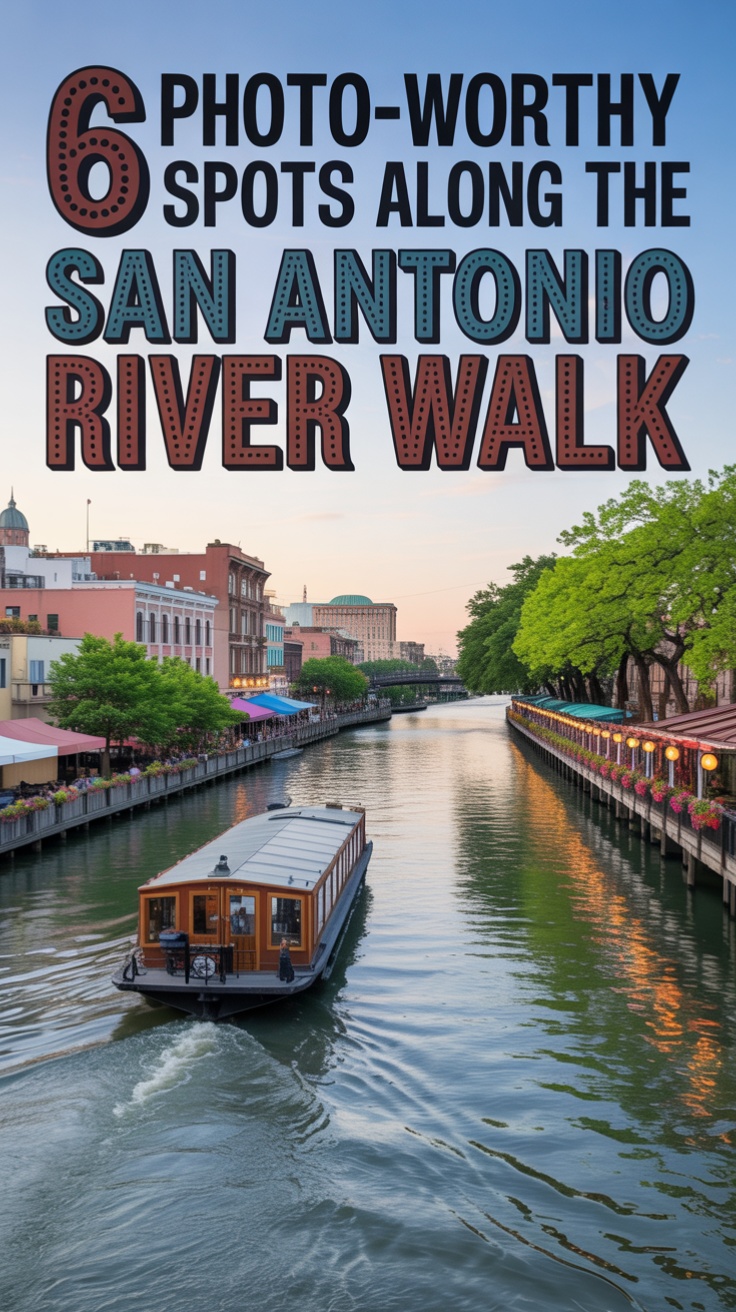
The San Antonio River Walk spans 15 miles of carefully designed urban parkland stretching through downtown and beyond.
It’s the most visited attraction in Texas, drawing millions annually.
But calling it just another tourist destination undersells what you’re actually dealing with here.
This isn’t some artificial theme park bolted onto the city.
It’s a genuine piece of urban infrastructure with real historical roots dating back to the 1930s when San Antonio faced devastating floods.
Instead of burying the river, city planners made a radical choice: make it the centrepiece of urban renewal.
The result?
A 1.7-mile downtown loop alone passes ten historic sites, connects you to The Alamo, and puts you within walking distance of galleries, museums, and cultural landmarks most visitors never find.
Year-round mild weather (consistently between 60 and 90 degrees Fahrenheit) means you’re not choosing between sweating through summer or freezing in winter.
The riverside paths wind beneath towering cypress trees, flanked by lush vegetation and small plazas designed for lingering rather than rushing.
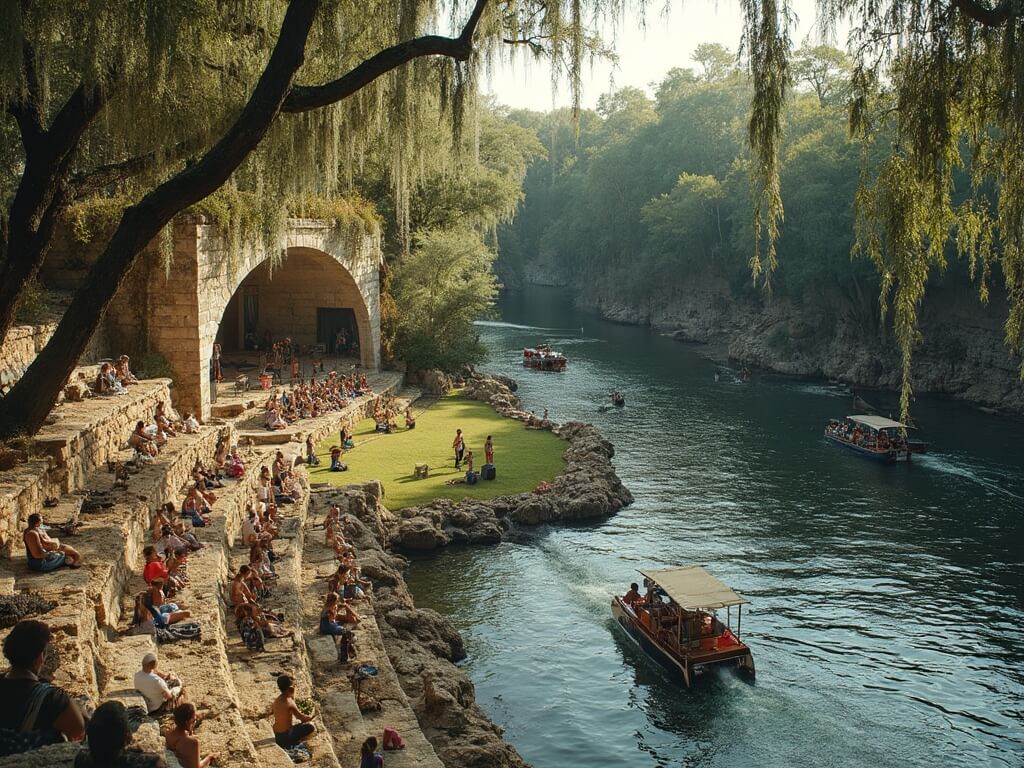
What makes it genuinely different from other riverwalk attractions across America is the deliberate integration of culture, history, and practicality all happening simultaneously in one space.
The core reality: You’re not just walking past pretty scenery.
You’re moving through layers of Texan history, art, commerce, and community life that have been carefully preserved and continuously reimagined.
The Truth About Getting Around: Four Ways Most People Never Consider
Here’s where most visitors stumble.
They assume the River Walk means walking.
It doesn’t have to.
And honestly, limiting yourself to footsteps might be the biggest mistake you can make.
Self-guided walks work—but only if you’re strategic about it
The downtown loop is manageable at 1.7 miles, starting near The Alamo and hitting major historic sites without feeling exhausting.
Multiple entry and exit points mean you’re not trapped in one direction.
Accessible walking maps exist online, so you can plot your route before arriving rather than wandering aimlessly like most first-timers.
But here’s the catch: the loop covers the busiest, most photographed sections.
If you’re seeking authenticity, you’ll want to venture beyond it.
Guided tours reveal what you’d miss alone
I know what you’re thinking—guided tours sound painfully touristy.
Fair point.
But the difference between stumbling through and actually understanding what you’re seeing is sometimes worth the cost.
Historic-focused tours take you through centuries of Texan story, explaining why certain buildings matter.
Food-focused tours pair locations with actual culinary context rather than just pointing at restaurants.
Art-focused tours unpack the intentional public installations and murals, especially along Museum Reach.
These tours aren’t generic either—local guides know which hidden spots tourists miss, which alleyways have actual character, and where the river’s engineering story gets genuinely fascinating.
Boat cruises change your entire perspective
This sounds obvious, but most people walk the entire River Walk without once seeing it from the water.
Hop-on, hop-off narrated boat cruises cover downtown highlights and fill in historical context you won’t pick up from ground level.
From the water, you suddenly understand the river’s relationship to the city differently—you see how the architecture frames it, how the businesses depend on it, how the whole system actually functions.
Dining cruises exist too if you want meals served while moving through the city, though pricing reflects the experience.
Alternatives for moving faster exist if you want them
Bike-friendly paths run throughout, and rental options let you cover more ground without feeling like you’re power-walking through a museum.
E-scooters work similarly for those who prefer them.
For adventure-seekers, Vespa tours, Segway tours, and kayak options exist—though these feel more novelty than practical for truly understanding the space.
The real point isn’t picking the “best” mode of transport.
It’s recognising that one method doesn’t work for all sections, and combining approaches gives you a richer experience than any single approach alone.
Bottom line: Walking works, but it’s not your only option.
The Landmarks Everyone Should See (And Why They Actually Matter)
You’ll hear plenty about The Alamo.
It’s the iconic symbol, the obvious starting point, the thing everyone photographs.
And yes, it’s historically significant as a symbol of Texas independence and sits as a natural gateway to the broader River Walk.
But it’s also the most crowded, most expensive, and most photographed spot in the entire area.
Worth seeing once?
Absolutely.
Worth spending hours there?
Debatable.
What actually deserves your time
San Fernando Cathedral stands as one of the oldest cathedrals in the United States.
It’s architectural storytelling—you can see different centuries layered into its structure.
Most people walk past it without registering it’s there.
La Villita Historic Arts Village sits adjacent to the river and functions as an actual cultural hub rather than a manufactured tourist zone.
Artisan shops, galleries, and rotating cultural events happen here continuously.
It feels lived-in because it is.
Arneson River Theatre is an outdoor amphitheatre carved directly into the riverbank on one side, with seating rising on the other.
It’s architecturally clever and consistently hosts performances, festivals, and public events.
When nothing’s scheduled, it’s a compelling photo spot.
When something’s happening, you’re witnessing culture made for the space rather than squeezed into it.
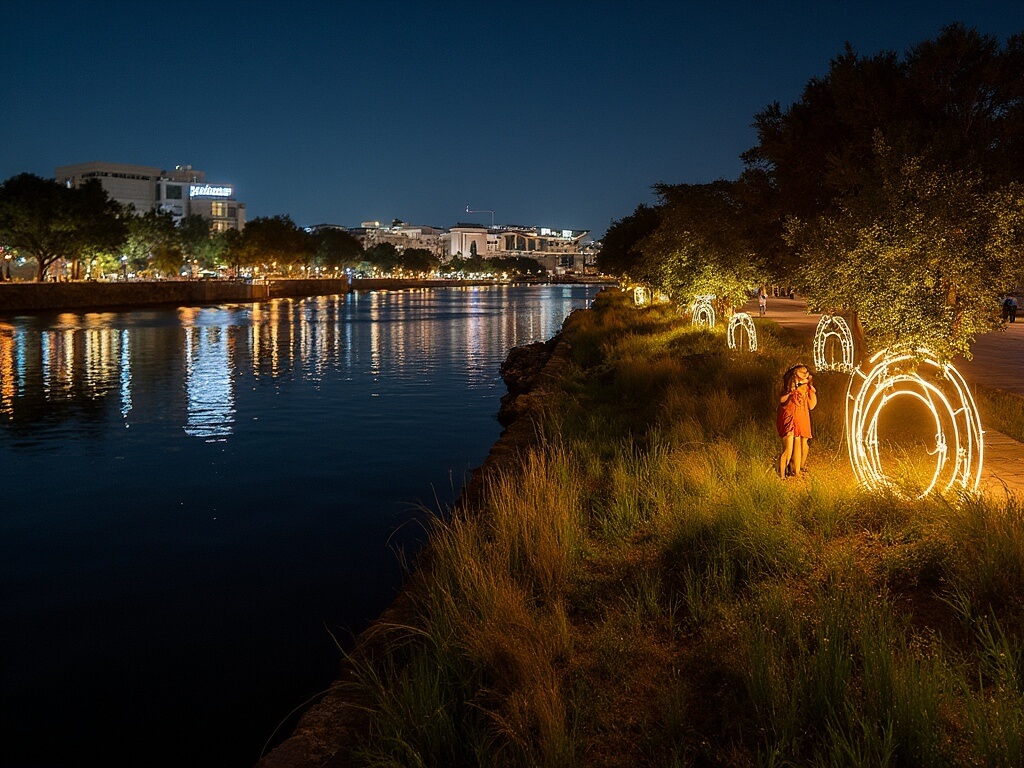
The Museum Reach section extends beyond downtown and features the San Antonio Museum of Art plus dedicated public art installations and murals.
It’s where the River Walk stops feeling commercial and starts feeling genuinely creative.
Fewer crowds, more intentionality, actual artistic merit rather than decoration.
Marriage Island exists as a small platform perfect for weddings and photos, but it’s genuinely lovely rather than manufactured-cute.
The cypress tree framing makes it genuinely photogenic without feeling forced.
The real pattern here
Notice what matters isn’t the individual landmarks—it’s that they represent different aspects of what the River Walk actually does.
History, art, performance, gathering, community.
Not everything is equally important for your visit, but understanding what each represents helps you decide what’s worth your finite time.
Most tourists hit The Alamo, eat at a riverside restaurant, maybe catch a boat cruise, and consider themselves done.
They’ve ticked boxes rather than absorbed an experience.
The landmarks that actually stick with visitors are usually the ones they stumbled upon rather than specifically sought.
When to Visit Changes Everything
Here’s something most travel guides won’t tell you clearly: when you visit matters more than what you visit.
I learned this the hard way after visiting during a holiday weekend (chaos, three-hour restaurant waits, shoulder-to-shoulder crowds) versus a random Tuesday morning (open paths, actual conversation with locals, breathing room).
Peak seasons bring different energy
The River Walk operates year-round with consistently pleasant weather, which sounds ideal until you realise it means peak tourism never really stops.
Weekends pull families and casual tourists.
Summer brings school holidays and extended visitors.
Holiday periods see themed decorations—over 100,000 lights illuminate the cypress trees during December—and that draws specific crowds seeking festive atmosphere.
Spring brings Fiesta San Antonio, a massive cultural festival integrating music, food, and community celebration that transforms the entire area into something more energetic and less conventionally touristy.
St. Patrick’s Day and other themed river parades happen throughout the year with illuminated floats and themed decorations, each drawing specific crowds.
The strategic visit
You want to visit early morning or on weekdays if possible.
This isn’t just empty advice—it fundamentally changes what you experience.
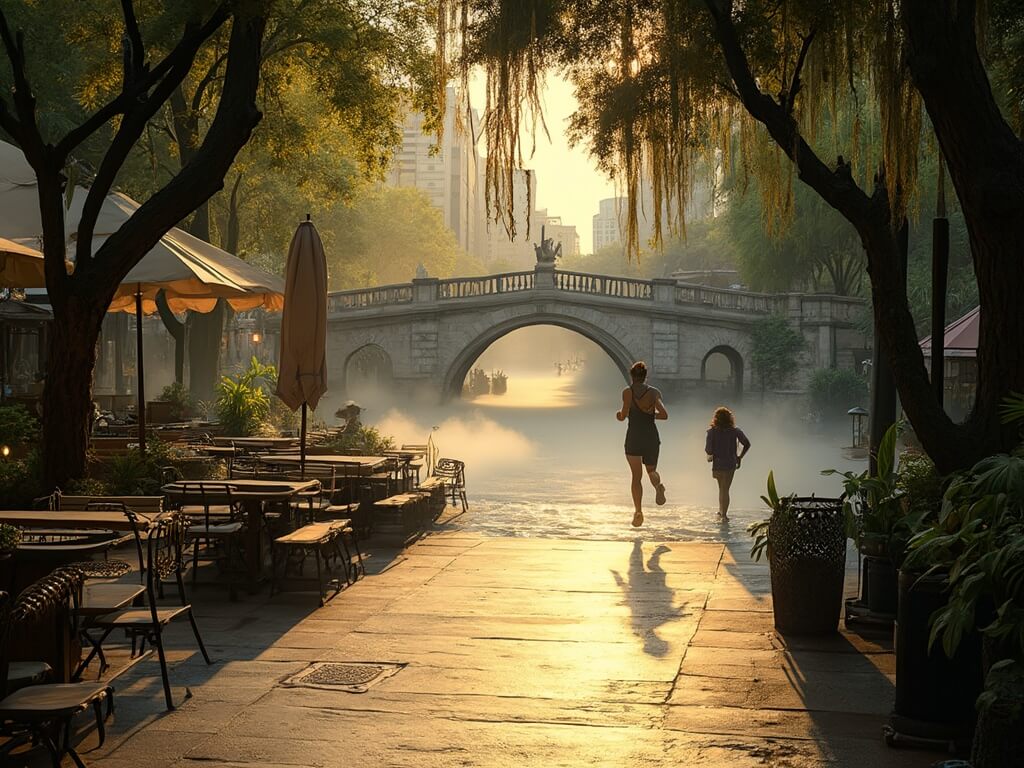
Early morning (say, 7 to 9 AM) brings quiet pathways, local joggers rather than tour groups, and riverside cafes where you can actually sit without reservations.
Weekdays generally mean fewer families and more locals using the space functionally rather than performatively.
If you’re timing around events or festivals, book dining and boat tours ahead.
Don’t assume availability—tourist infrastructure here gets saturated quickly during special events.
If crowds are genuinely unbearable to you, consider visiting during shoulder seasons (October, April, May) when weather remains pleasant but tourism drops noticeably.
The takeaway: Timing impacts experience as much as what you actually see.
Treat it with the same intentionality you’d use choosing which neighborhood to stay in.
Looking for more unforgettable cultural stops across the U.S.? Check out our guides to The National Civil Rights Museum in Memphis or learn how to spend a day at the Mall of America in Minnesota.
The Dining Question: Why You’re Probably Overpaying for Mediocre Food
This is where most visitors’ River Walk experience derails.
They arrive hungry, see restaurants literally built into the riverbank with water views, and book the first available table.
Then they pay $28 for enchiladas that taste like they came from a hotel kitchen rather than someone’s grandmother, because they basically did.
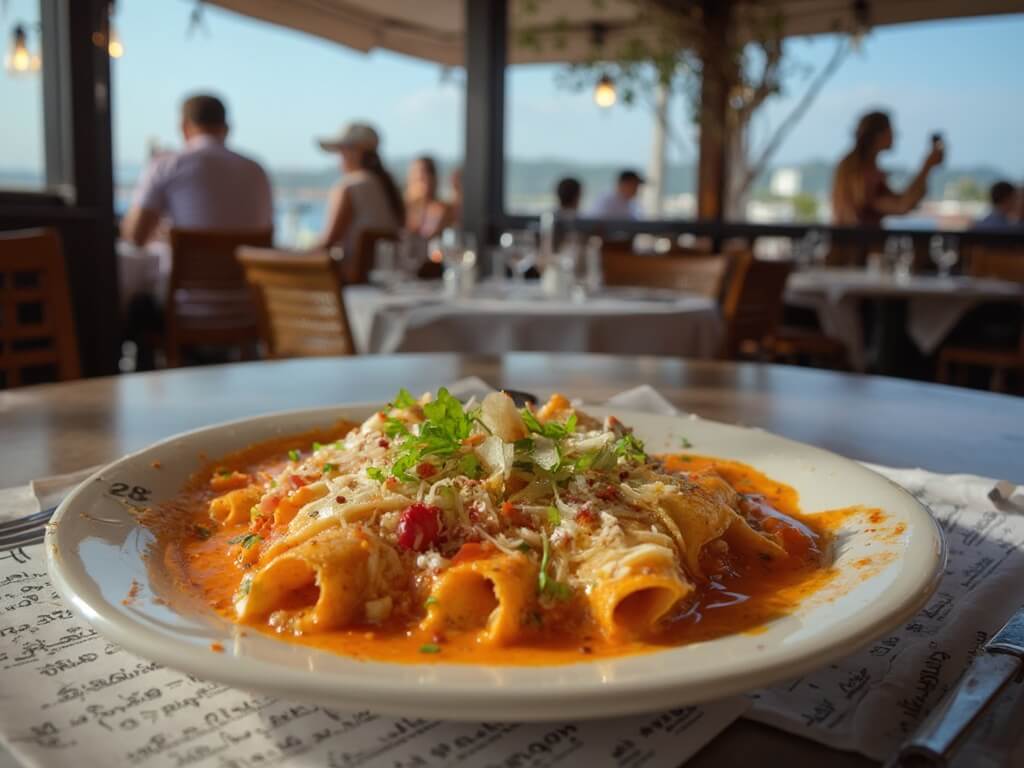
The uncomfortable truth about River Walk dining?
Proximity to the river doesn’t correlate with quality. It correlates with rent.
The pricing structure nobody talks about
You’ll pay restaurant-district prices (15 to 35 percent above neighborhood rates) for the privilege of eating near water while tourists photograph your table.
This isn’t necessarily evil—real estate costs money, and location matters.
But it means you’re paying for ambiance and access, not necessarily culinary excellence.
A mediocre margarita costs $16 at a riverside patio. That same drink costs $9 two blocks away with no river view and half the crowd.
Where the actual quality hides
The signature restaurants that consistently deliver are worth the premium because they justify it through execution rather than just location.
Boudro’s serves Texas fine dining that takes itself seriously, and the riverside setting complements rather than substitutes for the food quality.
Casa Rio represents classic San Antonio Tex-Mex done competently—not groundbreaking, but honest.
Iron Cactus focuses on margaritas and Mexican food with enough consistency that the higher prices feel earned rather than exploitative.
The pattern: These restaurants maintain standards because reputation matters more than volume.
They’re booked enough that they don’t rely on one-time tourists. They serve locals regularly. That distinction changes everything about food quality.
The actual strategy
Book one nice dinner at a signature restaurant where the location genuinely enhances the experience—usually something involving water views during golden hour.
That’s your River Walk dining moment.
For everything else, venture two to four blocks away.
You’ll find authentic taco shops, regional restaurants with actual family recipes, and places where locals actually eat.
These spots exist throughout downtown and cost significantly less while tasting dramatically better.
Alternatively, grab casual food (tacos, food trucks, casual sandwiches) along the river and spend your restaurant budget on the one meal where ambiance genuinely matters.
This approach costs less, tastes better, and feels more authentic than trying to eat every meal riverside.
Real talk: Part of the River Walk experience is accepting that some of it exists for tourists. That’s okay. Just don’t let tourist pricing trap you into believing tourist food equals good food.
The Nighttime Experience: When the River Walk Actually Becomes Something Special
Here’s what almost nobody realizes about the San Antonio River Walk.
It transforms completely after sunset.
The same paths that feel pleasantly scenic during day become genuinely atmospheric after dark. Illuminated pathways create intimate lighting that changes how you perceive the space.
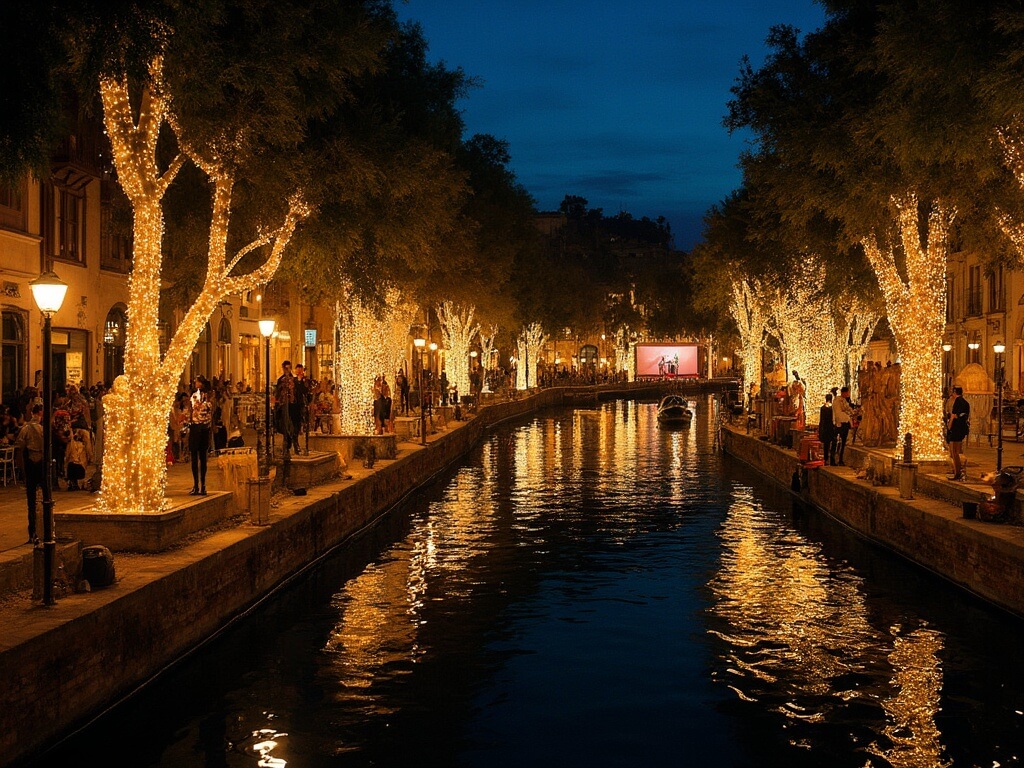
Live music drifts from multiple venues simultaneously, creating this layered soundscape rather than single performances.
Bars and restaurants shift from lunch-crowd casual to evening energy. Street performers appear more actively. The entire vibe shifts from sightseeing to experience.
Why nighttime matters strategically
If you only visit during daylight, you’re experiencing roughly 40 percent of what the River Walk offers.
The architectural lighting isn’t accidental—it’s engineered to frame buildings and trees specifically after dark.
The experience design anticipates people moving differently at night (slower, more lingering) and programs accordingly.
This is when locals actually show up, when the space becomes less touristic and more genuinely communal.
What actually happens after dark
The nighttime ambiance attracts different crowds with different intentions. Couples seeking romantic settings appear. Friend groups looking for bar experiences settle in.
People genuinely curious about culture and nightlife emerge. The ratio of tourists to locals shifts noticeably—not dramatically, but enough that you feel different energy.
Live performances at riverfront venues shift toward adult-oriented music and comedy rather than family-friendly daytime programming.
Acoustic performers, jazz combos, and comedy acts populate venues specifically designed for evening entertainment.
The bars become genuinely social spaces rather than tourist checkpoints.
I experienced this genuinely for the first time during a friend’s birthday celebration on a Friday evening in November.
We grabbed drinks at one spot, drifted to another, heard unexpected live music at a third.
None of it felt forced or overly curated—it felt like moving through actual city nightlife that happened to be riverside.
The practical reality
You can’t experience the nighttime River Walk fully while also managing the daytime tourist circuits. That’s a different visit entirely.
Budget at least an evening specifically for the after-dark experience. Don’t combine it with maximizing daytime sightseeing—you’ll feel rushed and miss the actual atmospheric benefits.
The key insight: The River Walk most tourists photograph and experience is fundamentally different from the River Walk that actually resonates.
One is sightseeing. The other is living.
Seasonal Events and Why They Matter More Than You’d Expect
The River Walk operates year-round, but certain moments transform it into something beyond everyday experience.
The major seasonal markers
Holiday Lights (December through early January) wrap over 100,000 individual lights around cypress trees and across overhead installations.
This transforms the entire aesthetic—the river becomes theatrical, almost dreamlike. It’s the most visited period outside summer.
River Parades happen throughout the year. These aren’t like typical street parades—the floats literally move through the river itself, viewed from bridges and pathway vantage points.
Fiesta San Antonio spans roughly ten days and incorporates music, food competitions, cultural performances, and community celebration. This is less tourist event and more genuine cultural moment.
Why timing around events changes everything
These events create specific energy, but they also create specific challenges.
Restaurant reservations become nearly impossible.
Boat tours book solid weeks in advance.
Pathways get crowded in ways that diminish the peaceful ambiance most people seek.
The strategic choice: If you specifically want festival experience, plan around it explicitly and expect those trade-offs.
Alternatively, visit during non-event times and experience the space as it genuinely operates day-to-day.
The artisan market opportunity
Beyond major festivals, rotating artisan markets, art workshops, and live demonstrations happen regularly throughout the year.
They happen less consistently than major events but more authentically reflect local culture.
Accessibility and Practical Realities You Actually Need to Know
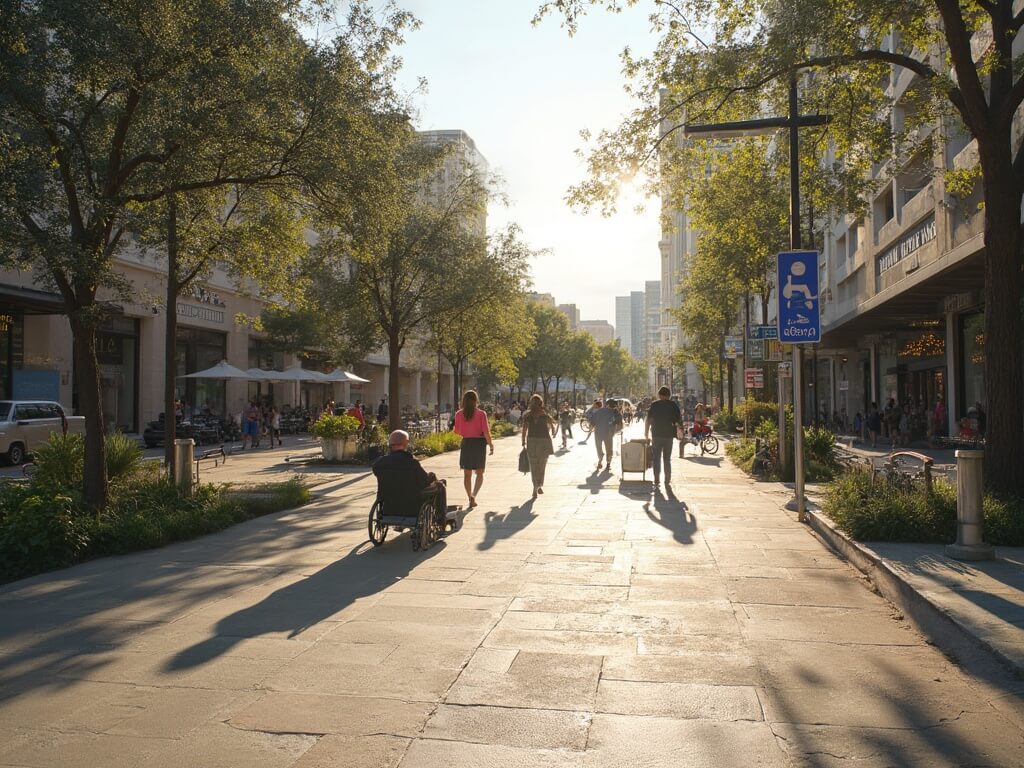
What accessibility actually looks like here
The downtown 1.7-mile loop maintains wheelchair accessibility throughout most sections.
Accessible route maps exist online specifically highlighting wheelchair-navigable sections and accessible restrooms.
What doesn’t work as well: The Mission Reach sections include nature trail components with less consistent accessibility.
Practical logistics that matter
Visiting early morning means less crowding, making navigation easier for anyone with mobility concerns. Weekday visits reduce congestion similarly.
Boat cruises require transferring between levels—call ahead if you need accessibility details for specific tours or restaurants.
The honest assessment
The River Walk prioritizes downtown accessibility reasonably well. If you need full accessibility, stay downtown, skip the extended reaches, and you’ll navigate fine.
Safety and the Reality of Crowds
Why safety actually isn’t your concern here
San Antonio’s River Walk is statistically safe—well-patrolled, well-lit, and well-traveled. Families actively use the space with young children.
The real caution: Common sense doesn’t disappear
Pickpocketing in crowded areas happens everywhere tourists gather. Don’t walk through isolated sections alone after midnight. These are general urban precautions, not unique to San Antonio.
The Real Cost: What You Should Actually Budget
What costs money and what doesn’t
Walking the River Walk is free. So is basic sightseeing.
What does cost:
- Boat tours: $15–$35
- Guided walking tours: $20–$50
- Casual meals: $15+
- Fine dining: $50+
- Specialty tours: $60–$150+
- Parking: $10–$20/day
- Bike rentals: $15–$30/day
- Museum entries: $10–$15
The realistic budget breakdown
You can have a legitimate full-day River Walk experience for under $100 per person—or scale up to $300+ depending on preferences and group size.
Future Changes and What’s Actually Coming
Current development priorities
Accessibility improvements, green space expansion, and public art installations are ongoing—especially along Museum Reach.
Technology integration is genuinely coming
Interactive apps, AR features, and digital guides are coming soon, making self-guided exploration easier.
The Honest Conclusion: What the San Antonio River Walk Actually Is
The San Antonio River Walk is genuinely special—not for landmarks or food, but because it represents intentional urban design that prioritizes human experience.
Most visitors experience it as sightseeing. The real experience emerges when you move through it with curiosity and intentionality.
For a deeper immersion, check out this downtown San Antonio walking tour and explore things to do on the San Antonio River Walk.
Want more travel inspiration?
- Take a Lighthouse Tour in Maine
- Walk the Beaches of the Oregon Coast
- Drive the Hana Highway in Maui
- Ride the Great Smoky Mountains Alpine Coaster
- Hike to Delicate Arch in Arches National Park