Have you ever dreamed of seeing wild horses roaming freely, with wind-whipped manes and untamed spirits? Assateague Island’s legendary feral horses aren’t just a wildlife fantasy—they’re a raw, living testament to nature’s resilience.
My first encounter with these magnificent creatures happened unexpectedly during a misty morning kayak trip. As dawn broke over the marshlands, a small band of horses emerged from the pine forest, their muscular frames silhouetted against the golden landscape. It was a moment that transformed my understanding of wilderness.
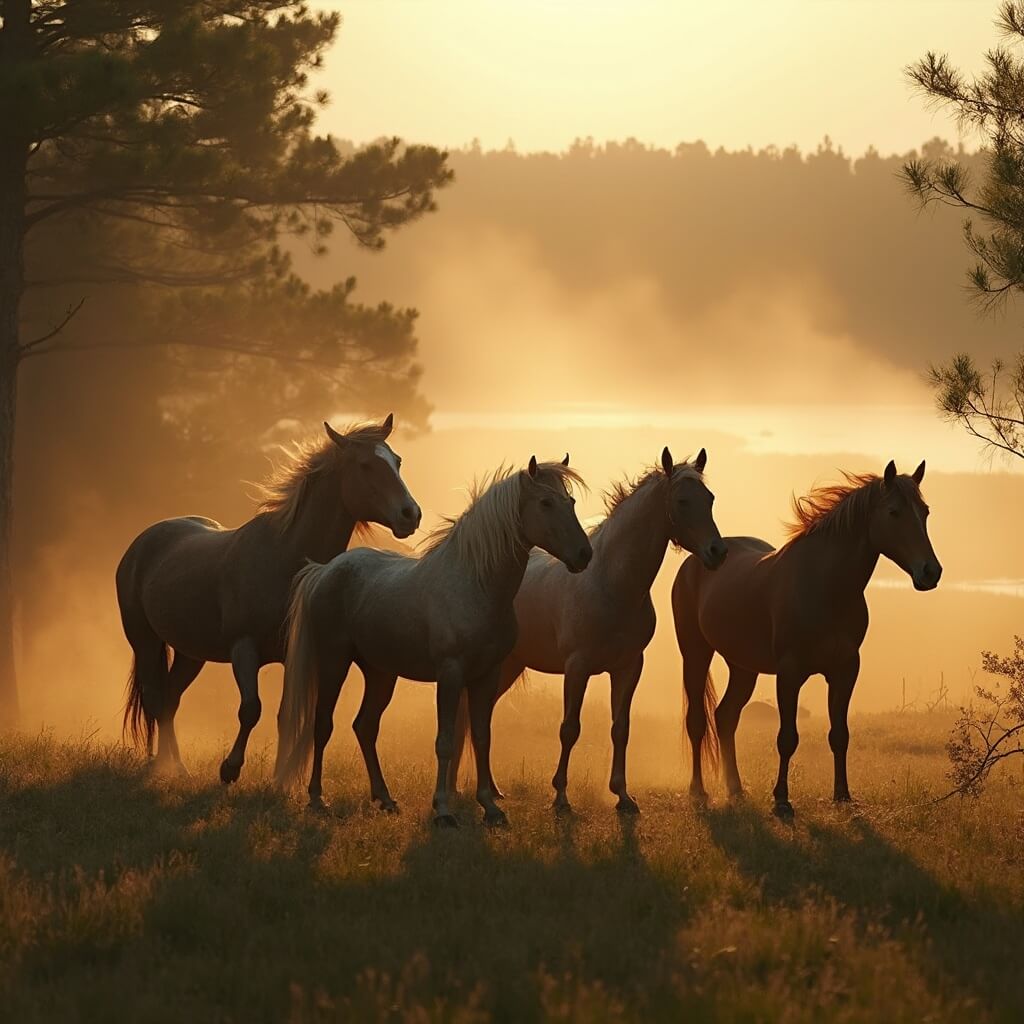
Unraveling the Assateague Horse Mystery
These aren’t technically “wild” horses, but feral descendants of domestic horses who’ve adapted to one of America’s most challenging environments. Surviving extreme heat, relentless mosquitoes, savage storms, and scarce food sources, these horses have developed extraordinary survival skills.
The island’s horse population is uniquely divided: Maryland and Virginia herds separated by a state-line fence. We’ll focus on the Maryland herd, managed by the National Park Service—a living, breathing ecosystem unto itself.
Myth vs. Reality: Where Did These Horses Come From?
Forget the romantic tale of Spanish shipwreck survivors. The true origin is far more pragmatic. These horses likely descended from livestock brought by 17th-century settlers looking to dodge taxation and fencing laws.
Key Historical Insights:
- Not survivors of a dramatic shipwreck
- Practical origins in colonial economic strategies
- Adapted to barrier island life over generations

Where and How to Spot Assateague’s Legendary Horses
Seeing these horses isn’t guaranteed—they’re wild, after all. They roam freely across:
- Sandy beaches
- Lush marshlands
- Dense pine forests
- Over-Sand Vehicle (OSV) areas
Pro Viewing Strategies:
- Park at designated state/national park areas
- Take guided wildlife tours
- Consider kayaking inland waterways
- Combine horse-watching with birdwatching
Safety: The Golden Rules of Horse Encounters
These aren’t cuddly ponies. They’re wild animals with unpredictable behaviors.
Critical Safety Guidelines:
- Maintain a 40-foot distance (about a bus length)
- Never feed or attempt to touch
- Secure all food in zippered coolers
- Respect their space and natural behaviors

Ecological Significance: More Than Just Pretty Horses
Assateague’s horses aren’t just a tourist attraction—they’re crucial ecosystem engineers. They shape vegetation patterns, influence sand dune formations, and coexist with thousands of bird species.
The island hosts an incredible biodiversity, including:
- Peregrine falcons
- Egrets
- Ospreys
- Diverse waterfowl
Unlike their Virginia counterparts, the Maryland herd enjoys more relaxed population management, allowing for more natural ecological interactions.
Visitor Experience: Beyond Horse Watching
Assateague offers more than just horse encounters:
- 37 miles of unspoiled beaches
- Camping opportunities
- Hiking and biking trails
- Photography paradise
- Educational interpretive programs
The horses represent more than an attraction—they’re living symbols of wilderness, adaptation, and the delicate balance between human interaction and natural preservation.
As the morning mist rolled back during my kayak trip, those horses reminded me that true wildness isn’t about being untouched, but about resilience, adaptation, and the raw beauty of survival.
The wind picked up, carrying salt and stories across the marshlands, hinting at more mysteries waiting to be discovered in this remarkable landscape.
Challenges and Conservation: A Delicate Balance
Ever wondered how these horses survive in such a harsh environment?
The challenges are more complex than most visitors realize. Each horse represents a living experiment in survival, constantly negotiating between human intervention and natural selection.
Conservation Complexities:
- Overgrazing threatens native habitats
- Human interaction disrupts natural behaviors
- Population management requires scientific precision
- Ecological balance hangs in delicate equilibrium
During one research expedition, I watched a park ranger carefully document a mare’s health, illustrating the meticulous monitoring these horses undergo. It’s not just wildlife observation—it’s active ecosystem management.
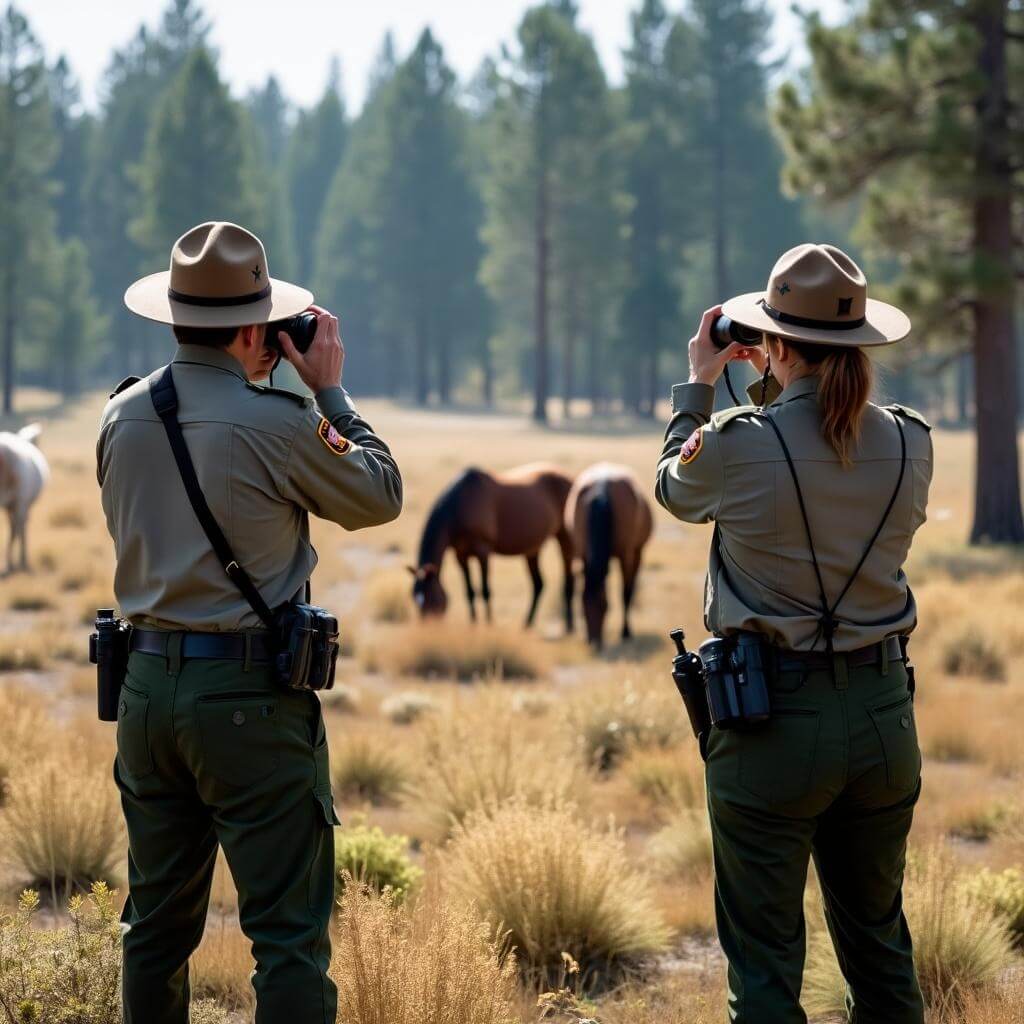
The Human Factor: Responsible Wildlife Tourism
Most visitors arrive with romantic notions of wild horses. Reality demands respect and distance.
Visitor Impact Breakdown:
- Each human interaction potentially changes horse behavior
- Feeding creates dangerous dependency
- Proximity increases stress for animal populations
- Responsible viewing protects both humans and horses
Pro Tip: Think of yourself as a silent observer, not an interactive participant.
To better understand the importance of respectful wildlife observation, explore the
Assateague’s Wild Horses: National Park Service Guide.
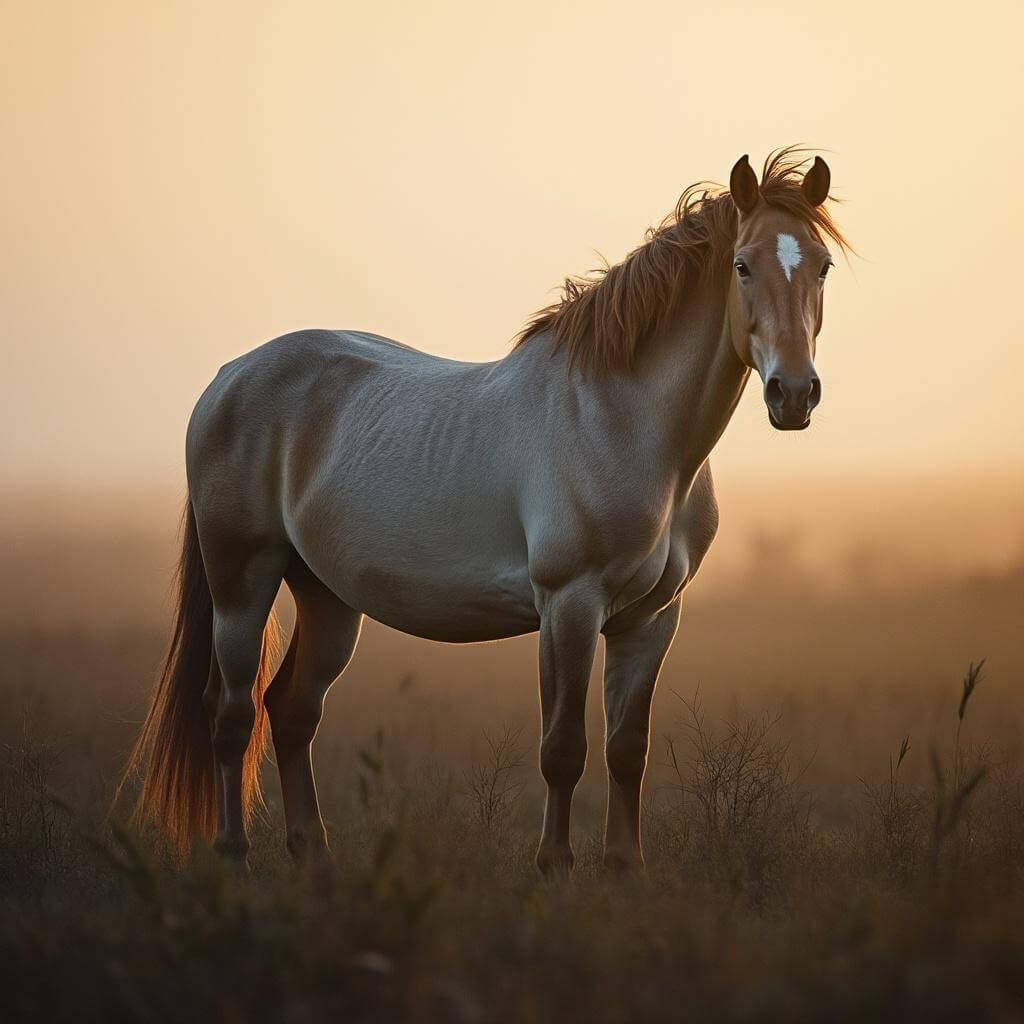
Understanding Horse Social Dynamics
These aren’t random wandering animals. They operate in complex social structures with intricate hierarchies.
Fascinating Horse Herd Characteristics:
- Bands typically consist of 1-2 stallions
- Mares establish complex social networks
- Young horses learn survival skills through observation
- Leadership isn’t just about physical strength
Read more about their social behavior and habitat via the Maryland DNR: Complete Guide to Assateague’s Wild Ponies.
Migration and Seasonal Adaptations
Assateague’s horses aren’t static. They’re dynamic creatures continuously adapting to seasonal changes.
Seasonal Survival Strategies:
- Summer: Seek marsh areas to escape insects
- Winter: Huddle in pine forest zones
- Spring: Engage in breeding and territorial behaviors
- Fall: Prepare for harsher environmental conditions
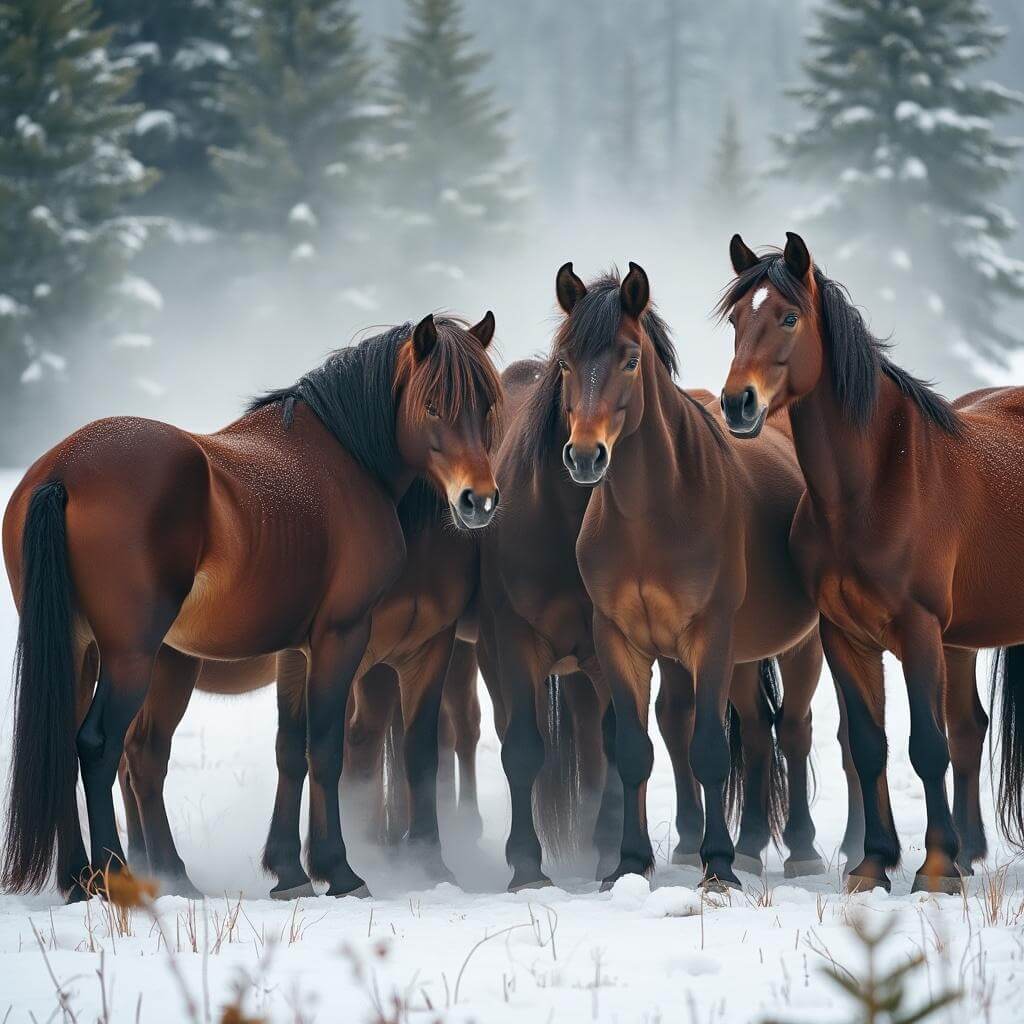
The Future of Assateague’s Horses
Conservation isn’t static—it’s an evolving conversation between humans and nature.
Emerging Trends:
- Increased genetic diversity monitoring
- Advanced tracking technologies
- More sophisticated population management
- Enhanced public education programs
A Personal Reflection: Nature’s Resilience
My years studying these horses taught me something profound: survival isn’t about dominance, but adaptation.
Each horse represents a living story of resilience—weathering storms, navigating limited resources, maintaining complex social structures against seemingly impossible odds.
Practical Visitor Recommendations
Want to maximize your Assateague horse experience? Here’s an insider’s guide:
Optimal Viewing Strategies:
- Visit during shoulder seasons (May/September)
- Take guided tours with local experts
- Bring high-quality binoculars
- Pack patience and respect
To enhance your outdoor adventure experience, consider exploring these related resources:
- Cottagecore Garden Ideas
- Outside Fire Pit Ideas for Nature Lovers
- Backyard Layout Ideas to Embrace the Outdoors
- Rustic Cabinetry That Feels Like a Cabin Retreat
- Barnhouse Decor Inspired by Equine Living
Final Thoughts: More Than Just Horses
Assateague’s horses aren’t merely animals. They’re living symbols of wilderness—untamed, unpredictable, perpetually inspiring.
They remind us that true freedom isn’t about absence of constraints, but navigating challenges with grace and resilience.
Your Assateague wild horse adventure awaits. Will you answer the call of the wild?
Explore responsibly. Observe quietly. Respect completely.