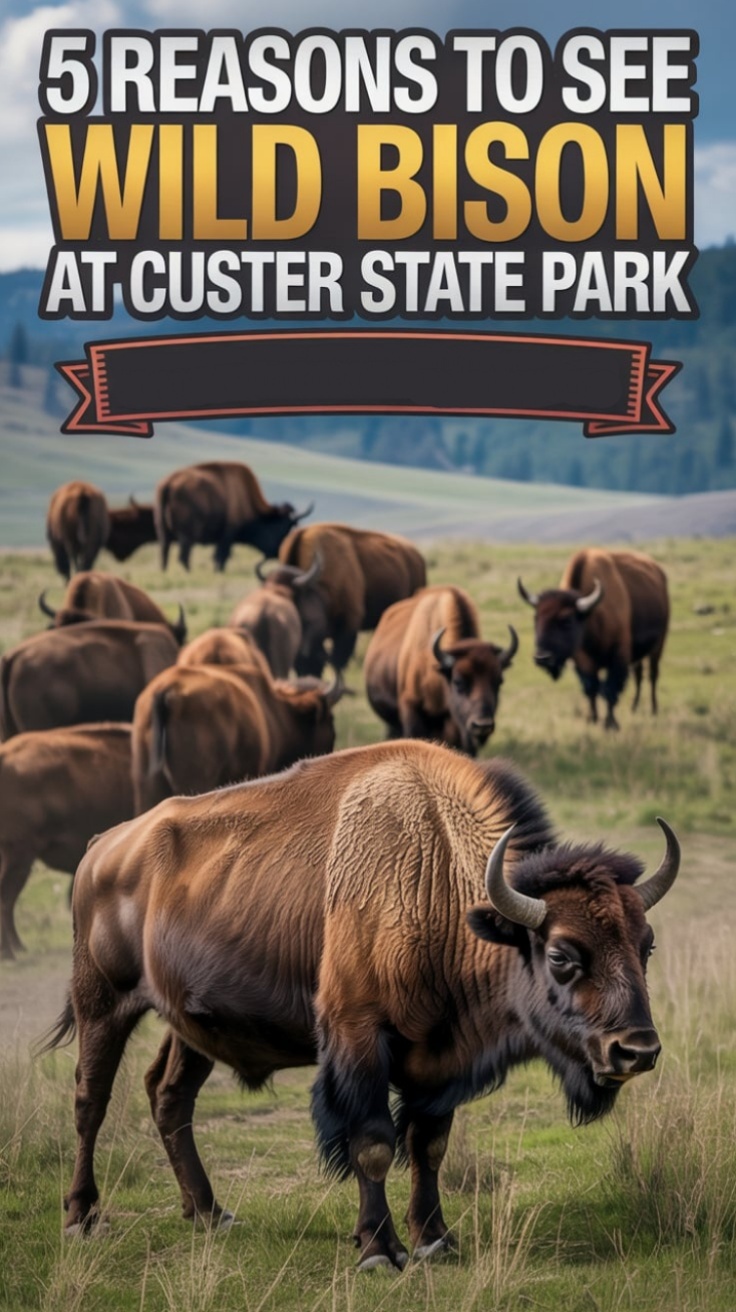
You’ve probably seen a bison once—maybe in a documentary or at a zoo.
But watching a 2,000-pound animal thunder across an open prairie, free and wild, is completely different.
That’s what waits for you at Custer State Park in South Dakota’s Black Hills.
The question most people ask first isn’t about the bison themselves.
It’s whether they’ll actually see one.
The answer is yes, reliably, if you know where to look and when to go.
Where exactly is Custer State Park, and why does it matter for bison viewing?
Custer State Park sprawls across 71,000 acres in the Black Hills of western South Dakota.
This isn’t some crowded zoo or wildlife refuge squeezed into a pocket of land.
It’s genuinely massive—the kind of place where animals roam freely on their own terms.
The park sits in the heart of one of America’s most scenic regions.
You’re surrounded by towering granite peaks, winding mountain roads, and grasslands that stretch to the horizon.
More importantly, the park is open year-round, which means bison are visible in every season.
Summer is lush and green, but winter offers clearer visibility across frozen landscapes, and spring brings the calving season—when hundreds of newborn bison appear.
The park requires an entry pass, which costs around $30 per vehicle for a 7-day pass.
That’s a one-time fee that lets you visit as many times as you want during that week.
What actually are bison, and how big is the herd you’ll encounter?
Let’s be clear on terminology first.
“Bison” is the scientific name, but Americans often call them buffalo interchangeably.
Zoologically, they’re different animals—true buffalo are African and Asian—but in everyday conversation, nobody will judge you for using either term.
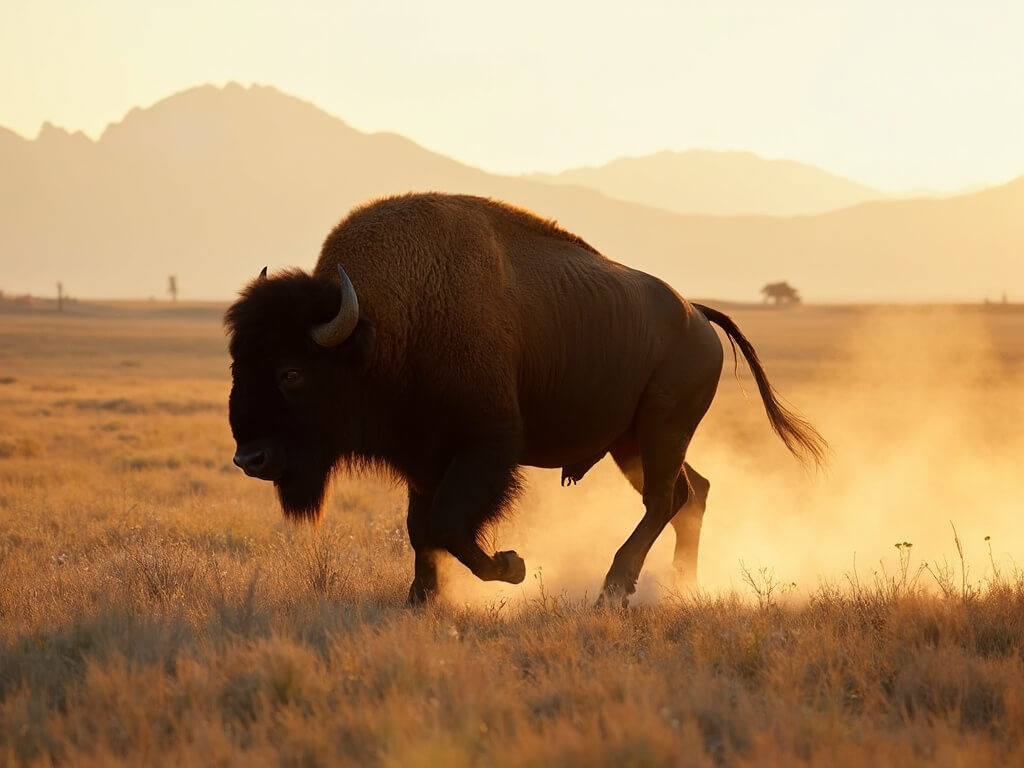
Here’s what matters: a single bison can weigh up to 2,000 pounds and run at speeds exceeding 35 miles per hour.
They’re the largest land mammals in North America.
To put this in perspective, that’s nearly four times the weight of an adult human and faster than you can drive through a residential zone.
They’re magnificent, but they’re wild.
Custer State Park manages one of the largest publicly owned bison herds on Earth.
The herd averages around 1,400 animals.
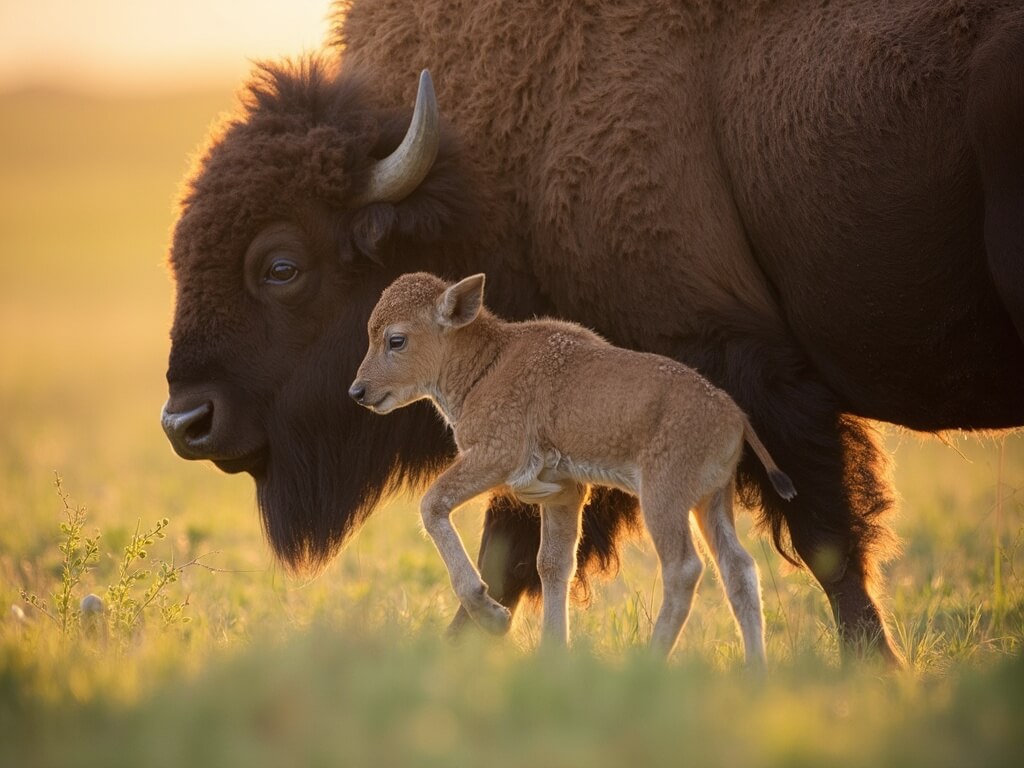
Each spring, calving season brings 300 to 400 new calves, which means late April through May offers the best chances of seeing young animals alongside adults—a sight that transforms the landscape.
I learned this firsthand during an April visit three years ago.
I’d driven the Wildlife Loop Road dozens of times and seen plenty of adult bison, but nothing prepared me for seeing a calf stumble alongside its mother in the early morning light.
The mother was protective but calm, and I watched through binoculars from a safe distance as the calf explored the prairie for what seemed like its first time.
That single ten-minute observation taught me more about bison behaviour than any visitor centre could—their bond with offspring is fierce, their movements precise, their presence utterly commanding.
How do you actually see wild bison at Custer State Park?
There are three primary ways to experience bison in the park, each offering something different.
The Wildlife Loop Road is your main event.
This 18-mile U-shaped scenic drive cuts through grasslands and forested hillsides, and it’s where most bison concentrate.
The route takes roughly 1.5 to 2 hours to complete if you stop at pullouts and overlooks for viewing and photography.
The southern portion of the loop typically has the highest bison concentration, so prioritise this section if you’re pressed for time.
Here’s the critical part: stay inside your vehicle.
This isn’t a suggestion—it’s a safety requirement.
Bison are unpredictable.
They move fast, they don’t respond to human sounds, and they’re defending territory and young.
Multiple scenic overlooks and pullouts along the route let you safely observe without leaving your car.
You’ll also spot pronghorn antelope, burros, deer, prairie dogs, and various bird species along the same drive.
The ecosystem here is intact in ways most of North America has lost.
Visitor centres provide education and real-time sighting information.
The Custer State Park Visitor Center features interactive bison exhibits and screens a 20-minute film called “Spirit of the Tatanka,” which explores the bison’s role in Lakota culture and history.
Staff members track recent wildlife activity and can point you toward current hot spots.
The Peter Norbeck Visitor Center serves as another gathering point and common area for bison sightings, with educational resources and direct staff guidance on where animals have been spotted that morning.
The seasonal Custer State Park Bison Center focuses specifically on bison history, management practices, and conservation efforts.
The Buffalo Roundup is an entirely different experience.
Held on the last Friday of September each year, this event draws up to 30,000 spectators.
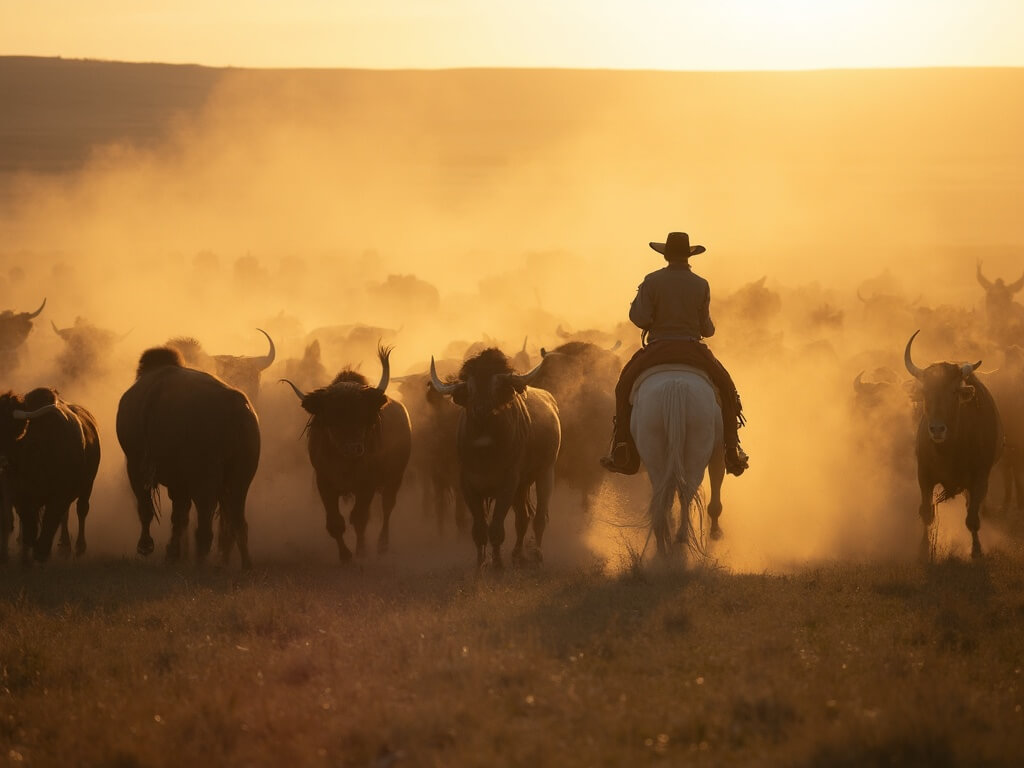
Cowboys and park staff herd over 1,300 bison in a dramatic Old West spectacle that genuinely feels transported from the 1800s.
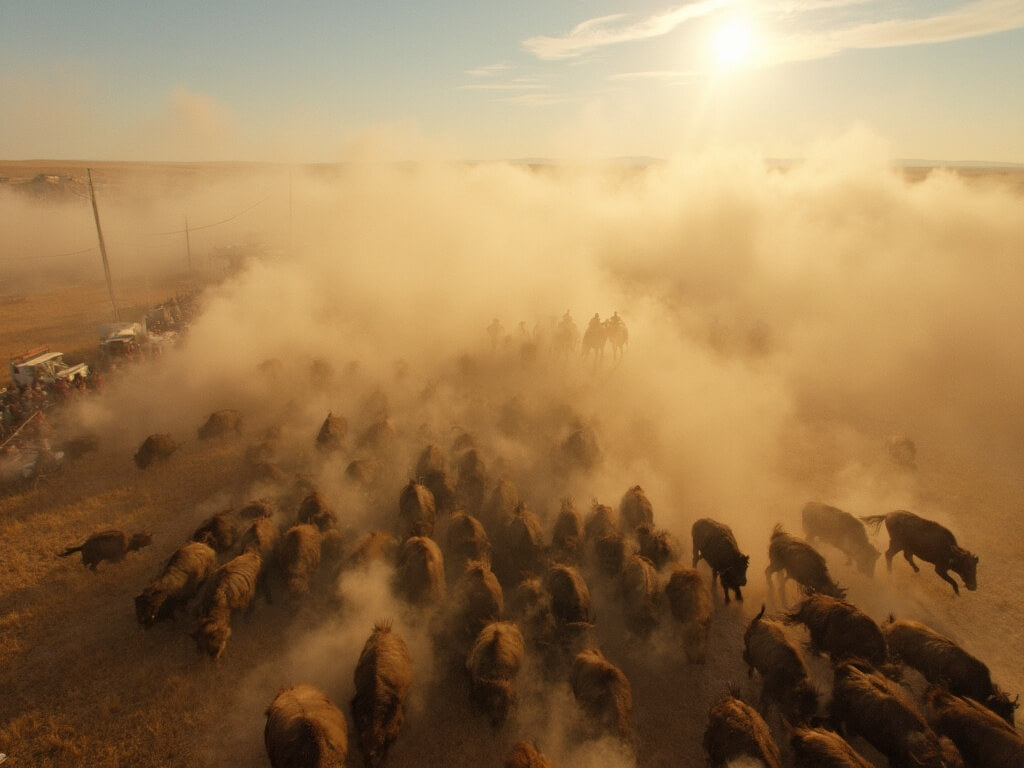
Two main viewing areas—North and South—offer close, safe vantage points where you can photograph the action and experience the thunder of hooves and the dust cloud created by thousands of animals moving together.
The Roundup pairs with an Arts Festival and cultural events, so it’s become a major draw for international visitors seeking authentic American wildlife experiences.
The sheer scale of watching 1,300 bison run across open prairie in coordinated chaos is something your mind struggles to process in real time.
What’s the realistic timeline for planning a bison viewing trip?
Early morning and late evening are when wildlife activity peaks.
Bison tend to graze during cooler parts of the day, so if you arrive at the Wildlife Loop Road at dawn, your chances of close encounters increase dramatically.
Mid-afternoon heat sends most animals into shaded areas.
Cloudy or overcast days often mean better visibility and more active animals throughout the day.
If you’re serious about wildlife photography, aim for early morning light combined with overcast skies.
This eliminates harsh shadows and gives you that soft, diffused illumination that makes for compelling images.
The park remains accessible year-round, but each season offers different advantages:
Spring brings calves and active breeding behaviour.
Summer means lush vegetation and peak tourism.
Autumn delivers crisp light and the famous Buffalo Roundup.
Winter offers clearer sightlines across snow-covered terrain, though cold temperatures limit comfort for extended outdoor observation.
The unspoken safety rule nobody explains until you need it
Bison don’t read park brochures.
They don’t know you’re a tourist or a photographer.
They respond to perceived threats by running or charging.
Stay inside your vehicle unless you’re at a designated overlook or viewing platform.
Keep at least 25 yards between yourself and any bison—that’s roughly two-thirds of a football field.
Never feed bison or burros, regardless of how friendly they appear.
Feeding wildlife disrupts their natural foraging behaviour and makes them dependent on human food, which increases dangerous interactions with future visitors.
“Bison traffic jams” genuinely occur at Custer State Park.
Herds cross roadways regularly, and you yield to them—not the other way around.
I’ve experienced this multiple times: sitting in a line of cars whilst sixty animals casually strolled across the asphalt in no particular hurry.
Patience becomes your only option, and honestly, it’s one of the better problems to have.
Bring binoculars and zoom lenses for photography rather than trying to approach closer.
Quality optical equipment transforms the entire experience because you can observe natural behaviour without disturbing animals or putting yourself at risk.
The real secret to seeing wild bison at Custer State Park isn’t complicated: show up early, stay patient, follow safety guidelines, and position yourself in known concentration areas.
Explore More Adventures
If you’re planning a road trip through the American West, consider pairing your visit with a scenic ride on the Cog Railway to the top of Pikes Peak or a hike to the iconic Delicate Arch in Arches National Park.
Why the Buffalo Roundup matters beyond just watching animals run
Most people think the Buffalo Roundup is entertainment. It’s not. It’s a working event that accomplishes something genuinely important: population management.
Custer State Park’s bison herd can’t grow indefinitely. The prairie has limits, and the park has a specific carrying capacity. Without the annual roundup, the herd would expand beyond what the ecosystem can sustain, which would damage grasslands and ultimately harm the animals themselves.
The roundup captures over 1,300 bison and sorts them by age and health. Some return to the park. Others are sold at auction to tribal nations, ranches, and conservation groups. The revenue helps fund park operations and bison management programs.
This is what sustainable wildlife management actually looks like—balancing conservation goals with practical realities. It’s not romantic, but it works.
The event also connects people to ranching heritage in ways that feel authentic. The cowboys and park staff aren’t performing—they’re doing the same work that’s been done on these lands for generations.
If you’re serious about understanding why bison thrive at Custer State Park, attending the Roundup provides context you won’t get any other way. See the full Custer State Park Buffalo Roundup Guide.
The cultural significance of bison that most visitors completely miss
Here’s what changes everything: the bison isn’t just an animal to the Lakota Sioux and other Indigenous peoples of the region. It’s central to their identity, spirituality, and survival history.
The “Spirit of the Tatanka” film at the Visitor Center tells this story through Indigenous perspectives. Tatanka is the Lakota word for bison, and it carries spiritual weight that English can’t quite translate.
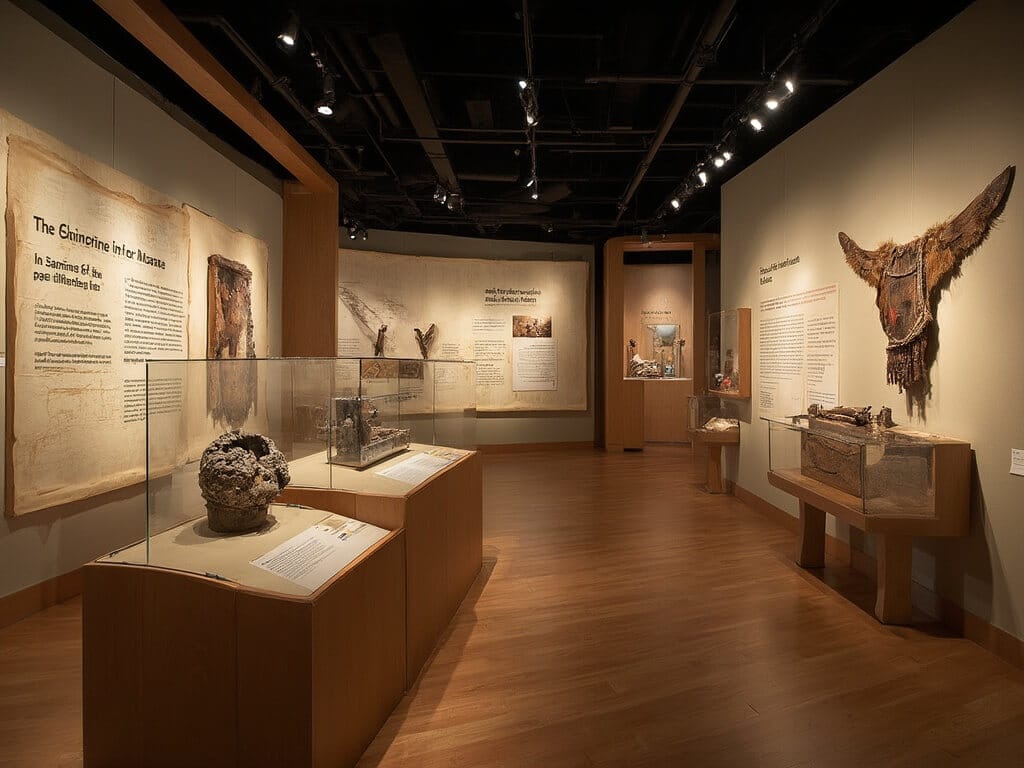
Understanding this context transforms how you experience the park. You’re not just watching wildlife. You’re witnessing the restoration of something culturally sacred.
What other wildlife you’ll actually see (and why it matters)
Bison are the headline act, but they’re not alone. The Wildlife Loop Road and surrounding areas host a diverse ecosystem that most visitors overlook.
Pronghorn antelope, burros, elk, bighorn sheep, mountain goats, prairie dogs, coyotes, and birds of prey like hawks and eagles all inhabit this space. The biodiversity here reflects what the Northern Great Plains looked like before industrial agriculture.
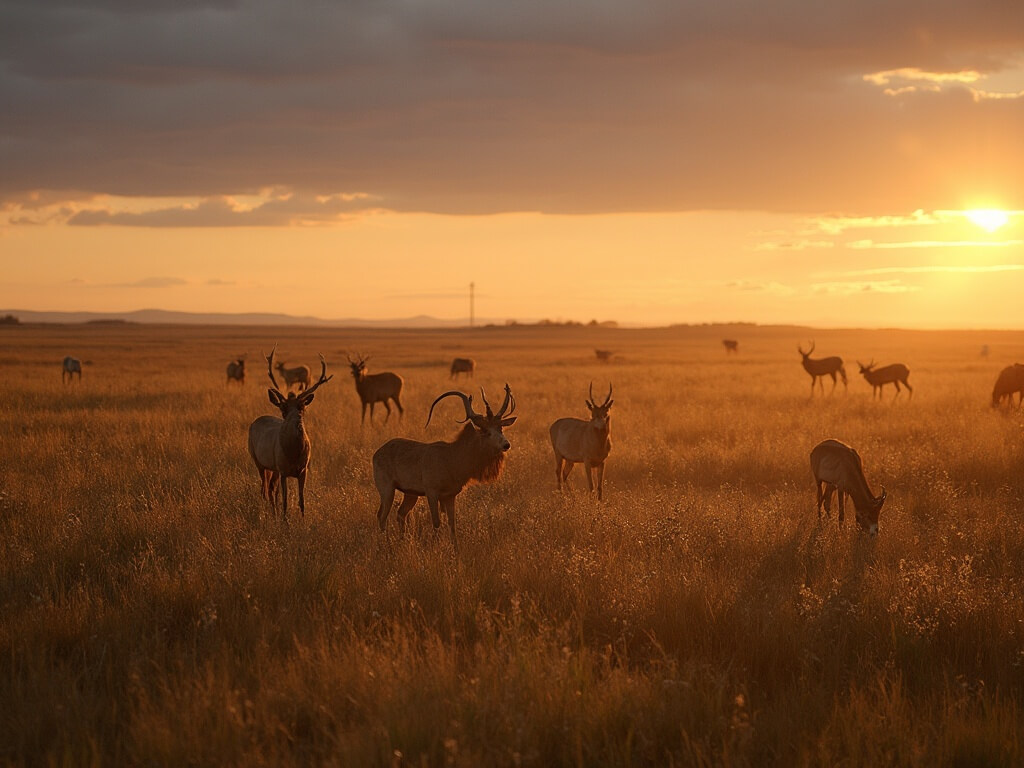
Respect the ecosystem: observe from designated overlooks and stay in your vehicle. That’s the difference between wildlife viewing and wildlife tourism.
How to plan your visit without wasting time or money
Arrive before sunrise.
The best wildlife viewing happens at dawn. Bring coffee, binoculars, and park at a southern pullout to watch the animals wake up.
Spend your first hour in one location.
Patience reveals more animal behaviour than constantly moving. Observe how bison interact when undisturbed.
Visit a Visitor Centre mid-morning.
The film and staff insights will improve your afternoon wildlife tracking. A small investment of time yields big results.
Return in the late afternoon.
Golden hour brings better light and fewer crowds. Perfect for photography and quieter observation.
Plan for a second day if possible.
Different days bring different sightings. Weather shifts wildlife behaviour. Your pass is valid for seven days—use it.
Photography tips that actually improve your images
Use a 200mm+ zoom lens for safe, respectful photography. Early morning and overcast skies offer the best light for capturing bison details.
Don’t just centre the animal—include landscape elements to tell a richer story. Focus on calves in spring for particularly compelling images.
Stay safe. Respect the animals. The best images come from ethical observation, not risk-taking.
What you should know about accessibility and park amenities
You can experience most of the park from your vehicle. Major overlooks are accessible, and restrooms are available at the Visitor Centre and Peter Norbeck Centre.
During the Buffalo Roundup in September, arrive early for parking. Bring water, snacks, and sun protection in summer; bring warm layers and full fuel in winter.
Maps are available at entrances and Visitor Centres—review them to plan your stops effectively.
The ongoing conversation about bison conservation and what it actually means
Bison conservation is a nuanced effort involving ecology, economics, and cultural history. The Custer State Park herd is a success story but is actively managed and bounded.
Indigenous-led conservation is rising, with tribes managing herds on tribal lands. This shift reflects a return to Indigenous stewardship, not just outside management.
Understanding these ongoing efforts adds depth to your visit. You’re not just observing animals—you’re engaging with complicated, living history.
When to visit based on what you actually want to experience
- Spring (April–May): Calving season, wildflowers, active animals.
- Summer (June–August): Long days, high crowds, great evening viewing.
- Autumn (September–October): Buffalo Roundup, golden light, fewer crowds.
- Winter (November–March): Quiet, snowy landscapes, excellent animal visibility.
Your choice should reflect your priorities—weather, behaviour, light, and crowds all vary by season.
The practical questions nobody asks but should
- Pets: Only allowed at pet-designated areas. Don’t let dogs roam.
- Breakdowns: Carry supplies; staff patrol regularly, but cell coverage is patchy.
- Guided tours: Available seasonally and offer expert insight.
- Park pass: $30 per vehicle for seven days. Buy online or at entrance stations.
- Camping: Requires reservations—book early in peak season.
- Fishing and hunting: Allowed under specific regulations.
What separates casual visitors from people who genuinely understand bison
Casual visitors take photos and leave. Engaged visitors return, talk to staff, watch films, and explore Indigenous perspectives.
Curiosity is the difference. When you shift from “seeing bison” to “understanding bison,” the park becomes a living ecosystem and cultural landscape.
This is why people return year after year—it’s not just about bison; it’s about ongoing education in conservation and history.
The bottom line for planning your actual visit
Show up early. Bring binoculars and a zoom lens. Stay in your vehicle. Talk to staff. Return in a different season. Learn about the cultural and ecological significance of what you’re seeing.
Custer State Park will show you wild bison—not maybe, but absolutely—if you approach it with patience, respect, and genuine curiosity.
You won’t just see a 2,000-pound animal. You’ll witness a rare, functioning ecosystem that still supports free-roaming top herbivores. That’s rare. That matters. That’s worth the effort.