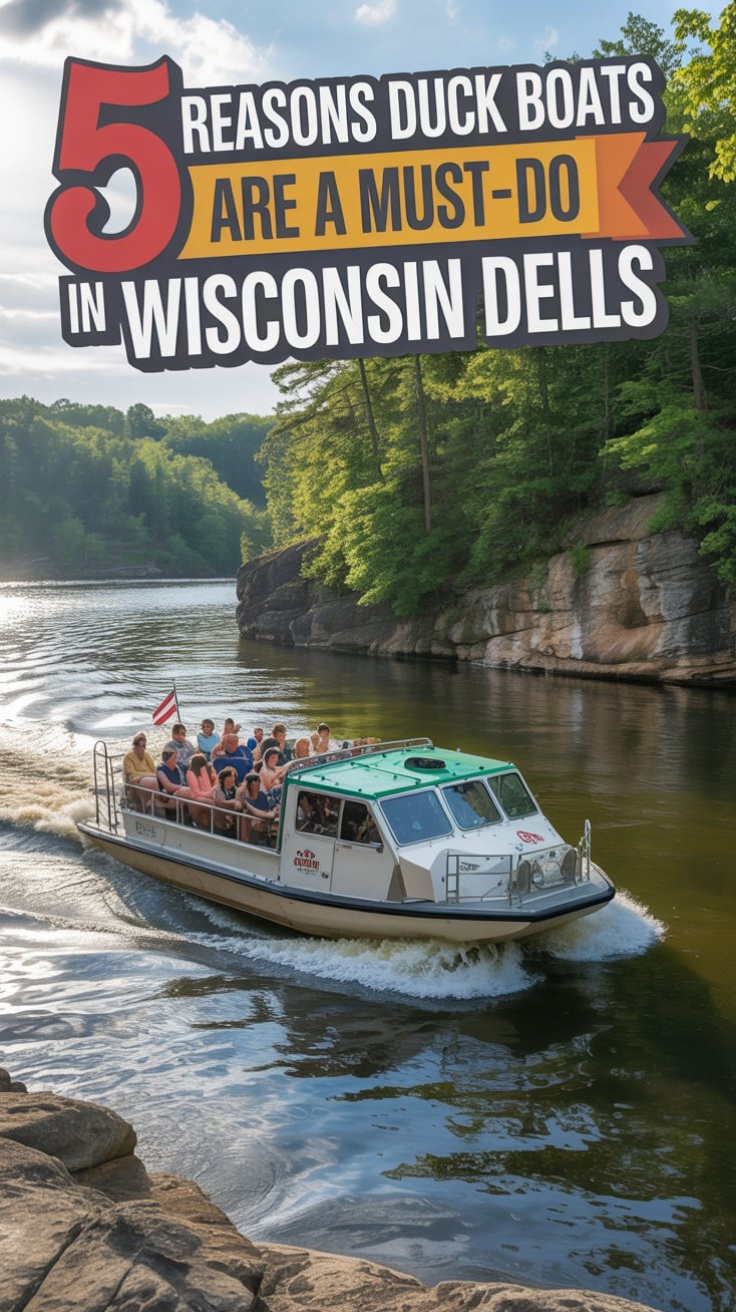
You’re standing at the edge of the Wisconsin River with your family.
The air smells like water and pine.
Your guide grins and says those magic words: “Hold on tight—we’re going in.”
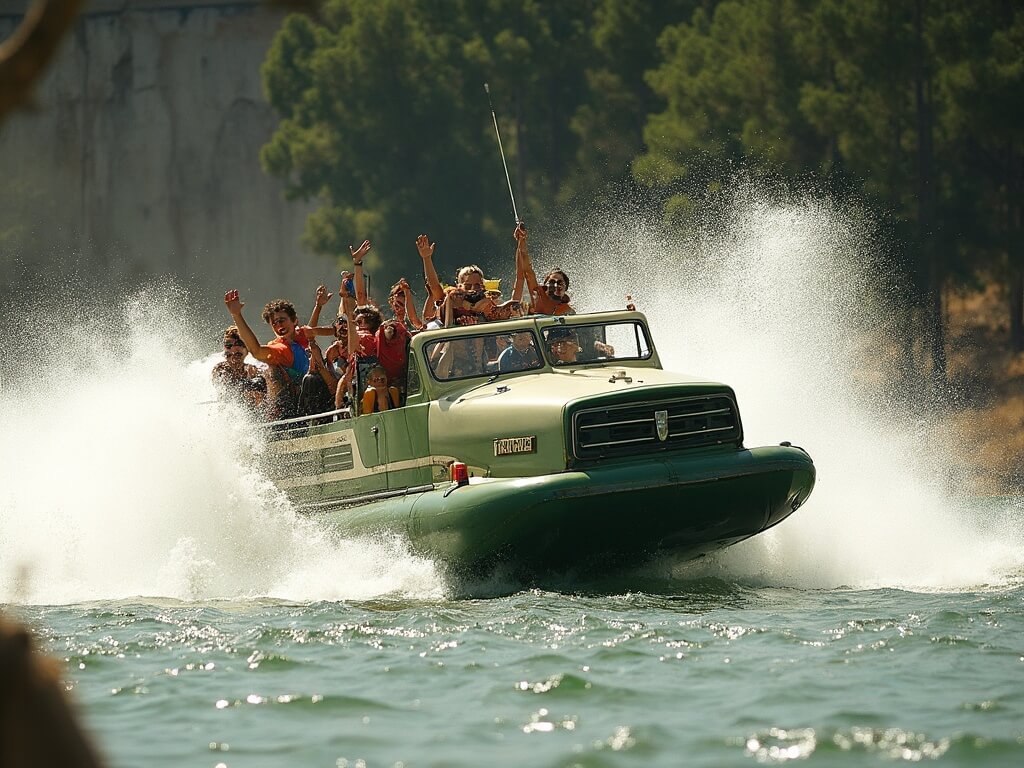
Within seconds, your vehicle—a massive, olive-green amphibious beast that once served in World War II—plunges into the river with a tremendous splash.
Your kids scream with delight.
The bench seats rattle beneath you.
And just like that, you’ve experienced what makes ride the Ducks in Wisconsin Dells one of those attractions that never gets old, no matter how many times you visit.
But here’s the thing: if you’re planning a Wisconsin Dells trip and haven’t looked into Duck tours yet, you’re missing something genuinely special.
Not just another tourist trap.
Something with real history, real character, and real magic baked into every mile.
What Exactly Is a Duck Tour (And Why Should You Care)?
Duck tours aren’t some new fad cooked up by marketers trying to squeeze more money from tourists.
They’re the real deal—a legacy attraction that’s been running continuously since 1946, when Wisconsin Dells became home to the world’s very first Duck tour operation.
That’s not hyperbole.
Wisconsin Dells didn’t just embrace this idea; they invented it.
The vehicles themselves are refurbished DUKW amphibious transports—the same military workhorses that ferried soldiers and supplies across treacherous terrain during World War II.
Someone brilliant had the idea to take these tough, durable machines and let ordinary people experience what made them legendary in combat zones.
The Ducks would travel on land.
Then seamlessly transition to water.
Then back to land again.
No fancy engineering tricks.
No gimmicks.
Just pure, straightforward engineering that works.
And it still works today, just as well as it did when Eisenhower was president.
What makes Duck tours different from every other boat tour you could take?
The amphibious part is only half the story.
The real draw is that you’re not confined to the water like you would be on a standard river cruise.
The tour takes you through wilderness trails that most visitors never see.
You’ll travel down exclusive paths carved through forests.
You’ll navigate narrow channels where your guide has to angle the Duck just right to squeeze through.
And then—the moment everyone lives for—you’ll hit a slope, accelerate toward the water, and make that signature splash down into the river or lake.
Your stomach drops.
Water sprays everywhere.
And you understand why families have been booking this same tour for nearly eighty years.
The Original Wisconsin Ducks: A Living Piece of History
When people talk about “the Duck tour” in Wisconsin Dells, they’re usually referring to Original Wisconsin Ducks.
Established in 1946, this is the granddaddy of them all.
The company that started it.
I remember visiting the Dells with my family in 2015, and our guide—an older gentleman named Frank—told me something I’ll never forget.
He’d been driving the green-and-white Ducks since 1982.
That’s over thirty years piloting the same route, the same vehicles, through the same landscapes.
When I asked if it ever got boring, he laughed and said, “Kid, every single tour is different because every group is different.”
He meant it too.
You could see it in how he pointed out landmarks, how he knew exactly where the bald eagles nested, how he adjusted his pacing based on whether families with young kids were on board.
Original Wisconsin Ducks operates daily tours covering an 8½ mile route that takes roughly 55 to 60 minutes.
The vehicles themselves are iconic—that distinctive olive-green and white colour scheme makes them instantly recognisable.
What’s remarkable is that despite competition from various rivals over the decades, Original Wisconsin Ducks remains the dominant player.
Other operations have come and gone.
This one stays.
There’s a reason for that longevity: they’ve built something people trust.
The route hasn’t changed dramatically because it doesn’t need to.
The geological formations that made the Dells stunning in 1946 are still there, still breathtaking.
The company runs set departure times throughout the day, which makes planning easier if you like knowing exactly when you’ll be boarding.
Season runs from mid-March through mid-November, so plan accordingly if you’re visiting during winter months.
Dells Army Ducks: The Serious Contender
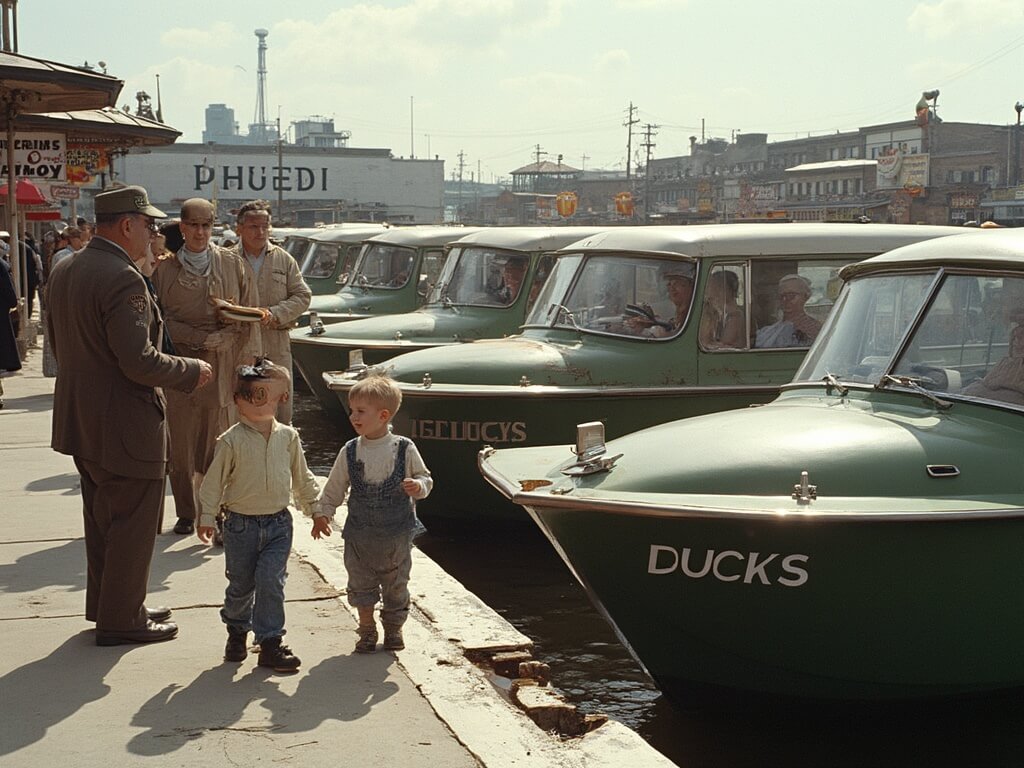
Then there’s Dells Army Ducks, the other major player in this space.
They’ve also been running tours for around eighty seasons—roughly the same vintage as the original operation, though they operate under a different brand.
Dells Army Ducks uses the same type of restored WWII military vehicles, so the core experience is nearly identical.
The main difference is their focus area: they concentrate specifically on the Lower Wisconsin Dells, whereas Original Wisconsin Ducks covers a broader territory including the river, lake sections, and those exclusive wilderness trails.
During peak season, Dells Army Ducks runs departures every 30 minutes.
That flexibility can be appealing if you don’t want to plan ahead or if you’re the spontaneous type.
The trade-off is price—they’re slightly more expensive per person than Original Wisconsin Ducks, though the difference isn’t enormous.
Both departure points sit close to downtown Wisconsin Dells, less than a mile apart, so convenience-wise you’re splitting hairs either way.
The real question isn’t which company is objectively better.
It’s which experience better matches what you’re looking for.
Want maximum flexibility and don’t mind paying a touch more? Dells Army Ducks.
Prefer the broadest possible tour experience and slightly lower prices? Original Wisconsin Ducks has your answer.
The Logistics: What You Actually Need to Know
Here’s the boring stuff that actually matters.
Tours last 55 to 60 minutes total.
That’s the full experience—not including wait times or photo opportunities afterward.
Seating is open-air bench seats.
There are no seatbelts.
This isn’t a safety concern for the amphibious transitions themselves; it’s just part of the heritage aesthetic.
But it means if you have very young children, you’ll want to keep a hand on them during the splashdowns.
Everyone gets a safety briefing before departure.
The season runs mid-March through mid-November.
Winter tours don’t happen, which makes sense—driving an open-air vehicle across frozen lakes and snowy terrain isn’t exactly tourist-friendly.
Both major companies operate continuously during this window, with more frequent departures during peak summer months (typically June through August) and less frequent scheduling in shoulder seasons.
Reservations are strongly recommended during peak summer, though walk-ins can sometimes squeeze onto tours during quieter times.
This is worth stressing: if you’re visiting in July or August, book ahead.
Don’t show up hoping to hop on the next tour and expect that to work out well.
The Dells draws crowds, and Duck tours draw a significant slice of those crowds.
What You’ll Actually See and Experience
The Wisconsin Dells landscape isn’t random scenery.
It’s geological storytelling written in sandstone.
During your tour, you’ll travel through the Wisconsin River, across Lake Delton, down Dell Creek, and through wilderness areas most tourists never access.
Your guide will explain how glaciers carved these formations thousands of years ago—how water and ice shaped the landscape you’re seeing today.
Some stops include:
- Red Bird Gorge — A narrow channel with towering sandstone walls.
- Roller Coaster Hill — Exactly what it sounds like; the Duck approaches it at speed and the terrain creates that signature dip in your stomach.
- Grotto Island — A scenic stopping point where the geological formations really showcase themselves.
- Twin Ink Stands — Twin rock formations that supposedly resemble inkwells (use your imagination here).
- Sugar Bowl — Another landmark named for its distinctive shape.
- Lone Rock — Exactly what you’d expect.
The highlight moment for most riders is the splashdown—that moment when the Duck accelerates toward the water’s edge and plunges in.
It’s theatrical.
It’s thrilling.
It’s precisely why families book this tour year after year.
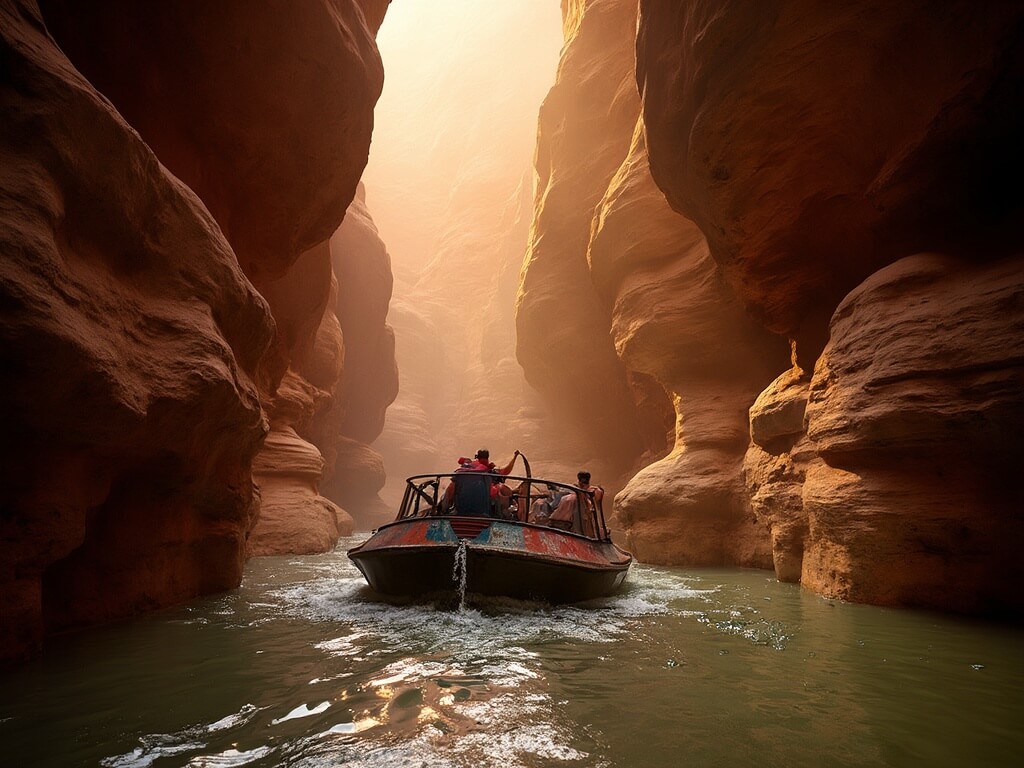
The commentary during the tour adds educational value without feeling like a lecture.
You’ll learn about the area’s geological history, some local wildlife facts, and occasionally tidbits about the WWII heritage of the vehicles themselves.
It’s not a university geology course; it’s more like chatting with someone who knows their stuff and actually enjoys sharing it.
Most guides strike that balance well.
Why Families Keep Coming Back
Duck tours appeal across age ranges in a way that most attractions don’t.
Young kids love the splashdown.
Teenagers appreciate the quirky historical angle.
Adults enjoy the scenic boat tour elements combined with the novelty factor.
Grandparents get that nostalgic kick from experiencing something that operated during their childhood.
The atmosphere is genuinely family-friendly without feeling sterile or overly corporate.
Photo opportunities are abundant.
The vehicles have good sightlines from every seat.
Onboard photographers capture moments during the tour, and you can purchase prints afterward if you want.
Snack stands operate near the loading areas, so you can grab drinks or light refreshments before or after your tour.
It’s well-thought-out logistics.
The companies have been doing this for nearly eighty years—they understand what visitors need.
The accessibility factor matters too.
While the open-air bench seating isn’t ideal for everyone, it’s far more accessible than many outdoor attractions.
If you have mobility concerns, ask staff about specific seating arrangements when you arrive.
Most groups can accommodate various needs with a bit of advance notice.
The affordability is another draw.
Duck tours aren’t expensive relative to other Wisconsin Dells attractions or compared to equivalent tour experiences in other tourist destinations.
For a family of four, you’re typically looking at a reasonable investment that delivers genuine entertainment and education.
Here’s the real test of any attraction: do people return?
Original Wisconsin Ducks has operated continuously for nearly eighty years.
People return.
Multiple times.
That’s not luck.
That’s proof of concept.
The experience delivers what it promises, year after year after year.
Now, before you grab your wallet and head to the ticket booth, there are some practical realities worth understanding about who this tour is perfect for and who might want to consider alternatives.
Looking to explore other great family adventures?
Check out how to spend a day at Mall of America or take a ride on the exhilarating Great Smoky Mountains alpine coaster.
The Reality Check: When Duck Tours Might Not Be Your Thing
Let’s be honest.
Not every attraction works for every person.
Duck tours are thrilling for most families, but there are legitimate considerations worth addressing before you book.
Weather is the biggest wildcard.
These tours operate rain or shine—literally.
That open-air seating means you’re exposed to whatever Mother Nature decides to throw at you.
Summer thunderstorm rolling through? Tour still runs unless lightning creates a genuine safety hazard. Cold October rain? You’re getting wet.
The companies provide weather briefings and typically don’t charge if conditions become genuinely dangerous, but you need to bring appropriate gear.
Jackets, rain ponchos, sunscreen—these aren’t optional accessories; they’re necessities.
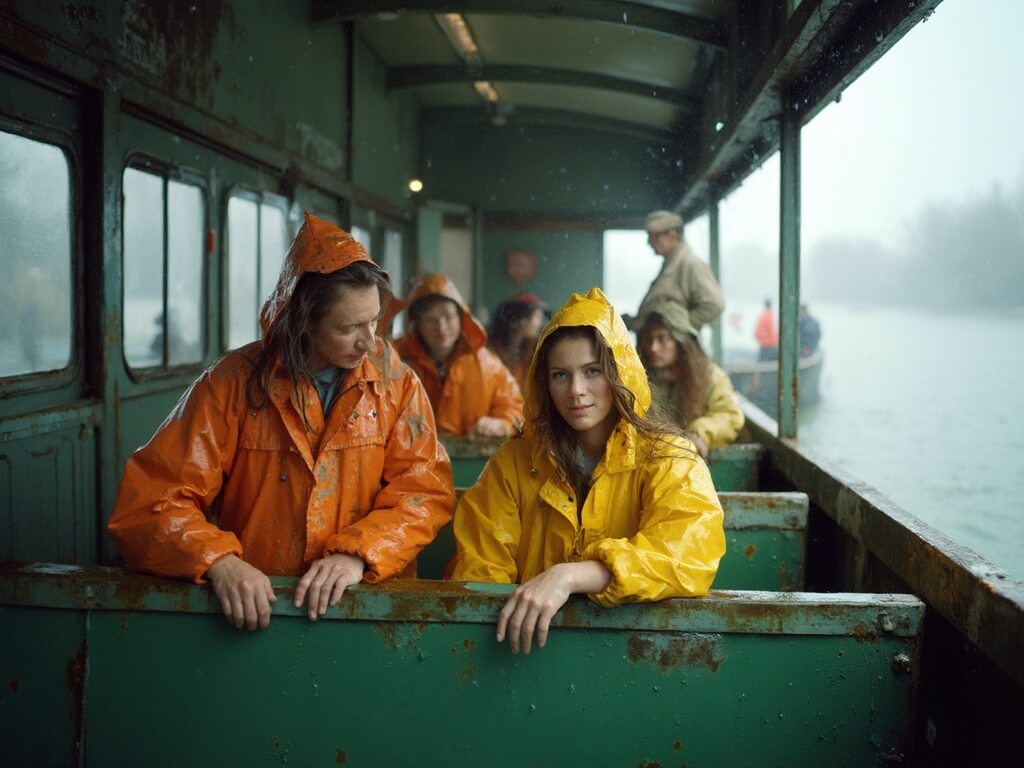
My cousin visited the Dells in early April expecting mild spring weather. She booked a Duck tour without checking the forecast. That morning brought cold rain and wind that made the bench seating feel like sitting in a freezer. She finished the tour soaked and miserable, despite the guide’s best efforts to keep spirits high. Was it the tour’s fault? No. Was she prepared? Absolutely not.
Don’t be my cousin.
Check the weather. Dress appropriately.
The splashdown experience loses its charm if you’re shivering and resentful.
Bench seating comfort is another consideration.
These aren’t cushioned theater seats. They’re industrial benches designed for function, not luxury. If you have back problems or need substantial padding for comfort, you might find a full 55-to-60-minute tour somewhat uncomfortable.
Large tour groups create a different dynamic than smaller experiences.
Both major companies run these tours regularly throughout the day. That means you could be sharing your Duck with forty other people. Some folks love that energy. Others find it overwhelming.
If you prefer intimate, personalized tour experiences, a large-group Duck tour might disappoint.
The commentary can feel repetitive if you’ve done the tour before.
Since guides follow established routes and hit the same landmarks daily, the interpretive information gets fairly standardized. But the core script doesn’t change dramatically.
The splashdown never gets old, though. That part is consistently thrilling regardless of how many times you’ve experienced it.
The Geological Story Behind the Dells: Why This Landscape Matters
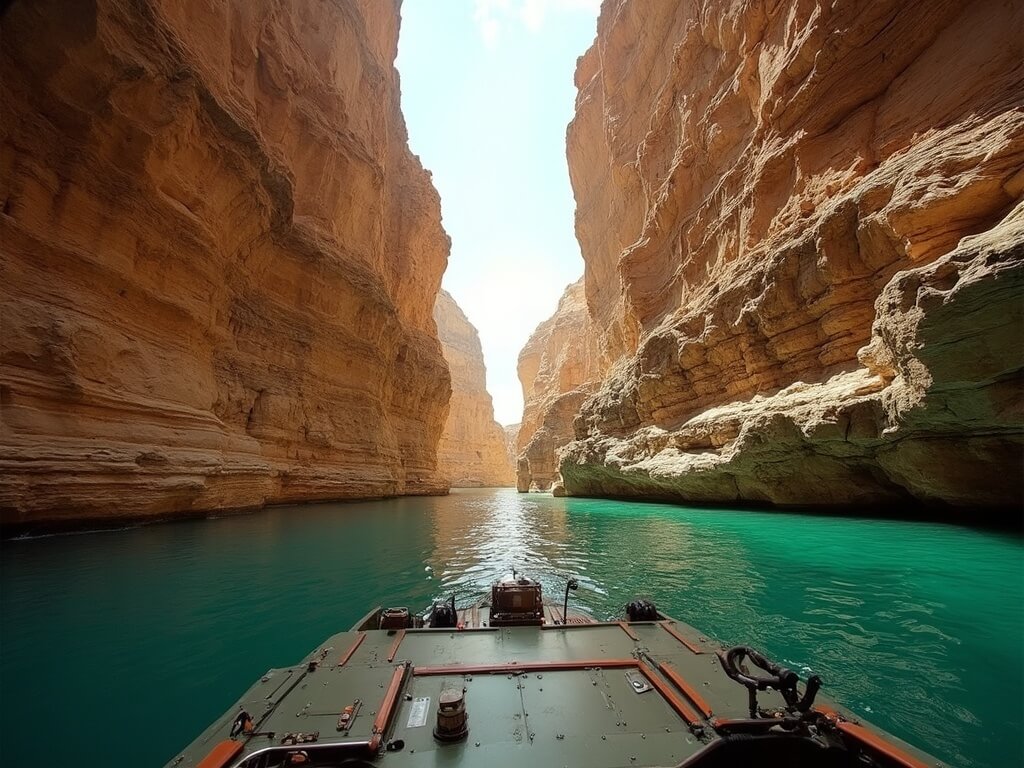
Wisconsin Dells isn’t just pretty scenery by accident—it’s a geological textbook carved by ancient forces over millennia. Massive glaciers and melting torrents carved gorges and formations into Cambrian sandstone that’s hundreds of millions of years old.
Your Duck tour travels through a landscape that tells a story spanning deep time.
This educational angle makes Wisconsin Duck Tours more than just thrill rides. Kids learn without noticing, and older visitors appreciate the geological backstory.
Some trails and river sections are exclusive to Duck vehicles, preserving them from overuse and offering controlled access. It’s subtle environmental stewardship that’s worth acknowledging.
The WWII Vehicle Heritage: More Than Just Transportation
You’re not simply boarding a novelty vessel.
You’re climbing into a real DUKW—an amphibious WWII military vehicle. These were used to ferry troops, supplies, and wounded across rivers and combat zones.
The engineering that made them war-proven also makes them perfect for rugged tourism routes.
Since 1946, Original Wisconsin Ducks has repurposed these vehicles for peacetime fun. That’s clever entrepreneurship with historical depth.
Guides give fascinating background on the vehicles’ history and combat roles. Veterans may feel nostalgic; kids learn tangible history outside a classroom.
Vehicles are regularly inspected and retrofitted to meet modern safety and environmental standards. They’re old but reliable, safe, and legally compliant.
Peak Season Versus Off-Season: When to Actually Go
Peak season (June–August) brings massive crowds, higher prices, and longer waits. But you’ll also find the most frequent departures and full-service operations.
Shoulder seasons (May, September) offer the best balance—fewer crowds and favorable weather.
Early spring and late fall can be hit or miss due to weather unpredictability and limited schedules.
Winter? Duck tours don’t run. Period.
What Sets Original Wisconsin Ducks Apart From the Competition
With nearly 80 years in operation, Original Wisconsin Ducks leads the pack for good reason. Their route is the most comprehensive, covering river, lake, and wilderness trails other companies can’t access.
Brand recognition, competitive pricing, and consistently positive reviews build trust. Their approach is stable and authentic—not constantly chasing tourist trends.
Dells Army Ducks: A Legitimate Alternative Worth Considering
Dells Army Ducks focuses more tightly on the Lower Dells. This appeals to some visitors who prefer focused exploration over broad coverage.
They offer more frequent departures during peak season, which benefits spontaneous travelers. Reviews are generally comparable to Original Ducks.
Choose based on logistics: prefer booking in advance? Go with Original Wisconsin Ducks. Need flexibility? Dells Army Ducks might suit you better.
The Safety Question: Addressing the Legitimate Concerns
National incidents have raised questions about Duck boat safety. But Wisconsin Dells operators maintain strong safety records, rigorous maintenance, and sensible protocols.
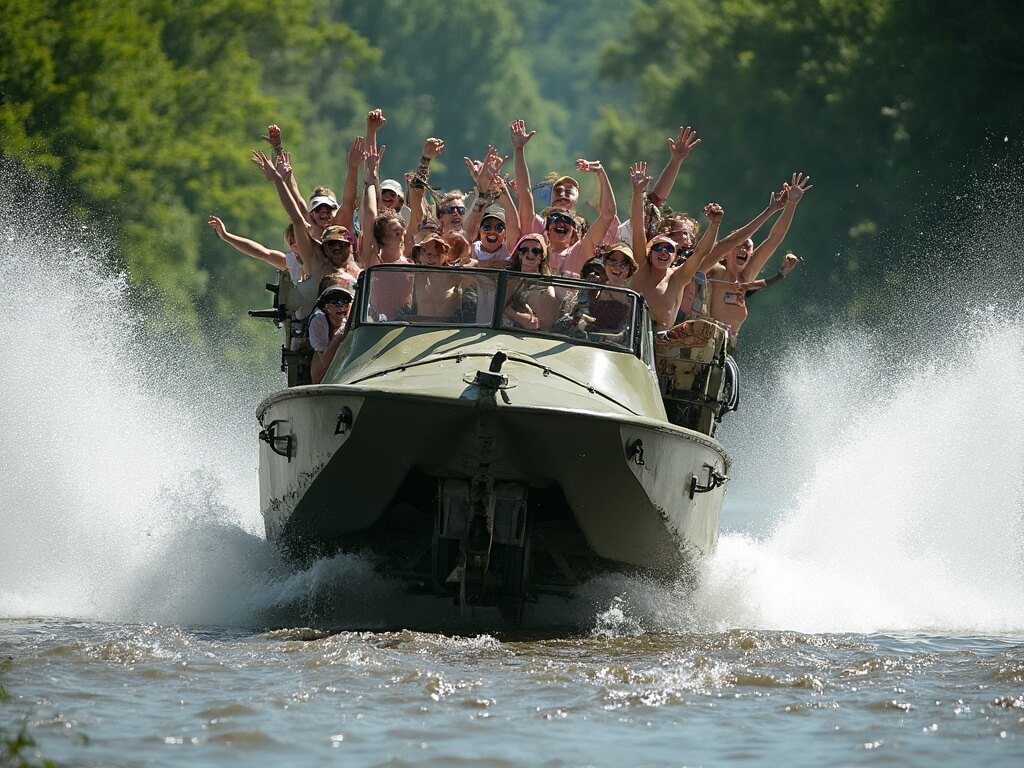
All tours include safety briefings. Vehicles are maintained meticulously. The Dells’ operators haven’t had major incidents, which speaks to operational quality.
The Photo Opportunity Reality: What’s Actually Worth Your Money
Onboard photos are available after the tour—but they’re not must-buys unless you specifically want a professional group shot.
Use your smartphone for personalized, candid shots during the ride. Save your money for meals or other attractions instead.
Accessibility and Special Accommodations: What You Should Know
Duck tours offer moderate accessibility—step climbing is required. Bench seating lacks support. Dress for weather, and bring sun or cold protection.
Service animals are allowed; pets and emotional support animals are not.
If you need accommodations, contact the tour company in advance. They’re more than willing to help—with notice.
The Seasonal Experience: How the Dells Change Throughout the Operating Year
Spring means rising waters, chilly days, and greening vegetation.
Summer brings lush scenery, warm weather, and big crowds.
Fall showcases colorful foliage and lower crowd levels, particularly in September and October.
First-timers can go anytime. Repeat visitors enjoy shoulder seasons best for balanced experiences.
Combining Duck Tours With Other Dells Attractions: Creating Your Itinerary
Wisconsin Dells is packed with water parks, dining, and outdoor adventures.
Duck tours fit easily into a morning or early afternoon slot. Consider bundling tickets with other attractions for discounts.
A balanced day might include:
- Morning: Duck tour
- Lunch: Downtown Dells restaurant
- Afternoon: Water park or adventure course
- Evening: Dinner, show, or shopping
What Recent Visitors Are Actually Saying: Beyond the Marketing
Reviews highlight the thrill of splashdowns, engaging guides, and a family-friendly vibe. Criticisms focus on peak crowding and comfort issues.
Bottom line: if you manage expectations, you’ll enjoy it. It’s not luxury—it’s classic, energetic fun.
Future Evolution: What’s Coming for Wisconsin Dells Duck Tours
Environmental upgrades, tech enhancements, and accessibility improvements are the likely future. But the core experience—WWII vehicles, splashdowns, scenic geology—will remain intact.
The Practical Planning Guide: Booking Your Duck Tour
Timeline:
- 3–6 months out: start browsing Wisconsin Duck Tours for schedules.
- 1–2 months out: book for peak season.
- 1 week out: check forecast and pack accordingly.
- Day of: arrive 30 minutes early.
Bring: sunscreen, jacket, camera, water bottle, towel, cash tips.
Avoid: loose items, pets (except service animals), unrealistic expectations.
Why Locals Still Take Duck Tours: The Insider Perspective
Locals ride Duck tours too—because even familiar landscapes reveal new details. Each guide tells a story differently, and the geology never stops impressing.
One local summed it up: “Every time I go, I notice something different.” That’s the mark of a high-quality attraction.
Making Your Decision: A Final Framework
Ask yourself:
- Do I have 75 minutes for a scenic, splashy ride?
- Will I mind getting a bit wet?
- Can I handle open-air weather exposure?
- Am I curious about geology or history?
- Am I traveling with adventure-loving kids?
If yes, don’t miss out. Duck tours offer a unique blend of natural wonder, history, and fun in a format that hasn’t needed to change in 79 years.
The Bottom Line: Why Duck Tours Matter Beyond Just Tourism
Duck tours are authentic, enduring, and irreplaceable.
They symbolize a rare kind of attraction that sticks to what works because what works is genuinely loved. They’re not gimmicks—they’re traditions.
From WWII vehicle history to sandstone geology and splashdown thrills, this is an experience unlike anything else.
Ride the Ducks, embrace the weather, and enjoy a real piece of Wisconsin Dells heritage.
Explore More Adventures
- Take a Lighthouse Tour in Maine
- Drive the Hana Highway in Maui
- Walk the Beaches of the Oregon Coast
- Hike to Delicate Arch in Arches National Park
- Visit the National Civil Rights Museum in Memphis