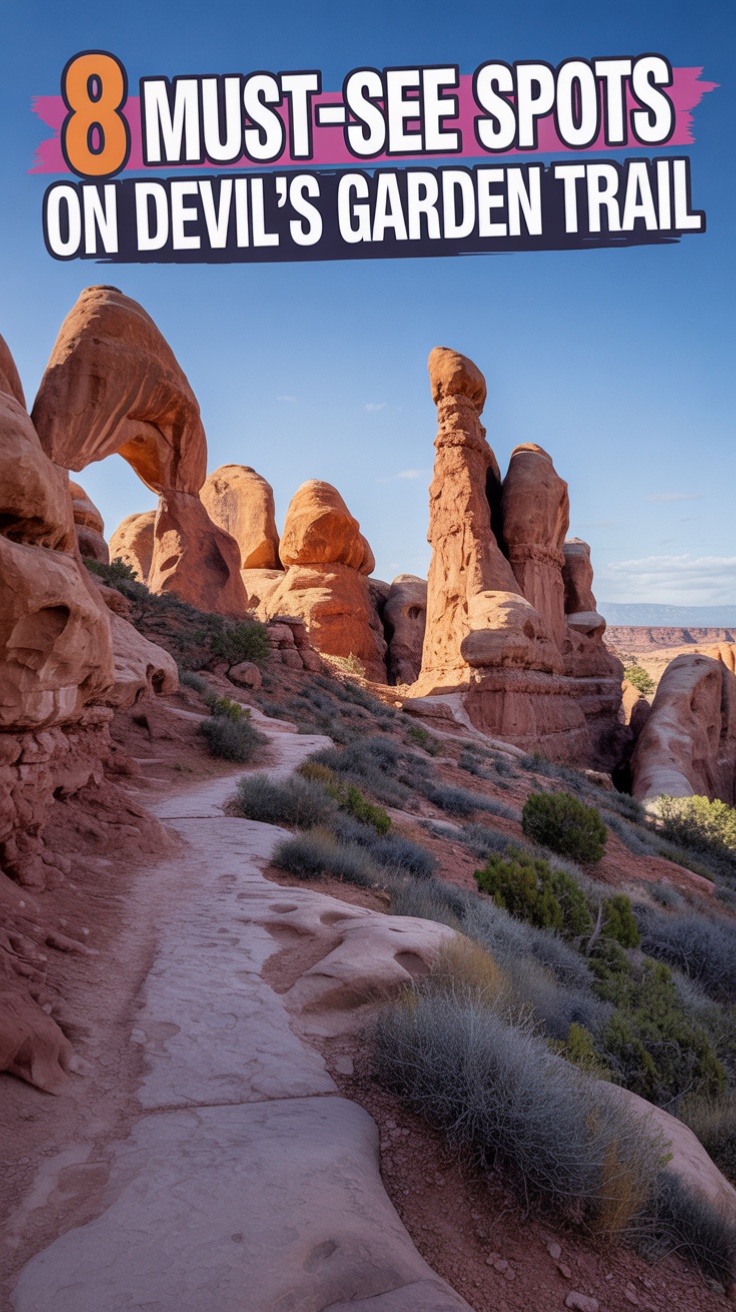
You’re stood at the trailhead on a crisp morning, coffee still warm in your thermos, and suddenly you realise: the Devil’s Garden Trail in Arches National Park isn’t just another hike.
It’s the most visited trail in one of America’s most stunning national parks, and that matters more than you think.
Most people approach this hike with a vague plan and hope for the best.
They arrive mid-morning to find the carpark full.
They underestimate the sun.
They don’t realise the trail offers genuine flexibility—from casual 1.6-mile family walks to serious 8-mile loop adventures—and this choice makes all the difference.
I learned this the hard way on my second visit to Arches.
During my first attempt, I’d shown up around 10 am on a spring Saturday without a reservation, assuming a massive carpark would mean easy access.
I circled for twenty minutes before finding a spot on the far edge.
By the time I’d walked to the trailhead proper, I’d already burned energy I’d need later.
The trail was choked with hikers.
On my return visit months later, I arrived at 6:45 am.
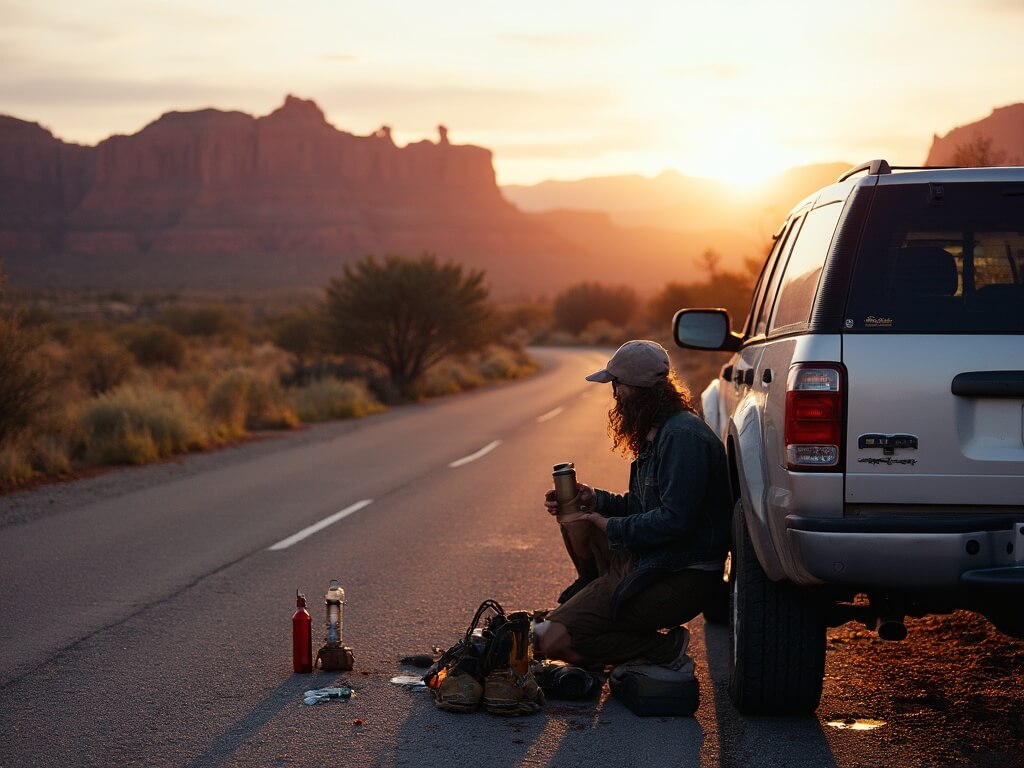
The carpark was half-empty.
The trail felt like mine alone for the first two hours.
This single decision transformed the entire experience.
The Devil’s Garden Trail isn’t complicated—but understanding its structure beforehand separates a mediocre day from an unforgettable one.
Why the Devil’s Garden Trail Matters More Than Other Hikes in Utah
Here’s what makes this trail different from dozens of other options across Utah’s national parks:
The concentration of natural arches packed into a single trail system is genuinely rare.
You’re not hiking to one destination and calling it a day.
You’re moving through a gallery of geological masterpieces, each one distinct.
Tunnel Arch appears first, modest but photogenic.
Pine Tree Arch follows, living up to its name with juniper nearby.
Then comes Landscape Arch—the longest natural arch in North America at 306 feet—which most casual hikers reach and stop, satisfied.
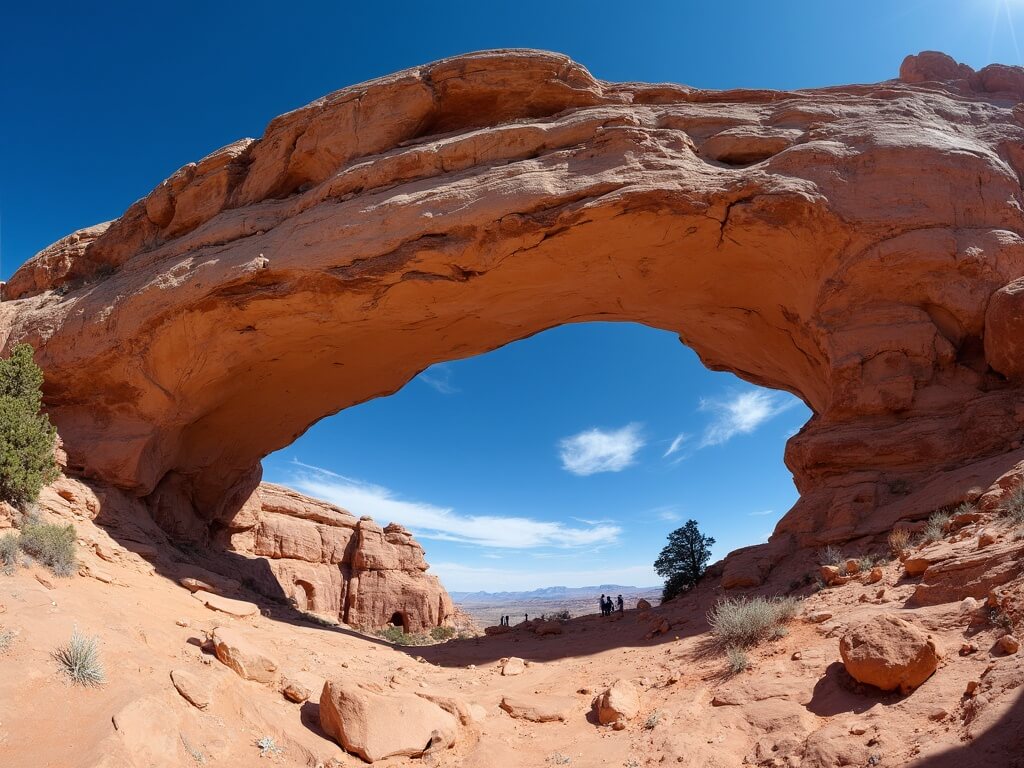
But the trail keeps rewarding you if you continue.
Double O Arch, Dark Angel, the Primitive Loop’s hidden features.
The trail structure lets you choose your own endpoint, which sounds simple but changes everything about how you experience the hike.
Want a gentle introduction to desert hiking?
Stop at Landscape Arch (1.6 to 1.9 miles roundtrip, mostly flat).
Ready for genuine challenge?
Push to Double O Arch or tackle the Primitive Loop.
This flexibility is why Arches officials consistently rank Devil’s Garden as their premier trail.
It’s not gatekeeping or marketing speak—it’s built into the terrain itself.
The Practical Reality: What You Actually Need to Know Before You Start
The bare numbers:
The full loop runs 7.8 to 8.0 miles with elevation gain between 286 and 1,100 feet depending on your exact route.
Most hikers complete it in 3 to 5 hours.
The trailhead sits at the end of the Arches Scenic Drive, about 18 miles from the Visitor Centre.
There’s a substantial carpark with restrooms, picnic tables, and potable water.
The critical bit you need to hear:
Parking fills. Not sometimes. Regularly.
The NPS now requires advanced vehicle reservations during peak seasons (spring and autumn).
Check their website before booking your trip.
Seriously.
I’ve known hikers who drove three hours only to find the lot closed to new arrivals.
The America the Beautiful Annual Pass works here, or you’ll pay a day-use fee.
What to bring—the non-negotiable list:
- Sturdy hiking shoes with good grip (you’ll encounter slickrock and sandy sections that demand traction).
- More water than you think you need (especially if you’re hiking May through September—the desert heat is relentless).
- Sun protection: hat, sunscreen, sunglasses.
- Navigation aids if you’re considering the Primitive Loop (a map, GPS, or a reliable offline trail app like AllTrails).
- Snacks and layers (weather changes fast, even in the desert).
The trail offers almost no shade.
This isn’t a minor detail; it’s the single biggest factor that determines whether your hike feels enjoyable or punishing.
Understanding the Trail Structure: Four Different Hikes, One Trailhead
Here’s where most guides fail: they treat the Devil’s Garden Trail as one monolithic experience.
It’s not.
Think of it as a branching system where you choose how deep to go.
The Family Starter (1.6–1.9 miles roundtrip, 30–60 minutes):
Out-and-back to Landscape Arch works for nearly everyone.
The path is graded and mostly flat.
Tunnel Arch appears on a short spur early on.
Pine Tree Arch follows.
Then Landscape Arch itself—you can’t miss it.
The sheer scale hits differently in person.
At 306 feet across, it dwarfs the smaller formations you’ve seen.
Recently, significant rockfalls have occurred here (portions of the arch collapsed in 2008 and 2020).
The NPS sometimes closes sections.
Check their updates before arriving.
Multiple viewing points around the arch let you find good angles for photography without crowding others.
Most families stop here and reverse their steps.
Nothing wrong with that.
You’ve seen one of North America’s most famous natural arches.
The Intermediate Loop (4–5 miles, 2–3 hours):
Continue past Landscape Arch, and the trail becomes noticeably more demanding.
The surface changes: sandstone fins appear, sections get steeper, rock scrambling becomes necessary.
You’ll reach a spur toward Navajo and Partition Arches (mild scrambling required).
This viewpoint offers perspectives you can’t get from the main trail.
The rock formations here create natural windows and frames—photographers love this section.
Keep moving and you’ll arrive at Double O Arch, the iconic dual arches that look exactly like their name suggests.
This marks a natural turnaround point for many hikers.
The landscape around Double O is dramatic: exposed sandstone fins, scattered juniper, vistas opening across the desert.
The Full Loop Experience (7.8–8.0 miles, 3–5 hours):
Pushing to the far end and looping back via the main trail takes most hikers into moderate-to-strenuous territory.
You’ll encounter Black Arch overlook.
You’ll see Dark Angel, a 150-foot sandstone spire that appears near the loop’s far extent.
The Primitive Trail begins here, offering an optional return route.
The Advanced Challenge: The Primitive Loop (full loop via Primitive Trail, 7.8+ miles, 4–6 hours):
This route abandons the main trail after Double O Arch and returns via the Primitive Loop.
It’s rougher, less marked, requires solid navigation skills, and attracts fewer crowds.
The reward is solitude and additional natural features, including Private Arch.
Getting lost is a genuine possibility if you’re not careful or equipped with navigation tools.
The terrain includes more rock scrambling and sections where the path isn’t obvious.
The Gear Question: Overpacking vs Underpacking in Desert Heat
I’ve watched people make both mistakes on this trail.
Some arrive with full mountaineering rigs for what’s essentially a day hike in managed terrain.
Others show up in street shoes with a single water bottle.
The middle ground matters.
Footwear:
You need hiking shoes with genuine grip.
The slickrock sections (exposed sandstone that looks like it’s been polished) are deceptive.
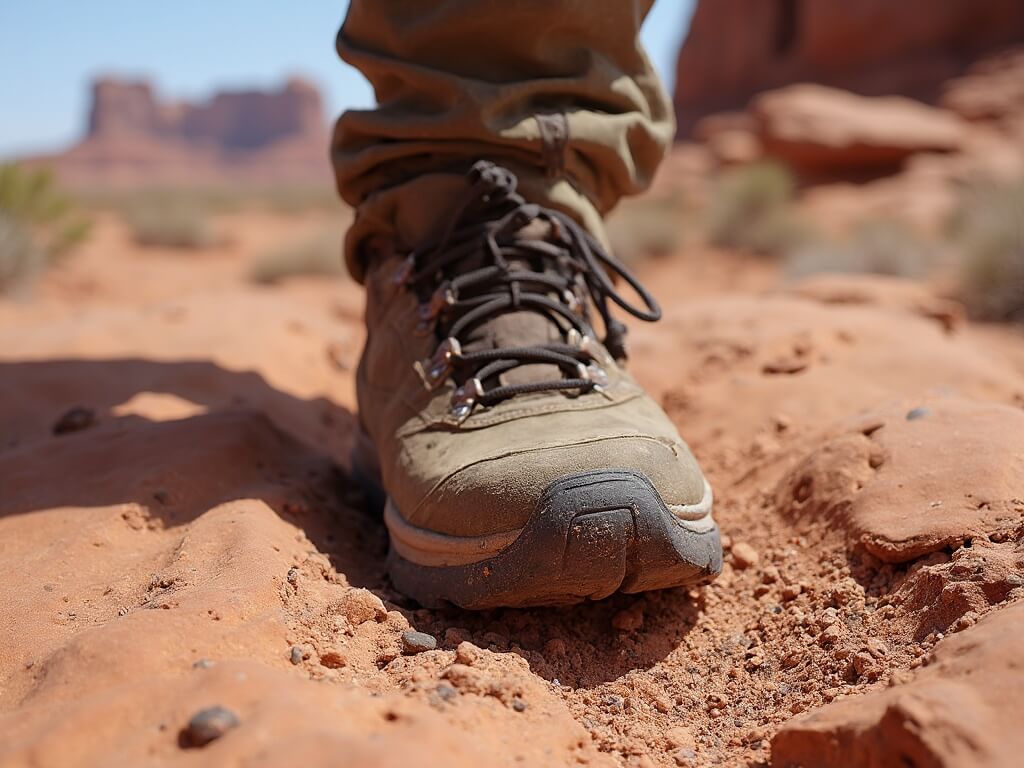
They look stable but become genuinely slippery when your shoe rubber isn’t designed for it.
I’ve seen people in trainers or light hiking shoes lose their footing on otherwise gentle slopes.
It’s not about reaching the summit; it’s about safety on exposed sections where a slip means injury.
Water:
People chronically underestimate this.
Carry at least 2 litres, ideally 2.5 or 3 if you’re hiking during summer months.
There are no water sources on the trail itself.
The desert absorbs fluids from your body aggressively.
You won’t feel thirsty until dehydration is advanced.
By then, you’re already compromised.
Sun protection:
The reflection off pale sandstone intensifies UV exposure.
Your face, neck, and ears burn faster than they would on a forested trail.
Use strong sunscreen (SPF 30 minimum, reapply every two hours), wear a hat with a brim that actually shades your face, and consider a lightweight long-sleeve shirt designed for hiking.
It sounds counterintuitive in the heat, but the fabric actually reduces overall heat absorption.
Timing, Crowds, and the Parking Reality You Can’t Ignore
Let me be direct: when you arrive matters more than almost anything else.
The NPS data on Arches visitation shows clear patterns.
Spring (March–May) and autumn (September–November) see peak traffic.
Summer (June–August) is hot but less crowded.
Winter (December–February) is quiet but potentially icy on north-facing sections.
Within any given day, early arrival is non-negotiable during peak seasons.
The carpark opens at dawn.
Arriving by 7 am gives you reasonable chances of securing a spot and enjoying the trail without constant human contact.
By 9 am, you’re competing with everyone else.
By 11 am, many days see the lot completely full.
Advanced reservations changed this game significantly.
If you’re visiting during peak season, reserve your vehicle ahead.
If you’re flexible and can travel shoulder seasons or weekdays, you’ll find the trail far more enjoyable.
The crowds aren’t just an aesthetic issue—they affect the fragile environment underfoot.
Conservation Isn’t Optional: Why Your Behaviour Matters Here
Arches exists in a genuinely delicate ecological state.
The sandstone formations that make this place spectacular are also extremely vulnerable.
Walking off-trail damages cryptobiotic soil—a living crust of bacteria, algae, and lichen that stabilises the desert ground and fixes nitrogen into the soil.
This crust grows millimetres per year.
Your single off-trail step can take decades to recover from.
The arches themselves attract climbers and people who want to touch or photograph themselves against the formations.
This damage is permanent.
Rock that’s been handled by thousands of sweaty hands shows visibly accelerated weathering.
Climbing on arches isn’t technically prohibited (some areas aren’t directly restricted), but it causes genuine harm to irreplaceable geology.
The NPS asks you not to do it.
Honour that request.
Carry out everything you bring in, including snack wrappers and the organic waste you assume will decompose quickly.
In the desert, nothing decomposes quickly.
Stay on marked trails.
Bring a small bag for your rubbish.
These aren’t suggestions; they’re requirements if we want this place to exist as it is for future generations.
The logistical planning required to hike the Devil’s Garden Trail properly—the reservations, the early start, the gear selection—might feel tedious before you arrive.
But this friction is actually the point.
It protects what makes the trail worth visiting in the first place.
—
If you’re looking for other iconic hikes in Arches, check out our guide on the Delicate Arch trail experience.
Or, if exploring scenic drives is your thing, don’t miss our tips on how to drive the Hana Highway in Maui like a pro.
The Photography Question: Why Light Matters More Than Your Camera
Most people show up with whatever camera they have—phone, mirrorless, DSLR—and assume the arches will photograph themselves.
They won’t.
The Devil’s Garden Trail offers extraordinary photographic opportunities, but timing and position determine whether your images work or look flat and washed out.
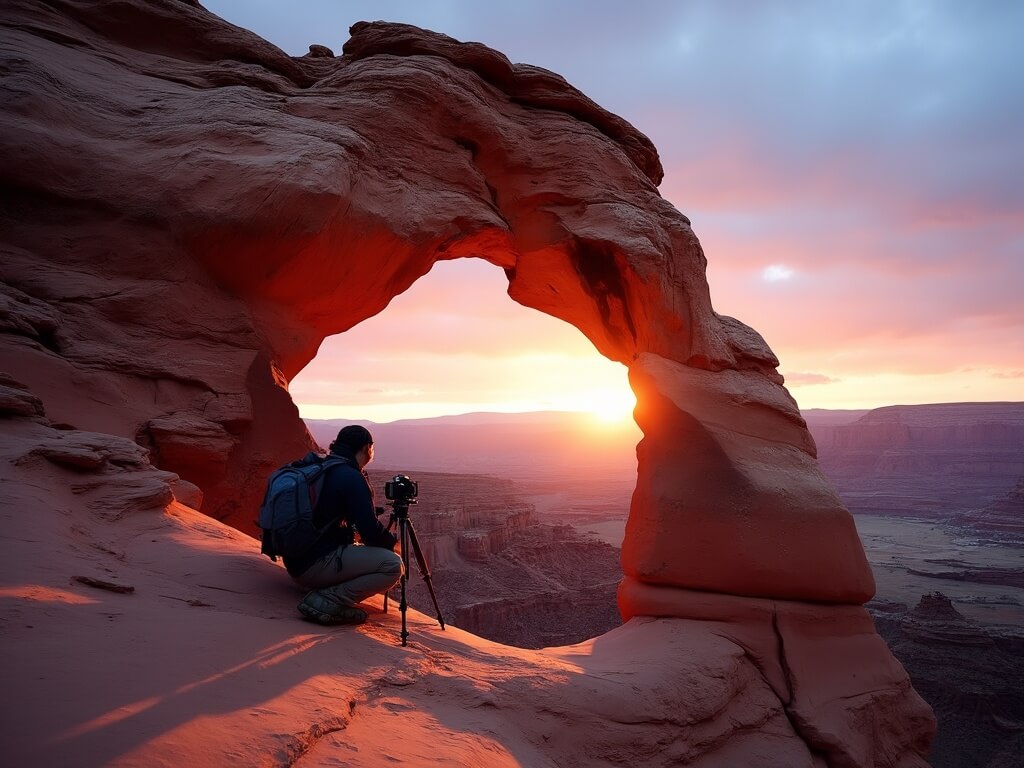
Light quality in the desert follows predictable patterns that most photographers ignore until they’ve wasted a full day shooting in harsh midday sun.
The magic window happens between sunrise and two hours after, then again from two hours before sunset until dusk.
During these periods, the sun sits lower in the sky, casting shadows that reveal texture and form in the sandstone.
The same arch photographed at noon looks pale and dimensionless. Photographed during golden hour, it becomes three-dimensional and dramatic.
**The positioning element matters equally:**
Multiple viewpoints exist around most major formations. Landscape Arch can be photographed head-on from the trail, but if you walk left or right, you find angles that isolate the arch against clear sky or frame it with secondary formations.
Double O Arch photographs best from the northwest, where the dual openings separate clearly against the background.
Navajo and Partition Arches require scrambling to reach optimal viewpoints, but the effort yields perspectives you won’t get from the main trail.
For more tips on capturing the best images, check out this complete Devils Garden Trail hiking guide.
The practical photography checklist:
- Plan to start hiking 45 minutes before sunrise
- Bring a small tripod—especially lightweight ones for phones
- Scout positions on your initial pass if time permits
- Use HDR or exposure bracketing to handle contrast
- Bring a polarising filter to enhance sky and rock color
Wildlife, Flora, and the Hidden Natural Elements Most Hikers Miss
The Devil’s Garden Trail gains attention for its arches, but the surrounding ecosystem deserves equal consideration.
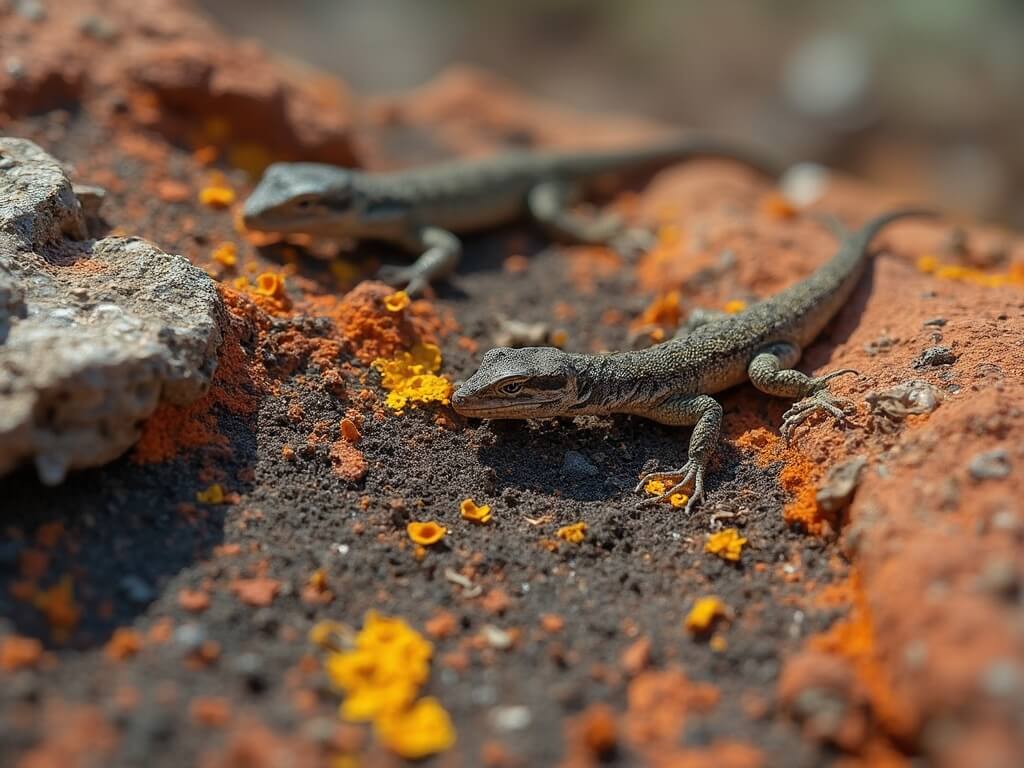
The high desert environment supports species and plant life specifically adapted to extreme conditions—heat, cold, drought, intense UV.
Vegetation includes hardy junipers, collared lizards, and occasional bighorn sheep if you’re hiking early and quietly in autumn.
Cryptobiotic soil forms communities of cyanobacteria and algae that sustain the desert food chain.
Look for bright orange, grey, and yellow lichens—bioindicators that reflect environmental health.
The Primitive Loop Decision: Should You Actually Take It?
The Primitive Loop represents a fork in the path—literally and philosophically.
After reaching Double O Arch, you can either return via the main trail or continue on the Primitive Loop for a full-circle experience.
It’s rougher, less maintained, requires navigation skills, and typically sees fewer people.
The honest assessment:
Take the loop if you’re comfortable with mild rock scrambling, have navigation skills, and want solitude and challenge. Skip it if you’re uncertain about route-finding or on a tight schedule.
Seasonal Variations: When Conditions Actually Change Everything
Understanding seasonal differences helps you choose timing that matches your preferences and physical capacity.
Spring (March–May):
Ideal temps (60°F to 80°F), wildflowers, but peak crowds and strong afternoon winds.
Summer (June–August):
Extreme heat (95°F+), fewer crowds, but higher danger from dehydration and exposure.
Autumn (September–November):
Pleasant conditions (70°F–85°F), fewer people than spring, subtle landscape shifts.
Winter (December–February):
Cold temps, possible snow and ice, maximum solitude. Verify trail conditions with the official Devils Garden Trail guide.
The Broader Arches Experience: Why Devil’s Garden Doesn’t Exist in Isolation
The Devil’s Garden Trail is spectacular, but it’s just one part of Arches National Park.
Include time for:
- Delicate Arch hike
- Windows Section for short walks
- Scenic Drive with pullouts
- Nearby attractions like Pikes Peak and Great Smoky Mountains Alpine Coaster
Spending multiple days in Moab allows exploration of Dead Horse Point and Canyonlands National Park.
The Accessibility Question: Who Can Actually Hike This?
The trail is accessible in parts:
- To Landscape Arch: Mostly flat, manageable by older adults and families with children 5+
- Beyond Landscape Arch: Rougher terrain, rock hopping, not suitable for those with mobility issues
- Primitive Loop: Only for experienced hikers comfortable with scrambling and non-obvious routes
Visual impairments and serious mobility limitations make any section beyond the initial trail difficult.
The Emergency Preparedness Element You Need to Consider
Arches is remote. Emergency response is delayed. Plan accordingly:
- Carry a PLB or satellite messenger for the Primitive Loop
- Bring a real first aid kit, not a minimalist version
- Know how to treat heat exhaustion, sprains, and bleeding
- Hike with a partner or inform someone of your solo plan
The Night Sky Experience: Why You Should Seriously Consider Staying Late
Arches is a Dark Sky Park. Stargazing from Devil’s Garden is extraordinary.
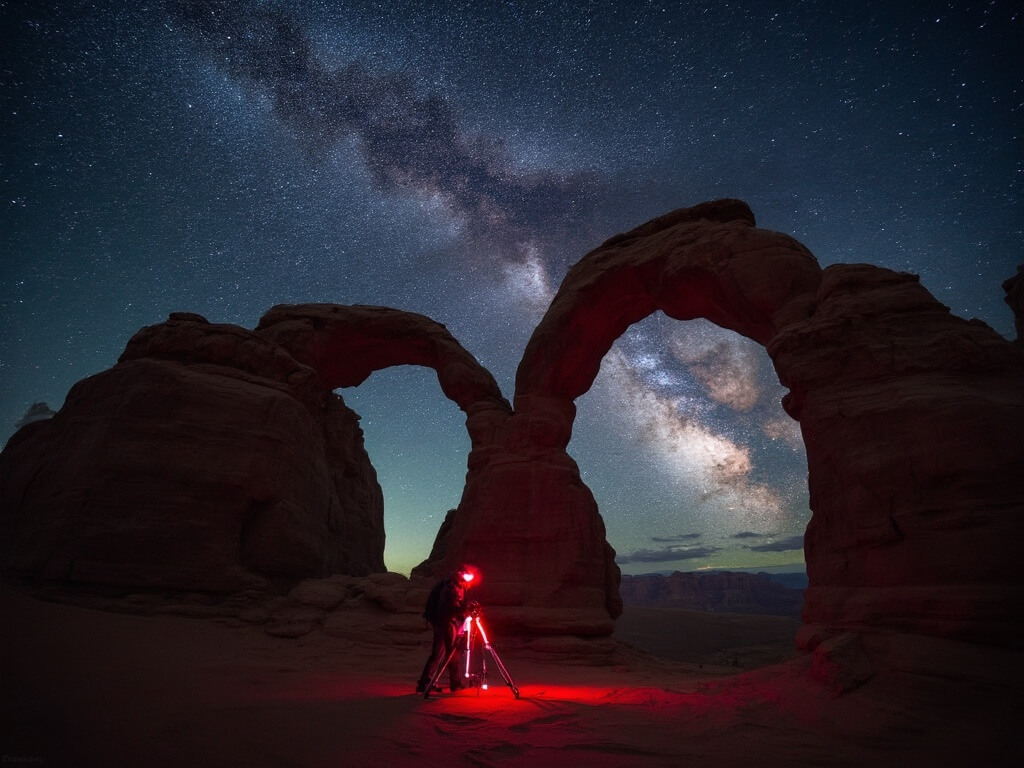
Plan to stay after sunset. Bring a red-light headlamp and extra layers.
Check for ranger-led night sky programs through the official Devils Garden Trail guide.
Current Challenges and What They Mean for Future Visits
Increasing visitation puts strain on infrastructure.
- Time-based reservations are being implemented
- Arch fragility causes unexpected closures
- Climate change increases extreme heat and water scarcity
Stay updated via the NPS website before visiting.
The Final Piece: Integration and Honest Planning
The Devil’s Garden Trail is a layered experience requiring thoughtful preparation.
Key takeaways:
- Arrive early
- Hydrate more than you think necessary
- Choose a trail that matches your ability
- Observe and respect the environment
- Prioritise light for photography over equipment
- Consider visiting in October or September for ideal conditions
The experience you create depends on your decisions—not luck. Preparation protects both your safety and enjoyment.
For more insights and travel ideas, explore:
For an in-depth breakdown of the trail, hiking logistics, and recommendations, see this complete Devils Garden Trail hiking guide.