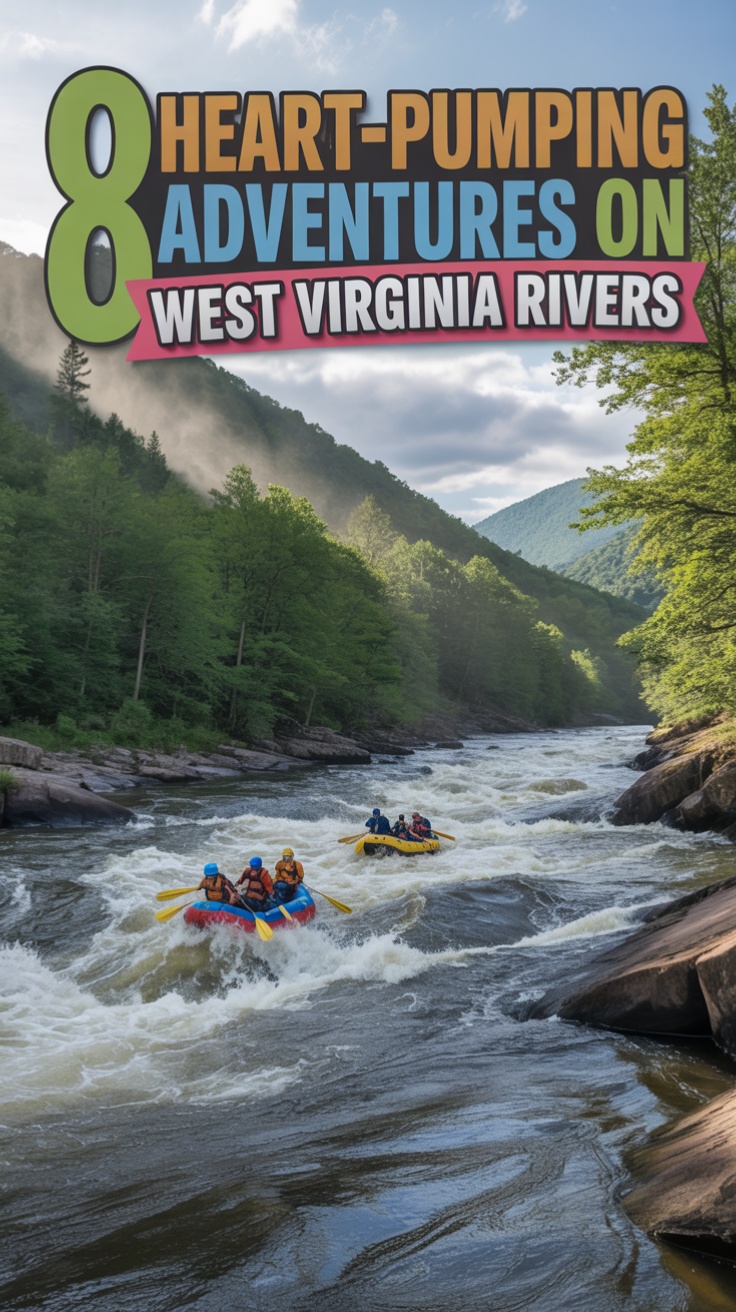
You’re standing on a riverbank in West Virginia, palms sweating, wondering if you’re really about to throw yourself into a Class IV rapid.
Maybe you’ve never rafted before.
Maybe you’re terrified of the water.
Maybe you’re thinking this whole thing is a terrible idea and you should’ve just stayed home watching Netflix.
Here’s what I want you to know: whitewater rafting in West Virginia isn’t some extreme sport reserved for Instagram influencers and death-wish seekers.
It’s something almost anyone can do, and it’s genuinely one of the most electrifying experiences you’ll have.
I learned this firsthand about six years ago when my brother dragged me onto the Upper New River for what I thought would be a relaxing “family float.”
Spoiler: it wasn’t relaxing.
But it was transformative.
Why West Virginia Is Quietly Becoming the Whitewater Rafting Capital of America
If you’ve never heard of West Virginia as a rafting destination, you’re not alone.
But National Geographic has noticed.
They’ve recognised the Gauley River as one of the most exciting whitewater experiences on the planet, and they’re not wrong.
West Virginia sits on an absolute goldmine of whitewater rivers.
We’re talking about more accessible, world-class rafting runs than almost anywhere else in the United States, all packed into an area smaller than most European countries.
The reason?
Simple geography.
The Appalachian Mountains created a network of rivers with dramatic elevation changes, deep gorges, and year-round water flow.
What that means for you is variety.
Endless, ridiculous variety.
Here’s what makes West Virginia special:
- Over 100 significant rapids concentrated across just a handful of rivers
- Class I beginner sections for families with young kids
- Class V extreme runs that will make your heart feel like it’s going to explode out of your chest
- Everything in between, which means there’s genuinely something for you, whatever your experience level
A decade ago, West Virginia was a well-kept secret among rafting enthusiasts.
Then the New River Gorge became a National Park in 2020.
That single decision changed everything.
Suddenly, the state got serious about infrastructure, safety standards, and promoting itself as a legitimate adventure destination.
Investment poured in.
Outfitters expanded their fleets.
Lodges upgraded their facilities.
But here’s the beautiful part: it hasn’t become overcrowded or commercialised in a gross way.
It’s still genuine.
It’s still wild.
It’s just more accessible now.
Meet the Rivers That Will Either Terrify or Thrill You (Sometimes Both)
The New River Gorge: Where Beginners Learn to Love Water
If West Virginia whitewater rafting has a poster child, it’s the New River.
It’s the most popular rafting destination in the state, and once you see it, you’ll understand why.
The river cuts through a canyon so dramatic that when you’re in it, the world feels impossibly smaller and bigger at the same time.
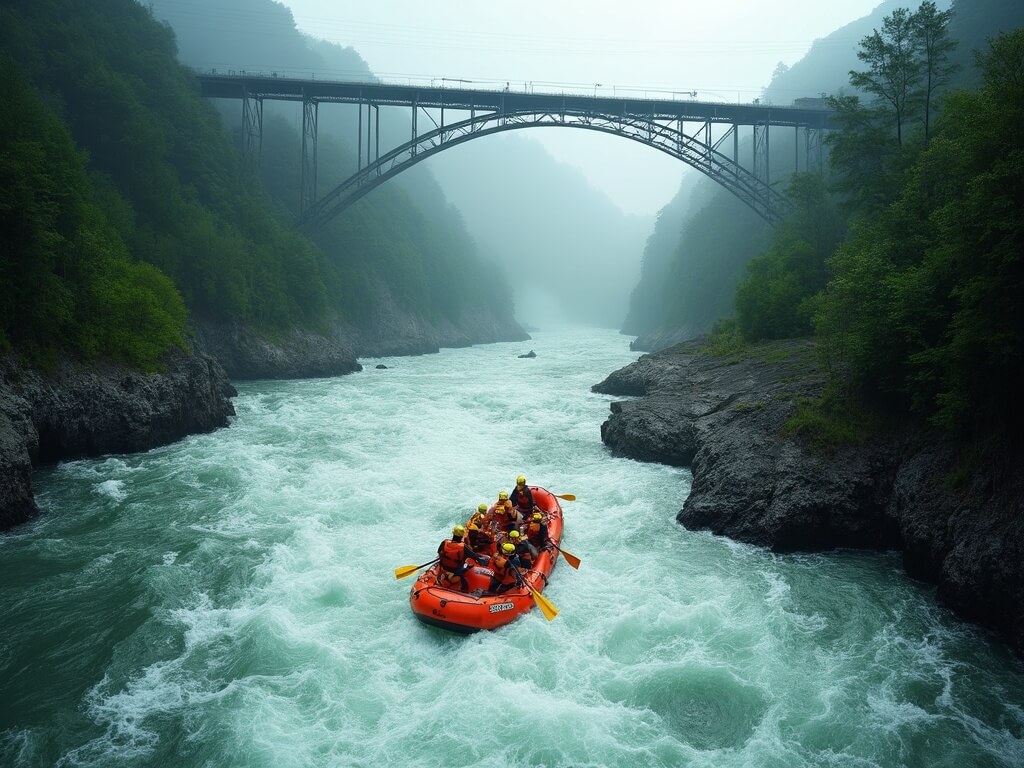
The New River Gorge Bridge—a steel arch that soars 876 feet above the water—dominates the landscape.
I remember floating underneath it during my first trip, craning my neck back so far I nearly fell out of the raft.
My brother laughed at me for about twenty minutes straight.
Here’s the thing that makes the New River brilliant for beginners: it has two completely different personalities.
Upper New River sections:
- Gentle, flowing current perfect for families and first-timers
- Still spectacularly scenic despite being calmer
- You’ll actually have time to enjoy your surroundings instead of screaming
- Class I-II rapids that feel more like gentle waves
Lower New River sections:
- This is where the real adrenaline lives
- Class III-V rapids, bigger drops, genuine whitewater chaos
- You’ll get soaked
- You might swim (unintentionally)
- You’ll absolutely feel alive afterwards
The beauty is you can do either one on the same weekend if you’re feeling adventurous.
Year-round rafting availability means you’re not locked into summer holidays or autumn weekends.
Want to raft in February?
The New River will let you.
The Gauley River: Where Serious Rafters Earn Their Scars
Now we’re talking about the legendary Upper Gauley.
This river has a nickname: “The Beast of the East.”
It’s not hyperbole.
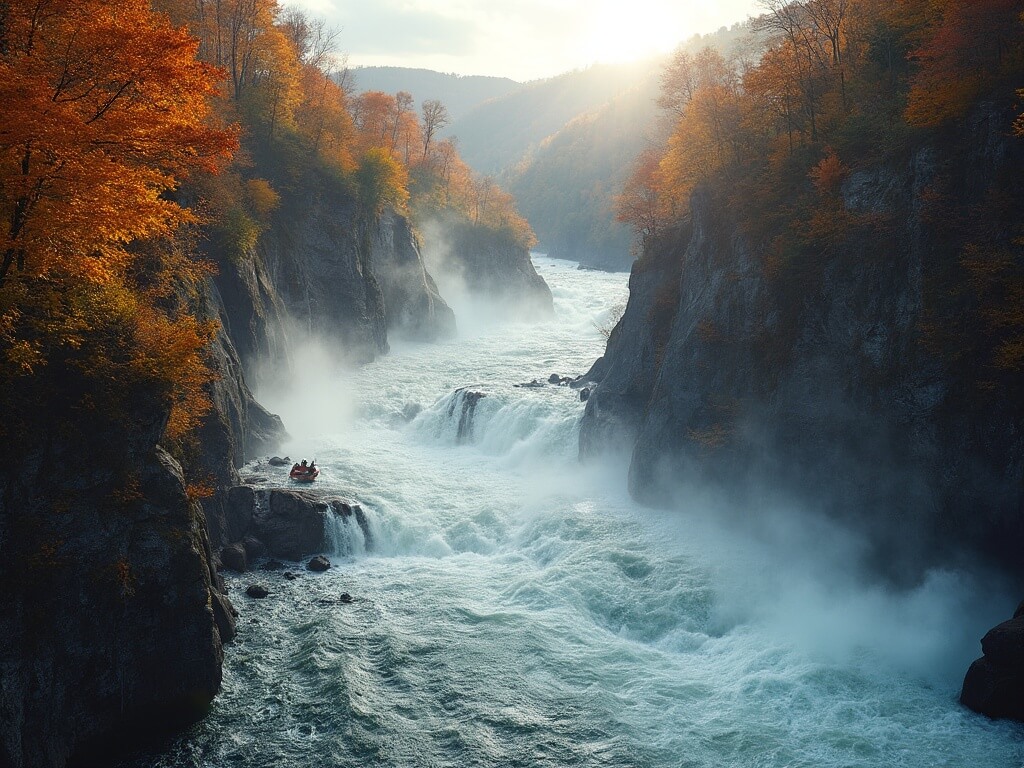
The Upper Gauley stretches 25 miles through a canyon so narrow and steep that the walls feel like they’re closing in.
In that distance, you’ll encounter over 100 significant rapids.
Not 100 small bumps.
Over 100 actual, legitimate, “this might flip us” rapids.
The “Big 5″—the five most dangerous Class V runs—are technical, powerful, and absolutely unforgiving.
I’ve watched experienced paddlers get nervous talking about them.
The peak season for the Gauley is autumn, specifically September and October.
This isn’t random.
It’s because the US Army Corps of Engineers releases water from a dam upstream, creating massive flows and generating those iconic massive waves you see in rafting videos.
During these releases, the Gauley transforms into something primal and chaotic.
The Lower Gauley is more approachable for experienced intermediate rafters, but it’s still serious business.
Key facts about Gauley River runs:
- Upper Gauley: Advanced/expert only (seriously, don’t try this on your first raft trip)
- Lower Gauley: Experienced intermediate to advanced
- Peak season: September-October (dam releases create optimal conditions)
- Not for the faint of heart or weak of paddle
The Cheat River: The Wildcard Nobody Talks About
The Cheat River is naturally flowing, which means it doesn’t depend on dam releases.
That’s both brilliant and slightly chaotic.
Why brilliant?
You’re not constrained by dam schedules.
Why chaotic?
Water levels can be unpredictable.
The river has two distinct sections.
Cheat Narrows:
- Mild, manageable rapids
- Perfect for children and first-timers who want something more exciting than the Upper New River but less intense than the Lower New River
- Actually quite beautiful and underrated
Cheat Canyon:
- A wild 13-mile stretch with Class III-V rapids
- Genuine whitewater chaos
- Unpredictable water levels mean conditions vary dramatically based on recent rainfall
Spring flooding makes the Cheat particularly challenging and exciting for experienced paddlers.
The Shenandoah and Potomac: The Historic Option
If you want whitewater rafting with a side of American history, head to the Harpers Ferry area where the Shenandoah and Potomac rivers meet.
These aren’t intense whitewater runs.
Class I-III rapids make them perfect for beginners and intermediate rafters.
But here’s why people book these trips: the scenery and history are extraordinary.
You’re rafting past the same landscape that featured in countless pivotal moments of American history.
The historic context makes the whole experience feel different.
You’re not just rafting.
You’re literally floating through history.
To explore more outdoor adventures, check out this article on hiking to Delicate Arch or discover a high-altitude thrill on the Pikes Peak Cog Railway.
The Real Safety Conversation Nobody Wants to Have (But You Need To)
Look, I get it.
Nobody wants to talk about safety because it feels like a buzzkill.
But the difference between having a great story and needing reconstructive surgery is often just preparedness.
Let me be brutally honest: whitewater rafting has real risks.
People drown sometimes.
People get injured sometimes.
But here’s what matters: people drown and get injured dramatically less often on professionally-guided commercial trips than they do on DIY attempts or poorly-managed operations.
The statistics actually tell an interesting story.
According to data from the American Whitewater Association, commercial whitewater outfitters have fatality rates around 0.7 per million user-days.
That’s extraordinarily low.
For comparison, you’re statistically more likely to die horseback riding, canoeing on flat water, or even cycling.
You’re far more likely to die driving to the river than rafting on it.
This isn’t because whitewater rafting is suddenly safe.
It’s because professional outfitters take safety seriously in ways that matter.
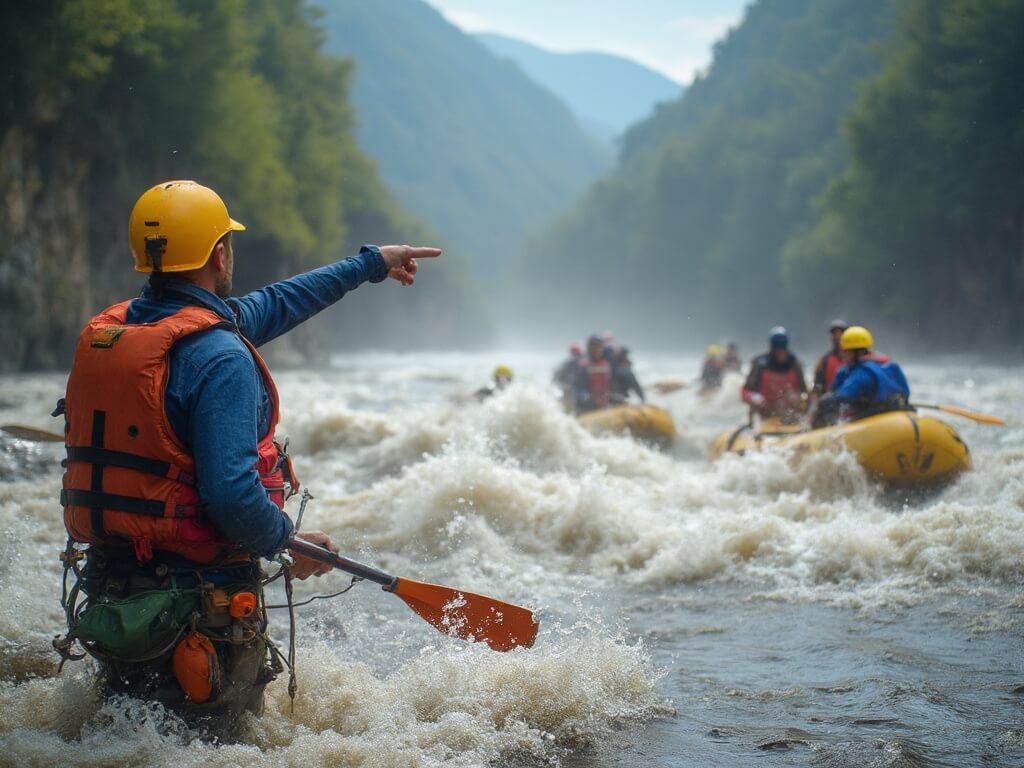
The Gear That Actually Keeps You Alive
Every single person on a commercial raft wears a life vest.
Not a fancy one necessarily, but a certified, properly-fitted Personal Flotation Device (PFD).
This isn’t optional.
This is non-negotiable.
A good PFD will keep you afloat even if you’re unconscious.
That’s not hyperbole—that’s engineering.
You also wear a helmet.
This matters tremendously on Class III and higher rapids.
The Guide Factor: Your Literal Lifeline
Here’s what separates a professional outfitter from someone renting you a raft: guides.
A good guide has scouted the river dozens of times. They know the terrain, the currents, and how to navigate emergencies.
This is why Gauley River rafting adventures are so highly recommended—they’re staffed with expert guides who’ve seen it all.
During my multi-day Gauley trip three years ago, our raft got sideways approaching a Class IV rapid called “Pillow Talk.” Our guide’s instinctive corrections got us through safely.
Physical Limitations: The Honest Conversation
Certain health conditions mean you probably shouldn’t be whitewater rafting.
Serious heart conditions, severely limited mobility, certain medications—these matter.
Conscientious outfitters ask about your health history to ensure you’re safe. If they don’t? That’s a red flag.
Age limits also exist for a reason. They aren’t arbitrary—they’re based on actual accident data.
Emergency Procedures: Know Them Before You Need Them
Before every commercial trip, there’s a 10-15 minute safety briefing. It covers everything from paddle technique to emergency signals.
Pay attention. This isn’t filler. This could save your life.
The Environmental Impact: Why Your Rafting Trip Isn’t Destroying the River
There’s legitimate debate over whether rafting harms the environment. The short answer? It can, but it doesn’t have to.
How Rafting Actually Affects Rivers
The act of rafting itself causes minimal direct harm. What matters most is human behavior.
Throwing trash overboard and disturbing wildlife? Harmful.
Following Leave No Trace principles? Not harmful.
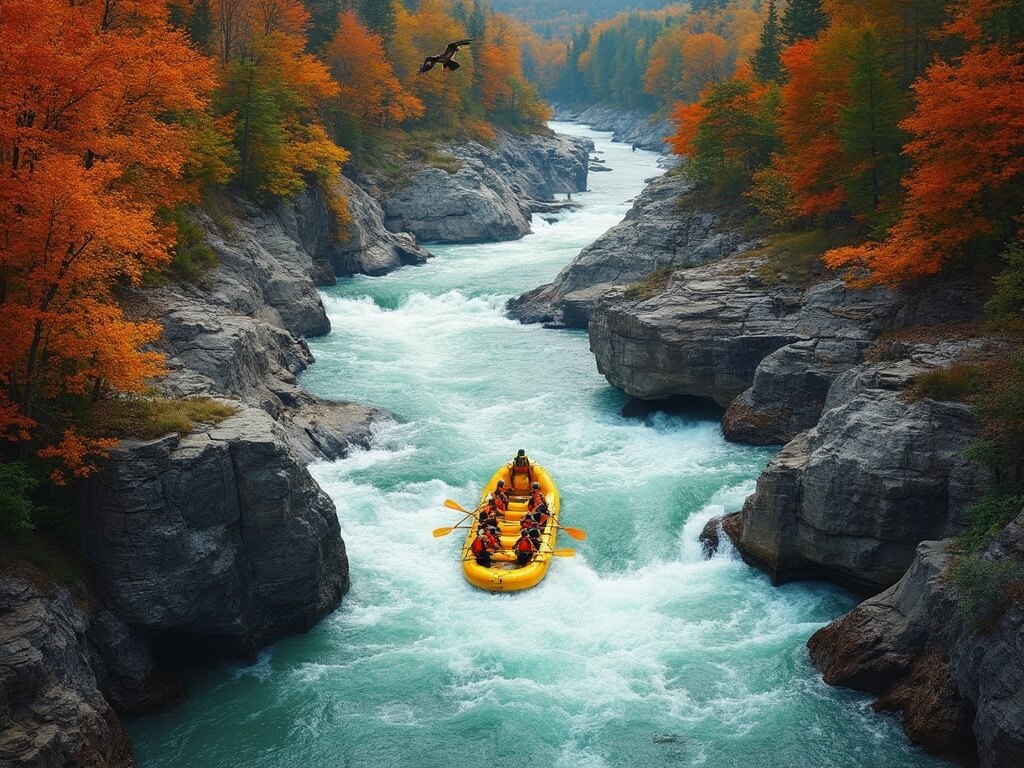
Many outfitters operate under sustainability frameworks. They use biodegradable soaps, limit group sizes, and have environmental officers.
The New River Gorge National Park Effect
Since its designation as a National Park in 2020, whitewater rafting in West Virginia has become even more environmentally conscious.
This status means stricter regulations and more conservation initiatives. Tourism supports protection efforts.
Wildlife Considerations: You’ll See More Than You Expect
You’ll likely see bald eagles, otters, beavers, and deer. These aren’t depleted ecosystems—they’re thriving.
Many guides act as floating naturalists, teaching you about the river’s biodiversity.
What You Actually Need to Bring and How to Prepare Like Someone Who’s Done This Before
What to Actually Wear
Quick-dry fabrics are key. Avoid cotton and denim.
Wear:
- Quick-dry t-shirt or rash guard
- Quick-dry shorts/pants
- Water shoes or grippy old sneakers
Don’t wear:
- Jeans or cotton
- Flip-flops
- Expensive jewelry or electronics
What to Bring and What to Leave Behind
Bring a change of clothes, towel, sunscreen, and water. Pack medications in a waterproof bag.
Physical Preparation
Do light shoulder and back exercises a week before your trip. Stretch daily.
Mental Preparation
Be honest about your fear and readiness. Visualize the experience. Sports psychology says this helps—and it does.
The Money Conversation: What Whitewater Rafting Actually Costs and What You’re Getting
What’s Included
You’re paying for guides, equipment, insurance, permits, and expertise. Some trips include meals and photos.
Hidden Costs
- Lodging: $80–$200/night
- Meals: $12–$25 each
- Wetsuit rental: $10–$20
- Photos: $20–$40
- Tips: 15–20% of trip cost
Is It Worth It?
Adventure, transformation, and connection for $80–$600? For most, the answer is yes.
The Brutal Truth About Why Most People Don’t Go Whitewater Rafting (And How to Overcome It)
Fear and Inexperience
“I’m too scared,” “What if I drown?” and “I don’t know how to paddle” are common concerns. They’re valid, but they’re also manageable.
Budget Concerns
Start with a family float trip on the Upper New River. It’s affordable and beginner-friendly.
Health Conditions
Talk to the outfitter. Many limitations can be accommodated.
The Seasonal Strategy: Booking Your Trip at the Right Time
Peak Season
Book Gauley Season (Sept–Oct) by June. New River trips peak in summer. Book 3–6 weeks ahead.
Off-Season Advantages
Fewer crowds, more personal guide attention, and deeper experiences. Consider early spring or late fall.
The Multi-Day Expedition: Why You Should Seriously Consider Doing One
What Happens on a Multi-Day Trip
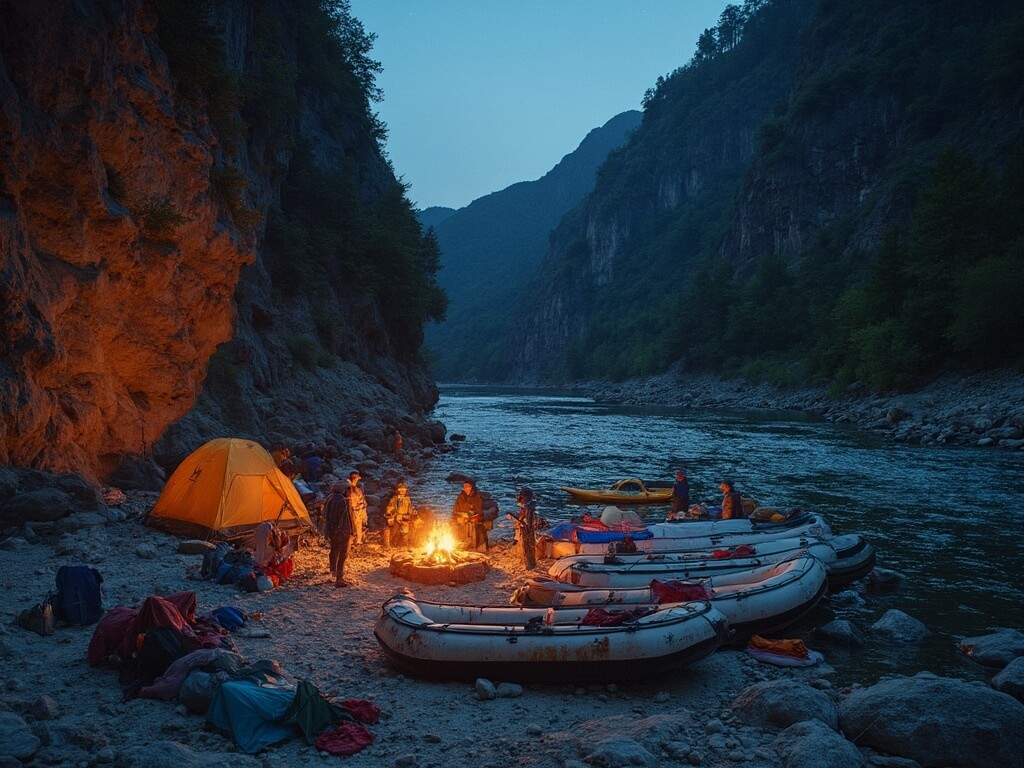
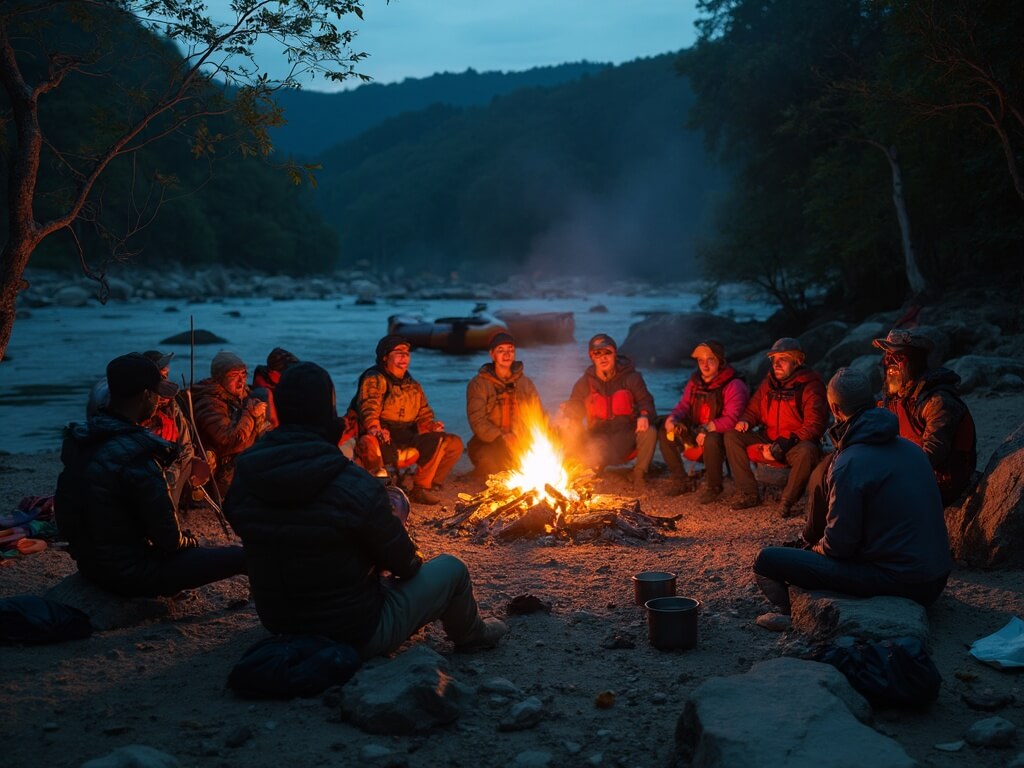
Friday–Sunday: paddling, camping, bonding. Deeper conversations. Deeper connections.
Why It’s Transformative
Vulnerability + teamwork + nature = transformation. You meet a version of yourself you didn’t know existed.
Logistics
Outfitters manage gear and planning. You commit. That’s all.
Your Personal Whitewater Readiness Test: Do You Actually Want to Do This?
Ask yourself: Are you doing it for you? Can you be uncomfortable? Can you trust others? Do you want to learn something about yourself?
If yes, you’re ready.
What Actually Happens After Your Trip: The Aftermath Nobody Discusses
Physical Aftermath
Sore muscles, better sleep, energized body. That soreness means you did something real.
Emotional Aftermath
Clarity, insights, decisions made easier. Novel environments = new thinking.
Social Aftermath
New friendships. Some fade. Some last. All are meaningful.
Mental Aftermath
You leave knowing you can do hard things. That confidence changes everything.
Making the Decision: Stop Researching and Actually Book It
The First Step
Call one outfitter. Say it’s your first time. Let them guide you. Then book it.
What You’re Choosing
You’re choosing growth over comfort. Experiences over excuses.
The Bottom Line: Why You’re Actually Going to Be Glad You Did This
I didn’t plan for rafting to change my life. But it did.
It might change yours too.
And it all starts with one decision.
Check out these other exciting adventures:
- Ride the Great Smoky Mountains Alpine Coaster
- Walk the Beaches of the Oregon Coast
- Spend a Day at Mall of America in Minnesota
- Visit the National Civil Rights Museum in Memphis
- Drive the Hana Highway in Maui
Ready to transform your life? Start by exploring whitewater rafting in West Virginia or book a Gauley River rafting adventure today.