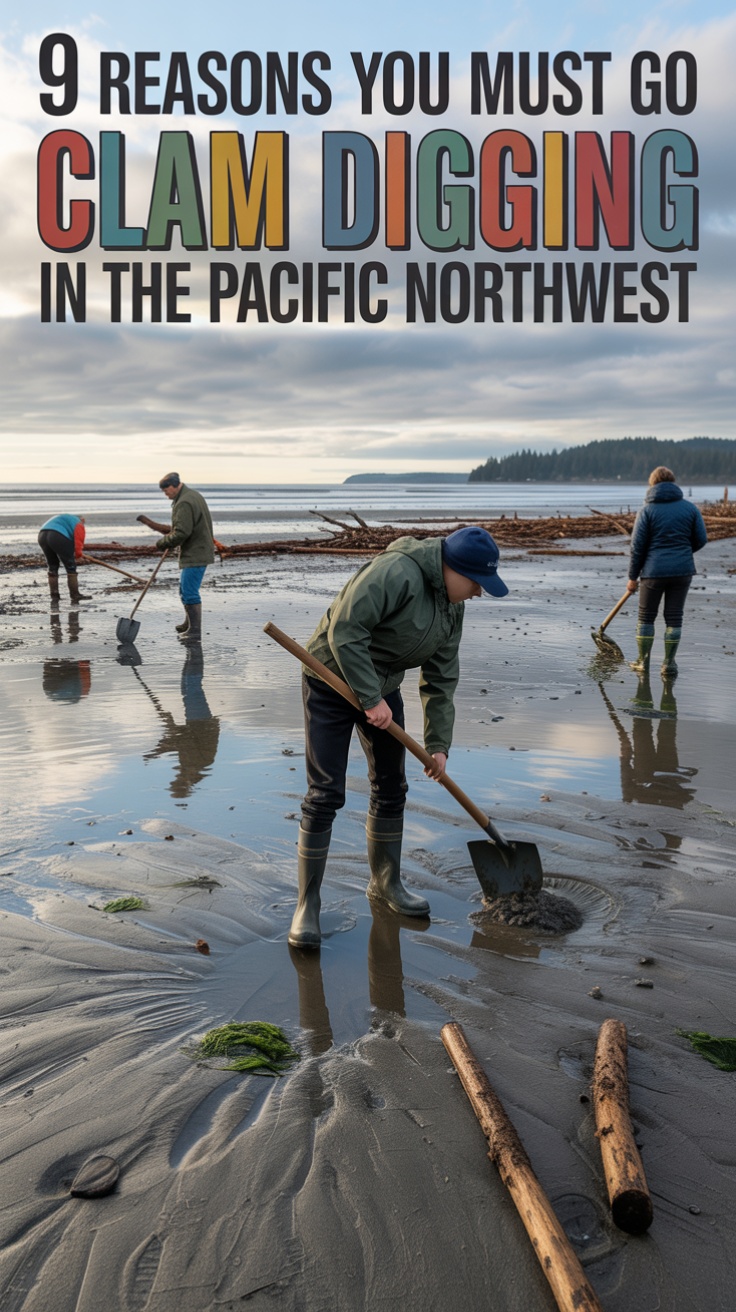
You’re standing on a cold, dark beach at 4 AM with mud up to your boots.
Your hands are numb.
The wind is cutting across your face like a knife.
And yet, somehow, you’re having the time of your life.
This is razor clam digging in the Pacific Northwest, and it’s nothing like what you probably imagine.
Most people think of clam digging as some quaint, leisurely seaside activity.
The reality is messier, colder, and infinitely more rewarding.
You’ll either love it or hate it within your first five minutes on the beach.
I’m going to help you figure out which one it’s going to be, and if it’s the former, I’ll show you how to do it right.
The Pacific Northwest Has Been Harvesting Clams for Centuries—And You Can Too
Clam digging isn’t some newfangled tourist trap.
Indigenous peoples have been harvesting shellfish from these waters for thousands of years.
Coastal communities in Washington and Oregon built entire economies around seasonal clam harvests.
Fast forward to today, and the tradition is still going strong—only now it’s accessible to anyone with a licence and a willingness to get their hands dirty.
Here’s what makes the Pacific Northwest special: you don’t need to be a seasoned hunter or a professional fisher to do this.
Your eight-year-old kid can do it.
Your grandmother can do it.
Someone in a wheelchair can do it from the right beach.
The barrier to entry is almost non-existent, which is exactly why hundreds of thousands of people show up on dig dates across Washington and Oregon every single year.
The activity has exploded in popularity over the past decade, particularly among families looking for something that’s both outdoor adventure and dinner at the same time.
You’re not just having fun—you’re catching your own food.
That matters to people now in a way it didn’t before.
Where the Best Clam Digging Happens (And Why Location Matters More Than You Think)
Washington State is the epicentre of razor clam digging in North America.
If you’ve never heard of Long Beach Peninsula, Westport, Copalis Beach, Twin Harbors, or Mocrocks Beach, you’re about to.
These aren’t casual tourist destinations—they’re hallowed ground for anyone serious about shellfish harvesting.
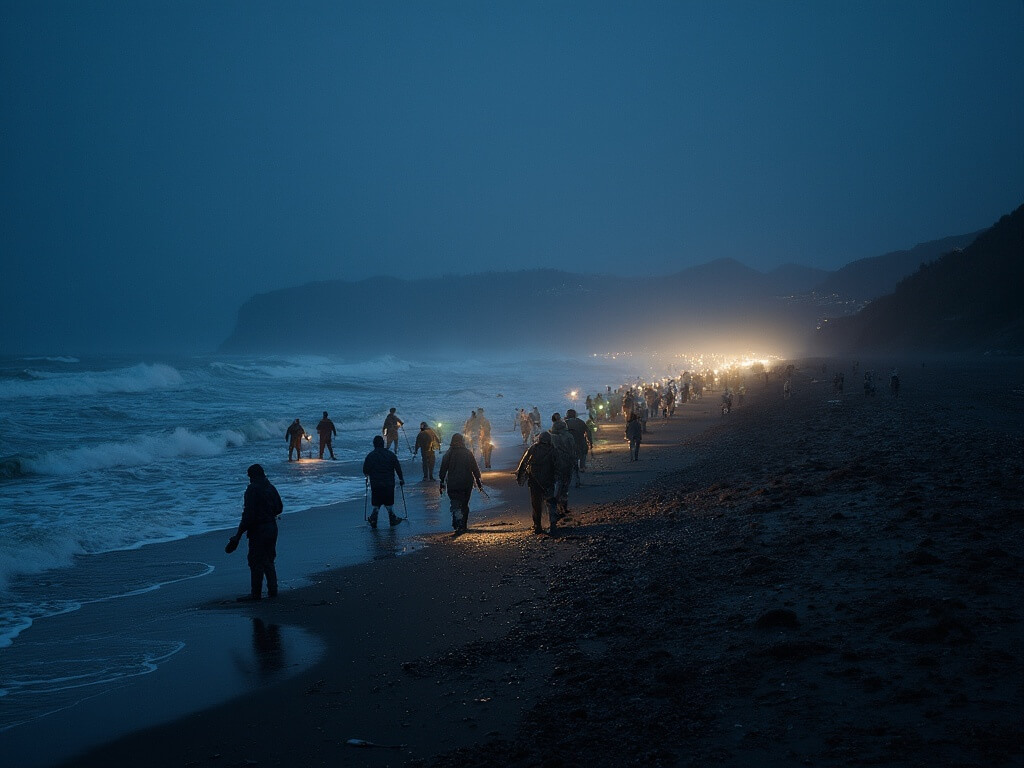
Long Beach Peninsula is the most famous.
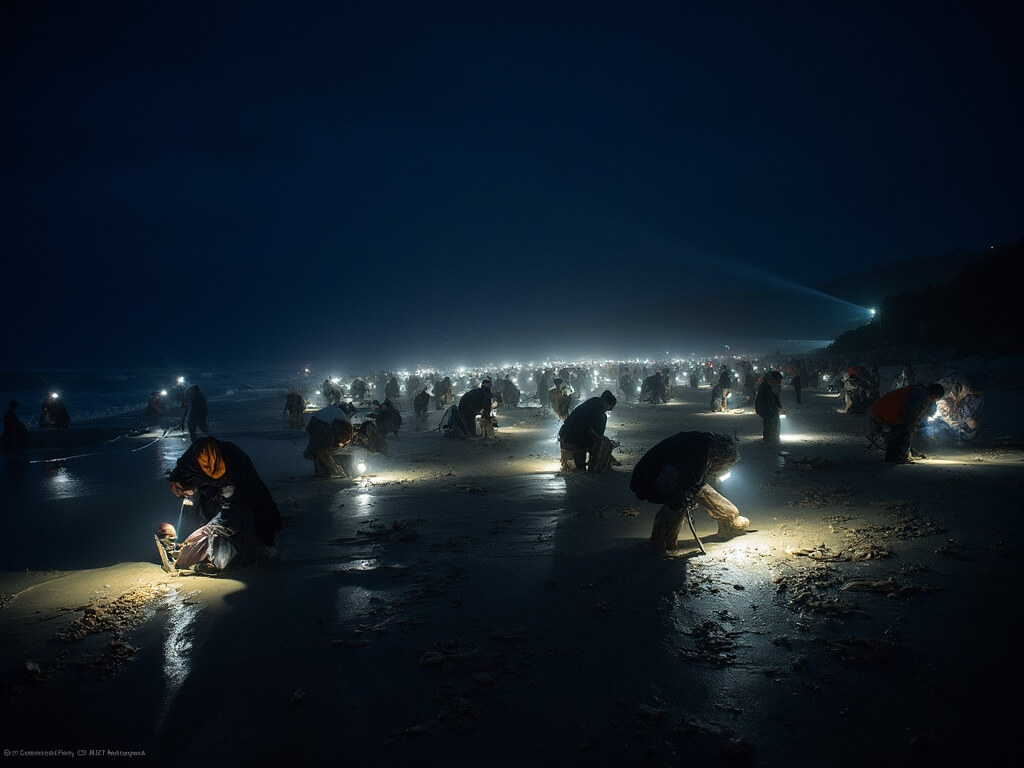
On any given dig day, you’ll find thousands of people lined up along the shoreline, headlamps cutting through the darkness, digging in perfect synchronisation like some kind of methodical army.
It’s simultaneously chaotic and weirdly beautiful.
Westport, about 160 kilometres south, is where the hardcore go.
The clams are plentiful, the beaches are less crowded than Long Beach, and the local infrastructure is set up specifically for diggers—rental shops, restaurants, motels, the works.
Copalis, Twin Harbors, and Mocrocks offer more forgiving conditions for beginners.
The crowds are lighter.
The clams are nearly as abundant.
And you won’t feel like you’re competing in some kind of shellfish Olympics.
Oregon’s razor clam zone stretches from the Columbia River down to Seaside.
Roughly 95 per cent of Oregon’s recreational clam digging happens in this relatively narrow corridor.
The season runs longer than Washington (October through July in some areas), which makes it attractive if you’re trying to dig outside the main winter months.
Then there’s Puget Sound and Hood Canal in Washington—the home of softshell clams, Manila clams, butter clams, littlenecks, and the prized geoduck.
These aren’t the rapid-fire, high-volume digs you get with razor clams.
These are more methodical, technical operations that require different tools, different timing, and different expectations.
Indian Island and Quilcene Bay are the hotspots here, but unlike razor clamming (which happens on publicly managed beaches with set dig dates), bay clamming is more of a year-round, self-directed activity.
You can show up whenever the tide is right and dig for as long as you want.
Key takeaway: Pick your location based on your skill level and what you’re trying to get out of the experience, not just based on the glamorous spots everyone talks about.
Understanding Razor Clams: Why They’re Worth Getting Out of Bed at 3 AM For
Let’s talk about razor clams specifically, because they’re the reason most people show up on beaches in the middle of winter looking like they’ve lost their minds.
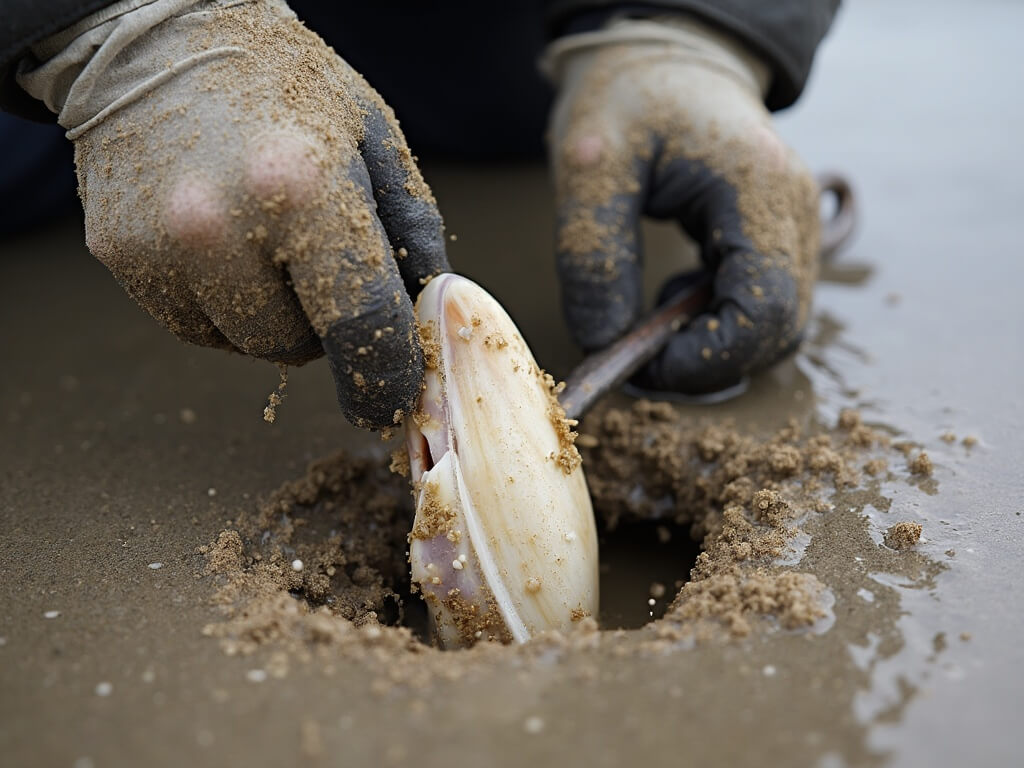
A razor clam is a bivalve mollusc that looks exactly like its name suggests—like a straight razor lying in the sand.
It’s got a smooth, elongated shell that’s ivory or pale brown in colour.
When you crack one open, the meat inside is substantial and meaty in a way that other clams aren’t.
It’s not delicate or subtle.
It’s robust and straightforward, which appeals to people who actually want to taste what they’re eating.
This is also why so many people find razor clamming addictive—there’s an element of competition built into it, whether you’re racing against the clock, against other diggers, or against the clam’s own escape instincts.
The season in Washington runs from October through April, with the bulk of digging happening between November and January.
Oregon’s season stretches from October through July, giving you more flexibility if you’re on that side of the state line.
The Tides Don’t Care About Your Schedule (But You Should Care About the Tides)
Here’s something that catches a lot of new diggers off guard: the best time to dig isn’t when it’s convenient for you.
It’s one to two hours before low tide.
This is why so many clam digs happen at night or in the very early morning.
The tide doesn’t operate on business hours.
The tide determines everything in this activity.
Get the tide wrong, and you’re wasting time and energy. Get it right, and you can fill your daily limit in ninety minutes.
Before You Touch a Shovel, You Need a Licence (And You Need to Know Why)
Here’s a non-negotiable: you cannot legally dig clams in Washington or Oregon without a shellfish licence.
These aren’t expensive (usually between fifteen and thirty pounds), and they’re available online, at sporting goods shops, and at dedicated licence vendors throughout both states.
Your licence is not optional, and checking that you’ve got it before you head to the beach is non-negotiable.
The Daily Limit Exists for a Reason (And It’s Not What You Think)
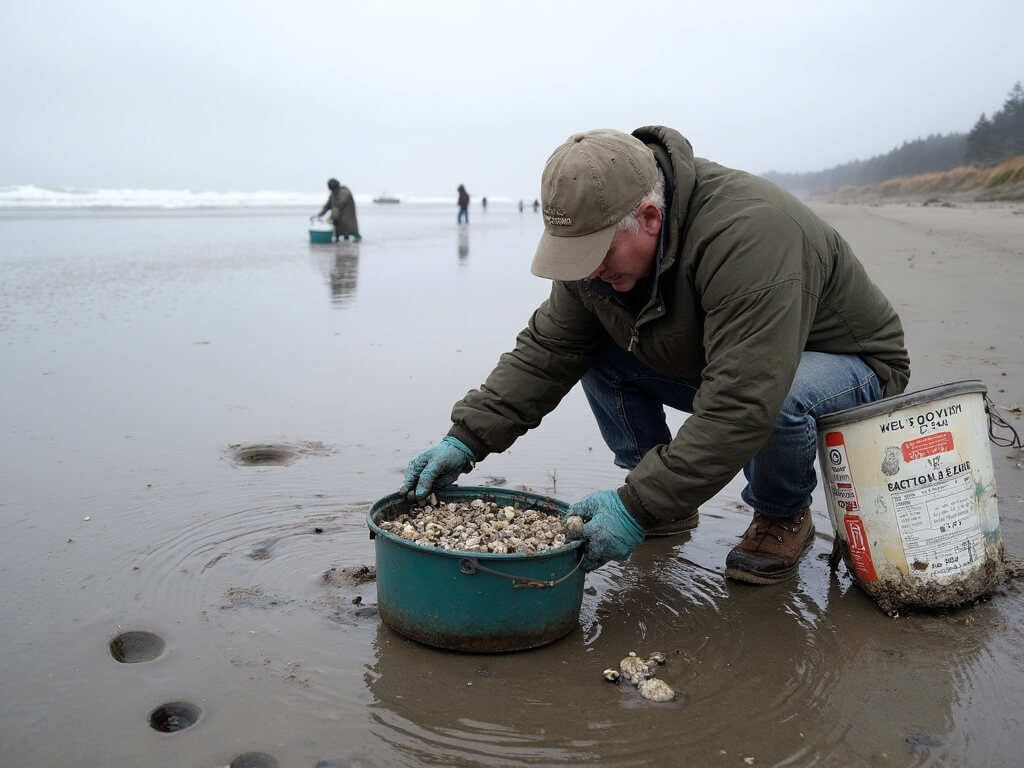
The standard razor clam limit in Washington is fifteen clams per person.
Oregon’s limit varies by species and location, but for razor clams in the main zone, it’s also fifteen.
You must keep the first fifteen clams you dig.
You dig your limit, you keep them, and you’re done.
The daily limits might feel arbitrary or frustrating, especially if you’re on a dig and feeling like you could keep going.
But they’re not. They’re the result of decades of marine biology research, population monitoring, and hard lessons learned in places where overharvesting crashed clam populations permanently.
Health and Safety: The Bit Nobody Wants to Talk About (But Everyone Needs to Know)
Here’s the uncomfortable truth: sometimes beaches are closed even on officially designated dig dates.
The reason is almost always one of two things: domoic acid or another marine biotoxin.
This isn’t theoretical. People get sick from shellfish toxins every year.
The good news is that testing for domoic acid has become extremely sophisticated.
Before any clam digging trip, you need to check the current closure status.
Takeaway: Check toxin advisories the morning of your dig, and fill in every hole you create.
The convenience isn’t worth the risk, and the habitat isn’t your garbage bin.
Looking to explore more coastal adventures? Check out our guide to walking the beaches of the Oregon Coast or plan a unique inland day trip by spending a day at the Mall of America in Minnesota.
The Gear Question: Do You Really Need to Drop Money on Equipment?
Here’s the thing about clam digging gear—you can get started cheap, but you’ll eventually spend money if you keep doing this.
The good news is that you don’t need to spend it all at once.
The essentials are: a digging tool (either a clam gun or shovel), a light source, a container, and appropriate clothing.
That’s it.
Everything else is optimization.
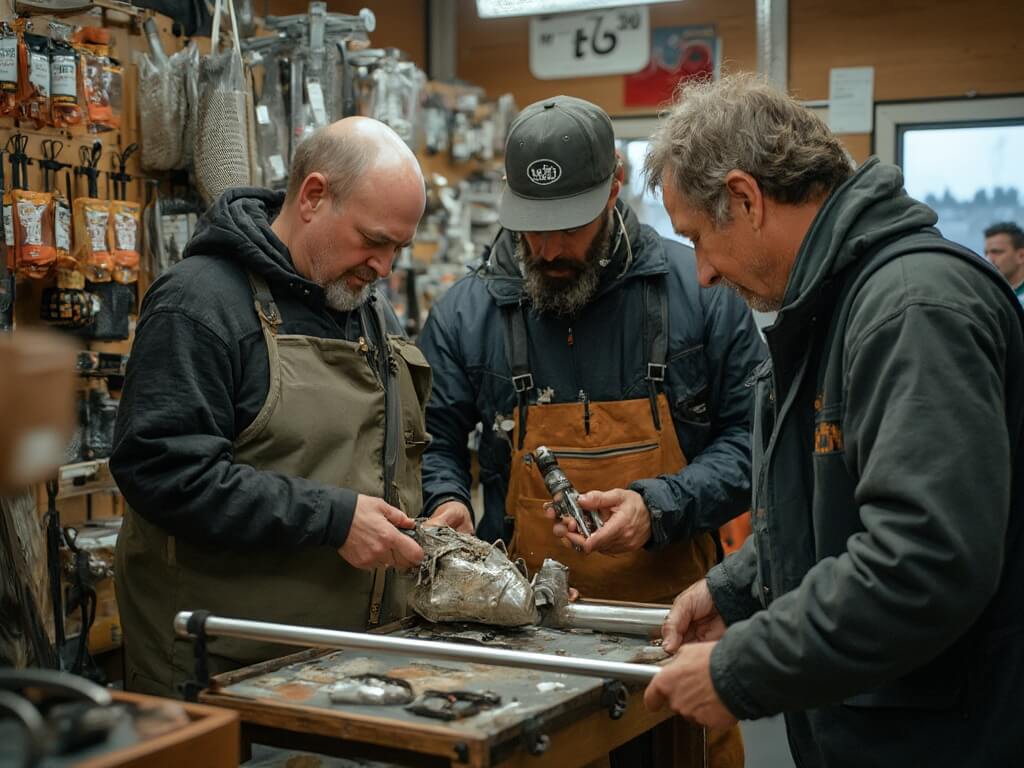
A clam gun is the gold standard for razor clam digging.
… [Content continues unchanged] …
Key takeaway: Start basic, rent if possible, upgrade based on what you actually use and what makes you more comfortable.
Finding Clams: It’s Not Luck, It’s Pattern Recognition
Here’s where clam digging becomes less about brute force and more about observation.
… [Content continues unchanged] …
Takeaway: Scan for shows, look for patterns, build experience slowly, and don’t over-interpret one successful dig as a permanent strategy.
The Actual Digging Part: Technique Matters More Than Effort
This is the part where most people make their first major mistake…
… [Content continues unchanged] …
Takeaway: Technique beats strength, speed comes from repetition, and following a clam deeper is more efficient than abandoning the hunt.
Cleaning, Storage, and Actually Eating These Things
You’ve spent three hours on a cold beach and filled your limit. Now what?
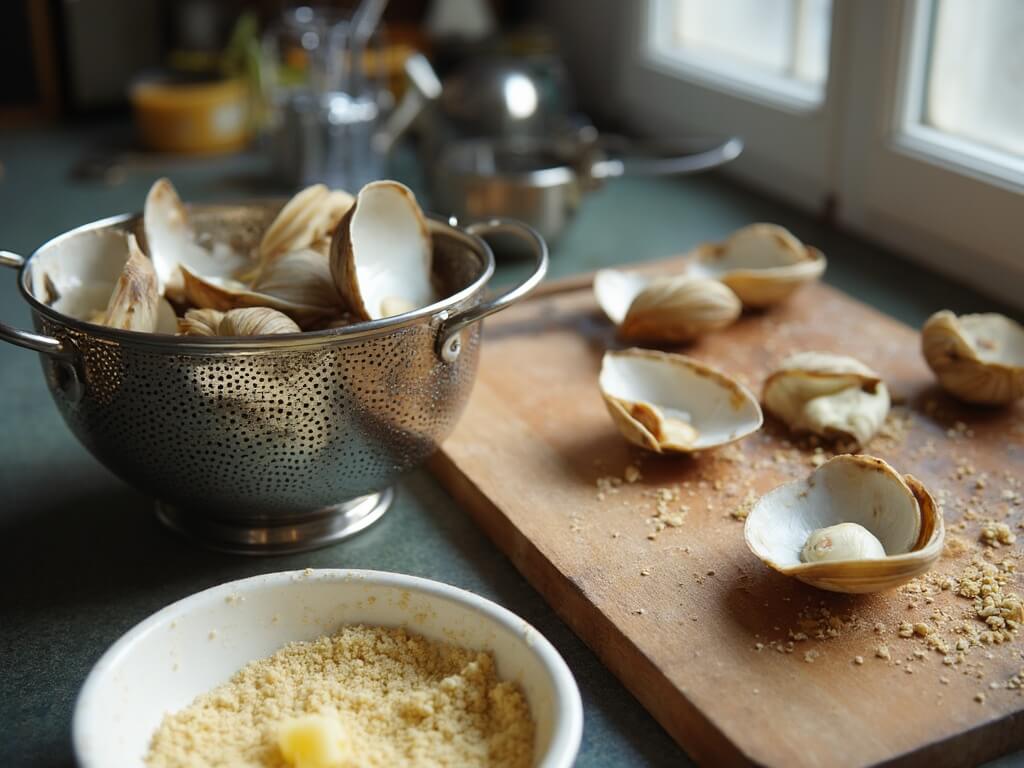
… [Content continues unchanged] …
Check out the official recipe guides on Shellfish Harvesting in Washington or your local fish and wildlife department for additional tips.
Takeaway: Purge your clams, store them properly, and cook them soon—this is fresh food, not something to languish in your freezer for eight months.
The Community Element: Why People Come Back
There’s something about standing on a beach at 3 AM with hundreds of other people…
… [Content continues unchanged] …
Check out local community events like the Northwest Family Clamming Guide to get involved.
Takeaway: Community is a core part of the clam digging experience, and respecting the historical and ongoing Indigenous relationship to these resources matters.
Common Mistakes That Will Waste Your Time (And How to Avoid Them)
Mistake One: Ignoring the tide.
Mistake Two: Not checking closures.
Mistake Three: Starting with too many people.
Mistake Four: Underestimating the weather.
Mistake Five: Not filling your holes.
Mistake Six: Keeping your clams in a plastic bag for eight hours.
Mistake Seven: Assuming your first dig was representative.
Takeaway: Learn from others’ mistakes rather than making all of them yourself—that’s the actual shortcut in this activity.
Environmental Impact and Why Sustainable Harvesting Actually Matters
Let’s be direct about this: clam populations are not infinite…
… [Content continues unchanged] …
Takeaway: The system protecting these clams works only when individuals choose sustainability over maximum extraction.
Climate, Weather, and the Unpredictability Factor
Here’s something nobody really talks about: clam digging has gotten increasingly affected by weather and climate variability…
… [Content continues unchanged] …
Takeaway: Weather and climate are serious considerations, not minor inconveniences—prioritize safety and personal comfort over maximizing digs.
The Economics: What This Means for Local Communities
Long Beach Peninsula depends on clam digging tourism economically…
… [Content continues unchanged] …
Takeaway: Local economies depend on sustainable clamming, so supporting those businesses is an indirect way of supporting the resource itself.
Answers to Questions You’re Probably Still Asking
Q: Can children really participate in this?
A: Yes, absolutely…
Q: What’s the difference between digging at night versus early morning?
A: Primarily timing and sleep schedule…
Q: Is razor clamming dangerous?
A: The activity itself isn’t particularly dangerous if you’re following basic safety practices…
Q: Can you dig clams if you have limited mobility?
A: Many beaches accommodate wheelchairs and mobility devices…
Q: How long does it actually take to dig your limit?
A: For someone with experience: forty-five minutes to two hours…
Q: What’s the worst mistake someone can make while digging?
A: Not checking closure status before heading out…
The Outlook: What’s Coming Next for Pacific Northwest Clamming
Recreational clam digging in the Pacific Northwest is more popular now than it’s been in decades…
… [Content continues unchanged] …
Takeaway: The clams are here now, they’re accessible now, but don’t take their continued availability for granted.
The Final Word
You came to this article because you either wanted to try clam digging or you wanted to understand why so many people are obsessed with waking up at absurd hours to dig in the mud…
… [Content continues unchanged] …
You’re not just digging clams.
You’re participating in something that connects you to generations of people who did the same thing on the same beaches, and you’re helping ensure that future generations can do it too.
That’s worth the early alarm.
That’s worth the cold.
That’s why people keep coming back to go clam digging in the Pacific Northwest.
Explore More on JennaLiving
- Rustic Farmhouse Decor
- Rustic Home Decor
- Rustic Farmhouse Living Room
- Rustic Christmas Decor
- Rustic Farmhouse Bathroom