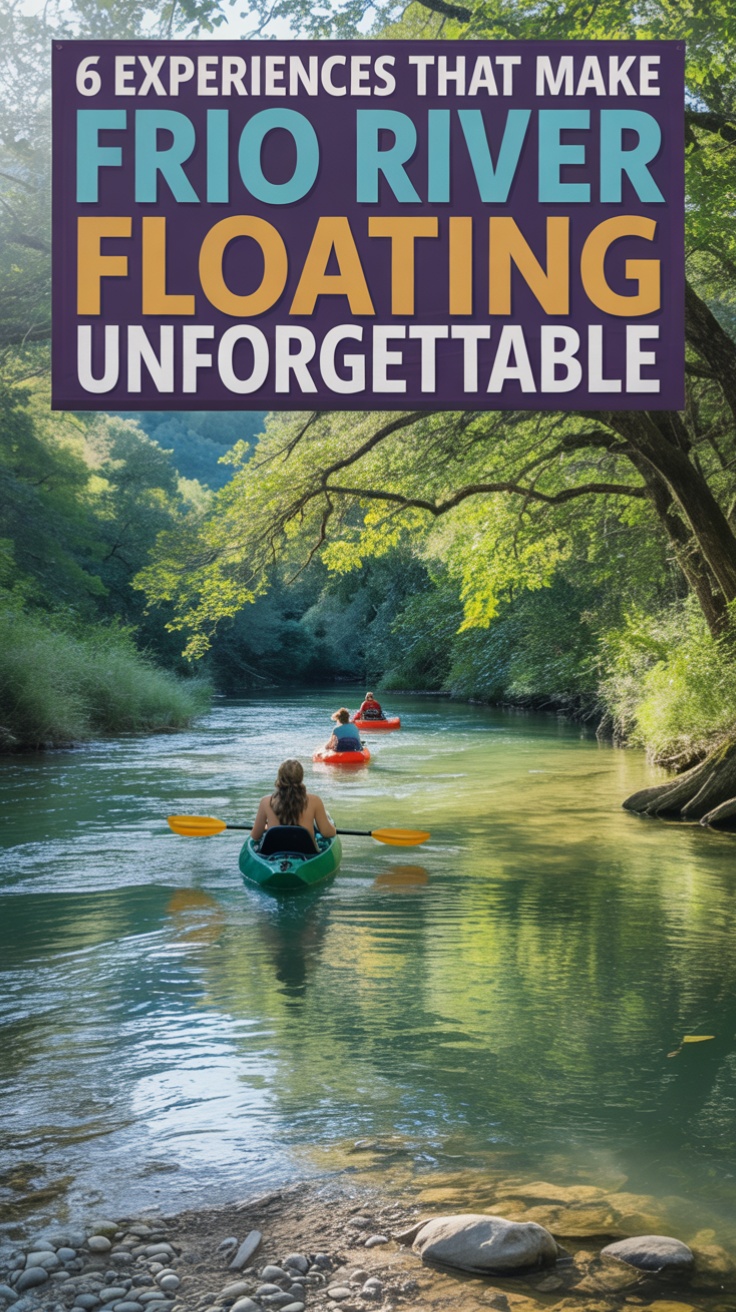
You’ve probably scrolled past those Instagram posts of people floating down crystal-clear rivers, tubes in hand, looking completely blissed out.
That’s the Frio River.
And here’s the thing—it’s not some exclusive paradise reserved for seasoned adventurers or trust fund kids.
It’s genuinely accessible.
It’s genuinely affordable.
And most importantly, it’s genuinely one of the best ways to spend a summer day in Texas.
But before you book your trip, there’s a lot you should know.
I learned this the hard way on my first float five years ago, when I made the rookie mistake of wearing brand new trainers instead of water shoes and spent three hours practically standing on my tube, yelping every time a smooth rock turned sharp.
Let me save you from that particular embarrassment.
The Frio River Is Basically Texas’s Answer to Paradise (And It Actually Exists)
The Frio River stretches roughly 200 miles through southwestern Texas, originating in Real County and flowing southeast through Uvalde and Frio counties until it merges with the Nueces River.
The name alone tells you something crucial: “Frio” means cold in Spanish.
That’s not just poetry.
The river stays cold year-round because it’s spring-fed, which means even when you’re melting in the Texas heat, the water feels like a genuine relief—not a shock.
The average water temperature hovers around 68°F.
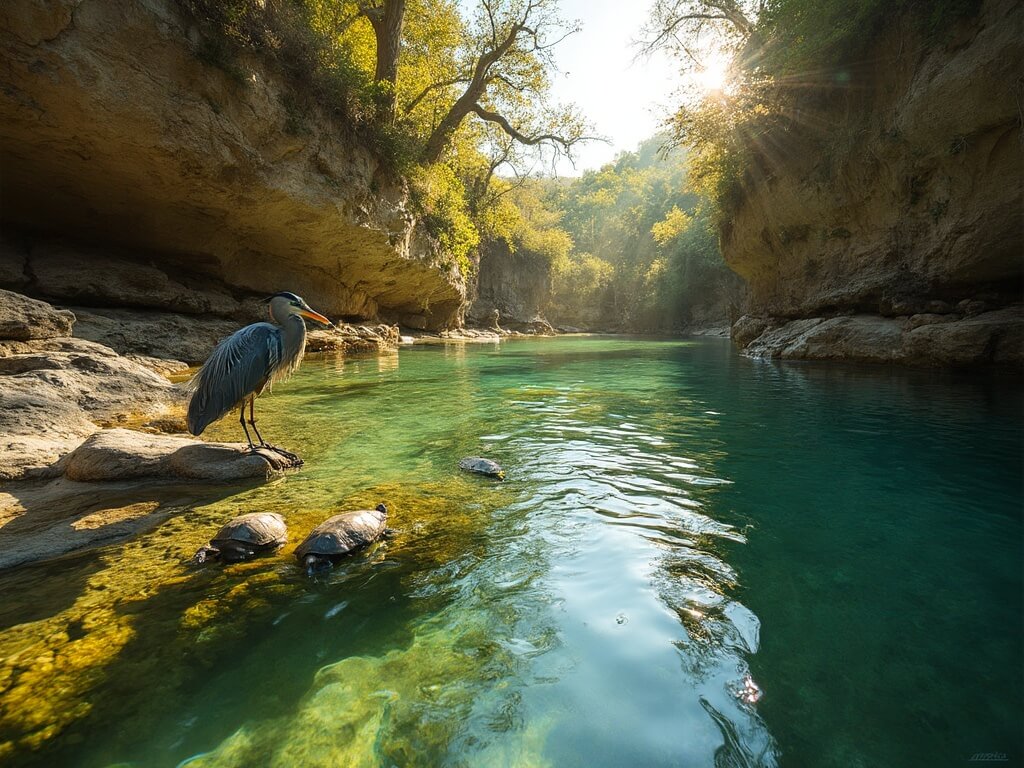
This river winds through limestone bluffs, towering cypress trees, and some of the most unspoiled landscape in Texas Hill Country.
Here’s what makes it different from other tubing destinations:
- Crystal-clear water (you can actually see the riverbed most days)
- Slow-moving current that’s beginner-friendly but never boring
- Wildlife sightings that feel natural, not staged (herons, turtles, occasionally deer)
- A genuine sense of escape without needing a passport
Garner State Park sits right on the river, which tells you something about the ecological importance of this place.
This isn’t just a party spot—it’s a legitimate natural treasure that’s been attracting people for generations.
The tourism boom happened relatively recently though.
Twenty years ago, floating the Frio was something locals did.
Now it’s drawing visitors from across the country.
Why?
Because word gets out when you find something genuinely special.
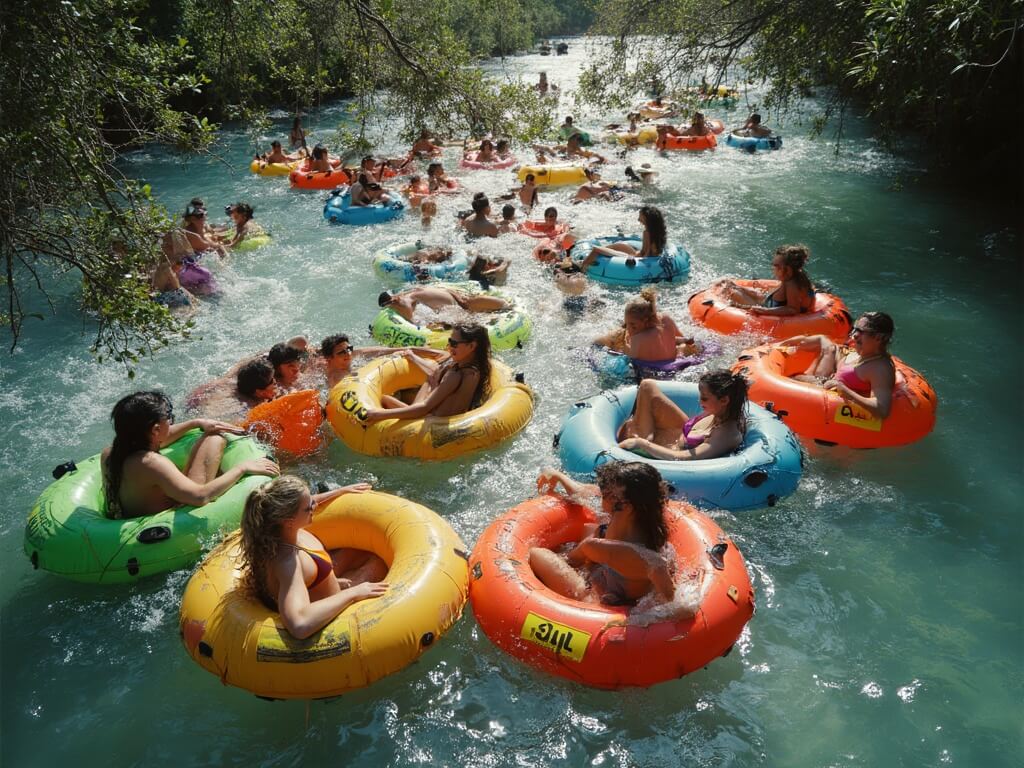
What Actually Happens When You Float the Frio
Let me be straight with you: Frio River floating isn’t extreme sports.
It’s not white-water rafting.
It’s not dangerous.
It’s also not boring.
What it actually is: you climb into an innertube (or sometimes you tie several tubes together with your mates), and you drift downstream for anywhere between three hours to six hours, depending on which route you choose.
The current does most of the work.
You do the floating.
Along the way, you swim.
You chat.
You listen to music if you’ve brought a waterproof speaker (which, fair warning, some people do and some people find it the most annoying thing ever).
You might fish.
You might see wildlife.
You’ll definitely get sunburned if you’re not careful.
The demographics are genuinely mixed:
- Families with young kids who want a manageable adventure
- Groups of friends treating it like a mobile party
- Couples looking for a low-key date
- Solo travellers who just want to decompress
- Bachelor and bachelorette groups (yes, there’s a whole culture around this)
- People celebrating everything from birthdays to anniversaries to “I just survived a terrible week at work”
The cultural tradition around floating the Frio is surprisingly strong.
There are annual events—”Women on the Frio,” “Fall on the Frio” BBQ cookoff, “Freedom Fest” with live music—that have turned what started as a simple recreational activity into something that feels like a genuine Texas tradition.
Locals will tell you that if you haven’t floated the Frio, you haven’t really experienced the Hill Country.
I’d argue they’re not entirely wrong.
When to Actually Go (And When to Avoid the Madness)
Timing makes or breaks a Frio River experience.
Late spring through early fall is the sweet spot—specifically May through September.
But within that window, there are massive differences.
Peak season runs June through August.
The water levels are optimal.
The weather is warm enough that even the cold river feels refreshing rather than shocking.
The outfitters are fully staffed.
Everything is running smoothly.
This is also when you’ll share the river with literally everyone else in Texas who had the same idea.
On peak weekends in July, you’re not floating down a river.
You’re floating in a tube traffic jam where you can’t move more than a few metres without bumping into someone else’s group.
Some people love that energy.
Some people hate it.
Where do you fall?
If you’re the type who finds crowds energising and wants that party atmosphere, book June-August.
If you actually want to experience the river and hear yourself think, shoulder season (late May or early September) is where the magic happens.
The water is still plenty warm.
The crowds are a fraction of what they are in peak season.
You actually feel like you’re floating down a river rather than being part of an organised convoy.
I’ve done both, and I’m firmly in the second camp—though I’ll admit the first time I went in July, the energy was genuinely infectious.
Water levels matter more than you’d think.
When it rains upstream, the river swells.
When there’s drought, levels drop and some routes become impassable or require rescheduling.
Most outfitters will give you current conditions when you call or check their website.
This isn’t something to ignore.
I once showed up expecting a full-day float only to find that water levels had dropped so much that the recommended route was down to a two-hour paddle instead.
Where to Base Yourself (And Why It Matters)
You’re not just choosing when to go—you’re choosing where along the river to launch from.
The two main towns people use as home bases are Concan and Leakey.
Both sit directly on the Frio.
Both have accommodation, restaurants, and outfitter services.
Both have their own vibe.
Concan is more touristy.
It’s got more commercial infrastructure, more tube rental places, more restaurants, and more of that “designated float town” feel.
If you want convenience and don’t want to think too hard about logistics, Concan is straightforward.
Leakey is smaller and quieter.
It feels less developed, which some people prefer.
The pace is more relaxed.
The crowds are typically lighter.
Garner State Park is accessible from both but closer to Leakey.
If your plan includes camping in the state park, Leakey might make more sense as a base.
Here’s the practical reality: the outfitter you choose matters more than the town you choose.
Why?
Because shuttle services determine where you actually start and end your float.
Different outfitters offer different routes and different starting points along the river.
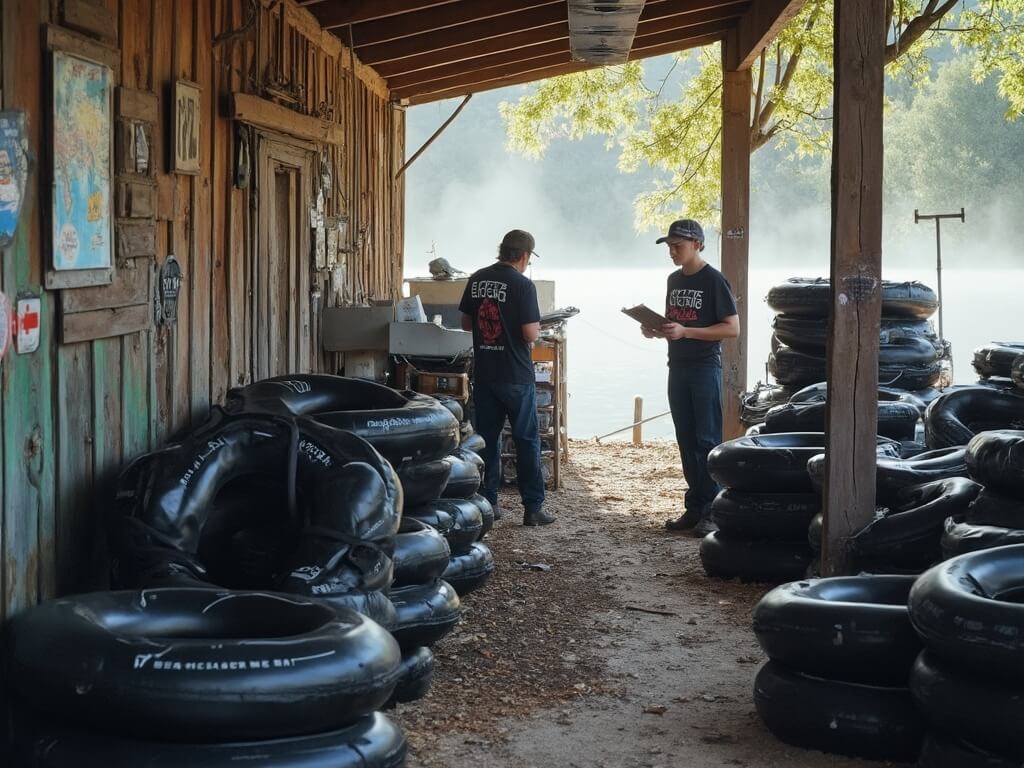
The Float Options (And How Long They Actually Take)
This is where planning gets specific.
There’s no such thing as a “standard” Frio float.
The river offers multiple routes, each with different durations and difficulty levels.
Mager’s Crossing to Camp Riverview:
This is roughly two to three hours of floating. It’s one of the shorter options. Popular with families, people with limited time, or anyone wanting to test the waters before committing to a longer journey.
Camp Riverview to Seven Bluff Crossing:
This stretches three to six hours depending on water conditions and how often you stop to swim. It’s the middle ground—long enough to feel like a proper adventure, short enough that you’re not absolutely wrecked by the end. Most people doing their first real float choose this one.
Longer routes beyond Seven Bluff Crossing:
These exist and some outfitters offer them, but they require more commitment. Water levels, weather, and your personal fitness level all factor into whether a longer float is realistic on any given day.
The average pace is roughly one kilometre per hour, though the current varies depending on where you are on the river and how much water is flowing.
Here’s something crucial that nobody tells first-timers: you can miss your exit.
It sounds impossible until it happens.
You’re floating, enjoying yourself, not paying attention to landmarks, and suddenly you’ve drifted past where you were supposed to get out.
Now you’re floating further than planned.
I watched this happen to a group of lads who missed Camp Riverview’s takeout point and ended up floating an extra two hours because they didn’t realise their mistake until too late.
Most outfitters mark their takeout locations clearly, but you need to be actively watching for them.
The Outfitters Who Actually Know What They’re Doing
You can’t just show up to the Frio and start floating.
Well, technically you can, but you’d be an idiot.
You need a tube (unless you’ve got your own).
You need to know where to start and where to end.
You need someone to shuttle you back to your car.
This is where outfitters come in.
The major operators include:
- Camp Riverview (the biggest operation on the river)
- Josh’s Frio River Outfitter
- Happy Hollow
- Andy’s on River Road
Each offers tube rentals, shuttle services, and basic trip planning advice.
The quality and staff attitude vary dramatically between them.
I’ve had experiences at two different outfitters on the same day—one was genuinely helpful, explaining water conditions and helping us pick the right route; the other basically threw tubes at us and pointed vaguely downstream.
When you contact an outfitter, here’s what to ask:
- Current water conditions (crucial for deciding which route is viable)
- How crowded it is that day (if you’re avoiding peak season crowds, you still want to know if a particular day is unexpectedly busy)
- Whether advance booking is necessary (for tubes, usually no; for kayaks or canoes, often yes)
- Clear takeout point locations (so you actually know where to get out)
- Whether your group can tie tubes together (most allow it, but verify first)
The shuttle service is genuinely valuable.
You’re not driving yourself back upstream to your car—the outfitter handles it.
Without that, the entire logistics nightmare would make casual floating impossible.
Think about it: you can’t float downstream and then somehow get back to your car upstream without a shuttle service.
So yeah, the outfitters aren’t just renting tubes—they’re solving a fundamental problem.
When you’re ready to book your accommodation and sort out your equipment needs, understanding what each outfitter actually offers becomes the difference between a smooth day and a logistical nightmare.
Looking for ways to unwind after your float? Check out our ideas for creating the perfect backyard patio or cozy up around one of our top backyard fire pit ideas!
What You Actually Need to Pack (And What You’ll Regret Forgetting)
The beauty of floating the Frio is that you don’t need much. The curse, however, is that there are specific things you absolutely do need, and figuring them out through trial and error is painful.
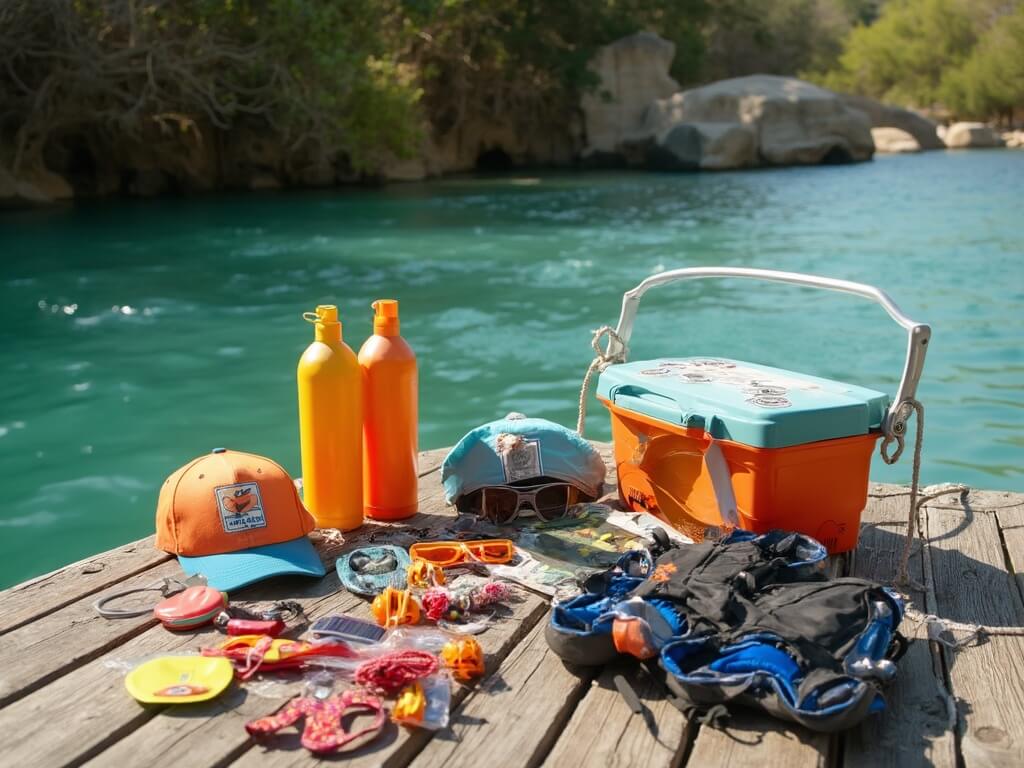
The essentials list:
Sunscreen—and I mean real, industrial-strength sunscreen. You’re spending four to six hours in direct Texas sun with water reflecting light directly onto your skin. SPF 30 is a bare minimum; SPF 50+ is what you actually want. Reapply every two hours or after swimming.
Water shoes or sandals with grip. The riverbed is rocky, and the rocks are sharp. Trainers work but they get waterlogged and heavy. Sandals fall off in current. Water shoes—the kind designed for rivers—are the sweet spot.
A hat and sunglasses. Sunglasses protect your eyes; a hat protects your face and head. A cheap baseball cap works fine—you’re going to get it wet anyway.
Life jackets for anyone who isn’t a strong swimmer. Floating the Frio River isn’t dangerous, but it’s also not a bathtub.
What separates a great day from a stressful one:
A waterproof phone case or dry bag. Your phone will end up in the water. This keeps it functional instead of an expensive brick.
Waterproof containers for valuables. Keys, wallets—better yet, leave them at your accommodation.
A towel and dry clothes waiting in your shuttle car or at your place. Texas heat plus wet clothes equals uncomfortable chafing.
Snacks and drinks. The river doesn’t provide food. Bring water and pack travel-friendly snacks.
Coolers (if someone’s willing to carry one). Tie it to your tube—but know this can fail; beers may float away.
Alcohol policies vary. Some places allow it, others ban it. Some counties are dry. Floating the Frio River in Texas beginner’s guide explains the nuances well—check before you arrive.
Music? Sure, if you’re respectful. A waterproof Bluetooth speaker is fun until it becomes audio chaos.
The packing philosophy:
Bring less than you think you’ll need. You’re not hiking; you’re floating. Extra weight = less comfort. The best float days are simple, intentional, and uncluttered.
The Reality of River Conditions (And Why Checking Them Matters)
The Frio isn’t a theme park—it’s a real river. Water levels change. Weather impacts flow. What floated yesterday might be impassable today.
The river averages around 68°F year-round. After heavy rain, currents increase. During droughts, routes become impossible. Outfitters may shorten or reroute trips for safety.
Check conditions with your outfitter before you go. Most post regular updates. Weather matters too—storms and wind can make the river unsafe or chilly.
Accommodation Options That Actually Exist (Beyond Just Hotels)
Where you sleep matters as much as where you float. Luckily, the Frio area has a surprising variety of lodging options:
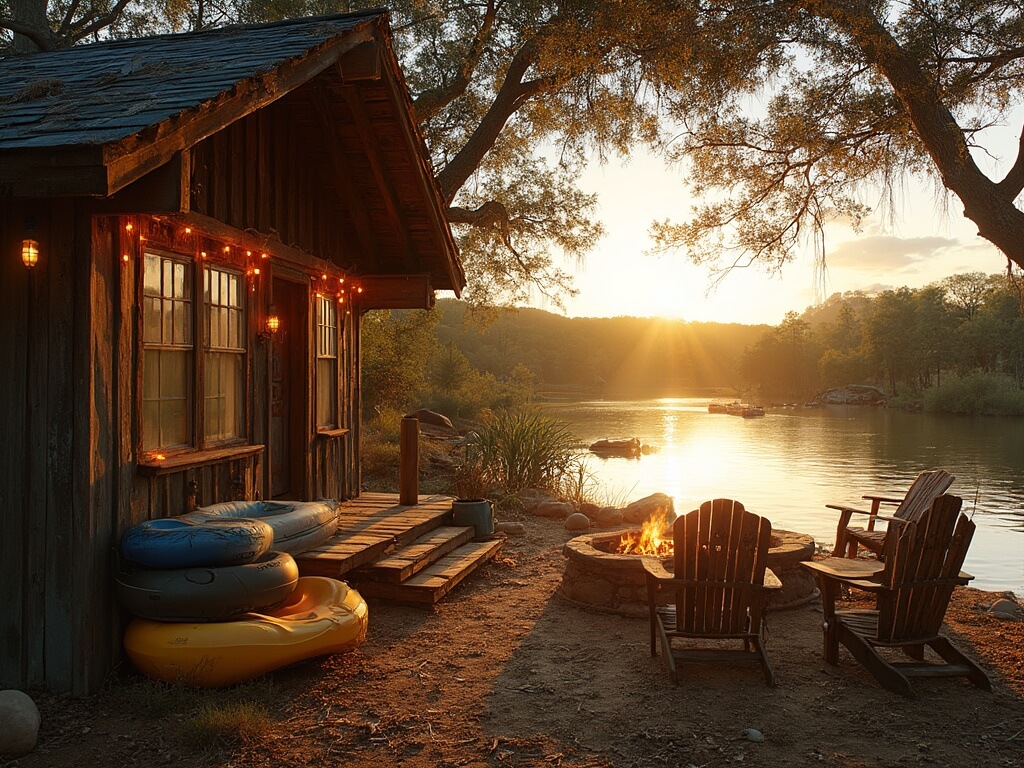
Cabin rentals
From rustic to luxurious, many have private river access. Vacation homes are ideal for groups.
RV parks
Perfect for road-trippers. Many have basic amenities and river access.
Campgrounds
Garner State Park is a top spot, offering facilities, hiking, and access to the river. More regulated, but reliable.
Hotels and motels
Basic but functional options in Concan and Leakey. Sometimes as affordable as cabins but with fewer extras.
What to consider: Proximity to outfitters, river access, pet-friendliness, included amenities, and cancellation policies.
Tip: Call directly before booking online. Owners often know more, and you might get better pricing.
The Events That Make This More Than Just Tubing
The Frio isn’t just about floating—it’s a cultural experience. Events transform the trip into tradition.
- “Women on the Frio” – annual event celebrating female outdoor enthusiasts.
- “Fall on the Frio” BBQ cookoff – combines food, floating, and friendly competition.
- “Freedom Fest” – live music and BBQ with local pride.
- “Gear Up for Game Wardens” – supports Texas Parks and Wildlife and conservation efforts.
Timing your trip around these events can enhance your experience—if you enjoy crowds and vibrant energy. Prefer peace? Avoid event weekends.
The Uncomfortable Truths About Peak Season Crowds
Summer weekends can feel like a floating parking lot. Hundreds of people. Loud music. Shoulder-to-shoulder tubing.
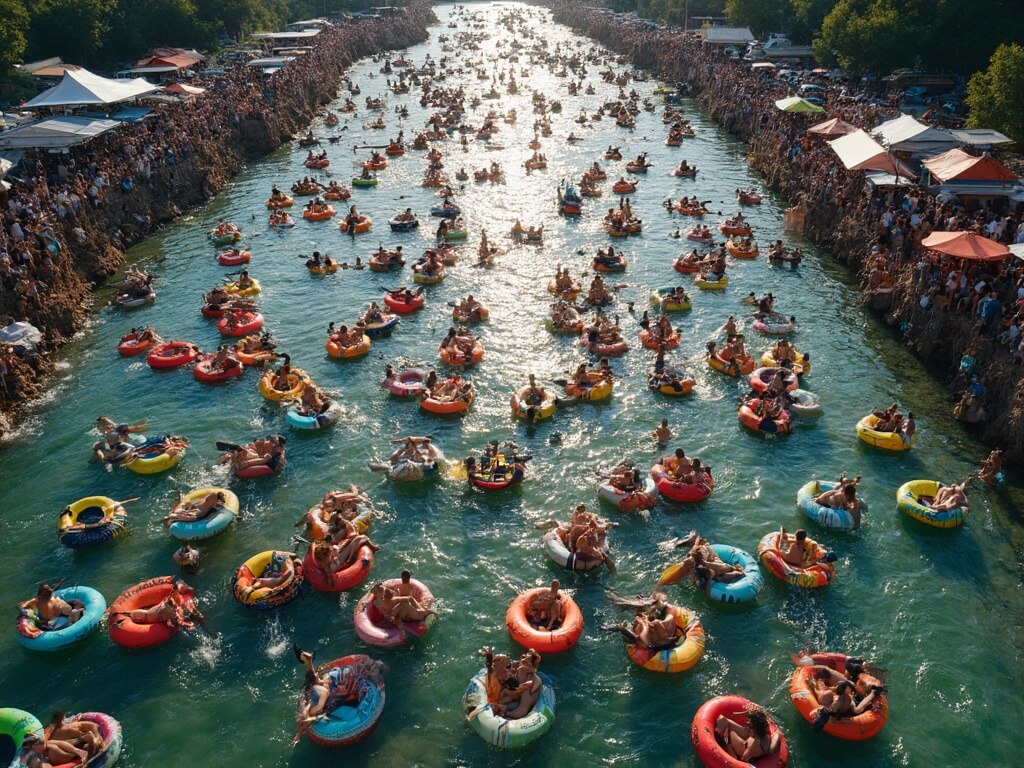
Is it bad? Depends on what you’re looking for. Peak season offers optimal water levels and energy. Shoulder season offers peace and quiet—and often better experiences overall.
Safety Considerations That Actually Matter
The Frio isn’t dangerous—but it’s not risk-free either.
- Supervise young children actively.
- All non-swimmers need life jackets—regardless of age.
- Watch for exit points—missing yours means unplanned floating.
- Assess your group’s fitness and choose float length accordingly.
- Monitor weather—lightning = get off the river.
- Never float alone.
- Leave valuables behind or secure them properly.
Being prepared isn’t paranoia—it makes the experience smoother and safer.
River Etiquette (The Unwritten Rules That Actually Matter)
Respect nature. It’s a living ecosystem, not a theme park. Aggressive noise disrupts wildlife.
Pack it in, pack it out. Littering is vandalism.
Respect fellow floaters. Share space. Don’t dominate the river with your music or group size.
Follow alcohol rules. Not all areas permit it. Don’t drink irresponsibly around kids or strangers.
Follow quiet hours near campgrounds and private land. Be courteous.
The Environmental Impact That Doesn’t Get Discussed
Tourism supports the economy—but pressures the ecosystem.
Conservation efforts like “Gear Up for Game Wardens” help fund park services.
Leave No Trace applies here. Respect wildlife, stay on trails, and minimize your footprint.
Floating the Frio is a shared privilege. Treat it that way.
Future Trends and Why the Frio Is Only Getting More Popular
Growth is happening. Fast.
- Social media exposure is drawing national attention.
- Climate change is extending float season into November.
- Infrastructure improvements support rising visitor numbers.
- Authenticity appeals to travelers tired of over-commercialized attractions.
- Family-friendliness makes it accessible for all ages.
The Frio in five years will feel different. Whether good or bad depends on how growth is managed.
What Happens When Things Go Wrong (And They Sometimes Do)
Disasters happen—leaky tubes, missed exit points, lost keys. Most aren’t dangerous, just inconvenient.
- Injuries? Alert others. Help arrives quickly.
- Missed takeout? Don’t panic. Float to next point and contact outfitters.
- Tube leak? Tie on to another tube and signal for help.
- Panic attack? Get to shallow water and stay calm.
Preparedness reduces stress when things go off-script.
The Bottom Line (And Why You Should Actually Book This Trip)
Floating the Frio is accessible, simple, and deeply rewarding. You can do it solo, with family, for cheap, or in luxury. It’s whatever you make it.
Preparation matters. From what you pack to how you plan your route—know before you go.
Group dynamics matter. Good company enhances the experience.
Flexibility matters. Water levels and weather change. Roll with it.
Do these things and you’ll understand why the Frio River remains one of the best outdoor escapes in Texas.
Now stop reading and start planning your own float down the Frio River in Texas.
Want more adventure ideas?
- Visit the National Civil Rights Museum in Memphis
- Walk the Beaches of the Oregon Coast
- Take a Lighthouse Tour in Maine
- Hike to Delicate Arch in Arches National Park
- Drive the Hana Highway in Maui