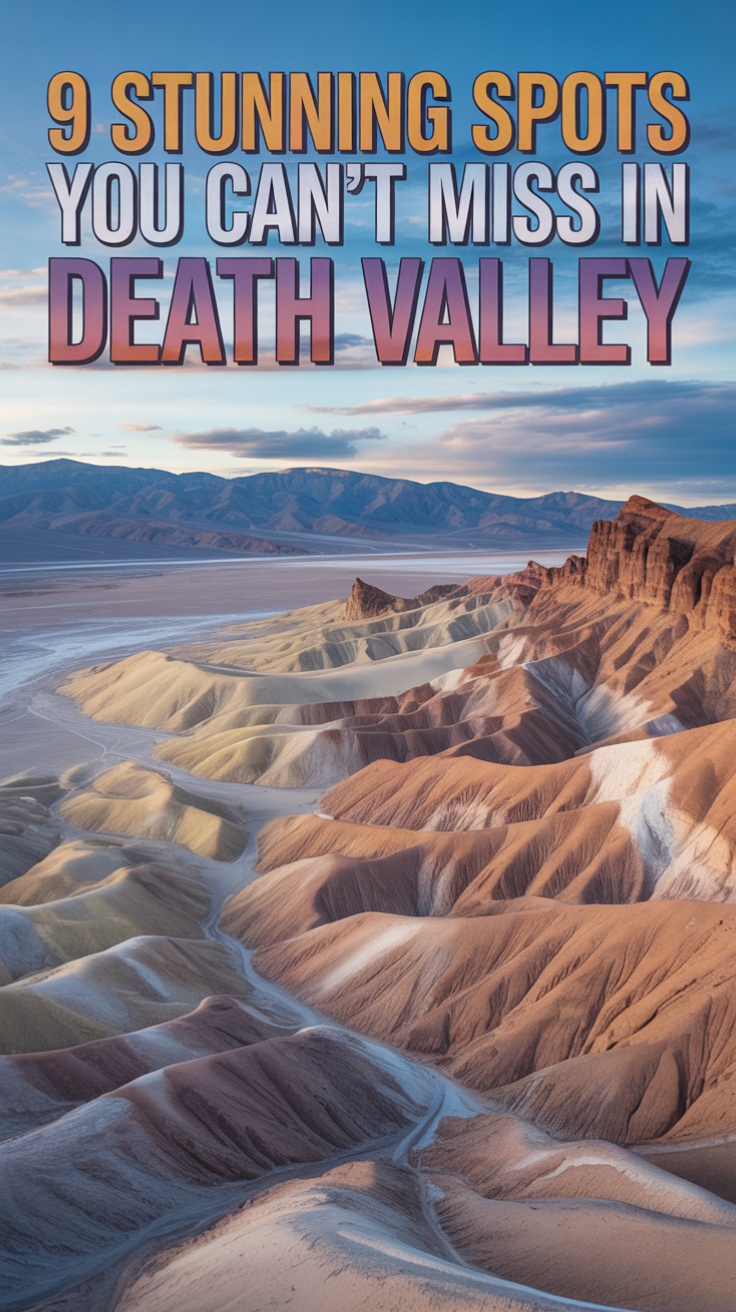
Ever wondered what it’s like to stand in the hottest, driest place in North America? Death Valley National Park isn’t just a destination—it’s an epic landscape that challenges everything you know about survival and natural beauty.
Spanning a massive three million acres across Southern California and Nevada, this park is a geological wonderland that defies expectations. Imagine a place where temperatures can soar above 120°F, yet somehow support incredibly resilient ecosystems and breathtaking natural wonders.
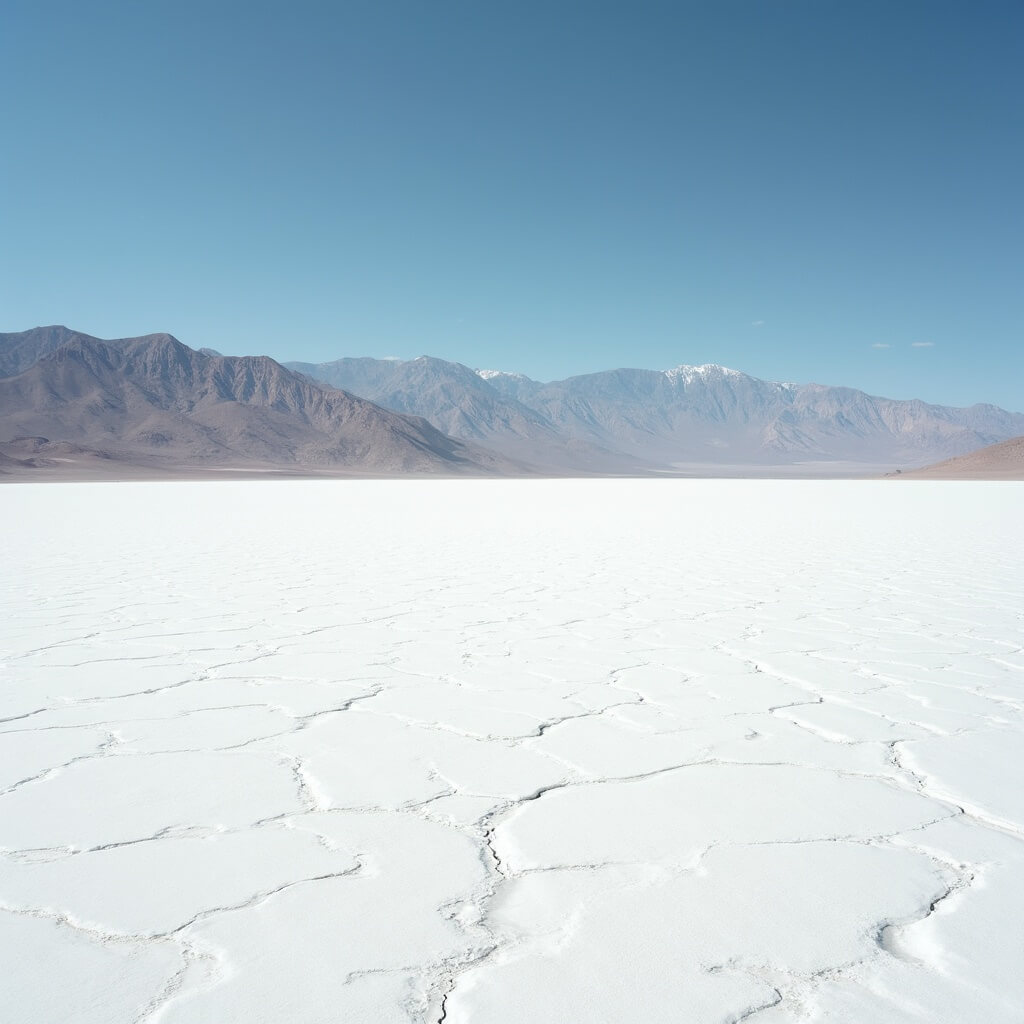
My first encounter with Death Valley was nothing short of mind-blowing. I remember standing at Badwater Basin, 282 feet below sea level, surrounded by endless salt flats that stretched beyond the horizon. The silence was deafening, the heat intense, and the landscape so alien it felt like walking on another planet.
Extreme Landscape, Extreme Records
Death Valley holds some serious bragging rights in the national park world:
- Lowest point in North America
- Hottest recorded temperature: 134°F
- Largest national park in the contiguous United States
- Elevation ranges from below sea level to mountain peaks over 11,000 feet
The park isn’t just about extreme temperatures—it’s a geological playground that tells a complex story of Earth’s dramatic transformations.
Iconic Landscapes That’ll Blow Your Mind
Badwater Basin: A Salt Flat Wonderland
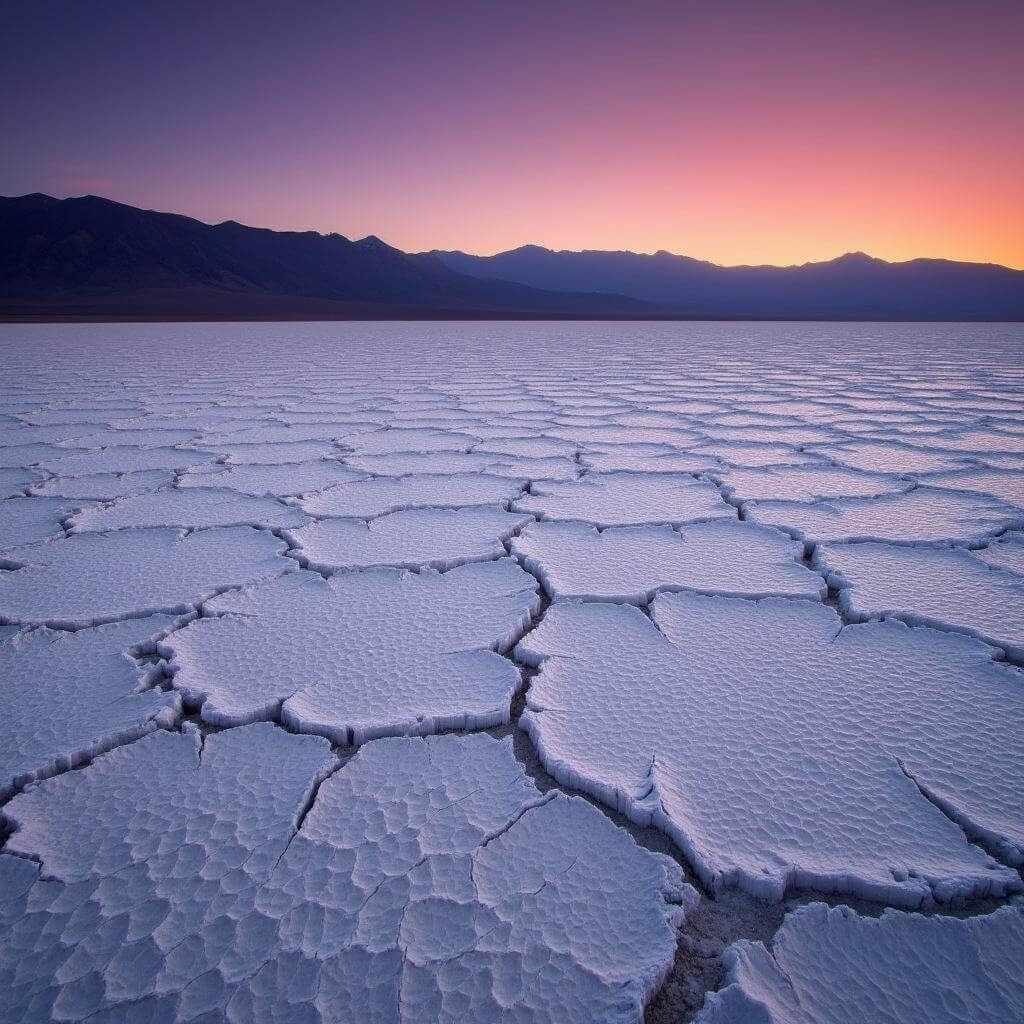
Imagine walking on a landscape so white and flat it looks like freshly fallen snow—except it’s pure salt. Badwater Basin is the continent’s lowest point, a surreal expanse that photographers and adventurers dream about.
Sand Dunes That Defy Imagination
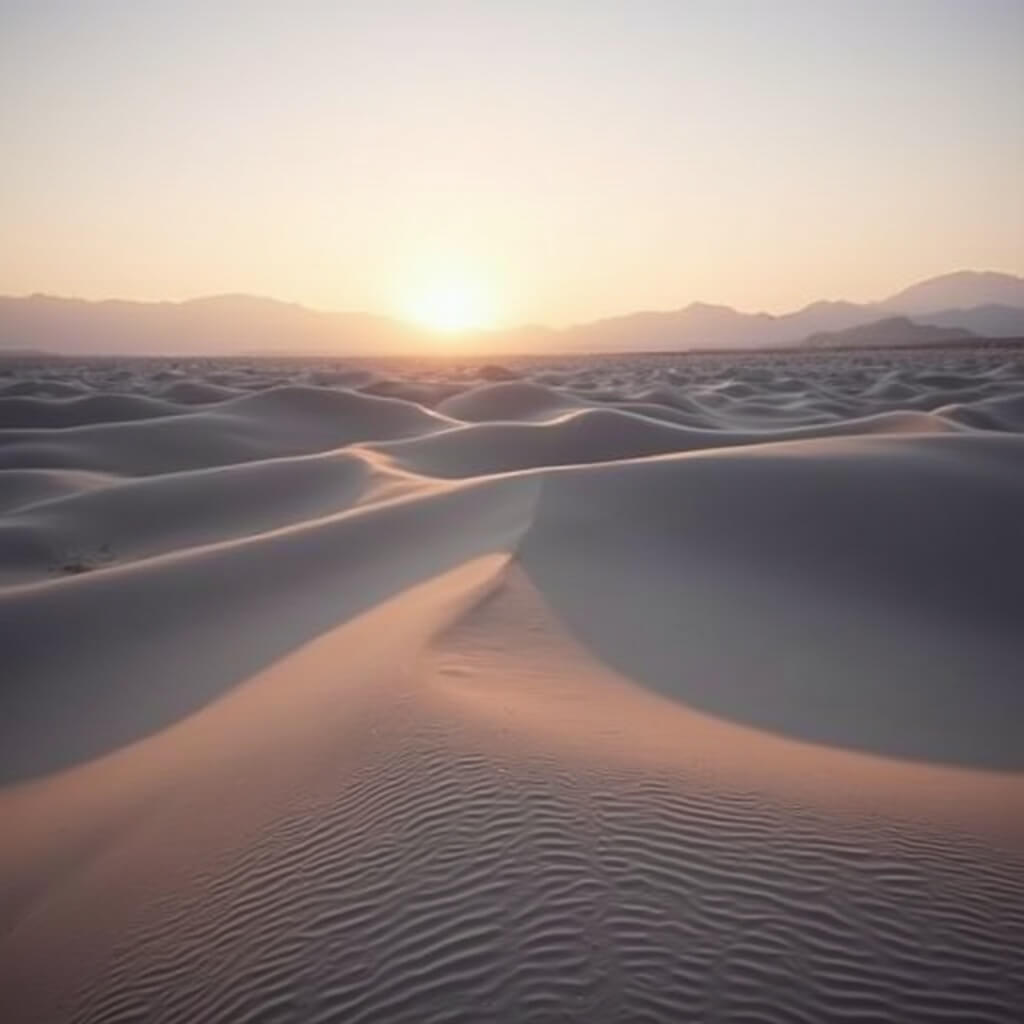
The Mesquite Flat Sand Dunes offer a classic desert experience. Soft, undulating sand stretches as far as the eye can see, perfect for sandboarding, hiking, or simply absorbing the stark beauty of the desert.
Colorful Canyons and Geological Marvels
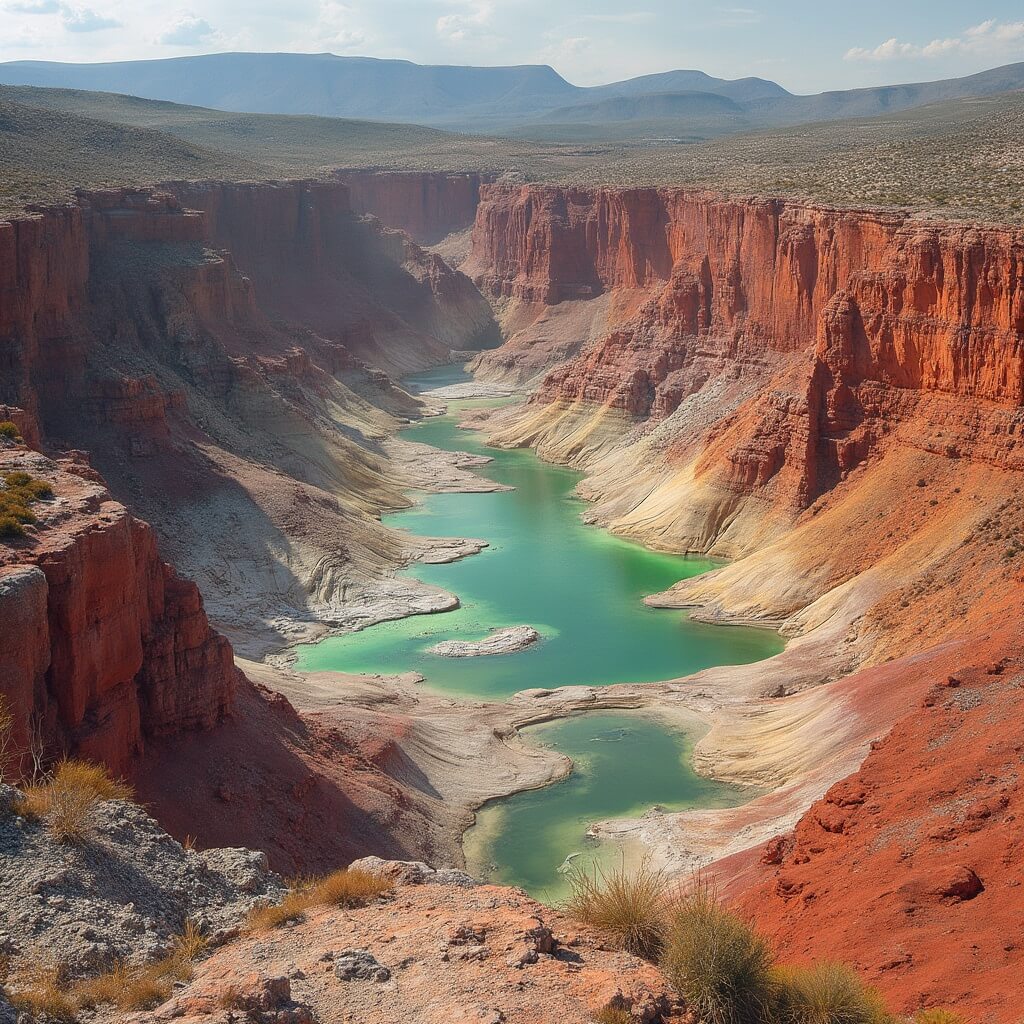
Artist’s Palette is like nature’s own abstract painting. Mineral deposits create a stunning array of colors—reds, greens, purples—that seem almost too vivid to be real. The one-way scenic drive is a must-do for any visitor.
Hidden Gems and Unexpected Wonders
Some highlights that most tourists miss:
- Darwin Falls: A rare desert waterfall that feels like a mirage
- Ubehebe Crater: A 600-foot deep volcanic crater that screams “otherworldly”
- Lee Flat Joshua Tree Forest: A scenic stand of these iconic desert plants
Adventures for Every Type of Traveler
Death Valley isn’t just for hardcore adventurers. Whether you’re a:
- Casual photographer
- Hardcore hiker
- Stargazing enthusiast
- History buff
- Geology nerd
There’s something here that’ll make your heart race.
Safety First: Surviving the Desert
Pro tip: This isn’t a park you casually stroll through. Preparation is key.
Survival Essentials:
- Carry massive amounts of water
- Check vehicle readiness
- Avoid mid-summer hiking
- Have a solid emergency plan
The park’s extreme conditions demand respect. Cell reception is spotty, fuel stations are rare, and temperatures can kill if you’re unprepared.
A Living Landscape with Deep History
Before European explorers, the Timbisha Shoshone people called this harsh environment home. The landscape tells stories of indigenous survival, 19th-century borax mining, and the iconic Twenty Mule Team that became a symbol of desert resilience.
My dust-covered boots and sun-bleached memories whisper one thing: Death Valley is more than a destination. It’s an experience that permanently changes how you see the natural world.
The otherworldly terrain continues to reveal its secrets, inviting those brave enough to explore its hidden wonders.
Explore more dramatic desert destinations like Monument Valley or discover the vibrant layers of the Painted Hills in Oregon.
Night Skies That’ll Make Your Jaw Drop
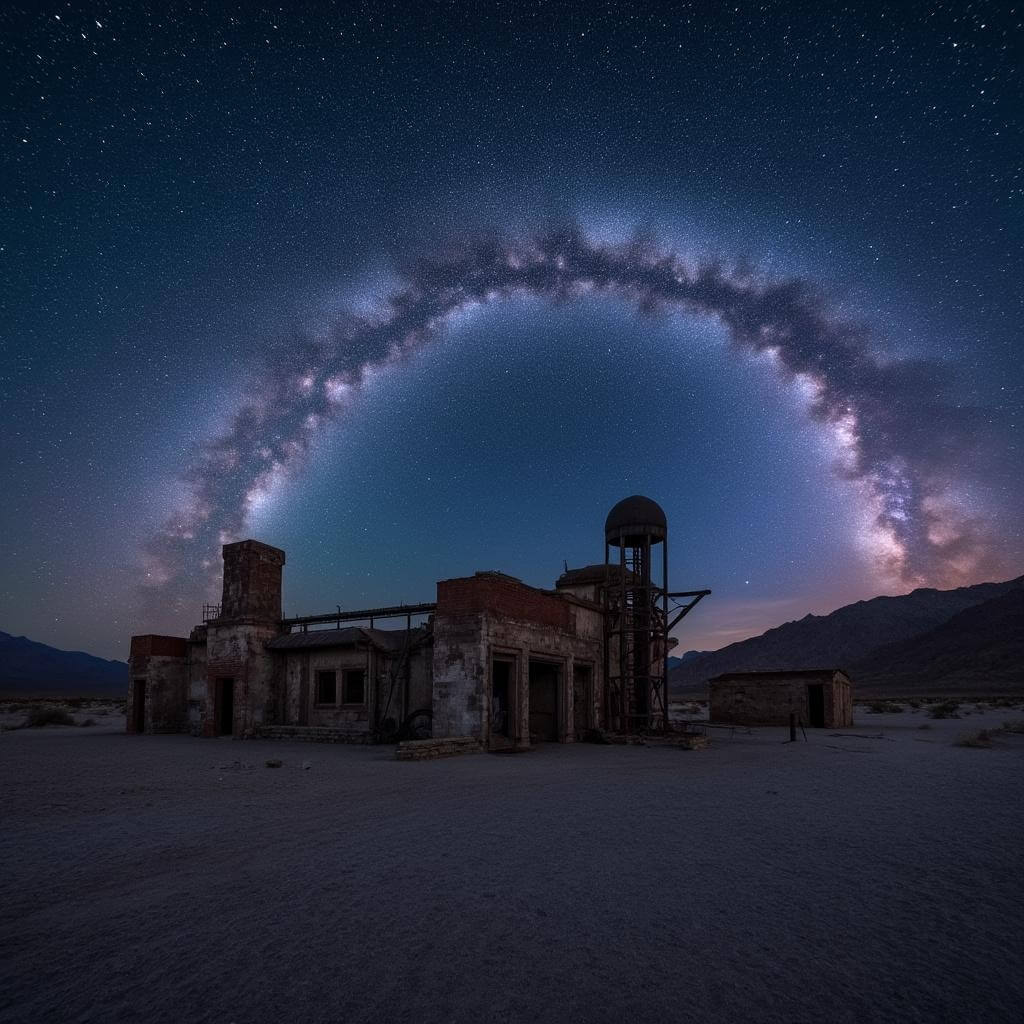
Ever seen a sky so dark and clear it looks like someone spilled diamonds across black velvet?
Death Valley’s International Dark Sky Park status isn’t just a fancy title—it’s an astronomical playground that’ll make even seasoned stargazers weep.
On my last visit, I watched the Milky Way unfold across the sky from Harmony Borax Works, feeling impossibly small against the universe’s infinite canvas. No city lights, no noise—just pure, unadulterated celestial magic.
Stargazing Pro Tips:
- Bring a red-light flashlight to preserve night vision
- Pack warm layers (desert nights get cold!)
- Bring binoculars or a portable telescope
- Download a star-mapping app
- Choose new moon periods for maximum darkness
For more insights, check out the Essential Guide to Exploring Death Valley National Park.
Wildlife: Survival Against All Odds
Think nothing lives in this scorching landscape? Think again.
Desert creatures here aren’t just surviving—they’re absolute masters of adaptation.
Meet the Locals:
- Kit foxes that hunt at night to avoid extreme heat
- Coyotes navigating salt flats like seasoned explorers
- Desert iguanas blending perfectly with rocky terrain
- Bighorn sheep scaling impossible mountain slopes
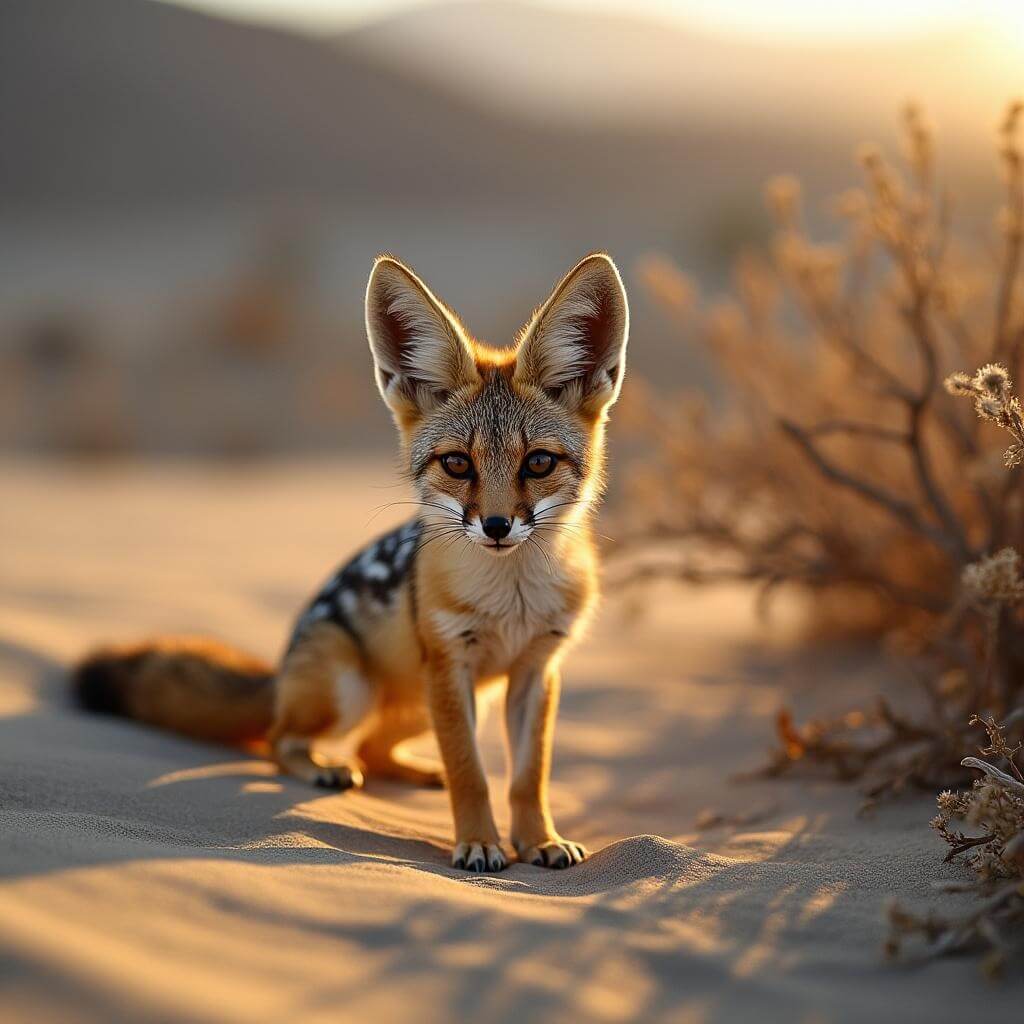
Each species tells a story of resilience, showing how life finds a way even in the most unforgiving environments.
Conservation: Protecting a Fragile Ecosystem
Climate change isn’t a distant threat here—it’s happening in real-time.
Rising temperatures are reshaping Death Valley’s delicate balance. Researchers tracking precipitation patterns have documented significant shifts in the last decade, challenging traditional ecological models.
Key Conservation Challenges:
- Increasing average temperatures
- Changing rainfall patterns
- Protecting endemic species
- Managing human impact
- Preserving dark sky conditions
The National Park Service isn’t just watching—they’re actively developing adaptation strategies to protect this unique ecosystem.
Planning Your Death Valley Adventure: Pro Strategies
Timing is everything in this extreme landscape.
Best Months to Visit:
- October through April
- Mild temperatures
- Optimal hiking conditions
- Less crowded than peak seasons
Avoid:
- Mid-summer (dangerous heat)
- Monsoon season (flash flood risks)
- Holiday weekends (massive crowds)
Insider’s Packing List:
- Minimum 1 gallon water per person, per day
- High-SPF sunscreen
- Wide-brimmed hat
- Lightweight, long-sleeve clothing
- Emergency car kit
- Portable battery charger
- Detailed paper maps (cell service is unreliable)
Pro Traveler Hack: Always have a backup plan and communicate your travel itinerary with someone not on the trip.
For more inspiration, explore the Ultimate Death Valley Adventures: Top Attractions and Activities.
Nearby Attractions: Extending Your Desert Adventure
Death Valley isn’t an isolated wonder—it’s part of a broader desert ecosystem.
Bonus Destinations:
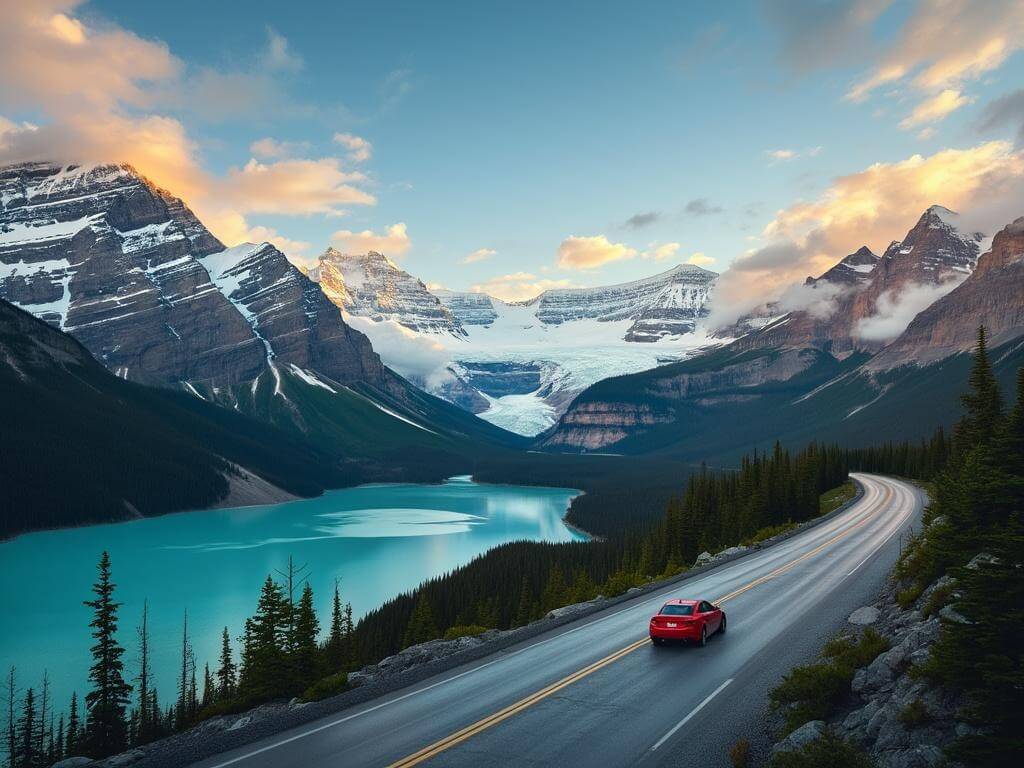
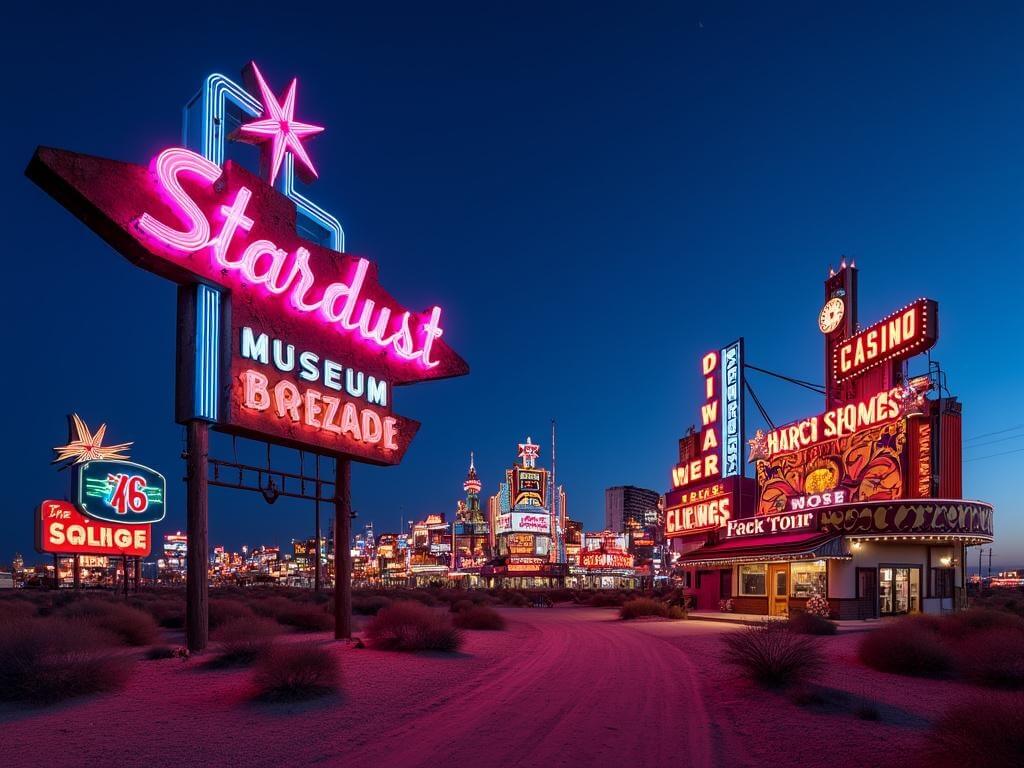
Don’t miss other great regional explorations like walking the Strip in Las Vegas or a scenic drive through the Columbia Icefields Parkway.
Final Thoughts: Why Death Valley Changes You
This isn’t just a national park—it’s a transformative experience that challenges everything you know about survival, beauty, and human resilience.
From scorching salt flats to star-studded nights, Death Valley reveals nature’s most extreme and breathtaking expressions.
My advice? Come with an open mind, respect the landscape, and prepare to be humbled.
Death Valley isn’t just a destination—it’s a profound reminder of our planet’s incredible, unpredictable magic.
Pack your curiosity, respect the environment, and get ready for an adventure that’ll redefine your understanding of wilderness.
Welcome to Death Valley: Where extreme landscapes meet unbelievable adventure.
Also consider other remarkable natural marvels such as floating through Grand Teton National Park or visiting iconic landmarks like Four Corners Monument and Mount Rushmore.