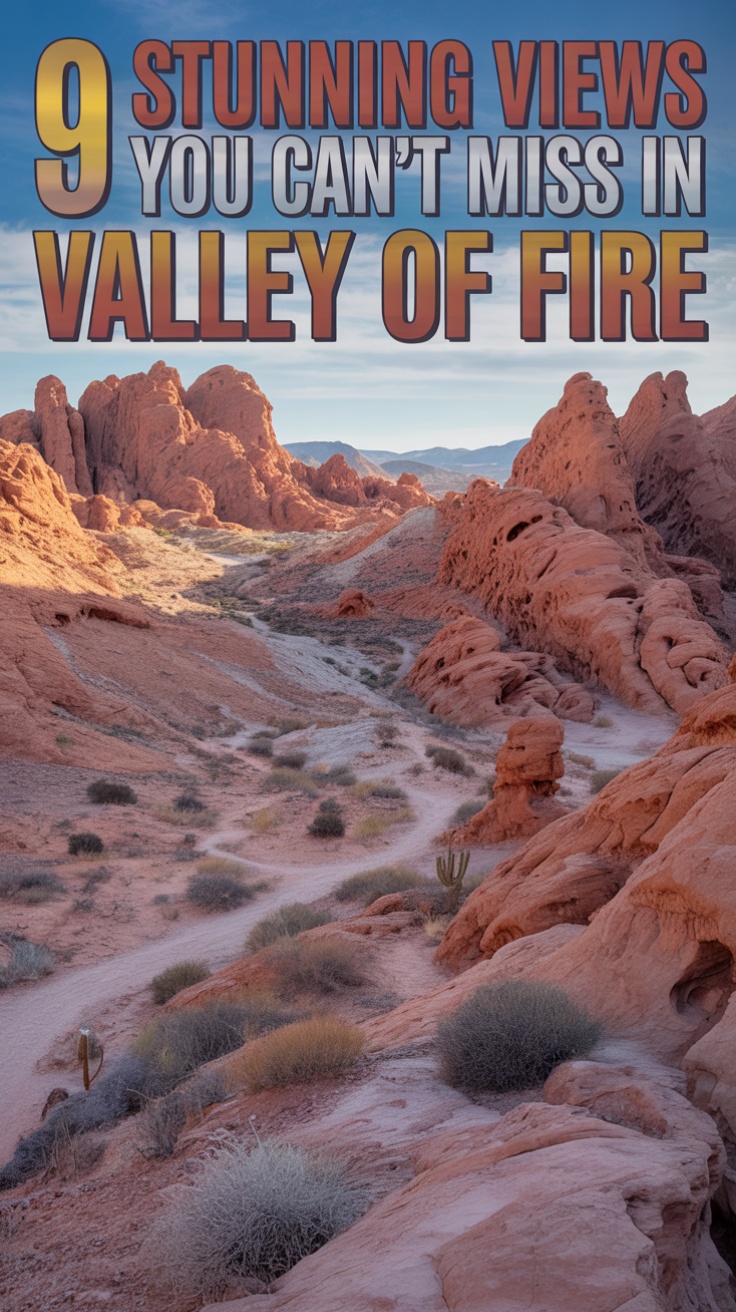
You’re scrolling through Instagram at midnight.
A photo stops you cold.
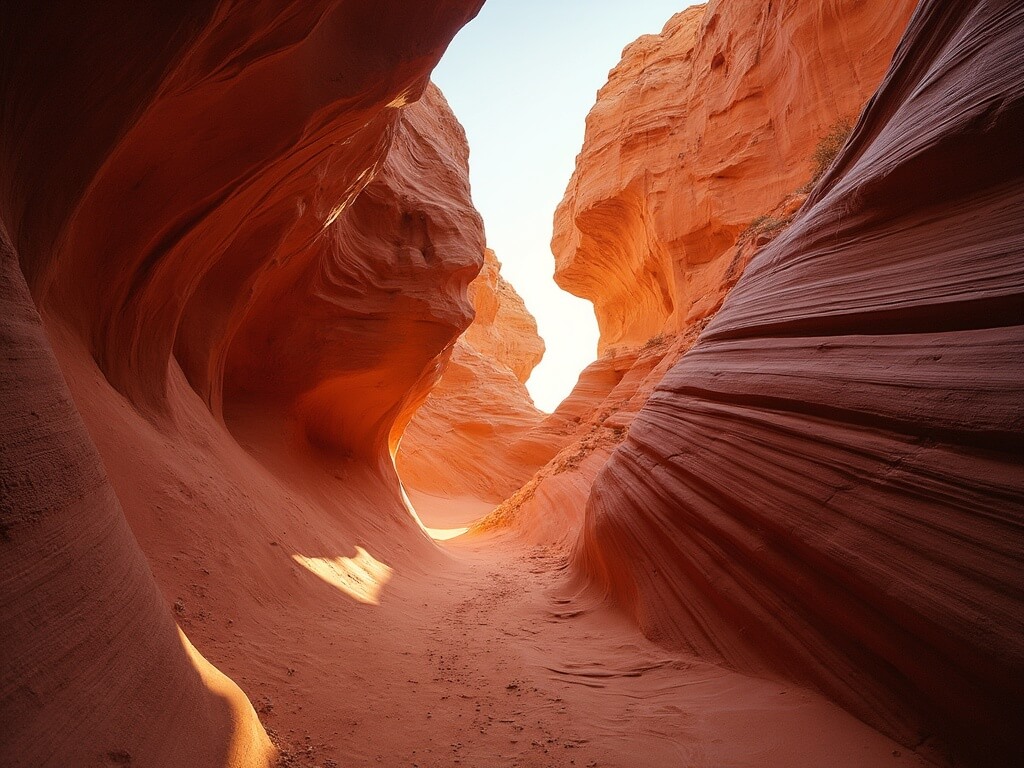
Massive striped sandstone formations glow like embers under a desert sunset.
The caption reads: “Valley of Fire State Park, Nevada.”
You’ve never heard of it.
Yet something about those otherworldly rock formations makes you want to book a flight immediately.
Here’s the thing most people don’t realise: Valley of Fire State Park in Nevada isn’t just another desert park you tick off a checklist.
It’s Nevada’s oldest and largest state park, established in 1935 and sprawling across nearly 46,000 acres of pure geological theatre.
Located just 50 miles northeast of Las Vegas, it sits close enough for a day trip yet feels like you’ve travelled to another planet entirely.
Most visitors from Las Vegas hit Red Rock Canyon instead because it’s famous.
They miss what I discovered on a sweltering April afternoon: a landscape so raw and honest about its age that standing there feels like touching prehistory with your own hands.
What Makes Valley of Fire Actually Different From Every Other Desert Park You’ve Seen
The name alone hints at something special.
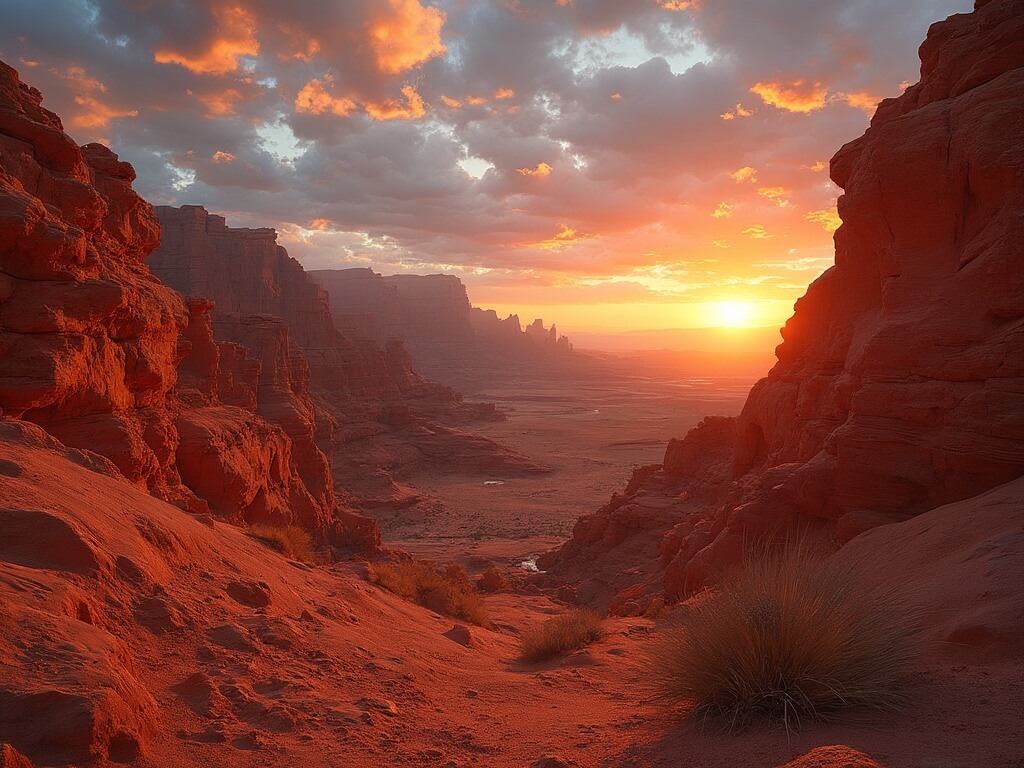
An AAA official in the 1920s coined it after watching the sunset turn the park’s red Aztec sandstone formations into literal flames.
But here’s what actually matters: those rocks aren’t just pretty.
They’re storytellers.
The red sandstone you see was formed during the Jurassic era—we’re talking 150 million years ago when dinosaurs walked the earth.
These were actual sand dunes back then.
Over millions of years, wind, water, and erosion sculpted them into formations that look almost alien in their precision.
The contrast is what gets you though.
Those fiery red rocks sit against limestone mountains and grey-tan outcrops, creating a visual punch that photographs simply cannot capture adequately.
I learned this the hard way on my first visit when I took fifty photos of Elephant Rock and none of them came close to the actual experience of standing in front of it.
The Mojave Desert climate here is unforgiving but honest.
Limited precipitation means extreme temperature swings.
Summer temperatures routinely hit 40°C or higher, which is why the park makes strategic sense only during certain months.
But when you visit in autumn or spring, the desert transforms into something manageable and breathtaking in equal measure.
The native vegetation—creosote bush, various cacti, yucca plants—evolved over millennia to thrive in absolute scarcity.
Desert bighorn sheep, lizards, birds, and small mammals have carved out their own niches in this harsh environment.
Walking through Valley of Fire, you’re not just seeing rocks. You’re witnessing an entire ecosystem’s answer to survival.
Key takeaway: Valley of Fire isn’t impressive because it’s scenic. It’s impressive because everything here—the rocks, the plants, the animals—represents millions of years of relentless adaptation.
The Humans Who Were Here Long Before Instagram Made It Famous
Before the park existed, before roads carved through the landscape, people were already here leaving their mark.
The Basketmaker and Pueblo cultures occupied this land approximately 2,500 years ago.
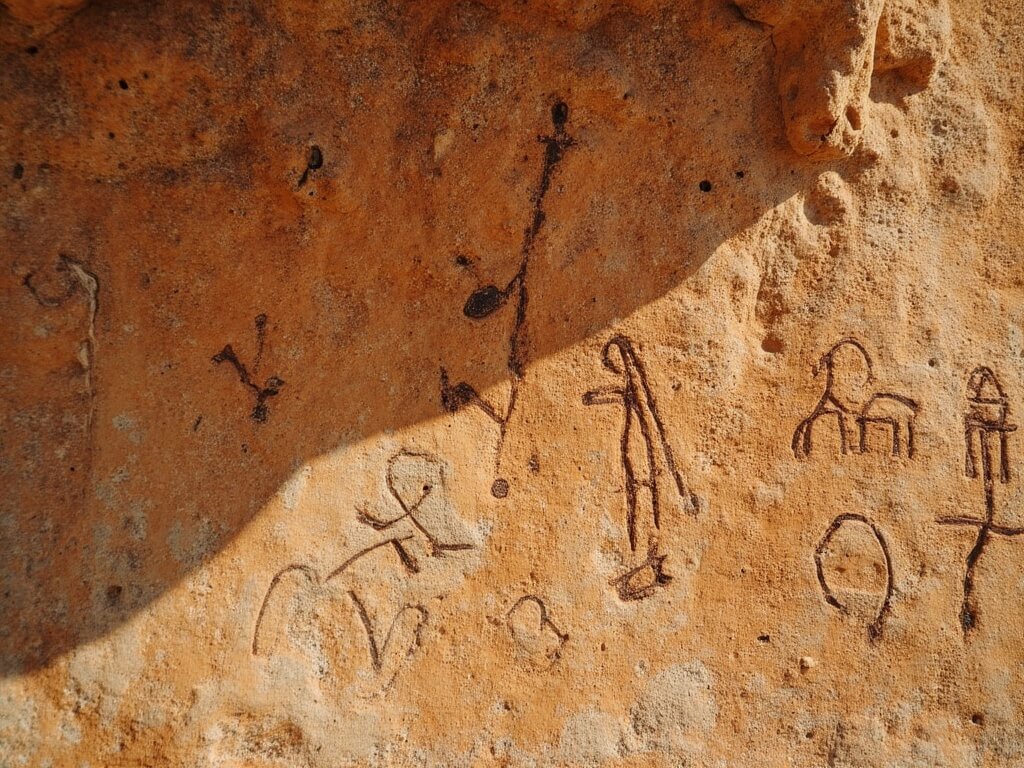
Evidence of their presence remains etched into the very rocks: petroglyphs that have survived more than two millennia of desert sun and wind.
At sites like Atlatl Rock and Mouse’s Tank, you can see over 2,000-year-old rock art that makes you reckon with time in a visceral way.
These weren’t casual scratches.
They represent communication systems, spiritual expression, and cultural identity carved by people who understood this desert intimately.
The Paiute people were here in the 19th century, followed by early Mormon settlers who attempted agriculture and ranching in what remains an unforgiving landscape.
Then came the Civilian Conservation Corps (CCC) in the 1930s and 1940s.
During the Great Depression, the CCC built something remarkable here: campgrounds, stone cabins, roads, and trails that remain largely intact today.
You walk on paths literally constructed by workers decades ago, using stone structures that have weathered nearly a century of desert conditions.
The official state park designation came in 1935, but public access had already begun with the Arrowhead Trail in 1912.
What strikes me most about this history is how recent it all is in geological terms.
While the sandstone has been settling for 150 million years, humans arrived yesterday.
We carved petroglyphs. We built cabins. We created trails.
All of it feels both utterly insignificant against the ancient rock and absolutely vital to understanding how we relate to wild places.
Key takeaway: Valley of Fire’s human history adds layers of meaning to the landscape. You’re not just seeing geology; you’re walking through chapters of human persistence in an impossible environment.
The Rock Formations Everyone Actually Wants to See (And Why You Need to See Them In Person)
Fire Wave is the one everyone photographs.
Its striped sandstone layers catch light in a way that looks almost digitally enhanced—except it’s completely natural.
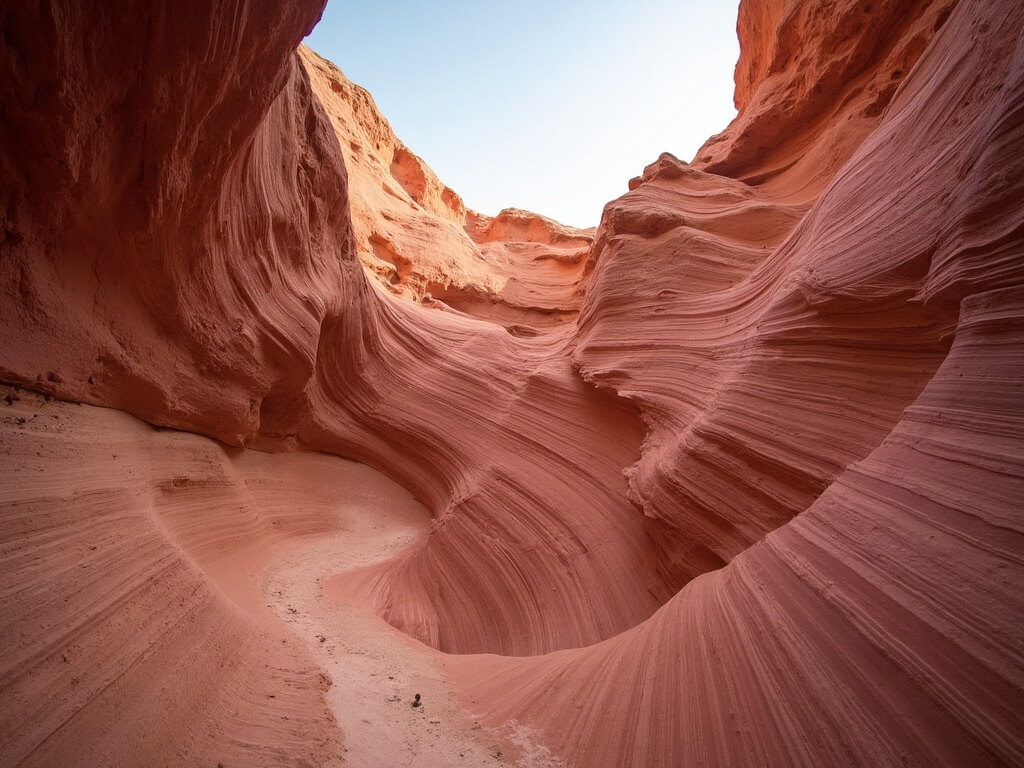
The formation sits roughly in the middle of the park, and on any given weekend during peak season, you’ll find dozens of photographers waiting for golden hour to hit precisely right.
I visited on a Tuesday morning in March and had the place almost entirely to myself.
That’s when you actually see why Fire Wave matters: in solitude, you can trace the geological layers with your eyes and understand how time literally stacks on top of itself in visible bands of colour and texture.
Elephant Rock lives up to its name through sheer visual honesty.
Accessible from the east entrance with easy parking and minimal hiking, it’s the park’s most approachable icon.
The shape is unmistakable once you see it, which makes it the perfect starting point if you’re arriving without much experience in reading landscape formations.
Arch Rock is equally straightforward: a natural arch carved by erosion, accessible as part of the scenic loop drive.
White Domes presents something different.
The scenic loop drive through this section winds through continuously changing colours and textures.
There’s a slot canyon component here that transforms hiking into something more adventurous than a simple walk.
The Beehives sit near the main entrance—grooved sandstone formations that look precisely like what their name suggests.
Stop here first if you want to ease into understanding the park’s geological vocabulary.
Mouse’s Tank offers an easy hiking trail with petroglyphs, making it ideal if you want cultural history mixed with minimal physical exertion.
Atlatl Rock provides a dedicated petroglyph viewing platform with interpretive signage that contextualises what you’re seeing.
Rather than wandering and wondering, you get actual information about these 2,000-year-old markings.
The Valley of Fire Scenic Byway functions as the park’s backbone.
This main paved road features pullouts at key features, meaning you can experience significant portions of the park without leaving your vehicle.
White Domes Road (also called Mouse’s Tank Road) branches off and provides access to additional hikes and overlooks through landscape that shifts colour almost continuously as you drive.
Key takeaway: These formations aren’t random shapes. Each one represents specific geological processes and contains legible evidence of how rock responds to millions of years of weathering and erosion.
How to Actually Spend Your Time Here Without Making Rookie Mistakes
The hiking here ranges from genuinely easy walks to genuinely difficult scrambles.
Fire Wave and Seven Wonders Loop represent moderate-to-strenuous territory.
White Domes Loop offers something more accessible while still delivering visual rewards.
Mouse’s Tank trails are family-friendly and short.
Rainbow Vista and Pinnacles Loop provide intermediate options with excellent views.
Here’s what most visitors get wrong: they show up in summer expecting to hike at midday.
The park closes many trails from May through September specifically because the heat becomes legitimately dangerous.
This isn’t an exaggeration or marketing caution.
People have gotten seriously injured—even died—from dehydration and heat exhaustion in Nevada’s desert parks.
The park’s approach is straightforward: don’t let people hike when conditions are life-threatening.
Visit between October and April instead.
The difference is literally the difference between discomfort and medical emergency.
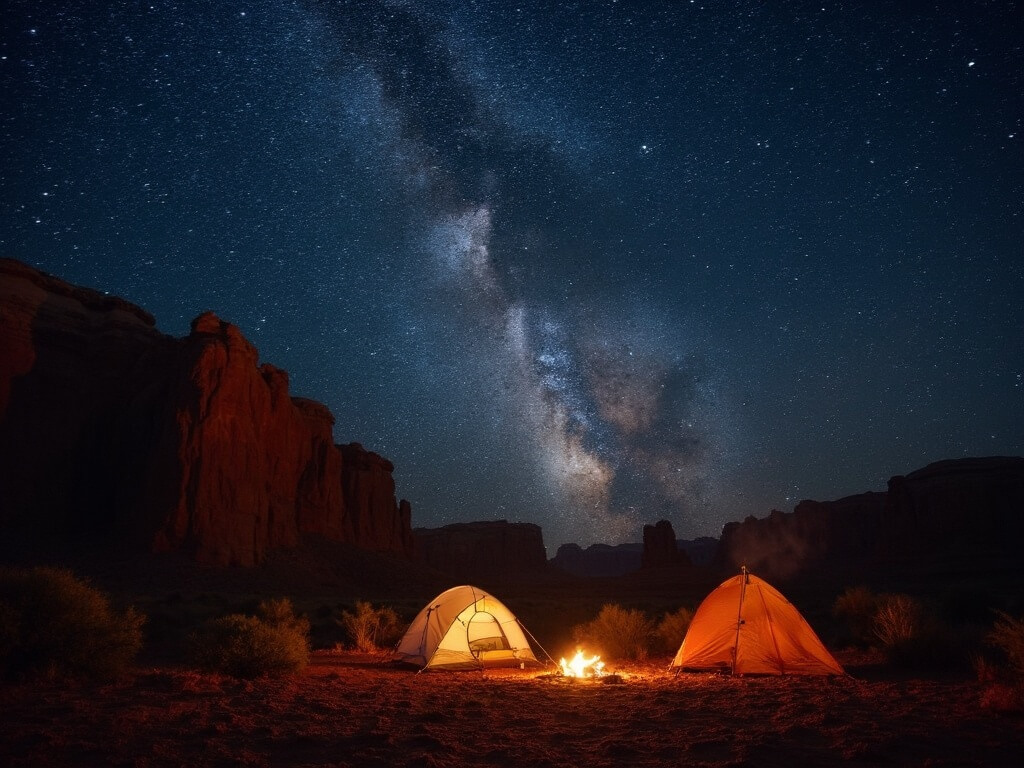
Two main campgrounds operate year-round: Atlatl Rock with 72 sites (including RV hookups and shower facilities) and Arch Rock, which is smaller and quieter.
All camping is first-come, first-served, which means weekend availability during peak season is basically non-existent unless you arrive Thursday evening.
The minimal light pollution makes both campgrounds exceptional for stargazing—an underrated benefit that transforms camping here into something almost spiritual.
Beyond hiking and camping, the park accommodates scenic drives, picnicking, wildlife watching, and photography.
Dogs are welcome on trails if leashed, making Valley of Fire genuinely pet-friendly.
Cycling is permitted on roads, and organised group events can happen with proper permitting.
The visitor centre provides interpretive exhibits covering geology, ecology, history, and park maps.
Opening hours are 9 a.m. to 4 p.m. daily, closed on state holidays.
The park itself opens at sunrise and closes at sunset year-round.
Entrance fees are straightforward: $10 for Nevada vehicles, $15 for out-of-state vehicles.
Critical safety reality: Carry water—far more than you think you’ll need. Sun protection and snacks are mandatory, not optional. Wear long sleeves and long trousers. Download offline maps because cellular service basically doesn’t exist throughout most of the park. Wear proper hiking boots, not trainers. Check trail status before you arrive because seasonal closures are absolute, not suggestions.
Valley of Fire sits in the peculiar position of being close enough to Las Vegas for a day trip yet remote enough to feel genuinely wild.
That proximity has created a specific problem worth understanding before you visit.
Related Reads
The Proximity Problem: Why Valley of Fire’s Greatest Strength Is Also Its Biggest Challenge
Social media has fundamentally changed how people experience wild places.
A stunning photo of Fire Wave gets shared 50,000 times.
Travel bloggers create 10-minute YouTube videos showcasing the park’s highlights.
Suddenly, Valley of Fire transforms from a hidden gem into a destination everyone wants to visit simultaneously.
The park now experiences genuine overcrowding at popular sites and trailheads, particularly during weekends and peak season months.
Parking at Fire Wave fills completely by mid-morning on Saturdays.
The peaceful solitude I experienced on a Tuesday morning has become genuinely rare rather than predictable.
Here’s the tension the park now manages: how do you keep a place wild when it’s become famous?
The Nevada State Parks system has responded with increased signage, stricter permit enforcement for groups, and consistent trail maintenance.
But there’s only so much infrastructure can do against sheer numbers of people.
The reality is this: if you want the authentic Valley of Fire experience—the one where you can actually feel the quiet weight of 150 million years—you need to visit strategically.
Weekdays in March or October will give you vastly different experiences than Saturday in April.
Early morning arrivals beat crowds significantly.
Mid-week trips during shoulder seasons offer the best combination of comfortable weather and genuine solitude.
Key takeaway: Valley of Fire remains extraordinary, but experiencing its actual magic requires planning around crowds, not hoping they won’t be there.
What Actually Happens When You Show Up Unprepared (And Why The Desert Doesn’t Forgive Mistakes)
I nearly made a serious error on my second visit to Valley of Fire.
I arrived around 11 a.m. in late May, thinking spring weather would continue through the morning.
I was wrong.
By 1 p.m., the temperature had climbed to 38°C with virtually no shade on the Fire Wave trail.
I’d brought one litre of water, thinking it would be sufficient for a two-hour hike.
Halfway through, I realised I’d miscalculated completely.
The combination of heat reflection off red rock, direct sun exposure, and my own underestimation created a situation that transitioned from manageable to genuinely dangerous within 30 minutes.
I turned back, sweating through my shirt, and made it to the car with maybe 100 millilitres of water left.
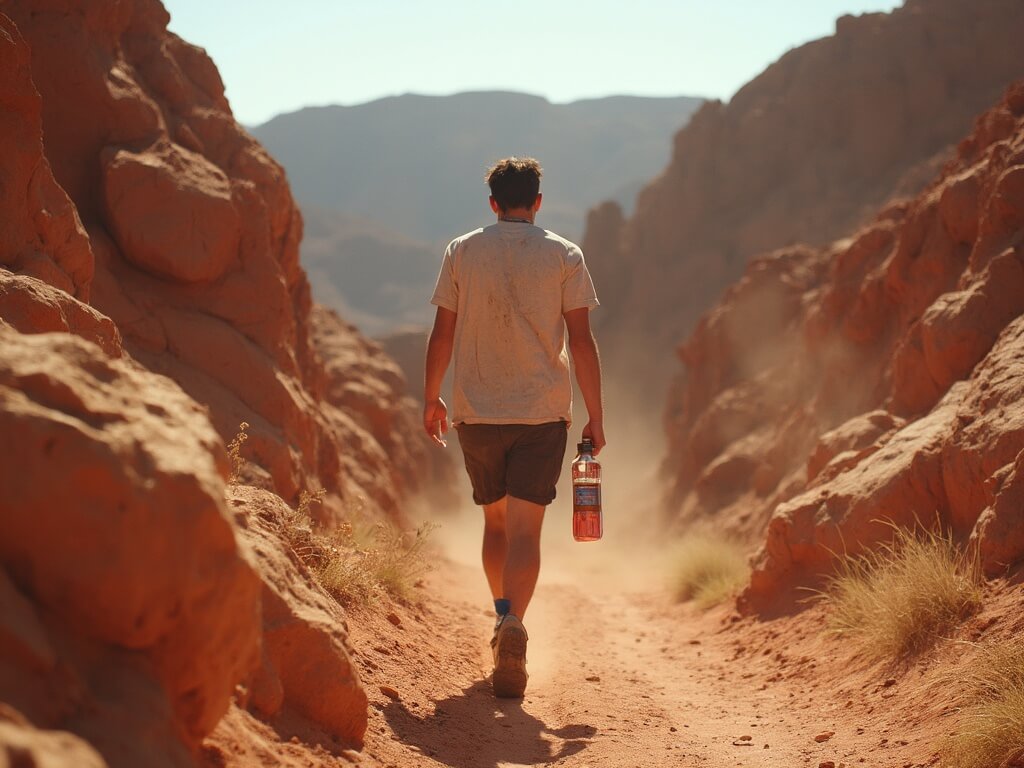
That’s when I understood something intellectually that I’d only known academically before: the desert doesn’t care about your plans.
This is exactly why the park closes trails during peak summer months.
It’s not bureaucratic caution.
It’s the state acknowledging that human physiology simply cannot function safely under certain desert conditions.
Key takeaway: Valley of Fire demands respect through preparation. Come equipped, come informed, come during appropriate seasons, and come with honest assessment of your own physical capabilities. The landscape will reward that respect with an experience you’ll carry for decades.
The Facilities Question: Understanding What The Park Does And Doesn’t Provide
This is where Valley of Fire separates genuine adventurers from casual day-trippers.
The park provides restrooms at the visitor centre and at some trailheads.
It provides parking areas, picnic tables, and basic infrastructure.
What it does not provide: gas stations, food service, water refill stations, or medical facilities.
This isn’t neglect. It’s intentional design that preserves the park’s wildness while requiring visitors to be self-sufficient.
Smart visitors arrive with a full fuel tank, adequate food and water, and basic first aid supplies.
The two main campgrounds—Atlatl Rock and Arch Rock—provide varying levels of service.
Atlatl Rock offers 72 sites with RV hookups, shower facilities, and more infrastructure.
Arch Rock operates with smaller capacity and minimal amenities, emphasising a quieter, more primitive camping experience.
Key takeaway: Valley of Fire’s minimal service structure is intentional, not accidental. It’s a feature that preserves wildness while requiring you to bring self-sufficiency. Plan accordingly.
Why Valley of Fire Actually Matters More Than Just Another Instagram Destination
Every landscape tells a story about how time functions.
Valley of Fire operates on different temporal mathematics entirely.
The sandstone you touch was deposited 150 million years ago.
The petroglyphs were carved 2,000 years ago.
You walk on trails built by Depression-era workers when your grandparents were young.
Key takeaway: Valley of Fire matters because it delivers genuine perspective. That perspective carries value that extends far beyond a day trip to a scenic destination.
For more information on cultural heritage and park preservation, visit the Valley of Fire State Park official Nevada travel guide.
Planning Your Visit: The Actual Logistics That Make Or Break The Experience
The best time to visit is genuinely October through April.
Accessibility varies significantly—some trails are easy, others require climbing and scrambling.
Allocate 4-6 hours for a solid first visit. Allocate 1-2 days if you actually want to explore comprehensively.
Families with children and pet owners can visit successfully with proper planning.
Key takeaway: Plan your Valley of Fire visit around specific timelines and honest self-assessment. A well-planned 24-hour trip beats a rushed 5-hour visit.
For hiking guides and specifics, visit this complete guide to exploring Valley of Fire State Park.
Comparing Valley of Fire To The Alternatives You’ve Actually Heard Of
Valley of Fire offers comparable scenery to Red Rock Canyon with dramatically fewer crowds.
Valley of the Gods in Utah offers even more isolation but requires more travel.
Key takeaway: Valley of Fire occupies a sweet spot between accessibility and genuine wildness.
The Honest Reality: What Valley of Fire Does Incredibly Well And Where It Falls Short
Excels at: Geological wonder, cultural heritage, proximity to Las Vegas, pet-friendliness, stargazing.
Falls short: Trail network size, facilities, ADA accessibility, crowd control during peak seasons.
Key takeaway: Valley of Fire is extraordinary for what it does well and honest about what it doesn’t provide.
The Final Question: Is Valley of Fire Actually Worth Your Time?
Yes, absolutely: If you want wonder and are willing to plan properly.
No, probably not: If you need infrastructure or can’t handle the climate or terrain.
Key takeaway: Valley of Fire hasn’t been commodified to death. That’s rare—visit before it changes.
The Action Step: What To Do Right Now If This Actually Matters To You
Book a trip for March, October, or April. Download offline maps. Pack water, food, and sun protection. Arrive on a weekday. Camp under the stars. Let the landscape shift your perspective.
Those aren’t Instagram moments. They’re actual human experiences.
Valley of Fire State Park will deliver exactly that if you treat it as more than a destination.
More Travel Inspiration from JennaLiving.com
- Watch the Sunrise from Cadillac Mountain
- Take the Cog Railway to the Top of Pikes Peak
- Walk the Beaches of the Oregon Coast
- Ride the Great Smoky Mountains Alpine Coaster
- Visit the National Civil Rights Museum in Memphis