You’ve probably heard of Zion National Park.
Everyone has.
But here’s what most people don’t know: some of the most stunning slot canyon hiking in America sits just beyond Zion’s shadow, free to explore, less crowded, and arguably more dramatic.
I’m talking about slot canyons in Grand Staircase-Escalante National Monument.
Over 1.9 million acres of protected wilderness sprawl across southern Utah, spanning Kane and Garfield counties.
This isn’t a manicured park with gift shops and entrance fees.
It’s raw.
It’s untamed.
And it’s exactly why people fall in love with canyon country.
What Makes Grand Staircase-Escalante Different (And Why You Should Care)
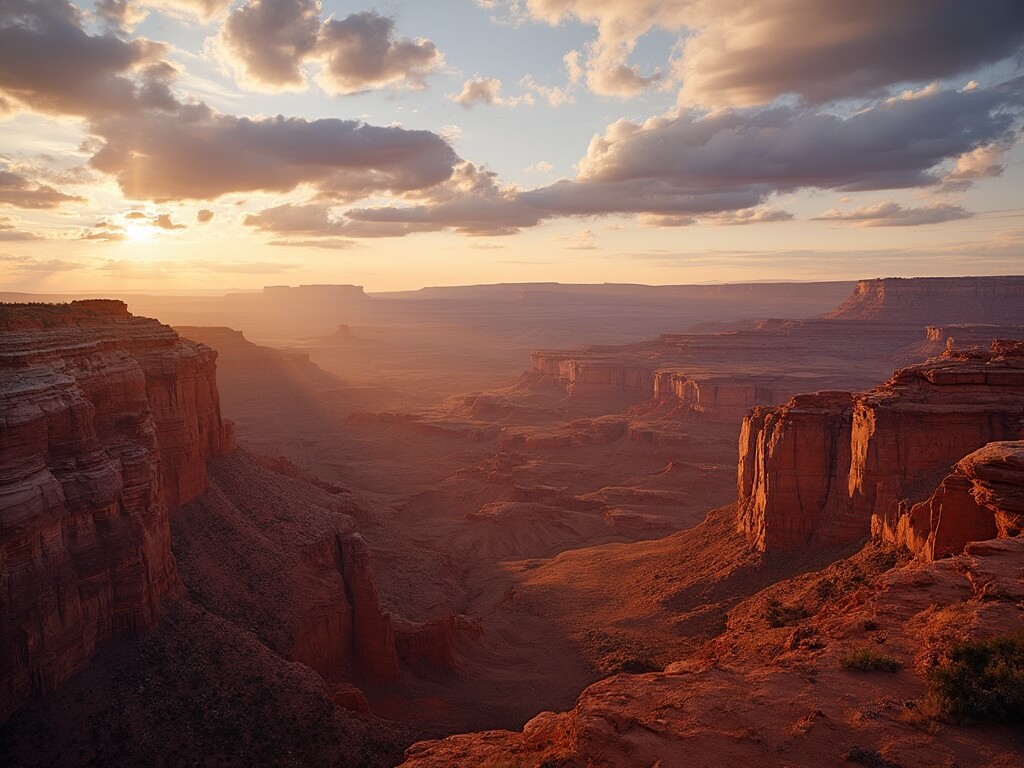
Here’s the honest truth: slot canyon hiking in Grand Staircase-Escalante offers something most other Utah parks can’t compete with.
No entrance fee.
You read that right.
While Zion charges $35 per vehicle and Arches runs $30, Grand Staircase-Escalante welcomes you for free.
The slot canyons here aren’t just cheaper to access though.
They’re less crowded.
During peak season, you might share Zion’s narrow passages with hundreds of other hikers.
At Peekaboo and Spooky slot canyons here, you could hike all day and see fewer than ten people.
The formations themselves are equally impressive.
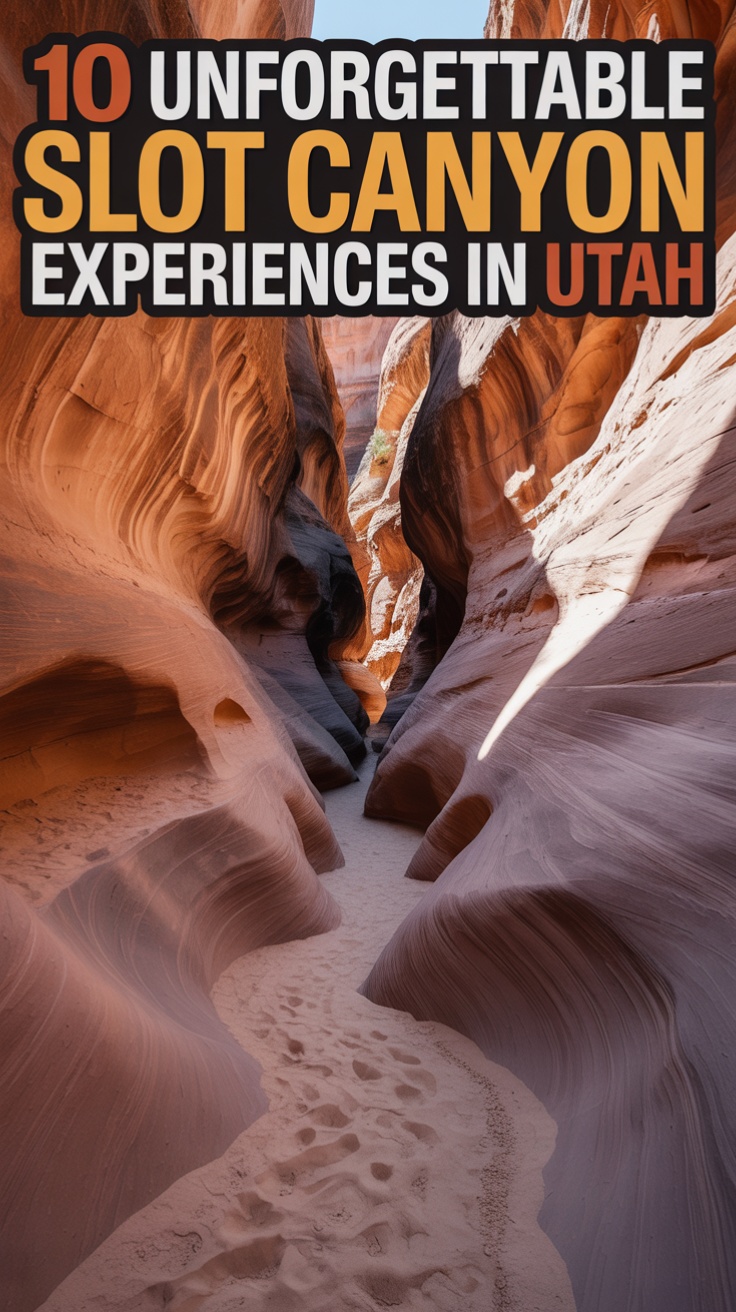
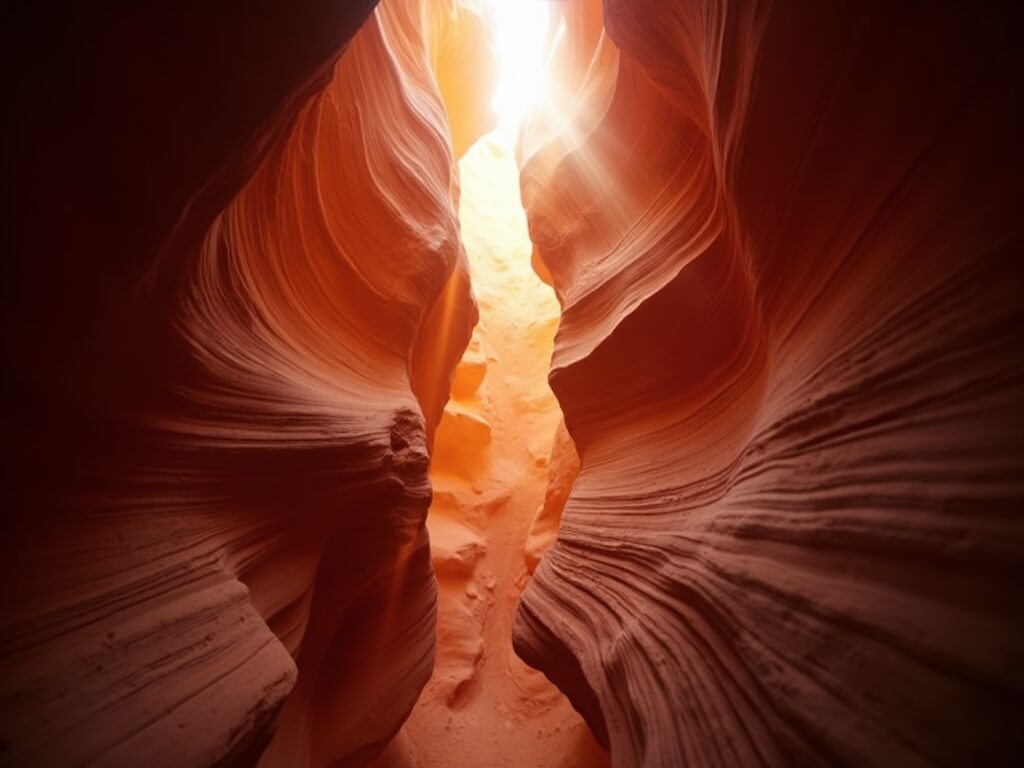
Millions of years of water and wind erosion have carved narrow passages through Navajo and Entrada sandstone.
You get 10-inch-wide corridors.
Twenty-foot scrambles.
Passages so tight you have to squeeze through sideways.
The geological diversity here is staggering.
Part of the larger Colorado Plateau system, this monument contains arches, hoodoos, fins, alcoves, and layered sandstone in reds, oranges, and whites that shift colour depending on the light.
The whole landscape tells a story of ancient seas, shifting tectonic plates, and millions of years of geological transformation.
How Slot Canyons Actually Form (It’s More Interesting Than You Think)
Most people assume slot canyons are just narrow canyons.
Wrong.
They’re the result of incredibly specific geological processes happening over millions of years.
Flash floods are the primary sculptors.
During heavy rainfall, water rushes through narrow valleys with tremendous force.
Over centuries, this concentrated water carves deeper and deeper into the rock.
But here’s where it gets interesting: not all sandstone erodes at the same rate.
The Navajo and Entrada sandstone layers that make up these canyons weather differently depending on their mineral composition and structure.
Some bands are harder.
Some are softer.
Wind amplifies this process.
It exploits the weak points, widening some sections while leaving others narrow as knife edges.
The result?
Those impossibly narrow passages where light barely penetrates.
Walls that seem to glow orange and red.
Alcoves and arches carved into the rock face like nature’s own architecture.
The beauty isn’t random.
It’s the product of precise geological forces acting over incomprehensible timescales.
I learned this the hard way three years ago.
I was standing in Lower Dry Fork Canyon, running my hand along walls that were smooth as glass in some places and rough as pumice in others.
My guide explained how I could literally see the geological timeline in the canyon walls.
The striations told stories of different depositional periods.
The smoothness showed where water had flowed most consistently.
The rough patches indicated harder mineral layers that resisted erosion longer.
Standing there, I realised I wasn’t just looking at a beautiful canyon.
I was reading a geological textbook written in stone over 300 million years.
That shift in perspective changed how I approached every slot canyon after that.
The Heavyweights: Peekaboo and Spooky Slot Canyons
If slot canyons were boxers, Peekaboo and Spooky would be the heavyweight champions of Grand Staircase-Escalante.
These aren’t beginner hikes.
They demand respect.
Distance:
Approximately 6 miles round trip from the trailhead.
Difficulty:
Strenuous doesn’t quite capture it.
You’ll scramble over boulders.
You’ll squeeze through passages barely wider than your shoulders.
You’ll make 20-foot climbs and drops that require using ropes (bring climbing gear or hire a guide).
Highlights that make the effort worth it:
- Passages so narrow light becomes precious.
- Sections where the canyon walls are just 10 inches apart.
- Hoodoos and natural arches that seem impossibly balanced.
- Water features that range from stagnant pools to flowing streams depending on recent rainfall.
Here’s how to approach these two without getting frustrated:
- Hike Peekaboo first. It’s slightly less technical than Spooky.
- Don’t bring young children. Not suitable for kids under 12 unless they’re experienced hikers.
- Avoid this one if claustrophobia is an issue.
- Pack more water than you think you need.
- Bring a headlamp or powerful flashlight.
- Wear shoes with excellent grip. Hiking boots with ankle support are non-negotiable.
The psychological challenge matters as much as the physical one here.
You’re moving through passages where one wrong foothold could mean a nasty tumble.
The darkness adds tension.
The narrowness tests your claustrophobia threshold.
But when you emerge from those tight sections into a wider chamber where light streams down from above?
That contrast is what makes Peekaboo and Spooky legendary.
Zebra Slot Canyon: Beauty Without the Brutality
If Peekaboo and Spooky are hardcore mode, Zebra Slot Canyon is hard mode.
Still challenging.
Still stunning.
But more accessible to hikers who haven’t done technical canyoneering before.
Access:
Off Hole-in-the-Rock Road, which is unpaved and rough but passable with a standard vehicle (though high-clearance is better).
Distance:
5.2 miles round trip.
Elevation gain:
Just 300 feet.
Why it’s worth the trip:
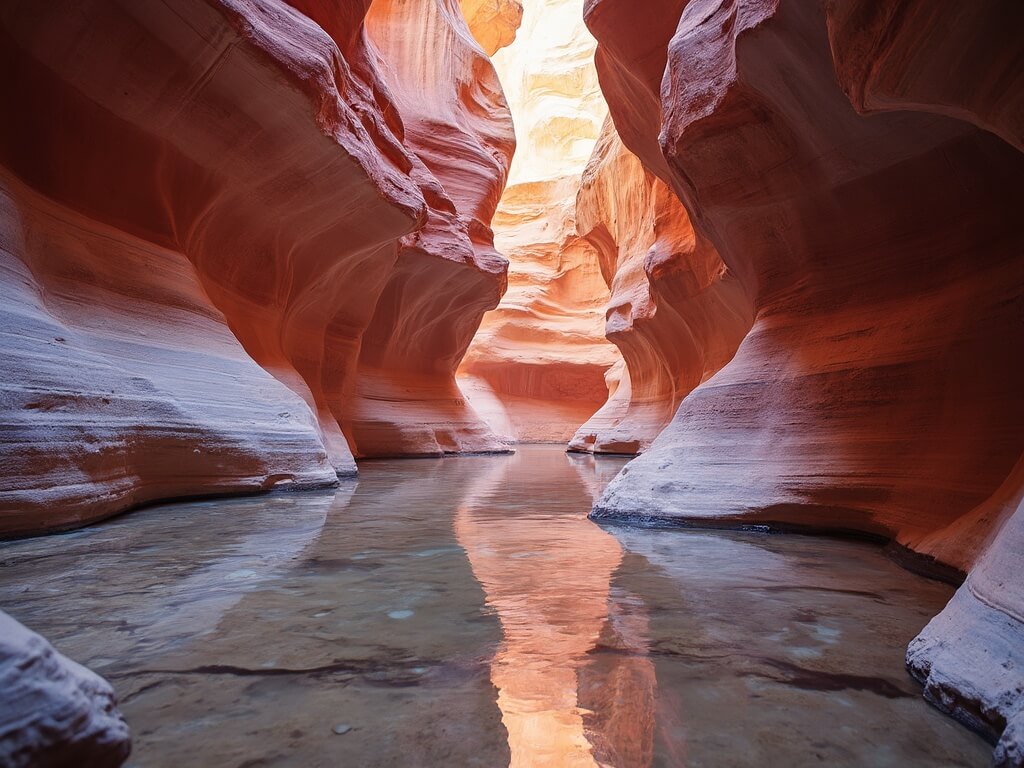
- The canyon walls feature distinctive striped patterns that earned it the name.
- The colours alternate between bands of red, white, and orange sandstone.
- It looks like nature designed it specifically for photographs.
- Water levels vary significantly depending on rainfall, ranging from ankle-deep to chest-deep in some sections.
- You will get wet.
The good news: no guides are required.
Self-guided exploration is welcome here, which means you set the pace and the experience.
Before you go:
- Check water levels at the BLM Visitor Center in Escalante.
- Finding the entrance requires detailed directions or GPS coordinates from reliable sources.
- This isn’t a marked trail in the traditional sense.
- Bring a good map and photograph any trail markers you see.
- Wear water shoes or sandals that can handle slippery rock.
- Bring a dry change of clothes in a waterproof bag.
The contrast between Zebra and Peekaboo/Spooky is instructive.
Both are beautiful.
Both offer genuine slot canyon experiences.
But Zebra proves that intensity isn’t the only measure of worthiness.
Sometimes the gentler option reveals just as much geological drama and visual beauty, just at a slower pace and with less adrenaline.
When to Actually Go (Timing Matters More Than You Think)
Slot canyon hiking in Grand Staircase-Escalante isn’t a year-round equivalent activity.
The season dramatically changes what you’ll experience.
Spring and fall are optimal.
- Temperatures hover in the comfortable range, typically between 55 and 75 degrees Fahrenheit.
- Flash flood risk is lower (though never zero).
- The light quality is exceptional for photography because the sun sits lower in the sky.
- Water levels in canyons tend to be moderate.
Summer is brutal.
- Midday temperatures frequently exceed 95 degrees Fahrenheit in exposed areas.
- Flash flood risk spikes dramatically after any rain.
- The monsoon season (July–September) brings sudden, violent storms that turn dry washes into raging torrents within minutes.
- People die in slot canyons during flash floods. This isn’t hyperbole. It’s documented reality.
- Summer hikes require starting before dawn and finishing by early afternoon.
Winter is unpredictable.
- Snow and ice are possible, especially at higher elevations.
- Water in slot canyons can freeze.
- Trails become treacherous without proper winter gear.
- Some sections of Hole-in-the-Rock Road become impassable.
If you’re serious about slot canyon hiking in Grand Staircase-Escalante, target April through May or September through October.
The weather cooperates.
The conditions are stable.
The crowds are manageable but not nonexistent.
This is when the landscape reveals itself most generously.
Looking for more epic hikes? Check out our guide to the Delicate Arch hike in Arches National Park or explore the lush curves of the Hana Highway in Maui for a totally different natural beauty.
Getting There: Access, Roads, and Logistics That Actually Matter
Hole-in-the-Rock Road is the main artery connecting you to most slot canyons in Grand Staircase-Escalante. It’s also the first reality check most visitors face.
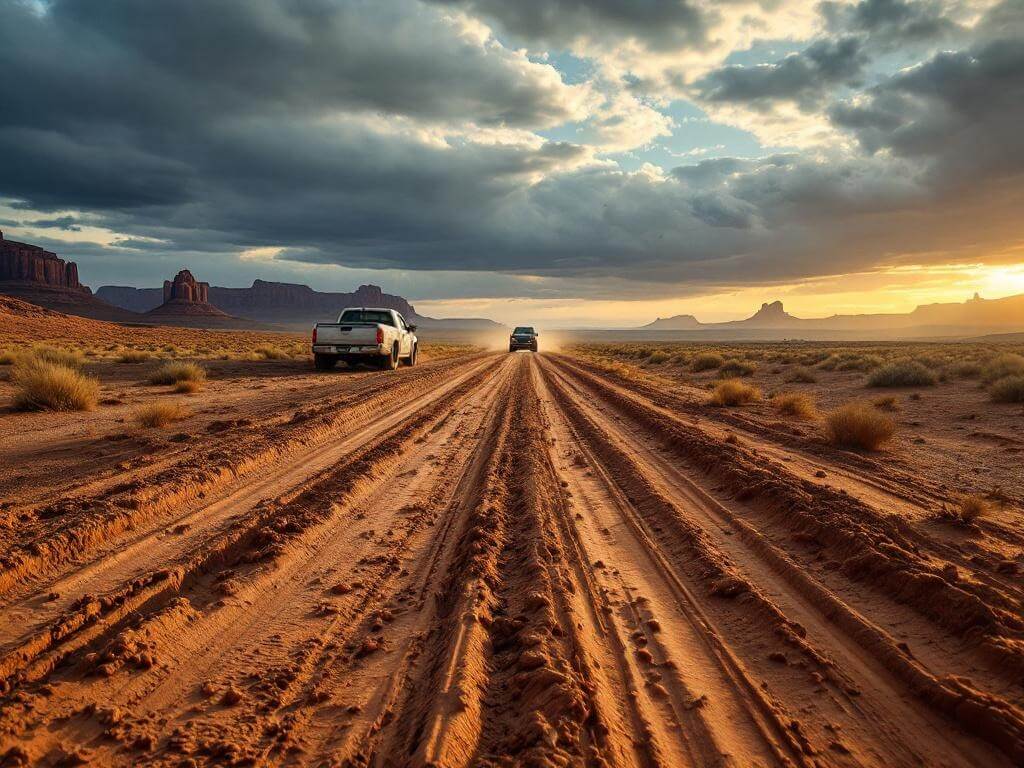
This isn’t a paved highway. It’s an unpaved, high-clearance road that winds 46 miles through some of the most remote territory in Utah.
During dry conditions, a standard sedan can make it, though you’ll feel every washboard ridge and pothole. After rain, the road becomes treacherous.
Mud transforms the surface into something resembling ice. Ruts deepen enough to high-center vehicles. Flash flooding can wash out sections entirely.
Before attempting Hole-in-the-Rock Road:
- Check with the BLM Visitor Center in Escalante for current conditions.
- A high-clearance vehicle is genuinely recommended.
- Allow extra time for driving—this road takes time.
- Bring extra water, fuel, and tools—there are no services for 46 miles.
- Tell someone where you’re going.
Alternatively, access some slot canyons like Lower Dry Fork from Escalante town more easily, especially for those without high-clearance vehicles.
The visitor center isn’t just a building full of brochures.
Talk to the rangers. They hike these canyons regularly. They’ll show you maps, warn you about hazards, and improve your experience more than any app can.
Permits, Regulations, and the Refreshingly Simple Truth
Here’s the shocker: You don’t need a permit to hike most slot canyons in Grand Staircase-Escalante. No fees. No reservations. Just wild access.
But with that access comes serious responsibility. Each year, more trash, graffiti, and trail erosion threaten this wilderness.
Leave No Trace isn’t an option here—it’s a necessity. Pack out all waste. Stay on trails. Don’t build fires. Respect wildlife and cultural sites.
Some slot canyons contain ancient petroglyphs and archaeological features. They are federally protected. Damaging or disturbing them is criminal.
Preserve this freedom by acting responsibly. Regulations and permits are on the horizon—help delay them.
Gear That Actually Matters (And What You Can Skip)
The difference between a mediocre and great slot canyon hike is smart preparation—not expensive gear.
Footwear is non-negotiable. You’ll be scrambling, climbing, and possibly wading. Choose boots with:
- Ankle support
- Strong grip
- Durable uppers
Brands like Salomon and La Sportiva are trusted choices.
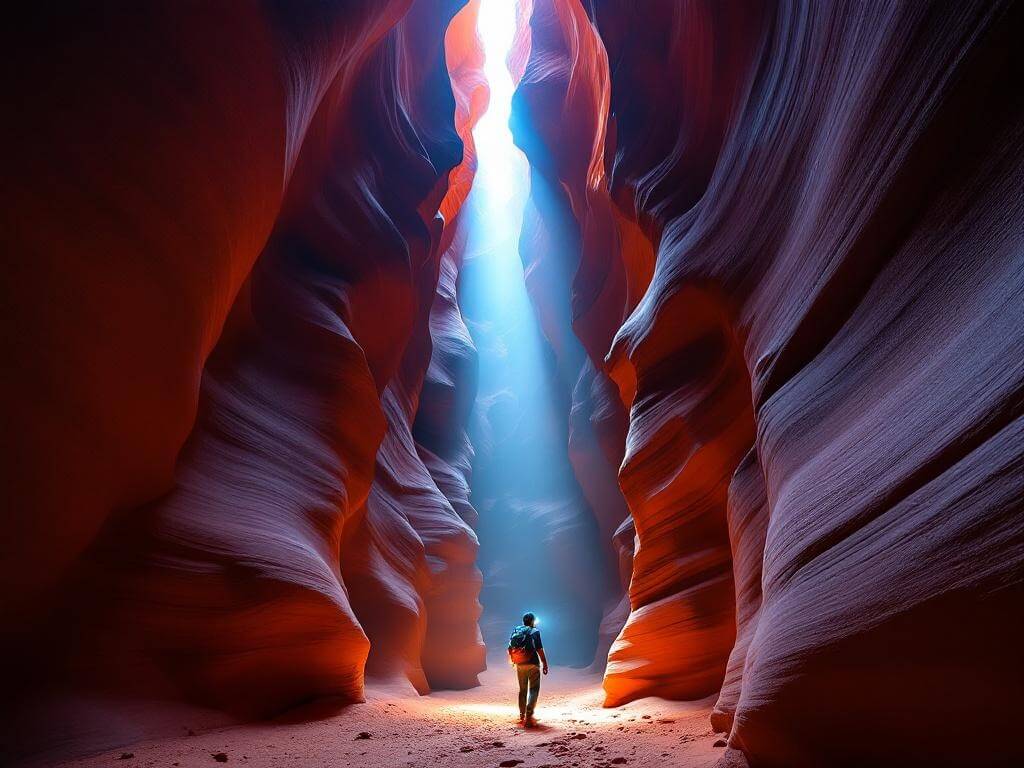
Bring at least 3 liters of water. Slot canyons are hot, enclosed, and slow to hike. Dehydration sneaks up fast.
Pack a headlamp. Even in daylight, shadows can be disorienting. Keep your hands free—your phone flashlight won’t cut it.
Include layers. Temperatures drop in the canyon bottom. A lightweight fleece or windbreaker makes all the difference.
Offline navigation tools are crucial. Bring GPS, a paper map, or download offline maps. There’s no cell service here.
First aid kits need more than band-aids. Include ankle wraps, ointment, gauze, and pain relief.
You don’t need: GPS watches, massive camera gear, or expensive hiking outfits. Your phone and functional gear are enough.
Safety Hazards That Deserve Serious Respect
Flash floods are deadly—but avoidable.
Slot canyons are natural funnels. Rainfall miles away can bring torrential water through narrow passages in minutes.
- Check weather for the full drainage area.
- Never enter a canyon with storm forecasts.
- If skies darken, seek high ground immediately.
Flash floods kill hikers yearly. Don’t become another statistic.
Narrow passages challenge more than your body. Claustrophobia can hit even seasoned hikers. Start with wider canyons like Lower Dry Fork to test your comfort level.
Navigation can fail even with experience. Bring maps, GPS, and know when to backtrack.
Watch for falling rocks, sharp edges, and unstable footing. Move deliberately.
Water crossings are deceptively dangerous. Know the depth and use caution—even ankle-deep water can trip you up.
Photography: Capturing the Light Without Missing the Experience
Slot canyons are stunning—but don’t let photography block your experience.
Light timing matters more than equipment. Early morning and late afternoon light create dramatic shadows and saturated colors. Avoid midday.
Wide-angle lenses (like those on smartphones) are ideal. Slot canyons are narrow—that wide view lets you capture scale.
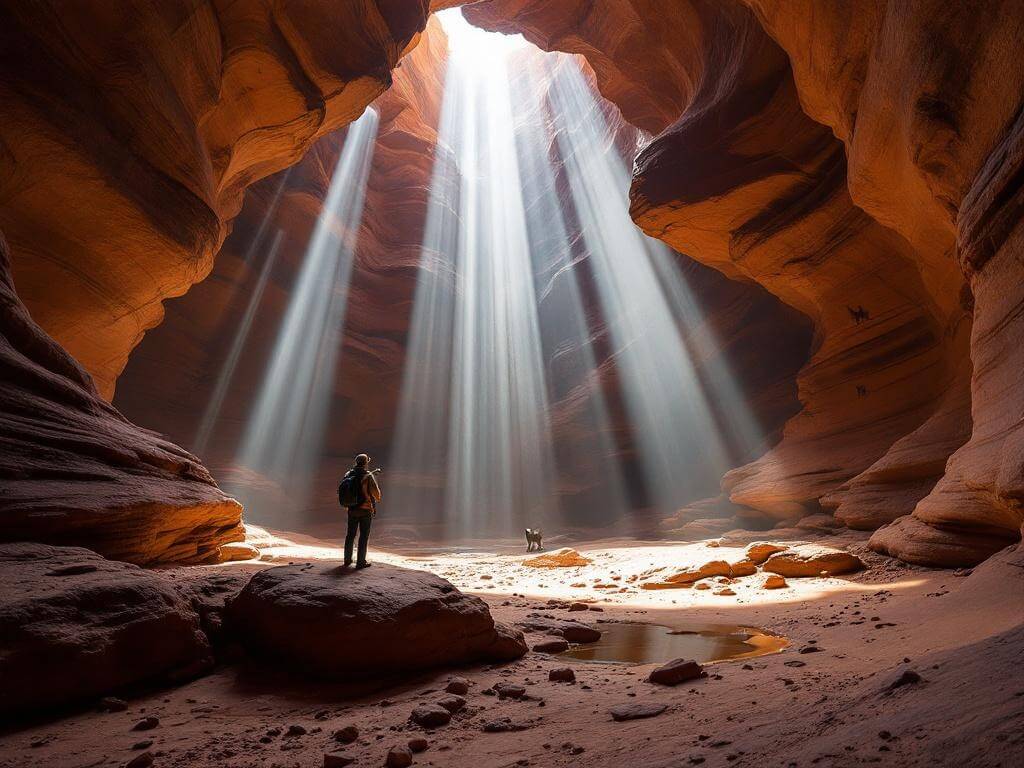
Savor the moment. Take a few key photos, then put your camera away. Experience the canyon in real time.
Guides Versus Solo Adventures: Choosing Your Style
Guided tours make sense if you’re new, doing technical routes like Big Horn Canyon, or want expert insight. Local guides like Coyote Guides provide safety and knowledge.
Solo hikes offer freedom and lower costs if you’re experienced and know the route. Many canyons are well-documented online.
A hybrid approach works best. Start guided, then go solo once confident. That’s how many hikers build skill safely.
The Bigger Picture: Why These Canyons Matter Beyond Tourism
Grand Staircase-Escalante was hard-won wilderness. Designated in 1996, its protection was—and remains—controversial. It keeps development out and nature intact.
Every step you take is on land someone fought to preserve. Respecting that legacy is part of your responsibility.
These canyons support unique ecosystems, including desert varnish, canyon frogs, and bighorn sheep.
Archaeological sites hold thousands of years of human history. Hike carefully—not just for the scenery but to protect that history.
The Future: Conservation, Regulation, and Changing Access
Popularity brings consequences. Places like Zebra Slot Canyon now see hundreds of monthly visitors. Trail erosion, trash, and damage follow.
Permits and restrictions are increasing. Peekaboo and Spooky will likely require reservations soon. Group size limits and entry fees are being discussed.
Conservation work is ramping up. Erosion control, invasive species removal, and archaeological protections are underway.
Your actions matter. Responsible hiking can delay heavy restrictions. Careless behavior accelerates them.
The Practical Reality: Creating Your Slot Canyon Adventure
You don’t need fancy gear—you need realistic expectations and solid planning.
- Start with Lower Dry Fork if new.
- Next, try Zebra Slot Canyon, then Peekaboo and Spooky.
- Go in spring or fall—not summer.
- Check weather forecasts thoroughly.
- Bring more water than you think you need.
- Tell someone your plans.
- Don’t hike alone if you’re inexperienced.
- Slow down and savor the landscape.
Internal links for more U.S. outdoor adventures:
- Ride the Cog Railway to Pikes Peak
- Walk the Beaches of the Oregon Coast
- Watch the Sunrise from Cadillac Mountain
- Take a Lighthouse Tour in Maine
- Ride the Great Smoky Mountains Alpine Coaster
The Bottom Line: Why Grand Staircase-Escalante Belongs on Your List
Zion is famous—but Grand Staircase-Escalante is wild and free. No crowds. No commercialization. Just raw beauty and adventure.
That freedom may not last. Visit soon, hike respectfully, and help protect this rare accessibility.
The slot canyons of Grand Staircase-Escalante are a disappearing kind of wilderness: wild, accessible, and transformative.
They deserve your respect—and they will reward your effort.
Explore more slot canyon inspiration:
- Hike Zebra Slot Canyon in Grand Staircase-Escalante
- Exploring the Grand Staircase-Escalante Slot Canyons