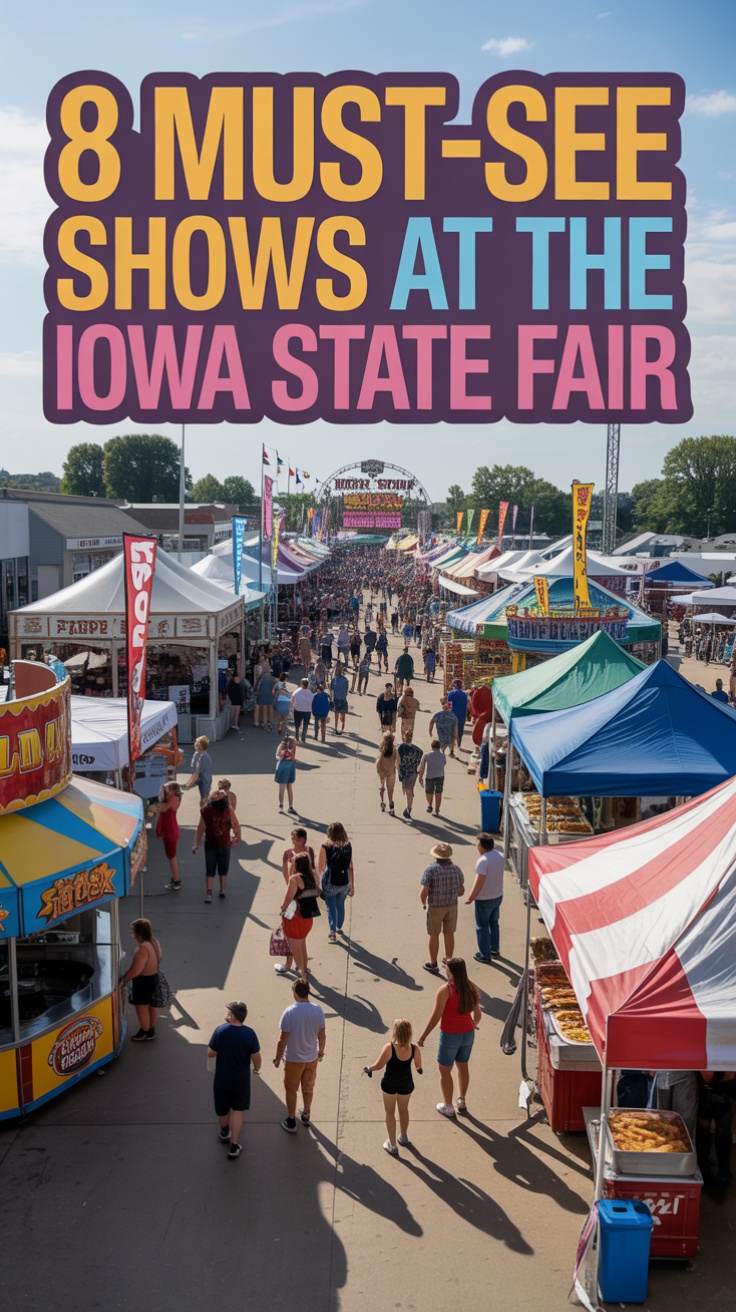
You’re staring at your calendar in July, and you feel it.
That itch to do something different.
Something that matters.
You’ve heard about the Iowa State Fair, but you’re not sure if it’s worth the drive, the crowds, the expense.
Here’s the truth: it’s not just a fair.
It’s over a million people celebrating everything Iowa does best—agriculture, community, food that shouldn’t exist but tastes incredible, and traditions that have lasted for generations.
But showing up without a plan is how you waste money, get frustrated in traffic, and miss the things that actually make it memorable.
I’m going to walk you through exactly what you need to know before you go.
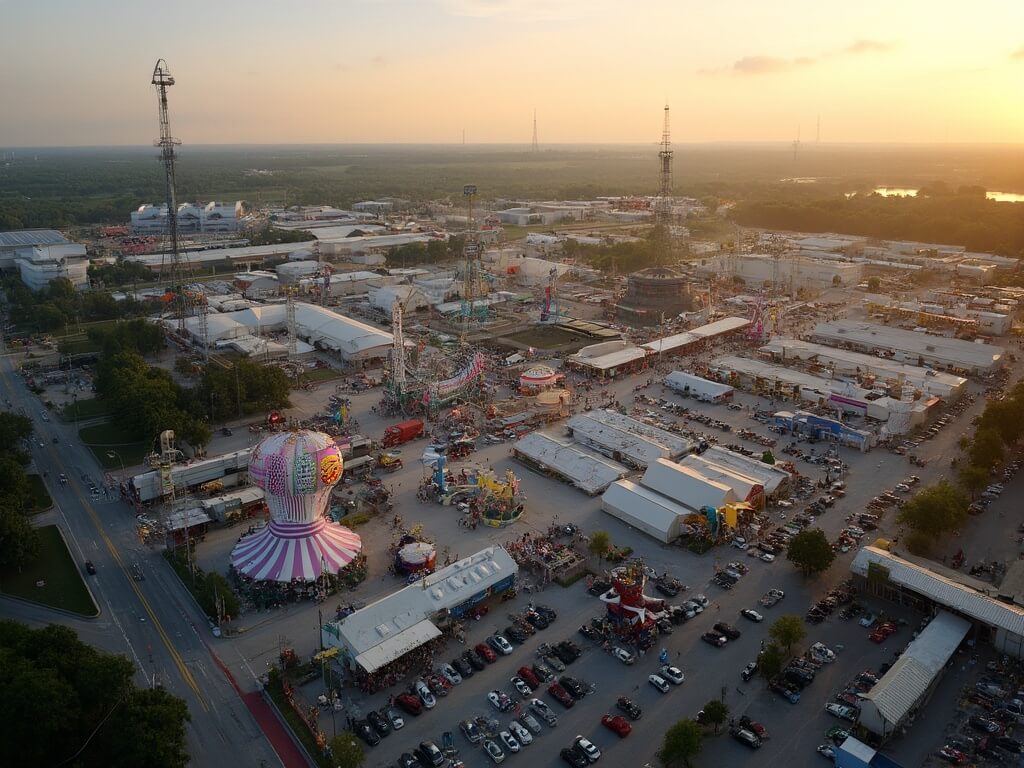
What Makes the Iowa State Fair Different From Every Other Fair You’ve Ever Attended
The Iowa State Fair isn’t just another carnival.
This event has been running since the 1800s, and it’s become one of the largest agricultural and industrial exhibitions in the entire United States.
We’re talking 1,182,682 visitors in 2024 alone.
That’s a record-breaking year, but even on an average day, more than 100,000 people walk through the gates.
Why?
Because this fair genuinely celebrates what Iowa is about.
You’ve got livestock competitions where farmers show cattle, pigs, sheep, and horses they’ve raised for months.
You’ve got 4-H and FFA kids displaying their work alongside agricultural machinery showcases that show how farming actually happens in 2024 and 2025.
And then there’s the food.
Hundreds of vendors.
Fried everything.
Creative combinations that seem insane until you taste them.
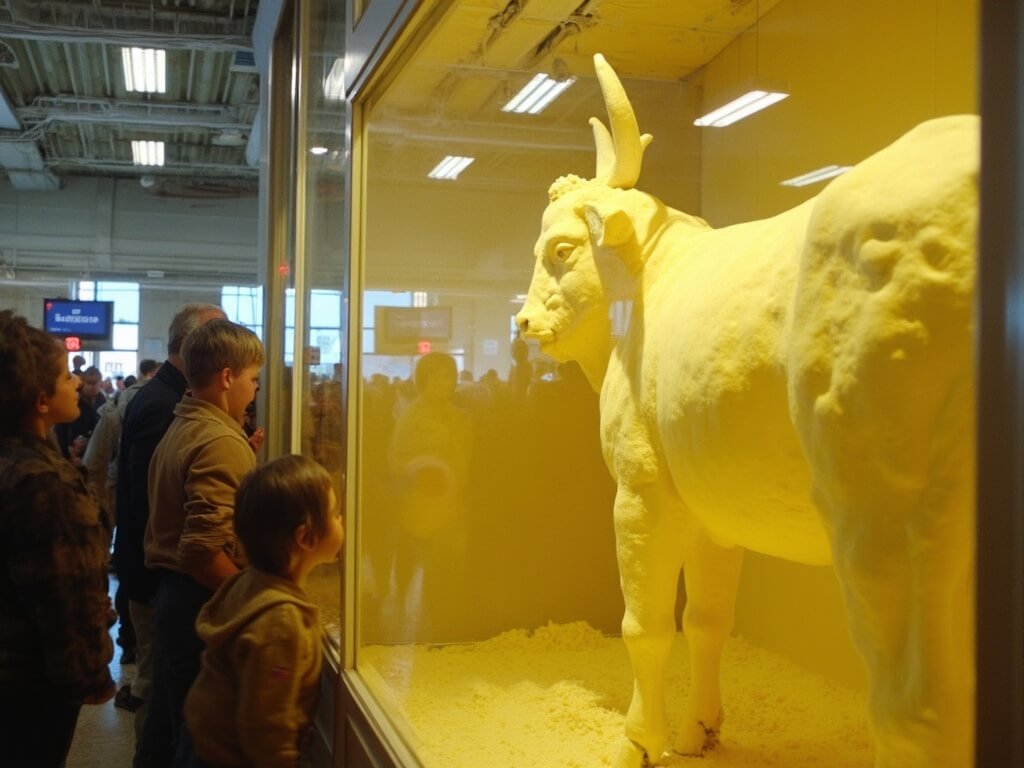
The famous Butter Cow—yes, a full-sized cow sculpture made entirely from butter.
This isn’t theme park entertainment trying to distract you from spending money.
This is a genuine showcase of culture, skill, and community pride.
The fair runs for 11 consecutive days every August.
In 2025, that’s August 7-17.
In 2026, mark your calendar for August 13-23.
Everything happens at the Iowa State Fairgrounds at 3000 East Grand Avenue in Des Moines—just 10 minutes east of downtown.
Getting Your Tickets Right (And Actually Saving Money While You’re At It)
Here’s where most people make their first mistake.
They show up at the gates without a ticket and pay full price.
Don’t do that.
Buy advance tickets.
The difference is real:
Adult admission:
$11 advance | $16 at the gate
Children (6-11):
$7 advance | $10 at the gate
Children under 5:
Free
That doesn’t sound like much per ticket, but if you’re bringing a family of four, buying advance saves you $20 immediately.
That’s a meal.
Or ride tickets.
Or both if you’re strategic.
Now, here’s the thing most people don’t realize.
Your general admission ticket gets you into the fairgrounds.
But Grandstand concerts, special events, and rides are separate.
The Grandstand hosts national acts—big-name performers who draw serious crowds.
Those tickets are ticketed separately, so factor that into your budget if you want to see live music.
If rides are your priority, the fair offers ride wristbands and Thrill Park passes at discounted rates before the event starts.
Buy these before you arrive, and you’ll spend significantly less than paying per ride at the gate.
This is one of those details that separates people who have a great day from people who feel financially wrecked by lunchtime.
Getting There Without Losing Your Mind to Traffic and Parking
The fairgrounds location is convenient—10 minutes from downtown Des Moines.
But August is peak fair season, and parking can be chaos.
Here’s your realistic breakdown:
If you’re driving:
The fair’s website has detailed driving routes with GPS coordinates for the main entrance at East 30th Street and East University Avenue.
Paid parking lots are plentiful, but limited free and accessible parking fills quickly.
Budget extra time for parking, especially on weekends.
Seriously.
An extra 30 minutes is better than circling for an hour.
If you’re using rideshare:
Uber and Lyft drop you at Gate 8.
This sidesteps parking entirely, but rideshare surge pricing during peak hours can make this expensive.
If you’re taking public transit:
The main bus drop-off is at Gate 13.
This is genuinely underrated if you live in or near Des Moines.
No parking stress.
No driving fatigue.
You arrive ready to enjoy the fair.
On accommodations:
If you’re traveling from out of state or want to make it a full weekend, on-site camping is available (you’ll need reservations).
Hotels book incredibly fast during fair dates—sometimes weeks in advance.
If you’re staying overnight, book early or expect limited options.
The Attractions That Actually Make the Iowa State Fair Worth Your Time
You don’t come to the Iowa State Fair for the atmosphere alone.
You come for what’s actually there.
The iconic rides:
Ye Old Mill is literally the oldest ride still operating at the fair—been there for decades.
It’s a water ride, charming and nostalgic.
$3 per ride.
The Giant Slide is the other signature attraction.
It’s exactly what it sounds like: a massive slide.
$4 per ride.
Both feel like traditions more than thrills, and that’s kind of the point.
Thrill Park:
If you want actual adrenaline, Thrill Park has rollercoasters, midway games, and modern attractions.
Elwell Family Park adds motorsports, live shows, and competitions into the mix.
The variety means families with different interests can actually split up and reconvene later.
The food scene:
I attended the fair three years ago with my sister, and we made a pact: we’d try five new things we’d never eat anywhere else.
We ended up trying eight.
Barksdale’s State Fair Chocolate Chip Cookies became an obsession—you get them by the cup ($5) or bucket ($20).

They’re massive, warm, and taste like someone’s grandmother figured out the exact formula for perfection.
But it’s not just sweets.
There are corn dogs, funnel cakes, fried pickle spears, and food combinations that shouldn’t work but absolutely do.
Every year, the fair runs competitions for new food creations.
This is where you find the genuinely innovative stuff that local vendors will serve for the next two years if they win.
The livestock and agricultural exhibitions:
Here’s what people from cities don’t always expect: the livestock competitions are genuinely impressive.
Farmers and kids bring cattle, pigs, sheep, horses, and poultry they’ve spent months preparing.
There are 4-H and FFA displays that show real agricultural work and education.
Machinery exhibits demonstrate farming technology.
It’s educational without feeling like you’re in a classroom.
Art, culture, and the Butter Cow:
The Butter Cow is exactly what it sounds like—a full-sized cow sculpture carved from actual butter.
It’s bizarre and absolutely iconic.
Beyond that, the fair hosts art competitions, photography exhibits, crafts, and handmade goods.
Baking competitions, canning contests, textile shows, and horticulture displays fill multiple buildings.
There are also rotating historical exhibits and thematic displays that change year to year.
If you’ve been before, there’s usually something new worth seeing.
Live entertainment:
Free stages throughout the grounds feature local and regional performers throughout the day.
Family-friendly acts, demonstrations, and competitions run continuously.
If you want bigger names, the Grandstand hosts national acts on ticketed evenings.
Check the schedule before you arrive so you can plan around performances you actually want to see.
The Planning Details That Separate Smooth Days From Stressful Ones
You can walk into the fair blind and have a decent time.
Or you can spend 20 minutes preparing and have a significantly better day.
Download the official app:
The Iowa State Fair has an official mobile app that shows real-time schedules, maps the entire fairgrounds, provides updates on changes or delays, and helps you navigate the grounds.
This isn’t optional if you want to minimize wandering or missing events you care about.
Understand crowd patterns:
Weekends are packed.
Peak times are mid-day when temperature and attendance are both at their worst.
Weekday mornings?
Dramatically quieter.
If you have flexibility, visiting Tuesday through Thursday morning gives you the same experience with maybe a quarter of the crowd friction.
Timing is everything:
Show up early enough to see livestock competitions in the morning—these happen before the heat peaks.
Ride lines are shorter earlier in the day.
Food vendors are less overwhelmed.
Late evening, after 7pm, crowds thin out significantly while rides and food remain available.
Accessibility matters:
Wheelchair and stroller rentals are available on-site.
The fairgrounds has first aid stations, lost and found, nursing areas, and family rest areas throughout.
If you’re attending with young kids or elderly relatives, know where these are before you need them.
Saving money throughout the day:
Beyond advance tickets, the fair offers weekday ride discounts (Monday through Thursday are cheaper than weekends).
Value packs bundle rides and food at discounts compared to paying separately.
These add up fast if you’re planning to ride multiple attractions and eat more than once.
The difference between playing it smart and playing it loose can easily be $50-100+ for a family.
This is where knowing the system actually protects your wallet.
Everything at the fair is built around one central idea: giving people access to Iowa’s achievements, agriculture, and culture.
If you’re planning more Midwest adventures, check out our guides to spending a day at Mall of America or visiting the National Civil Rights Museum in Memphis.
What Actually Happens on Bad Weather Days (Spoiler: The Fair Doesn’t Stop)
August in Iowa is hot. Sometimes humid. Occasionally rainy. The fair runs rain or shine, which means you need to plan around weather rather than hoping it cooperates.
Here’s the reality: there are enough indoor exhibits, food vendors with covered areas, and indoor entertainment that bad weather doesn’t ruin your day. It just changes it.
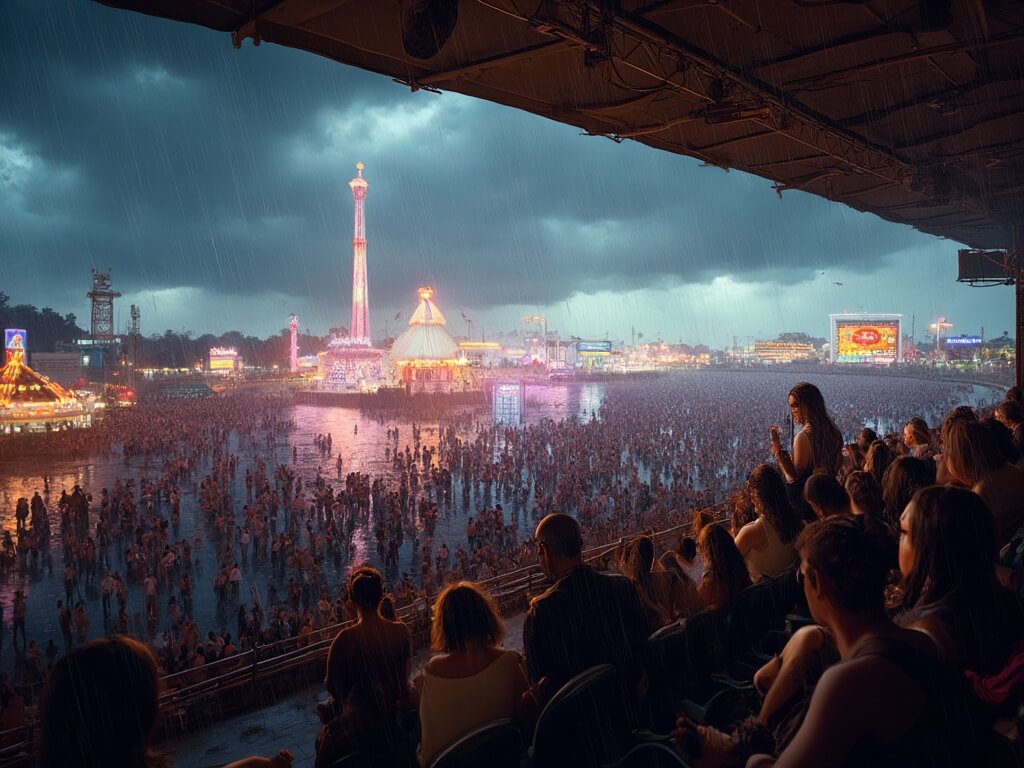
The livestock barns are indoors. Art and craft exhibits are climate-controlled. Multiple stages have covered areas for performances. Food vendors range from outdoor tents to indoor food courts. If a thunderstorm rolls through, you have places to shelter without losing your entire day.
That said, bring sunscreen, a hat, and comfortable walking shoes—because you will walk miles. Wear layers because indoor exhibits are heavily air-conditioned while outdoor areas might be sweltering.
If you’re visiting in peak heat (usually mid-afternoon in mid-August), plan indoor activities during the hottest hours and save outdoor attractions for morning or evening.
Understanding the Fair’s Real Impact on Iowa and Why That Matters
The Iowa State Fair generates significant economic impact for the entire state. Over a million visitors means hotels booking up, restaurants getting packed, gas stations selling fuel to out-of-state travelers, and local businesses seeing increased traffic for nearly two weeks.
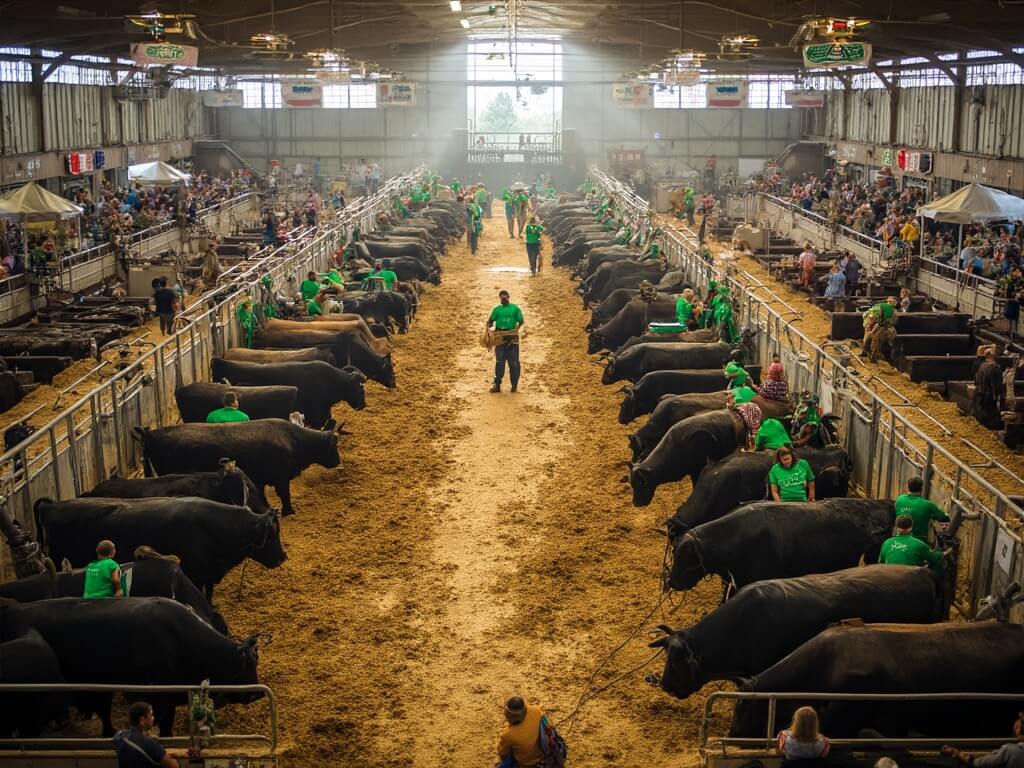
Beyond economics, the fair serves as Iowa’s biggest showcase for agriculture and rural life. For city kids, seeing cattle competitions or agricultural machinery might be their only exposure to where their food actually comes from.
The 4-H and FFA competitions are identifying and developing the next generation of agricultural leaders. You’re not just attending an event. You’re supporting an institution that shapes Iowa’s economy, education, and cultural identity.
Iowa State Fair dates and attendance records
The Stuff Nobody Tells You Until They’ve Actually Been
Bring cash. Some vendors still accept card-only, but cash moves faster and vendors sometimes offer small discounts for cash payments.
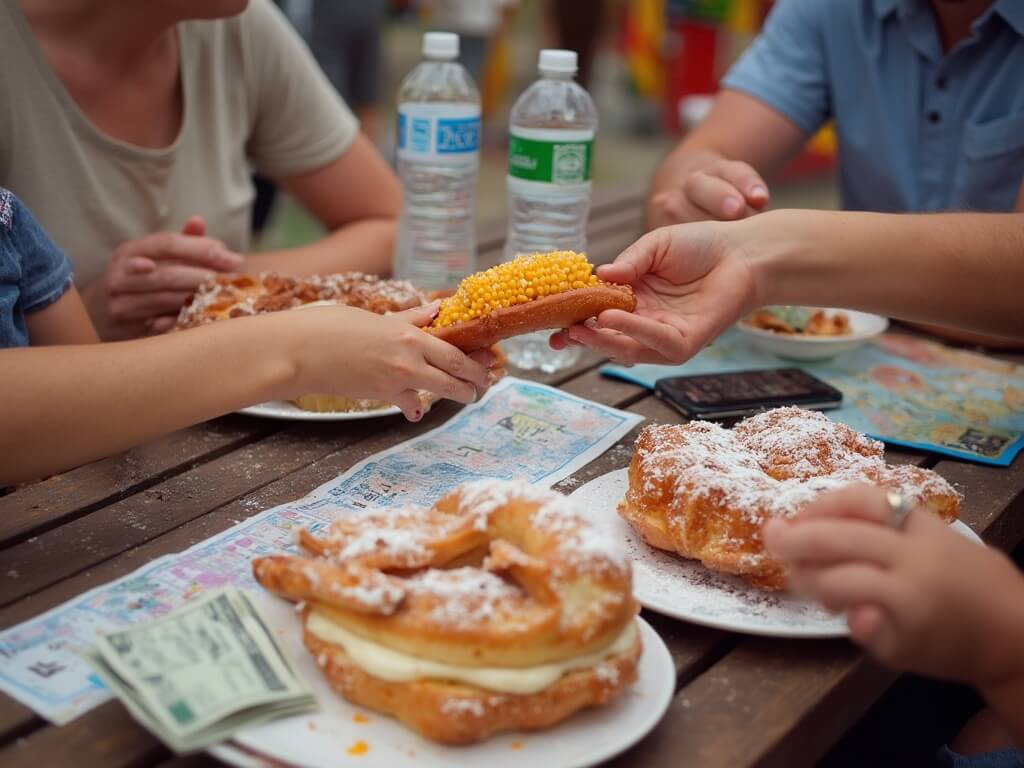
The map on your phone is not the same as a printed map. Digital maps are helpful, but fairgrounds can have spotty cell service. Grab a physical map.
Ride lines move differently. Don’t judge by appearance. Check posted wait times or use the fair app for real-time updates.
Food portions are massive. Share. That funnel cake is legitimately enough for two people.
The best new foods aren’t advertised. Some of the best food experiences come from tiny booths you discover while wandering.
Bring a phone charger or power bank. Your battery will die around 4pm without one.
What to Expect When You Bring Kids (And How to Actually Enjoy It)
Thrill Town is designed for kids who want rides but aren’t ready for full-sized coasters. Perfect for younger fairgoers.
The animal barns are genuinely engaging. Petting areas and demos don’t feel like school but still educate.
Plan breaks. Use family rest areas to prevent meltdowns and recharge.
Establish a meeting point. Make it specific and visible (like near the Giant Slide or Gate 8).
Set expectations about spending. Kids handle limited budgets surprisingly well when given boundaries upfront.
The Technology Side: Apps, Tickets, and How Modern Convenience Actually Works Here
The official Iowa State Fair app offers real-time schedules, results, and alerts for delays. Some rides even post wait times.
Use contactless ticketing to avoid lines. Most food vendors and booths accept cards, though cash is still handy.
Photos are part of the experience. For best shots, go early or late in the day to avoid crowds.
Iowa State Fair tickets and admission information
Sustainability and How the Fair is Actually Evolving
The Iowa State Fair is quietly implementing sustainability initiatives. There are real recycling stations, local sourcing for food, and educational programming around environmental responsibility.
Thousands of volunteers keep the fair running. It’s a community-powered event, not a corporate production.
The Realistic Breakdown: Pros, Cons, and Who Should Actually Go
The genuine advantages:
Variety of entertainment, authentic Iowa culture, great price-to-value ratio for families, and strong agricultural heritage.
The real disadvantages:
Large crowds, high costs if unplanned, August weather extremes, chaotic parking, and no pets allowed (except service animals).
Who should actually go:
Families with kids, agriculture professionals, food and art lovers, out-of-state visitors curious about Iowa, and fans of Americana.
Who might want to skip it:
Crowd-averse visitors, tight-budget travelers, pet owners without boarding, people with heat sensitivity, solitude-seekers.
The Money Conversation: How Much Does This Actually Cost?
Baseline family of four:
Admission: $36
Food: ~$41
Rides: ~$30
Total: $107 (without special shows)
With Grandstand entertainment: $107–$177+
Budget-conscious strategy:
Admission: $36
Careful food: $20
Selective rides: $15
Total: $71
Your spending depends entirely on the choices you make.
Final Practical Details You’ll Actually Use
Security: No weapons, illegal substances, or outside alcohol. Bags subject to inspection.
Tickets: Advance tickets are non-refundable. Check terms before purchase.
Severe weather: Fair runs rain or shine. Catastrophic weather may trigger delays or closures—rare but possible.
Best times to visit: Tues–Thurs mornings (9am–noon). Avoid mid-afternoon crowds and weekend chaos.
Food allergies: Plan ahead. Some vendors accommodate; others don’t. Bring safe food if needed.
Why People Come Back Year After Year
“It’s the same every year, but it’s different every year.” Familiar layout, but new foods, rides, exhibits, and competitions make each visit unique.
The fair blends tradition with innovation—and that balance keeps people returning.
Here’s What Happens When You Actually Plan This Right
You buy tickets in advance, pack smart, plan priorities with the app, and arrive by 9am on a Tuesday. You enjoy livestock shows, eat a memorable meal, ride a few attractions, and catch a live show—all while spending under $100.
With a little planning, your day isn’t chaotic—it’s memorable.
The Final Truth About Going to the Iowa State Fair
The Iowa State Fair is not theme-park-level entertainment. It’s authentic Americana. You’ll see people passionate about agriculture, community, and creativity—not just profit.
It’s not free or cheap, but what you pay supports something real. If you’re unsure about attending, go. The worst-case scenario is a day of food and fun. The best-case is discovering what makes over a million people return every year.
Rustic Farmhouse Decor
Farmhouse Kitchen Decor Ideas
Rustic Home Decor
Farmhouse Living Room Ideas
Fall Decorations