Transform your dining space into a timeless sanctuary where history meets hospitality with these 27 stunning antique dining room styles. From the ornate grandeur of Victorian manor elegance to the serene simplicity of Shaker design, each approach offers a unique way to honor the past while creating an inviting atmosphere for modern gatherings. Whether you’re drawn to the dramatic flair of Gothic Revival, the refined balance of Regency style, or the rustic warmth of Tuscan charm, these carefully curated designs showcase how antique aesthetics can elevate your dining experience and make every meal feel like a special occasion.
1. Victorian Manor Dining Elegance

Victorian elegance sets the stage in antique dining rooms where ornate craftsmanship and layered textures create dramatic visual impact. Carved wood paneling and richly detailed furniture establish a sense of heritage and refinement. Upholstered seating paired with a statement table adds both comfort and grandeur. Crystal chandeliers and carefully styled tablescapes heighten the sense of occasion. The atmosphere feels luxurious yet welcoming for memorable gatherings.
★ Steal This Look
- Paint Color: Sherwin-Williams Roycroft Bronze Green SW 2846
- Furniture: carved mahogany pedestal dining table with claw feet, tufted velvet dining chairs with nailhead trim
- Lighting: ornate crystal chandelier with brass framework and candle-style bulbs
- Materials: dark walnut wood paneling, crushed velvet upholstery, antique brass hardware, marble accents
There’s something about settling into a velvet chair under crystal light that makes even Tuesday dinner feel like an occasion worth dressing up for.
2. Regency Balance Dining Room Style
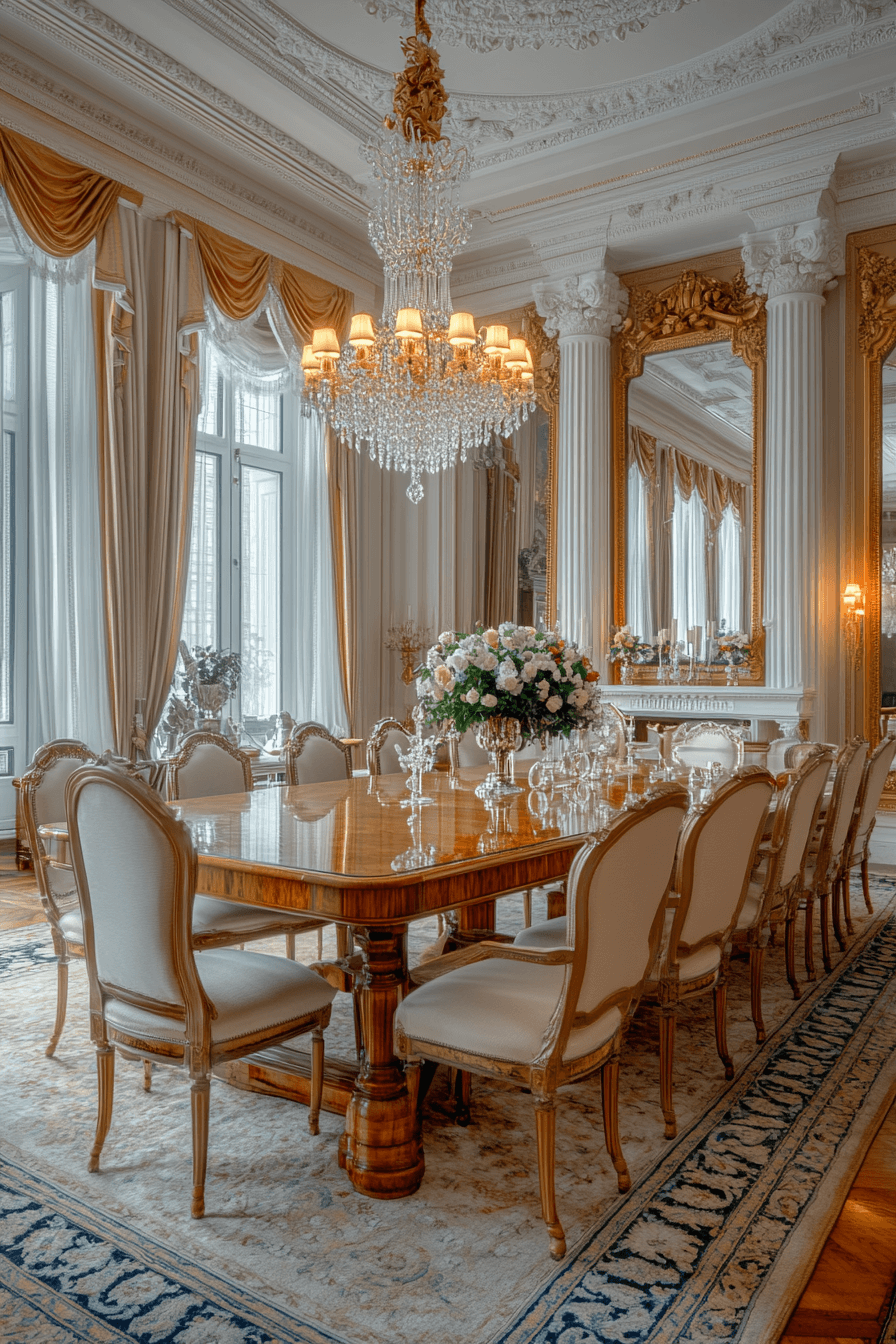
Grace and balance define antique dining rooms inspired by Regency design, where restraint meets polished sophistication. Smooth wood finishes and soft color palettes create a calm, elevated mood. Subtle gold accents and reflective details add gentle brilliance without excess. Natural light enhances symmetry and proportion throughout the space. The result feels refined and ideal for intimate formal meals.
🏠 Steal This Look
- Paint Color: Benjamin Moore White Dove OC-17
- Furniture: Mahogany pedestal dining table with sabre legs, upholstered bergère dining chairs in cream linen
- Lighting: Brass chandelier with crystal drops and candle-style lights
- Materials: Polished mahogany, gilt mirror frames, silk damask, marble fireplace surround
There’s something quietly commanding about a Regency dining room—it doesn’t shout, it invites. I always imagine slow Sunday lunches where the conversation matters more than the centerpieces.
3. French Provincial Dining Charm
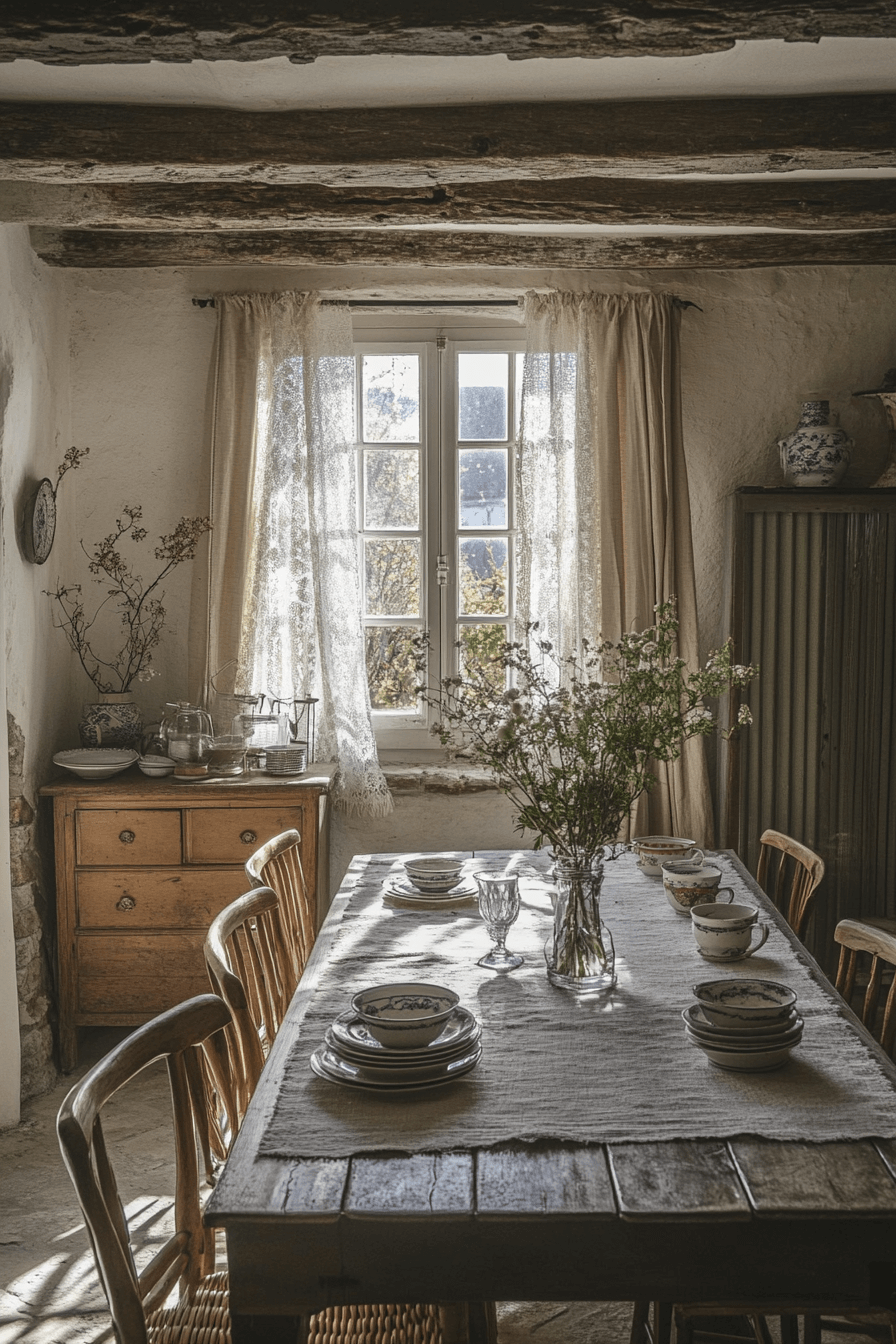
French countryside influence shapes antique dining rooms filled with warmth, softness, and relaxed beauty. Natural wood furniture blends effortlessly with gentle hues and patterned textiles. Handcrafted details and decorative lighting add charm without formality. Collected table settings give the room a personal, lived-in feel. These spaces feel perfect for meaningful everyday meals.
🖼 Steal This Look
- Paint Color: Farrow & Ball Joa’s White 201
- Furniture: distressed oak farmhouse dining table with turned legs, ladder-back rush seat chairs, antique walnut sideboard with carved details
- Lighting: wrought iron chandelier with candle-style lights and aged bronze finish
- Materials: weathered oak, rush seating, linen table runners, faded florals, terracotta accents, aged brass hardware
There’s something deeply comforting about a dining room that feels like it’s hosted decades of Sunday lunches—this look invites you to slow down and savor.
4. Gothic Revival Dining Drama
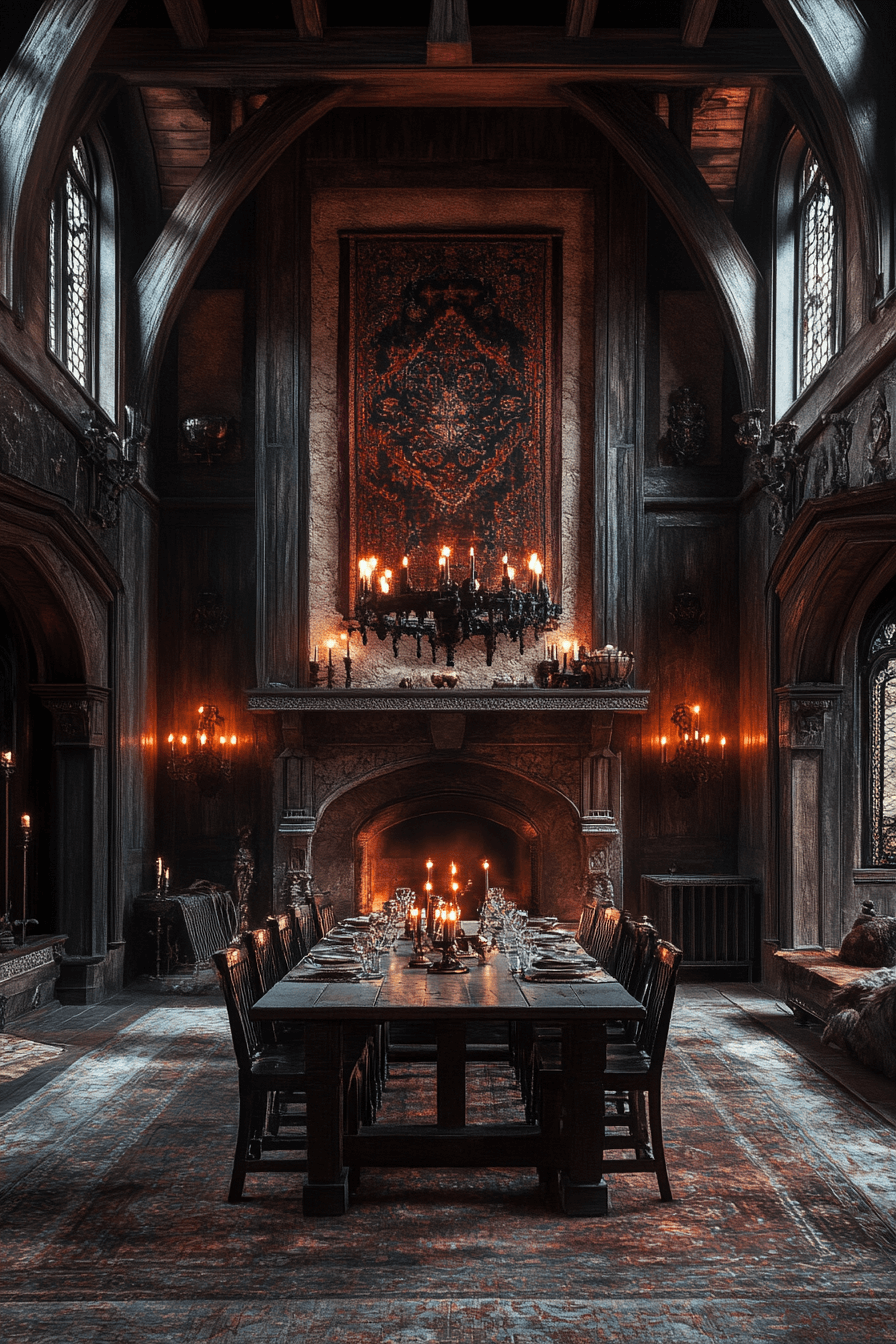
Dramatic architecture defines antique dining rooms inspired by Gothic Revival design. Dark woods and intricate carvings create a bold, commanding presence. Rich fabrics and layered lighting soften the intensity with warmth. Every detail feels intentional and rooted in historic grandeur. The mood is powerful, mysterious, and unforgettable.
🏠 Steal This Look
- Paint Color: Behr Black Mocha N140-7
- Furniture: mahogany pedestal dining table with turned legs, high-back upholstered dining chairs with nailhead trim, carved sideboard with barley twist details
- Lighting: wrought iron chandelier with candle-style bulbs and chain suspension
- Materials: dark stained oak, velvet upholstery, aged brass hardware, heavy brocade textiles, leaded glass accents
There’s something undeniably theatrical about dining in a room that feels like a set piece from a Brontë novel—every meal becomes an event when you’re surrounded by this much carved intention.
5. Edwardian Light-Filled Dining Room
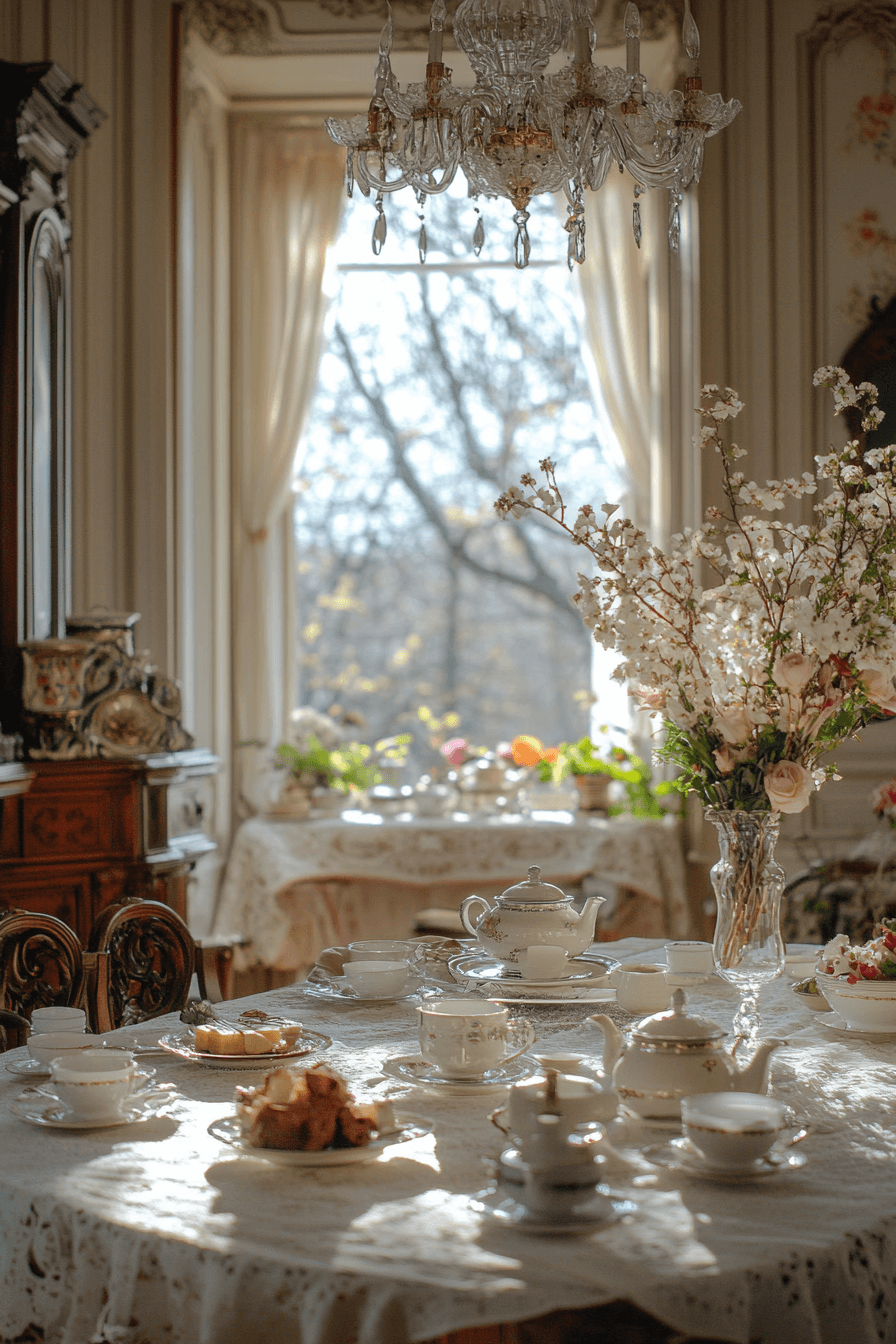
Lightness and refinement characterize antique dining rooms influenced by Edwardian aesthetics. Polished wood details and soft palettes keep the space airy yet formal. Delicate furnishings add elegance without clutter. Large windows and flowing textiles enhance openness and comfort. The balance between grace and livability feels effortless.
🖼 Steal This Look
- Paint Color: Valspar Soft Wool 4003-1B
- Furniture: mahogany extension dining table with turned legs, cane-back dining chairs with upholstered seats, carved sideboard with mirror
- Lighting: crystal chandelier with brass accents, brass wall sconces flanking windows
- Materials: polished mahogany, cane webbing, linen textiles, crystal, brass hardware
There’s something quietly luxurious about a dining room that doesn’t try too hard—these spaces feel like Sunday lunches that stretch into afternoons, with light pooling on polished surfaces.
6. Art Deco Glamour Dining Space
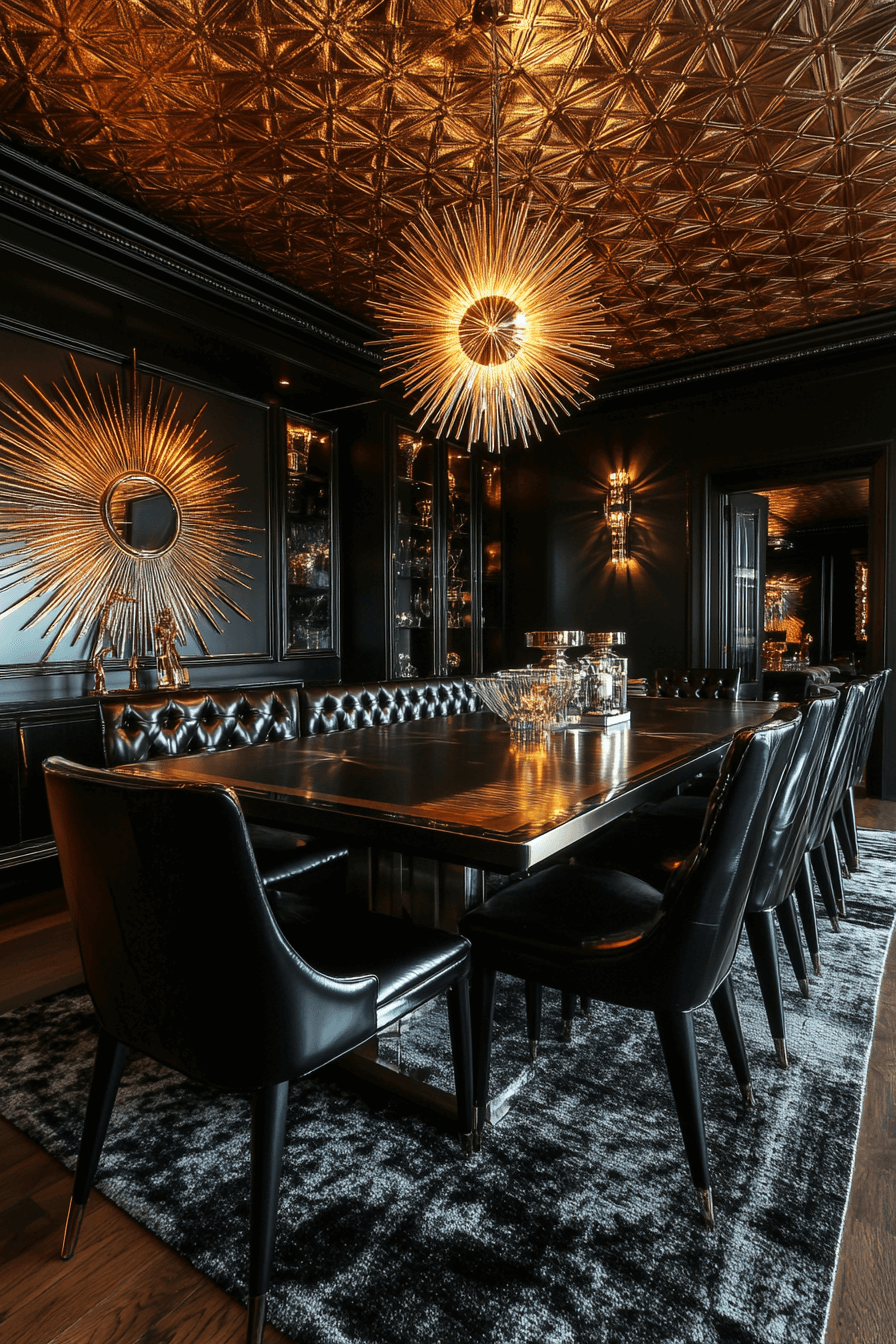
Bold geometry and glamour define antique dining rooms inspired by Art Deco design. Sleek finishes and metallic accents energize the space with confidence. Statement furniture adds personality while maintaining clean lines. The overall effect feels playful, luxurious, and visually striking. These rooms thrive during stylish entertaining moments.
🎨 Steal This Look
- Paint Color: PPG Black Magic PPG1001-7
- Furniture: lacquered walnut dining table with chrome saber legs, velvet-upholstered dining chairs in emerald or sapphire, geometric bar cart with mirror shelves
- Lighting: tiered glass chandelier with brass or chrome framework, geometric sconces with frosted glass panels
- Materials: high-gloss lacquer, polished chrome, brass, mirrored glass, exotic woods like macassar ebony, velvet, geometric marble inlay
There’s something electric about walking into a room that feels like a 1920s cocktail party frozen in time—this look demands you pour something strong and invite people over.
7. Colonial Heritage Dining Room
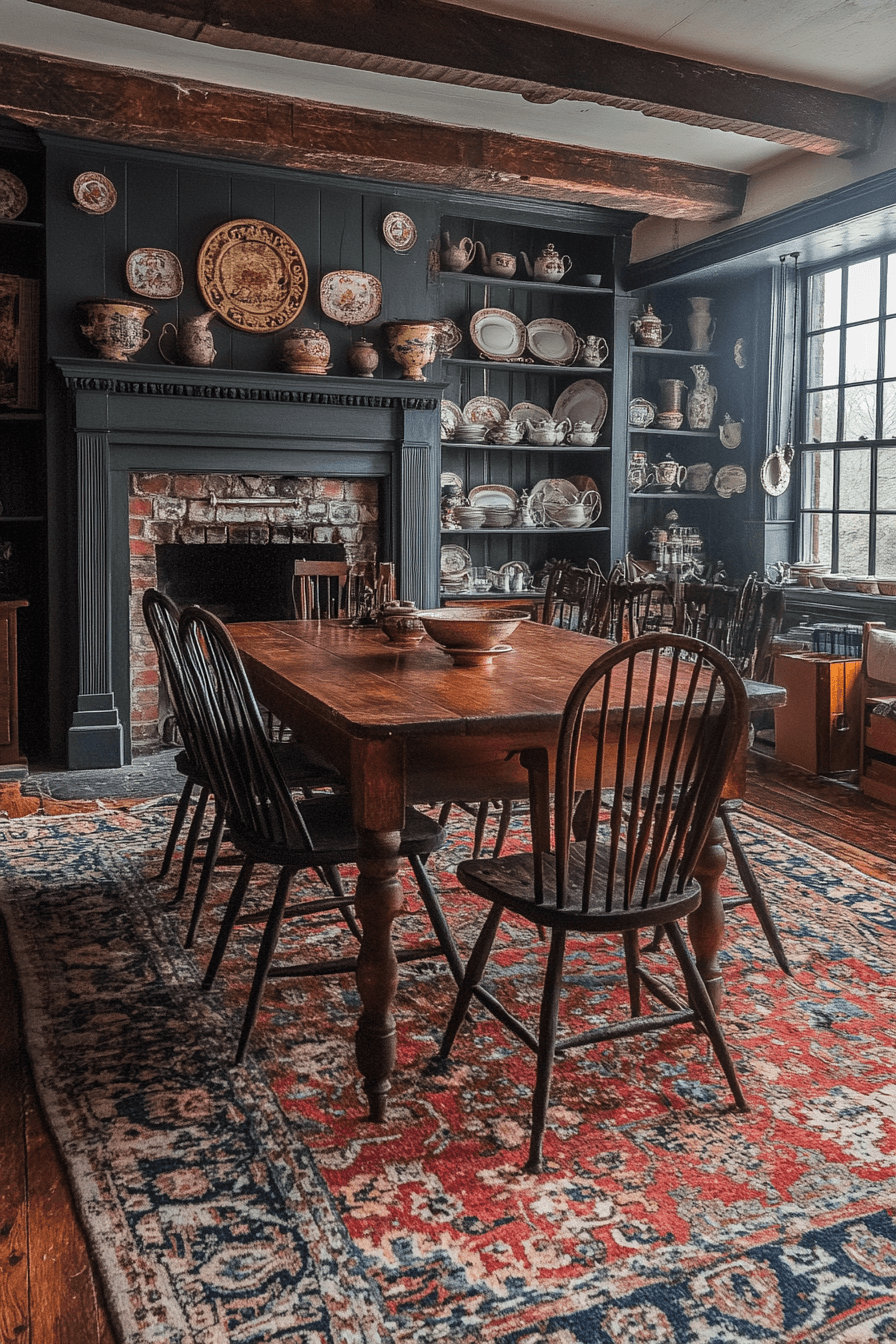
Colonial influence grounds antique dining rooms in simplicity, craftsmanship, and tradition. Solid wood furniture and practical layouts create a welcoming atmosphere. Subtle decorative accents reflect early American heritage. Every element prioritizes comfort and function. The space feels timeless and dependable for daily use.
💡 Steal This Look
- Paint Color: Dunn-Edwards Swiss Coffee DEW341
- Furniture: Windsor spindle-back dining chairs, trestle-base farmhouse table, pine hutch with crown molding
- Lighting: Brass chandelier with candle-style sleeves, wall-mounted sconces with frosted glass shades
- Materials: Unfinished pine, hand-planed oak, woven rush seats, iron hardware, linen table runners
This is the room where Sunday roasts and borrowed-cup-of-sugar neighbors live—nothing fussy, everything meant to be used.
8. Rustic Tuscan Dining Retreat
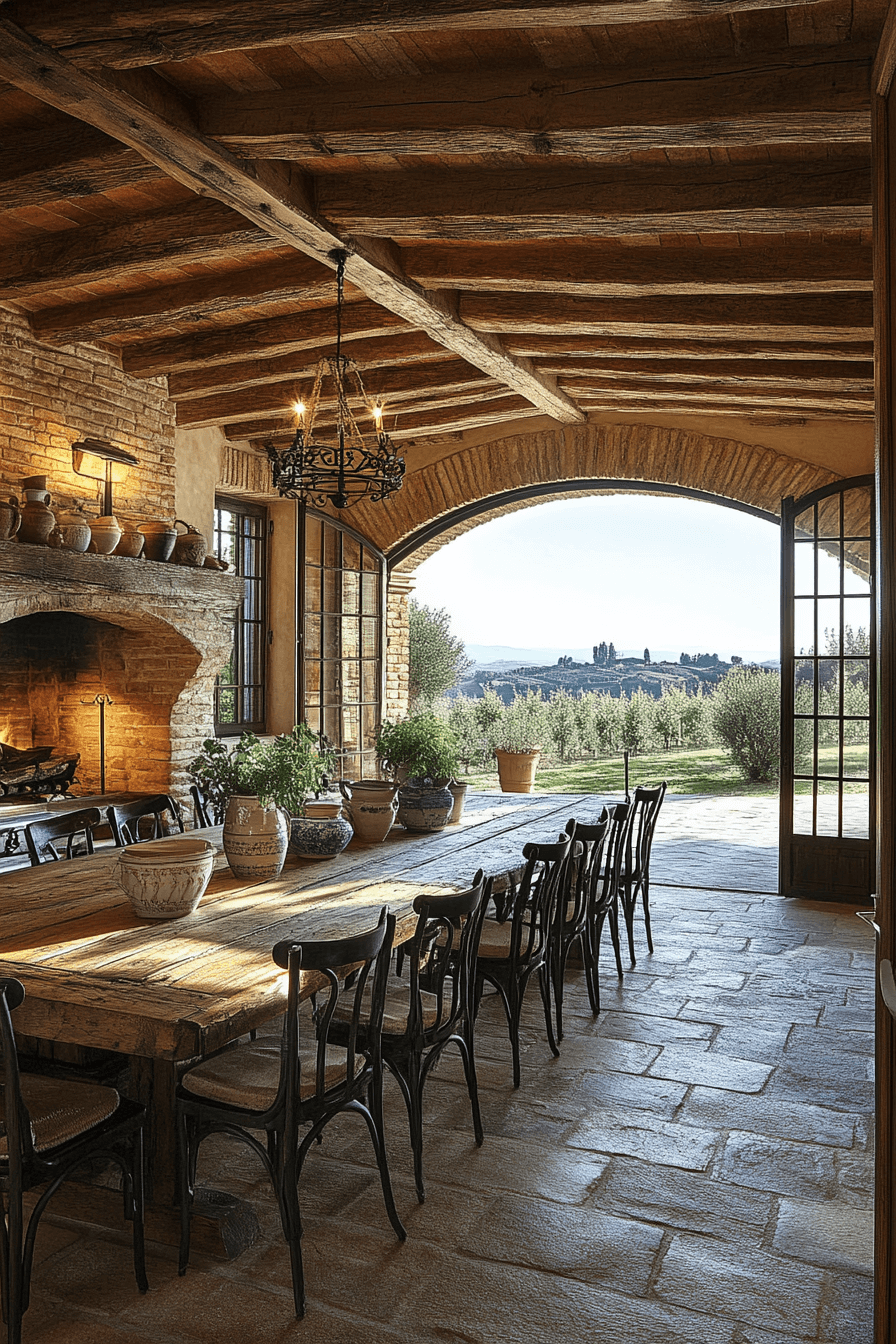
Warm earth tones and rustic textures define antique dining rooms inspired by Tuscan design. Weathered finishes and sturdy furniture anchor the space naturally. Soft lighting and artisanal accents enhance the cozy mood. Decorative details often reference nature and heritage. Long conversations feel right at home here.
🎨 Steal This Look
- Paint Color: Clare Paint Dirty Chai CC-08
- Furniture: Heavy trestle dining table in distressed oak with turned legs; mismatched ladder-back chairs with rush seats
- Lighting: Wrought iron chandelier with amber glass shades and candle-style bulbs
- Materials: Rough-hewn timber, terracotta, hand-thrown ceramics, aged brass, natural linen
This is the room where Sunday lunches stretch into evenings—build it to hold stories, not just plates.
9. Elizabethan Grand Dining Hall
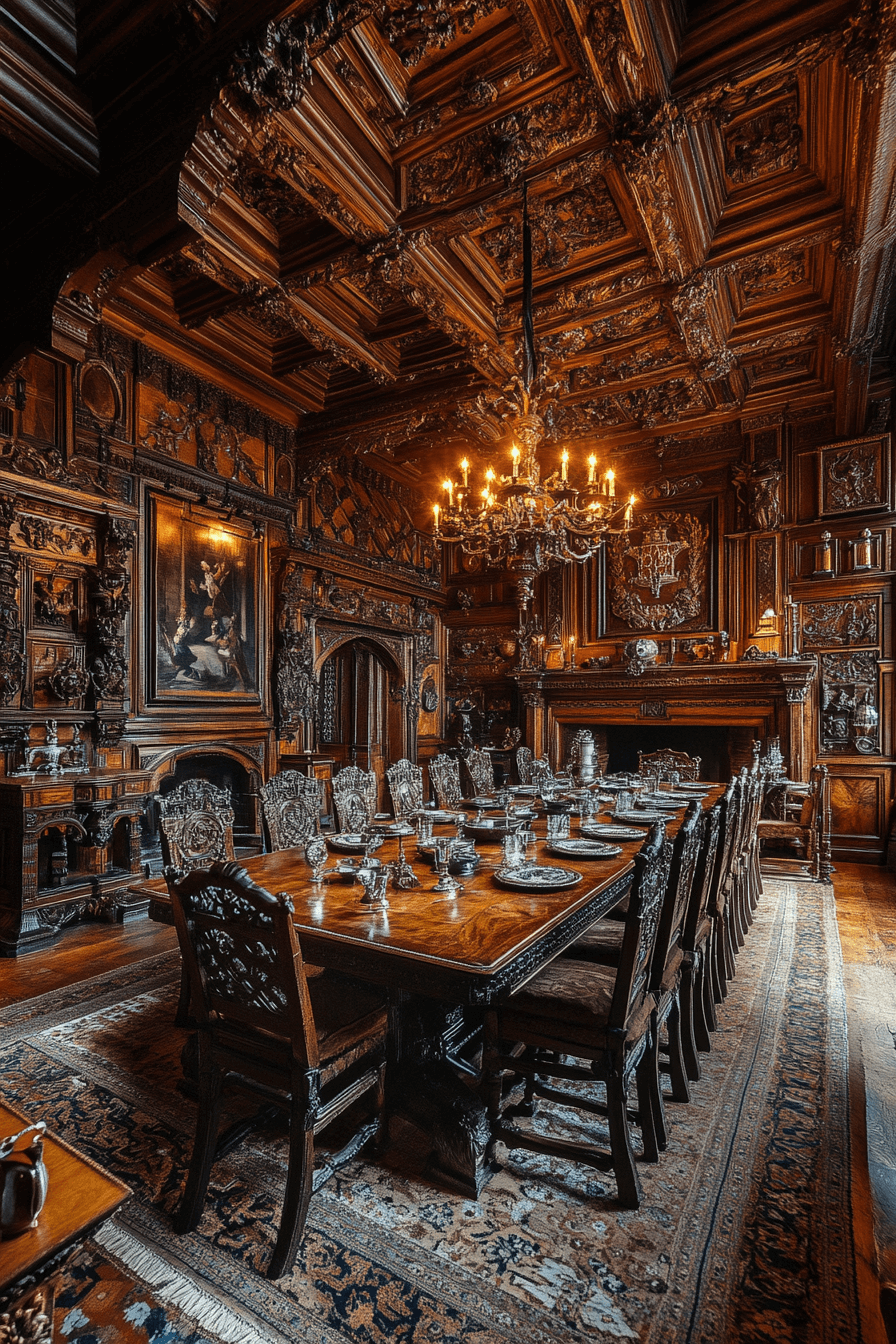
Historic richness fills antique dining rooms influenced by Elizabethan tradition. Heavy wood furnishings provide strong architectural presence. Carved accents and layered textiles add depth and drama. The atmosphere feels ceremonial yet intimate. These rooms are made for unforgettable occasions.
💡 Steal This Look
- Paint Color: Fine Paints of Europe Hollandlac Brilliant Deep Mahogany E24-70
- Furniture: oak refectory dining table with bulbous turned legs, high-back carved wainscot chairs with leather upholstery, ornate court cupboard for display
- Lighting: wrought iron chandelier with candle-style lights and dripping wax details
- Materials: quartered oak, hand-tooled leather, heavy velvet, hammered iron, aged brass studs
There’s something commanding about a dining room that doesn’t whisper—it announces. Elizabethan halls remind us that gathering for a meal can still feel like an occasion worth dressing for.
10. Baroque Opulent Dining Room
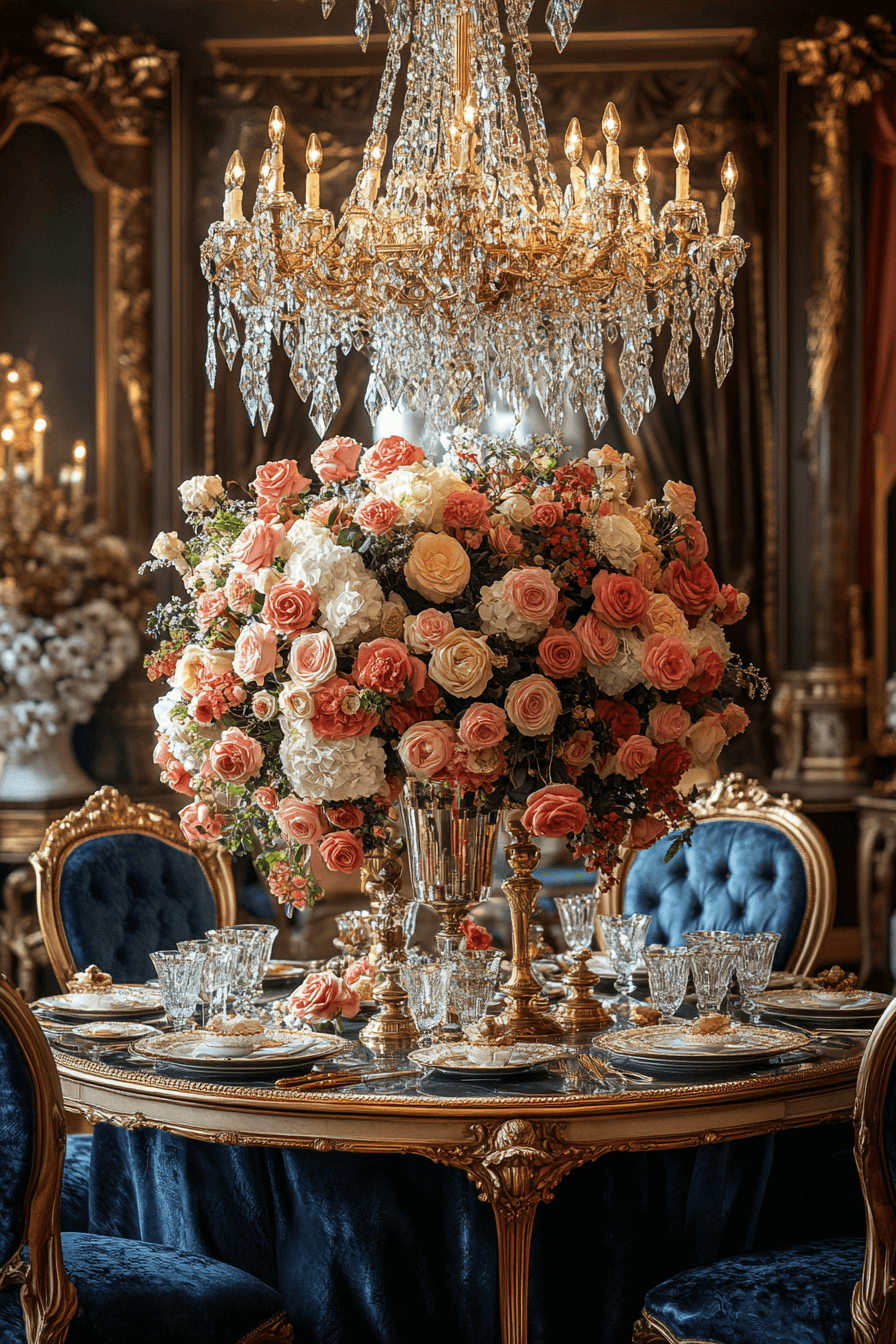
Expressive detail and luxury shape antique dining rooms inspired by Baroque style. Curved forms and ornate finishes create visual movement. Rich colors and layered textures amplify opulence. Decorative lighting enhances the theatrical feel. Every meal becomes a statement event.
★ Steal This Look
- Paint Color: Backdrop Royal Blood BA-06
- Furniture: carved mahogany pedestal dining table with cabriole legs, tufted velvet dining chairs with nailhead trim, ornate giltwood sideboard
- Lighting: crystal chandelier with candle-style lights and brass framework
- Materials: damask silk, gold leaf, polished marble, brocade, carved walnut
There’s something intoxicating about dining in a room that refuses to whisper. This look isn’t shy, and honestly, your dinner parties shouldn’t be either.
11. Renaissance Inspired Dining Space
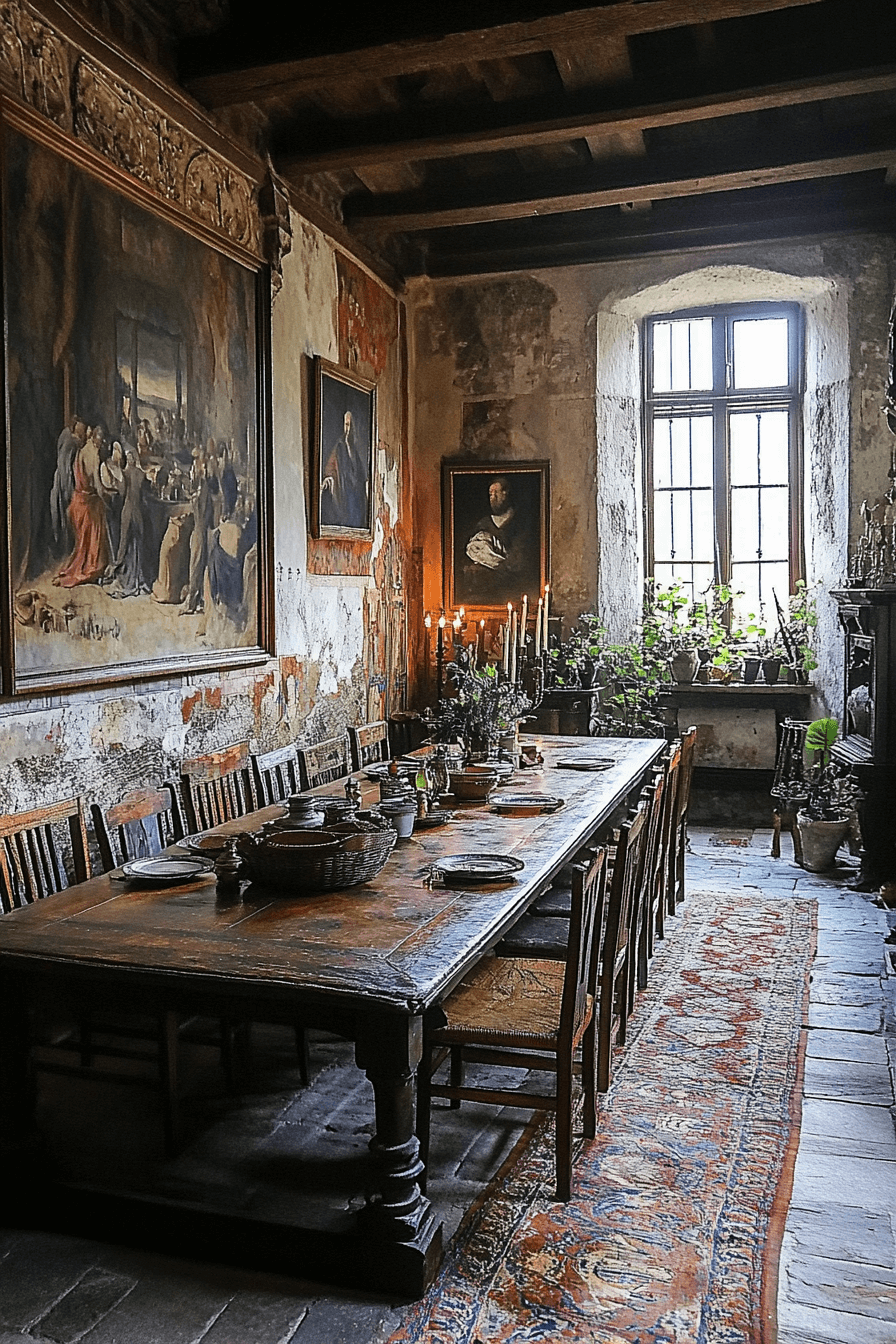
Artistry and balance define antique dining rooms influenced by Renaissance ideals. Strong architectural elements pair beautifully with decorative wall details. Large tables encourage shared meals and connection. Thoughtful accents reflect cultural depth and craftsmanship. The space feels both grand and welcoming.
🌟 Steal This Look
- Paint Color: Sherwin-Williams Urbane Bronze SW 7048
- Furniture: heavily carved oak or walnut refectory table with turned legs, high-back upholstered dining chairs in deep burgundy or forest green velvet, ornate sideboard with pilaster details
- Lighting: wrought iron or aged brass chandelier with multiple candle-style lights, possibly with crystal droplets
- Materials: dark stained wood, tooled leather, hand-forged metal, tapestries or oil paintings in gilded frames, terracotta or stone flooring
There’s something grounding about dining in a space that honors centuries of craft—these rooms demand slow meals and longer conversations.
12. Neoclassical Refined Dining Room
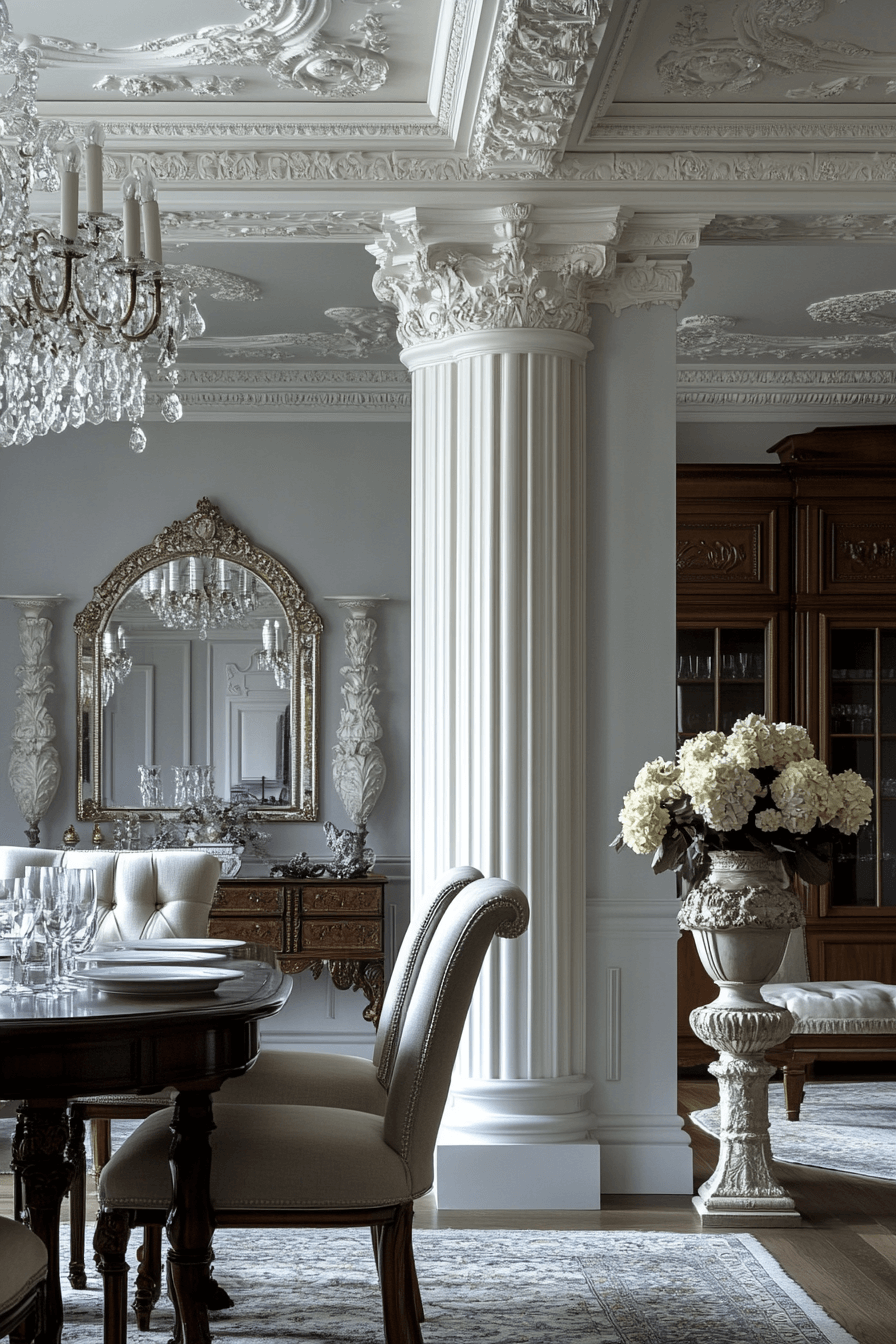
Harmony and symmetry guide antique dining rooms rooted in Neoclassical design. Clean lines and refined materials establish a calm, elevated tone. Elegant lighting and decorative moldings add polish without excess. The room feels timeless and composed. This style favors beauty through restraint.
🖼 Steal This Look
- Paint Color: Benjamin Moore White Dove OC-17
- Furniture: mahogany pedestal dining table with turned legs, shield-back dining chairs in deep burgundy leather, breakfront china cabinet with brass hardware
- Lighting: crystal chandelier with candle-style bulbs, brass wall sconces flanking a gilt-framed mirror
- Materials: gilded picture frames, decorative crown molding, marble fireplace surround, silk window treatments, polished brass accents
This is the dining room where conversations linger and courses unfold slowly—every element feels considered, nothing shouts.
13. Rococo Romantic Dining Style
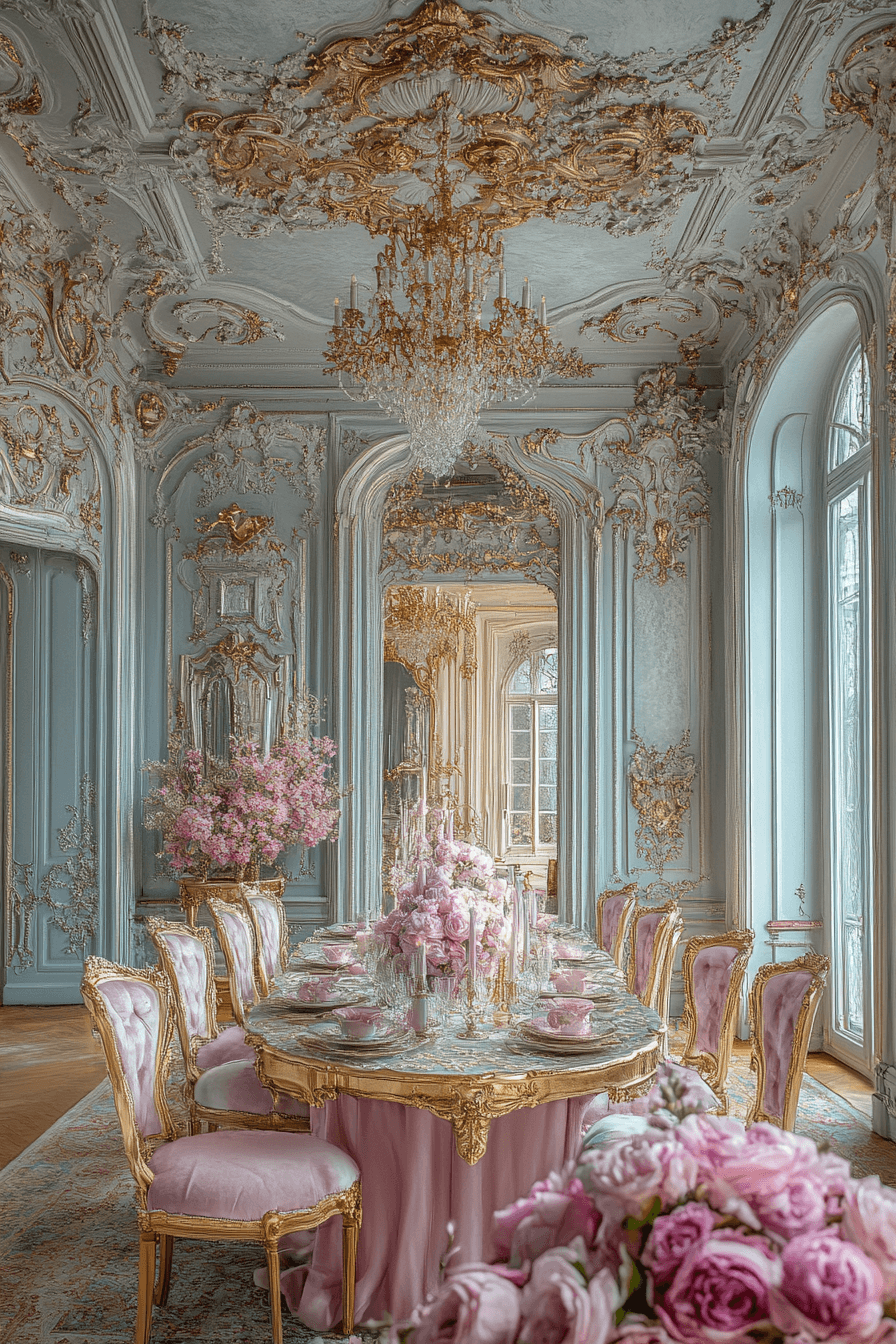
Playful elegance defines antique dining rooms inspired by Rococo charm. Soft colors and ornate detailing add personality and lightness. Curved furniture and decorative accents enhance romance. Reflective surfaces brighten the overall look. The atmosphere feels joyful and intimate.
★ Steal This Look
- Paint Color: Farrow & Ball Pink Ground 202
- Furniture: Ornate giltwood dining chairs with cabriole legs, serpentine-fronted mahogany sideboard with marquetry inlay
- Lighting: Crystal chandelier with candle-style arms and prismatic drops
- Materials: Gilded bronze accents, silk damask upholstery, mirrored glass panels, limed oak parquet
There’s something undeniably seductive about dining in a room that doesn’t take itself too seriously—where every chair leg curves like a smile and the walls blush with warmth.
14. Japanese Traditional Dining Serenity
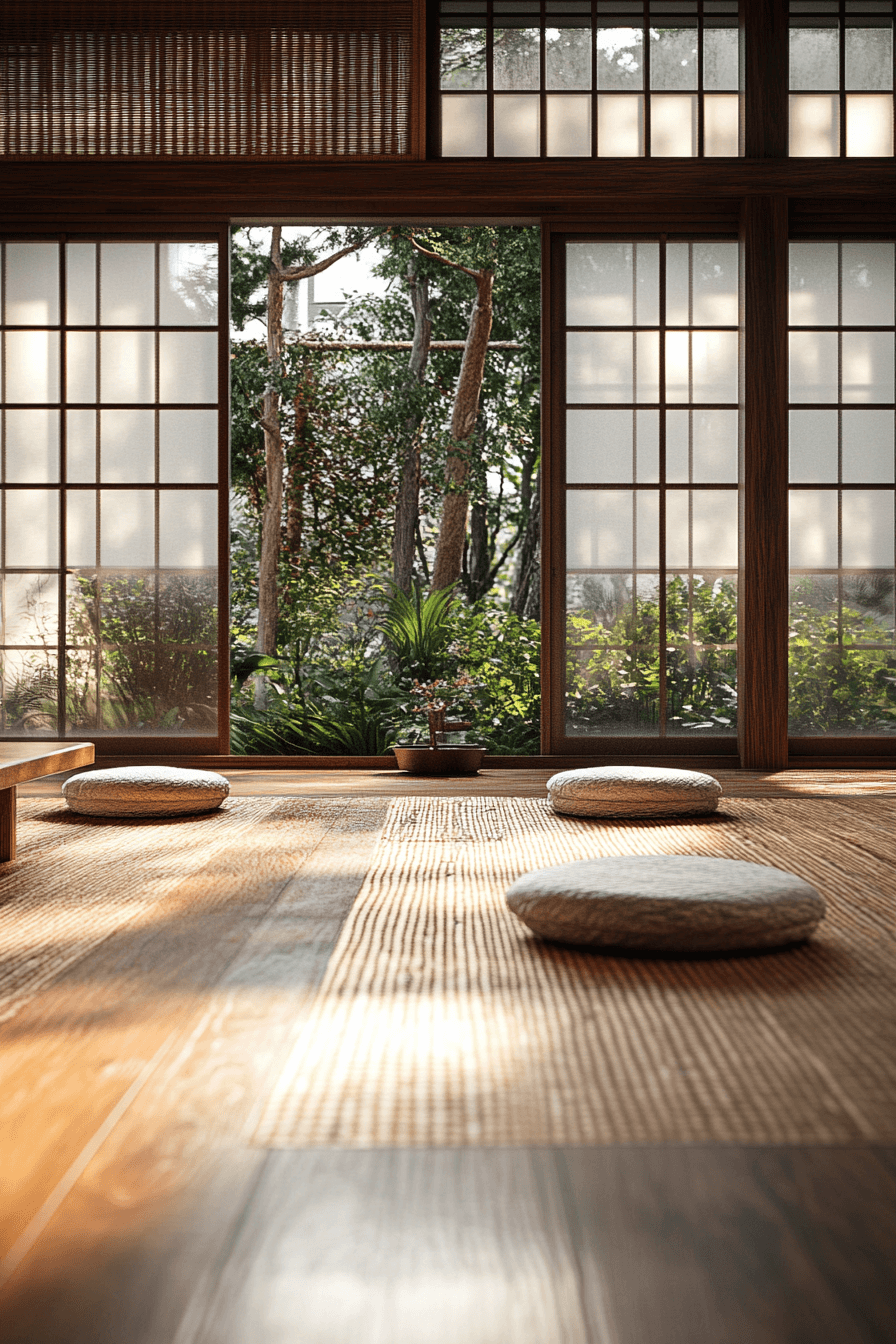
Calm simplicity shapes antique dining rooms influenced by traditional Japanese design. Low furniture and open layouts encourage mindful dining. Natural textures and neutral tones enhance serenity. Every element feels intentional and uncluttered. The space promotes quiet connection.
🎨 Steal This Look
- Paint Color: Behr Rice Grain PPU7-12
- Furniture: low-profile chabudai dining table with zabuton floor cushions, tansu chest for storage
- Lighting: washi paper pendant lantern with warm LED glow
- Materials: unbleached linen, raw cedar, tatami mat texture, hand-thrown ceramic, bamboo
This look asks you to slow down and sit closer to the floor—there’s something grounding about dining at knee height that Western tables simply can’t replicate.
15. Spanish Revival Dining Warmth
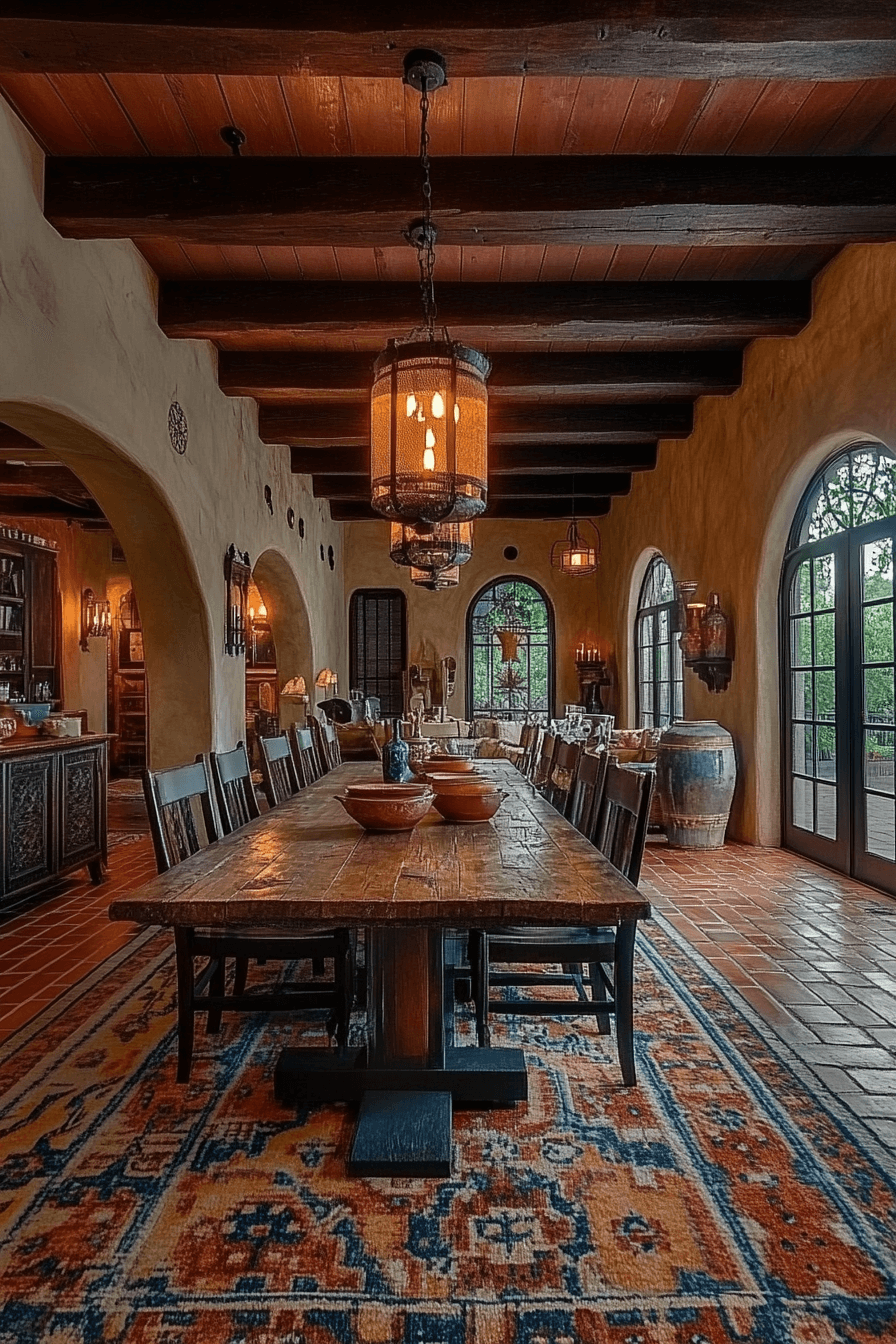
Expressive warmth fills antique dining rooms inspired by Spanish Revival style. Textured walls and handcrafted details add depth and character. Bold accents and decorative lighting energize the room. Architectural features create authenticity and charm. These spaces invite lively gatherings.
🌟 Steal This Look
- Paint Color: Valspar Adobe Sand 2002-1B
- Furniture: dark carved walnut refectory table with turned legs, leather-seat Spanish colonial side chairs, ornate iron buffet
- Lighting: wrought iron chandelier with amber glass shades, wall sconces with hand-forged scrollwork
- Materials: rough plaster walls, terracotta tile flooring, hammered copper accents, tooled leather, heavy linen textiles
There’s something about the weight of carved wood and the glow of amber glass that makes every dinner feel like a celebration passed down through generations—this room doesn’t whisper history, it sings it.
16. Gilded Age Formal Dining Room
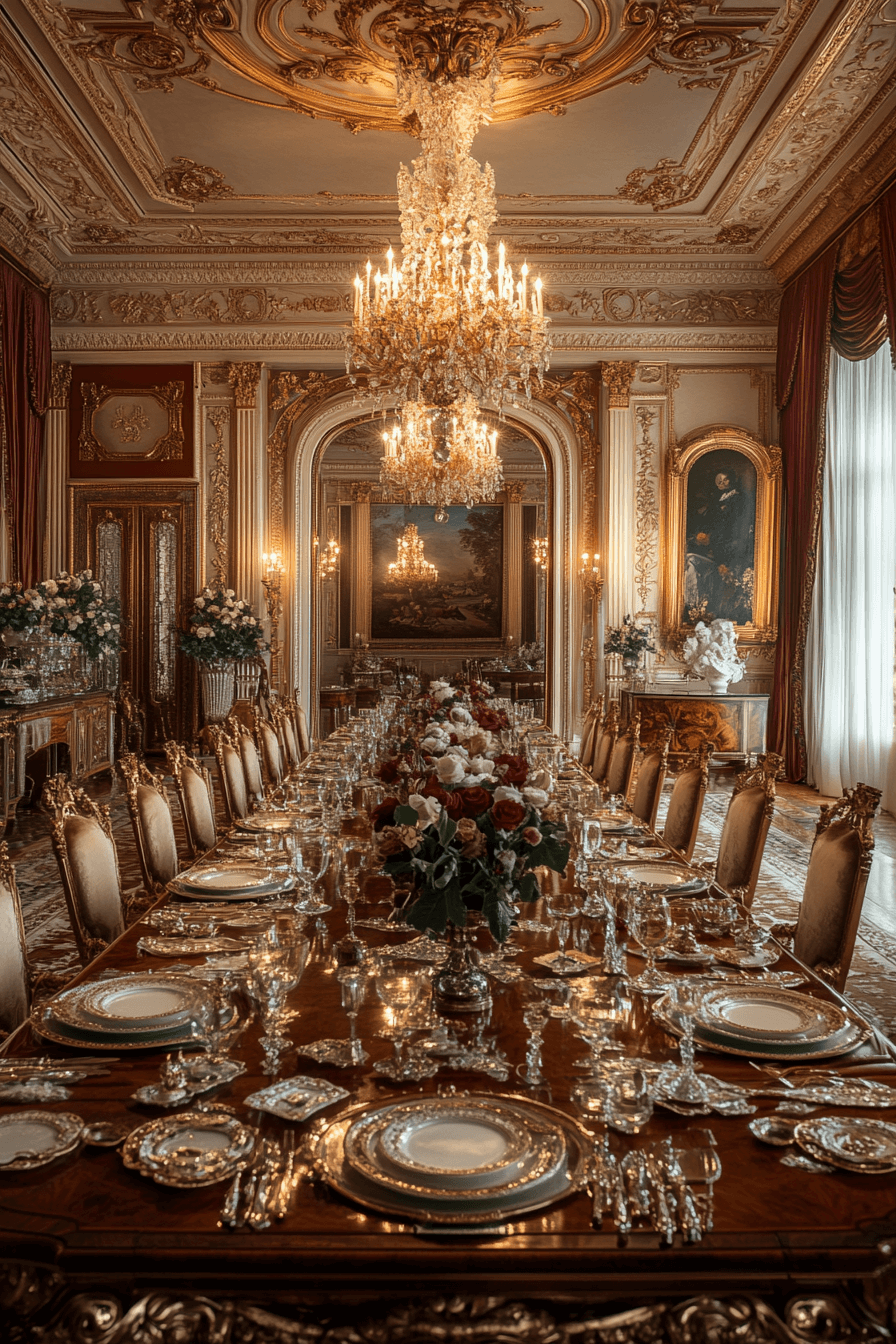
Luxury and presentation define antique dining rooms inspired by the Gilded Age. Ornate furnishings and refined tablescapes elevate every occasion. Metallic accents and layered fabrics add richness. The atmosphere feels celebratory yet formal. Hosting becomes a grand experience.
🌟 Steal This Look
- Paint Color: PPG Warm Mahogany PPG1070-7
- Furniture: mahogany pedestal dining table with carved legs, tufted velvet host chairs, giltwood sideboard with marble top
- Lighting: crystal chandelier with brass arms and candle-style bulbs
- Materials: damask silk, gilded mirror frames, polished mahogany, marble, crystal, brocade
This room whispers old-money confidence—it’s the kind of space where you slow down, use the good china, and actually linger over dinner.
17. Mid-Century Vintage Dining Space
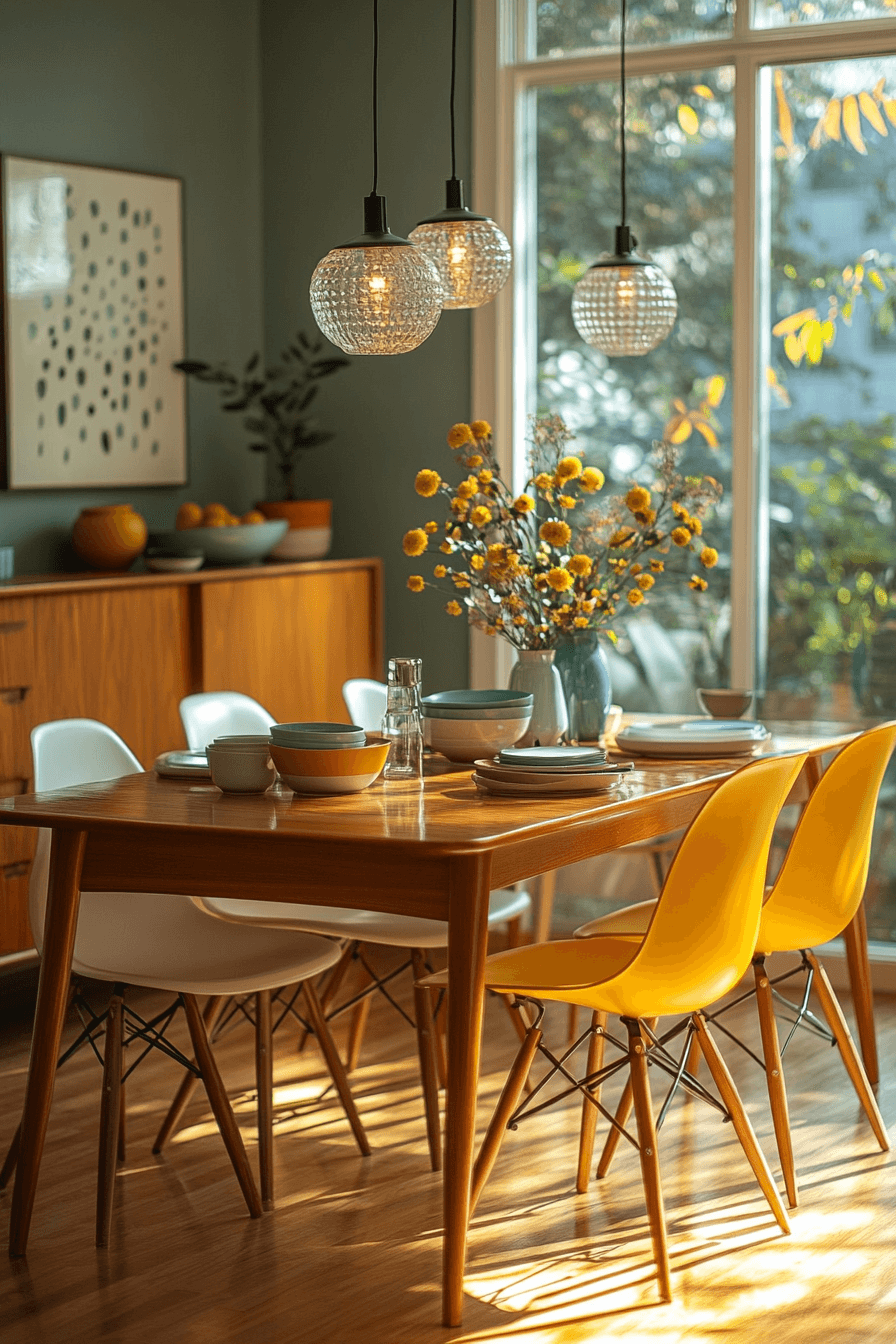
Retro charm meets comfort in antique dining rooms influenced by mid-century vintage design. Streamlined furniture and organic shapes create relaxed sophistication. Pops of color add energy and fun. The layout encourages conversation and ease. Style feels effortless here.
🏠 Steal This Look
- Paint Color: Dunn-Edwards Swiss Coffee DEW 341
- Furniture: teak credenza with tapered legs, walnut dining table with curved edges, Eames-style molded fiberglass chairs in mustard or teal
- Lighting: Sputnik chandelier with brass arms and globe bulbs
- Materials: warm walnut wood, textured wool upholstery, matte ceramic, brushed brass accents
This is the dinner party room where someone inevitably lingers at the table until midnight, refilling wine and arguing about music. The mustard chair pulls you in.
18. American Colonial Dining Comfort
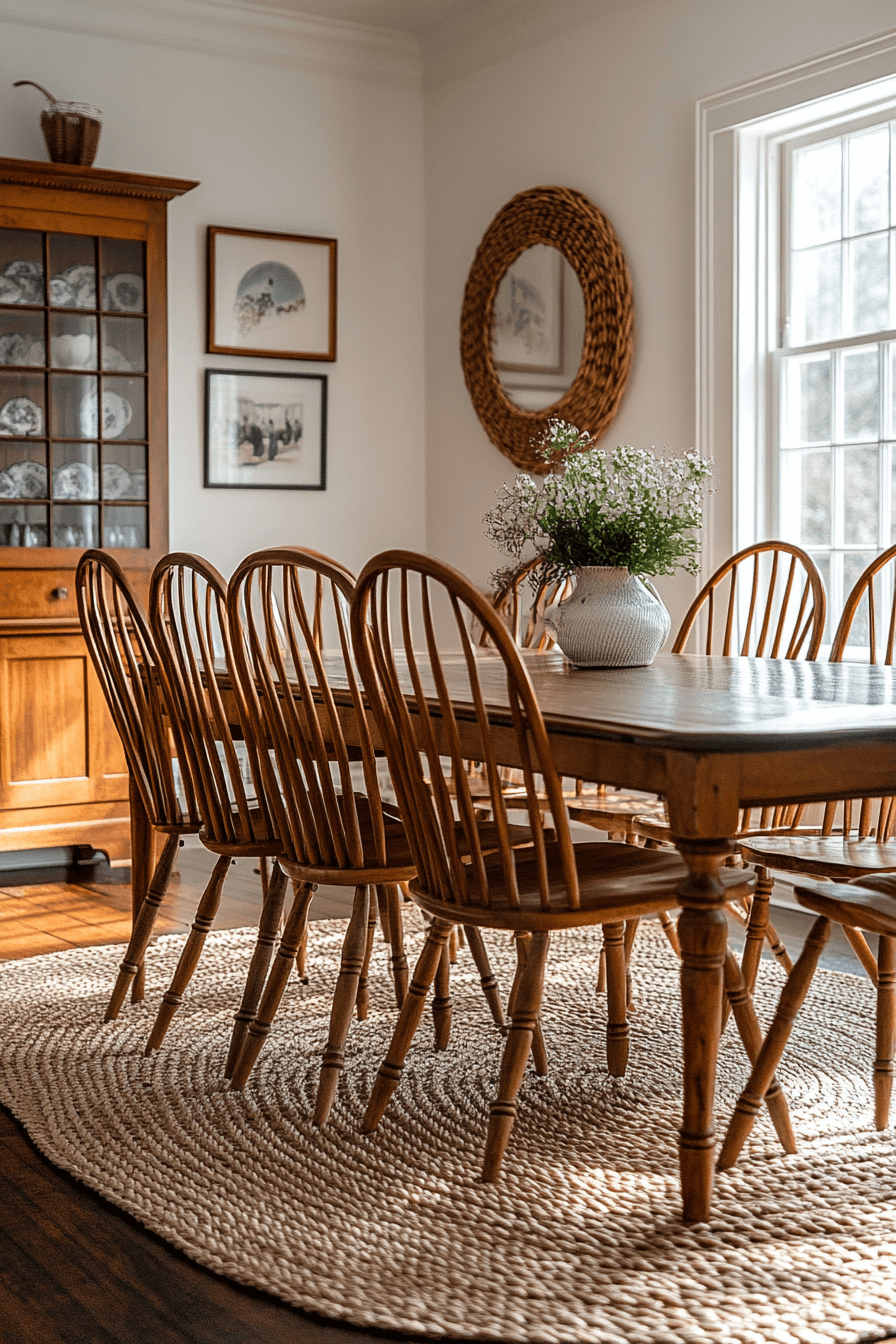
Warm tradition anchors antique dining rooms inspired by classic American Colonial style. Solid wood pieces and handcrafted details ground the space. Soft textiles and earthy tones add comfort. The room feels familiar and welcoming. Everyday meals feel special here.
✎ Steal This Look
- Paint Color: Clare Paint Warm Beige 02
- Furniture: Windsor-style spindle-back dining chairs, trestle-base farmhouse table in aged oak, corner hutch with glass-front cabinets
- Lighting: Brass candle-style chandelier with fabric shades, wall-mounted sconces with hurricane glass
- Materials: Hand-planed pine, woven rush seats, iron hardware, linen napkins, braided jute rug
There’s something grounding about a table that’s been prayed over, argued across, and polished a thousand times—this look asks you to slow down and stay awhile.
19. Shaker Simplicity Dining Room
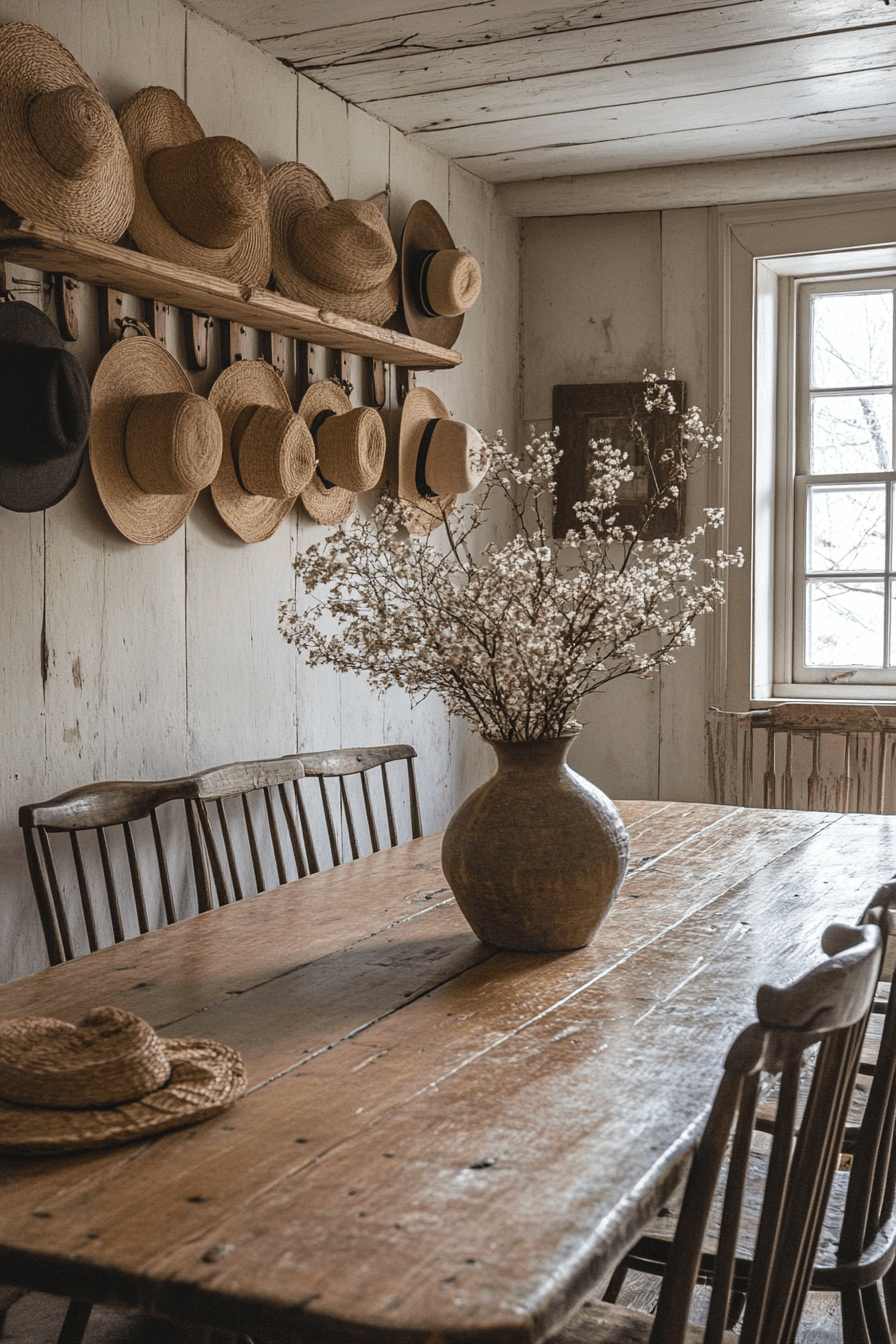
Honest craftsmanship defines antique dining rooms shaped by Shaker principles. Clean lines and minimal decoration create a calming effect. Built-in features enhance practicality. The aesthetic feels thoughtful and enduring. Simplicity becomes the highlight.
💡 Steal This Look
- Paint Color: Fine Paints of Europe S-2010-Y10R (warm buttermilk white)
- Furniture: Pine harvest table with tapered legs, ladder-back chairs with woven rush seats, built-in corner cupboard with beadboard doors
- Lighting: Simple wooden pendant with milk glass shade, candle sconces on walls
- Materials: Unfinished pine, hand-planed maple, cotton duck cloth, braided rag rugs, iron hardware
There’s something quietly radical about a room that refuses to perform—this is furniture as moral philosophy, and it ages like grace itself.
20. Belle Époque Elegant Dining
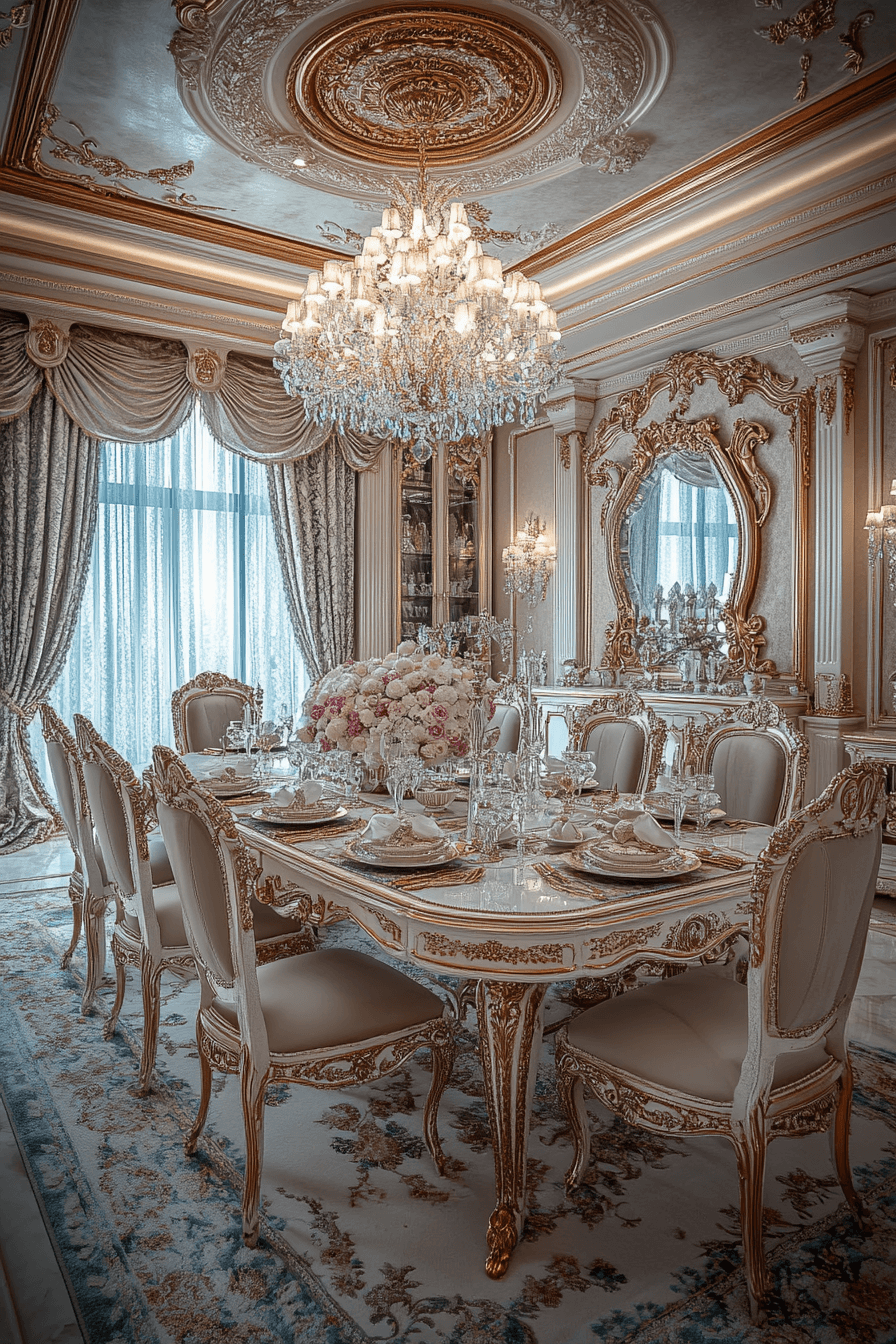
Romantic layering defines antique dining rooms inspired by the Belle Époque era. Ornamental details and rich textures create visual excitement. Elegant furnishings add charm and sophistication. The mood feels celebratory and expressive. European glamour shines through every detail.
🎨 Steal This Look
- Paint Color: Backdrop Old World CODE
- Furniture: carved walnut dining table with cabriole legs, velvet-upholstered dining chairs with tufted backs, giltwood sideboard with marble top
- Lighting: crystal chandelier with bronze patina finish, wall sconces with fabric shades
- Materials: damask table linens, gilded mirror frames, polished mahogany, silk draperies, ornate plaster moldings
There’s something irresistibly theatrical about dining like it’s 1895—this look invites you to slow down and make every meal feel like an occasion worth dressing up for.
21. Arts And Crafts Dining Warmth
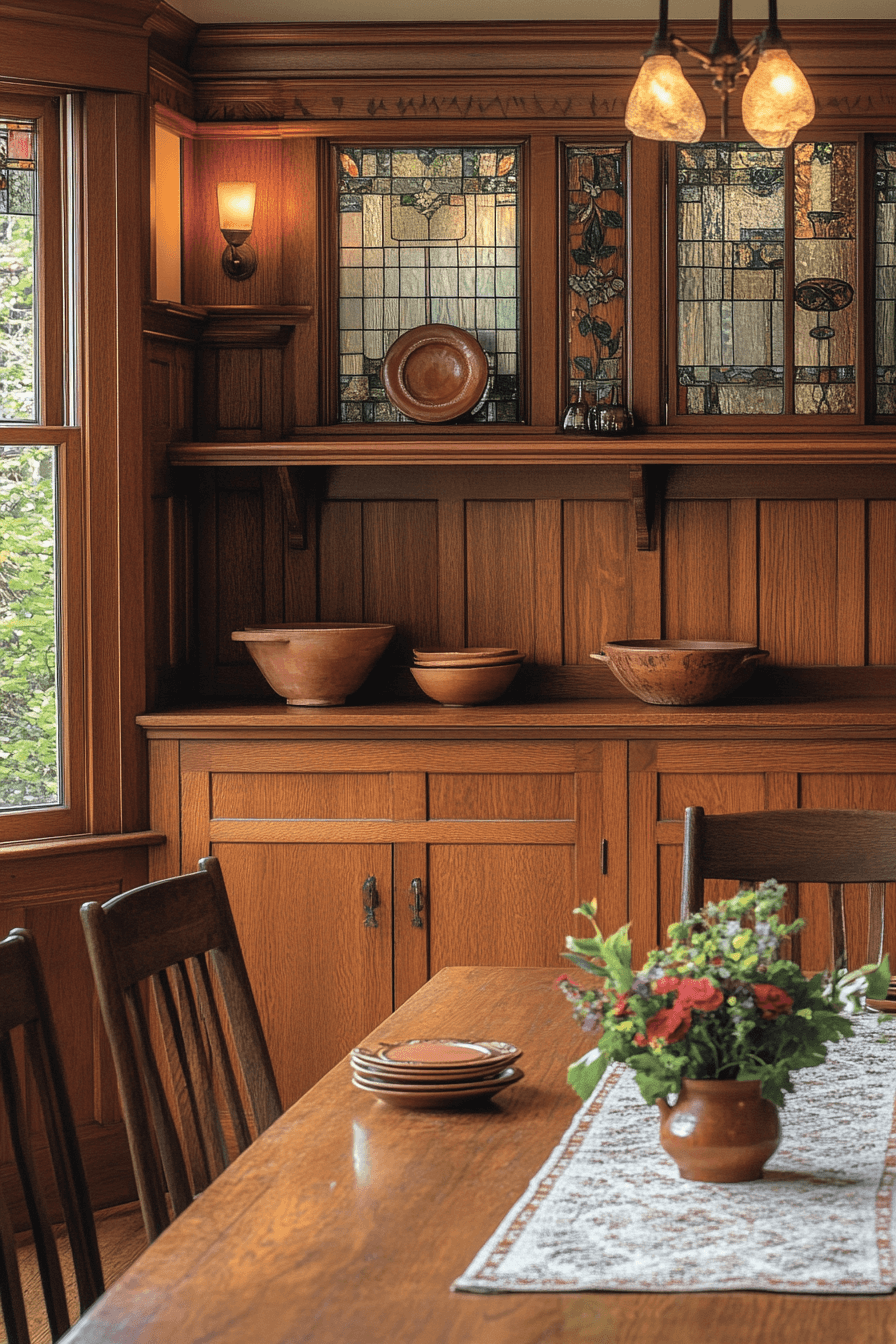
Natural materials and handcrafted beauty shape antique dining rooms rooted in the Arts and Crafts Movement. Sturdy furniture and earthy tones create warmth. Decorative elements often draw inspiration from nature. The space feels grounded and welcoming. Craftsmanship takes center stage. Honor handmade beauty and design a dining room with soul.
✎ Steal This Look
- Paint Color: Sherwin-Williams Roycroft Adobe SW 0044
- Furniture: Mission-style oak pedestal table with through-tenon joinery, leather-seat ladderback chairs with vertical slats
- Lighting: Hammered copper or mica shade pendant with visible rivet construction, warm amber glow
- Materials: Quarter-sawn white oak with cathedral grain, hand-forged iron hardware, natural linen textiles, matte ceramic tile
There’s something deeply satisfying about running your hand across a table joint you can actually see was cut by a person, not a machine—this room invites that kind of slow, intentional living.
22. Scandinavian Minimal Dining Style
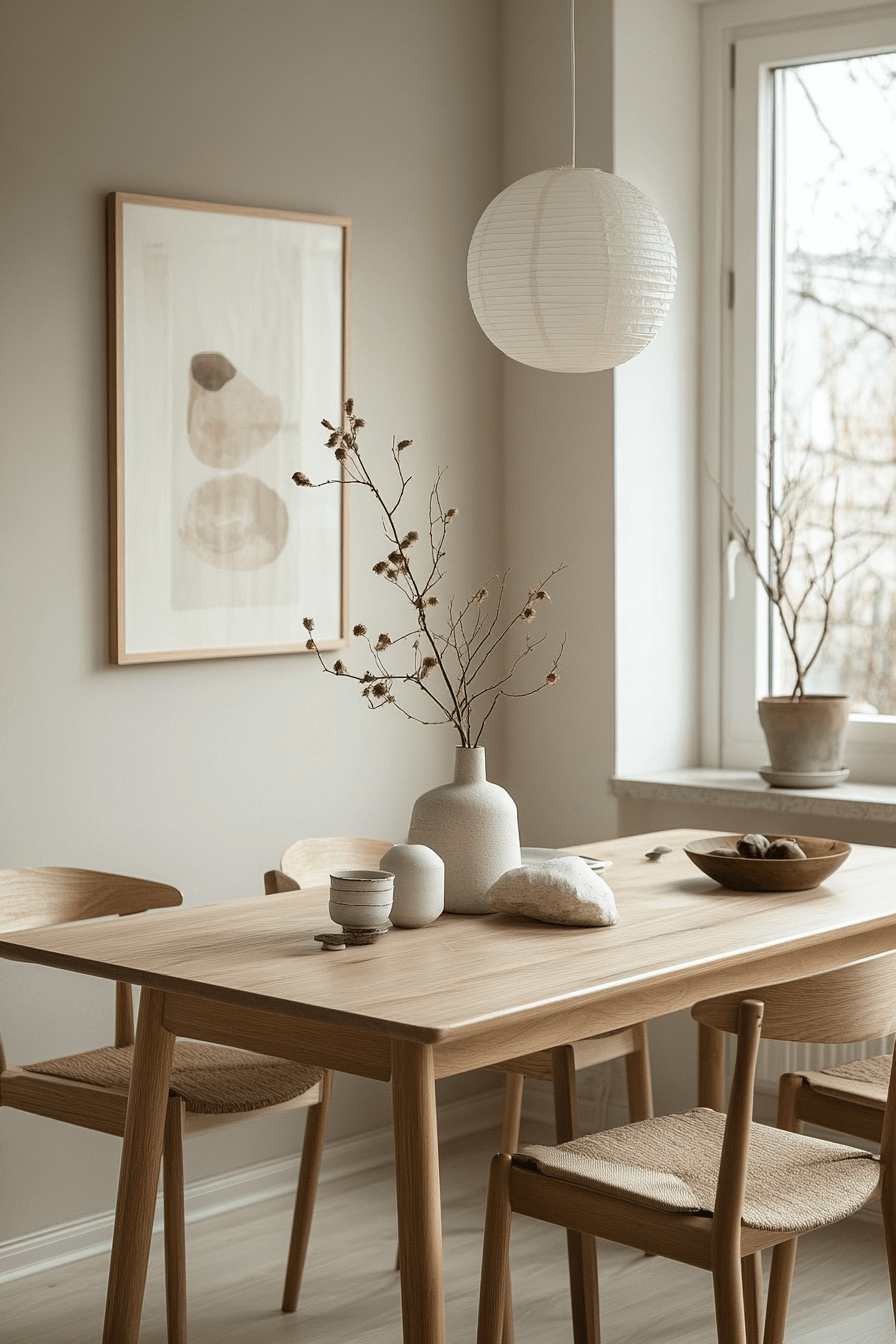
Lightness and function guide antique dining rooms inspired by Scandinavian minimalism. Pale woods and simple forms create openness. The atmosphere feels calm without feeling stark. Each element serves a purpose. Comfort and clarity coexist beautifully.
🎨 Steal This Look
- Paint Color: Benjamin Moore Simply White OC-117
- Furniture: Light oak dining table with tapered legs, wishbone chairs in natural beech
- Lighting: Pendant light with white opal glass globe on black cord
- Materials: Pale bleached oak, matte white ceramic, natural linen, brushed brass accents
There’s something deeply satisfying about stripping a dining room back to essentials—this look lets a beautiful antique table breathe and actually be seen.
23. Georgian Formal Dining Elegance
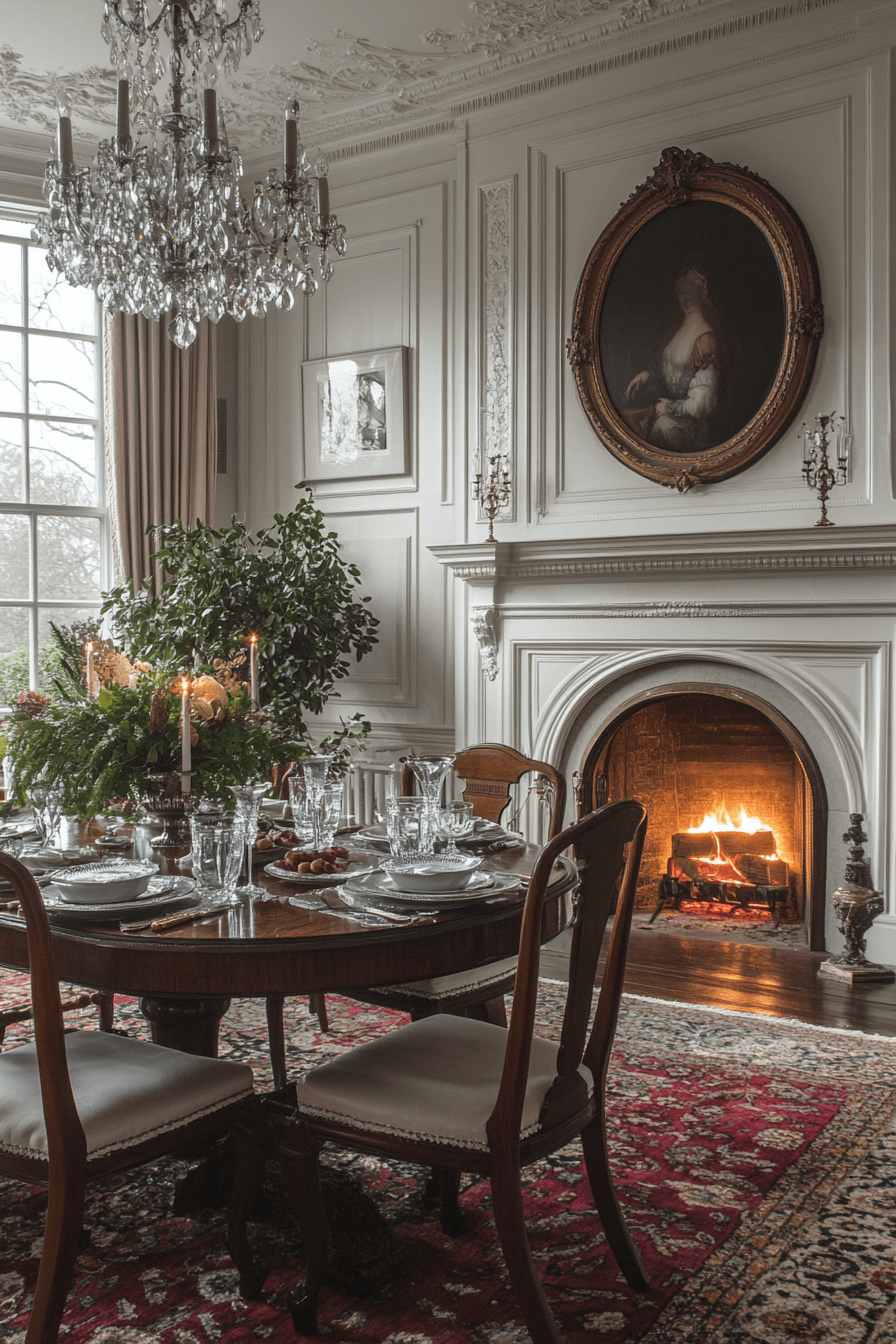
Structure and proportion define antique dining rooms influenced by Georgian design. Balanced layouts and rich materials establish formality. Decorative details enhance refinement. The room feels impressive yet timeless. Ideal for elegant entertaining.
★ Steal This Look
- Paint Color: Farrow & Ball Hague Blue 30
- Furniture: mahogany pedestal dining table with brass claw feet, shield-back dining chairs in burgundy leather
- Lighting: crystal chandelier with candle-style bulbs, brass wall sconces with silk shades
- Materials: polished mahogany, gilded mirror frames, damask upholstery, marble fireplace surround
There’s something commanding about walking into a room where every chair is perfectly placed and the walls wear deep, saturated color—this is entertaining as theater, and your guests feel it immediately.
24. Louis XIV Royal Dining Room
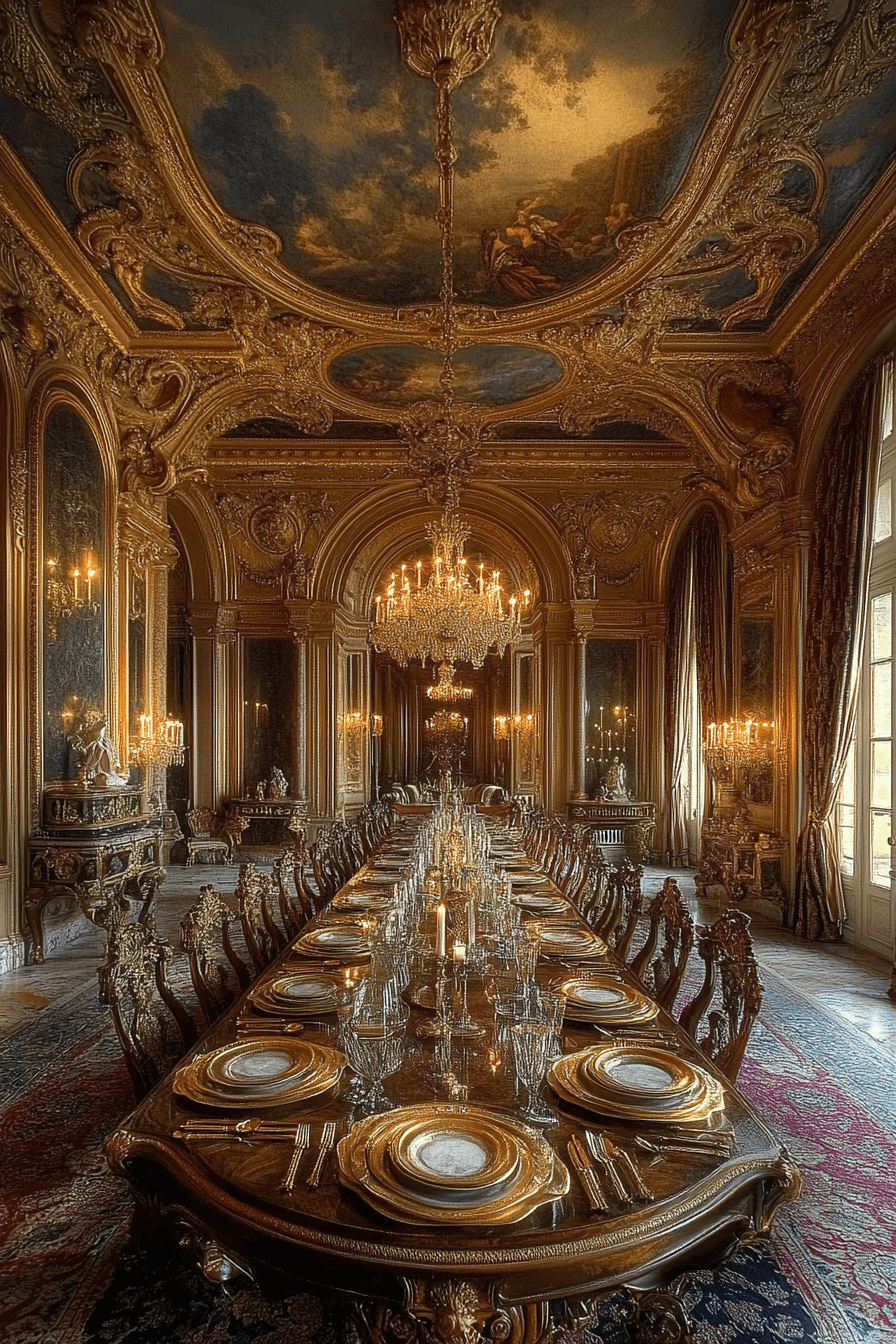
Royal drama dominates antique dining rooms inspired by Louis XIV grandeur. Opulent fabrics and ornate finishes demand attention. Bold lighting enhances the luxurious mood. Decorative detailing reinforces grandeur. The space makes an unforgettable impression.
✎ Steal This Look
- Paint Color: Behr Royal Gold MQ4-21
- Furniture: ornate carved walnut dining table with cabriole legs, gilt-framed mirrors, velvet-upholstered dining chairs with nailhead trim
- Lighting: crystal chandelier with bronze accents, wall sconces with fabric shades
- Materials: damask silk, gold leaf, marble, carved wood, brocade
There’s something undeniably theatrical about dining in a space that feels like a small palace—this look demands you slow down and savor the ceremony of the meal.
25. Dutch Colonial Cozy Dining
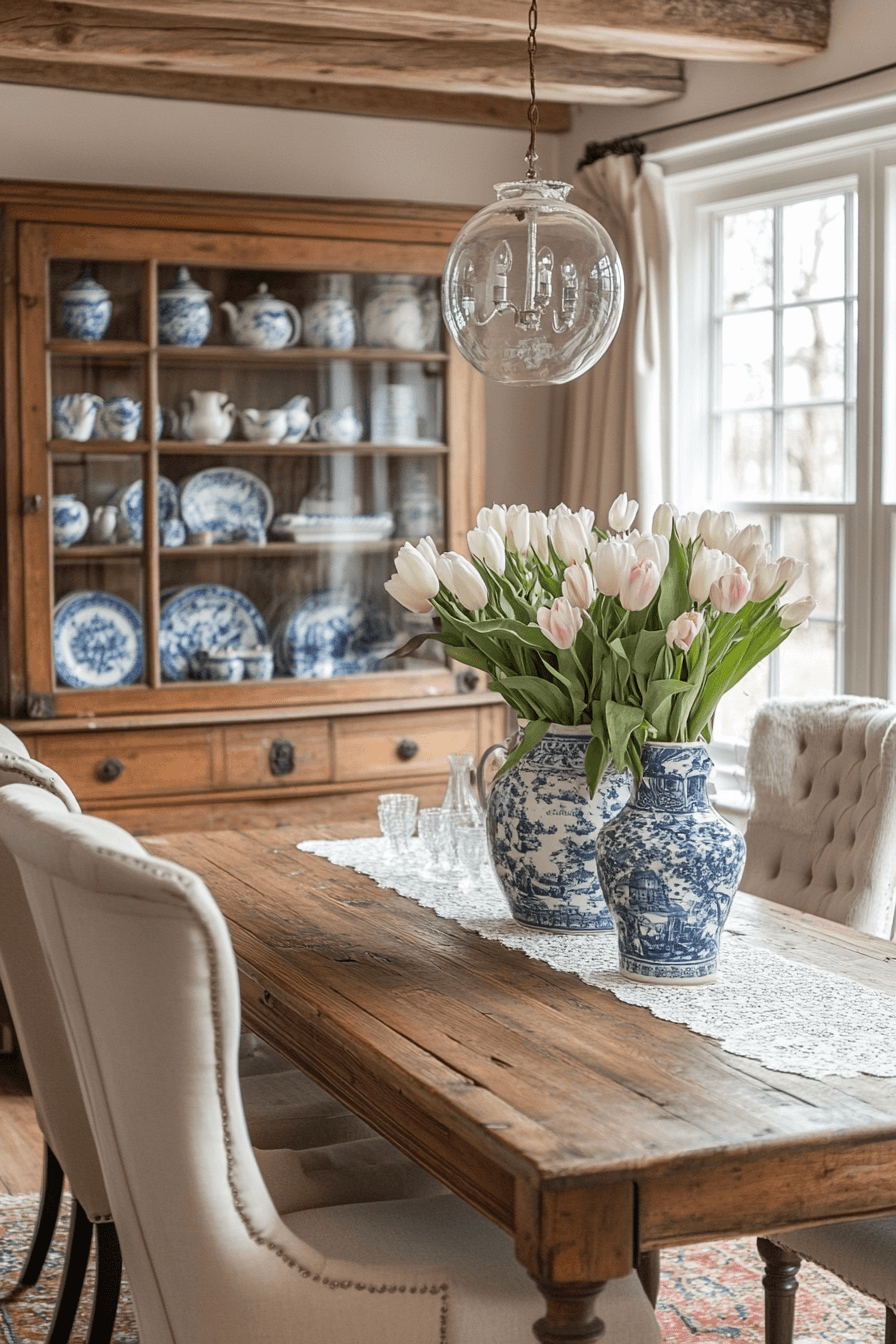
Heritage warmth fills antique dining rooms inspired by Dutch Colonial tradition. Dark woods and handcrafted features add comfort and character. Rustic charm balances refined details. The layout encourages relaxed gatherings. Timeless and inviting, it feels enduring.
💡 Steal This Look
- Paint Color: Valspar Dark Kettle Black 4011-2
- Furniture: heirloom walnut pedestal dining table with turned legs, ladder-back rush seat chairs, antique pine hutch with crown molding
- Lighting: brass colonial-style chandelier with candle sleeves and amber glass shades
- Materials: quarter-sawn oak, hand-forged iron hardware, linen table runners, delft blue ceramic accents, aged brass patina
There’s something grounding about dining where every scratch in the wood tells a story—this room invites you to slow down and actually linger after the meal ends.
26. Tudor Manor Dining Atmosphere
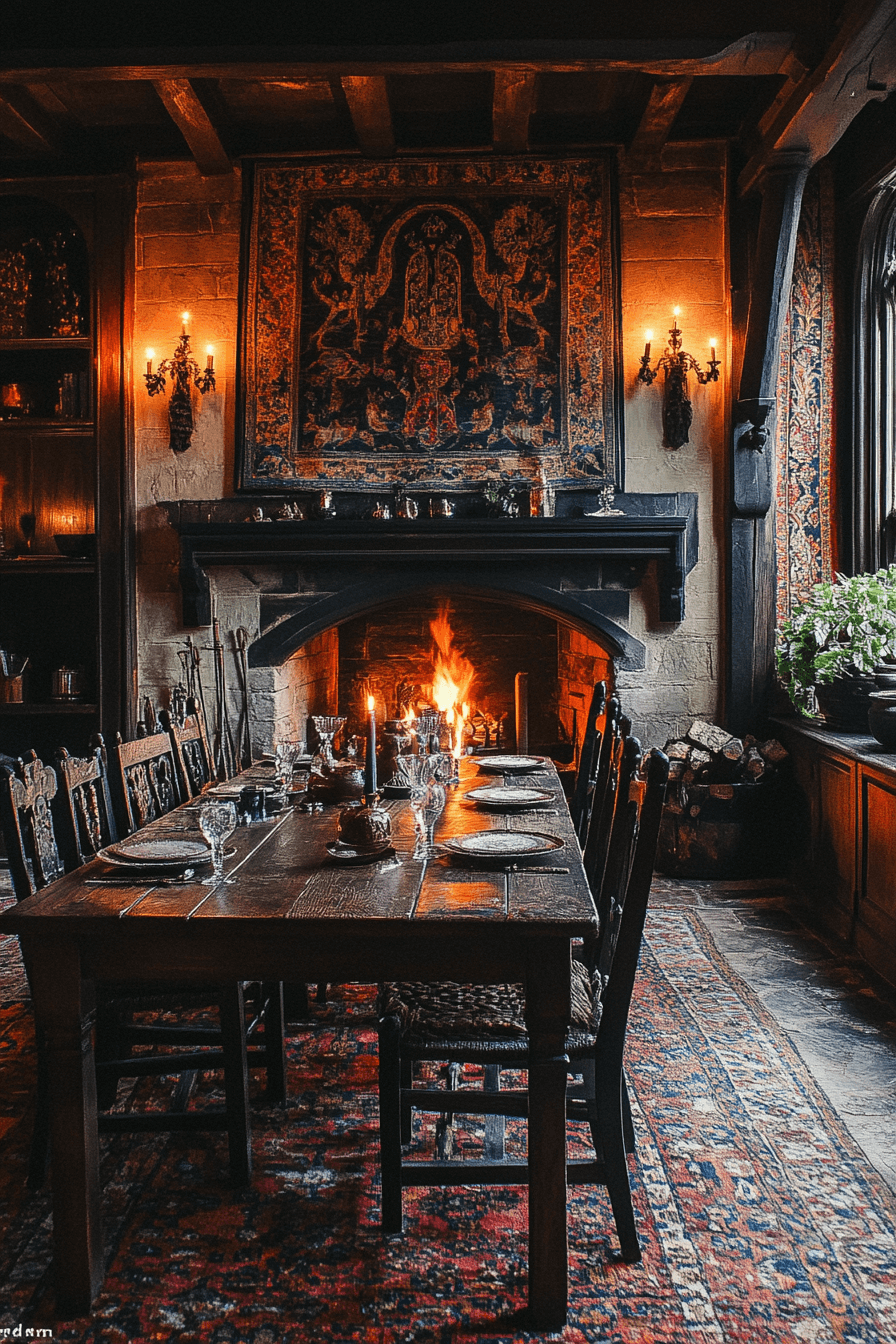
Historic depth defines antique dining rooms inspired by Tudor design. Exposed beams and strong architectural features add drama. Heavy furnishings ground the space visually. Decorative lighting enhances the medieval tone. The atmosphere feels grand and storied.
✎ Steal This Look
- Paint Color: PPG Black Magic PPG1001-7
- Furniture: heavy oak refectory dining table with carved barley twist legs, high-backed leather throne chairs with nailhead trim, dark wood sideboard with iron hardware
- Lighting: wrought iron chandelier with candle-style bulbs and aged bronze finish
- Materials: rough-hewn timber beams, hand-forged iron, aged oak, vegetable-tanned leather, hammered copper accents, natural stone flooring
There’s something deeply satisfying about dining in a room that feels like it has witnessed centuries of conversation; the weight of the furniture and darkness of the walls create an intimacy that modern bright spaces rarely achieve.
27. Mediterranean Coastal Dining Style
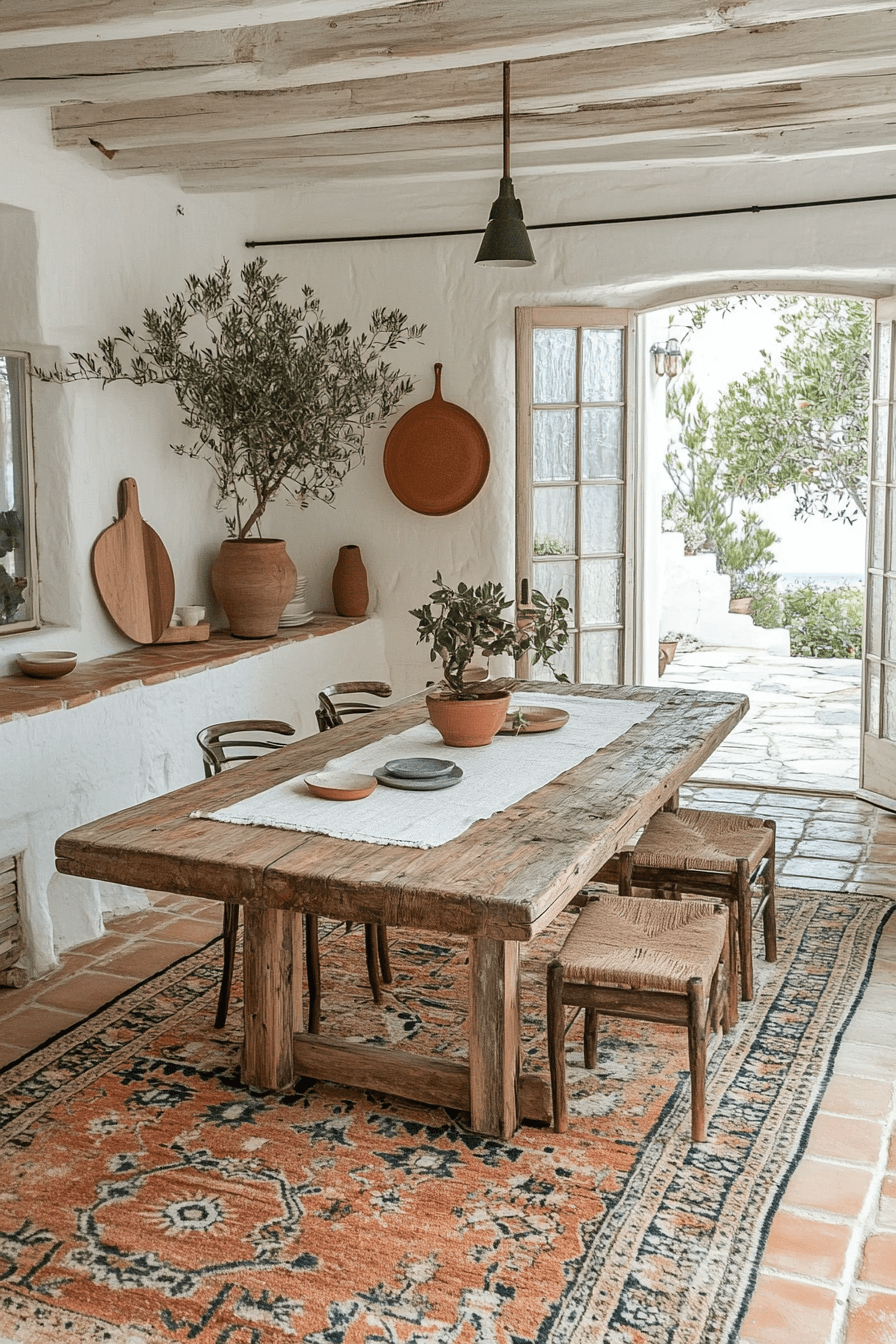
Sun-washed ease defines antique dining rooms inspired by Mediterranean coastal living. Light finishes and casual furnishings create breezy comfort. Natural textures add warmth and charm. The room feels open and refreshing. Ideal for relaxed meals.
Antique dining rooms create an atmosphere where gatherings feel relaxed and meaningful. These antique dining rooms show how timeless furniture, warm tones, and thoughtful details can make every meal feel special. Each design highlights the joy of coming together in a space that feels welcoming and lived in. The result is a dining room that encourages conversation and connection. Let these antique dining rooms inspire you to create a space where gatherings naturally feel warm, memorable, and inviting.
🎨 Steal This Look
- Paint Color: Dunn-Edwards Whisper DEW340
- Furniture: weathered oak farmhouse table with turned legs, woven rush-seat dining chairs, distressed wood sideboard
- Lighting: wrought iron chandelier with candle-style bulbs, linen drum shades
- Materials: limewashed wood, terracotta, hand-thrown ceramics, sea grass, aged brass
There’s something about a sun-bleached table that makes you want to linger over wine and bread until sunset—this look isn’t about perfection, it’s about permission to slow down.