Transform your living space into a serene sanctuary with these 27 wabi sabi japandi living room ideas that beautifully merge Japanese philosophy with Scandinavian minimalism. This harmonious design approach celebrates imperfect beauty, natural materials, and intentional simplicity to create spaces that feel both grounding and uplifting. From mindful open layouts to organic textures and gentle curves, each concept offers a unique path to achieving the perfect balance between comfort and clarity in your home.
1. Mindful Open Living

A wabi sabi japandi living room creates a sense of calm through intentional minimalism and open, breathable layouts. Every furnishing is chosen with purpose, allowing the room to feel grounded rather than sparse. Natural materials and light-toned finishes soften the space and encourage mindful living. Textural imperfections add quiet character without disrupting the serenity. The overall flow supports slow moments and thoughtful presence.
🌟 Steal This Look
- Paint Color: Sherwin-Williams Alabaster SW 7008
- Furniture: low-profile linen sofa in warm oatmeal, ash wood coffee table with live edge, floor cushions in undyed cotton
- Lighting: paper rice pendant light with soft glow, slim black floor lamp with fabric shade
- Materials: raw linen, unfinished oak, handmade ceramic, slubby cotton, unbleached wool
This look asks you to slow down enough to notice the uneven glaze on a ceramic bowl or the grain of unfinished wood—it’s decorating as meditation.
🛒 Get The Look
2. Serene Japandi Escape
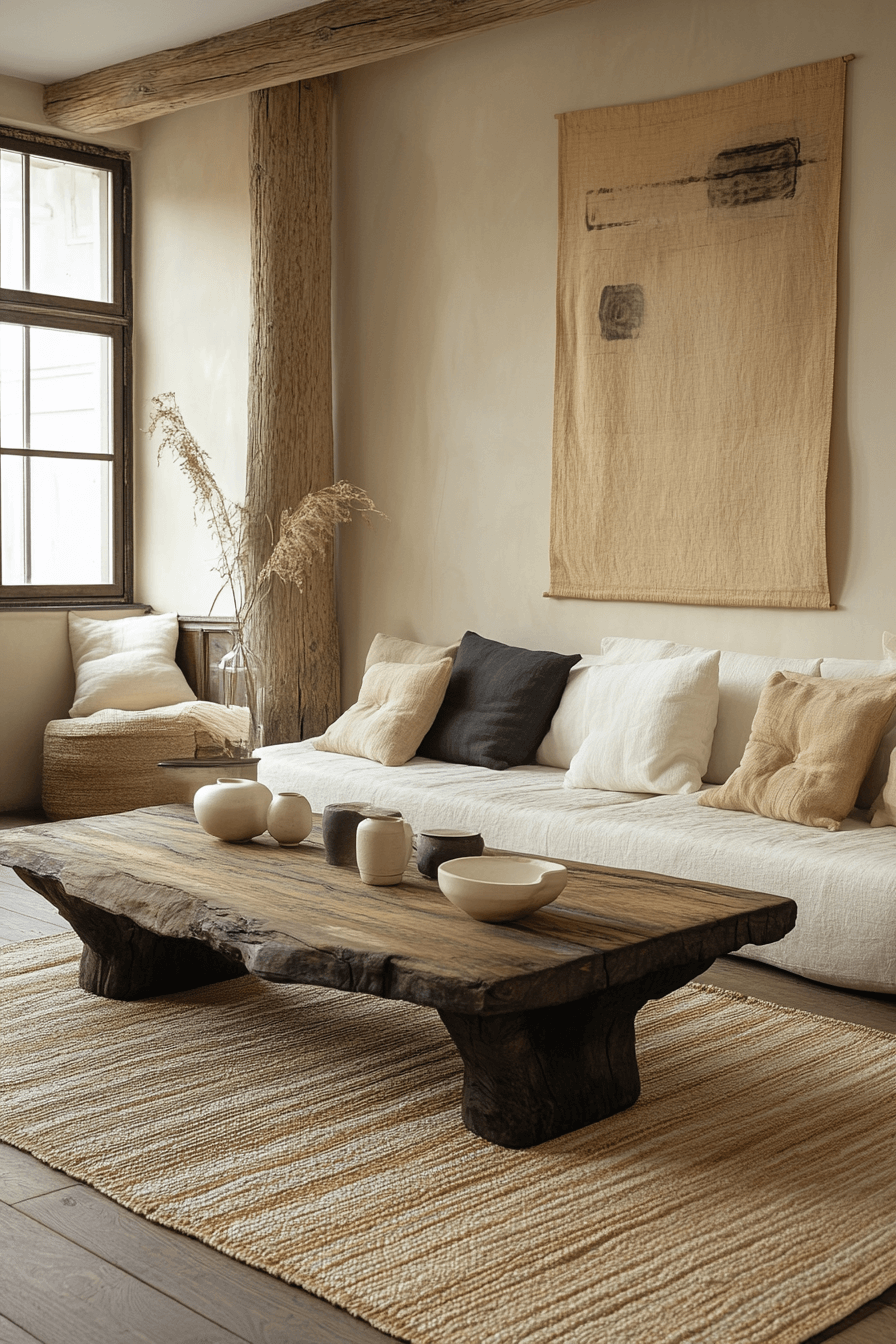
A soothing escape comes to life in a wabi sabi japandi living room designed to quiet the senses. Gentle color palettes and soft fabrics reduce visual noise and invite relaxation. Clean-lined furniture keeps the room functional while avoiding unnecessary ornamentation. Natural light filters in freely, warming the space and enhancing its calm energy. The atmosphere feels restorative and emotionally grounding.
💡 Steal This Look
- Paint Color: Benjamin Moore White Dove OC-17
- Furniture: low-profile oak platform sofa with linen upholstery, minimalist wooden side table with live edge detail
- Lighting: paper globe pendant light with warm LED, floor-to-ceiling sheer linen curtains
- Materials: raw oak, hand-thrown ceramic, slubby linen, unbleached cotton, matte concrete accents
This look asks you to embrace the dent in the wood and the slub in the weave—perfection is overrated when calm is the goal.
3. Neutral Harmony Space
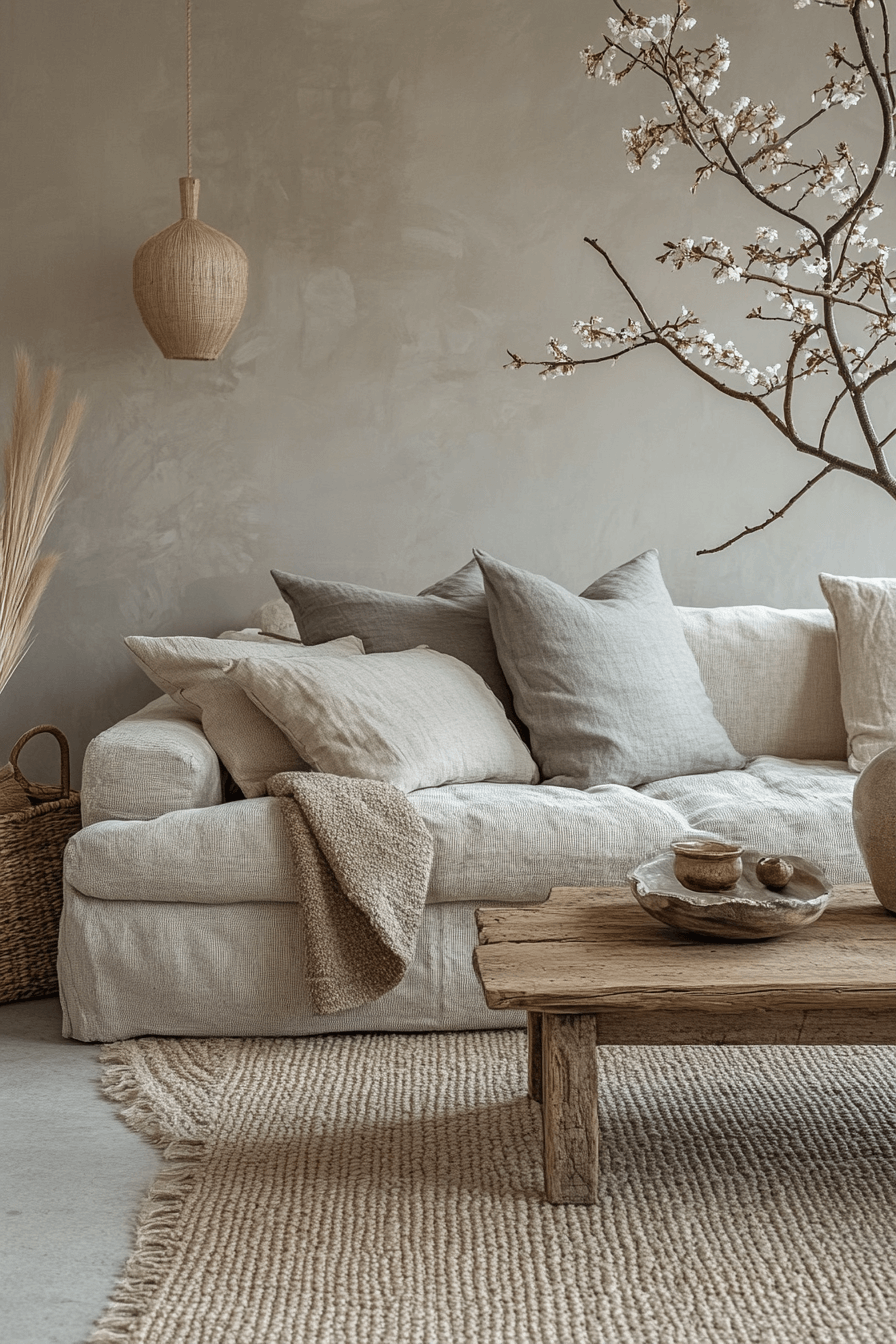
Neutral harmony defines a wabi sabi japandi living room where soft tones and organic textures work together effortlessly. Subtle layers of linen, wood, and stone create warmth without overwhelming the eye. Muted colors visually expand the room while maintaining a grounded feel. Each texture adds interest while staying true to the minimalist ethos. The space feels inviting, balanced, and deeply calming.
🌟 Steal This Look
- Paint Color: Farrow & Ball Skimming Stone 241
- Furniture: Low-profile linen sofa in oatmeal, raw oak coffee table with visible grain, floor cushions in undyed cotton
- Lighting: Paper washi pendant with warm LED bulb, slender brass floor lamp with linen shade
- Materials: Unbleached linen, unfinished white oak, hand-thrown ceramic, rough-hewn stone, raw cotton
This look rewards patience—hunt for textiles with slubbed weaves and wood with visible knots. The beauty lives in the irregularities.
4. Rustic Refined Calm
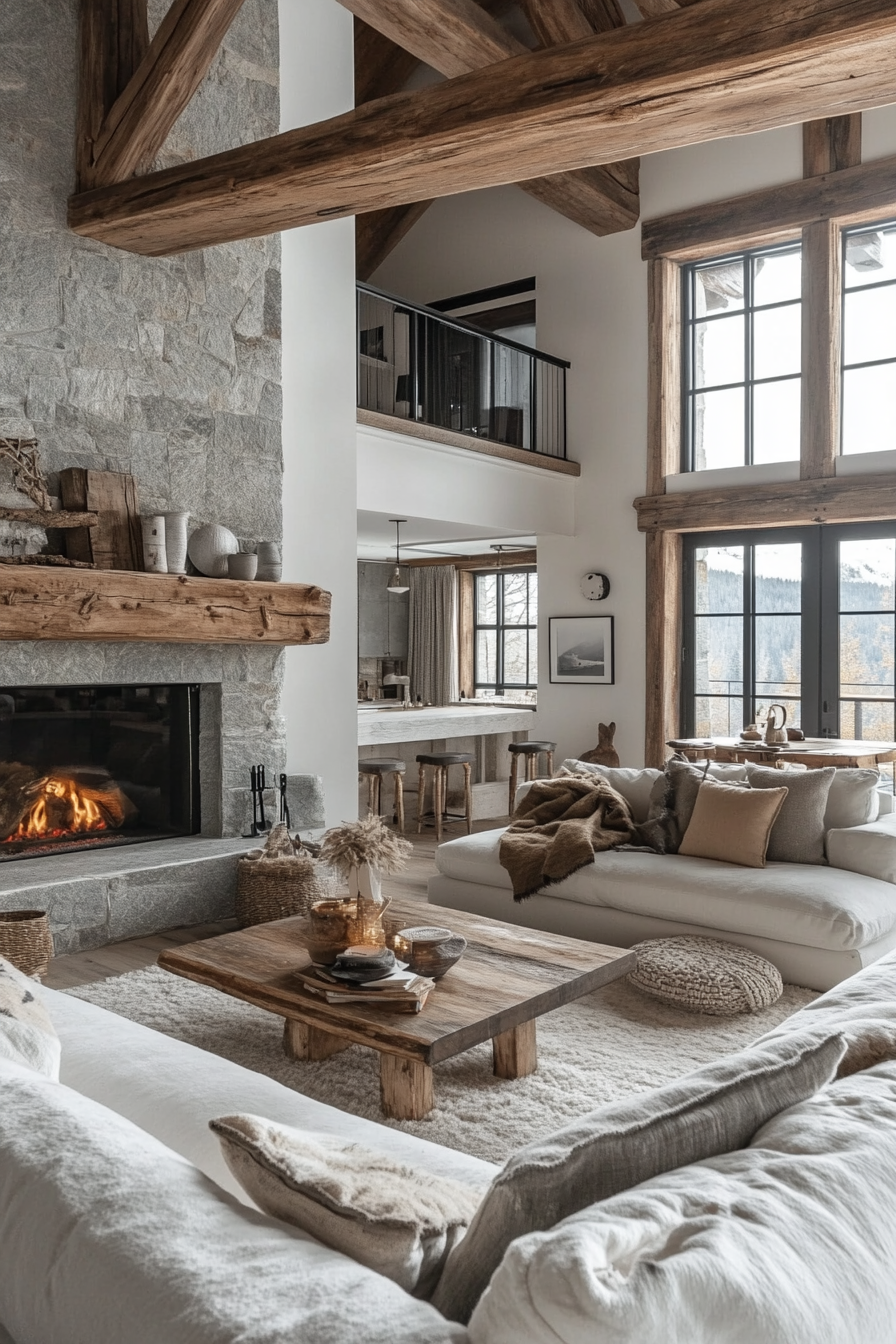
Rustic warmth meets refined restraint in a wabi sabi japandi living room that celebrates imperfect beauty. Raw wood finishes and handcrafted elements add soul and authenticity to the space. Streamlined furniture balances these organic details with modern simplicity. The color palette remains soft, allowing shapes and materials to take center stage. Every piece feels intentional and quietly elegant.
🎨 Steal This Look
- Paint Color: Behr Weathered Moss PPU10-16
- Furniture: low-profile linen sofa in oatmeal, live-edge oak coffee table, sculptural wooden stools
- Lighting: handcrafted rice paper pendant with visible bamboo frame, warm 2700K bulb
- Materials: unfinished oak, slubby linen, handmade ceramic, hand-thrown pottery, raw cotton
This is the room that slows your breath when you walk in. I’ve found that the ‘flawed’ ceramic bowl with the crack I almost discarded becomes the piece guests ask about most.
5. Subtle Contrast Living
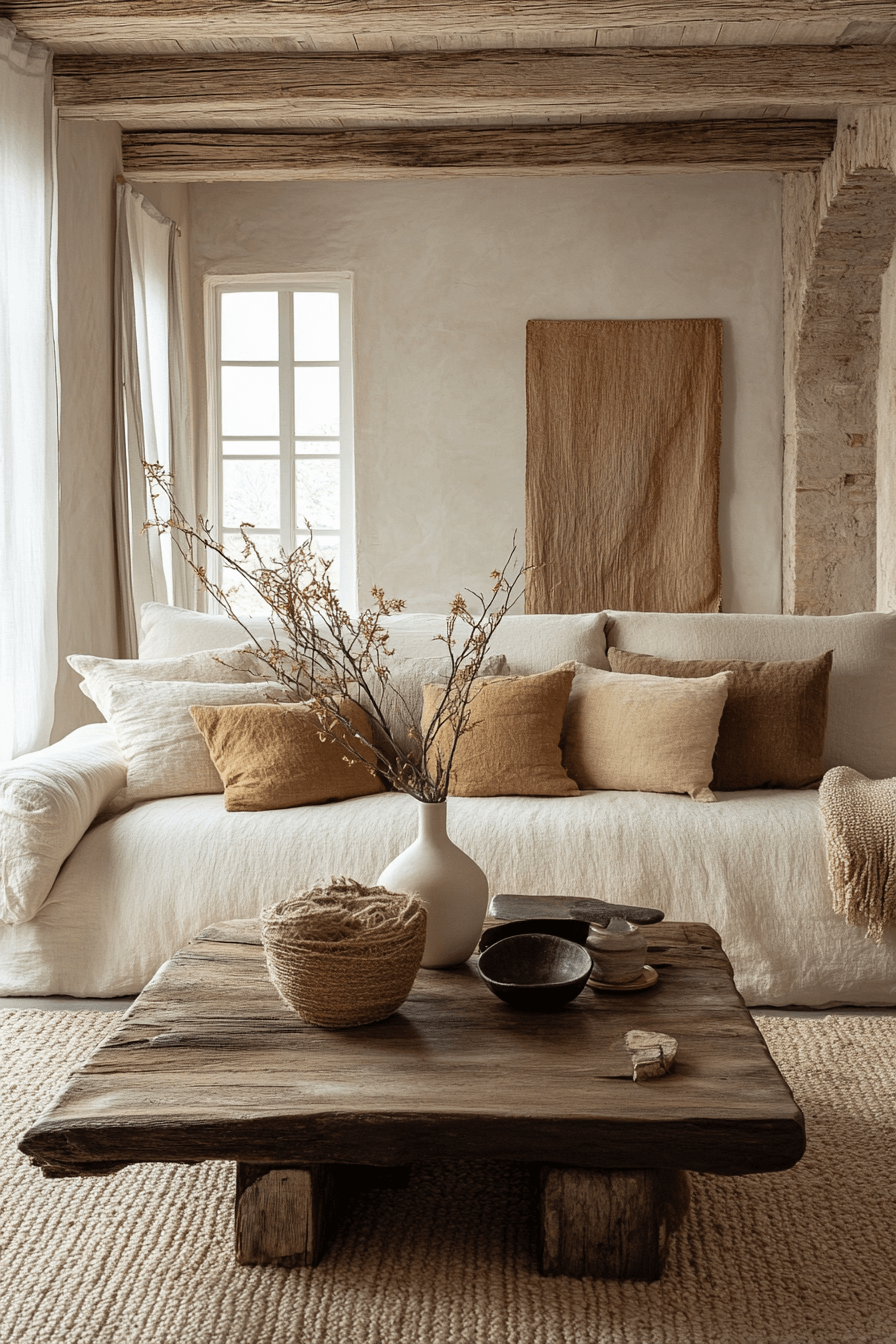
Gentle contrast brings visual interest to a wabi sabi japandi living room without disturbing its calm nature. Subtle shifts between light and shadow or smooth and textured surfaces add depth. The layout stays open and practical, supporting ease of movement and clarity. Each element enhances balance rather than competing for attention. The result feels refined yet effortless.
🌟 Steal This Look
- Paint Color: Valspar Natural Linen 6001-1C
- Furniture: low-profile oak platform sofa with charcoal linen cushions, rounded walnut side table
- Lighting: paper globe pendant with warm 2700K bulb, slim black floor lamp
- Materials: raw oak, slubby linen, handmade ceramic, unbleached cotton, matte black metal
This look rewards patience; hunt for one imperfect ceramic piece or a hand-thrown vase to anchor the room’s soul.
6. Organic Texture Haven
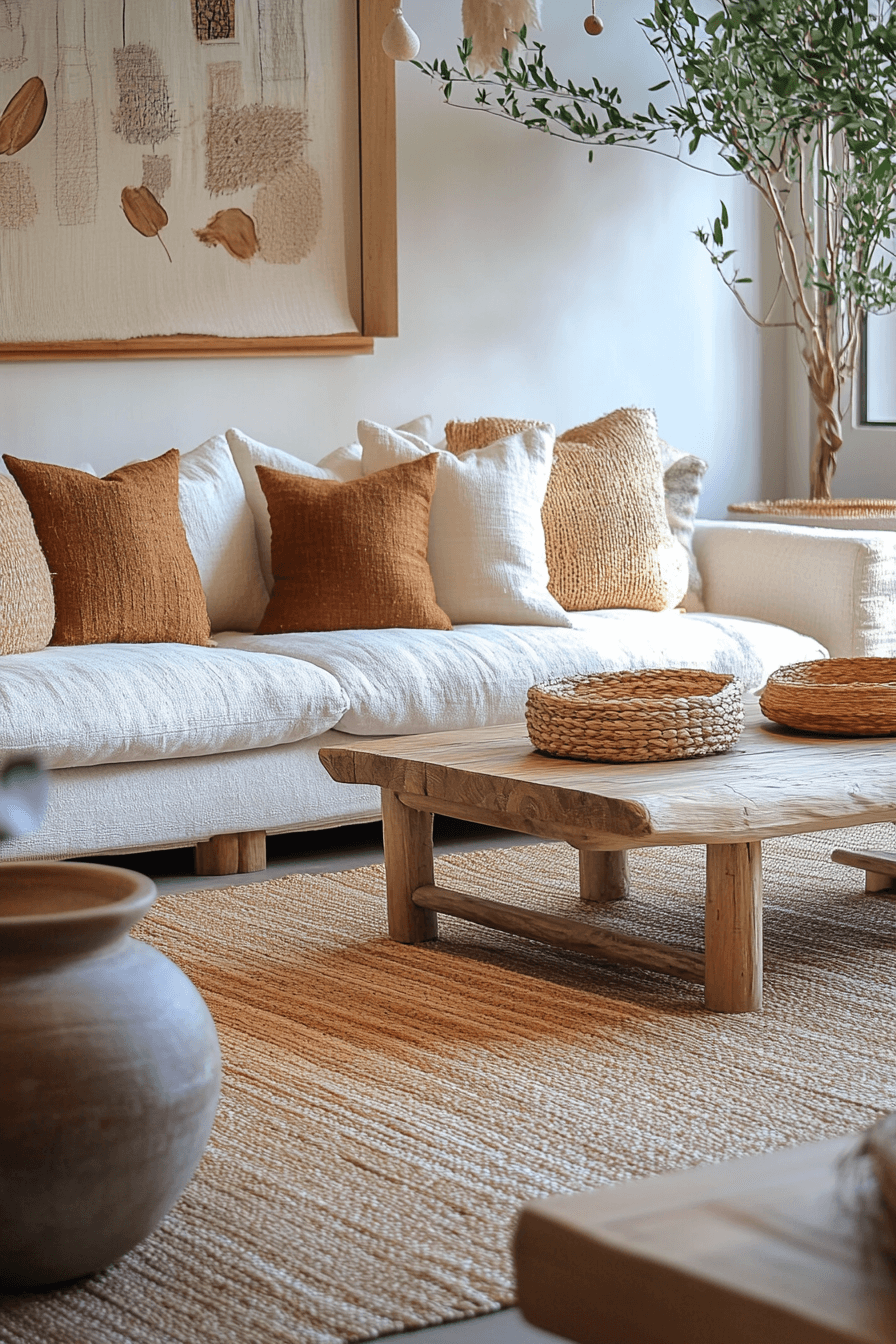
Organic textures take the spotlight in a wabi sabi japandi living room that feels deeply connected to nature. Materials like raw wood, woven fibers, and linen introduce warmth and tactility. These natural finishes celebrate imperfection and authenticity. The layout remains fluid and welcoming, encouraging slower rhythms of living. Comfort and calm coexist beautifully here.
🏠 Steal This Look
- Paint Color: PPG Stonehenge Greige PPG1001-2
- Furniture: low-profile oak platform sofa with linen slipcovers, live-edge coffee table, handwoven rattan accent chair
- Lighting: oversized rice paper pendant with visible black cord, sculptural ceramic table lamp
- Materials: unfinished white oak, slubby Belgian linen, hand-thrown terracotta, raw hemp, unbleached cotton
This is the room that forgives coffee rings and celebrates the dent in your coffee table—it gets better as it ages, not worse.
7. Soft Minimal Sanctuary
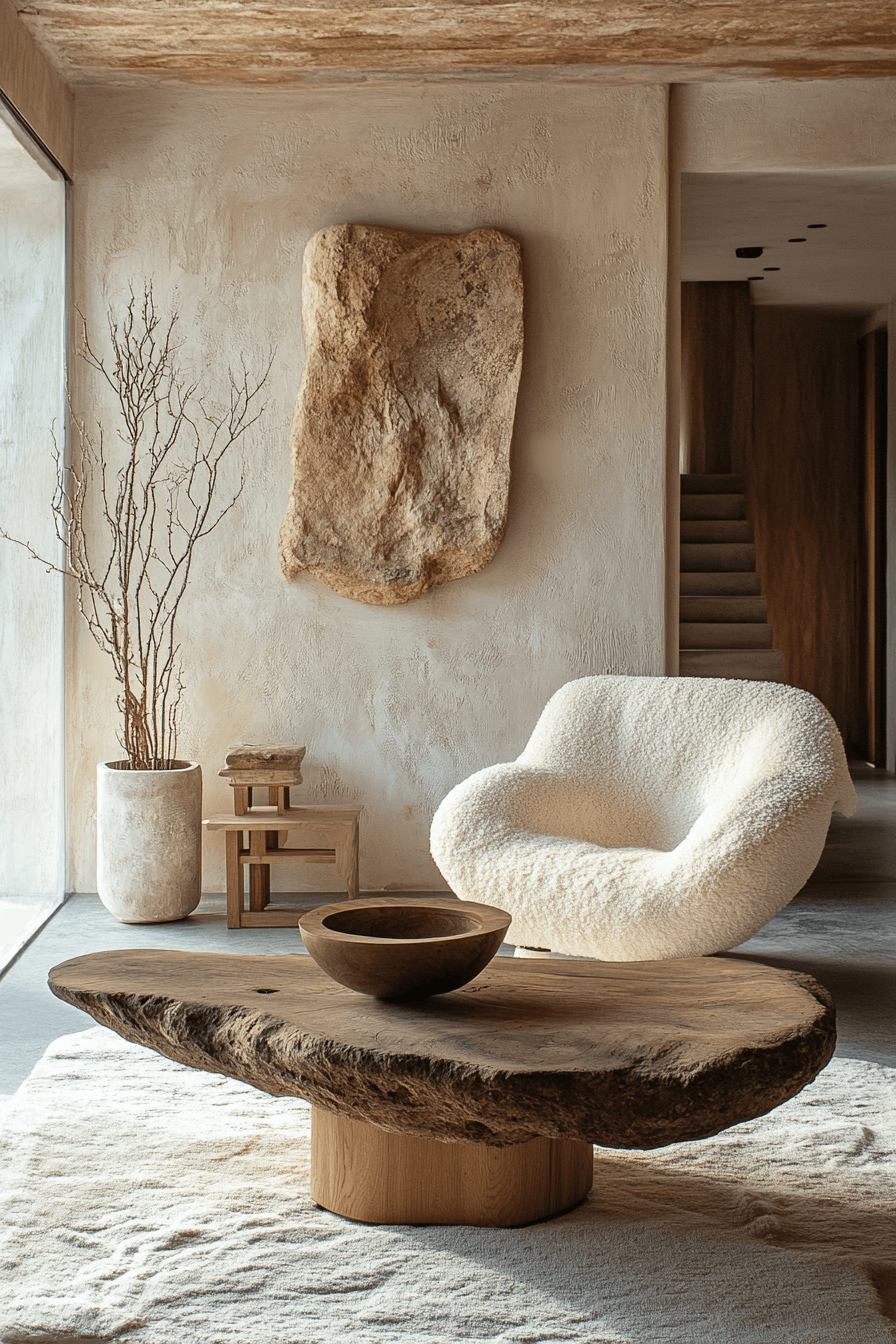
Soft simplicity defines a wabi sabi japandi living room filled with light and breathing room. Pale hues and airy fabrics brighten the space while maintaining restraint. Furniture is carefully placed to encourage flow and openness. Every element supports balance rather than excess. The atmosphere feels quietly elegant and refreshing.
🏠 Steal This Look
- Paint Color: Dunn-Edwards Swiss Coffee DEW341
- Furniture: low-profile linen sofa in warm oatmeal, rounded oak coffee table, single sculptural floor cushion
- Lighting: oversized rice paper pendant with warm LED, slim arched floor lamp in blackened steel
- Materials: raw oak, unbleached linen, handmade ceramic, washi paper, hand-thrown pottery
This look asks you to slow down and notice the irregular glaze on a single bowl—that’s the wabi sabi soul speaking.
8. Intentional Rest Retreat
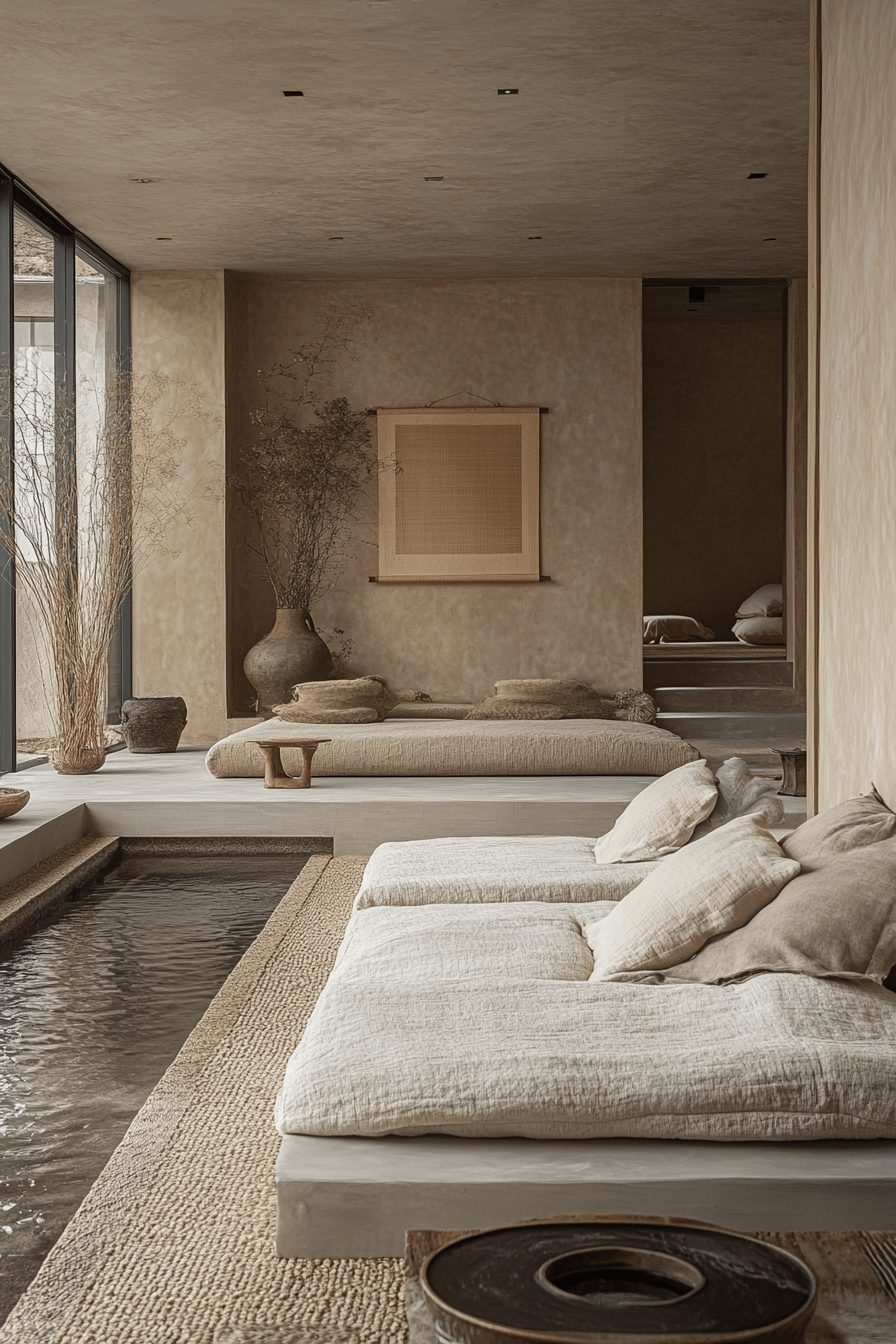
A wabi sabi japandi living room can become a restorative sanctuary designed for deep relaxation. Plush seating and layered textiles invite comfort without visual clutter. The decor remains minimal, allowing only meaningful pieces to remain. Each element serves a purpose beyond decoration. The space encourages rest, reflection, and presence.
🎨 Steal This Look
- Paint Color: Clare Paint Whipped CODE
- Furniture: low-profile linen sofa in warm oatmeal, ash wood meditation bench, handwoven jute pouf
- Lighting: paper washi pendant with warm LED, sculptural ceramic table lamp with linen shade
- Materials: raw linen, unbleached cotton, unfinished oak, handmade ceramic, organic jute
I once stripped a room to almost nothing and found the silence of it unnerving at first—then deeply addictive. This look rewards the brave.
9. Monochrome Balance Room
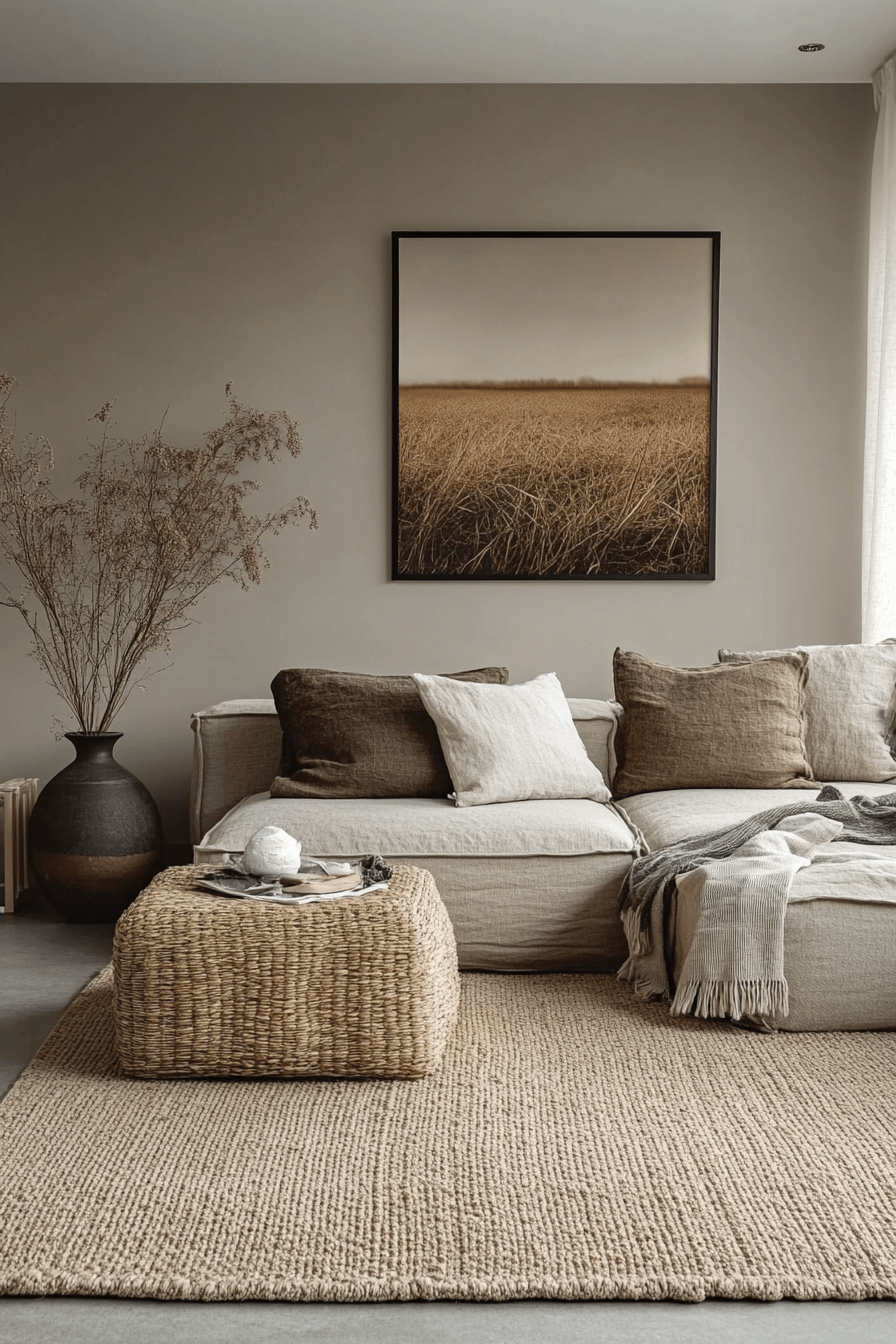
Monochromatic layering brings cohesion to a wabi sabi japandi living room with subtle sophistication. Using one tone across varied textures creates visual depth without distraction. The focus shifts to form, proportion, and material quality. Furniture remains elegant, functional, and understated. The result feels unified and calming.
🖼 Steal This Look
- Paint Color: Fine Paints of Europe Sikkens Grey 4001 R90B
- Furniture: low-profile linen slipcovered sofa in warm greige, raw oak nesting coffee tables, sculptural paper floor lantern
- Lighting: oversized rice paper pendant with warm LED glow
- Materials: unbleached linen, raw oak, handmade paper, matte ceramic, imperfect concrete
This is the room that taught me restraint isn’t boring—it’s where you finally notice how light moves across a wall at 4 p.m., and how that matters more than any pop of color ever could.
10. Light-Filled Calm
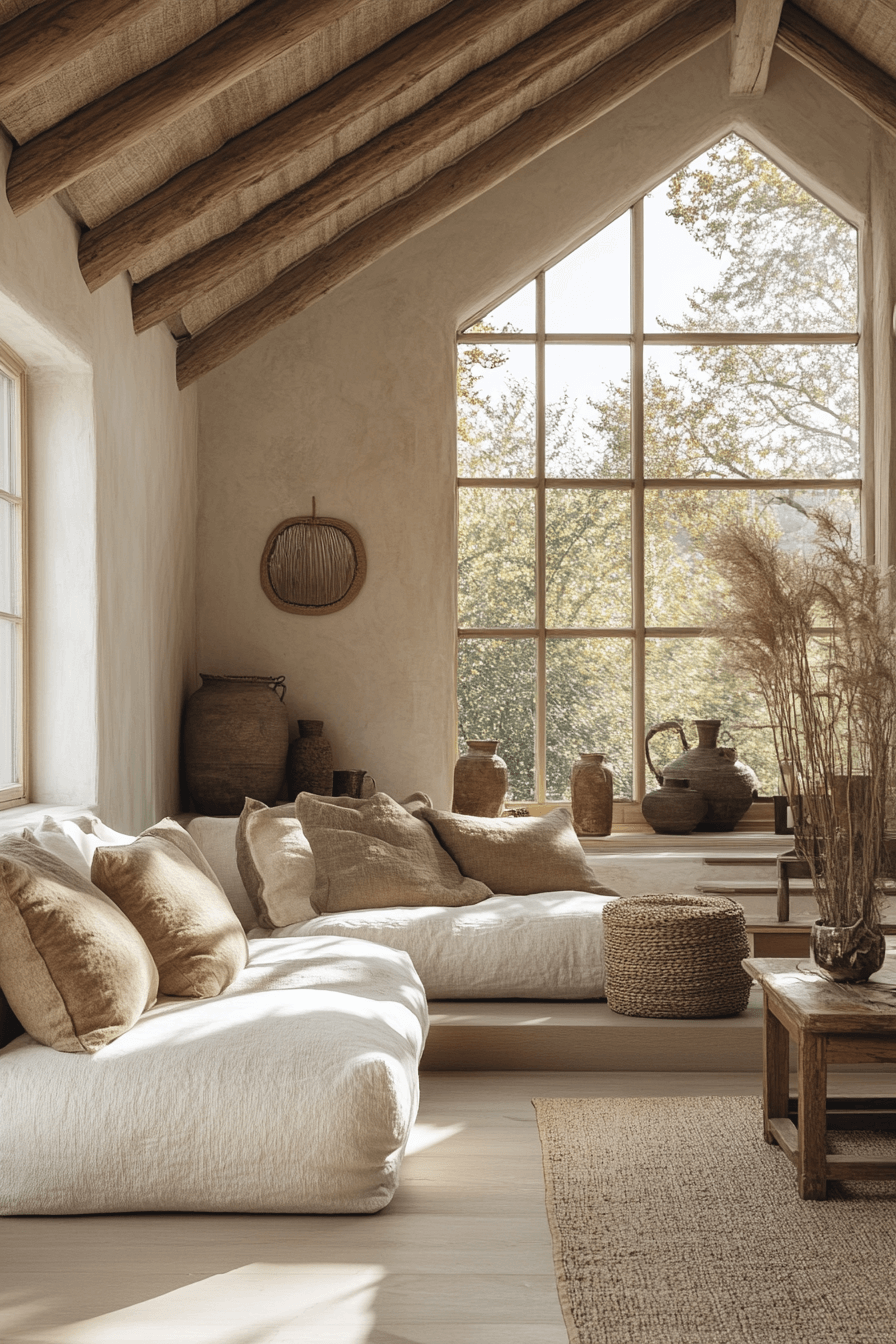
Natural light enhances the beauty of a wabi sabi japandi living room by creating an open, luminous environment. Large windows and light-reflective surfaces amplify brightness. Furniture placement allows light and energy to move freely. This openness supports emotional well-being and clarity. The room feels alive yet peaceful.
✎ Steal This Look
- Paint Color: Backdrop SWFLD-001 Shoji White
- Furniture: Low-profile oak platform sofa with natural linen upholstery, minimalist walnut coffee table with live edge
- Lighting: Rice paper globe pendant, thin-profile brass floor lamp with linen shade
- Materials: Raw oak, unbleached linen, handmade ceramic, rice paper, textured wool, unfinished stone
This is the room that breathes with you. I always tell readers to spend a morning just observing how light moves across their space before placing a single piece.
11. Peaceful White Living
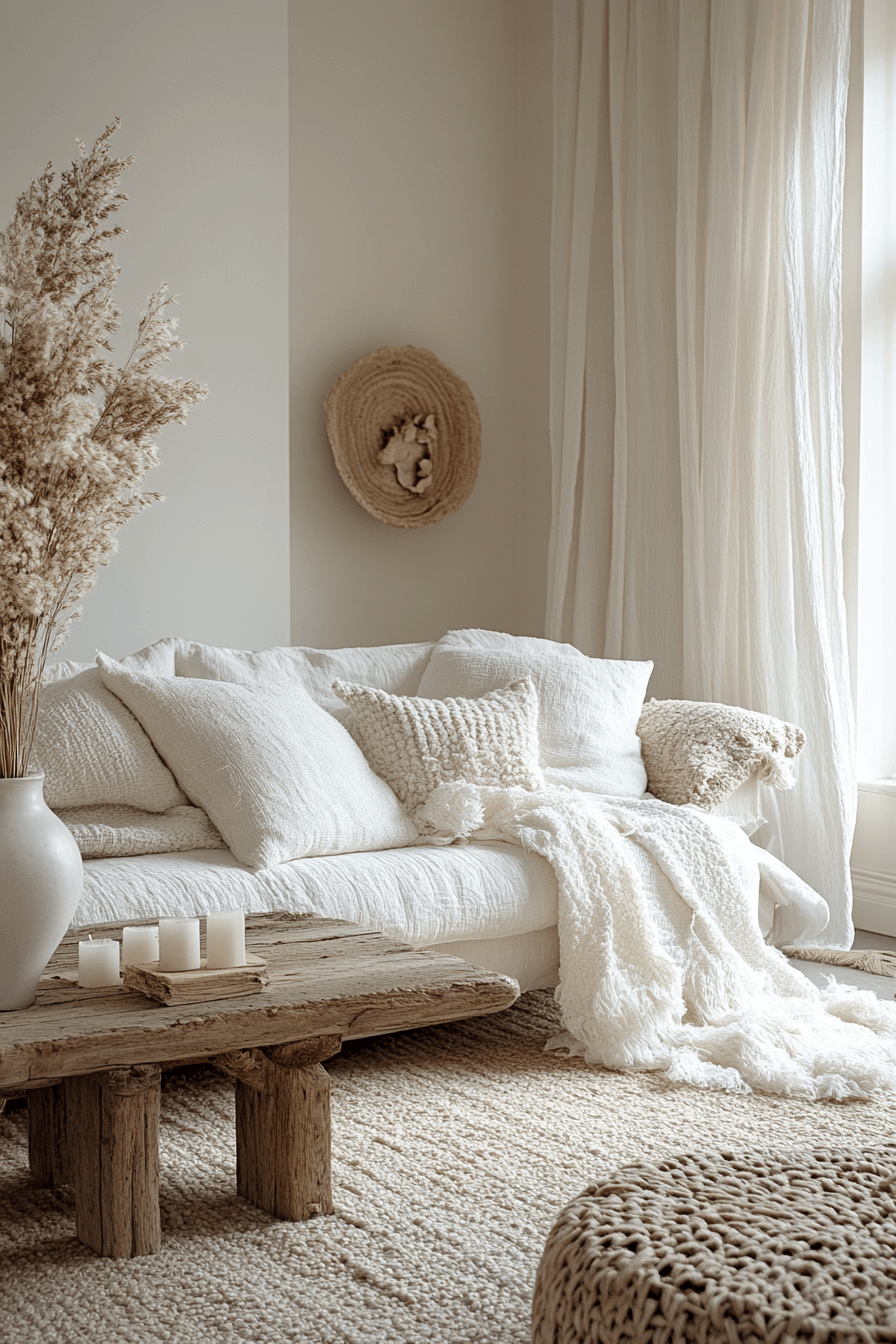
Peaceful whites bring an airy softness to a wabi sabi japandi living room without feeling cold. Multiple shades of white add dimension and visual warmth. Textures quietly enrich the space while maintaining calm. Minimal furnishings keep the room open and balanced. The effect is soothing and uplifting.
💡 Steal This Look
- Paint Color: Sherwin-Williams Alabaster SW 7008
- Furniture: low-profile linen slipcovered sofa, raw wood coffee table with visible grain, floor cushion seating
- Lighting: paper globe pendant light, thin black metal floor lamp with rice paper shade
- Materials: unbleached linen, unfinished oak, handmade ceramic, textured plaster walls, natural jute
This is the room you sink into after a chaotic day. The imperfections in the handmade ceramics and the soft drape of wrinkled linen remind you that beauty lives in the unpolished moments.
12. East Meets Nordic
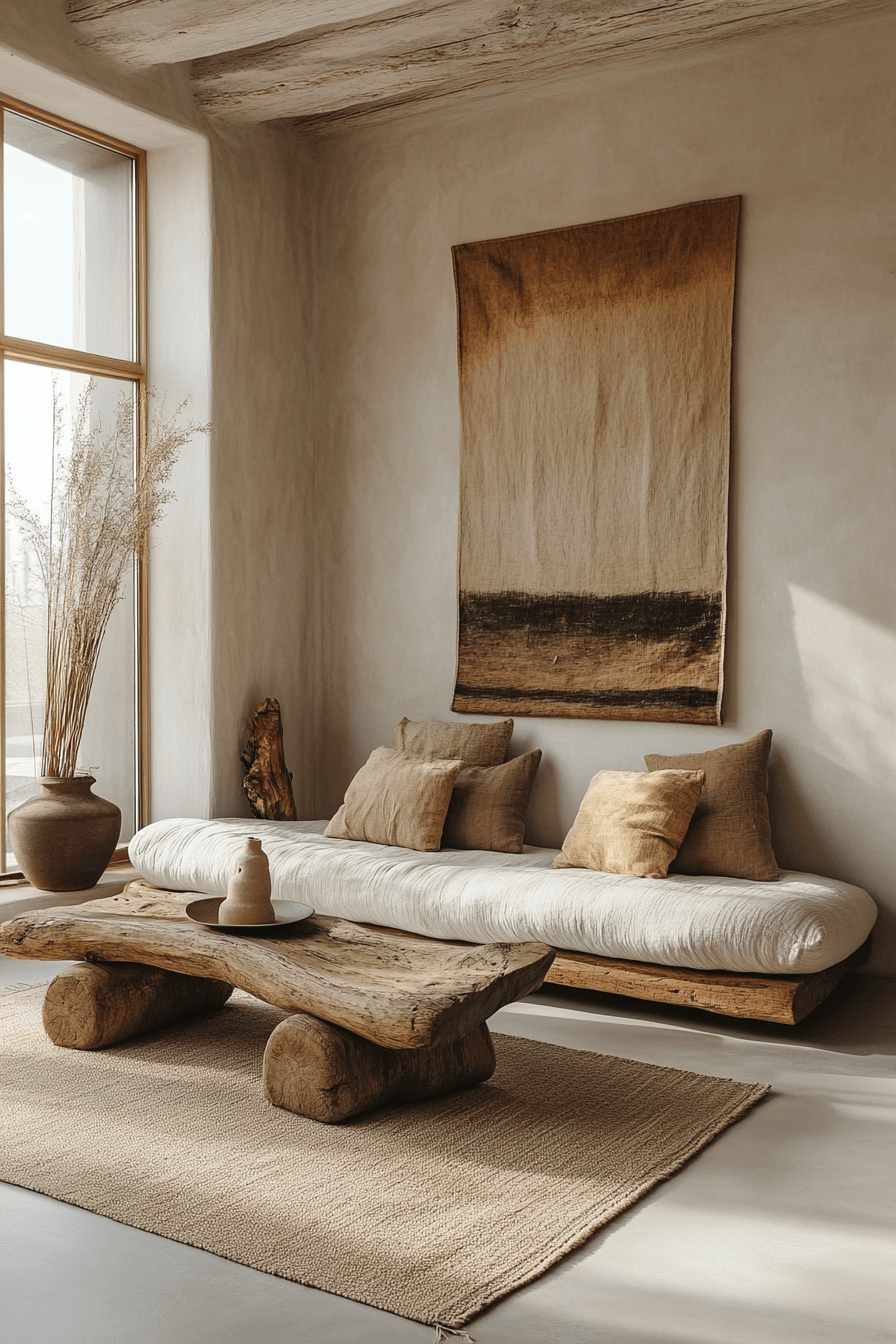
A wabi sabi japandi living room beautifully blends Eastern philosophy with Scandinavian minimalism. Japanese natural materials meet Nordic simplicity in a balanced dialogue. Furniture feels warm, functional, and timeless. Every decorative choice feels aligned and intentional. The space honors tradition while embracing modern living.
🎨 Steal This Look
- Paint Color: Benjamin Moore White Dove OC-17
- Furniture: low-profile walnut platform sofa, ash wood nesting coffee tables, tatami-inspired floor cushions
- Lighting: washi paper pendant with blackened steel frame, sculptural ceramic table lamp
- Materials: raw linen, unglazed terracotta, hand-thrown ceramics, live-edge walnut, shoji-inspired screens
This look asks you to slow down and notice the beauty in a crack, a grain, a shadow. I’ve found the most successful Japandi rooms feel collected over decades, not purchased in a weekend.
13. Gentle Curve Design
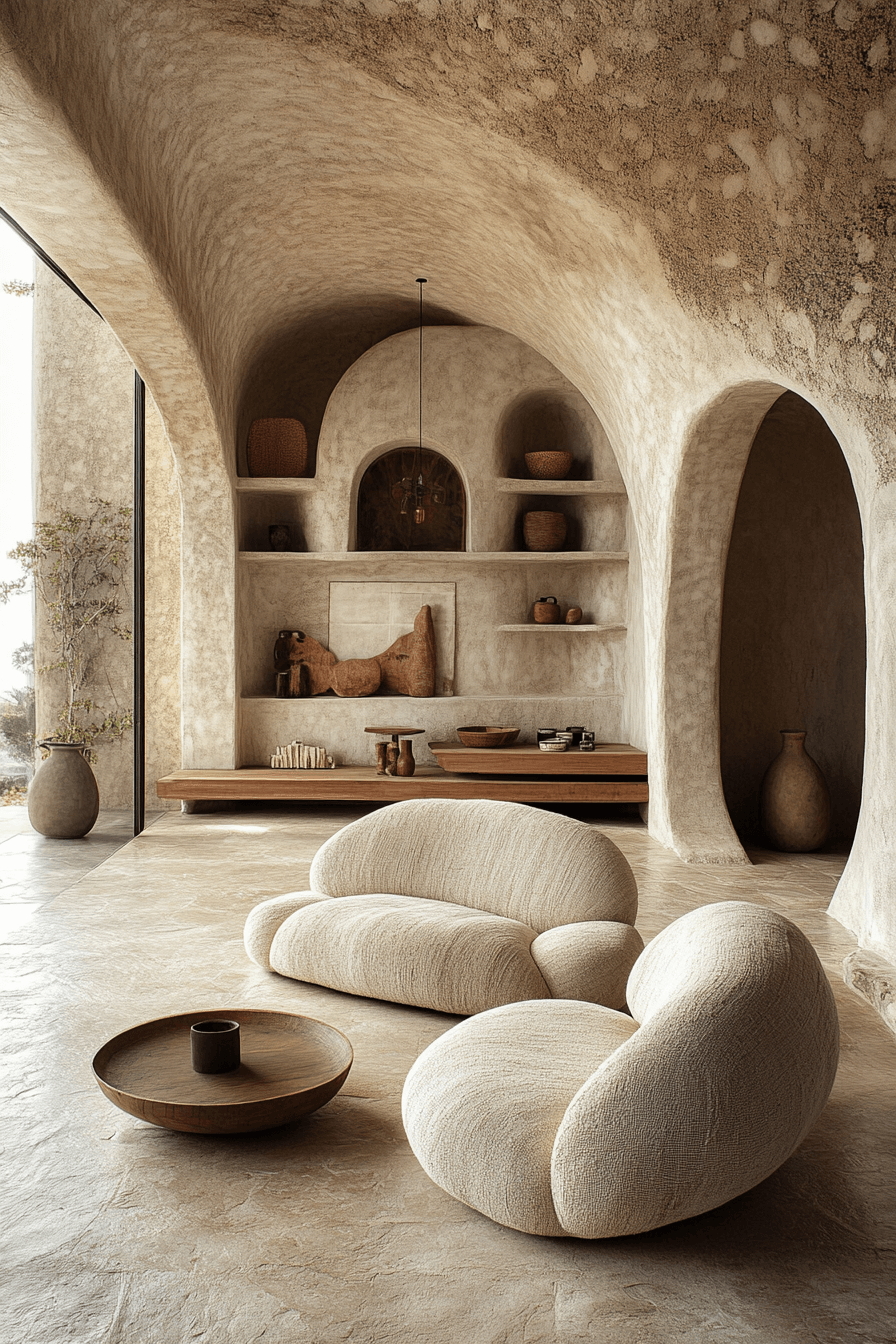
Soft curves gently shape a wabi sabi japandi living room with subtle movement and flow. Rounded furniture and organic forms soften the minimalist structure. These shapes add warmth without overpowering the design. Neutral colors allow the curves to stand out naturally. The space feels relaxed and visually engaging.
★ Steal This Look
- Paint Color: Farrow & Ball School House White 291
- Furniture: curved boucle sofa with rounded arms, circular low-profile coffee table, arched floor mirror
- Lighting: paper globe pendant with soft diffused glow
- Materials: raw linen, unbleached cotton, light oak, hand-thrown ceramics, slubby wool
There’s something quietly rebellious about a curved sofa in a minimalist space—it breaks the rules just enough to feel human, lived-in, and deeply welcoming.
🌊 Get The Look
14. Quiet Solitude Space
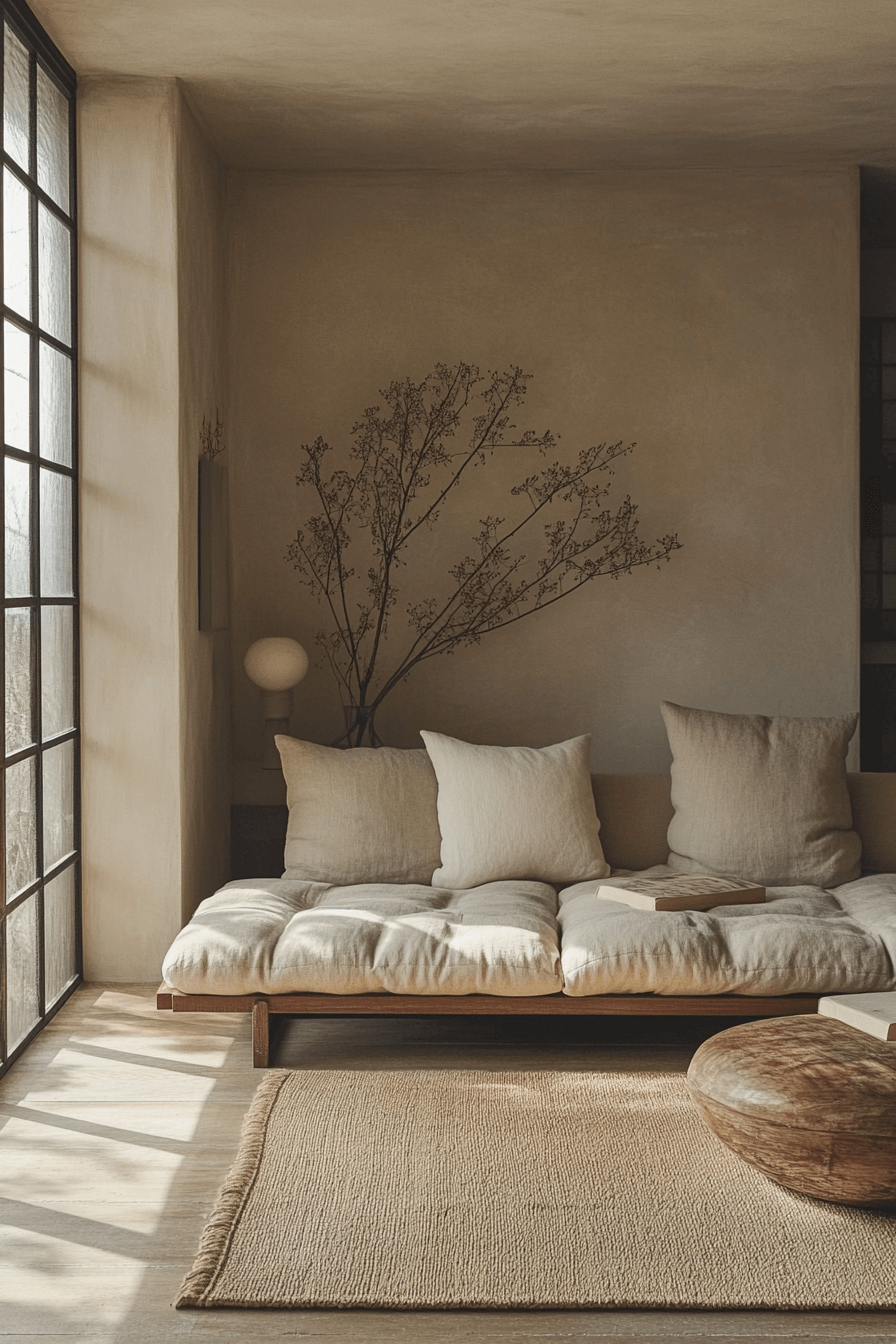
Designed for solitude, a wabi sabi japandi living room encourages quiet reflection and stillness. Minimal furnishings and soft lighting reduce distraction. The layout supports peaceful rituals like reading or tea moments. The room feels sparse yet emotionally rich. Every detail serves calmness.
★ Steal This Look
- Paint Color: Behr Burnished Clay PPU24-05
- Furniture: low-profile ash wood platform sofa with linen slipcover, single zafu meditation cushion, small round chabudai tea table
- Lighting: paper-and-bamboo shoji floor lamp with warm 2700K bulb, single cast iron tea light holder
- Materials: raw linen, unfinished oak, handmade ceramic, washi paper, indigo-dyed cotton, aged brass
This is the room you escape to when the world feels too loud. The worn wood, the single perfect cup, the pool of lamplight—these aren’t decorations, they’re permission to simply be.
15. Harmonized Living Flow
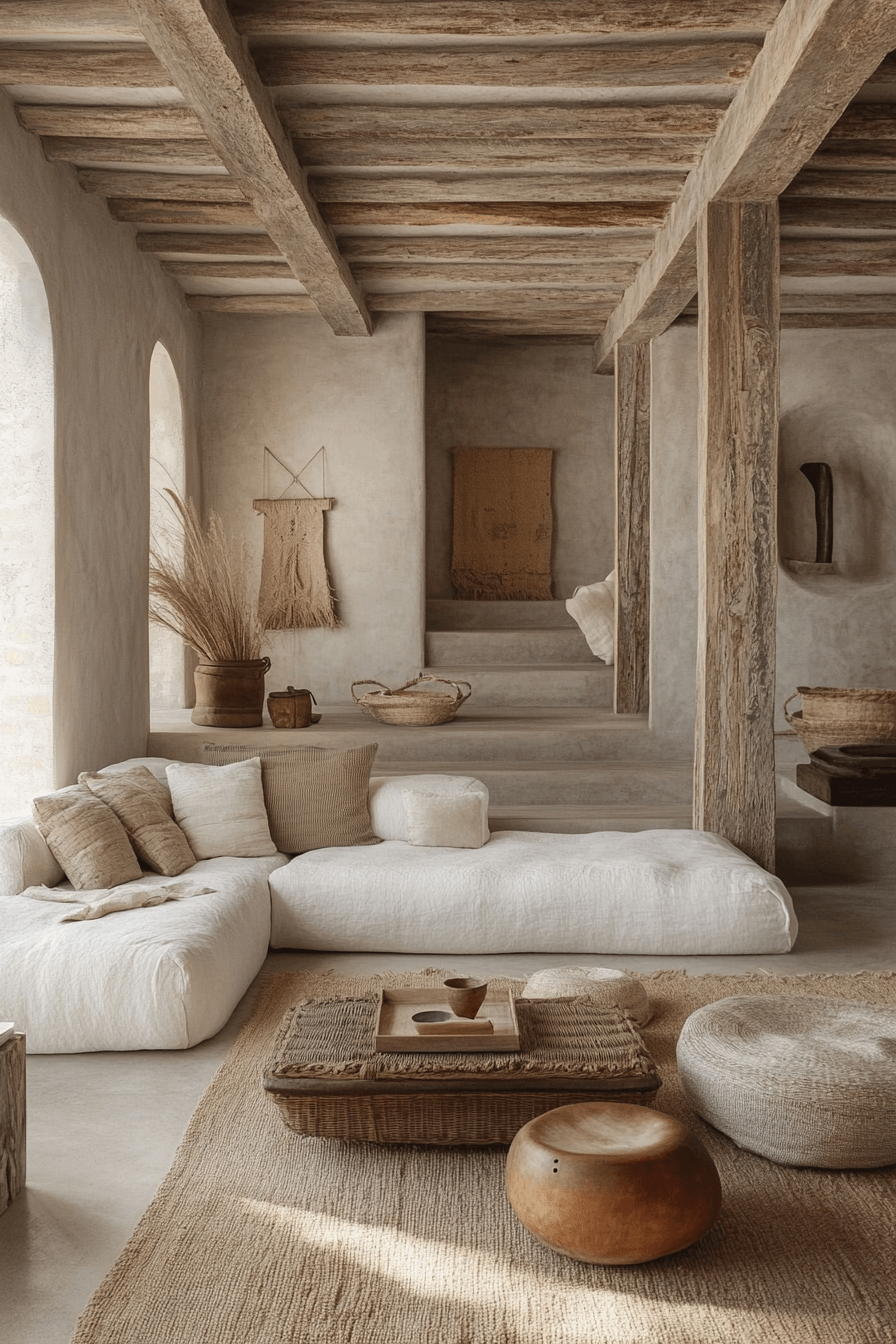
Balanced composition defines a wabi sabi japandi living room where harmony feels effortless. Materials and furniture work together without forced symmetry. Thoughtful placement creates a natural visual rhythm. Neutral tones unify the entire space. Calmness flows through every corner.
🌟 Steal This Look
- Paint Color: Valspar Bonsai Pottery 4007-2C
- Furniture: low-profile walnut platform sofa with linen upholstery, asymmetrical oak coffee table with live edge, floor cushions in undyed cotton
- Lighting: paper-and-bamboo Noguchi-style pendant, ceramic table lamp with irregular glaze
- Materials: raw linen, unbleached cotton, aged oak, hand-thrown ceramics, woven rush, unfinished walnut
This is the room that exhales when you walk in—nothing shouts, everything belongs. The beauty lives in the slight unevenness of the ceramic glaze, the soft drape of linen that’s been washed a hundred times.
16. Light and Shadow Calm
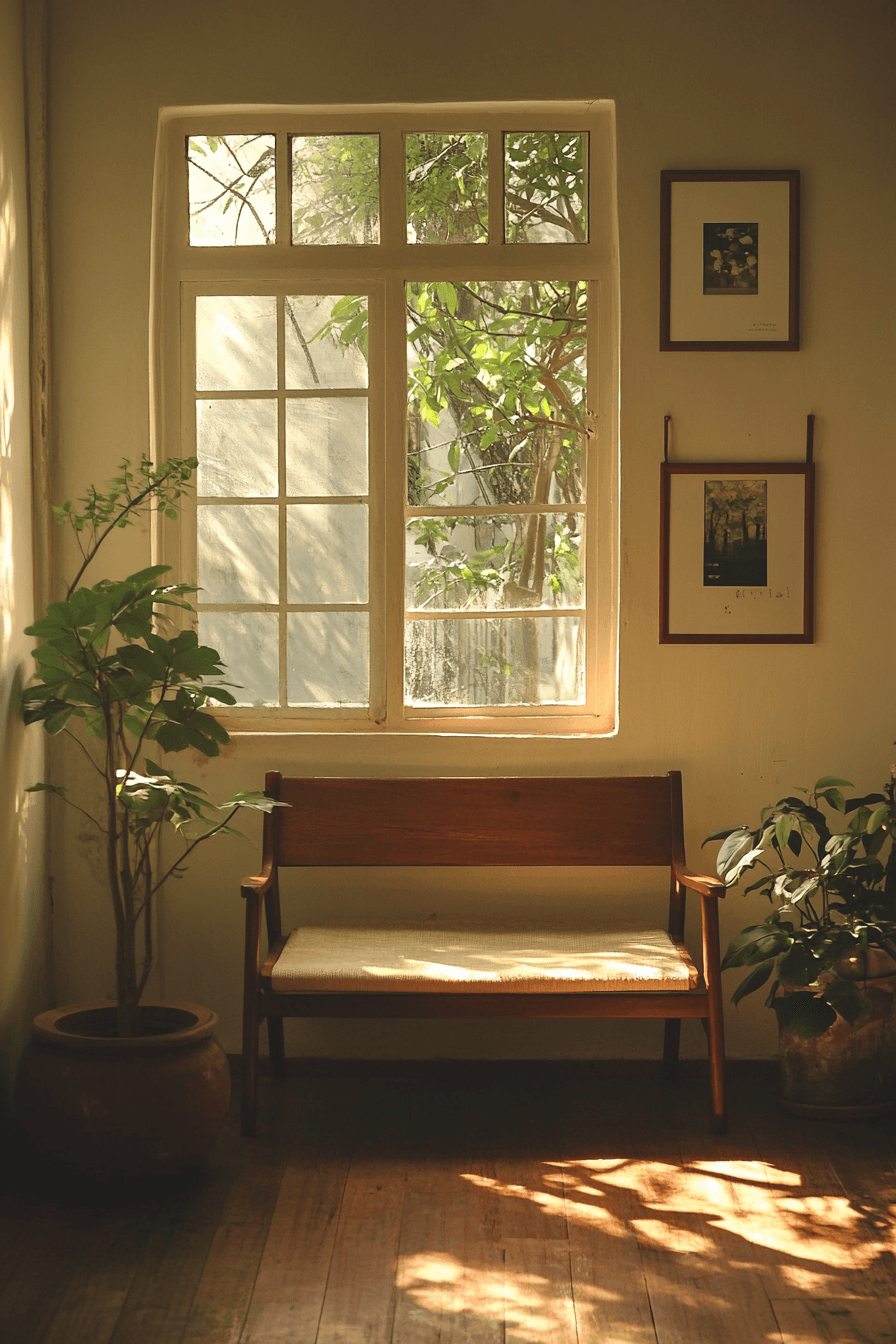
Light and shadow interact beautifully in a wabi sabi japandi living room filled with quiet depth. Soft lighting highlights textures while casting gentle shadows. These shifts bring life without visual chaos. Earthy materials absorb and reflect light naturally. The room feels dynamic yet peaceful.
🖼 Steal This Look
- Paint Color: PPG Warm Stone 14-11
- Furniture: low-profile walnut platform sofa with linen slipcover, hand-carved oak coffee table with live edge
- Lighting: paper-and-oak Shoji floor lamp with warm LED bulb, single pendant rice paper lantern
- Materials: unbleached linen, raw walnut, handmade ceramic, slubby wool, washi paper
This is the room that slows your breath—where morning light stretches across imperfect plaster and you notice something new in the shadows every hour.
17. Sleek Minimal Balance
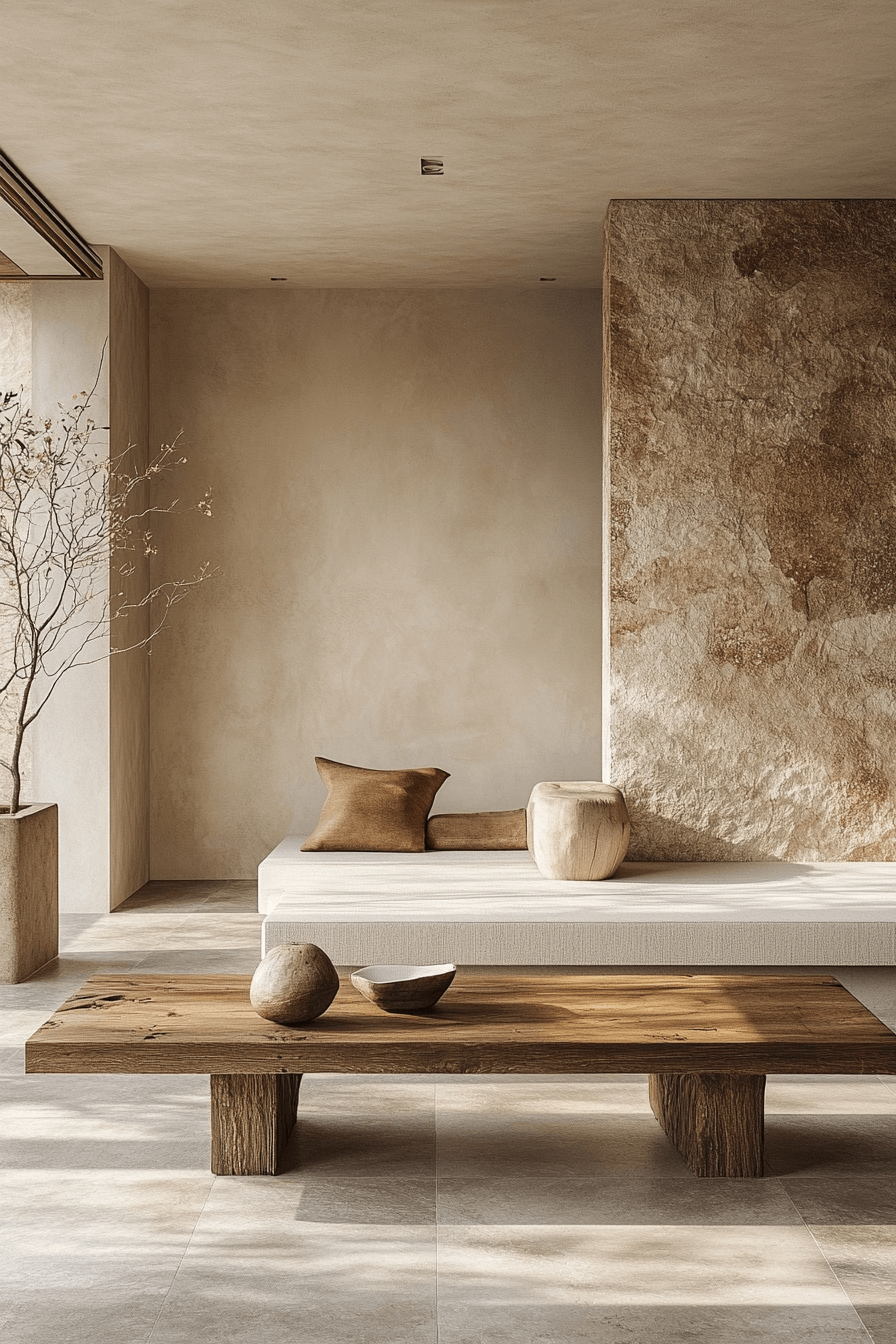
Sleek restraint guides a wabi sabi japandi living room focused on function and elegance. Clean lines and high-quality materials shape the design. Each element has a clear role, eliminating excess. Neutral tones enhance spaciousness and calm. The room feels refined yet approachable.
🖼 Steal This Look
- Paint Color: Dunn-Edwards Whisper DEW 340
- Furniture: Low-profile ash wood platform sofa with woven rush seat, paired with a single rectangular oak coffee table with visible joinery
- Lighting: Paper washi pendant with blackened steel frame, hung low over seating area
- Materials: Raw linen, unbleached cotton, light oak, handmade ceramic, textured plaster
This look rewards patience—source slowly, choosing pieces with visible handwork and natural imperfections that deepen with age rather than wearing out.
18. Understated Japandi Luxury
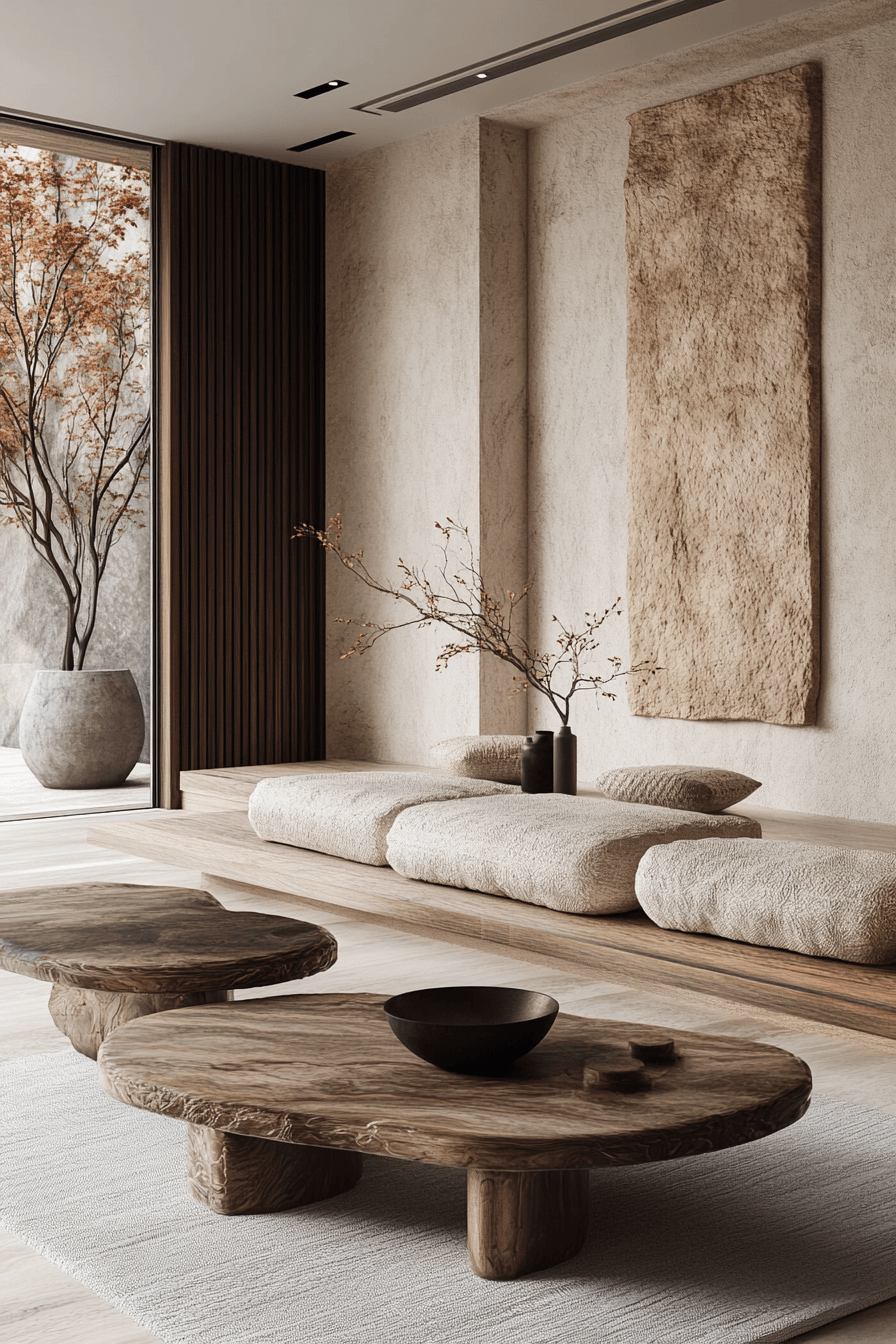
Understated luxury shines in a wabi sabi japandi living room through thoughtful craftsmanship. Handcrafted accents and rich fabrics add quiet sophistication. The beauty comes from texture and intention rather than excess. Natural tones allow materials to speak for themselves. Comfort and elegance exist in balance.
✎ Steal This Look
- Paint Color: Clare Paint Seize the Gray CW-01
- Furniture: low-profile walnut platform sofa with natural linen upholstery, sculptural oak side table
- Lighting: paper-and-bamboo pendant with warm LED glow, slender brass floor lamp
- Materials: raw linen, unbleached cotton, hand-thrown ceramics, live-edge walnut, washi paper
This look rewards patience—hunt for one imperfect, handmade piece rather than filling shelves fast. The soul shows in the slow finds.
19. Calm Organized Living
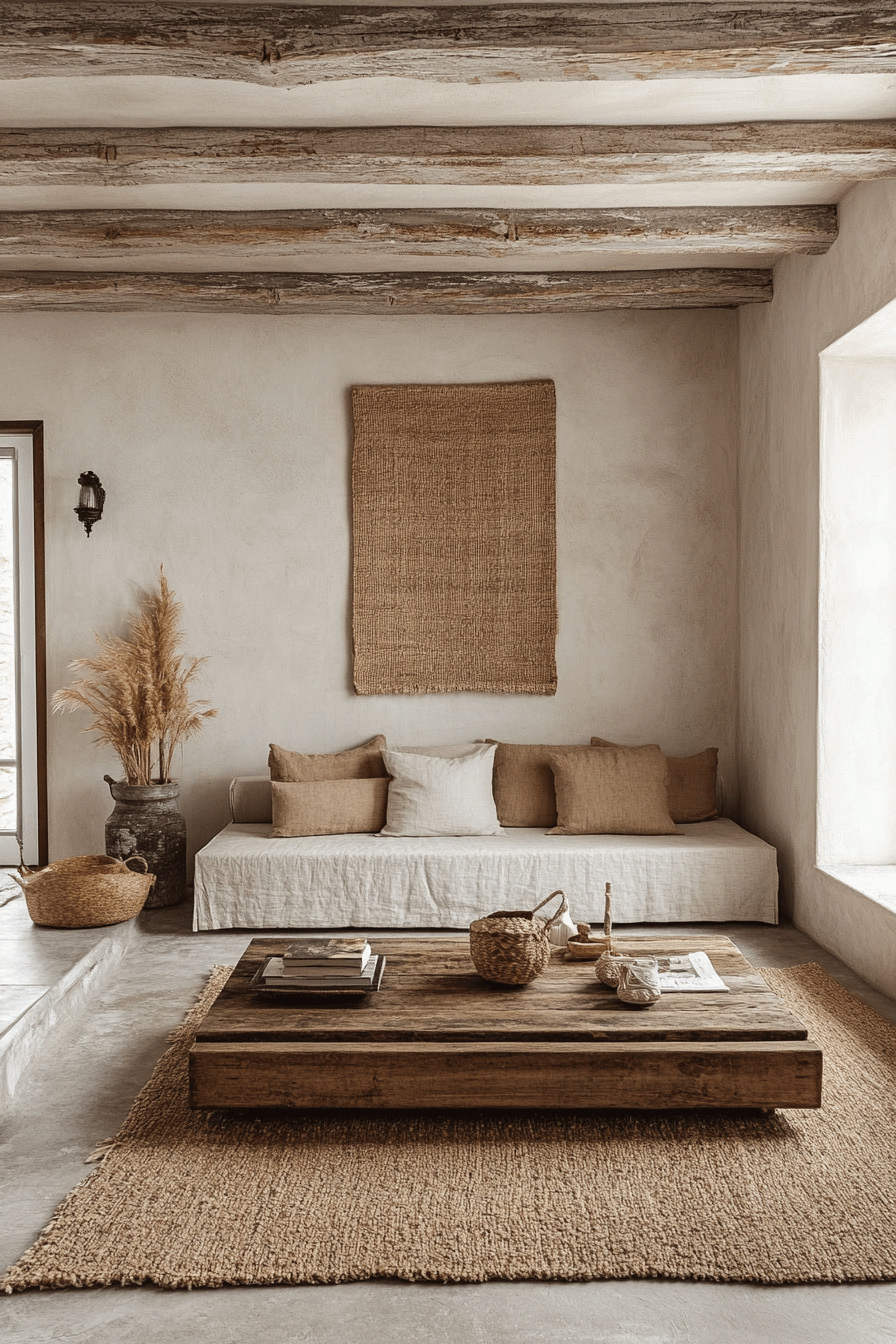
Order and ease define a wabi sabi japandi living room built around thoughtful organization. Built-in storage keeps surfaces clear and peaceful. Multipurpose furniture supports both beauty and function. Soft tones and textures maintain a gentle rhythm. The space feels effortlessly calm.
🎨 Steal This Look
- Paint Color: Fine Paints of Europe ECO Bone White W1001
- Furniture: Low-profile oak storage bench with hidden compartments, wall-mounted floating credenza in natural ash
- Lighting: Paper globe pendant with warm LED, slim brass floor lamp with linen shade
- Materials: Raw oak, handwoven linen, unglazed ceramic, matte black metal hardware
This is the room that exhales when you walk in—I’ve found that built-in storage, not bigger spaces, creates the stillness we actually crave.
20. Streamlined Soulful Space
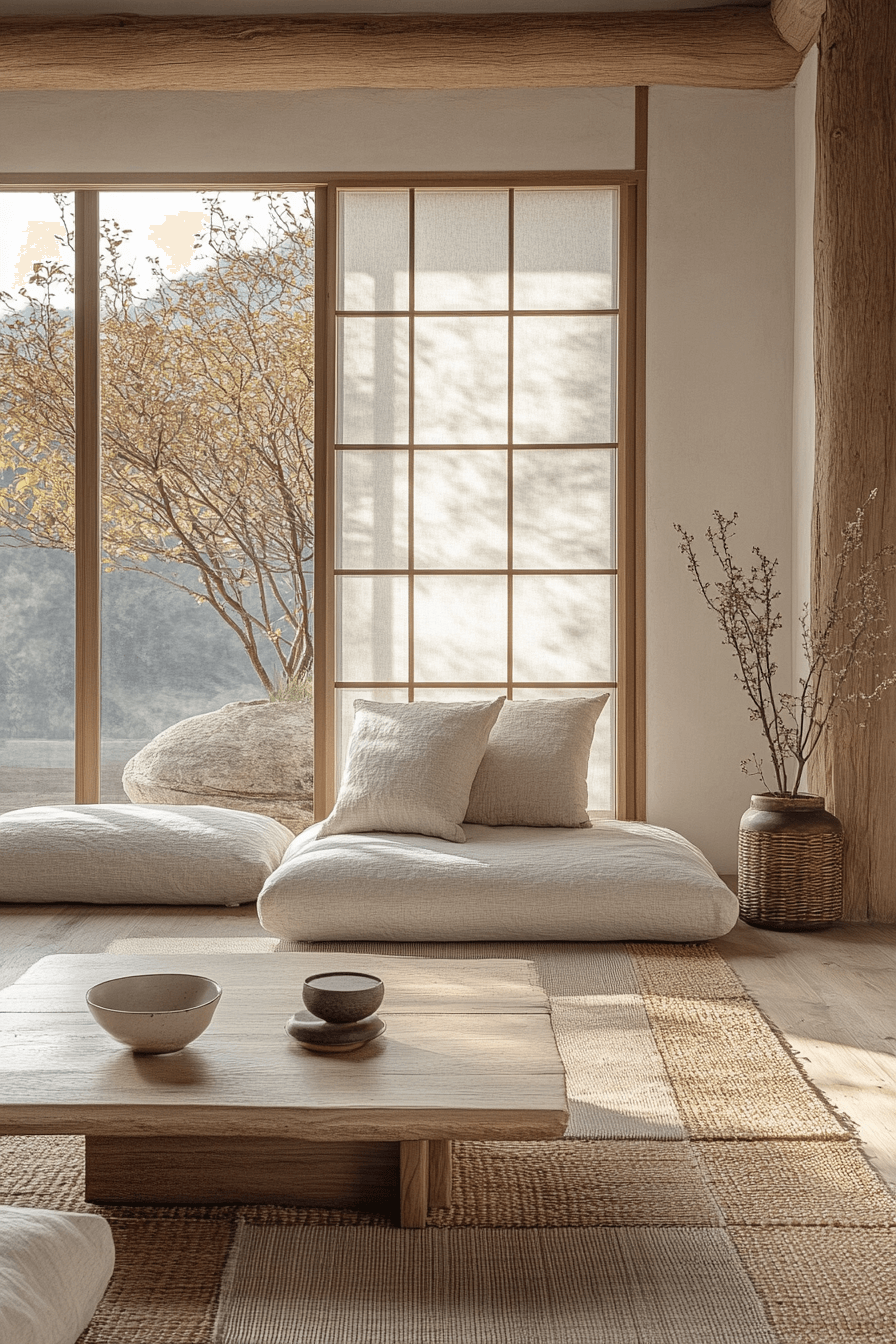
A streamlined sanctuary emerges in a wabi sabi japandi living room that prioritizes flow and openness. Hidden storage and smooth surfaces reduce visual clutter. Furniture placement allows the room to breathe. Natural materials add warmth without heaviness. The result is deeply restorative.
🏠 Steal This Look
- Paint Color: Backdrop [PAPER] 01 — soft warm white with subtle greige undertone, matching the pale plaster-like walls visible
- Furniture: low-profile walnut platform sofa with clean lines; single sculptural side table in light oak; wall-mounted media console with push-latch doors
- Lighting: oversized rice paper pendant with blackened steel canopy; minimal floor lamp with linen drum shade
- Materials: unfinished linen, raw oak, hand-thrown ceramic, slubby cotton, volcanic stone
There’s something almost meditative about walking into a room where nothing demands your attention—yet everything invites you to stay. This is the space that exhales when you do.
21. Essentialist Comfort Room
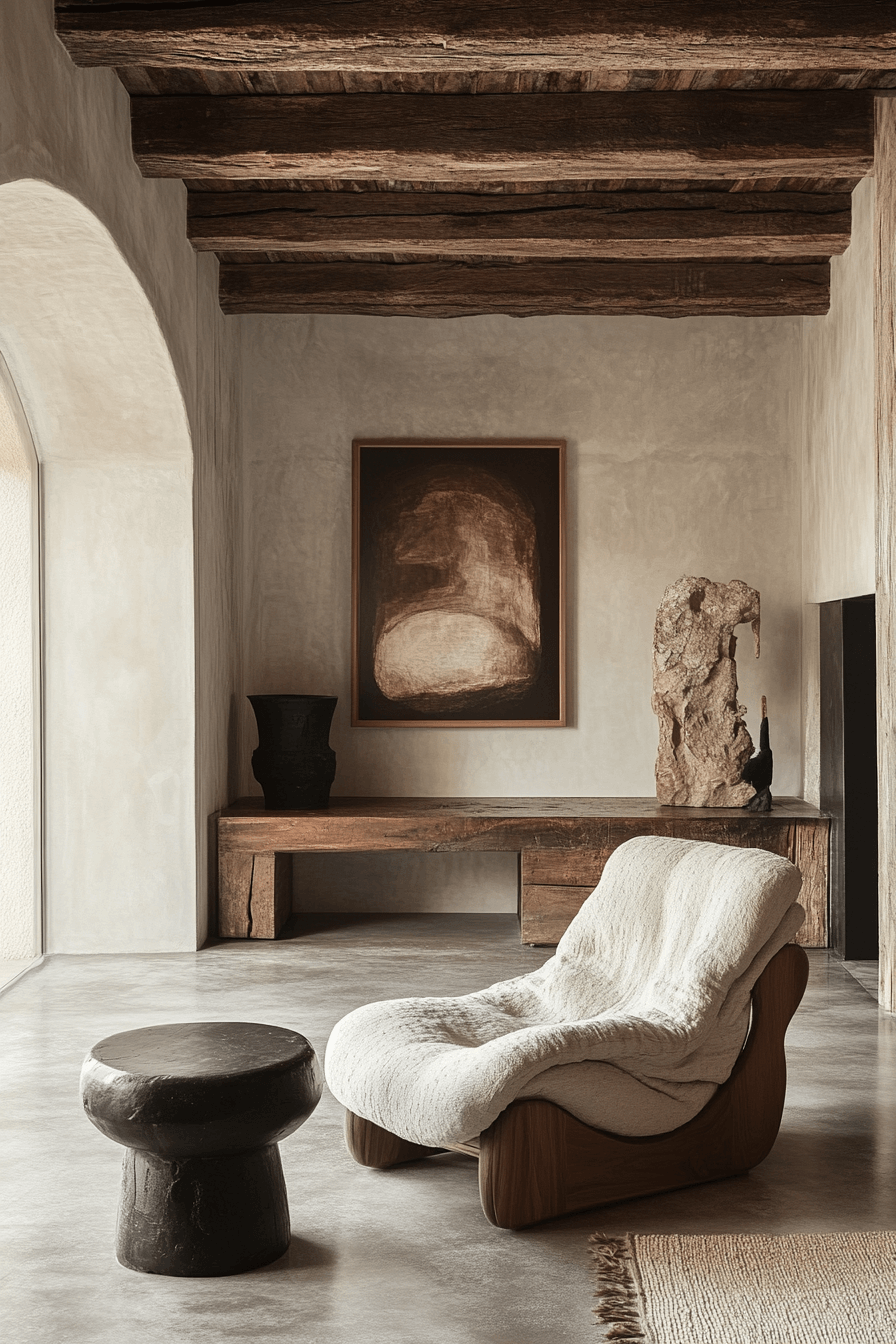
Essentialism takes center stage in a wabi sabi japandi living room where quality replaces quantity. Every piece carries meaning and purpose. Clean lines keep the room feeling light and open. Earthy tones provide quiet comfort. The atmosphere feels focused and grounding.
🎨 Steal This Look
- Paint Color: Sherwin-Williams Accessible Beige SW 7036
- Furniture: Low-profile walnut platform sofa with linen upholstery, single sculptural wooden side table
- Lighting: Paper washi pendant with warm LED, small ceramic table lamp
- Materials: Unfinished oak, raw linen, handmade ceramic, handwoven rush mat
This room feels like a deep exhale—I’ve found that when every item earns its place, you actually notice and appreciate each piece more.
✅ Get The Look
22. Timeless Tranquil Living
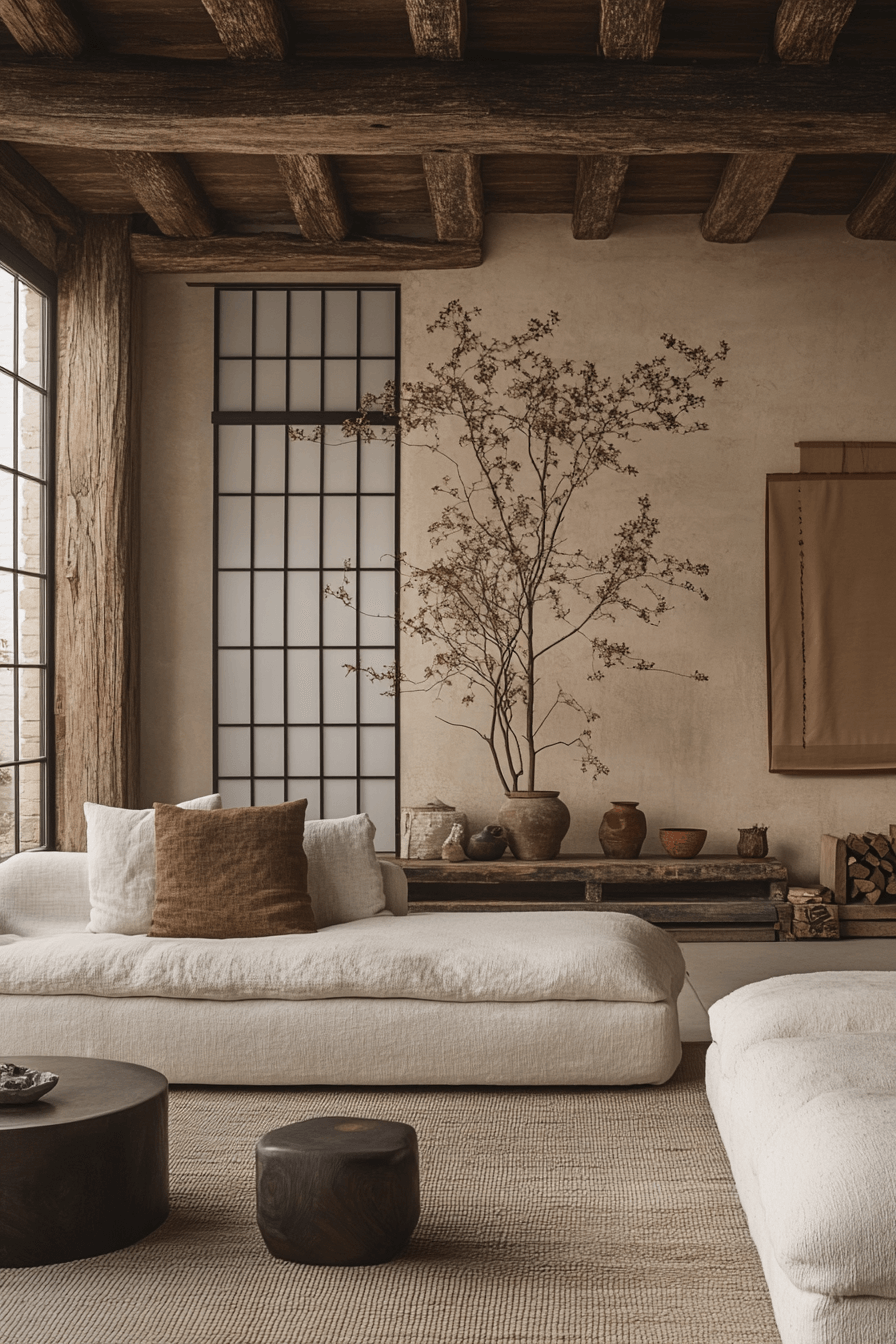
Timeless calm defines a wabi sabi japandi living room designed to outlast trends. Enduring materials and simple forms create longevity. Soft lighting and open layouts enhance the meditative mood. Each detail is chosen for lasting beauty. The space welcomes rest and reflection.
🌟 Steal This Look
- Paint Color: Benjamin Moore White Dove OC-17
- Furniture: low-profile solid wood platform sofa with natural linen upholstery, round oak coffee table with live edge, floor cushions in organic cotton
- Lighting: paper washi pendant with warm LED, minimalist floor lamp with rice paper shade
- Materials: unfinished oak, hand-thrown ceramics, raw linen, unbleached cotton, aged brass, handmade paper
There’s something deeply grounding about a room that doesn’t demand perfection. I find myself breathing slower in spaces like this—where the coffee table has a knot, the linen wrinkles, and the light falls soft.
23. Soothing Symmetry Space
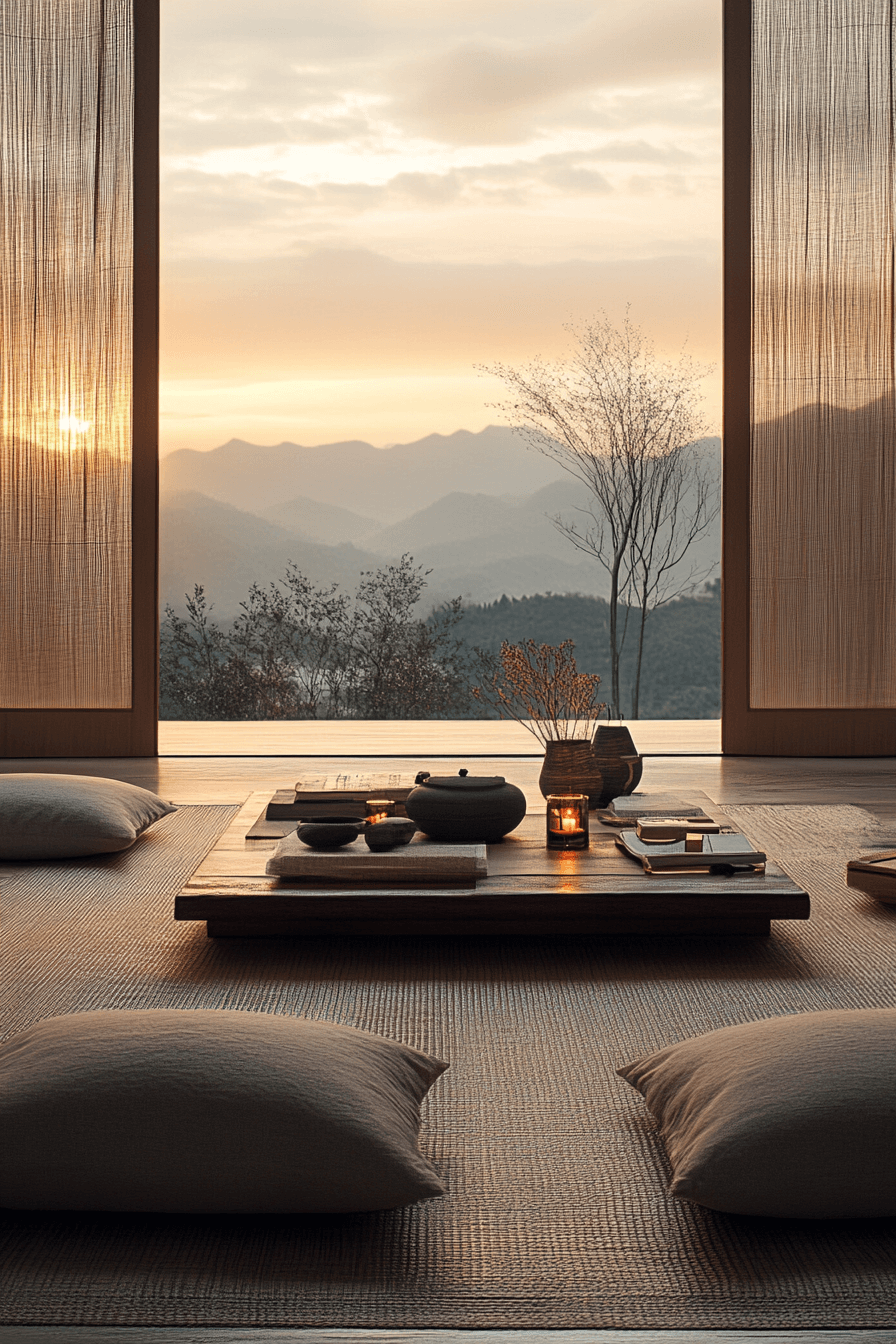
Subtle symmetry brings quiet reassurance to a wabi sabi japandi living room. Balanced proportions ease the mind without rigidity. Soft textures and neutral hues support the sense of order. The design feels composed yet welcoming. Harmony flows naturally.
✎ Steal This Look
- Paint Color: Farrow & Ball Shaded White 201
- Furniture: low-profile walnut credenza with clean horizontal lines, paired linen-upholstered armchairs in flax
- Lighting: paper globe pendant with visible rice fiber texture, hung centered over the seating arrangement
- Materials: raw linen, unbleached cotton, light oak, handmade ceramic, slubbed wool
This look whispers rather than shouts—I’ve found that walking into a balanced, neutral space after a chaotic day feels like exhaling.
24. Refined Cozy Retreat
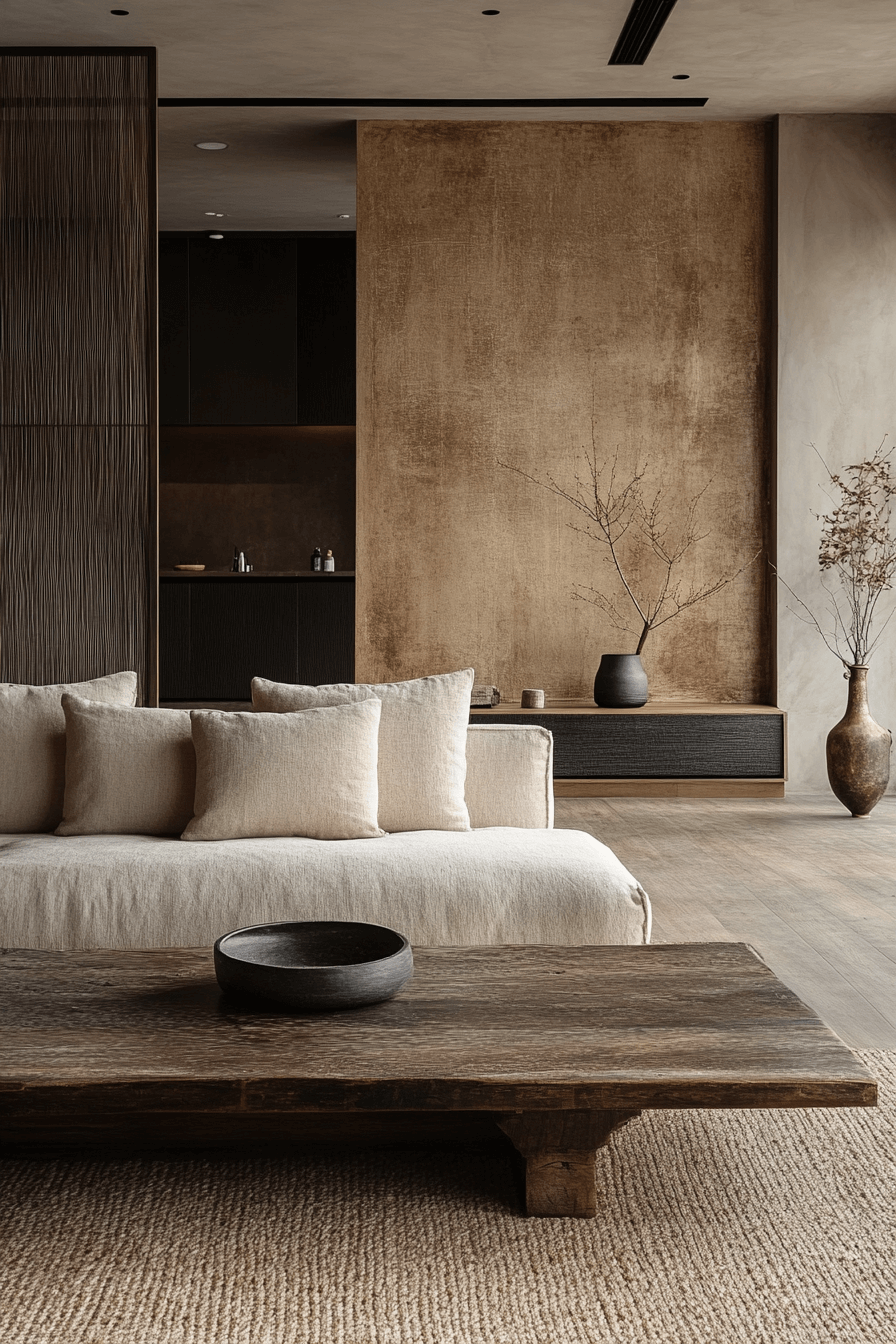
Refined comfort anchors a wabi sabi japandi living room that feels both elegant and livable. Curated decor and natural materials set a soothing tone. The layout adapts to gatherings or quiet moments with ease. Each element feels intentional and warm. Beauty remains understated.
🏠 Steal This Look
- Paint Color: Behr Off-White PPU24-12
- Furniture: Low-profile walnut platform sofa with linen slipcover, rounded oak coffee table with live edge, woven rush floor cushion seating
- Lighting: Paper-and-bamboo Noguchi-style pendant, slender brass arc floor lamp with rice paper shade
- Materials: Raw linen, unbleached cotton, aged oak, hand-thrown ceramics, dried pampas grass, textured wool throws
This look asks you to embrace imperfection—a water stain on the coffee table becomes part of the story, not a flaw to hide.
25. Fluid Form Living
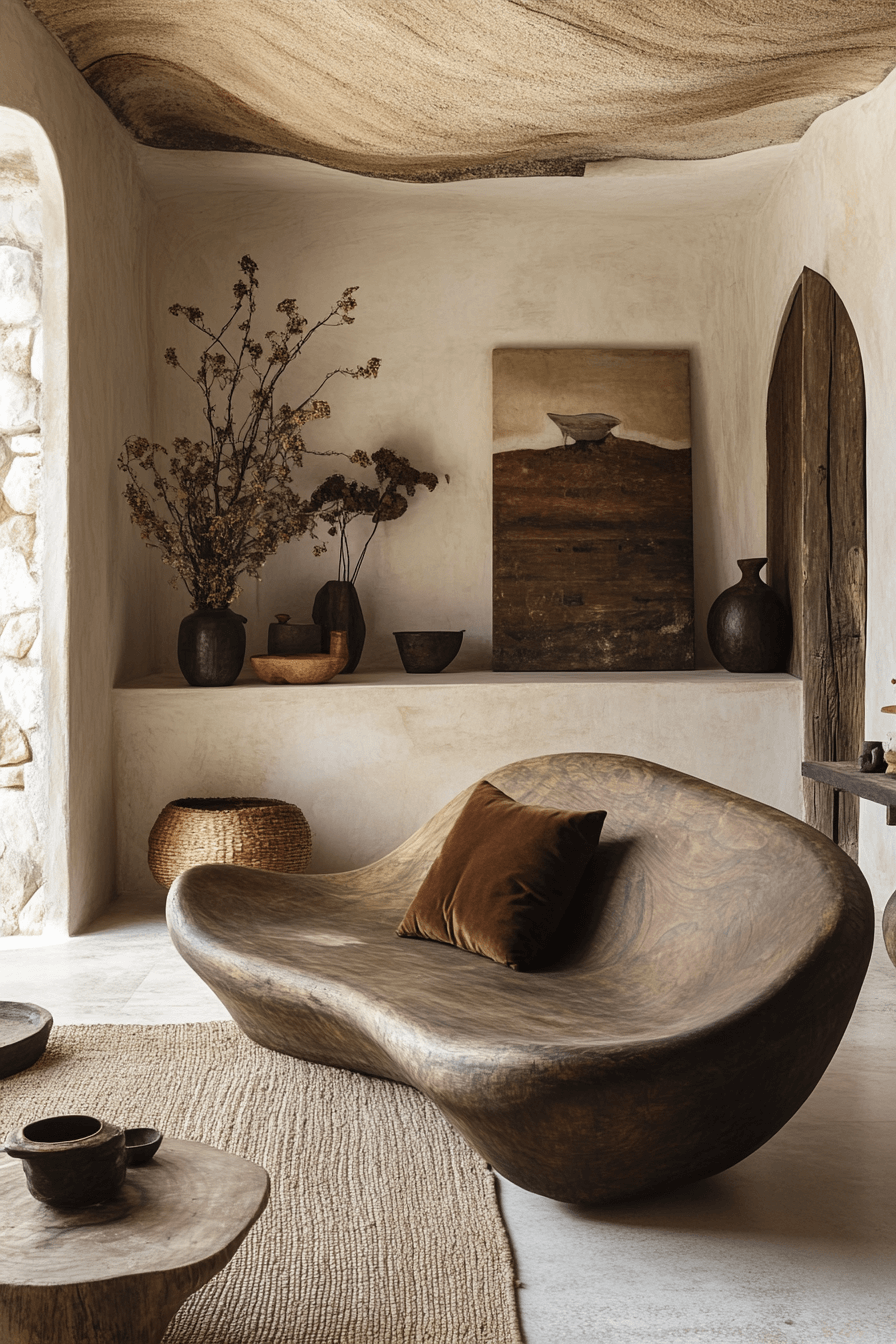
Flowing forms soften a wabi sabi japandi living room with organic elegance. Curved edges break up strict minimalism. These gentle lines add warmth and movement. Neutral backdrops allow shapes to shine subtly. The room feels alive yet calm.
💡 Steal This Look
- Paint Color: Valspar Natural Linen 6006-1A
- Furniture: Curved boucle sofa with rounded arms, organic-shaped oak coffee table with live edge, sculptural floor lamp with linen shade
- Lighting: Paper lantern pendant with soft diffused glow, arched floor lamp with curved stem
- Materials: Raw oak, textured boucle, handmade paper, unglazed ceramic, natural linen
I keep coming back to curved silhouettes because they literally slow the eye down—there’s something deeply calming about not hitting a single hard corner.
26. Elegant Minimal Calm
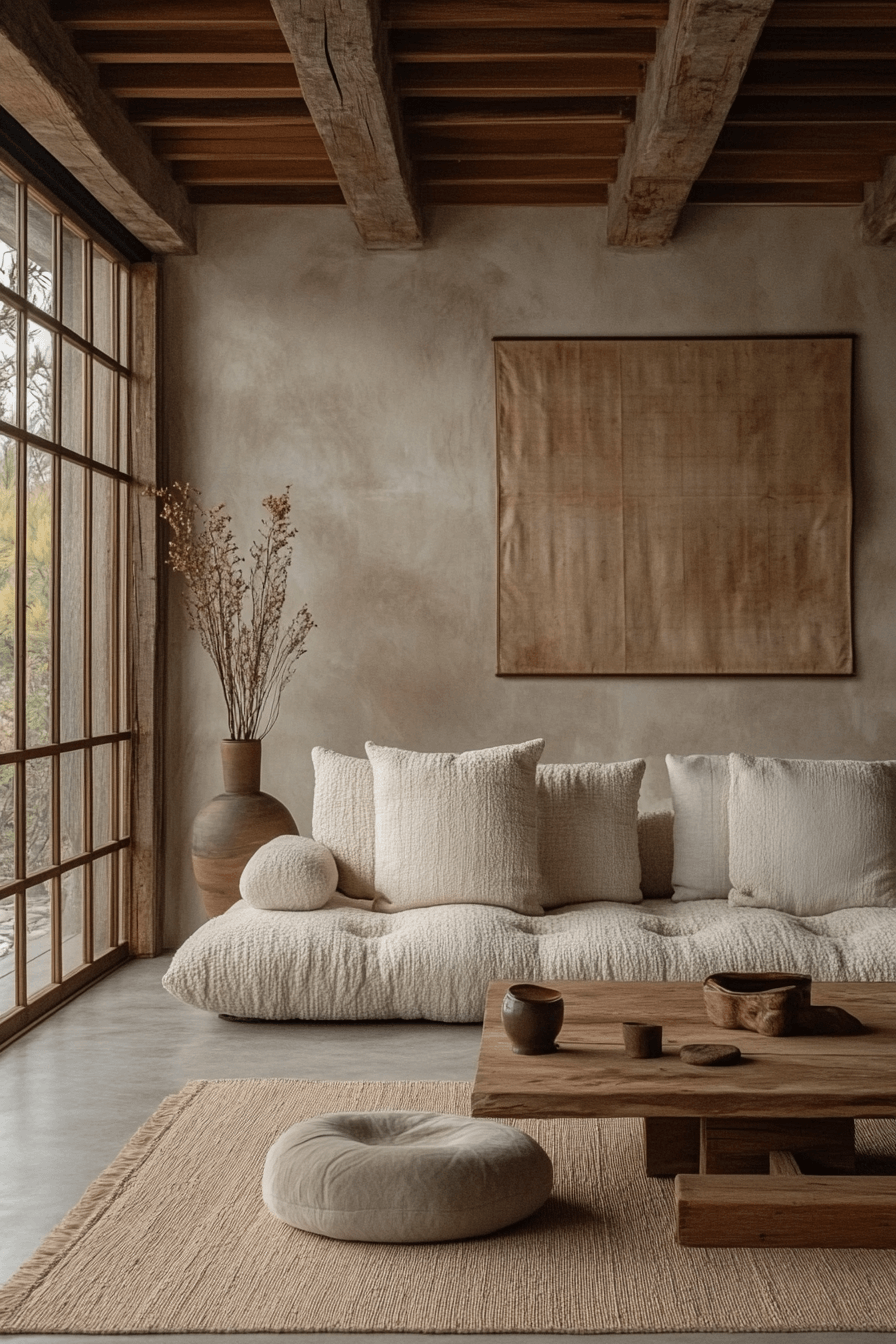
Minimal elegance defines a wabi sabi japandi living room where restraint becomes art. Each item is selected with care and clarity. Open surfaces enhance the sense of peace. Natural materials ground the design emotionally. The space feels elevated, not empty.
🖼 Steal This Look
- Paint Color: PPG Delicate White PPG1001-1
- Furniture: low-profile linen sofa in warm oatmeal, ash wood coffee table with live edge, single sculptural armchair in natural oak
- Lighting: paper washi pendant with warm LED, slender brass floor lamp with rice paper shade
- Materials: raw linen, unbleached cotton, light oak, handmade ceramic, textured jute
This look asks you to slow down and notice the grain in the wood, the slub in the linen—the beauty of things exactly as they are.
27. Uncluttered Comfort Zone
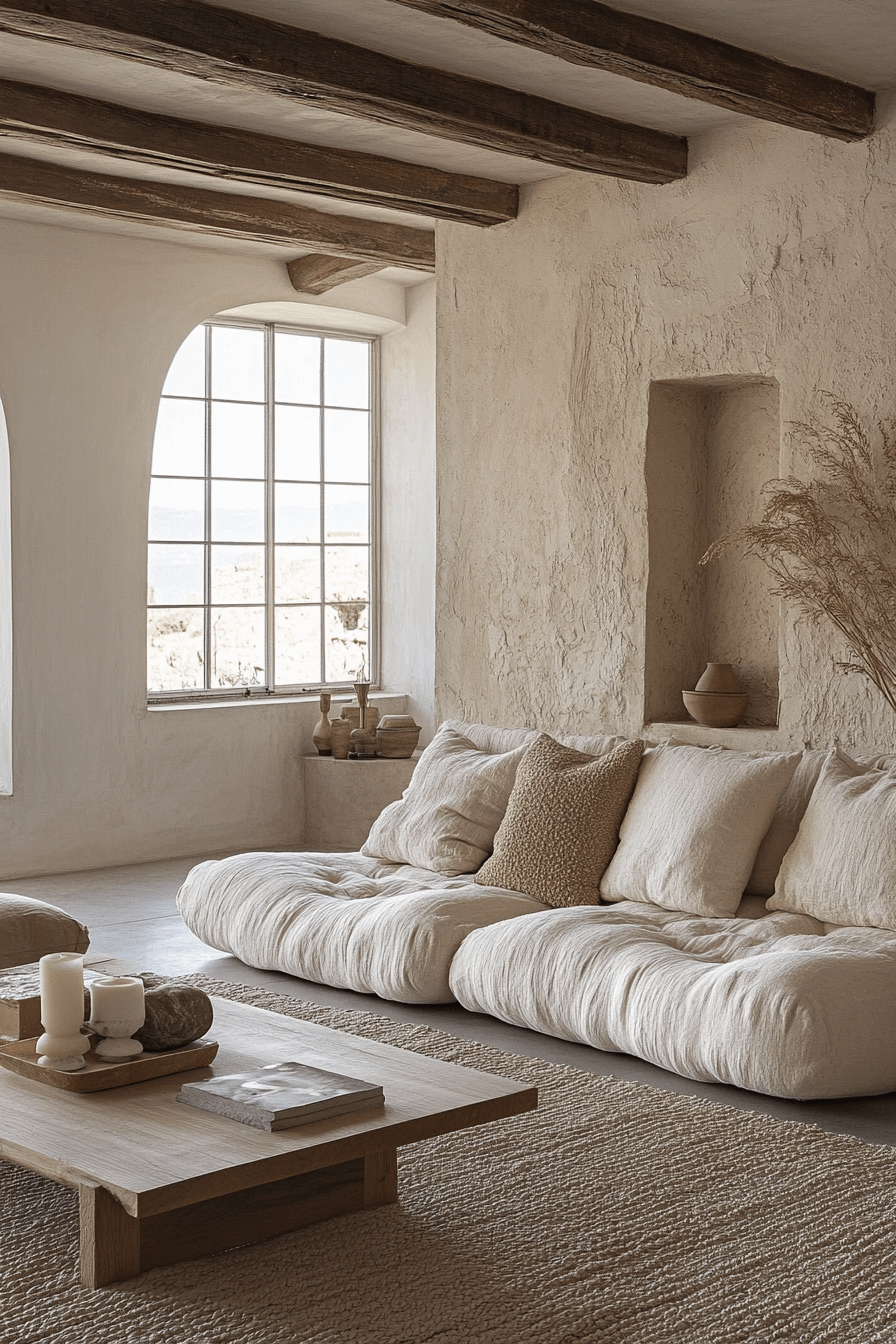
Comfort meets clarity in a wabi sabi japandi living room designed for real life. Cozy seating pairs with clean design. Hidden storage keeps visual calm intact. Soft palettes maintain emotional ease. The room feels both beautiful and livable.
A living room designed with softness and intention can bring a sense of calm to everyday life. With these 27 wabi sabi japandi living room ideas you can create a space that feels relaxed welcoming and full of character. Natural textures and gentle colors help the room feel soothing without feeling empty. This style celebrates comfort through simplicity and authenticity. Save the ideas that speak to you and start shaping a living room that feels soulful and peaceful every day.
★ Steal This Look
- Paint Color: Dunn-Edwards Whisper DEW340
- Furniture: Low-profile linen sofa in oatmeal, rounded oak coffee table, woven rattan storage ottoman
- Lighting: Paper globe pendant with warm LED, slim brass floor lamp with linen shade
- Materials: Raw oak, hand-thrown ceramics, slubby linen, unbleached cotton, visible wood grain
This look asks you to let go of perfection and embrace the dent in your coffee table as a story worth telling.