You’re standing at the mouth of a narrow canyon in Utah, and the walls tower above you like nature’s own skyscraper.
The rock beneath your feet is smooth from millennia of water flow.
Your shoulders nearly touch both sides at once.
This is what slot canyons feel like—and they’ve become one of the most sought-after adventure destinations in America.
But here’s the thing: most people get them wrong.
They think slot canyons are just narrow hiking trails with pretty rock walls.
They’re not.
Slot canyons are something far more visceral, far more demanding, and honestly, far more rewarding than a typical hike.
What Actually Is a Slot Canyon? The Definition That Changes How You See Utah
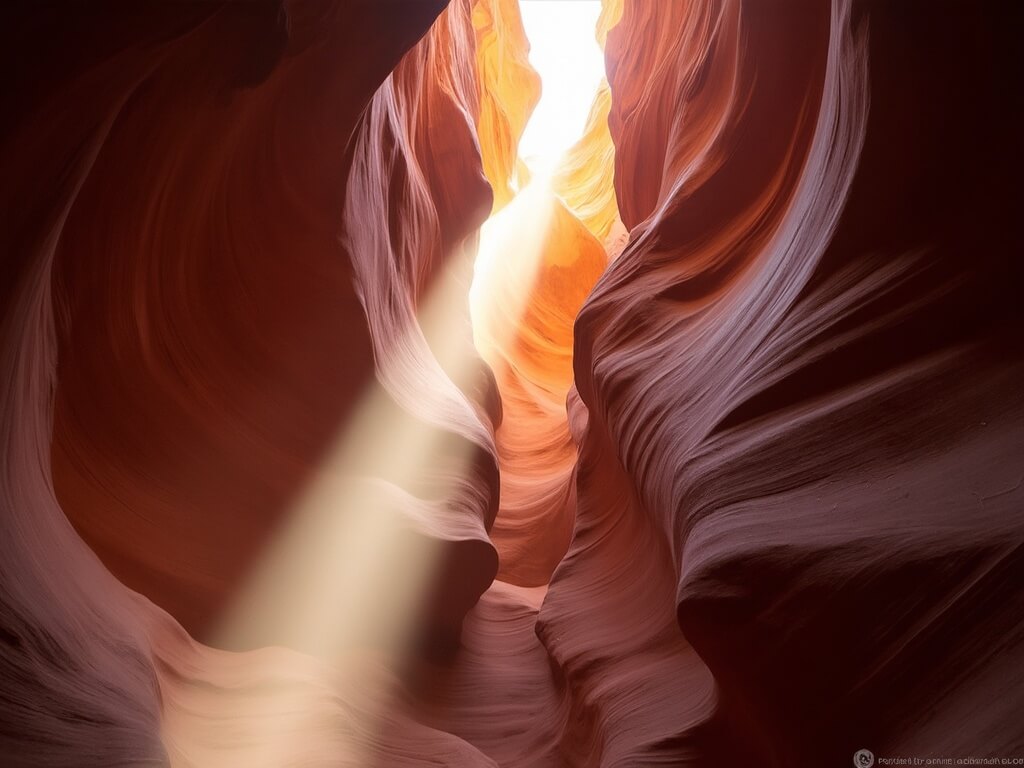
A slot canyon isn’t simply a narrow passage through rock.
It’s a geological masterpiece carved by water—relentless, patient water—cutting through ancient sandstone over thousands of years.
The canyon walls rise vertically, sometimes by hundreds of feet, while the floor barely widens beyond arm’s reach.
In many places, you can touch both walls simultaneously.
The rocks here tell a story written in layers: rust-red iron oxide, cream-coloured silica, deep burgundy veins of mineral deposits.
Each stripe represents millions of years of geological history.
What makes slot canyons different from regular canyons is their depth-to-width ratio.
This extreme ratio creates something almost otherworldly—a place where daylight filters down in dramatic shafts, where the temperature stays remarkably cool even in scorching heat, and where water pools create mirrors reflecting the sky directly above.
Why Grand Staircase-Escalante Has Become the Slot Canyon Capital of America
Utah holds the distinction of having the most extensive network of slot canyons anywhere in the country.
Within Grand Staircase-Escalante National Monument alone—a sprawling 1.7 million acres of protected wilderness—you’ll find dozens of world-class slot canyons.
This isn’t coincidence.
You’ve got beginner-friendly slots like Zebra Slot Canyon with its distinctive pink and white striped rock face.
You’ve got intermediate challenges like the famous Peek-a-Boo and Spooky Gulch combo.
And you’ve got technical, expert-only slots that demand rope work, rappelling, and serious canyoneering experience.
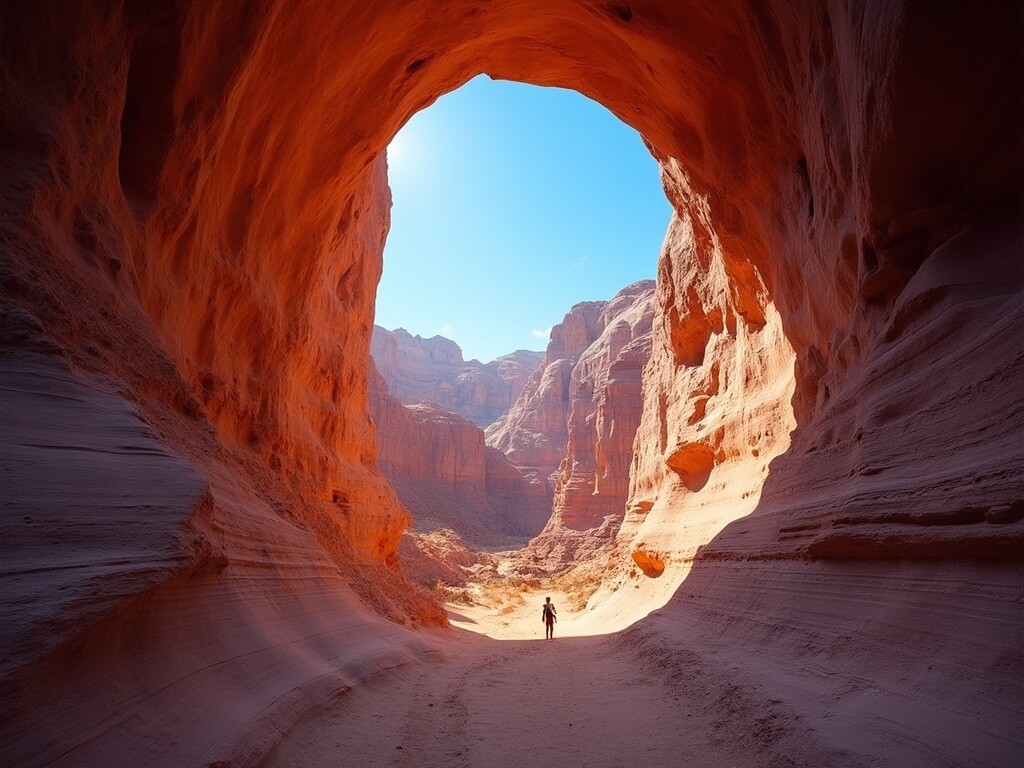
The monument itself breaks into two distinct regions: the Escalante Canyons area in the north and the more remote Grand Staircase section to the south.
The Escalante side is where you’ll find the most accessible trails and the highest concentration of visitor activity. The Grand Staircase remains far quieter—a place where you might hike for hours without seeing another soul.
The Pull That Keeps Drawing Adventurers Back
I experienced this myself about four years ago on my first trip to Peek-a-Boo Canyon.
That day, what impressed me most wasn’t how narrow the canyon got (though some sections were genuinely claustrophobic).
It was how the canyon shifted your relationship to space.
In everyday life, we’re accustomed to horizontal space: roads, parking lots, open fields.
Slot canyons invert this completely.
Space becomes vertical, confined, intimate.
Your awareness sharpens.
You notice details you’d miss in wider spaces: the texture of each rock layer, the colour variations between sections, the way water has polished certain stones smooth over centuries.
The Three Levels of Slot Canyon Hiking: What You’re Actually Getting Into
Beginner-Friendly Slots (Moderate Risk, Lower Physical Demand)
These are canyons where the hiking approach is relatively straightforward, the navigation is clear, and the narrowest sections don’t require technical movement.
Zebra Slot Canyon falls into this category.
Intermediate Slots (Moderate Physical Demand, Technical Sections)
This is where Peek-a-Boo and Spooky Gulch live.
These canyons require rock scrambling, occasional squeezing through tight spaces, and problem-solving as you navigate obstacles.
Expert-Only Slots (High Technical Demand, Specialised Skills Required)
Canyons like Brimstone Gulch and Egypt 3 demand canyoneering experience, often rope work, and sometimes rappelling.
These aren’t hikes in the traditional sense—they’re technical adventures that belong in the domain of trained adventurers.
How to Actually Get to These Slot Canyons Without Getting Completely Lost
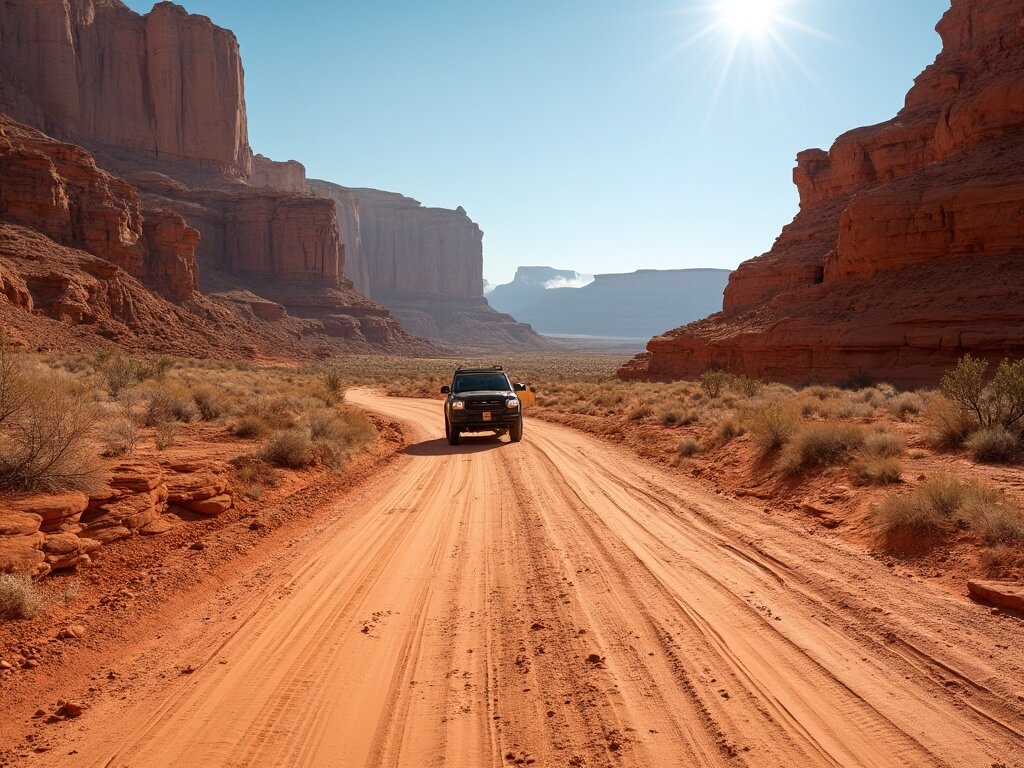
The approach to slot canyons in Grand Staircase-Escalante isn’t like driving to a national park visitor centre.
The primary route to nearly every major slot canyon runs down Hole-in-the-Rock Road, a rough dirt track that extends roughly 60 kilometres from the town of Escalante south into the heart of the monument.
The Escalante BLM Visitor Centre, located at the edge of town, is your single most valuable resource before heading out.
They can tell you whether Zebra Slot has impassable standing water or whether recent rains have made certain sections hazardous.
Vehicle Preparation
- High-clearance vehicle strongly recommended; four-wheel drive essential if there’s any chance of rain
- Spare tyre, basic tools, water for the radiator
- Full tank of fuel (no services along Hole-in-the-Rock Road)
Navigation Setup
- Download offline maps covering your entire route
- GPS device or smartphone with offline capability
- Physical map as backup
Timing Considerations
- Allow significant extra time for the rough road
- Start early to maximise daylight, especially in autumn and winter
The Reality of Physical Demands: What Your Body Needs to Be Ready For
Slot canyon hiking involves movement types you don’t encounter on standard trails.
The Peek-a-Boo and Spooky Gulch combination is rated difficult for good reason.
Zebra Slot, by contrast, presents a more forgiving physical demand—mostly straightforward hiking except for the tightest slot sections.
The physical demand lies less in aerobic capacity and more in body awareness, confidence on uneven ground, and mental comfort in tight spaces.
Timing Your Visit: Why September Isn’t the Same as July
Spring (March-May)
Perfect temperatures, wildflower blooms, moderate water levels.
Summer (June-August)
Temperatures exceed 40°C (104°F), flash flood risk peaks. Early starts essential.
Autumn (September-November)
Cooler temperatures, thinning crowds, monsoon risk decreases.
Winter (December-February)
Short days, cold conditions, potential snow and ice. Best for experienced hikers only.
The practical upshot: visit in spring or autumn if you want ideal conditions. If summer is your only option, start early and carry more water than you think you’ll need. Skip winter unless you’re specifically trained for it.
What Slot Canyon Geology Actually Reveals About Time
Standing inside a slot canyon, you’re literally inside a textbook of Earth history.
Each visible rock layer represents a distinct period of deposition—sand, silt, or clay accumulating on an ancient seafloor or lake bottom over thousands or sometimes millions of years.
The slot canyon itself formed relatively recently in geological terms: within the last 5-10 million years.
Water is patient but relentless.
This ongoing process matters practically because it means slots are still evolving.
The slot canyon you visit in spring 2024 could be measurably altered by autumn 2024 if significant flooding happens.
This is why checking with the BLM Visitor Centre for recent changes isn’t bureaucratic red tape—it’s practical intelligence about an active, evolving landscape.
Also, if you’re seeking more inspiring journeys, be sure to explore the Hana Highway in Maui for a dramatically different but equally stunning adventure.
The Flash Flood Question Nobody Wants to Ask But Everyone Should
There’s a reason the BLM Visitor Centre staff emphasize weather checks so heavily.
Flash floods in slot canyons aren’t theoretical risks—they’re actual events that have killed hikers.
And here’s the part that makes it genuinely frightening: a flood can occur without any rain falling where you are.
A thunderstorm 5 kilometres upstream in terrain you can’t see from the canyon floor can send a wall of water and debris down a narrow slot with virtually no warning.
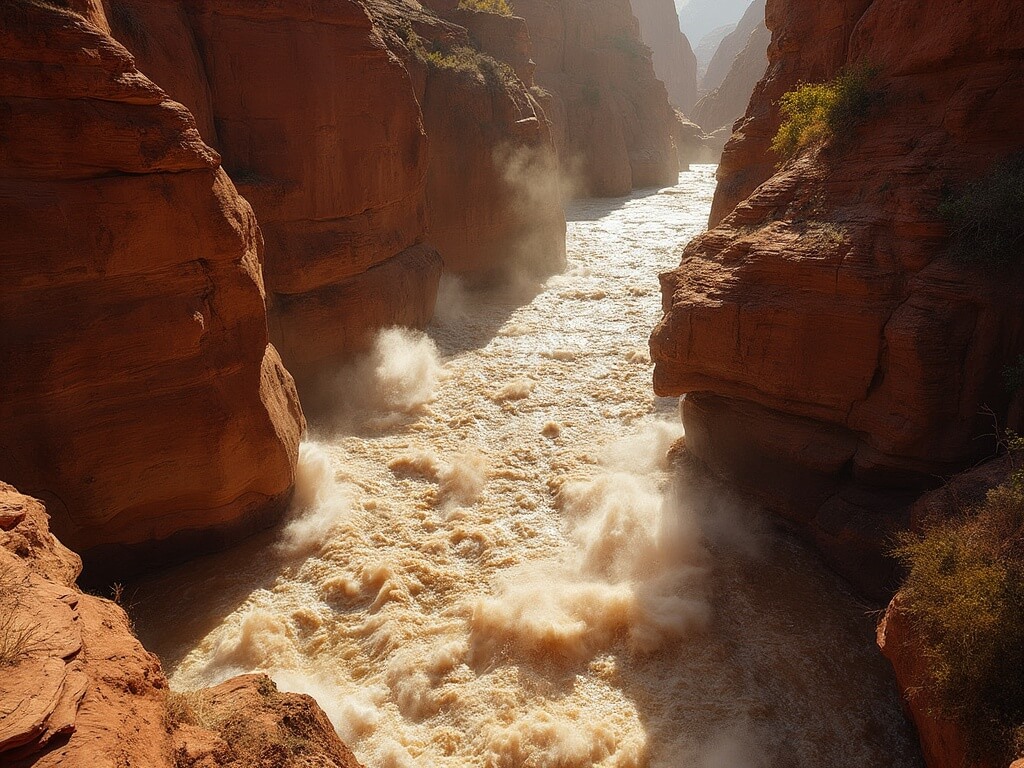
This isn’t a worst-case scenario narrative designed to scare you. It’s the reality of slot canyon hiking.
Practical Flash Flood Prevention
Check weather forecasts not just for your location but for the entire drainage basin upstream—ask the BLM staff which canyons drain which areas.
Never enter a canyon if rain is predicted within several hours, even if the rain is forecast for areas you can’t see.
Learn to read weather patterns: dark clouds building rapidly, temperature drops, wind shifts—these are warnings to exit or avoid entering.
Pay attention to the colour and smell of the water in the canyon—if it’s brown and churning or carries a smell of disturbed earth, water levels are rising.
Understand that slot canyons with standing water or flowing water are higher risk—they indicate active water systems.
Monsoon season (typically July through September) brings the highest flash flood risk. If you’re unfamiliar with a specific canyon, avoid it during monsoon season entirely.
For more detailed guidance, check out the Escalante River slot canyons guide.
Why Claustrophobia Isn’t Your Only Mental Challenge in Slot Canyons
Most people understand that slot canyons involve tight spaces. What they don’t anticipate is how their psychological response shifts as the walls close in.
Claustrophobia is the obvious concern—and yes, if you have severe claustrophobia, certain slots like Spooky Gulch will be genuinely unpleasant.
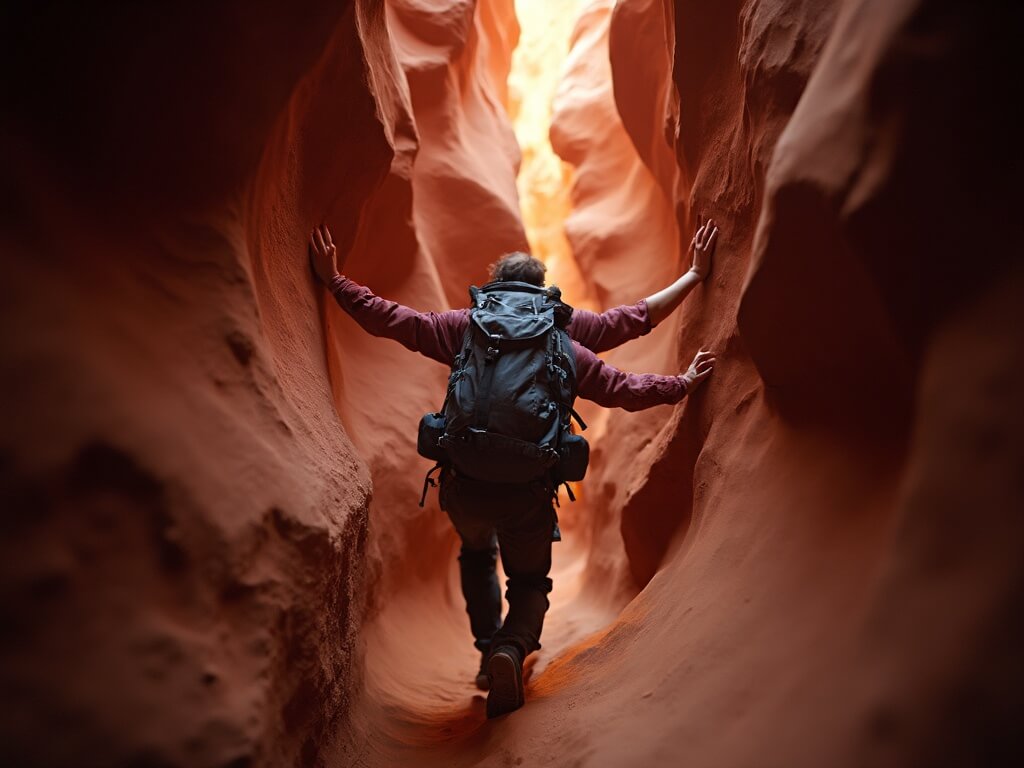
There’s the subtle anxiety that builds when you realise you’ve committed to a route with no easy exit if something goes wrong.
Mental Preparation for Slot Canyon Hiking
Start with beginner-friendly slots before attempting intermediate or advanced ones.
Communicate clearly with your hiking partner about your comfort levels and establish signals for when someone needs to stop or reverse course.
Practice controlled breathing in advance; the ability to breathe slowly and deliberately whilst moving through tight spaces directly impacts your psychological experience.
If you have genuine claustrophobia, consider whether slot canyon hiking is actually compatible with your comfort zone.
Explore more in-depth perspectives on Exploring Grand Staircase-Escalante slot canyons.
The Ecosystem Inside: Why Slot Canyons Support Life You Won’t See Anywhere Else
Slot canyons maintain cooler temperatures year-round because sunlight penetration is limited. Water pools remain present even during drought periods because evaporation rates are lower in the shade.

This combination creates riparian habitat—lush, green zones in an otherwise arid landscape.
This ecological reality carries conservation implications. Damage to slot canyon habitats directly threatens species that have nowhere else to go.
Leave No Trace in a Place With Nowhere to Hide Your Mistakes
Standard Leave No Trace principles apply in slot canyons but with heightened importance. Human waste management requires specific attention in these narrow environments.
Practical Leave No Trace in Slot Canyons
- Pack out everything you pack in.
- Pick up litter you encounter.
- Avoid carving or altering rock formations.
- Use established routes and avoid damaging vegetation.
- Use reef-safe sunscreen.
Report significant damage to the BLM so they can prioritise restoration efforts.
What Guided Canyoneering Offers That Self-Guided Hiking Cannot
A guide brings current knowledge about canyon conditions, carries rope and equipment, and can make real-time safety decisions.
Several outfitters in Escalante offer guided canyoneering trips, ranging from beginner-friendly to advanced. Consider guided trips if you’re tackling anything beyond basic routes.
The Photography Reality: Why Slot Canyons Break Most Camera Setups
Photographing slot canyons presents extreme lighting challenges and tight navigation issues. Smartphones are often the best tool due to portability and computational photography capabilities.
If you’re bringing a camera rig, pack it carefully and prioritize safety over the perfect shot.
The Accommodation Question: Where Actually to Stay When You’re Based in Escalante
Accommodation options in Escalante range from campgrounds to motels and vacation rentals. Primitive camping is available on Hole-in-the-Rock Road but lacks amenities.
Most visitors stay in town for convenience and services.
The Vehicle Question: What Actually Counts as High-Clearance
High-clearance vehicles have 10+ inches of ground clearance. Jeep Wranglers, Toyota 4Runners, and Ford Broncos are ideal.
Avoid low-slung sedans or standard crossovers—rough roads can damage undercarriage and strand you.
The Companion Question: Why Hiking Solo Changes Everything
Solo hiking increases risk due to injury, sudden weather, and navigation errors. Most beginners should hike in groups of 2–4 for safety and efficiency.
Use a satellite communicator and over-prepare if you choose to go solo.
The Skills Nobody Teaches But Everyone Needs: Route Finding and Decision-Making Under Uncertainty
Even basic canyon hiking demands route finding and risk assessment. GPS signals often fail due to canyon walls.
Build experience on well-documented canyons before progressing to remote or technical ones.
The Conservation Debate: Why Monument Boundaries Matter More Than Most Realize
Changing monument boundaries affects canyon access and protection. Your visit contributes economically but can also add ecological pressure.
Support conservation by practicing Leave No Trace, supporting sustainable businesses, and advocating for protected lands.
Why This Matters: The Deeper Lesson Slot Canyons Teach
Slot canyons offer more than physical challenge—they offer lessons in risk, responsibility, geology, and conservation.
They require full presence and reward you with personal growth and deeper environmental awareness.
Your Next Steps: How to Actually Begin
- Contact the Escalante BLM Visitor Centre.
- Match canyons to your capabilities.
- Focus on a few quality hikes rather than quantity.
- Arrange accommodation and confirm your vehicle is suitable.
- Hike with presence and reflect on your experience.
The slot canyons of Grand Staircase-Escalante are worth your effort, attention, and care.
Related Adventures:
- Take the Cog Railway to the Top of Pikes Peak
- Walk the Beaches of the Oregon Coast
- Watch the Sunrise from Cadillac Mountain
- Ride the Great Smoky Mountains Alpine Coaster
- Spend a Day at Mall of America in Minnesota
The canyon walls still feel closer than they look in photos, no matter how many times you’ve seen pictures of Grand Staircase-Escalante beforehand. Discovering the slot canyons here is one of those places where being there in person actually changes the scale in your head.