Image Credit @That Backpacker
Want to know what makes Crater Lake National Park different from every other natural wonder in America?
It’s not just the deepest lake in the United States.
It’s not just the volcanic caldera that formed 7,700 years ago.
It’s that most visitors show up completely unprepared for what they’re actually going to experience.
Over 750,000 people visit Crater Lake each year, yet the vast majority leave with the same regret: they wish they’d known better.
I learned this the hard way.
The Blue That Shouldn’t Exist (But Does)
Crater Lake National Park sits in southern Oregon’s Cascade Mountains, and it’s the only national park the state has.
That statistic alone tells you something.
The lake itself drops 1,943 feet deep—deeper than any other lake in the United States—and the colour is what stops people in their tracks.
It’s not exaggeration when people call it otherworldly.
The blue exists because of pure water and depth working together.
No rivers flow into or out of the lake.
Rain and snowmelt feed it directly.
That means what you see isn’t just a lake; it’s 183,224 acres of something genuinely rare on Earth.
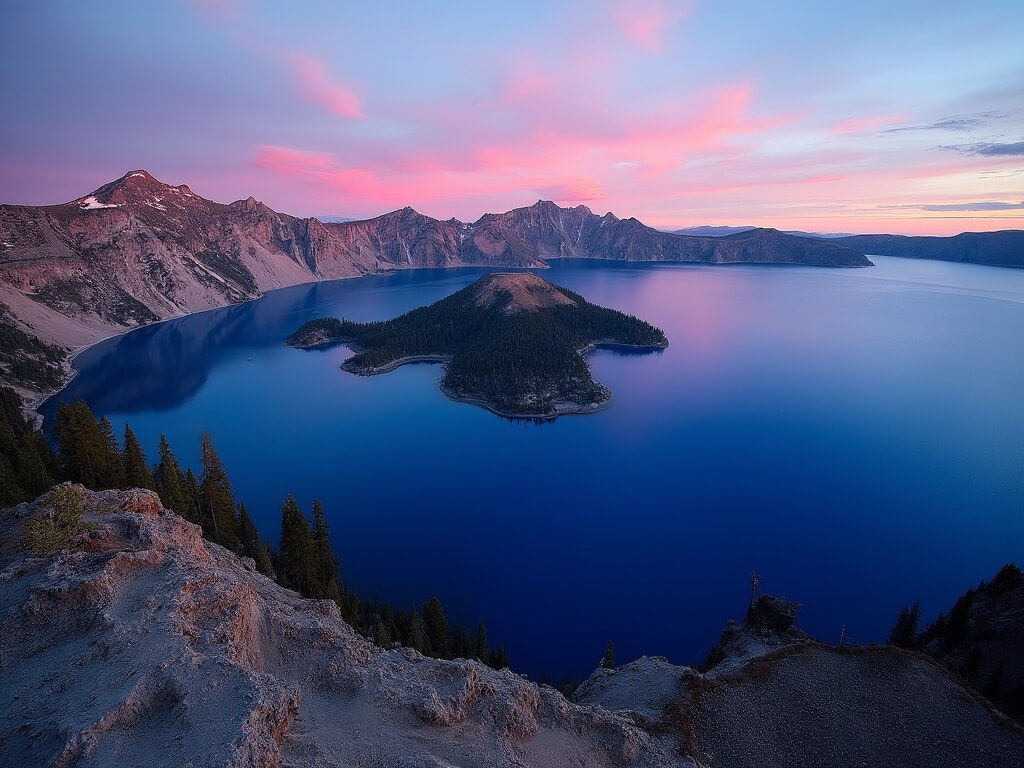
Image Credit @That Backpacker
I stood at Sinnott Memorial Overlook during my first visit, and honestly, the photographs don’t prepare you for it.
The colour shifts depending on the light, the season, and even the time of day.
At sunset, it turns colours you didn’t know existed.
This isn’t marketing speak—it’s just what happens when you combine geological history with atmospheric conditions.
The caldera itself formed when Mount Mazama erupted catastrophically 7,700 years ago.
The volcano literally collapsed inward, creating a basin.
That basin filled with water over centuries, and now you’re looking at one of the most geologically significant places in North America.
Getting There Without the Headaches
Here’s where most people stumble before they even arrive.
Crater Lake is remote by design.
The closest major city is Klamath Falls, about 60 miles away via Highway 62.
If you’re flying in, Portland International Airport is roughly 5 hours away by car.
This isn’t a weekend trip you can plan on a Thursday.
You need actual logistics.
The park has two main year-round access points:
South Entrance — Open all year, this is your reliable route.
North and East Entrances — These close seasonally due to heavy snowfall.
You’ll need your own vehicle to explore properly.
Public transport doesn’t really exist here.
If you’re bringing an RV or trailer, winter restrictions apply—check current conditions before you pack.
Summer (peak season): $30 per vehicle
Winter: $20 per vehicle
No reservation needed to enter the park itself.
Just show up, pay, and go.
But here’s the thing that catches people off guard—the park is open year-round, but that doesn’t mean everything is accessible year-round.
I made this mistake my first year.
I showed up in April, expecting to do the full Rim Drive, and found half of it still buried under snow.
The Rim Visitor Center only opens from late May through September.
The Steel Visitor Center, located near park headquarters, stays open year-round but has reduced hours in winter.
If you’re planning a spring or autumn visit, confirm conditions before you leave home.
When to Visit (And When Most People Get It Wrong)
July through September is peak season.
Weather cooperates.
All facilities operate.
The Rim Drive is completely open.
But you’ll share the experience with roughly 750,000 other people annually, and most of them arrive during these three months.
That concentration creates real problems.
Parking fills up by mid-morning.
Popular viewpoints become shoulder-to-shoulder affairs.
The ranger-led boat tours to Wizard Island require advance reservations, and they sell out fast during peak season.
Here’s the secret most guides won’t tell you directly:
If you can visit in May or October, you solve most crowding problems while keeping access reasonable.
The weather is still good.
Most facilities operate.
The park feels like yours instead of feeling like a theme park.
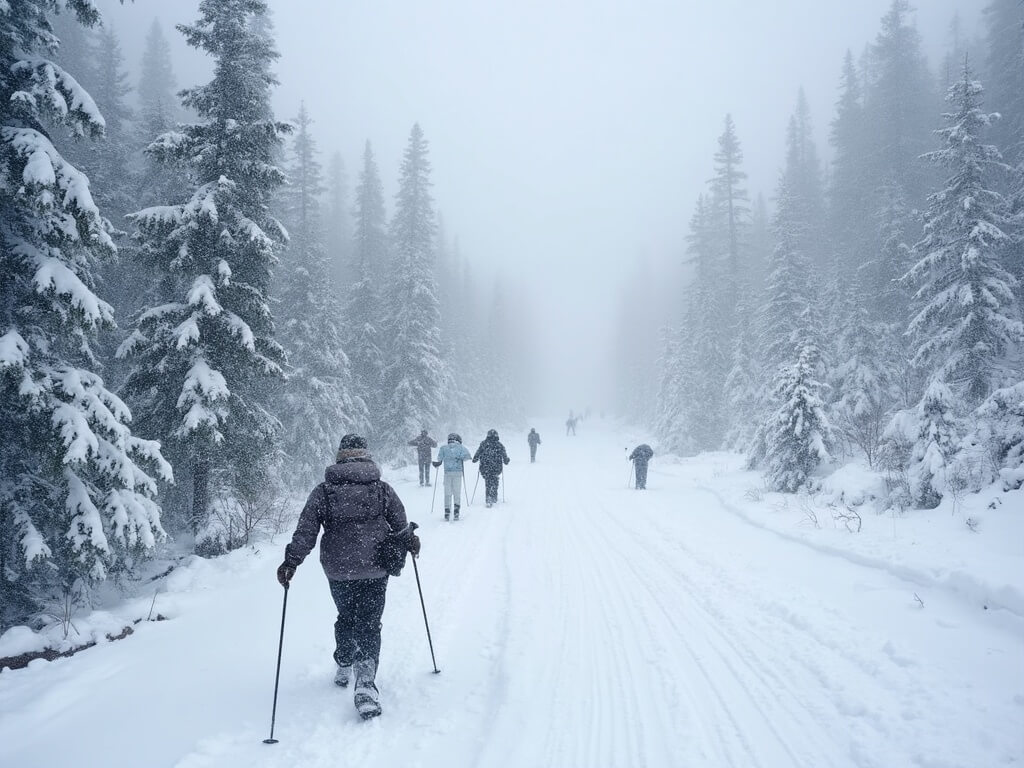
Image Credit @That Backpacker
Winter presents a completely different proposition.
Average snowfall is 43 feet annually.
Roads close unpredictably.
But if you’re into snowshoeing, cross-country skiing, or winter camping, this period transforms the park into something most people never experience.
The Rim Drive becomes a backcountry challenge rather than a scenic loop.
Ranger-led snowshoe tours operate on specific dates.
Winter camping requires permits and serious experience.
This isn’t casual visiting—it’s commitment.
But the solitude is incomparable.
Where to Stay Without Breaking the Bank (Or Sleeping in Your Car)
On-site accommodation exists but fills quickly.
Crater Lake Lodge sits right at Rim Village, offering historic cabins with lake views.
Mazama Village, located just outside the park, has more budget-friendly cabin options.
Both require booking well in advance—we’re talking months ahead during summer.
I stayed at Mazama Village two years ago and booked the previous November.
For summer visits, this isn’t optional; it’s mandatory if you want on-site lodging.
The Mazama Campground operates seasonally and fills similarly fast.
Backcountry camping requires permits and is technically available year-round, but winter camping demands serious wilderness skills.
For more flexibility and lower costs, look to Klamath Falls, roughly an hour away.
Hotels and bed-and-breakfasts dot the area and offer significantly more availability.
You sacrifice immediate park access but gain flexibility and often save money.
The Steel Visitor Center serves as park headquarters and stays open year-round.
Start here when you arrive.
The exhibits cover geology, ecology, and history—genuinely useful context before you hit the trails.
The Rim Visitor Center operates seasonally and offers more specific trail information and ranger programs.
The Activities That Actually Matter (And Which Ones Are Overrated)
Most first-time visitors make the same mistake: they think Crater Lake is just about looking at the lake from various vantage points.
It’s not.
The Rim Drive alone offers 33 miles of scenic loop with 30 distinct overlooks.
You could spend an entire day just driving, stopping, photographing, and moving on.
Some people do exactly that and consider it sufficient.
But the lake is genuinely for doing things, not just observing.
The hiking network spans roughly 90 miles across peaks, meadows, and old-growth forest.
Four trails deserve particular attention:
Watchman Peak Trail — 1.6 miles, moderate difficulty, delivers sunset views that justify the effort.
Mount Scott Trail — 4.4 miles, strenuous, reaches the highest peak and offers 360-degree views of the caldera.
Garfield Peak Trail — 3.4 miles, dramatic views without the intensity of Mount Scott.
Plaikni Falls, Pinnacles Trail, and Sun Notch Trail — These are genuinely accessible for families and less experienced hikers.
The Lake Itself: Access and Limitations
Here’s where expectations collide with reality for most visitors.
You cannot swim in Crater Lake casually.
The only water access is via the Cleetwood Cove Trail.
It’s steep, roughly 2.2 miles down, and the same distance back up.
The water temperature hovers around 38 degrees Fahrenheit, even in peak summer.
I know people who’ve swum in it.
They describe it as shocking rather than refreshing.
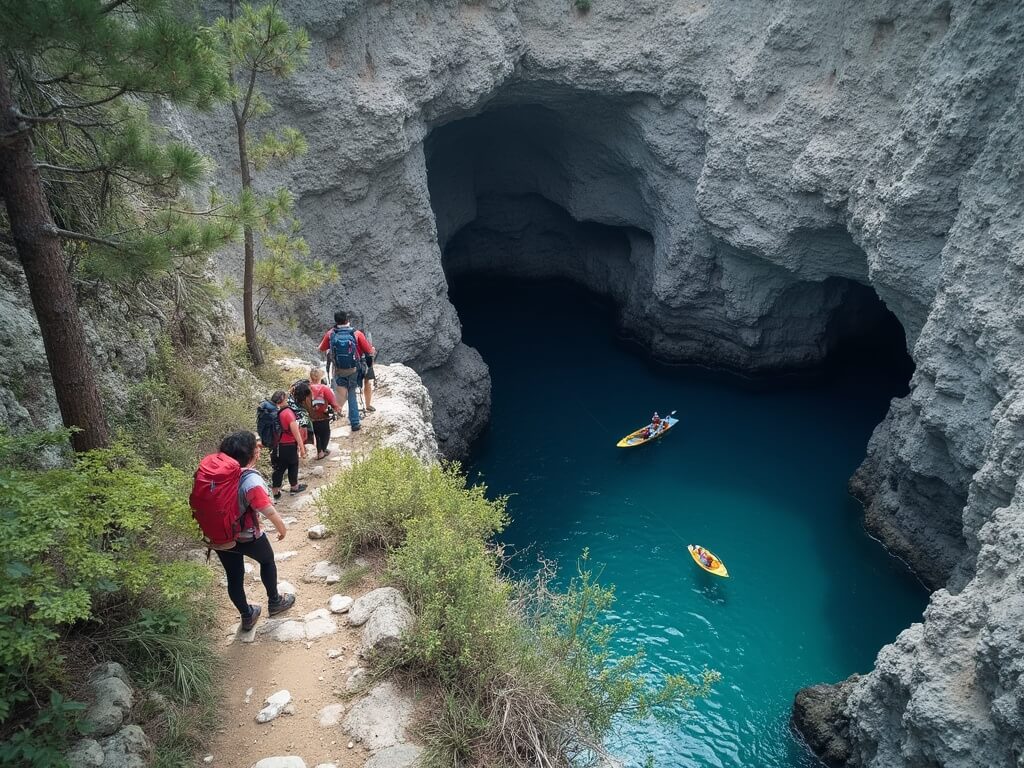
Image Credit @That Backpacker
Ranger-led boat tours actually reach the water and visit Wizard Island, a volcanic cone that rises from the lake floor.
These tours require the Cleetwood Cove Trail descent to board.
Advance reservations are essential—these fill weeks ahead during summer.
If you’re interested in boat tours, book them as soon as you book accommodation.
The tour itself takes three hours and includes time exploring Wizard Island and viewing Phantom Ship Island, the oldest exposed rock formation in the caldera.
It’s the closest most people get to genuinely experiencing the lake rather than viewing it.
Wildlife viewing happens throughout the park.
Clark’s nutcrackers, deer, and black bears inhabit the area.
Fishermen attempt to catch the park’s limited fish population, though success rates are low and regulations exist.
Honestly, fishing isn’t why people come here.
What Lies Beneath the Surface (Literally)
Crater Lake exists because of geological violence and time.
Seven thousand seven hundred years ago, Mount Mazama erupted with force that shaped the landscape fundamentally.
The mountain collapsed inward, creating a massive basin.
Over centuries, that basin filled with pure water, creating what exists today.
It’s not technically a crater—the term is a geological misnomer that stuck anyway.
It’s a caldera, which is the Spanish word for cauldron.
Understanding this distinction isn’t just semantic trivia; it explains why the place feels the way it does.
The walls around you aren’t random—they’re the remnants of a mountain that destroyed itself creating this lake.
The geological history matters because it informs everything you see.
The rock formations, the tree distribution, the way water moves through the ecosystem—all of it traces back to that eruption and the specific geology it created.
The park opened in 1902, making it the fifth national park established in the United States.
That decision reflected recognition that certain places deserve protection because they’re genuinely unique.
Tribal nations have spiritual connections to this place that predate the national park designation by thousands of years.
That context shapes how you should approach visiting.
This isn’t just a scenic destination; it’s a culturally significant place with layered meaning.
The Practicalities That Nobody Mentions Until They Matter
Accessibility exists but comes with caveats.
Several viewpoints and some trails accommodate wheelchairs with assistance.
The Cleetwood Cove Trail, the only lake access point, is emphatically not wheelchair-friendly—it’s steep, narrow, and demanding even for able-bodied visitors.
If water access is essential to your visit, plan accordingly or consider whether this park aligns with your needs.
Weather shifts rapidly at this elevation and latitude.
Summer days warm pleasantly, but nights cool significantly.
Mountain storms develop quickly and dissipate just as fast.
Winter brings the 43-foot average snowfall I mentioned earlier.
Roads become treacherous or impassable without warning.
Bring layers in any season.
Bring proper footwear always.
Crowds concentrate in predictable patterns.
Arriving before 9 a.m. means better parking availability and fewer people at popular viewpoints.
Late afternoon and evening see second waves as day-trippers arrive.
Early morning and mid-afternoon offer quieter windows if you’re flexible with timing.
Food options are genuinely limited.
The lodges and Rim Village offer basic cafeteria-style meals at tourist-level pricing.
Bring snacks, bring water, bring lunch if you’re picky about food.
Pets are allowed in campgrounds on-leash but face significant restrictions on trails and around the lake.
Check current regulations if you’re bringing animals.
The park enforces Leave No Trace principles seriously.
This isn’t a place for casual littering or shortcuts off-trail.
The ecosystem is fragile, and the park protects it actively.
Respect that or expect rangers to correct you.
Making Your Visit Count
Here’s what transforms a decent Crater Lake visit into an unforgettable one:
Arrive with specific intentions rather than vague plans.
Know which trails you want to hike.
Book boat tours in advance.
Plan your meals.
Check weather and road conditions before departing.
Give yourself time—rushing through Crater Lake means missing what actually matters.
Whether you spend one day, three days, or a full week here depends on what draws you to the place.
But whatever duration you choose, approach it with intention.
The lake itself will handle the visual impact.
Your preparation determines whether you experience something genuinely transformative or simply tick a box on your travel list.
Most visitors do the latter.
The ones who do the former tend to return.
Related Reads
The Sample Itineraries That Actually Work (Not the Tourist Traps)
I’ve watched dozens of visitors follow cookie-cutter itineraries and leave disappointed.
They spend forty-five minutes at each overlook, rush through the visitor center, and tick boxes rather than experience the place.
Here’s what actually works based on different timeframes and travel styles.
The Rushed Day Trip (6-8 hours):
Enter through the South entrance early, hit the Steel Visitor Center for thirty minutes to understand the geology, then drive directly to Sinnott Memorial Overlook for the iconic lake view.
Stop at two or three overlooks on the Rim Drive—Phantom Ship, Watchman, and Llao Rock—before taking the boat tour if you reserved it in advance.
Grab lunch at Rim Village, hike either Watchman Peak or Garfield Peak depending on energy levels, and exit before sunset when roads get congested.
You won’t see everything, but you’ll see the critical elements.
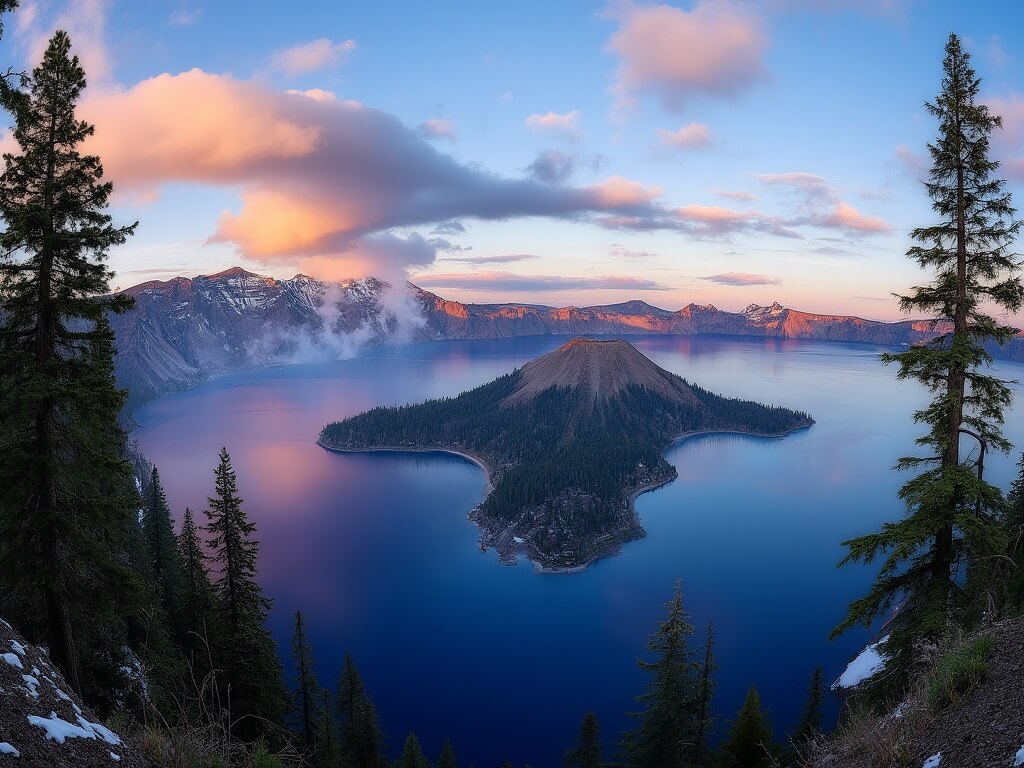
Image Credit @That Backpacker
The Proper Weekend (48 hours):
Day one: Arrive early, visit Steel Visitor Center, complete the full Rim Drive with strategic stops, finish with sunset at Watchman Peak.
Stay overnight at Mazama Village or Klamath Falls.
Day two: Hike Mount Scott in the morning, grab the midday boat tour to Wizard Island, spend early evening at different overlooks when the light shifts, and depart.
This rhythm lets you experience different moods the lake creates rather than capturing a single moment.
The Extended Stay (3+ days):
You’re now operating on the lake’s timeline rather than your travel schedule.
Day one focuses on Rim Drive and high-elevation trails.
Day two includes the boat tour, Cleetwood Cove swimming if you’re brave, and meadow exploration.
Day three handles overlooked trails like Plaikni Falls or Pinnacles, which deliver surprising beauty without the crowds.
You develop actual familiarity with the place instead of collecting photographs.
I’ve noticed something consistent: visitors who spend more than one day return with stories rather than just images.
They remember the light, the sounds, the specific moments between planned activities.
Those are the visits that stick.
The Seasonal Reality Check (Why Timing Matters More Than You Think)
Summer brings access, crowds, and perfect weather. It also brings expectation management.
If you arrive expecting solitude in July, you’re going to frustrate yourself. Peak season exists because conditions cooperate and facilities operate.
Embrace that rather than resent it.
May and October present the genuine sweet spot. Weather remains predominantly favorable. Crowds thin noticeably—I’ve visited in early October and had overlooks to myself that were completely packed the previous week in September.
The lake looks the same whether you’re surrounded by fifty people or alone with your thoughts.
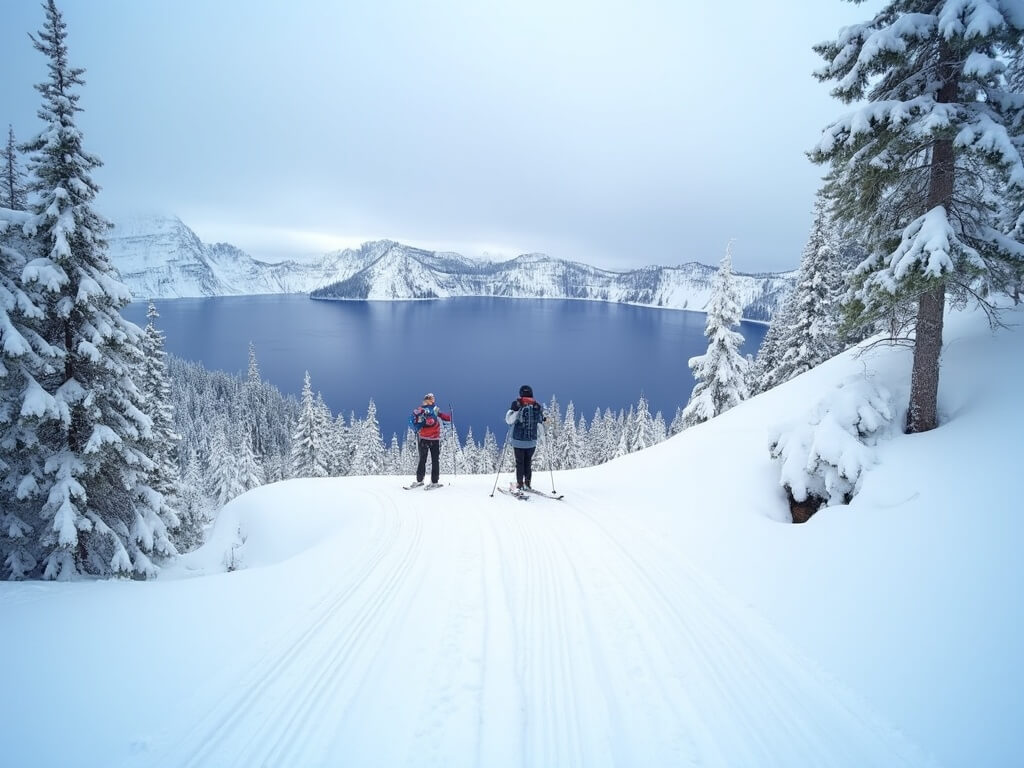
Image Credit @That Backpacker
Winter transforms the park into something genuinely different. Most visitors never experience this version because it demands actual preparation.
The Rim Drive becomes a partial route depending on snow conditions. Ranger-led snowshoe tours operate on specific dates and fill quickly.
Cross-country skiing offers a technical challenge that appeals to experienced winter athletes rather than casual tourists.
Spring (April-May) exists in a liminal space. The park is technically open, but infrastructure doesn’t fully operate. Roads partially close due to lingering snow.
Weather fluctuates wildly—I’ve experienced sunshine and snowstorms on the same day in April.
Visit in spring only if you’re comfortable with uncertainty and enjoy quieter conditions.
The Accommodation Decision That Changes Your Entire Experience
Where you sleep fundamentally shapes how you experience the park.
On-site lodging—whether Crater Lake Lodge or Mazama Village cabins—means you wake up in the park. That matters.
You catch sunrise from your cabin or viewpoint without the driving delay. You return for sunset from a different perspective than morning visitors.
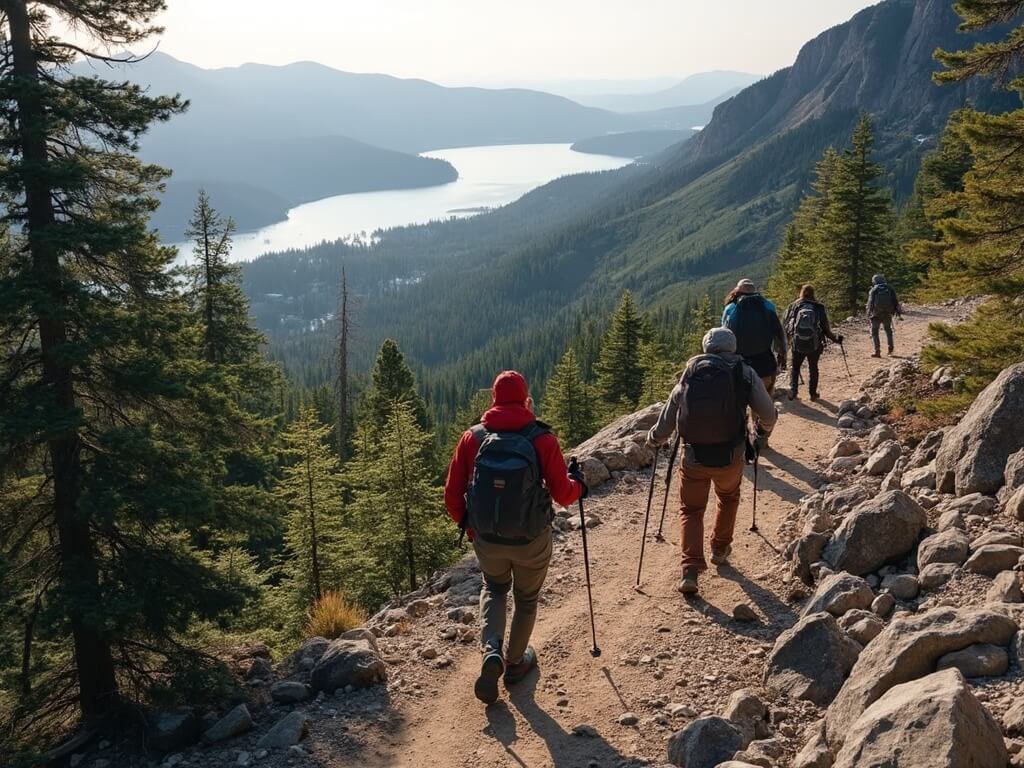
Image Credit @That Backpacker
Crater Lake Lodge books months in advance. I’m talking November reservations for July stays.
Mazama Village cabins offer more availability and lower cost while maintaining proximity.
For budget travel, Klamath Falls represents your best option with significantly lower rates.
Camping at Mazama Campground sits between these extremes. Affordable and in the park, but requires gear or rental.
Winter camping exists but demands genuine preparation. You’re not car camping; you’re winter backcountry camping.
One final note: wherever you stay, plan meals carefully. Bring your own or accept paying premium prices for cafeteria food.
For more, see the ultimate guide to Crater Lake National Park.
The Hidden Gem Trails (Where Most People Never Venture)
Plaikni Falls Trail: Stunning waterfall through old-growth forest, moderate difficulty, 5.4 miles round trip.
Pinnacles Trail: Volcanic geology exploration through pumice formations, 4 miles round trip, moderately easy.
Sun Notch Trail: Dramatic lake views, 1.4 miles round trip, manageable elevation gain.
Castle Crest Wildflower Trail: Seasonal gem. Mid-summer (July-August) wildflowers create vibrant landscapes.
Godfrey Glen Trail: Seasonal meadows, flowing water in spring, fall color in autumn. Peaceful and often empty.
These trails offer solitude and context. The hidden trails deliver understanding.
The Ecological Story (Why the Lake Looks and Functions How It Does)
Crater Lake’s blue comes from pure water and extreme depth.
No river input—only precipitation and snowmelt. That means minimal sediment and organic matter.
Light penetrates deeper, reflecting off layers rather than sediment.
This is applied physics, not marketing.
Because of purity, fish populations are limited. Regulations exist more for conservation than sport.
Surrounding ecosystems—from alpine vegetation to old-growth forests—reflect the park’s elevation and slow change.
Animal populations adapted to this niche: deer, black bears, nutcrackers.
These species coexist peacefully due to low resource competition and minimal human disruption—especially in shoulder and off seasons.
Tribal knowledge predates park designation. Respect that historical relationship.
What Visitors Actually Regret (And How to Avoid Their Mistakes)
- Not booking accommodations early—especially in summer.
- Underestimating the physical challenge—elevation and terrain are real factors.
- Not accounting for weather shifts—mountain weather is unpredictable.
- Spending too much time at crowded overlooks—be efficient and explore more.
- Skipping the boat tour—they fill quickly, book early.
- Visiting during peak season without adjusting expectations.
- Overplanning the day—build in transition time and flexibility.
Intentional planning is key. Follow your own curiosity, not just the crowds.
The Photography Angle (Because Most Visitors Want to Capture This)
Golden hour delivers the best light—sunrise and sunset. Fewer crowds, warmer tones.
Wide-angle vs. telephoto: use both to capture scale and detail.
Weather adds photography drama. Don’t fear clouds or mist.
Put the camera down regularly. Experience first. Document second.
The Real Cost Breakdown (What Crater Lake Actually Costs)
- Entry Fee: $30 summer, $20 winter
- Gas: $10–$60 depending on origin
- Accommodation: $80–$250+ nightly
- Food: $30–$100 daily
- Activities: Boat tour ~$60; other programs free or minimal cost
Plan strategically. Longer stays improve experience-to-cost ratio.
The Practical Logistics (So You Don’t Show Up Unprepared)
- Hiking boots, not sneakers
- 2–3 liters of water minimum
- Layered clothing
- Sunscreen and bug spray
- Check road conditions before departure
- Bring cash and snacks
- Offline maps and location of restrooms
These details make or break your comfort and safety.
The Conservation Conversation (Why Leaving No Trace Actually Matters Here)
The ecosystem is fragile despite its dramatic appearance.
Leave No Trace principles help preserve water purity, flora, and fauna.
Respect tribal heritage and natural constraints.
Every action—positive or negative—scales across 750,000+ annual visitors.
The Wildlife Angle (What You Might Actually See, And What’s Dangerous)
Black bears are present but non-aggressive. Deer are common. Nutcrackers dominate the soundscape.
Don’t feed wildlife. Respect distance. Most encounters are peaceful with proper behavior.
Observation, not interaction, is the ideal.
The Accessibility Reality (What Actually Works And What Doesn’t)
Accessibility exists, but unevenly.
- Several overlooks are wheelchair-friendly
- Some trails accessible—verify with visitor center
- Cleetwood Cove is not accessible
- Rim Drive offers car-friendly scenic stops
- Accessible accommodations available with advance notice
Plan around your needs. Most of the park remains visually accessible from vehicle stops.
Why People Return (And Why You Might Too)
Visual beauty draws first-time visitors. Experience brings people back.
Repeat visits reveal new seasons, trails, moods, and perspectives.
Shift from casual tourism to relationship with place.
The Decision Point (Is Crater Lake Worth Your Time and Money?)
Visit if: you’re passionate about geology, hiking, and deep engagement.
Skip if: you’re seeking casual or spontaneous travel with minimal effort.
It’s not for everyone. But if you’re still reading, it’s probably for you.
The Final Perspective (What Most People Miss)
Crater Lake is about time—geological time, ecological time, seasonal time.
Shift your mindset from clock time to place time.
Slow down. Observe. Let the place teach you rather than rushing to capture it.
Making Your Decision Now
If you’re leaning toward visiting, begin with planning your visit.
- Book early
- Check trails
- Pack right
- Prepare intentionally
Experience the place. Don’t just visit it.
More Adventure Inspiration
- Hike to Delicate Arch in Arches National Park
- Explore White Sands National Park
- Walk the Beaches of the Oregon Coast
- Drive the Hana Highway in Maui
- Ride the Great Smoky Mountains Alpine Coaster