Image Credit @Travel O Cafe
You’ve probably heard the stories about Big Bend.
The ones where people drive eight hours into the desert, see more stars than they knew existed, and come back changed somehow.
But here’s what most people don’t tell you: getting there isn’t just about showing up.
Big Bend camping requires strategy, timing, and honest knowledge about what you’re walking into.
I learned this the hard way three years ago when I drove out without a reservation, convinced I’d “figure it out.”
Spoiler: I didn’t, and I ended up sleeping in my car fifteen miles outside the park boundary.
This guide is designed so you won’t make that mistake.
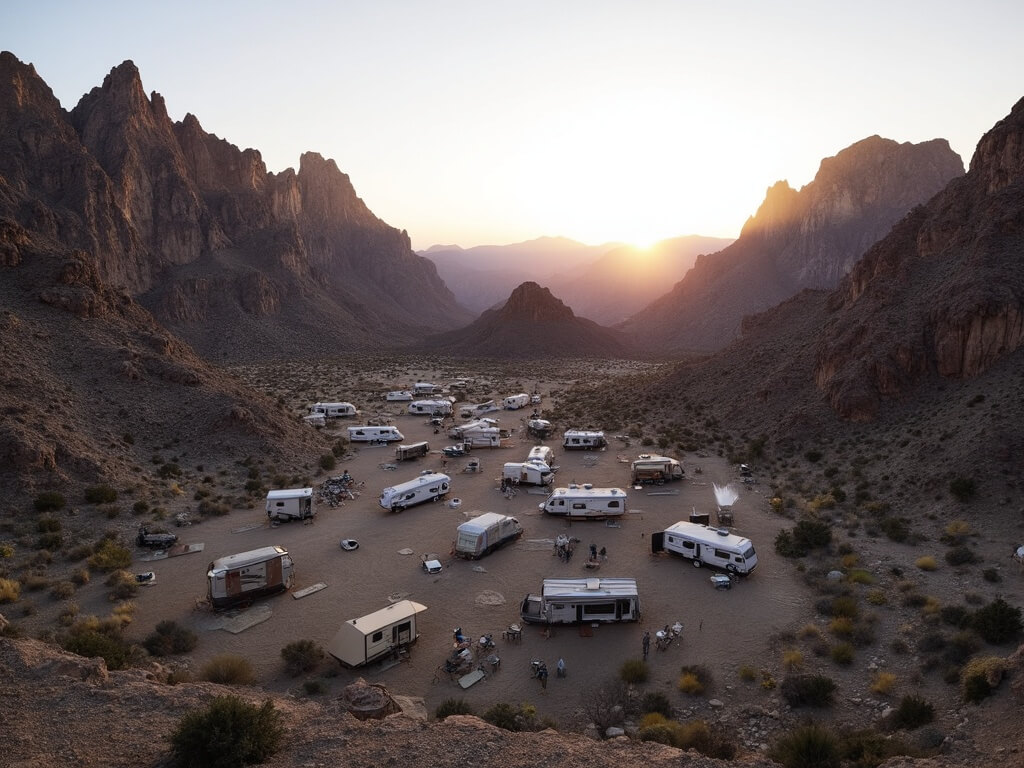
Image Credit @Travel O Cafe
Big Bend National Park: Where 800,000 Acres of Raw Texas Desert Actually Change People
Big Bend National Park sits in southwest Texas, nestled against the Mexican border where the Rio Grande carves through some of the most unforgiving landscape in North America.
We’re talking about over 800,000 acres of desert, mountains, river canyons, and wilderness that feels genuinely removed from the rest of the world.
The park’s geography is split into three main regions:
The Chisos Mountains – Higher elevation, cooler temperatures, dramatic peaks that rise suddenly from the desert floor.
The Desert Flats – Open, endless scrubland with stunning vistas and brutal sun exposure.
The Rio Grande – The river corridor offering water access, canyon hikes, and views into Mexico.
What makes Big Bend genuinely special isn’t just the scenery though.
It’s the silence.
The darkness.
The complete absence of cell service in most areas.
The park sits far enough from any major city that light pollution barely registers, making it one of the best stargazing destinations in the continental United States.
On a clear night in Big Bend, you can see the Milky Way so clearly it casts actual shadows.
That’s not hyperbole—that’s just what happens when you’re genuinely in the middle of nowhere.
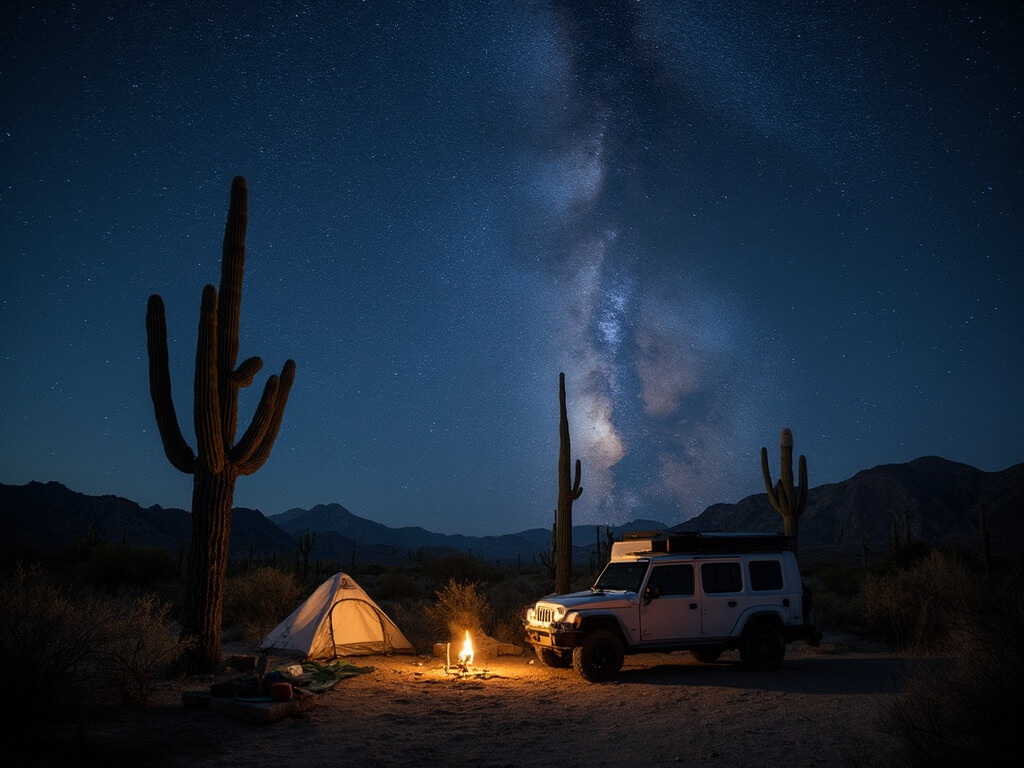
Image Credit @Travel O Cafe
Why People Actually Camp at Big Bend (And Why Peak Season Fills Up Six Months in Advance)
Here’s the brutal truth: Big Bend isn’t for everyone, and that’s exactly why people love it.
The park attracts a specific type of traveller.
People who want solitude over convenience.
Hikers who measure distances in miles and elevation gain rather than Instagram photo opportunities.
Stargazers and photographers chasing the kind of darkness you genuinely cannot find within two hours of any population centre.
Visitation has grown significantly over the past decade, particularly during peak season from November through April.
That period—late autumn through early spring—offers the ideal combination of mild weather and manageable temperatures.
Summer temperatures regularly hit 110°F (43°C) or higher, making hiking genuinely dangerous and camping thoroughly miserable.
Winter can drop below freezing at elevation, but it’s manageable with proper gear.
The busiest periods tend to be spring and summer school holidays, Thanksgiving, and Christmas weeks.
If you’re planning a trip during those windows without a reservation locked in four to six months ahead, you’re essentially planning to be disappointed.
The park’s remote location means it doesn’t draw the casual day-trippers who might visit other national parks.
Most people who come to Big Bend commit to staying multiple nights, which increases demand on the limited campground spaces available.
The math is straightforward: 800,000 acres sounds massive until you realise there are only about 300 developed campground sites across the entire park.
That’s roughly one site per 2,600 acres.
The Three Campground Styles: Which One Actually Fits Your Trip
Not all Big Bend camping is the same, and choosing the wrong option can genuinely ruin your experience.
The park offers three distinct camping categories, and understanding the differences between them is non-negotiable for trip planning.
Developed Campgrounds: Actual Amenities in the Middle of Nowhere
The National Park Service operates three developed campgrounds, each with its own personality and trade-offs.
Chisos Basin Campground sits high in the mountains at about 5,400 feet elevation.
This is where you go if you want cooler temperatures, dramatic scenery, and don’t mind tight confines.
The campground enforces a 24-foot maximum for RVs and trailers, which immediately eliminates the massive Class A motorhomes you see rolling around other parks.
The sites are squeezed between Chisos peaks, and in exchange for that spectacular setting, you get pit toilets and water spigots, but no shower facilities on-site.
I’ve stayed here twice, and honestly, the cold mountain air and pre-dawn silence make the lack of showers feel like a fair trade.
The trade-off? Limited availability year-round and higher demand during peak season.
Rio Grande Village Campground is the park’s largest option, with about 100 developed sites spread across a slightly lower elevation near the river.
This campground accommodates everything from tent campers to RVs up to 40 feet.
It’s the most “developed” in the traditional sense—coin-operated showers, flush toilets, potable water, and a dump station for RVs.
If you’re bringing a full-size motorhome or simply prefer shower facilities after a dusty day of hiking, this is your spot.
The trade-off is that it can feel crowded during peak season, and you’ll lose some of that wilderness isolation.
Cottonwood Campground occupies a middle ground between the other two.
Located closer to Santa Elena Canyon in the western section of the park, Cottonwood offers thirteen shaded sites under actual cottonwood trees—a rarity in the Big Bend desert.
It’s quieter than Rio Grande Village, less elevation-challenged than Chisos Basin, and genuinely pleasant for tent camping.
The sites have pit toilets and potable water, but no shower facilities or dump station.
Think of it as the “Goldilocks” option for many people: not too developed, not too primitive, genuinely scenic.
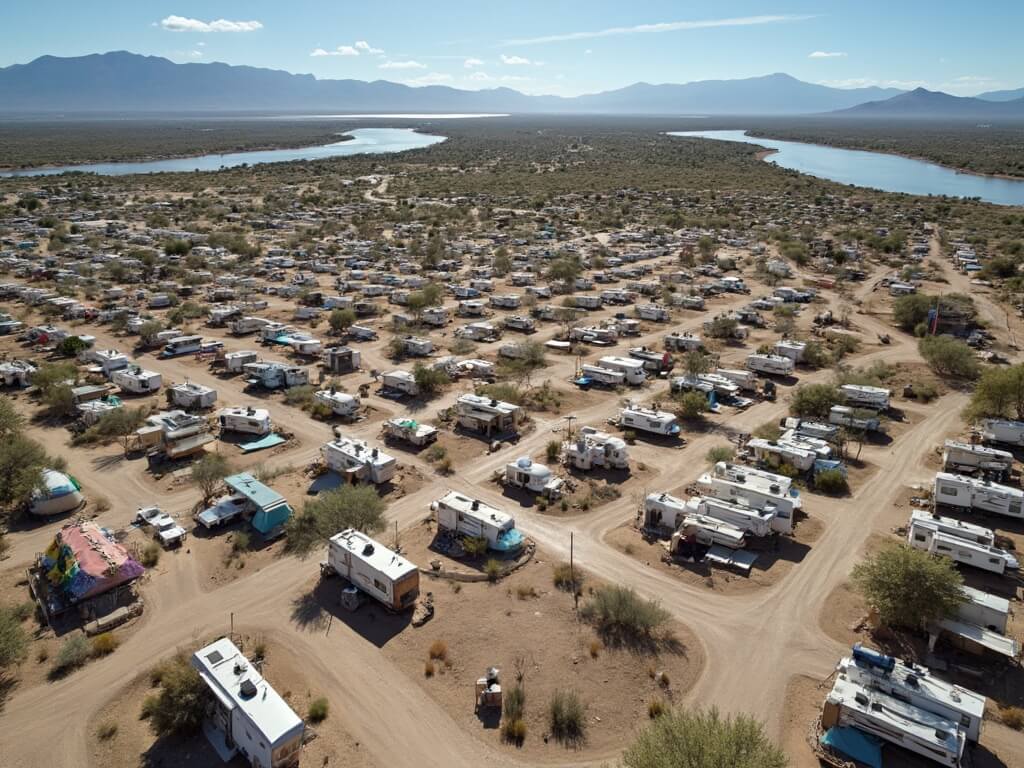
Image Credit @Travel O Cafe
Here’s the critical piece: all developed campground reservations must be made through Recreation.gov, and walk-in availability is essentially non-existent.
The park eliminated first-come, first-served camping years ago due to overwhelming demand.
You must reserve online, and during peak season, spots disappear within minutes of becoming available—sometimes literally within hours of the 180-day advance booking window opening.
Backcountry and Primitive Campsites: Where Real Solitude Lives
Beyond the developed campgrounds, Big Bend offers primitive camping options for people willing to trade amenities for genuine wilderness experience.
These come in two varieties: primitive roadside sites and backcountry backpacking sites.
Primitive roadside campsites are essentially pull-offs along rough park roads where you can park a rugged vehicle and set up camp.
These sites require permits, are bookable online like developed sites, but operate on a different reservation system.
They’re scattered across the park in locations that require high-clearance vehicles to access.
Group size limits typically cap at five people per site, and you’re responsible for bringing everything: water, food, shelter, first aid.
No fire rings, no water spigots, no fellow campers nearby.
This is backcountry in the truest sense, just with vehicle access.
Backcountry backpacking sites in the Chisos Mountains and designated wilderness areas require backcountry permits obtained through the park’s online system.
You can book up to 180 days in advance, and the process is straightforward but strict.
The park enforces group size limits (typically no more than eight people), limits your stay to a set number of nights, and requires you to camp at designated sites only.
No dispersed camping anywhere you fancy.
No boondocking in random locations.
The park has learned hard lessons about environmental impact from unrestricted camping, so every rule exists for a reason.
I’ve done backcountry camping in the Chisos, and the hiking distance required (usually two to six miles depending on your destination) ensures that noise levels stay low and you genuinely feel alone in a way that rarely happens anymore.
The permit system is honest about capacity, which means some sites fill up months ahead, but unlike developed campgrounds, there’s more flexibility—most backcountry sites have lower demand than the three main developed campgrounds.
What You’re Actually Getting (And What You’re Not): Amenities Explained Plainly
Let’s be direct about facilities.
Big Bend isn’t Yellowstone with its visitor centres and paved everything.
You need realistic expectations about what you’ll find.
At developed campgrounds, you get:
- Potable water spigots at or near campsites
- Toilet facilities (flush toilets at Rio Grande Village; pit toilets at Chisos Basin and Cottonwood)
- Coin-operated showers at Rio Grande Village only
- Trash collection services
- Fire rings or grills at designated sites
- Parking pads (usually paved or hardpack)
At primitive roadside sites, you get:
- A cleared pull-off for your vehicle
- Potentially a fire ring or rock circle for reference
- That’s it, essentially
What you won’t find anywhere:
- Cell service (spotty at best in Rio Grande Village, non-existent elsewhere)
- WiFi
- Power hookups (not even at Rio Grande Village)
- Laundry facilities
- Camp stores
- Restaurants within the park (except Chisos Mountains Lodge, covered separately)
- Firewood (you must bring your own or use deadfall according to regulations)
Reservation Reality: How to Actually Get a Spot When Everything Says “Full”
This is where most people fail.
The reservation situation at Big Bend is genuinely competitive, and understanding the system mechanics separates successful bookers from disappointed ones.
Recreation.gov opens reservations 180 days in advance.
Mark your calendar for exactly that date if you’re targeting peak season.
For November through March camping, that means booking windows open on dates like:
- May 1st for November arrivals
- June 1st for December arrivals
- July 1st for January arrivals
- August 1st for February arrivals
- September 1st for March arrivals
Popular dates—particularly Thanksgiving week, Christmas week, and spring break windows—vanish completely on the first day.
Not within an hour.
Not within minutes.
Sometimes within ten to fifteen minutes of that 10am ET opening time.
You need to be logged into Recreation.gov, have your dates and campground preferences ready, and be clicking at exactly 10am EST when the system updates.
Waiting until 10:02am means everything is gone.
This isn’t conjecture; this is lived experience from myself and thousands of other campers.
The primitive roadside sites and backcountry permits have slightly lower demand, so if developed campgrounds are fully booked, these alternatives sometimes still have availability even relatively close to your travel dates.
But understand the trade-off: you’re sacrificing amenities and proximity to park infrastructure.
Regulations That Actually Matter: Rules Exist Because People Broke Them
Big Bend has strict regulations, and they’re worth understanding before you arrive because violations result in fines or removal.
Quiet hours typically run from 10pm to 6am.
The park takes this seriously in developed campgrounds.
Ground fires are prohibited everywhere in Big Bend.
Use provided fire rings only, and only in designated areas.
Even collecting deadfall for fires is restricted in some zones.
Check your specific campground rules when you receive your confirmation.
Stay limits vary by site type:
- Developed campgrounds: typically fourteen nights maximum during peak season, thirty nights during off-season
- Backcountry: usually three nights at individual sites
- Primitive roadside: typically two to three nights
Wildlife regulations are non-negotiable.
Store all food, toiletries, and scented items in your vehicle or bear-resistant containers.
Leave No Trace principles apply rigorously; pack out everything you pack in, including trash that isn’t technically yours.
The park’s regulatory strictness exists because damage happens fast in desert and mountain environments where recovery takes years or decades.
Understand that when you camp at Big Bend, you’re entering an ecosystem that’s genuinely fragile, and the rules reflect that reality.
From here, understanding the specific campground options and booking logistics becomes your immediate focus if you’re serious about making this trip happen.
Want more inspiration for the outdoor life? Check out our guide on how to hike to Delicate Arch in Arches National Park or experience coastal beauty with a lighthouse tour in Maine.
Big Bend Ranch State Park: The Overlooked Alternative That Might Actually Be Better for Your Trip
Most people don’t realize Big Bend National Park isn’t the only camping option in the region.
Immediately adjacent sits Big Bend Ranch State Park, a 300,000-acre property that operates under completely different rules and often has availability when the national park is completely booked.
This is where I learned a hard lesson about assumption.
Two years ago, I drove to Big Bend in March expecting to snag a last-minute national park spot and ended up discovering the ranch instead.
Best mistake I’ve made.
The state park operates three categories of campsites: drive-in sites accessible by vehicle, hike-in sites requiring backpacking effort, and riverside primitive sites directly along the Rio Grande.
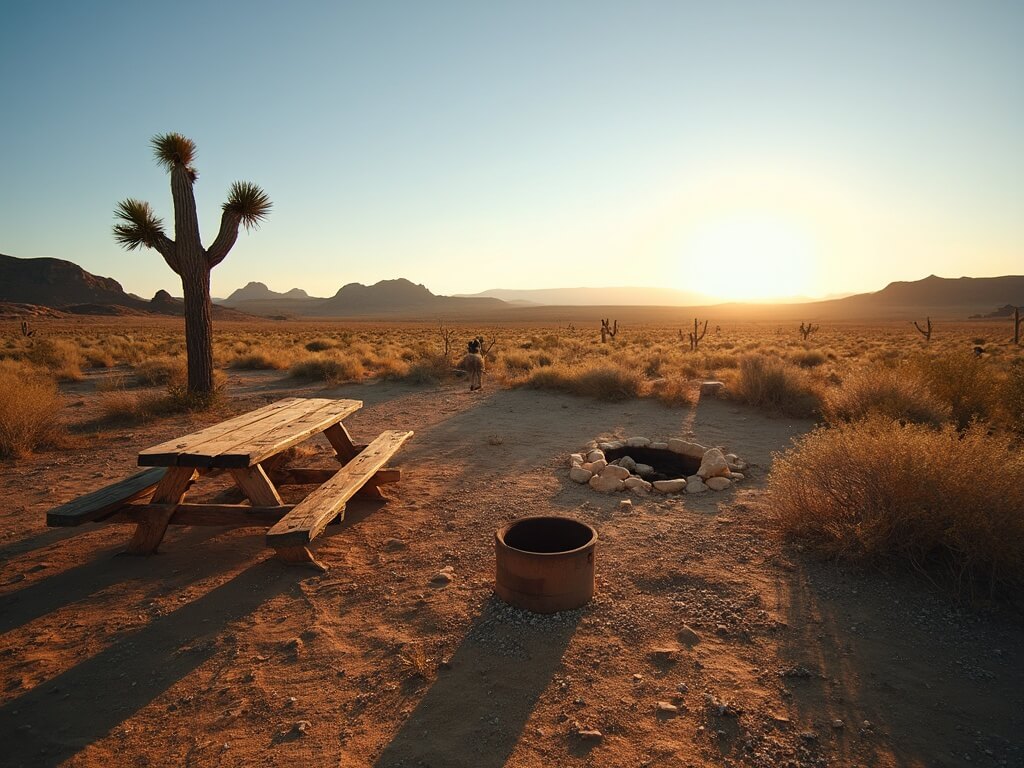
Image Credit @Travel O Cafe
Unlike the national park’s strict online reservation system, Big Bend Ranch State Park uses a different booking process that varies by district.
Some areas allow reservations through the Texas Parks and Wildlife website; others operate on a first-come, first-served basis during certain seasons.
This flexibility actually creates opportunity—while national park campgrounds are fully booked four months ahead, the ranch sometimes has space available with just weeks’ notice.
The trade-off is authenticity of remoteness.
At drive-in sites, you get:
- A cleared area for your vehicle
- A picnic table
- A fire ring
- Basic parking space
That’s genuinely it.
No water spigots, no toilet facilities, no amenities whatsoever.
If you want water, you bring it yourself or draw it from the Rio Grande with purification equipment.
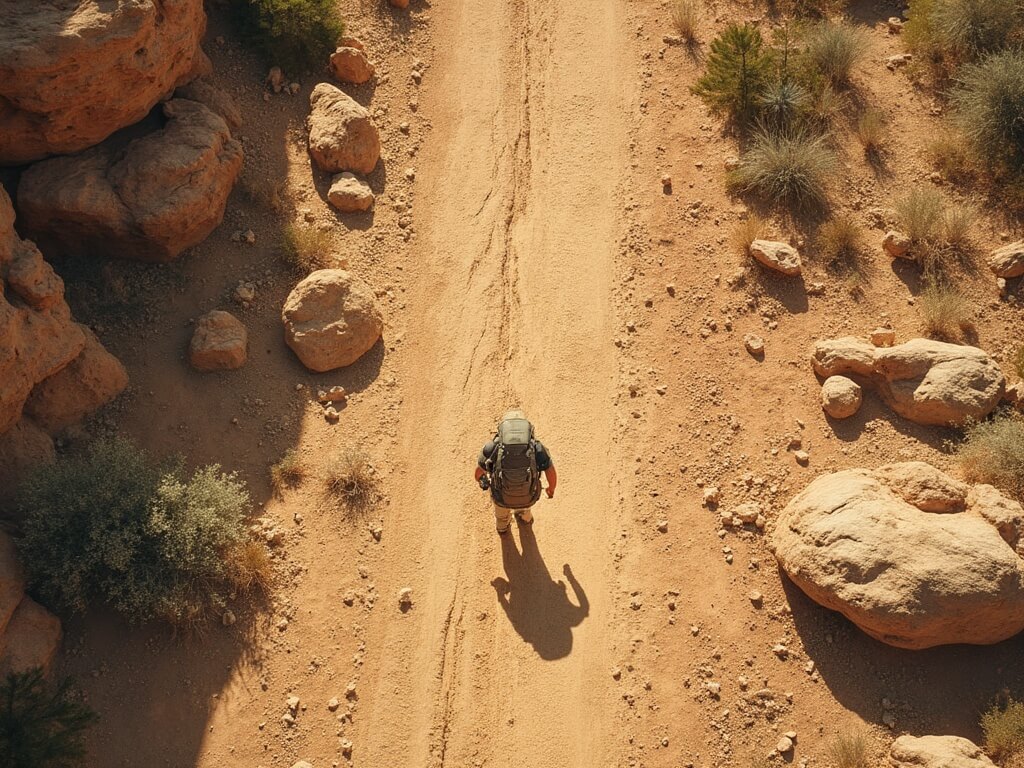
Image Credit @Travel O Cafe
The ranch’s philosophy is that if you want to camp in a 300,000-acre wilderness area, you should expect actual wilderness conditions.
Hike-in sites follow the same minimal philosophy with the added requirement of hiking anywhere from one to eight miles carrying all your supplies.
These sites exist in genuinely remote locations where the only sounds are wind, occasional wildlife, and absolutely nothing else.
The first night I camped at a hike-in site in Big Bend Ranch, I woke up at 3am genuinely disoriented by the silence.
I’m not exaggerating—the absence of sound was so complete it felt almost wrong.
That’s the experience the ranch provides: complete isolation in a way most people haven’t actually experienced.
One critical limitation worth understanding: the ranch’s interior access is temporarily closed during public hunting seasons, typically November through early January in various districts.
If you’re planning a winter trip, verify hunting dates before booking because entire sections become inaccessible.
The ranch also requires high-clearance vehicles for many locations—unimproved roads mean you’re potentially navigating rough terrain.
Standard sedans or low-clearance vehicles will struggle or get stuck.
If you show up in a Honda Civic expecting to access backcountry sites, you’re going to have a very frustrating day.
The upside of Big Bend Ranch State Park is exactly the downside of Big Bend National Park: capacity and flexibility.
When the national park is completely booked, the ranch frequently has availability.
When you want genuine solitude without waiting six months for reservations, the ranch delivers.
When you’re willing to accept minimal amenities for maximum wilderness, it’s genuinely superior.
What to Actually Pack: The Difference Between a Great Trip and a Miserable One Comes Down to Gear
Here’s where most first-time Big Bend campers get it wrong.
They pack like they’re going to a car camping trip in Colorado, and they arrive to discover that Big Bend operates under completely different environmental rules.
The desert doesn’t care about your assumptions.
Essential items that aren’t negotiable:
- Water—minimum one gallon per person daily, ideally two
- Sun protection: hat, sunscreen, sunglasses
- Navigation tools: detailed maps, compass, GPS device
- First aid kit with blister care and medications
- Headlamp or flashlight
- Shade source: canopy or tent
- Fire starting and extinguishing materials
- Emergency communication device (satellite messenger or PLB)
Season-specific gear considerations:
Winter (Nov–Feb): Bring cold-weather gear, 20°F sleeping bag, insulated ground pad, and warm layers.
Summer (May–Sept): Wear wide-brimmed hats, reapply SPF sunscreen constantly, and hike early in the day.
Specific Big Bend considerations:
- Collapsible water containers
- Dust mask or bandana
- Extra coolant, spare tire, jack
- Printed or saved digital permits
- Portable camp stove and fuel
The most common mistake: arriving with inadequate water. Always carry more than you think you’ll need.
The Safety Reality: What Actually Kills People at Big Bend (And What’s Totally Fine)
Heat is the actual killer.
Most rescues are due to heat exhaustion in the summer months. Don’t underestimate the desert sun.
Wildlife encounters are rare and overrated in danger.
- Snakes avoid humans
- Bears are shy
- Mountain lions are elusive
- Javelinas generally flee
Use proper food storage and you’ll avoid most wildlife issues.
Other real dangers:
- Illegal river crossings—stay on the U.S. side
- Untreated Rio Grande water—purify before drinking
- Flash floods—leave canyon areas when storms threaten
- Night hiking without light—disorientation can occur rapidly
Prepared campers stay safe. Ignoring clear warnings results in danger.
Booking Strategy: The Tactical Approach to Getting the Campsite You Actually Want
- Pick your exact dates
- Know the campground that fits your activity
- Log into Recreation.gov at 9:55am EST on your 180-day window
- Have backup dates and campground options
- Look at primitive roadside campsites or Big Bend Ranch State Park options if booked out
- Set reminders to avoid missing the booking window
Camping in the off-season (July–September) offers easier access, albeit with extreme heat.
Hidden Expenses and Budget Reality: What Big Bend Actually Costs Beyond Site Fees
- Campground fees: $10–30 per night depending on type
- Park entry: $30 per vehicle or $55 annual pass
- Travel: $75–150 fuel; $400–600 rental if flying
- Food & supplies: $60–80 minimum
- Camping gear: $200–500 for new campers
Realistic 3-night trip budget: $250–400 per person
The Chisos Mountains Lodge: When You Want Camping’s Scenery Without Camping’s Discomfort
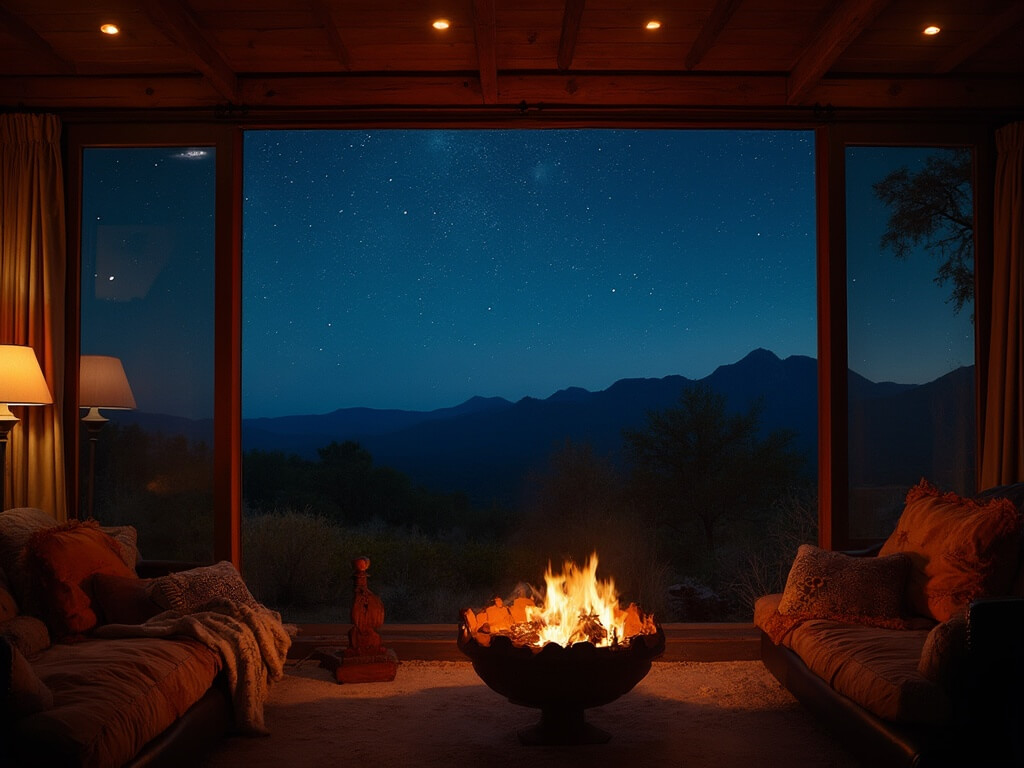
Image Credit @Travel O Cafe
The Chisos Mountains Lodge offers an alternative for those not keen on tents:
- Rates: $100–150/night
- Includes on-site restaurant and gift shop
- Perfect for hiking access without campsite logistics
Choose based on your preferences; both have value.
Local Outfitters and Guided Experiences: When You Want Expertise Without DIY Uncertainty
Local operators in Terlingua and Study Butte offer:
- Guided hikes and river floats
- Horseback tours
- Shuttle services to trailheads
Expect $75–150 for half-days, $150–250 for full-day experiences. Great for first-time visitors seeking expert support.
The Best Time to Actually Go: When Big Bend Stops Being Hostile and Starts Being Magical
Best season: November through March
- Comfortable temps and manageable water needs
- Wildflowers bloom in February–March
- Spring break = crowd surge; avoid if possible
June–September = extreme heat. Only for hardcore desert campers.
Common Mistakes That Ruin Big Bend Trips (So You Don’t Have to Make Them)
- Underestimating water needs
- Assuming cell service exists
- Booking wrong season for your goals
- Not packing proper layers
- Attempting hard hikes without acclimation
- Expecting abundant food supply
- Waiting too long to reserve
- Ignoring permit requirements
Planning ahead prevents all of these.
The Future of Big Bend Camping: What’s Changing and Why It Matters for Your Planning
With visitation increasing, expect:
- Online-only reservations to expand
- Growth in primitive site offerings
- Stricter Leave No Trace enforcement
- New digital permit systems
Spontaneous camping is slowly disappearing. Get in the habit of planning 6+ months out now.
Your Actual Next Step: Making This Happen Instead of Just Reading About It
- Pick exact dates
- Calculate your 180-day booking window
- Set reminders
- Research the right campground
- Gather or buy your gear
- Block dates and commit
- Book your site
Big Bend offers transformational wilderness experiences—but only if you go.
Start with camping at Big Bend National Park or explore permits and reservation options today.
Related Guides You Might Enjoy
- Rustic Backyard Ideas
- Backyard Fire Pit Concepts
- Fire Pit Ideas for Outdoor Spaces
- Backyard Decor and Furnishing Tips
- Backyard Patio Designs