Image Credit @The Aussie Nomad
You’re probably wondering if a rodeo is actually worth your time.
Maybe you’ve never been to one.
Maybe you think it’s just about cowboys on horses, and that’s all there is to it.
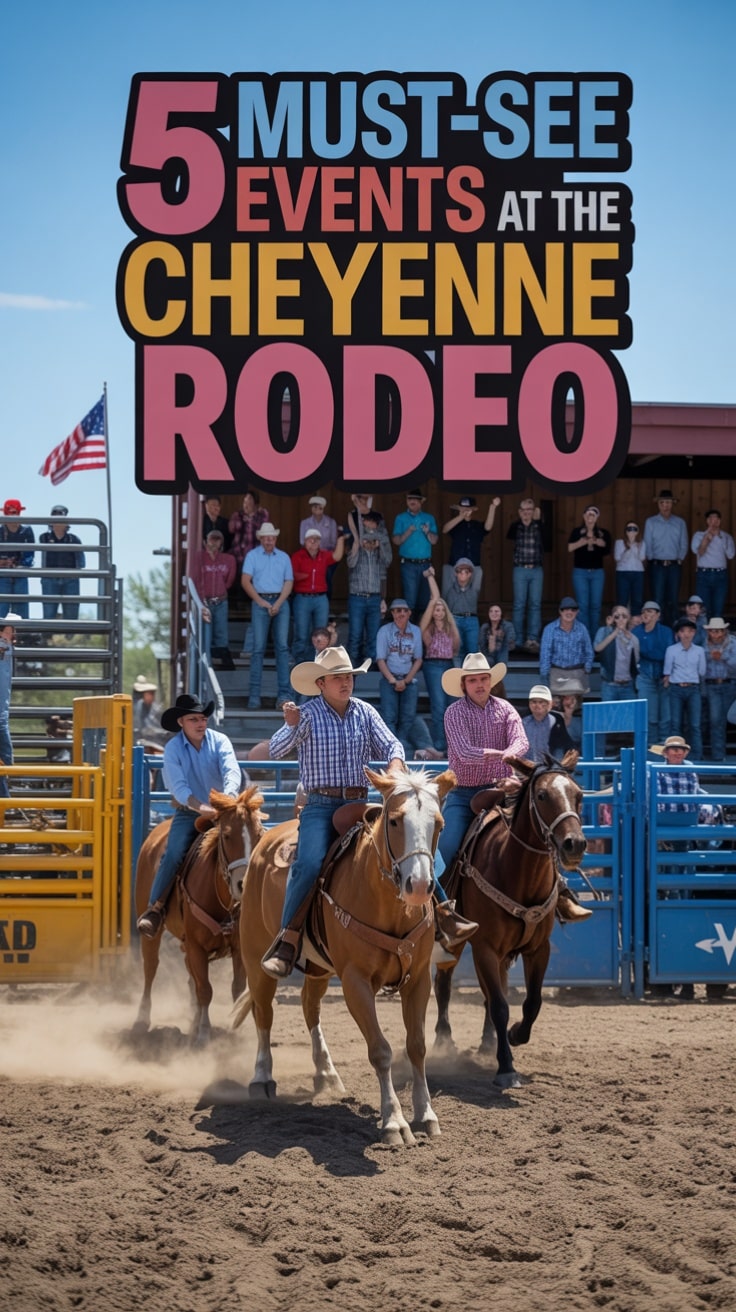
The truth is, a rodeo in Cheyenne, Wyoming is so much more than that—and I’m going to show you why thousands of people travel from across the globe every single year to experience it.
Cheyenne Is the Rodeo Capital of the World (And It’s Not Even Close)
When people say Cheyenne is the “Rodeo Capital of the World,” they’re not exaggerating.
This city doesn’t just host a rodeo.
It hosts the rodeo.
The one that sets the standard.
The one that makes every other rodeo wish it had the same prestige.
Cheyenne’s rodeo heritage runs deep—we’re talking over a century of tradition baked into the DNA of this city.
Rodeos here aren’t just entertainment events tacked onto a summer calendar.
They’re the lifeblood of Western culture, a living, breathing connection to the era of actual cowboys, frontier settlers, and the untamed spirit that built America’s West.
When locals talk about their rodeos, you can hear the pride in their voice.
It’s not performative.
It’s genuine.
These events celebrate cowboy heritage in a way that feels authentic, not manufactured for Instagram.
And that matters more than you might think.
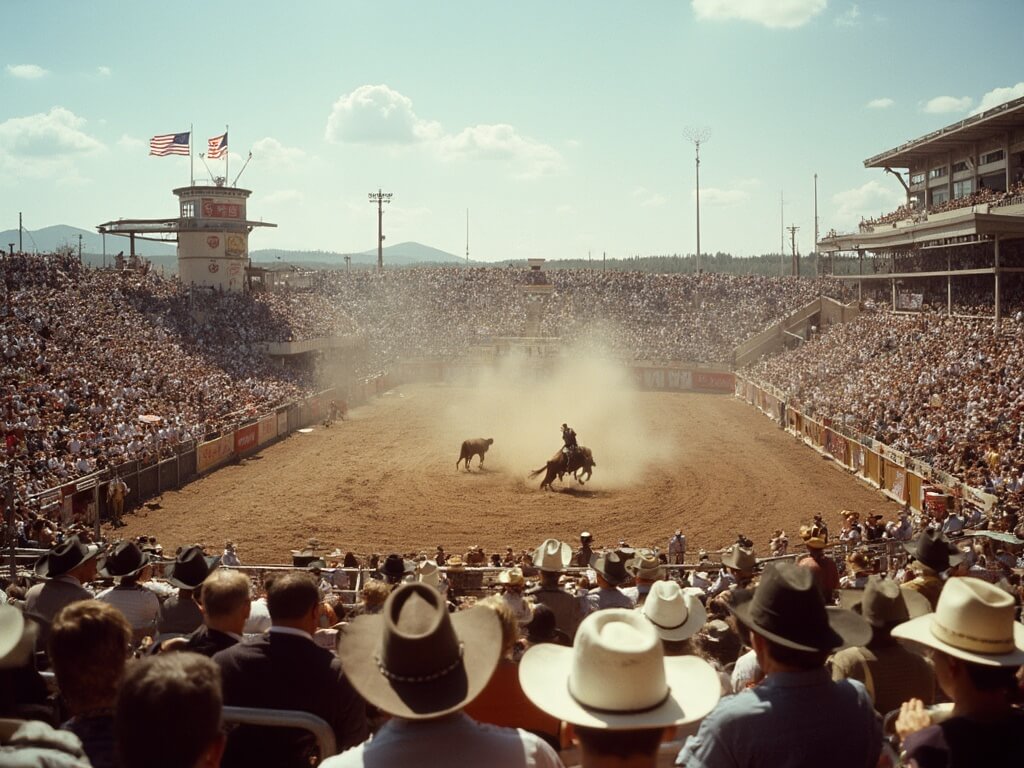
Image Credit @The Aussie Nomad
The Difference Between What You See on TV and What Actually Happens
I attended my first Cheyenne rodeo five years ago, and I made a rookie mistake.
I assumed I knew what to expect.
I’d watched rodeo coverage on television before—brief clips of bulls bucking and crowds cheering.
What I walked into was completely different.
The energy is almost electric.
When you’re sitting in the stands at Frontier Park and the announcer’s voice booms across the arena, when you feel the ground shake beneath the hooves of a 2,000-pound bull, when you see barrel racers navigate impossible turns at breakneck speed—television doesn’t capture any of that.
The visceral nature of the sport hits you differently when you’re there in person.
You’re not just watching athletes perform.
You’re watching people push themselves to their absolute limits in front of thousands.
The risk is real.
The skill is undeniable.
And the respect these competitors deserve becomes crystal clear the moment you witness it firsthand.
That experience changed how I understood rodeos entirely.
Enter Cheyenne Frontier Days: The “Daddy of ‘Em All”
Every year, Cheyenne hosts the Cheyenne Frontier Days (CFD)—the world’s largest outdoor rodeo and Western celebration.
This isn’t hyperbole.
It’s official status.
Since 1897, CFD has been running strong, and 2025 marks the 129th anniversary (July 18–27).
Think about that for a second.
This event has survived wars, economic downturns, and global pandemics.
That longevity tells you something about its importance to Western culture.
The numbers alone are staggering:
- Attendance: Thousands upon thousands of visitors descend on Cheyenne each July.
- Rodeo crowds: Up to 15,500 people pack the arena for each performance.
- Concert crowds: Frontier Nights concerts draw up to 25,000 attendees.
- Economic impact: The event pumps millions directly into Cheyenne’s hospitality, restaurants, hotels, and local businesses.
This isn’t just a rodeo.
It’s an economic engine.
But more importantly, it’s a cultural anchor.
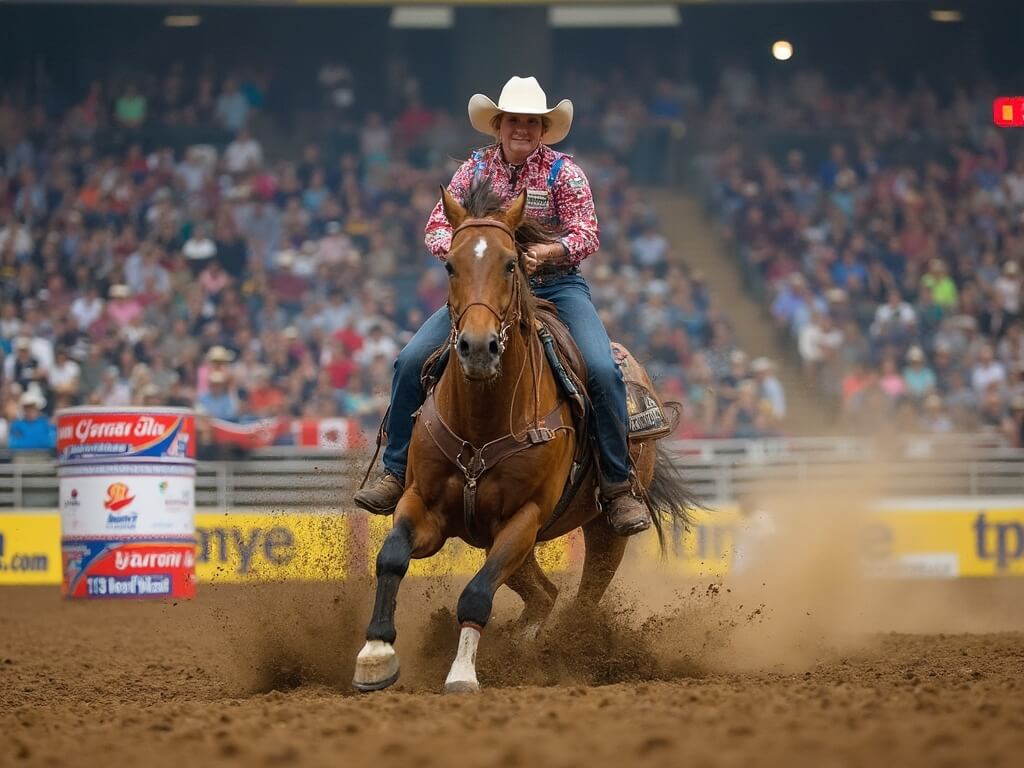
Image Credit @The Aussie Nomad
How the Competition Actually Works
Here’s where most people get confused about modern rodeos.
They’re not just cowboys doing their thing.
There’s a structured, serious competition format.
CFD operates under PRCA (Professional Rodeo Cowboys Association) and WPRA (Women’s Professional Rodeo Association) sanction, which means legitimate standards and prize money.
The format is tournament-style:
- Daily rounds: Cowboys compete across multiple days, with winners advancing.
- Semifinals: The best performers move forward.
- Championship Sunday: This is the pinnacle—the finals where champions are crowned and the biggest prize money changes hands.
This structure means every single performance matters.
A cowboy can’t just show up and coast.
They’re battling not just the bull or horse or steer in front of them, but every other competitor pushing for the same prize purse.
The events themselves include:
- Bull riding (including Professional Bull Riders (PBR) events)
- Saddle bronc riding and bareback riding
- Steer wrestling
- Tie-down roping and team roping
- Barrel racing
Each event requires completely different skills and nerve.
A bull rider needs raw courage and explosive athleticism.
A barrel racer needs precision timing and her horse’s absolute trust.
A roper needs years of technique refinement.
The diversity of events means there’s always something different happening, always a new type of athlete to marvel at.
Beyond the Rodeo: Why CFD Is Actually a Full Festival
This is the part that surprises most first-time visitors.
You’re not just coming to watch rodeo events.
You’re stepping into a full Western festival.
Here’s what else happens:
- The carnival midway: Rides, games, and food vendors.
- Grand Parades: Historical floats, horses, marching bands, and Western performers parade through the arena.
- PBR events: Including the “Last Cowboy Standing” competition, which is absolutely brutal and mesmerizing to watch.
- Behind the Chutes tours: Get up close to the livestock and learn from handlers how these animals are prepared and cared for.
- Vendor fairs: Western merchandise, local goods, authentic crafts.
- Frontier Nights concerts: Major country music acts perform in the evenings.
- Pancake breakfasts and Western dances: Community events that give the festival a family-friendly, inclusive feel.
- Educational experiences: The Old West Museum and augmented reality experiences add historical depth to the festival.
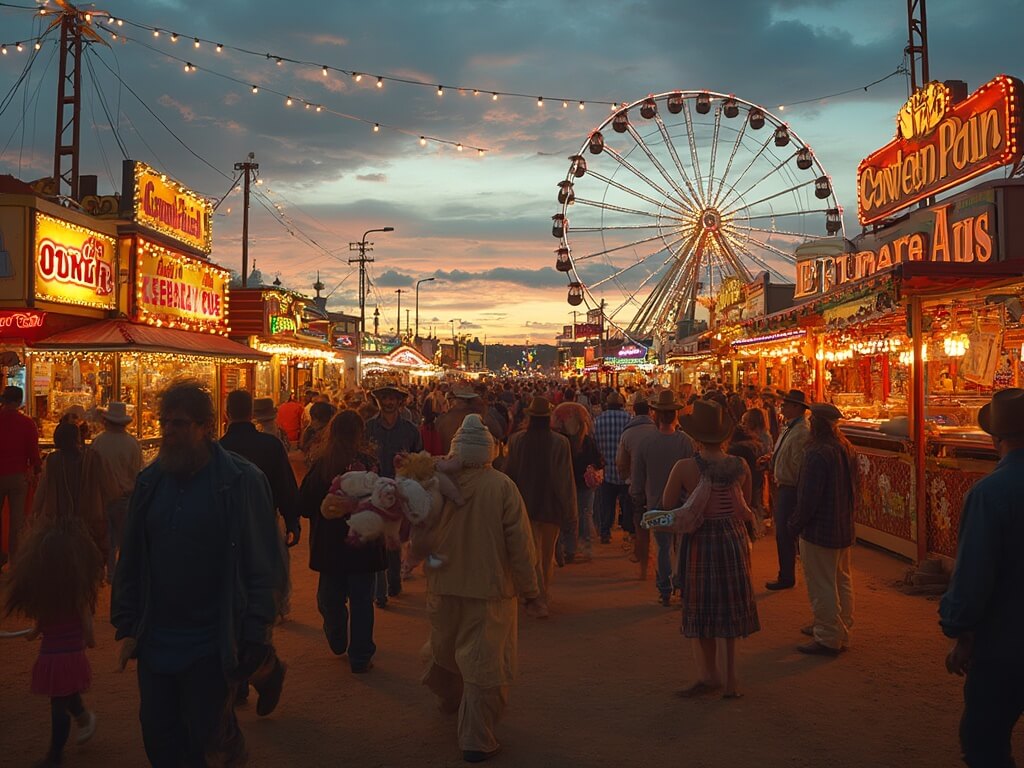
Image Credit @The Aussie Nomad
The festival structure means you could spend multiple days here and experience something completely different each time.
What Actually Costs Money (And What Doesn’t Break the Bank)
Let’s talk money, because that’s usually where people get nervous.
- Rodeo tickets: $24–$52 depending on seating and date. Discounts before July 1.
- VIP seating: Available for premium positioning.
- Carnival armbands: $40 per session or $155 for 10-day access.
- Midway: Free to walk through; pay as you participate.
- Parking: Reasonable.
- Parade viewing: Mostly free.
Tickets go on sale in December through the official website and phone.
The pricing is genuinely fair for what you’re getting.
Compare this to other major sporting events or music festivals across America, and you’ll find Cheyenne Frontier Days is actually a solid value.
The Best Days to Actually Attend
Not all days at CFD are created equal.
If you want to see the highest level of competition and the most polished performances, aim for:
- Semifinal Saturday
- Championship Sunday
These days draw the largest crowds, but they also deliver the most compelling rodeo action.
If you’re flexible on dates and crowds bother you, the earlier days (starting July 18) tend to be less packed while still offering excellent competition.
Location: Frontier Park, 4610 Carey Avenue, Cheyenne, Wyoming.
It’s accessible and well-organized, with ample seating options and facilities designed to handle massive crowds without feeling chaotic.
What You’re Actually Going to Experience When You Arrive
Honestly, the atmosphere is what gets most people.
Walking into Frontier Park for the first time feels like stepping back in time, but in a way that’s current and alive—not like a museum exhibit.
Everyone’s dressed Western—hats, boots, pearl-snap shirts, jeans.
But it doesn’t feel forced or costume-like.
It feels natural.
This is how Cheyenne dresses during CFD.
The crowd is mixed: families with young children, serious rodeo enthusiasts, tourists, local cowboys, and people just looking for a fun summer experience.
There’s an energy that builds throughout the day.
By the time evening events start and the Frontier Nights concerts begin, the whole venue feels electric.
But it’s not aggressive or uncomfortable—it’s celebratory.
People are genuinely happy to be there.
The fairgrounds smell like barbecue, kettle corn, and dust.
The stands fill with conversation and laughter between events.
The announcers keep things moving with humor and genuine enthusiasm.
You never feel bored or like time is dragging.
Even if rodeo isn’t normally your thing, the overall festival atmosphere usually wins people over.
Why This Matters More Than Just Being Entertainment
Here’s the real reason to attend: authenticity.
In an age where most experiences feel manufactured or filtered through screens, a rodeo in Cheyenne is genuinely real.
These are real athletes performing real feats of athleticism and courage.
These are real traditions that have been maintained for over 125 years.
The community pride is real.
The Western culture isn’t being performed for tourists—it’s being lived and celebrated.
When you attend a rodeo in Cheyenne, you’re not just watching entertainment.
You’re participating in cultural preservation.
You’re supporting communities that have maintained these traditions through massive social and economic changes.
You’re understanding a crucial part of American history and identity.
That matters.
Beyond the rodeo grounds themselves, there’s also the Hell on Wheels Chuck Wagon Dinner & Rodeo for those seeking smaller, more intimate rodeo experiences.
This runs select Fridays from June through August and combines actual rodeo competition with authentic Western meals.
It offers a different vibe—less massive festival, more personal connection to the rodeo experience.
For those in the broader region, the Cheyenne County Fair & Rodeo (held in Sidney, Nebraska, nearby) offers another PRCA-sanctioned option with barrel racing and family-friendly events.
So when you’re planning your trip to experience rodeo culture, you’re actually spoiled for choice in terms of events, timeframes, and experience levels.
To further immerse yourself in the Western lifestyle, be sure to check out our guides on Rustic Farmhouse Decor and Rustic Home Decor.
How to Actually Plan Your Rodeo Trip Without the Headaches
Here’s what most people get wrong about planning a CFD visit: they wait too long.
I learned this the hard way when I tried to book a hotel in mid-July for the rodeo and found literally nothing available within 30 miles of Cheyenne.
The accommodations fill up months in advance.
Hotels, camping spots, vacation rentals—all gone by June.
So here’s the real timeline you need to follow:
- December: Tickets go on sale. Buy them immediately, especially if you want Semifinal Saturday or Championship Sunday seats.
- January-March: Book your hotel or camping. Don’t delay on this.
- April-June: Plan your supporting activities—concerts, dinners, day trips.
- July: Show up and enjoy what you’ve already secured.
Missing this timeline doesn’t mean you can’t attend, but it means you’ll be scrambling, paying premium prices, and potentially facing disappointment.
The early planning actually takes stress out of the equation.
Lodging: Where to Stay When Everything’s Booked
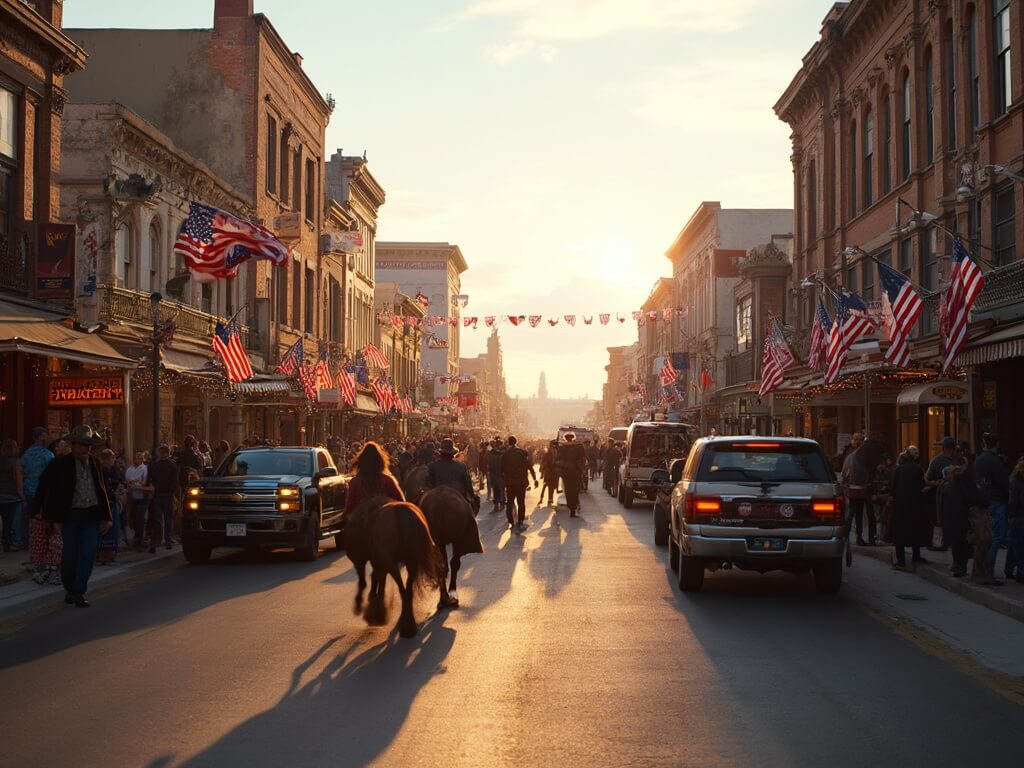
Image Credit @The Aussie Nomad
Cheyenne has decent hotel options, but during CFD they fill to capacity.
You’ve got several strategies:
- Downtown Cheyenne hotels: Close to the action, walkable to restaurants and bars, but book these first because they disappear fastest.
- Suburban chain hotels: A 10-15 minute drive from Frontier Park, more availability, but you’ll need transportation.
- Camping: KOA and private campgrounds around Cheyenne offer the most availability and the most authentic Western experience. Families especially seem to love the camping route.
- Vacation rentals: Check Airbnb and VRBO, but again, book early. Many owners reserve properties for rodeo week at premium rates.
- RV camping: Cheyenne has several well-maintained campgrounds. Maximum flexibility and true frontier experience.
My recommendation? If it’s your first rodeo, stay downtown if you can swing it. The atmosphere is part of the experience.
If budget is tight, camping becomes incredibly appealing—and might be more fun than a hotel room anyway.
What to Actually Wear (And Why It Matters More Than You Think)
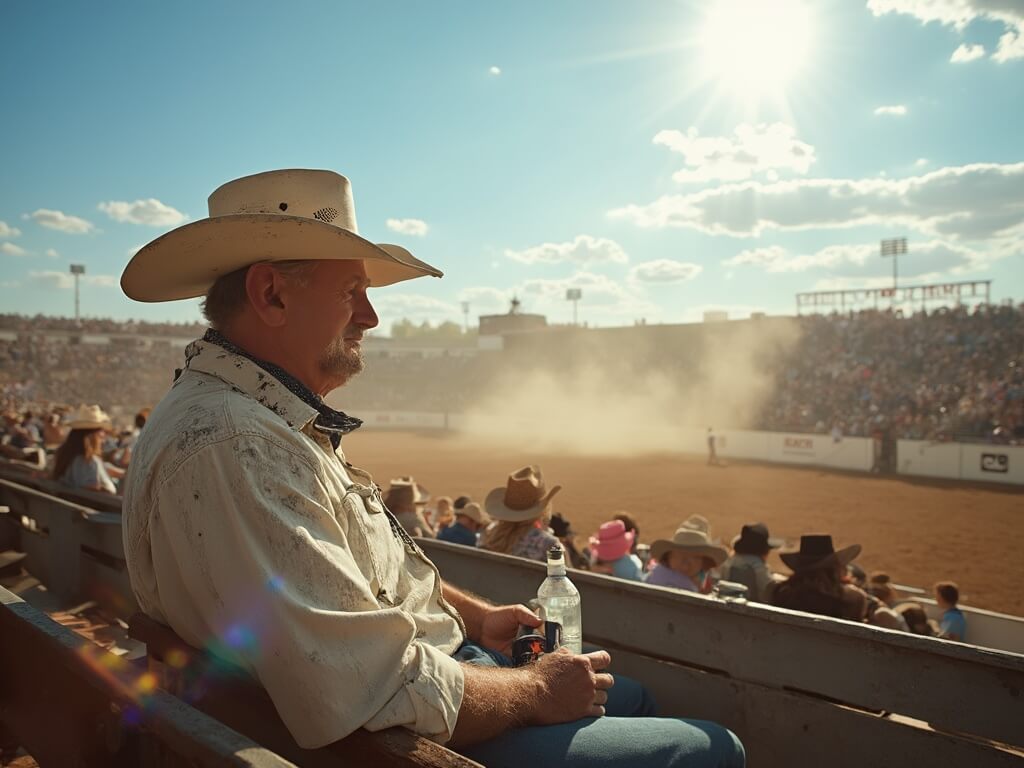
Image Credit @The Aussie Nomad
You don’t have to dress Western to attend a rodeo. But you probably should.
It changes how you experience the event. You’re not just blending in—you’re participating in the culture.
The basics:
- Cowboy hat: Not mandatory, but highly recommended.
- Western shirt: Function matters as much as appearance.
- Jeans: Fitted but comfortable.
- Boots: Proper support for standing and walking on uneven ground.
- Belt: A real buckle makes a difference.
- Accessories: Bandana, simple jewelry, a leather bracelet.
Cotton breathes better. Hats protect your face. Boots beat sneakers. Jeans protect from dust and sunburn.
Dress the part, and the experience improves immediately.
The Weather Factor Nobody Talks About
July in Wyoming is beautiful—but unpredictable.
Here’s what to prepare for:
- Heat: SPF sunscreen, light long-sleeves, hat.
- Dust: Dust mask and sunglasses help.
- Wind: Secure your hat.
- Unexpected rain: Pack a lightweight rain jacket.
- Cold nights: Bring a light jacket.
- Hydration: Bring a refillable water bottle and use the fountains at Frontier Park.
Planning for the weather conditions prevents misery—and lets you focus on fun.
The Animal Welfare Question Everyone Should Ask

Image Credit @The Aussie Nomad
Are the animals actually okay?
Modern PRCA-sanctioned rodeos operate under strict veterinary oversight.
Cheyenne Frontier Days employs veterinarians who inspect and monitor animal health. Stock contractors have a financial incentive to ensure animal well-being.
While animals experience brief stress, veterinary research shows it’s not harmful. Practices have evolved to eliminate cruelty.
Behind-the-chutes tours offer transparency and answer concerns far better than policy statements.
Other Rodeo Experiences Beyond CFD
Can’t make it to CFD? Consider:
- Hell on Wheels Chuck Wagon Dinner & Rodeo: More intimate, family-friendly, and includes a real chuckwagon dinner.
- Local community rodeos: Spring and summer events across Wyoming with low admission and community spirit.
- Cheyenne County Fair & Rodeo: Held in Sidney, Nebraska, with PRCA events and fewer crowds.
Start with Cheyenne Frontier Days. Then branch out to smaller rodeos for a different experience.
The Technology Evolution: How Modern Rodeos Are Changing
From online seat selection to augmented reality history tours, CFD is embracing tech.
Digital signage and real-time updates improve the experience. Prize purses have also skyrocketed, attracting elite athletes and raising the level of competition.
This professionalization enhances the show for all spectators.
What Happens After the Rodeo: The Real Community Impact
CFD pumps $124 million into the Wyoming economy annually, but the cultural impact is just as important.
Families pass down the tradition. The Old West Museum educates with real history. Rodeo fosters educational and economic development in rural communities.
Common Mistakes First-Time Rodeo Attendees Make
Top mistakes include:
- Not buying tickets early.
- Ignoring the weather.
- Underestimating time for logistics.
- Trying to do everything.
- Skipping local food.
- Missing the parade.
- Not engaging socially.
- Underbudgeting expenses.
- Assuming you understand the events.
- Not taking photos.
Pro Tips That Actually Make a Difference
- Arrive early to everything.
- Eat before peak times.
- Bring cash.
- See a full performance from start to finish.
- Take a behind-the-chutes tour.
- Ask locals for insider tips.
- Pace yourself over multiple days.
- Attend a concert even if you don’t love the artist.
The Real Reason People Come Back Year After Year
Rodeo feels real in a world that often doesn’t.
You’re witnessing actual risk, real tradition, and an authentic community gathering. That feeling of authenticity brings people back again and again.
Making Your Decision: Is a Cheyenne Rodeo Worth It?
Yes.
Whether it’s the legendary Cheyenne Frontier Days Rodeo or a smaller event, rodeo in Cheyenne is worth your time, money, and energy.
You’ll walk away with lasting memories, genuine connection, and a deeper understanding of American Western culture.
So stop deliberating. Book your tickets in December. Start planning now. The Rodeo Capital of the World is waiting for you.