Image Credit @Sophie’s World
You’ve probably seen the photos.
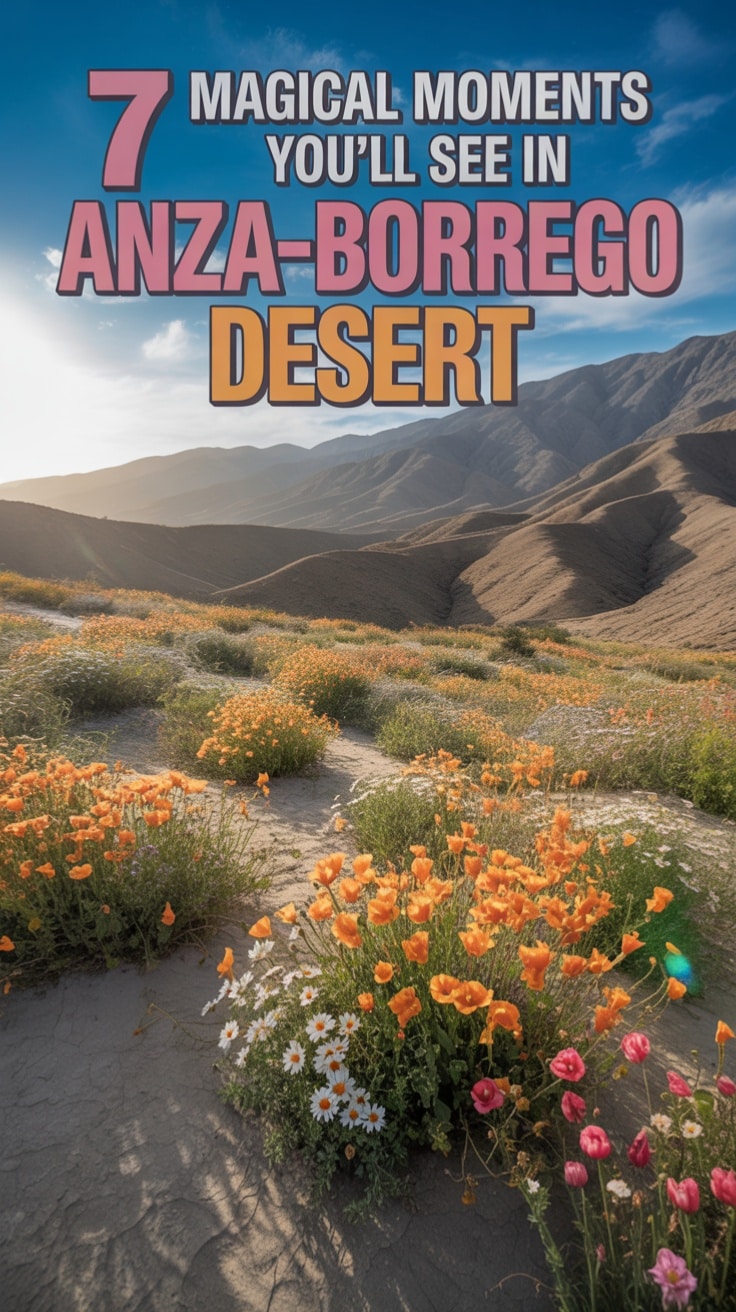
Carpets of colour stretching across an endless desert floor.
Golden poppies, purple lupines, and delicate white primroses creating a landscape so stunning it doesn’t look real.
But here’s the thing most people don’t know: that breathtaking display isn’t guaranteed.
The Anza-Borrego desert wildflowers depend on a single unpredictable variable—rainfall.
And this year, that’s been in short supply.
I spent March 2025 driving through Anza-Borrego expecting to find what I’d seen in photos from previous years.
Instead, I found something different: resilient pockets of colour hidden in the canyons, isolated patches defying the drought, and a landscape that rewarded patience over expectation.
That experience taught me something crucial about visiting one of California’s most famous wildflower destinations.
Most people arrive looking for a guaranteed spectacle and leave disappointed when conditions don’t deliver.
But those who understand how the Anza-Borrego desert bloom actually works? They rarely leave empty-handed.
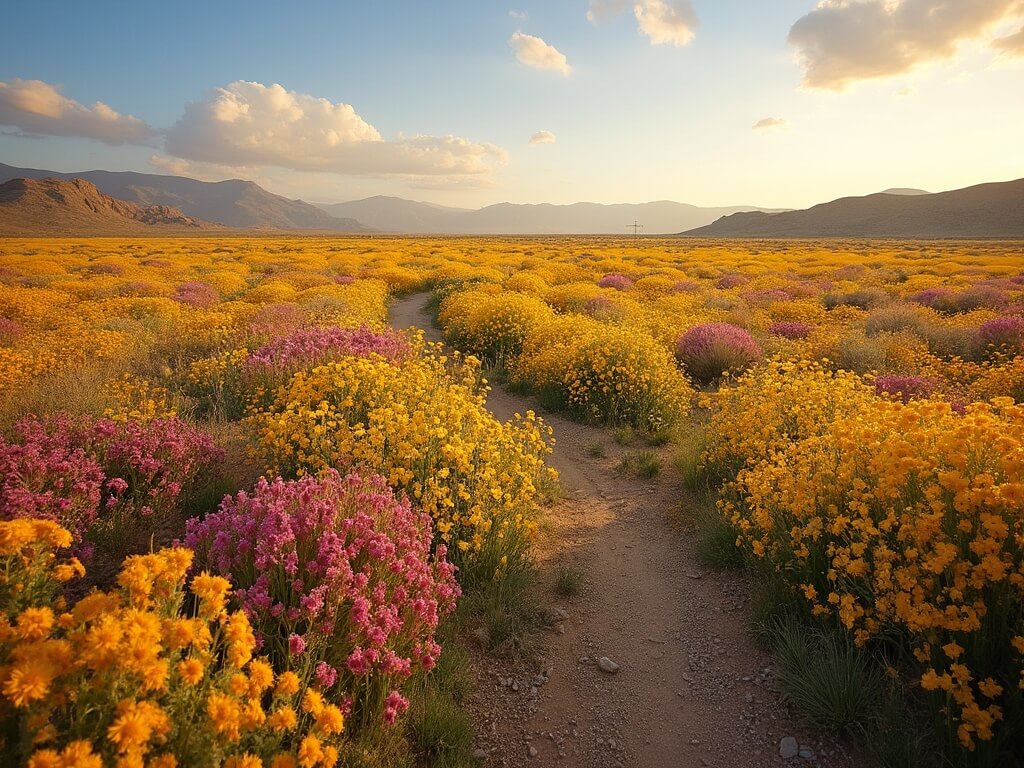
Image Credit @Sophie’s World
Why the Anza-Borrego Desert Bloom Matters More Than You Think
Anza-Borrego Desert State Park covers 600,000 acres—making it California’s largest state park.
During peak bloom years, it draws thousands of visitors from around the world.
That’s not just good for Instagram feeds.
The wildflowers support an entire ecosystem and represent one of the planet’s most dramatic natural cycles.
Here’s what makes it special:
The park sits in Southern California where diverse habitats create perfect conditions for botanical variety.
From low desert floor to elevated canyons, you get everything from delicate annuals to hardy cacti.
But this diversity comes with a catch—every bloom depends entirely on one simple formula.
Sufficient autumn and winter rainfall + cool nights + the right timing = a show worth travelling for.
Get any of those variables wrong, and the spectacle shrinks dramatically.
Last year, California experienced below-average precipitation.
The result?
2025 brought limited annual blooms and scattered patches rather than the carpet displays most people imagine.
Yet here’s where it gets interesting: the park didn’t go dormant.
It just required knowing where to look.
Understanding How Desert Wildflowers Actually Work (It’s More Brutal Than You’d Think)
Most wildflower visitors operate under the same misconception I once did.
They assume wildflowers are always there, waiting to bloom when spring arrives.
In reality, desert wildflowers exist in a state of dormancy—seeds buried in soil, waiting for specific conditions to trigger germination.
Those conditions are surprisingly strict.
The annual wildflowers that create those Instagram-worthy displays follow a specific timeline.
Late January through early April is the general window, with mid-March typically hitting peak bloom across lower elevations.
Higher elevation areas and certain perennial species stretch that window into April.
But the magic happens beforehand, during autumn and winter when the desert receives its moisture.
Rainfall isn’t enough by itself.
The timing matters enormously.
A single heavy downpour in December followed by drought won’t work.
You need consistent precipitation spread across several months, combined with cool night temperatures to prevent premature germination.
The seeds essentially wait for nature to give them multiple signals that conditions are genuinely favourable.
This is where annual and perennial wildflowers diverge dramatically.
Annual wildflowers require optimal rainfall and cool temperatures to burst into colour en masse.
Desert sand verbena, dune evening primrose, desert sunflower, Parish’s poppy, and Arizona lupine all follow this pattern.
Without sufficient moisture, you get nothing.
But when conditions align? The display can be extraordinary.
Perennials and cacti operate differently.
Brittlebush, ocotillo, chuparosa, and various cacti species (beavertail, barrel, cholla, hedgehog) bloom even during drought years.
The flowers might be less abundant, but they persist.
This is why even dry years like 2025 offer surprising colour to those who know where to find it.
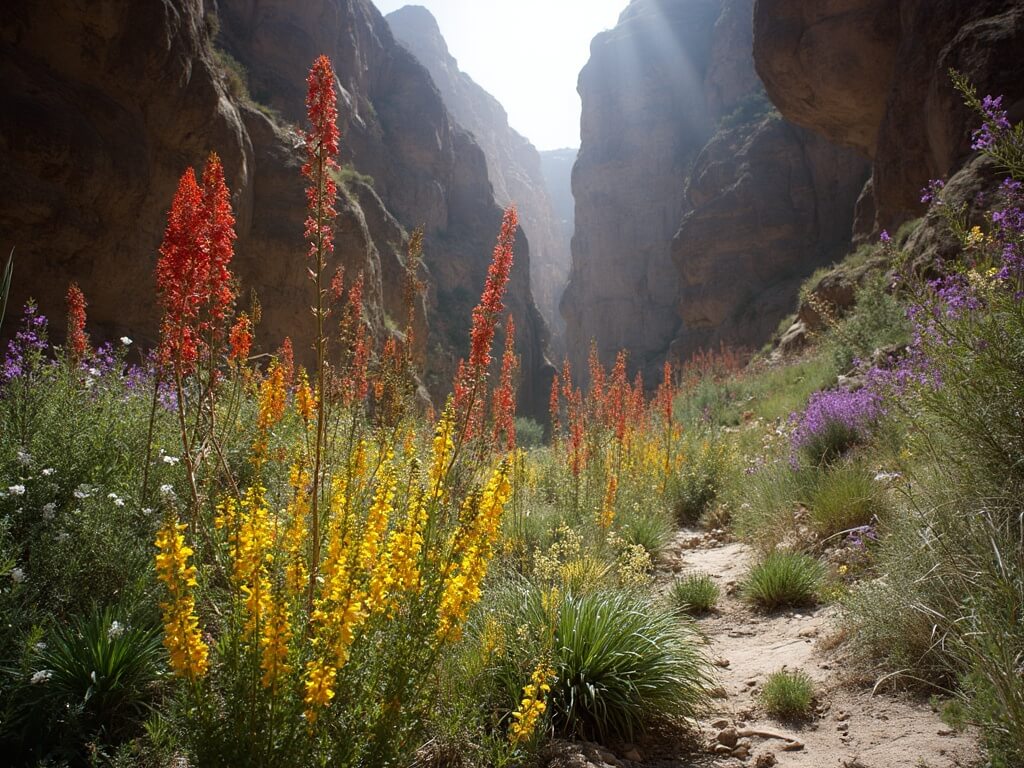
Image Credit @Sophie’s World
I learned this distinction firsthand in Coyote Canyon during my March visit.
The lower desert floor showed minimal annual bloom—just scattered patches where luck and slight moisture variations allowed germination.
But in the canyon where groundwater sustained seepage, 29 different wildflower species were actively blooming.
The desert wasn’t empty.
It was just concentrated, resilient, and willing to reward anyone who ventured beyond the obvious viewing areas.
The Wildflowers You’ll Actually See (And Where to Find Them)
When most people think of Anza-Borrego wildflowers, they picture specific species.
You should know what they are before you visit.
The Classic Annuals
These create the carpet effect when conditions are right.
Desert sand verbena produces stunning magenta clusters.
Dune evening primrose blooms in pale yellow.
Desert sunflower delivers bright yellow blooms across the flats.
Brown-eyed primrose, Fremont pincushion, desert chicory, and phacelia round out the classic display.
In super bloom years, these species transform the landscape.
In dry years like 2025, they’re sparse or entirely absent on exposed desert floor.
The Reliable Perennials
These are your safety net.
Brittlebush blooms consistently with bright yellow flowers.
Ocotillo produces dramatic red tubular flowers along its spindly branches.
Chuparosa displays red flowers even when the desert looks parched.
These plants exist year-round and flower multiple times annually, making them dependable photography subjects regardless of rainfall.
The Late Bloomers: Cacti
Beavertail, barrel, cholla, hedgehog, and fishhook cacti create a secondary bloom wave.
While annuals dominate February and March, cacti typically peak from April onward.
In lean years, this shift matters enormously.
You might arrive hoping for blanket displays and leave thinking the desert is barren—then return in April to find substantial cactus colour.
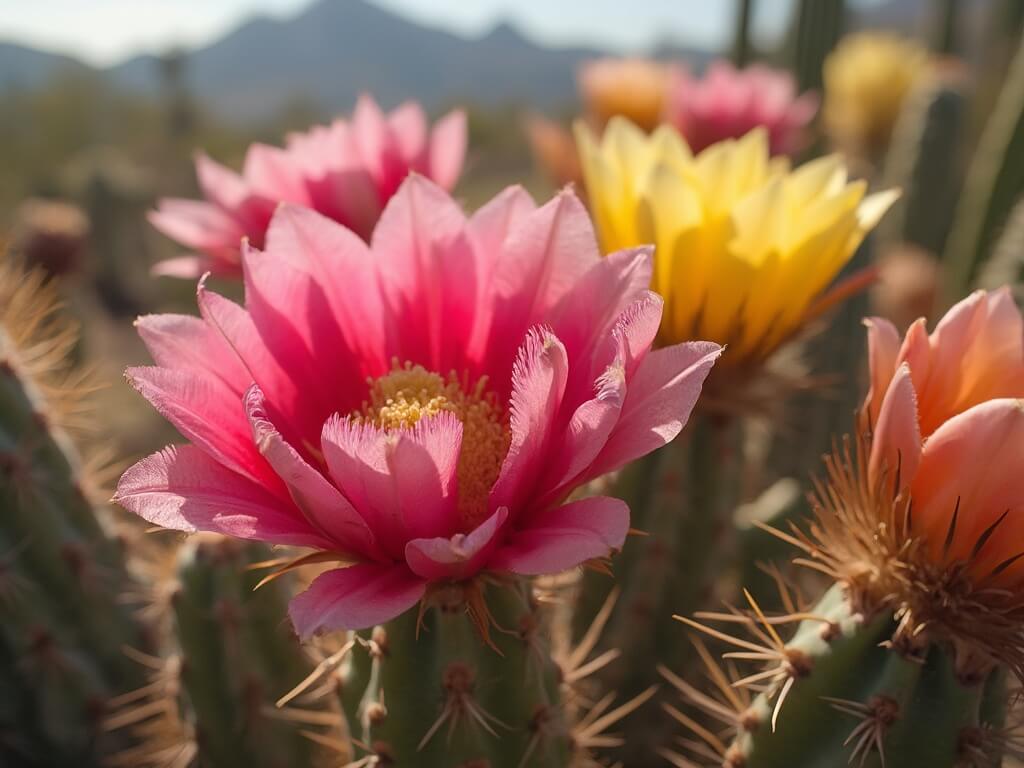
Image Credit @Sophie’s World
Now, where specifically should you go?
Henderson Canyon Road and DiGiorgio Road represent your best bet for classic annual displays.
These routes cross lower elevation flatlands where sand verbena, desert sunflower, and evening primrose congregate during high-bloom years.
However, in dry years like 2025, these areas showed minimal activity.
Coyote Canyon is your secret weapon.
Active water sources and seepage create microclimates where diverse plants thrive regardless of overall rainfall.
The canyon supported 29 blooming species in March 2025—a remarkable count during an otherwise sparse year.
This isn’t random luck.
Where water persists in the desert, life concentrates around it.
Palm Canyon combines wildflower diversity with scenic hiking and wildlife viewing.
It’s less dramatic than peak Henderson Canyon displays but more reliable across different rainfall years.
The Cactus Loop and southern S-2 region emphasize late-season cacti and agave.
These areas shine in April and beyond, making them essential if you’re visiting after mid-March.
Remote higher-elevation canyons host resilient perennials and unique species found nowhere else in the park.
These require more effort to access but reward explorers with botanical diversity that doesn’t depend on perfect rainfall.
The Timing Question Everyone Gets Wrong
Here’s what I hear constantly: “When should I visit for the best wildflower bloom?”
Most people expect a single answer.
The truth is messier.
Late February through mid-March typically represents peak season for annual wildflowers.
This window gives you the highest probability of seeing classic displays, assuming reasonable rainfall occurred during autumn and winter.
However, “peak” doesn’t mean guaranteed.
You might arrive during peak timing to discover sparse blooms due to insufficient prior rainfall.
Or you might visit in April expecting late-season cacti and find surprising pockets of annual colour triggered by unexpected spring rains.
This unpredictability frustrates many visitors.
But here’s how experienced desert explorers think about it: timing is only half the equation.
Knowing which species to expect during your visit matters equally.
Visit mid-March expecting carpet displays of sand verbena and you’ll be disappointed in drought years.
But visit mid-March knowing to seek brittlebush, ocotillo, and cactus colour, and you’ll have a genuinely rewarding experience.
The desert doesn’t fail to bloom.
It just blooms differently depending on conditions.
That distinction separates disappointed tourists from satisfied explorers.
Before planning your visit, check real-time bloom reports from local organisations like the Anza-Borrego Desert Natural History Association (ABDNHA), DesertUSA, or dedicated sites like borregowildflowers.org.
These resources provide current conditions and species actively flowering—information far more valuable than general “peak bloom” timing.
Now that you understand why wildflowers vary so dramatically and where the most reliable blooms actually hide, the next question becomes practical: how do you actually plan a visit that maximises your odds of success regardless of rainfall conditions?
Continue exploring beautiful natural destinations with our guide on how to hike to Delicate Arch in Arches National Park.
Or plan a radically different scenic experience with our tips on taking a lighthouse tour in Maine.
How to Actually Plan a Desert Bloom Visit (Without Setting Yourself Up for Disappointment)
Planning an Anza-Borrego trip requires doing something most tourists skip entirely: checking real-time conditions before you drive.
This single step determines whether you arrive prepared or frustrated.
The Anza-Borrego Desert Natural History Association publishes weekly bloom reports during peak season. DesertUSA maintains an active wildflower forecast page. Borregowildflowers.org aggregates citizen observations and park updates into a live map showing where blooms are actively happening.
Use these resources obsessively.
Not once. Weekly, if you’re flexible. Ideally, within a few days of your planned visit.
Here’s why: conditions shift faster than most people expect. A cold snap can delay blooms by two weeks. Unexpected spring showers can trigger sudden activity in previously dormant areas. Even peak bloom years show regional variation—some canyons erupt with colour while adjacent areas remain sparse.
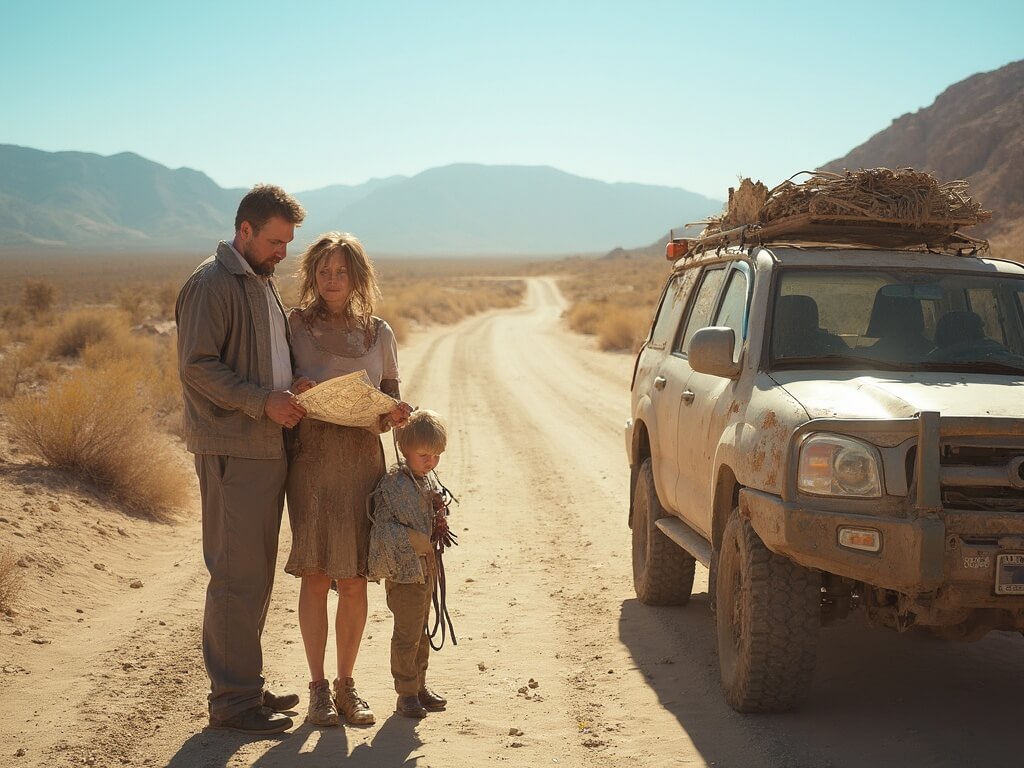
Image Credit @Sophie’s World
Beyond timing, bring the right physical preparation.
The Anza-Borrego desert punishes poor planning. Cell service disappears in most areas. Temperatures fluctuate dramatically between dawn and afternoon. Remote viewing areas require high-clearance vehicles; some require 4WD. Water becomes precious—carry significantly more than you think necessary.
Popular entry points like Borrego Valley Visitor Center offer parking, bathrooms, and updated conditions. Main trailheads like Henderson Canyon and Palm Canyon have established infrastructure. But venture into remote bloom locations and you’re entirely self-sufficient.
This isn’t meant to discourage you. It’s meant to prevent the situation I witnessed in March 2025…
What Actually Happens When You Bring a Camera (And Why Most People Get It Wrong)
Here’s something I’ve noticed: wildflower photography has a way of ruining the wildflower experience.
Not because photography itself is bad. Because most people photograph badly and don’t even realize it.
The classic mistake unfolds like this: visitor arrives, sees blooms, immediately crouches down with phone to capture photos. They take 47 shots of the same flower from slightly different angles. They move through an area looking only at the viewfinder. They leave with thousands of photos and minimal actual memory of being present.
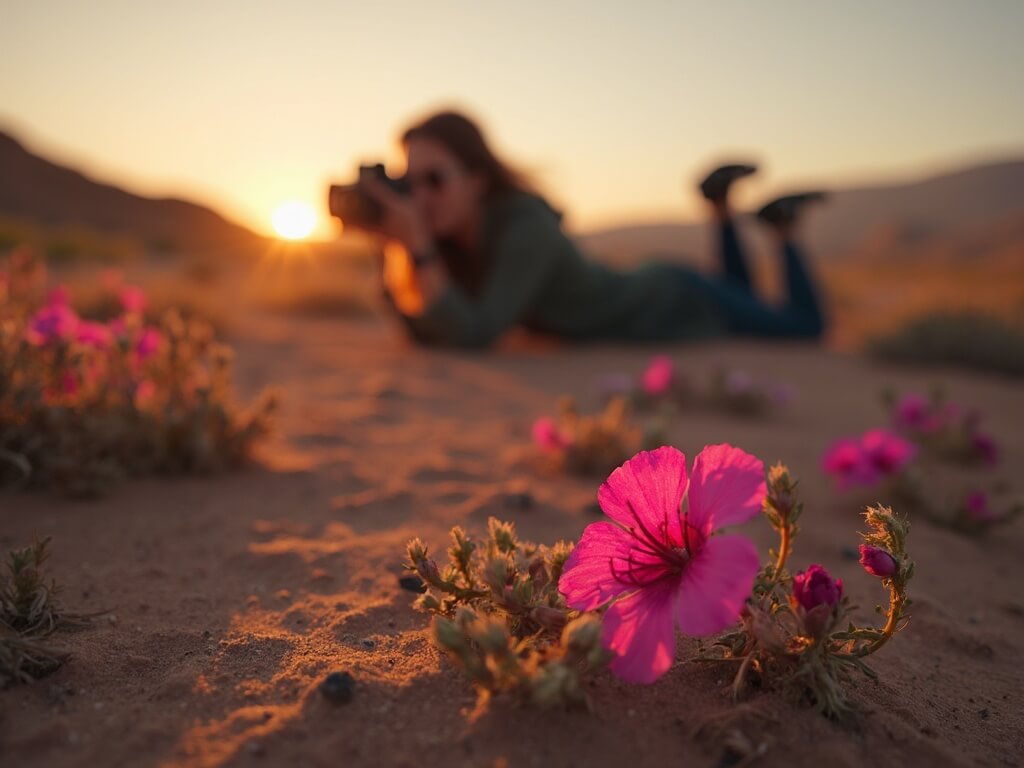
Image Credit @Sophie’s World
The best wildflower photographs happen when you photograph second, not first.
Arrive at a location and spend 10–15 minutes simply observing. Look at the light. Notice where shadows fall. Identify which blooms are backlit, which are side-lit, which are in harsh overhead sun…
Early morning light—roughly 6 AM to 9 AM—creates the most compelling photographs. Low angles cast long shadows across flowers and create three-dimensional depth. Colours appear more saturated before direct overhead sun washes everything out.
Late afternoon—roughly 4 PM to sunset—provides equally compelling light from the opposite direction. The desert landscape develops warm tones. Wildflowers appear to glow. You’ll encounter fewer visitors because most day-trippers have left.
Midday photography is terrible. Overhead sun creates harsh shadows, flattens colours, and washes out detail. Yet this is precisely when most casual visitors photograph.
Ethical photography means never trampling flowers to get a better angle… Join a guided naturalist walk for tips from experts who understand both technique and ethics. The Anza-Borrego Desert Natural History Association leads regular tours during peak season.
The Dark Side Nobody Talks About: Why Super Blooms Create Problems
Mention the Anza-Borrego desert bloom online and you’ll find beautiful photographs. What you won’t find easily is discussion of the chaos super bloom years create.
2017 brought legendary blooms to Anza-Borrego… The landscape’s beauty created its own temporary crisis.
In contrast, 2025’s sparse blooms meant relatively few visitors.
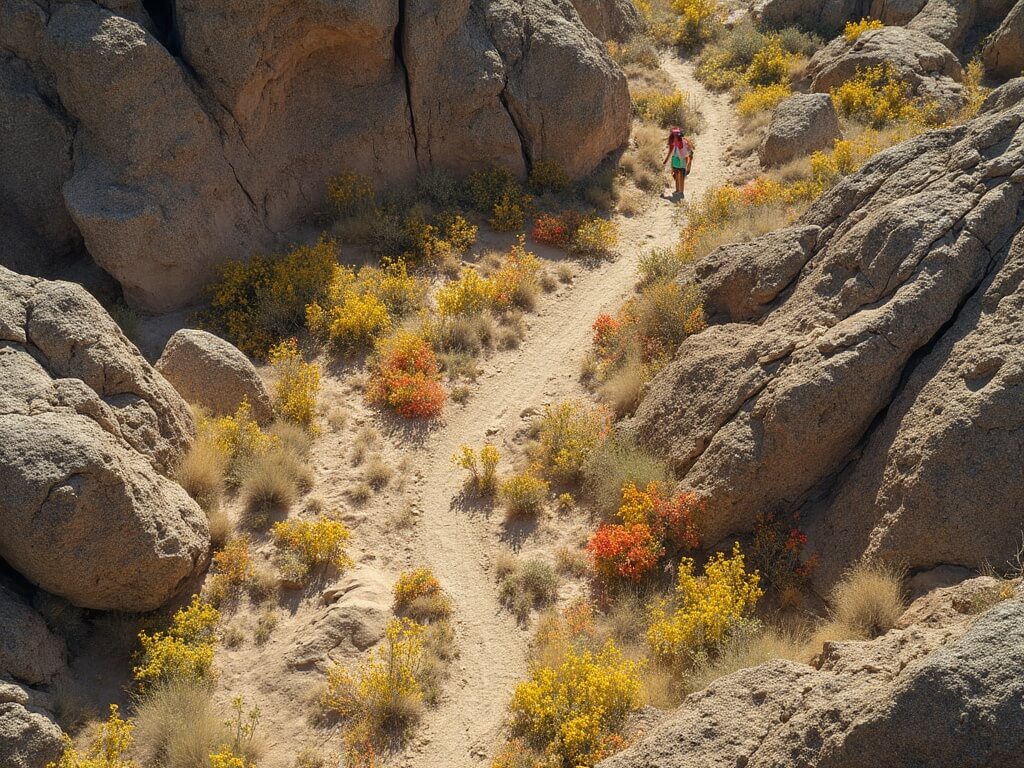
Image Credit @Sophie’s World
This creates an interesting question: are sparse bloom years actually better? From an ecological perspective: yes.
From an experience perspective? It depends. But here’s what matters: regardless of bloom abundance, visit responsibly.
Understanding the Ecology (Why This Matters Beyond Just Pretty Flowers)
Wildflowers aren’t decorative features of the desert ecosystem. They’re fundamental to how the entire system functions.
They attract pollinators. They stabilize soil. They feed herbivores, which in turn feed carnivores.
Invasive species like Sahara mustard challenge the wildflower balance. Park management and nonprofit orgs conduct restoration efforts—but can’t always keep pace.
Your visit connects you to these ecological dynamics. It’s not just about flowers—it’s about witnessing real-time environmental change.
The Wildflower Identification Game (How to See More By Knowing What You’re Looking At)
Most casual visitors see “pretty flowers” and move on. Knowledgeable visitors see specific species, understand their blooming triggers, and photograph deliberately.
Start with basic ID using iNaturalist or printed guides. Learn to recognize desert sand verbena, dune evening primrose, desert sunflower, Arizona lupine, and brittlebush.
Once you can identify these, you’re reading the landscape. Each species becomes information. The landscape becomes a text you can read.
Photography becomes more intentional. Understanding flower habits leads to better composition and timing.
What to Bring (The Unglamorous Stuff That Actually Matters)
Here’s what everyone forgets to pack for Anza-Borrego:
- Water—lots.
- Sun protection: sunscreen, hat, sunglasses.
- Layers for temperature swings.
- Offline maps or GPS device.
- Sturdy closed-toe shoes.
- Basic first aid kit.
- Binoculars for wildlife.
- Notebook and pencil.
- Portable battery for phone.
- Trash bags—leave no trace.
It’s not fancy—it’s what keeps you safe and comfortable.
Timing Your Visit: The Spreadsheet Nobody Creates But Should
Here’s my controversial take: bloom prediction spreadsheets exist but most people never create one.
Ask yourself:
- Are your dates flexible?
- What was the fall/winter rainfall?
- What’s the short-term weather forecast?
- What are the latest bloom reports saying?
- What are you actually expecting to see?
Planning like this turns you from hopeful tourist into informed explorer.
The Questions Everyone Actually Asks (But Is Afraid to Ask in Groups)
“Is there a specific day that’s ‘peak bloom’ I can mark?”
No. Bloom timing varies. Check bloom reports within days of your visit.
“Can I visit in April or May?”
Yes. Expect cactus and perennial blooms, fewer crowds.
“Are there kid-friendly areas?”
Yes. Try Palm Canyon and Henderson Canyon Road.
“Is camping worth it?”
Yes—if you reserve early or are prepared for dispersed camping.
“What if I can’t find blooms?”
Have backups. Ask rangers. Explore canyons with water seepage.
“Is it safe to go off road?”
Only with preparation. High-clearance vehicle, GPS, and route-sharing required.
“How do I help fight invasive species?”
Don’t trample. Report sightings. Volunteer for removals. Support the park.
Why 2025 Taught Me Something Unexpected About Desert Beauty
In March 2025, I expected super blooms and found disappointment—at first.
But scarcity created discovery. I saw fewer people. I found 29 unique species in Coyote Canyon. I encountered solitude and resilience.
Sparse bloom years are often more educational. You see survival, not spectacle. You learn more by looking harder.
This changed how I visit Anza-Borrego. I now chase experience, not peak.
The Final Question: Should You Go? (And When?)
Yes. Visit not just for the flowers—but for the ecosystem, solitude, and perspective.
Late Feb to mid-March is best for annuals. April is great for cactus and fewer crowds.
Before you go:
- Check bloom reports
- Pack responsibly
- Learn ID basics
- Plan backups
- Respect the desert
If you do these things, you won’t return disappointed. You’ll return transformed.
This is the real reason to visit the Anza-Borrego desert bloom—not for the photograph, but for the shift in how you see the natural world.
Explore more:
- Rustic Backyard Ideas
- Backyard Decor
- Backyard Fire Pit Ideas
- Wabi-Sabi Garden
- Outdoor Halloween Decor