Image Credit @Maitravelsite
I get asked constantly by friends planning their first trip to Cooperstown whether the Baseball Hall of Fame is really worth the drive out to upstate New York. The museum sits at 25 Main Street in a town that feels frozen somewhere in the 1950s, and most visitors underestimate how much time they’ll actually want to spend there.
The Baseball Hall of Fame in Cooperstown Isn’t Just Another Museum—It’s a Time Machine
The National Baseball Hall of Fame and Museum sits at 25 Main Street in Cooperstown, New York, and it’s been preserving the soul of America’s pastime since its doors first opened.
What you’re stepping into isn’t a sterile collection of old stuff gathering dust behind glass.
It’s over 40,000 three-dimensional artifacts and three million library items that tell the actual story of how baseball shaped generations.
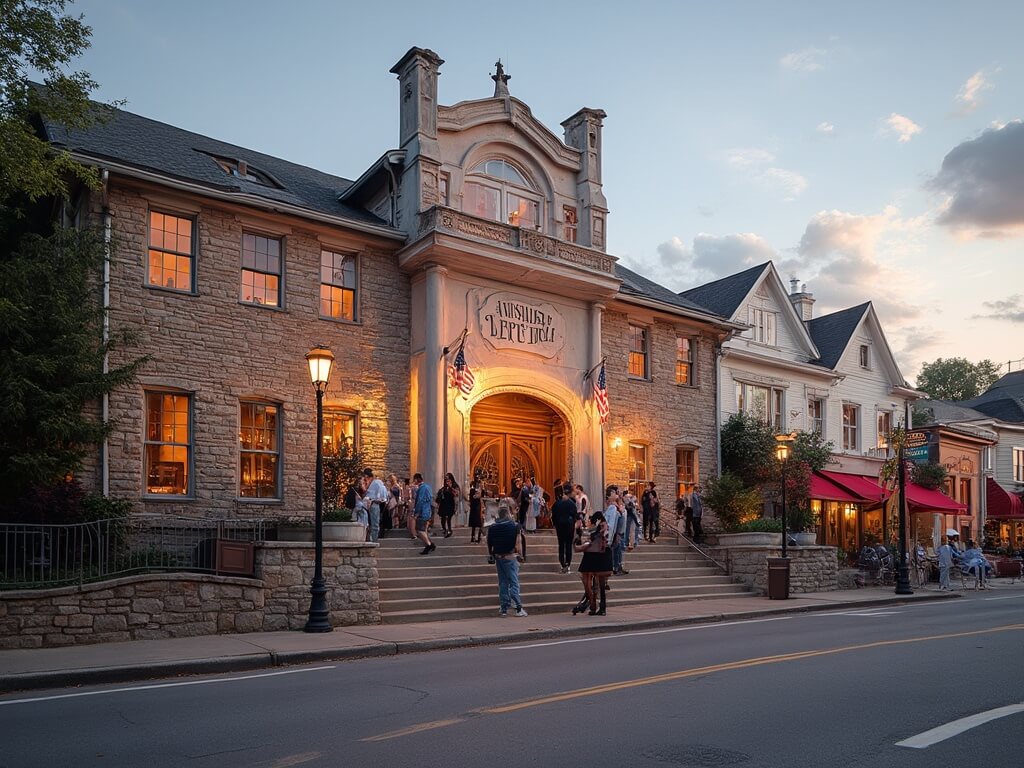
Image Credit @Maitravelsite
The town itself carries weight here.
Cooperstown’s connection to baseball runs deeper than most people realise—we’re talking 19th century roots that anchor the sport’s identity to this specific place in rural New York.
Walking through those doors means connecting with something that’s been passing down stories from grandparents to their grandchildren for over a century.
The museum operates 362 days a year, seven days a week, which means it’s consistently there waiting for you (closed only on Thanksgiving, Christmas, and New Year’s Day).
Key point: This is a year-round institution, not some seasonal attraction.
You can visit when it works for your schedule, not the other way around.
Hours, Tickets, and the Smart Way to Actually Get In
Here’s where most people fumble the planning.
Standard operating hours run from 9 a.m. to 5 p.m. daily, but here’s the thing nobody tells you upfront.
From the day before Memorial Day through the day before Labor Day, the museum extends to 7 p.m., giving summer visitors extra time to explore without feeling rushed.
I learned this the hard way during my first visit in July about five years ago.
I showed up at 4:45 p.m. thinking I’d squeeze in a quick hour before closing, only to discover I actually had two hours of daylight left and a fully-staffed museum ready to help me navigate the floors.
That extra summer window changed my entire experience.
The pricing structure is straightforward and actually quite reasonable:
- Adult admission (ages 13-64): $28.00
- Seniors (65+): $22.00
- Children (7-12): $17.00
- Veterans: $19.00
- Active and career-retired military: Free admission
- Children 6 and under: Free admission
What matters here is that advance ticket purchase is strongly recommended, especially during peak season.
You don’t want to drive four hours only to find yourself turned away because they’ve hit capacity.
Now, if you’re planning to visit multiple times or you’re truly committed to the Hall of Fame experience, membership changes the equation entirely.
Hall of Fame Members get:
- Free admission for the entire year
- 5% discount on all merchandise
- 10% discount available on individual, family, or sustaining-level membership packages
- Early access at 8 a.m. during Hall of Fame Weekend (Saturday and Sunday)
For serious baseball fans or families planning a multi-visit strategy, membership typically pays for itself after two visits.
What You’re Actually Looking At Inside Those Three Floors
This is where the Baseball Hall of Fame in Cooperstown separates itself from every other sports museum you’ve ever visited.
The collection isn’t random memorabilia scraped together over decades.
It’s a carefully curated narrative of baseball excellence spanning 40,000 three-dimensional artifacts.
Three floors of exhibits means you’re not wandering through a cramped space.
There’s room to breathe, to pause, to actually read the stories attached to each piece.

Image Credit @Maitravelsite
The centrepiece you need to know about: Hall of Fame member plaques displayed prominently throughout the museum.
These aren’t just brass plates with names—they’re the physical representation of baseball’s highest honour, and standing in front of them carries real weight.
Featured sections you’ll encounter:
- Dedicated exhibits honouring legendary players like Babe Ruth, Hank Aaron, and Jackie Robinson
- A women in baseball section that deserves significantly more attention than most visitors give it
- “A League of Their Own” devoted space exploring women’s contributions to the sport
- Individual record holders section showcasing statistical excellence
- Baseball traditions history tracing how the game evolved culturally
- A baseball movie section connecting cinema to the sport’s narrative
- Professional team sections representing each franchise’s story
The women in baseball exhibits particularly struck me during my visits.
Most people spend their entire time focused on the male legends, but the stories of women who fought their way into the sport—often against explicit resistance—carry a different kind of significance.
The collection reflects legitimate institutional commitment to telling baseball’s complete story, not just the sanitised highlight reel.
Key takeaway: Plan for at least three hours minimum.
Most baseball fans find themselves spending half a day or longer because once you start reading the placards and studying the artefacts, time disappears.
The Hall of Fame Induction Ceremony: Where Baseball’s Elite Get Crowned
Here’s something that separates Cooperstown from typical museum tourism.
The Hall of Fame Induction Ceremony happens every July, and the 2025 class gets inducted on July 27th.
This isn’t a private, ticketed-only affair.
The ceremony takes place at Clark Sports Center grounds on lower Susquehanna Avenue, roughly one mile south of the main Hall of Fame building, and it offers unlimited free lawn seating.

Image Credit @Maitravelsite
You read that correctly: completely free, completely open to the public.
Higher-level museum members get reserved seating, obviously, but the democracy of free lawn access means working families and casual fans can witness baseball’s most important annual ceremony without dropping significant money.
I’ve never attended a live induction, but I’ve watched footage from ceremonies past, and there’s something genuinely moving about thousands of fans gathering to celebrate excellence in baseball.
It’s not cynical corporate spectacle.
It’s an authentic celebration of athletic achievement and institutional history.
Beyond induction day, Cooperstown hosts several other significant events throughout the year:
- Baseball Film Festival in late September
- Voices of the Game programs featuring Hall of Famers sharing their stories
- Annual World Series Gala held on October 31st
These events transform the museum into more than a static collection.
They make it a living, breathing institution where baseball history continues evolving with each new induction class and celebration.
Bottom line: If you can coordinate your visit with induction weekend, the experience magnifies considerably.
The combination of fresh inductees, energised crowds, and the ceremonial significance creates an atmosphere you simply cannot replicate during regular visitation.
Beyond the spectacle of induction ceremonies, understanding what makes this specific museum worth your time requires knowing exactly what experiences await inside those three floors and what amenities will make your visit actually comfortable rather than frustrating.
Related Reads:
The Private Tour Experience: When You Want Stories, Not Just Artifacts
Most visitors walk through the Hall of Fame on their own, and that works fine for casual fans.
But if you’re serious about understanding the actual context behind what you’re seeing, the museum offers something most people never discover.
Ninety-minute private tours are available, and they’re genuinely worth considering if you’ve got the budget flexibility.
The cost runs $300 for up to six people, which breaks down to $50 per person if you’re splitting with a group.
What makes these tours different isn’t just having someone talk at you while you walk past plaques.
The guides focus specifically on the stories behind exhibits, the select artifacts that typically get overlooked, and how the museum actually maintains its massive collection.
You’re getting institutional knowledge that doesn’t appear on any placard.
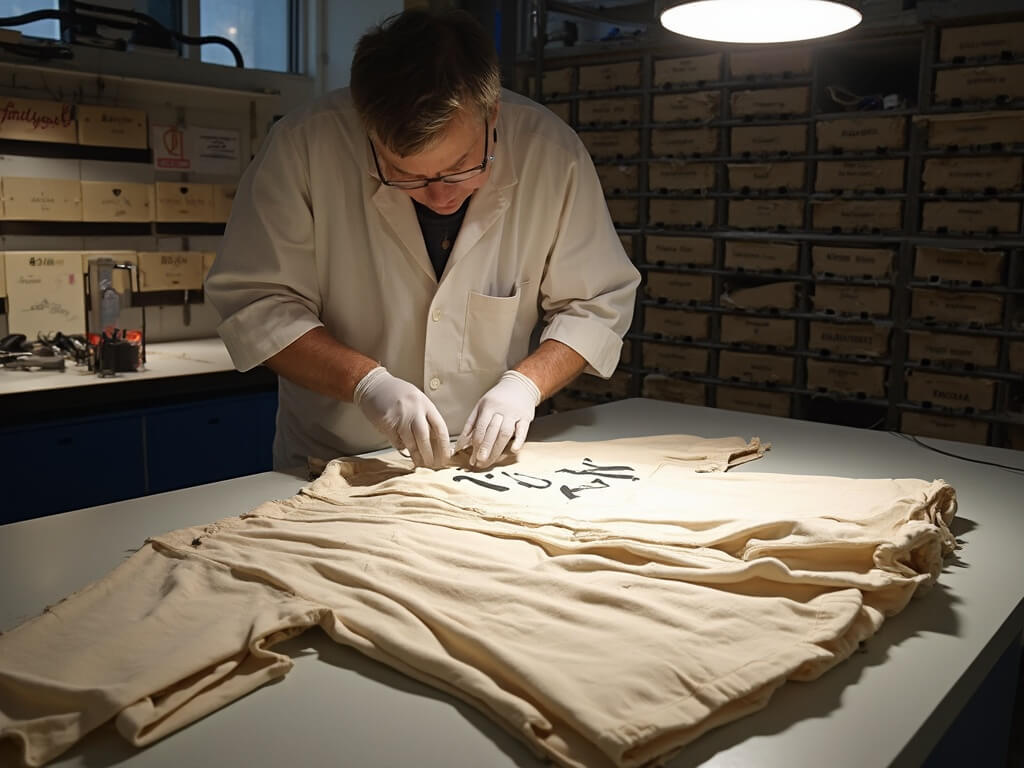
Image Credit @Maitravelsite
I spoke with a friend who took one of these tours during her visit last year, and she told me the guide spent twenty minutes explaining the conservation process behind a Babe Ruth uniform, discussing everything from fabric degradation to climate control in storage.
That level of detail transforms a museum visit from surface-level tourism into genuine education.
Here’s the strategic part: if you’ve got kids who get bored easily or elderly relatives who tire quickly, a structured tour with a knowledgeable guide can actually make your visit more efficient and more memorable simultaneously.
You’re paying for curation, not just access.
Learn more about the Baseball Hall of Fame Museum Tour Experience.
The Practical Realities of Visiting: What Nobody Warns You About
Let me be direct about something that frustrated me during my first Cooperstown visit.
The Hall of Fame itself doesn’t sell food or drinks inside the building.
You need to leave the museum to eat anything substantial.
This might sound like a minor detail, but it completely changes how you structure your day.
What saves this situation—and what the museum handles exceptionally well—is their wristband system.
This means you can leave mid-visit, grab lunch at one of Cooperstown’s downtown restaurants, and come back without losing momentum.
The museum is fully handicap accessible across all three floors, which matters significantly if you’re visiting with family members who have mobility concerns.
The gift shop deserves its own mention because it’s honestly excellent compared to typical museum retail. Whether that’s replica vintage uniforms, rare trading cards, or well-researched baseball books, the selection reflects institutional integrity rather than pure profit maximization.
Parking logistics are straightforward:
Meter parking sits directly in front of the museum, or use the city lot for a cheaper option.
Location Intelligence: Why Cooperstown Matters Beyond the Museum
Cooperstown isn’t accidentally home to the Baseball Hall of Fame.
The town carries 19th century baseball roots that anchor the sport’s foundational story.
Adjacent to the main Hall of Fame building sits Doubleday Field, a fully functional baseball diamond that carries its own significance.
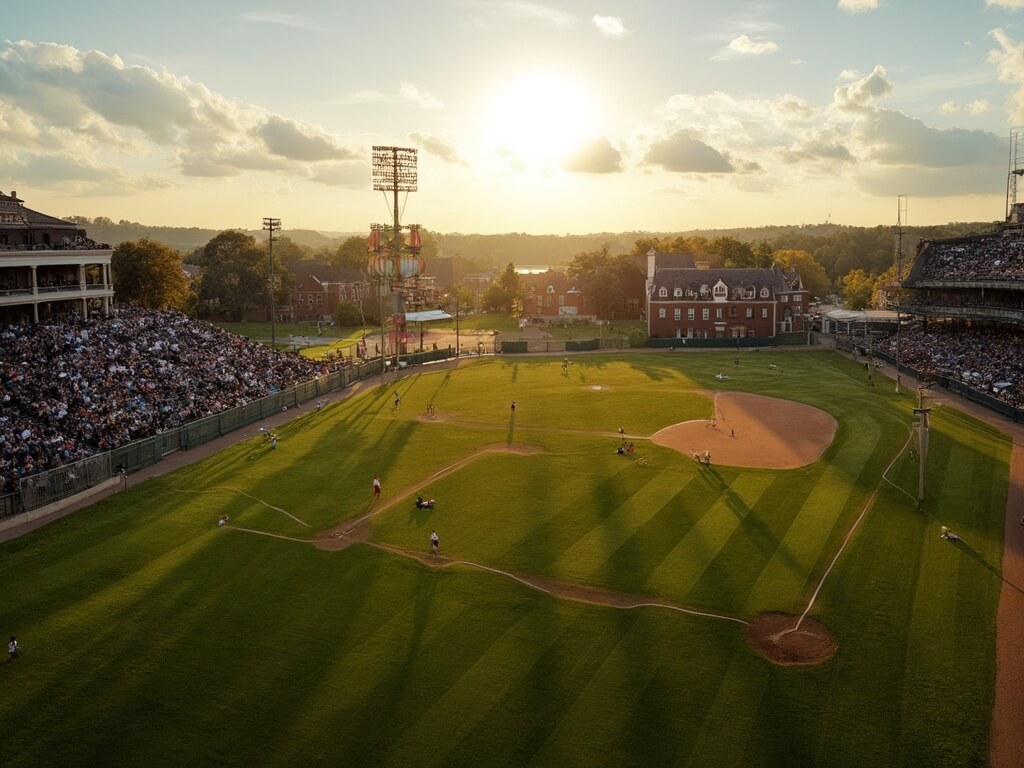
Image Credit @Maitravelsite
This geographic concentration—museum, historic field, and century-old baseball culture all within walking distance—creates something you cannot replicate by visiting any other sports museum in America.
Plan your heritage-focused trip with this complete guide to visiting the Baseball Hall of Fame.
Travel Planning: The Strategic Approach Most People Miss
Cooperstown is located in rural upstate New York, which means significant travel time if you’re coming from anywhere else.
Most visitors travel 2-4 hours minimum to reach Cooperstown, and that travel investment deserves deliberate planning.
Visit early after Labor Day to avoid crowds and still enjoy extended hours and beautiful weather.
**Contact information if you’re planning ahead:**
- Main telephone: 1-888-HALL-OF-FAME or (607) 547-7200
The Giamatti Research Center operates Monday through Friday from 9 a.m. to 5 p.m. (closed on federal holidays).
Lodging and the Multi-Day Experience Worth Considering
The museum is genuinely three-hour-minimum territory, but deeper engagement requires more time.
Consider staying at The Inn at Cooperstown, or explore Ultimate Baseball Hall of Fame Getaway Packages that include lodging and admission.
They also offer custom tour experiences tailored to your travel schedule.
Spending one night in Cooperstown allows you to visit the museum without feeling rushed, explore the town, and absorb the baseball culture.
The Membership Question: Who Should Actually Join
When membership makes sense:
- You’re visiting more than once in a year
- You’re attending the summer induction ceremony
- You want to support baseball history preservation
- You’ll spend significantly in the gift shop
When it probably doesn’t make sense:
- You’re doing a single once-in-a-lifetime visit
- Your budget is extremely tight
The Complete Visitor Timeline: Making Your Day Count
9 a.m.: Arrive early
First hour: Hall of Fame plaques and legendary player exhibits
Second hour: Thematic exhibits like Women in Baseball, record holders, etc.
Third hour: Specialized exhibits – movies, team histories
Lunch break: Exit with wristband, eat in town
Afternoon: Revisit favorite exhibits, explore further
Gift shop: Shop with full context and interest
Depart by 4 p.m. unless staying overnight
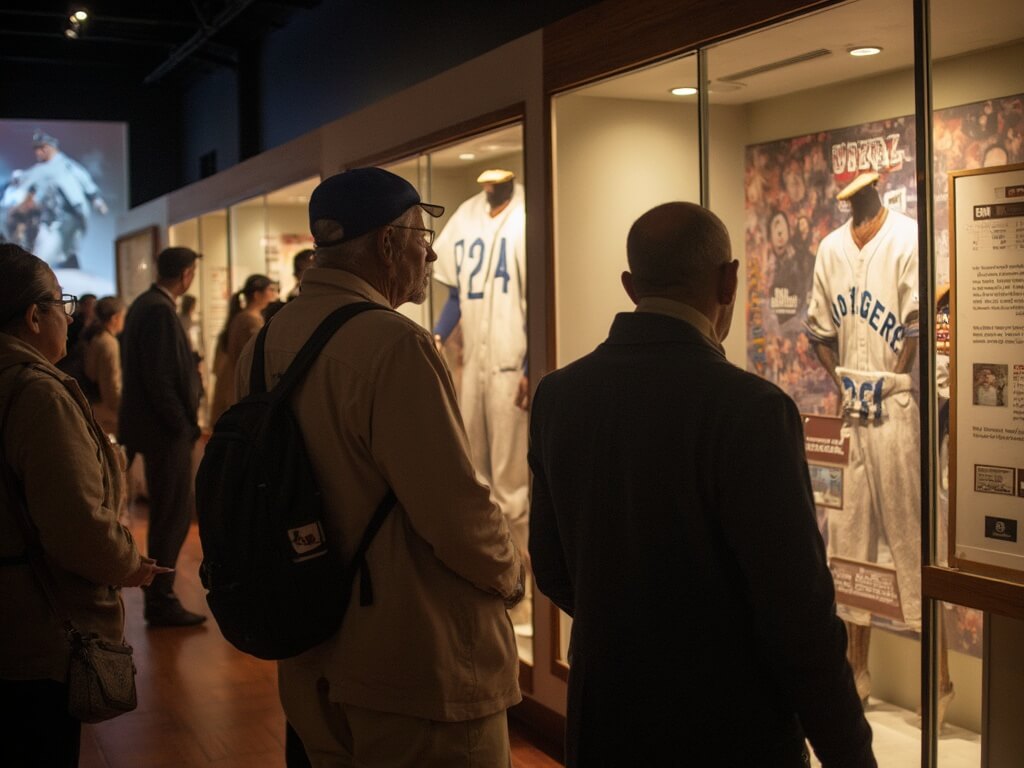
Image Credit @Maitravelsite
Why This Museum Fundamentally Matters
The Baseball Hall of Fame in Cooperstown isn’t just preserving sports history.
It’s maintaining a connection to American cultural identity that reaches far beyond baseball itself.
The Jackie Robinson and Women in Baseball exhibits embrace the complexity of baseball’s intersection with race, gender, and national identity.
This institutional integrity—the willingness to tell complicated stories—makes the visit genuinely worthwhile.
The Bottom Line: Your Cooperstown Decision
If you love baseball, you must visit the Hall of Fame.
If you’re planning a family trip in the Northeast, building a Cooperstown day into your itinerary creates genuinely memorable experiences.
This is not a tourist trap. It’s a museum committed to preservation, education, and authentic engagement with baseball’s complete story.
Plan your visit with intention. Consider a private tour. Avoid peak summer if possible. Stay overnight if you can.
That’s how you turn a simple trip into a lasting memory.
Explore Other Travel Adventures
- Take a Lighthouse Tour in Maine
- Drive the Hana Highway in Maui
- Walk the Beaches of the Oregon Coast
- Hike to Delicate Arch in Arches National Park
- Take the Cog Railway to the Top of Pikes Peak
That underestimate is still the most common thing I hear from people after their visit, museum included. Visiting the Baseball Hall of Fame in Cooperstown takes longer than anyone plans for, and that’s the whole point.