Image Credit @Budget Travel Adventures
Why 1,177 Names Matter More Than You Think
The USS Arizona sank in under nine minutes on December 7, 1941, and eleven hundred seventy-seven crew members are still entombed inside it. Visiting the memorial means standing over an active gravesite, not a museum piece, which changes how quiet everyone on the boat gets without anyone telling them to be.
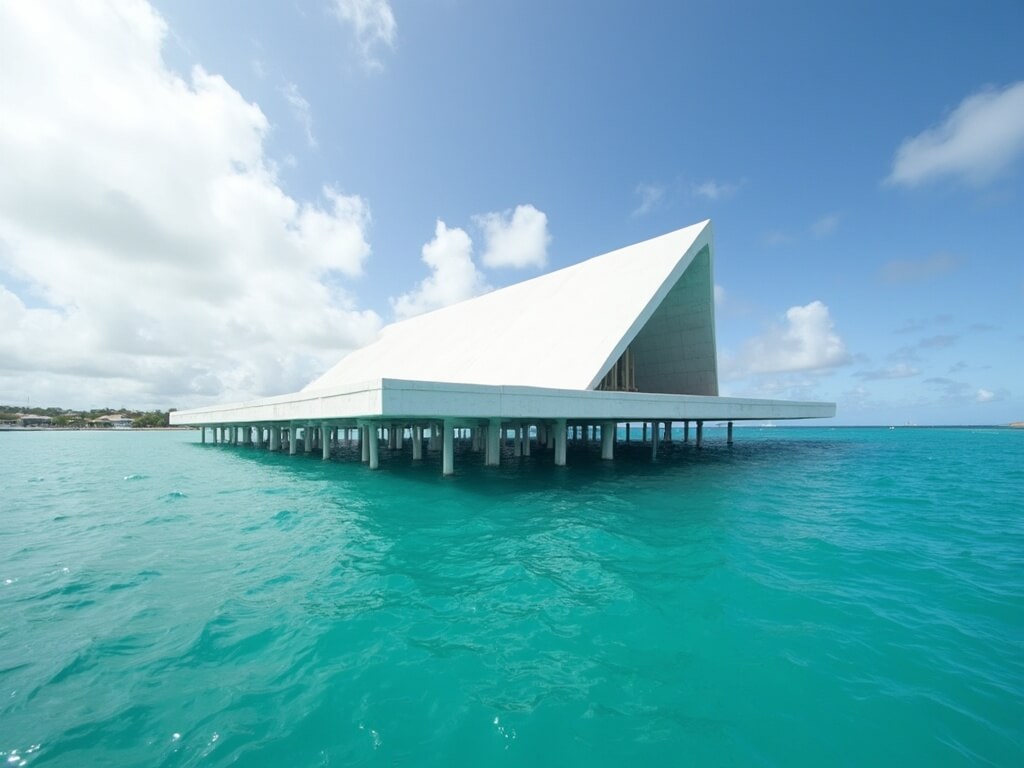
Image Credit @Budget Travel Adventures
Most people don’t realise this when they book their trip.
They think they’re visiting a museum or a historical landmark.
What they’re actually doing is paying respects at a grave site.
Understanding that distinction changes everything about how you experience a visit to Pearl Harbor.
The Attack That Started It All
December 7, 1941 began like any other Sunday in Hawaii.
Ships bobbed peacefully at their moorings.
Sailors slept in their bunks.
Breakfast was being served in various galleys across the base.
Then at 7:48 a.m., the first wave of Japanese aircraft appeared over the horizon.
What followed was carnage.
The USS Arizona, a Pennsylvania-class battleship, took a direct hit from a bomb that penetrated her deck and detonated in the forward ammunition magazine.
The explosion was so massive it essentially split the ship in half.
Nearly half of all the Americans killed during the entire Pearl Harbor attack died aboard that single vessel.
When you visit the USS Arizona Memorial today, you’re not standing on some sanitised historical display.
You’re standing above a graveyard.
The wreck sits approximately 40 feet below the surface.
On clear days, you can actually see the hull beneath you.
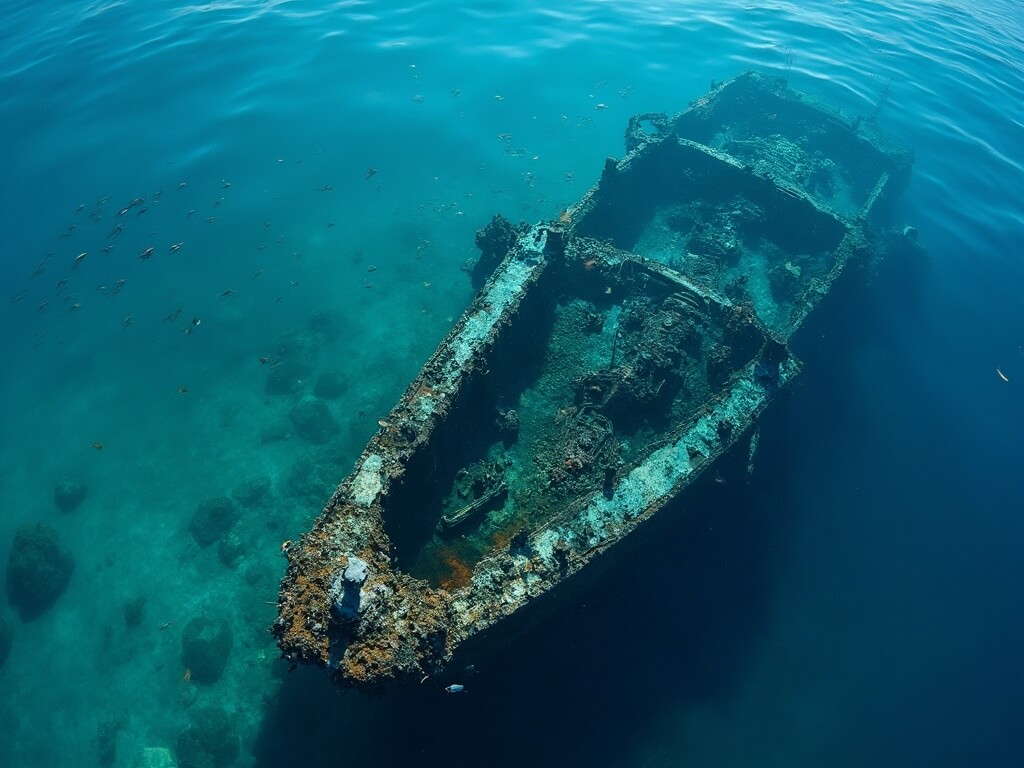
Image Credit @Budget Travel Adventures
Some visitors report seeing oil still seeping from the wreck—a phenomenon locals call “black tears”—which some believe represents the ongoing grief of those who perished.
That attack killed over 2,400 people across the base (military and civilian combined), but the USS Arizona alone accounted for 1,177 of them.
It was the single deadliest event in United States naval history.
Why This Matters Beyond the History Books
The USS Arizona attack wasn’t just a military tragedy.
It was the catalyst that pulled America into World War II.
President Franklin D. Roosevelt called it “a date which will live in infamy,” and Congress declared war the very next day.
Everything changed because of what happened in those few terrifying minutes on that Sunday morning.
That’s why the memorial exists.
It’s not there to glorify war or celebrate military might.
It’s there to honour sacrifice and ensure we never forget the cost of that particular moment when the world shifted.
I learned this firsthand during my own visit about five years ago.
I arrived expecting a straightforward historical tour—interesting, educational, maybe a bit sobering.
What I didn’t expect was the emotional weight of it.
I was standing on the memorial platform, looking down at the sunken ship below, when a elderly Hawaiian man standing next to me started crying quietly.
I asked if he was okay.
He told me his grandfather had died on the Arizona.
He’d never met him, but he visits the memorial every year to feel close to him.
That conversation—just a few minutes with a complete stranger—completely reframed my understanding of why this place matters.
It’s not a historical curiosity.
It’s not a bucket-list destination.
It’s a sacred space where families come to remember their dead.
That perspective stuck with me, and it’s shaped how I think about visiting memorials ever since.
Understanding the Memorial’s Structure
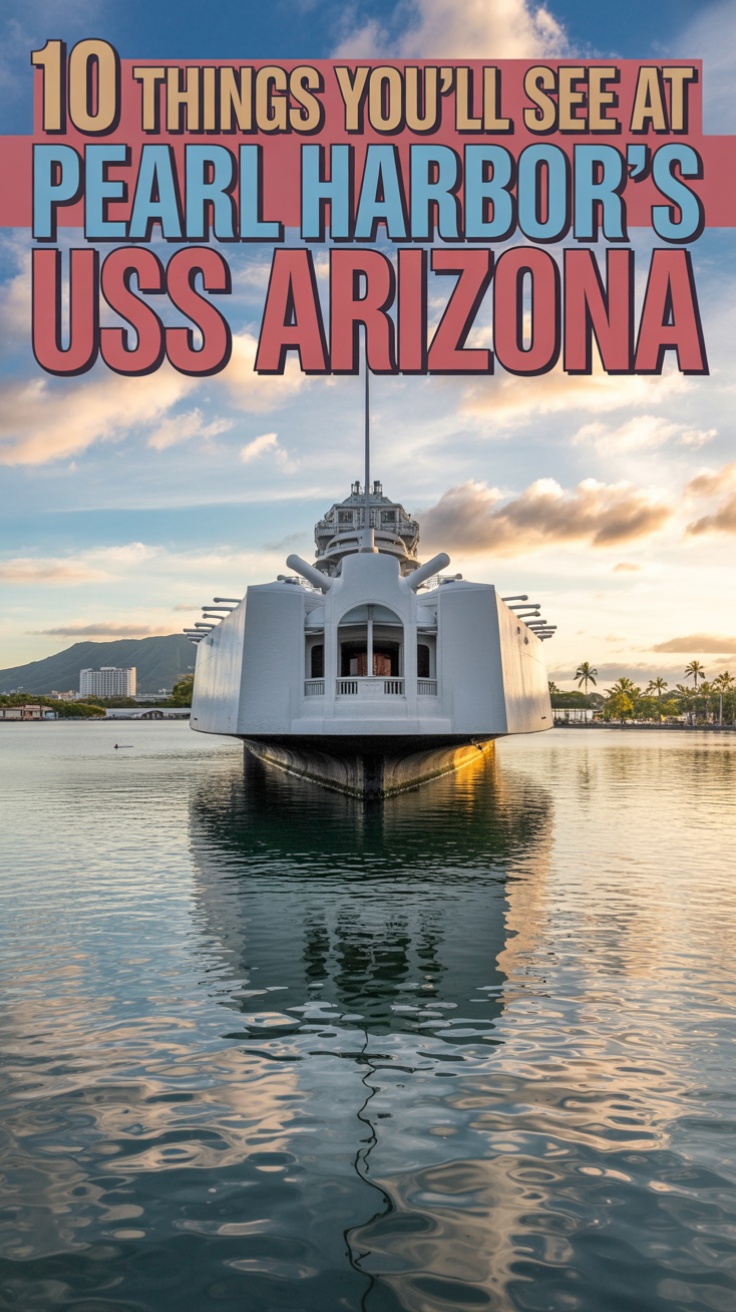
The USS Arizona Memorial is an architectural achievement in its own right.
It’s a 184-foot-long white structure that sits directly above the sunken battleship without actually touching the ship itself.
This design was intentional—the memorial floats independently, held in place by its own buoyancy and support structures.
Think of it less as a building and more as a floating platform of remembrance.
The memorial has three distinct spaces:
The Entry room features state flags representing the battleships that were lost at Pearl Harbor.
The main open-air hall is where you stand directly above the wreck, with views down into the water where the USS Arizona lies.
The Assembly Room holds the Remembrance Wall, which displays the names of all 1,177 crew members who died on the ship.
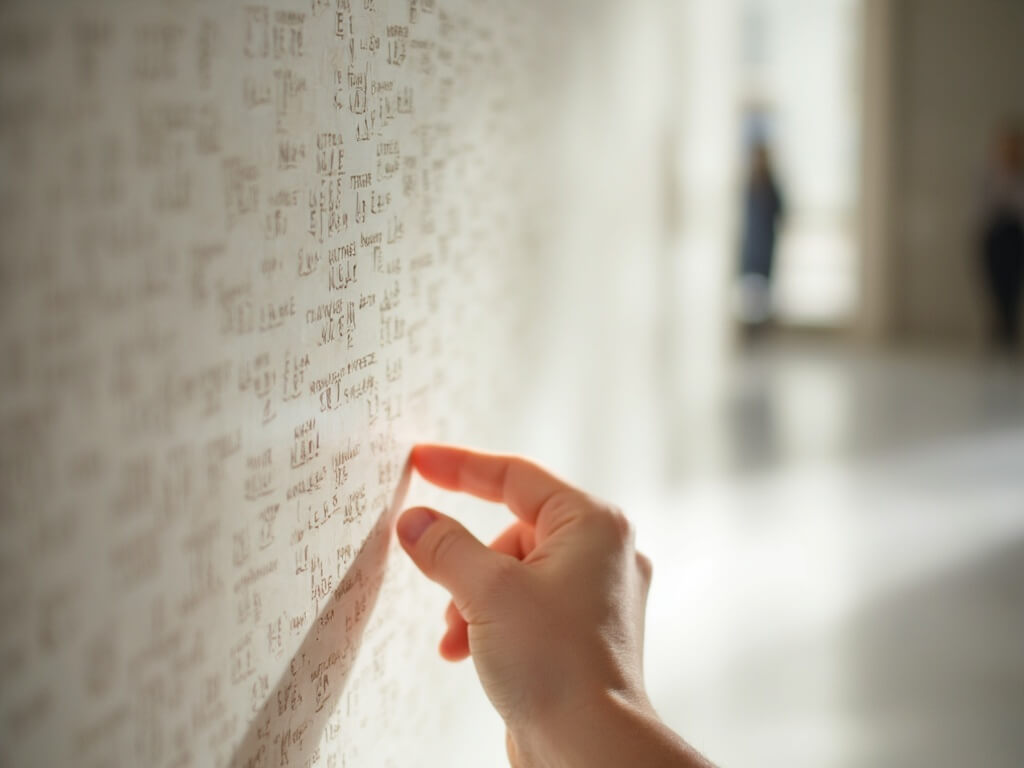
Image Credit @Budget Travel Adventures
Walking through that Assembly Room and reading those names is something people rarely talk about, but it’s profoundly moving.
These weren’t abstract historical figures.
They were sailors, many of them barely out of their teens.
Sixteen-year-old mess attendants.
Twenty-two-year-old radiomen.
Ordinary people who happened to be on a ship that morning.
Getting There: The Practical Stuff
The USS Arizona Memorial sits on the island of Oahu, near Honolulu.
If you’re flying into Hawaii, you’ll most likely arrive in Honolulu, which makes this relatively accessible.
The main entrance is at the Pearl Harbor Visitor Center, located at 1 Arizona Memorial Place.
Getting there is straightforward if you’re renting a car (parking is $7 per day, paid via kiosk or mobile app onsite).
If you’re using public transport, the city bus system serves the area, though it requires some planning and extra time.
The Visitor Center opens at 7:00 a.m. every day except Thanksgiving, Christmas, and New Year’s Day.
It stays open until 5:00 p.m.
That opening time matters more than you might think—the place gets genuinely packed by mid-morning, especially during peak tourist season (December through March).
If you want to avoid shoulder-to-shoulder crowds, arriving right when they open gives you a significant advantage.
I learned this the hard way on my visit.
I’d made the classic tourist mistake of thinking “I’ll go mid-afternoon when it’s less crowded.”
Wrong.
Mid-afternoon meant I was queuing with hundreds of other people, and the experience felt rushed and impersonal.
The Ticket Situation (And Why It’s More Complex Than It Should Be)
Here’s the slightly frustrating part: you cannot show up to the USS Arizona Memorial and just walk on.
Everything runs on a reservation-only system now.
Admission to the Visitor Center and its museums is free, but visiting the memorial itself requires an advance reservation.
There’s a $1 fee per ticket, which is nominal, but more importantly, you must book online ahead of time.
Tickets are not available onsite, and they sell out regularly, especially during busy seasons.
Everyone—including children of all ages—needs their own ticket.
There’s no “free admission for kids under 5” loophole here.
If your four-year-old is coming with you, they need a reserved ticket.
How far in advance should you book?
The honest answer is as soon as possible.
If you’re visiting during peak season (winter months), you should be looking to book at least two to four weeks in advance, sometimes more.
During slower seasons (late spring through early fall), you might have a bit more flexibility, but “flexible” still means booking several days ahead, not the day before.
The reasoning behind this system is sound—limiting visitor numbers protects both the memorial itself and ensures people aren’t standing in impossible queues for hours.
But it does mean you need to plan ahead, which isn’t always how holiday trips work in practice.
What the USS Arizona Memorial Tour Actually Involves
Once you’ve secured your tickets and arrived at the Visitor Center, the experience unfolds in a specific sequence.
The entire process takes approximately 75 minutes from start to finish.
Ranger Briefing (10-15 minutes)
A National Park Service ranger provides an introductory briefing about what you’re about to experience and covers basic safety information for the boat ride.
Historical Documentary (23 minutes)
You’ll watch a short film that provides historical context about the attack, the ship, and the men who died aboard her.
Shuttle Boat Ride (5-10 minutes each way)
Navy-operated shuttle boats ferry visitors out to the memorial.
Time on the Memorial (20-30 minutes)
This is the actual memorial platform visit—standing above the wreck, viewing the Remembrance Wall, and having time for quiet reflection.
The whole experience is genuinely well-organised.
The National Park Service has clearly thought through how to move hundreds of visitors daily while maintaining the solemn, respectful atmosphere the site deserves.
The Remembrance Wall and What You’ll See
The Remembrance Wall in the Assembly Room is something that catches most visitors off guard emotionally.
It’s a simple list of names—all 1,177 of them—engraved into a wall of white marble.
Chronologically ordered, it includes the rank and rating of each man, plus their age.
Looking at those ages hits differently than reading about the attack in a history book.
You see how many were teenagers.
Nineteen-year-old gunner’s mates.
Twenty-year-old torpedomen.
Some were older—men in their forties and fifties—but a staggering number were barely old enough to legally drink.
Visitors often place their hands on names, sit quietly on the benches facing the wall, or simply stand and read.
Some people photograph names of relatives who died on the ship.
Others just stand in silence.
There’s no “correct” way to experience it, but the reverent quiet in that room is palpable.
When you look down from the memorial platform into the water, you’re viewing the actual wreck of the USS Arizona.
On clear days with good visibility, you can see the hull, see where the explosion tore through the ship, and gain a visceral sense of the scale of the destruction.
Before You Book That Ticket
There are some practical restrictions and requirements you should know about.
The clear bag policy is particularly important: only transparent bags are allowed on the memorial itself.
Regular backpacks and purses must be stored at the Visitor Center (there’s a fee for this storage service).
This policy exists for security reasons, but it means you can’t carry much with you onto the memorial itself.
No food or drinks are permitted on the memorial platform, though the Visitor Center has a snack shop and limited food service.
Photography is allowed throughout, but drones and tripods are prohibited.
Mobility-wise, both the boats and memorial are wheelchair accessible, and the National Park Service has made genuine efforts to ensure visitors with disabilities can experience the site.
There are accessible restrooms at the Visitor Center, though not on the memorial itself.
The boat ride itself is manageable for most people with mobility issues, though the memorial does require some walking on relatively narrow platforms.
One last thing: December 7 each year (the anniversary of the attack) has special significance.
The National Park Service typically doesn’t offer regular guided tours that day due to official commemorative ceremonies.
If you’re planning to visit on that specific date, expect different operating procedures and potentially more limited access for regular tourists.
—
The USS Arizona Memorial represents something fundamental about how we process tragedy and loss as a society.
It’s a place where history isn’t abstract—it’s personal, immediate, and profoundly real.
But visiting isn’t just about standing on a memorial platform and paying respects.
The full Pearl Harbor experience involves understanding what you’re looking at, planning your visit properly, and knowing what to expect when you arrive.
For more meaningful and educational travel experiences, consider visiting the National Civil Rights Museum in Memphis or taking a lighthouse tour in Maine.
The Exhibits That Context You’ve Been Missing
Most people underestimate the museums at the Pearl Harbor Visitor Center.
They think the real experience is the boat ride to the memorial, and everything else is supplementary.
That’s backwards.
The museums are where the attack actually makes sense.
Without them, you’re standing above a sunken ship with a general sense of “this was bad.”
With them, you understand the mechanics of what happened, the human stories behind the statistics, and why that Sunday morning mattered so fundamentally.
The Visitor Center houses two distinct museum spaces.
The first focuses on the events of December 7 itself—the timeline of the attack, the decisions made in real-time, the communication breakdowns that left the base unprepared.
You see artifacts from the day: a sailor’s shoe from the Arizona, photographs of the burning ships, personal effects of men who died.
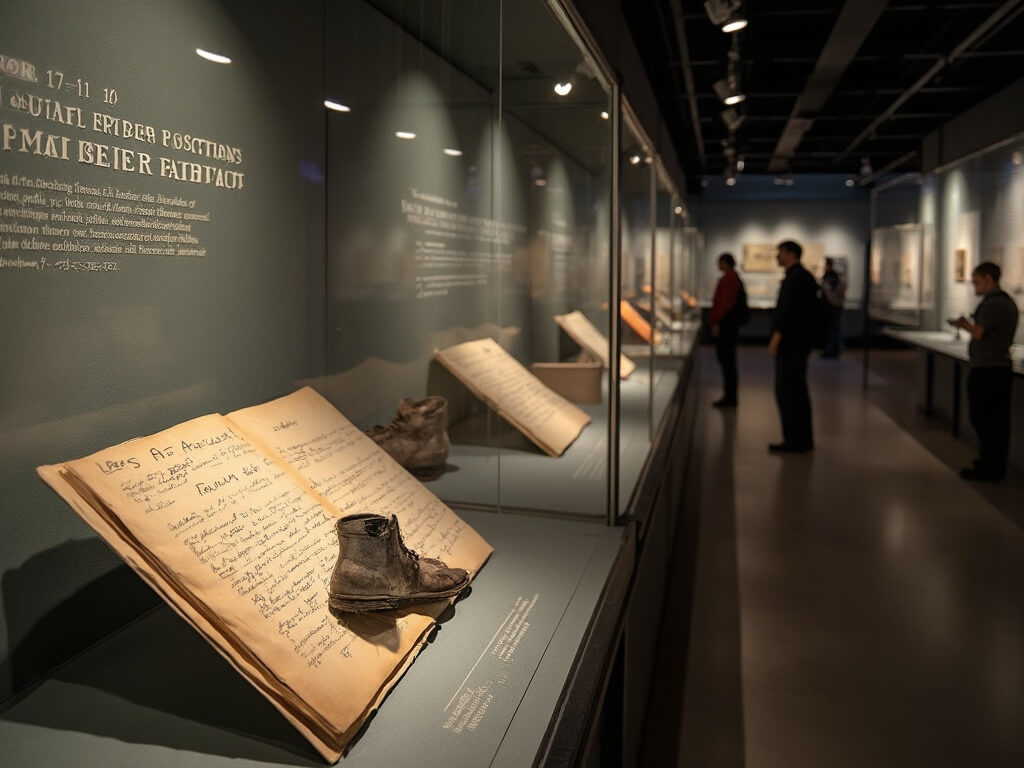
Image Credit @Budget Travel Adventures
The second museum contextualises the broader Pacific Theater and America’s response to the attack.
It covers the strategic implications, the industrial mobilisation, and the trajectory of the war in the Pacific over the following years.
What makes these museums effective is that they don’t sanitise the experience.
Photographs show bodies, wreckage, and the genuine devastation.
There are personal letters written by sailors in the days before the attack.
One exhibit features a young radioman’s diary—mundane entries about shipboard life, then the final entry dated December 6, the day before he died.
Reading that kind of material hits differently than a textbook summary.
Multimedia displays walk you through the attack minute-by-minute.
You watch archival footage of the explosions, hear audio recordings from that morning, and see maps showing the exact sequence of events.
Many exhibits include personal testimonies from survivors—audio and video recordings where the men themselves describe what they experienced.
Hearing a 90-year-old man’s voice as he talks about watching his shipmates die around him is profoundly moving in a way that written descriptions simply can’t match.
The museums are included in your free admission to the Visitor Center, so spending an hour here before your memorial boat tour is genuinely worthwhile.
I’d recommend arriving early enough to explore the exhibits first, then taking your memorial tour afterward.
That sequence—context first, then the emotional experience of standing above the wreck—creates a more complete understanding than doing it in reverse.
The Other Pearl Harbor Sites Worth Your Time
Here’s what many first-time visitors don’t realise: the USS Arizona Memorial is actually just one piece of a much larger historic site.
Pearl Harbor National Memorial encompasses multiple attractions, each telling different aspects of the WWII story.
Some of these are included in your general admission.
Others require separate tickets or passes.
The USS Bowfin Submarine Museum
This is a decommissioned Gato-class submarine that earned the nickname “Pearl Harbor Avenger” for sinking 44 enemy vessels during the war.
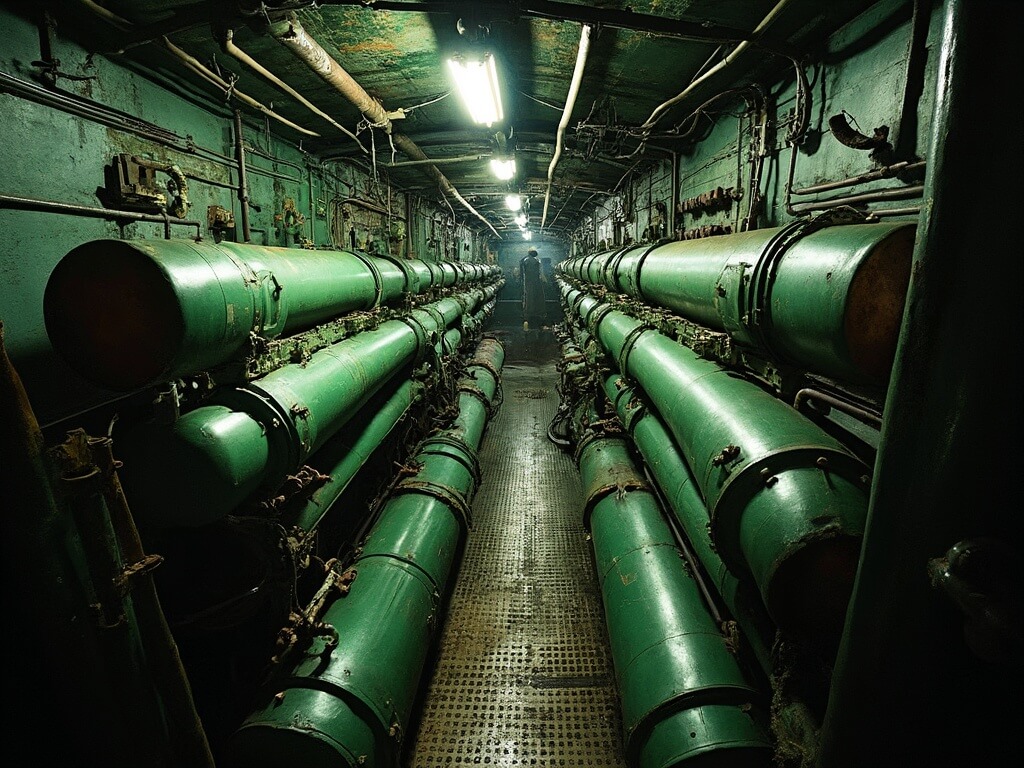
Image Credit @Budget Travel Adventures
You can actually tour the interior of this ship, which is a genuinely claustrophobic experience that gives you visceral appreciation for what submarine crews endured.
The museum includes the USS Bowfin itself plus a surrounding museum complex with WWII submarine artifacts, weapons, and historical exhibits.
Separate admission is required—currently around $12 per adult—but it’s worth the cost if you have time and interest in naval history.
The Battleship Missouri Memorial
This is where the Japanese surrender was formally signed on September 2, 1945, ending World War II in the Pacific.
The USS Missouri sits on Ford Island, which requires a special shuttle to reach.
You can tour the ship’s decks and visit the exact spot where the surrender ceremony took place.
It’s an interesting complement to the Arizona Memorial—one represents the opening tragedy of America’s war in the Pacific, the other represents its conclusion.
The Pearl Harbor Aviation Museum
Located in two of the original WWII hangars (you can still see bullet holes and bomb damage on the structures), this museum focuses on the air war in the Pacific.
You see restored WWII aircraft, flight simulators, and exhibits about the pilots and crew who flew combat missions.
If you’re interested in aviation history, this is exceptional.
The fact that the hangars themselves are original structures with actual battle damage makes it feel less like a museum and more like stepping into history.
Multi-Site Passes
The National Park Service offers a “Passport to Pearl Harbor” program that gives you discounted admission to multiple sites across the memorial complex.
This doesn’t include the USS Arizona Memorial itself (that requires your specific reservation), but it bundles the Bowfin, aviation museum, and other attractions at a reduced rate.
If you’re planning a full-day Pearl Harbor experience rather than just the memorial visit, this pass saves money and simplifies logistics.
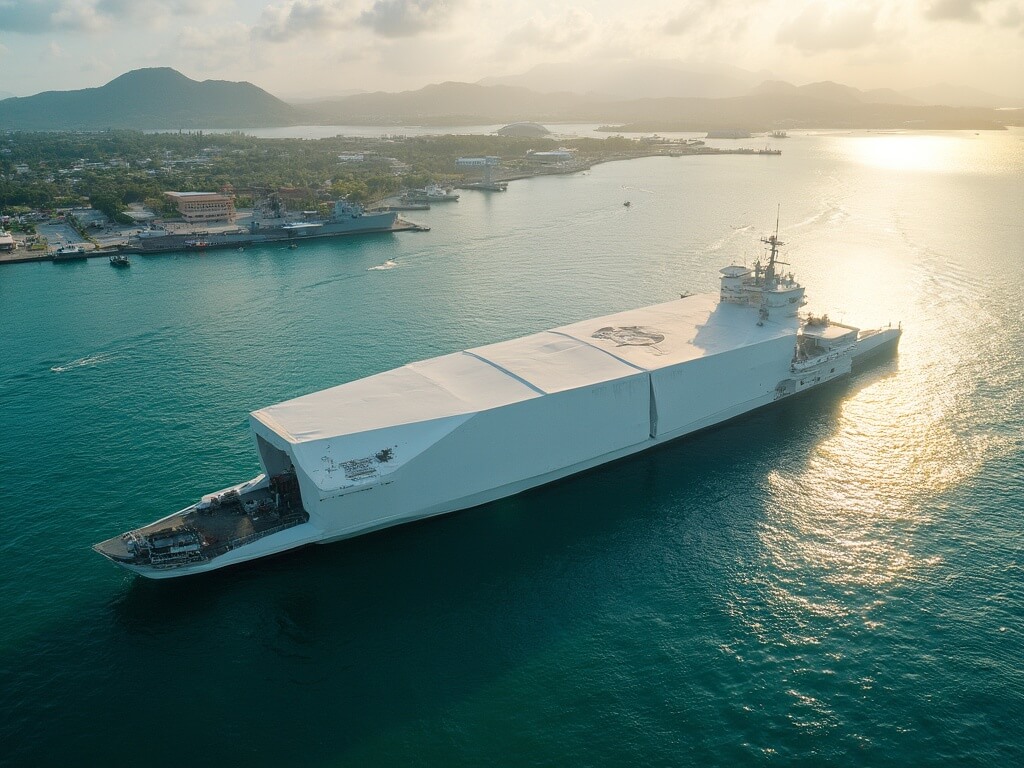
Image Credit @Budget Travel Adventures
Most visitors spend 2-3 hours at the Arizona Memorial and exhibits, then dedicate another 2-4 hours exploring the other sites depending on interest level.
Plan accordingly—Pearl Harbor isn’t a 90-minute stop.
It’s a half-day or full-day commitment if you want to actually absorb the experience.
The Rising Role of Technology in Experiencing History
Something has shifted at Pearl Harbor in the last few years: virtual reality and digital enhancements are becoming central to how people engage with the site.
VR allows you to see the USS Arizona as it was before the attack—a functional battleship with active crew, before the explosion destroyed it.
The Visitor Center offers VR tours, audioguide rentals, and app-based resources that provide additional context and information about what you’re viewing.
The audioguide rentals are particularly useful. It’s like having a knowledgeable historian walking beside you.
The park’s official app is solid—it has maps, exhibit information, and wayfinding guidance.
What’s noteworthy is that this technology doesn’t replace the human experience—it supplements it.
The core memorial remains largely unchanged from its original design.
Addressing the Real Logistical Headaches
The Crowds
Pearl Harbor is one of Hawaii’s top tourist attractions. During peak season, it’s packed.
Your best strategy: arrive at opening time (7 a.m.).
The Bag Policy
Only clear bags are permitted. Storage is available for a fee.
Pro tip: just bring a clear bag to begin with.
Limited Food Options
Bring snacks and water. The on-site food service is limited and expensive.
Parking Reality
Parking is $7/day, paid only via kiosk or mobile app.
Arrive early to avoid frustration and secure a spot.
Accessibility Considerations (Beyond Wheelchairs)
The site is wheelchair accessible, but contact the Visitor Center ahead of time if you have other needs.
When to Visit: Seasonal Considerations That Actually Matter
Winter (December-March)
Cooler temperatures but peak crowds. Plan Your Visit to the USS Arizona Memorial early.
Spring (April-May) and Fall (September-October)
Recommended time to visit—moderate crowds and pleasant weather.
Summer (June-August)
Fewer tourists, but high heat. Come prepared with sunscreen and water.
December 7 Anniversary
Special ceremonies replace the regular tours. Visit another day for the standard experience.
What Visitors Actually Feel: The Emotional Reality
The memorial isn’t designed to be uplifting. It’s a space of remembrance and loss.
All emotional reactions are valid. Prepare young children with context before visiting.
Combining Your Visit with Other Oahu Attractions
If staying in Waikiki, allow 20-30 minutes to drive to Pearl Harbor.
A good itinerary might be:
- Morning: Pearl Harbor Visitor Center and USS Arizona Memorial
- Afternoon: Diamond Head, Honolulu Museum of Art, or nearby beaches
The Practical Checklist for Your Visit
Weeks Before Your Visit
- Book your reservation
- Check for advisories on the NPS site
Days Before Your Visit
- Confirm your ticket
- Arrange transportation
Morning of Your Visit
- Arrive 60 minutes early
- Bring sunscreen and water
At the Visitor Center
- Clear security
- Explore the museum before your boat tour
Making Your Experience Meaningful Rather Than Just Checking a Box
Slow down. Reflect. Engage.
Let the rangers know if you’re visiting in memory of someone. They often go the extra mile to personalize the experience.
Explore stories in the exhibits. Sit quietly on the platform. Don’t rush through.
USS Arizona Memorial Information and History
One Last Crucial Thing About COVID-19 and Future Considerations
The memorial’s operations are subject to change. Always check the official NPS website before your visit.
The Preservation Effort Behind What You’re Experiencing
Maintaining the USS Arizona Memorial requires ongoing marine archaeology and funding.
Your purchases and donations contribute to this dignified preservation work.
The Final Perspective on Why This Place Exists
The USS Arizona Memorial isn’t just a structure—it’s an entire ecosystem of remembrance.
By visiting, you help carry forward the memory of 1,177 lives lost.
What to Do Immediately After Your Visit
Take some time post-visit to reflect.
Research the individuals whose stories touched you. It deepens the emotional impact and connects you to history.
Your Action Plan for Before You Go
- Check ticket availability and book early
- Plan for at least 3 hours at Pearl Harbor
- Share this guide with your travel companions
- Pack for respect, not just sightseeing
- Approach the memorial with reverence
For more travel inspiration, check out:
- Explore White Sands National Park
- Hike to Delicate Arch in Arches National Park
- Walk the Beaches of the Oregon Coast
- Drive the Hana Highway in Maui
- Spend a Day at Mall of America in Minnesota
That quiet on the boat out to the memorial is something no plaque explains, you just feel it happen around you. Visiting the USS Arizona Memorial in Pearl Harbor is one of the few stops on a Hawaii trip that isn’t really a vacation activity.