Image Credit @newslinq
Why Bar Harbor Is Where Maine Lobster Actually Lives
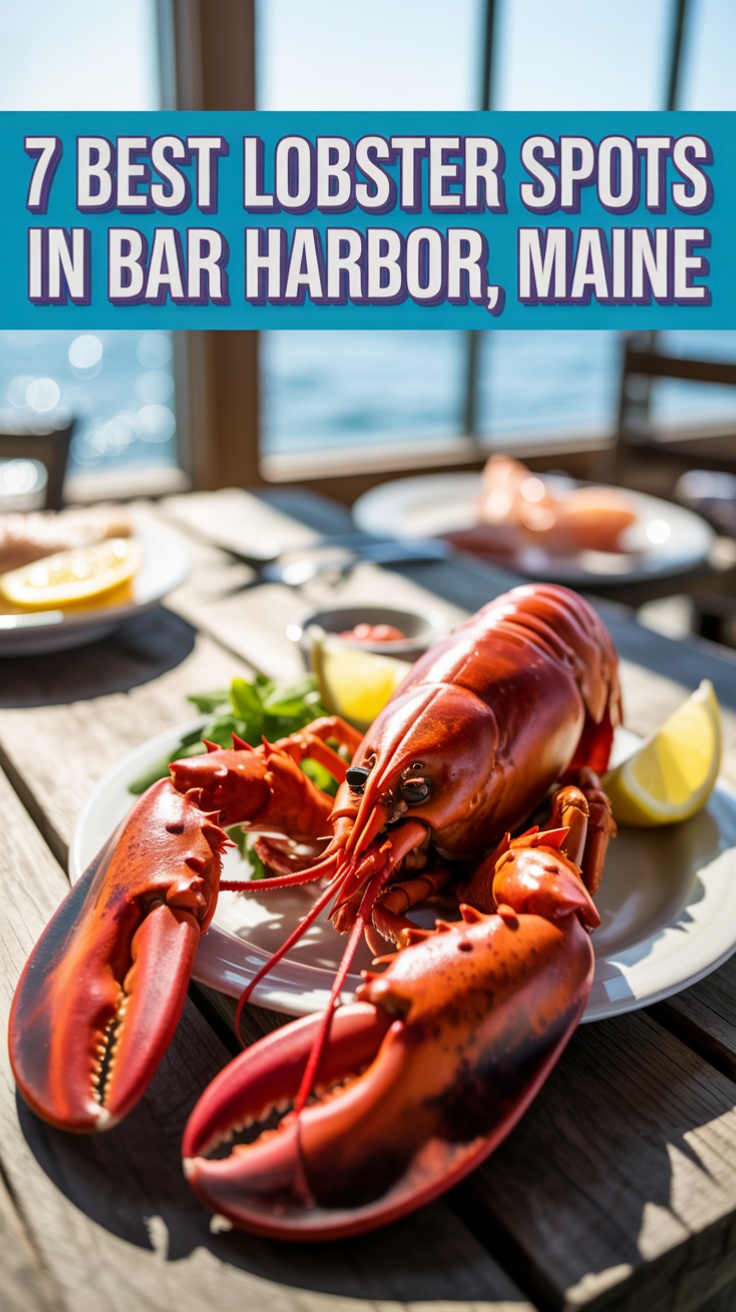
When you think of eating lobster in Maine, you’re probably imagining yourself cracking into a whole steamed beauty at some weathered wooden table overlooking the Atlantic.
Bar Harbor doesn’t just deliver on that fantasy—it perfects it.
I remember my first trip to Bar Harbor about eight years ago.
I’d visited Maine before, but nothing prepared me for stepping off the ferry and being hit with that unmistakable salt-and-brine smell mixed with fresh-cooked lobster wafting from seemingly every direction.

Image Credit @newslinq
A local fisherman I met at a café told me something I’ve never forgotten: “If it’s not caught here, it’s not worth eating.”
That attitude isn’t arrogance.
It’s just the reality of living on Mount Desert Island, where the cold Atlantic waters produce some of the finest lobster in the world.
Bar Harbor sits at the geographic sweet spot—close enough to working fishing docks that your dinner was probably swimming that morning, but cosmopolitan enough to offer everything from rustic pound-style shacks to contemporary restaurants with craft cocktail bars.
The seasonality matters here too.
June through September is peak season, when catches are abundant and the weather draws crowds to nearby Acadia National Park.
But here’s what most visitors don’t know: shoulder season (May and October) often gives you better value, shorter wait times, and lobster that’s honestly just as fresh.
Winter shuts many places down, but that’s when the locals eat.
The Three Ways to Experience Lobster in Bar Harbor (And Why They’re All Different)
Before you book your trip, understand this: how you eat lobster in Bar Harbor depends entirely on what you’re after.
There are essentially three camps.
The Traditionalists Choose Lobster Pounds and Shacks
This is where I go when I want the real thing.
Lobster pounds like C-Ray Lobster and The Travelin Lobster aren’t restaurants in any formal sense.
They’re seafood vendors with picnic tables, live tanks, and a straightforward philosophy: catch it, cook it, serve it.
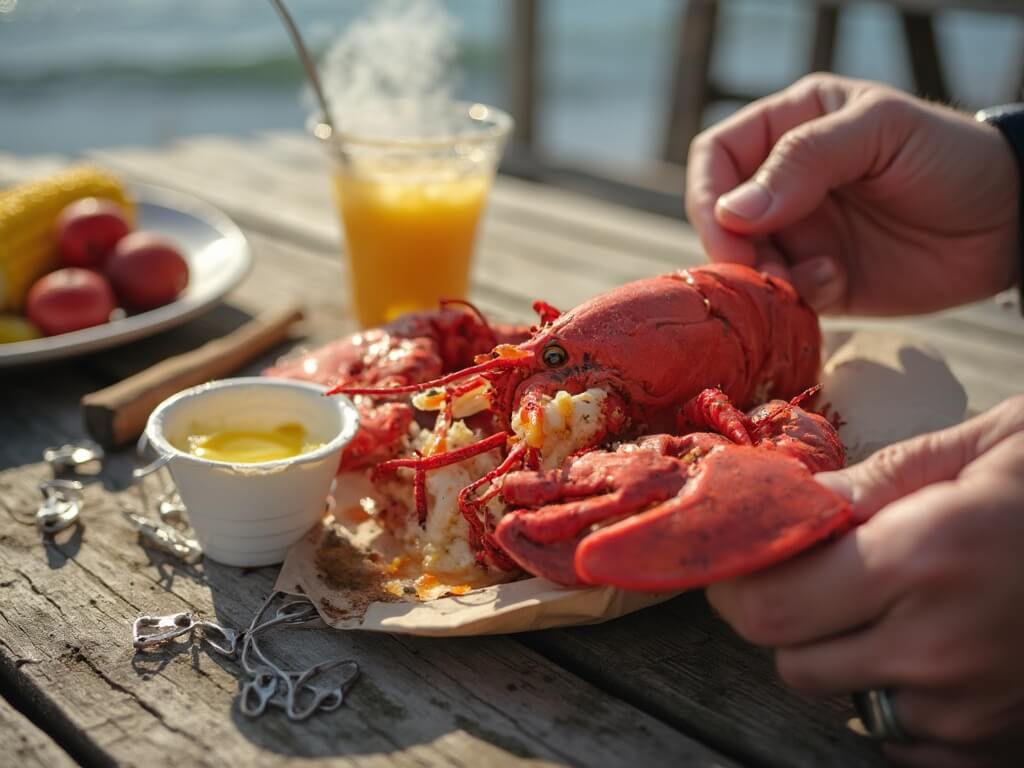
Image Credit @newslinq
Locals prefer these places because there’s zero markup nonsense.
You’re paying for the lobster, the steam, and that’s it.
The Pragmatists Go to Full-Service Seafood Restaurants
If you want something between “table at a pound” and “fine dining,” this is your lane.
Places like Geddy’s, Stewman’s Lobster Pound, and Bar Harbor Lobster Co. have actual restaurant infrastructure.
These places typically run $30–$50 per person for a whole lobster with sides, which is significantly more than pounds but includes service, atmosphere, and the comfort of not having to attack your meal like you’re dismantling an engine.
The Adventurous Try Fusion and Modern Takes
Then there’s the growing wave of places doing unexpected things with lobster.
Testa’s serves lobster mac and cheese that tastes like indulgence wrapped in comfort.
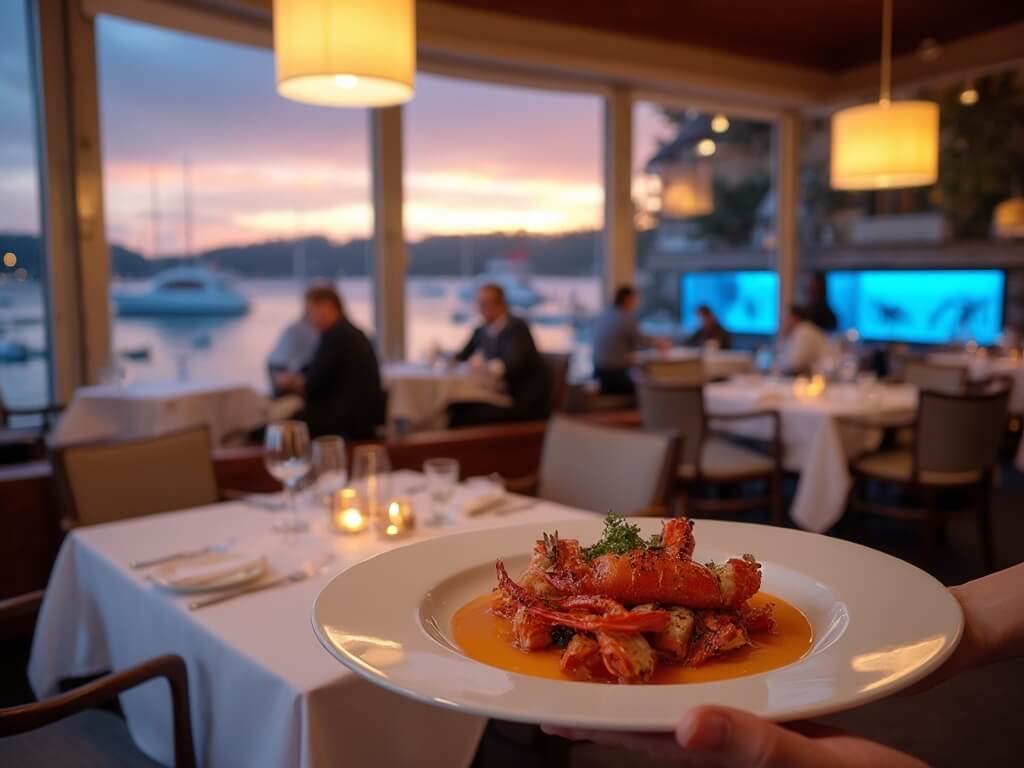
Image Credit @newslinq
Some places are even experimenting with lobster in unexpected applications—think lobster-infused cocktails or lobster salads that don’t rely on mayo as a crutch.
The Lobster Dishes You Actually Need to Try
Whole Steamed Lobster: The Benchmark
This is the foundation of everything.
A whole steamed Maine lobster, typically 1.25 to 2 pounds, arrives still steaming with a small cup of drawn butter on the side.
The Lobster Roll Debate: Cold vs. Warm
This is where things get political.
Maine natives will tell you: cold lobster roll, mayo-based, served on a toasted bun.
Connecticut people say: warm lobster meat, buttered bun, served hot.
Both exist in Bar Harbor.
Lobster Bakes: The Full Experience
A proper Maine lobster bake includes lobster, but that’s just the beginning.
You get whole lobster, clams, mussels, corn, potatoes, sometimes sausage, all steamed together over seaweed in a pit or specialized pot.
Modern Preparations Worth Trying
Lobster mac and cheese shouldn’t work—it feels like gilding the lily.
Lobster tacos sound gimmicky until you taste one done right.
The Restaurants That Actually Matter in Bar Harbor
C-Ray Lobster: Authenticity Without Compromise
This is a working lobster pound where fishermen’s boats literally dock outside.
Stewman’s Lobster Pound: Scale Without Sacrifice
They’ve got two oceanfront locations, which means they handle volume without losing quality.
Geddy’s: The Safe Choice That Actually Deserves It
Geddy’s has been around long enough to become an institution, but institutions don’t survive unless they actually earn it.
Bar Harbor Lobster Co.: The Modern Option
This place gets dismissed by purists, but that’s a mistake.
If you want contemporary Maine seafood instead of a historical reenactment, this is where you go.
The Travelin Lobster: Maximum Informality
This is a shack that does whole lobster and lobster rolls from a seasonal operation.
The Real Question: How Much Should You Actually Spend?
This matters because lobster pricing in Bar Harbor varies wildly depending on where you go and when you go.
A whole lobster meal at a pound might run $28–$35.
That same meal at a full-service restaurant could be $40–$55.
A lobster roll ranges from $18–$35 depending on size and preparation.
Market Price Fluctuations
Lobster prices move based on supply and demand.
Lobster Size
A 1.25-pound lobster costs less than a 2-pound lobster, obviously.
Preparation Method
A whole steamed lobster with basics usually costs less than a lobster roll with premium ingredients or a lobster dish where the kitchen has done significant work.
Restaurant Setting
Waterfront real estate costs money.
Seasonality
June through September you’re competing with cruise ship tourists and vacation crowds.
What Separates Fresh Lobster from the Stuff You’ll Regret
I spent an afternoon talking with a dockside fisherman years ago, and he told me something that stuck: most people can’t actually tell the difference between fresh lobster and three-day-old lobster.
Ask Where It Came From
Legitimate places will tell you their lobster came from local fishermen that morning.
Check for Live Tanks
If you see live lobster tanks, that’s a strong signal of freshness commitment.
Look for Seasonal Menu Adjustments
Places that know what they’re doing adjust their menus based on what’s available and fresh.
Taste the Difference Yourself
Cook a whole lobster at a pound, then eat one at a higher-end restaurant the same day.
Why Bar Harbor Works Better Than Anywhere Else in Maine (Even if Locals Won’t Admit It)
Here’s a controversial statement: Bar Harbor has the best combination of lobster quality, restaurant infrastructure, and customer experience in Maine.
Bar Harbor has something specific: it’s close enough to working fisheries to guarantee freshness, but developed enough that you don’t have to sacrifice comfort or options to get that freshness.
Bar Harbor exists because of Acadia National Park.
There’s also something about island communities—they develop a different kind of pride in their product.
Walk into a local diner and you’ll see people ordering lobster rolls like they’re ordering sandwiches, because to them, they are.
The Uncomfortable Truth About Pricing Right Now
I need to be honest about something: Maine lobster prices are volatile, and they’ve been particularly unpredictable in recent years.
Supply Varies Dramatically by Season
Summer abundance keeps prices lower.
Market Price Passes Through
Most restaurants price lobster dishes based on current market price for the raw ingredient.
Quality Justifies Premium
You’re paying for reliable sourcing, skilled preparation, proper storage, and the infrastructure that keeps things fresh.
My advice: check current prices before you go rather than anchoring to old numbers you saw online.
The comparison that matters isn’t “lobster rolls in Portland vs. Bar Harbor”—it’s “quality of preparation and freshness in Bar Harbor vs. everywhere else.”
Right now, the experience of eating properly sourced, expertly prepared lobster in Bar Harbor—surrounded by the ocean it came from, served by people who actually understand the product—that’s where you should focus your evaluation instead of obsessing over whether $32 is too much for something that costs $5 to catch.
Want more coastal experiences? Check out our guide to walk the beaches of the Oregon Coast.
Why Sustainability Matters (And Why Bar Harbor Gets It Right)
There’s a conversation happening in Bar Harbor that doesn’t make headlines but shapes everything.
It’s about whether the lobster industry can sustain itself for another generation.
Maine’s lobster catch has actually grown over the past two decades while other fisheries have collapsed.
That’s not luck—it’s the result of regulations, voluntary restrictions, and an industry that understands the relationship between restraint today and viability tomorrow.
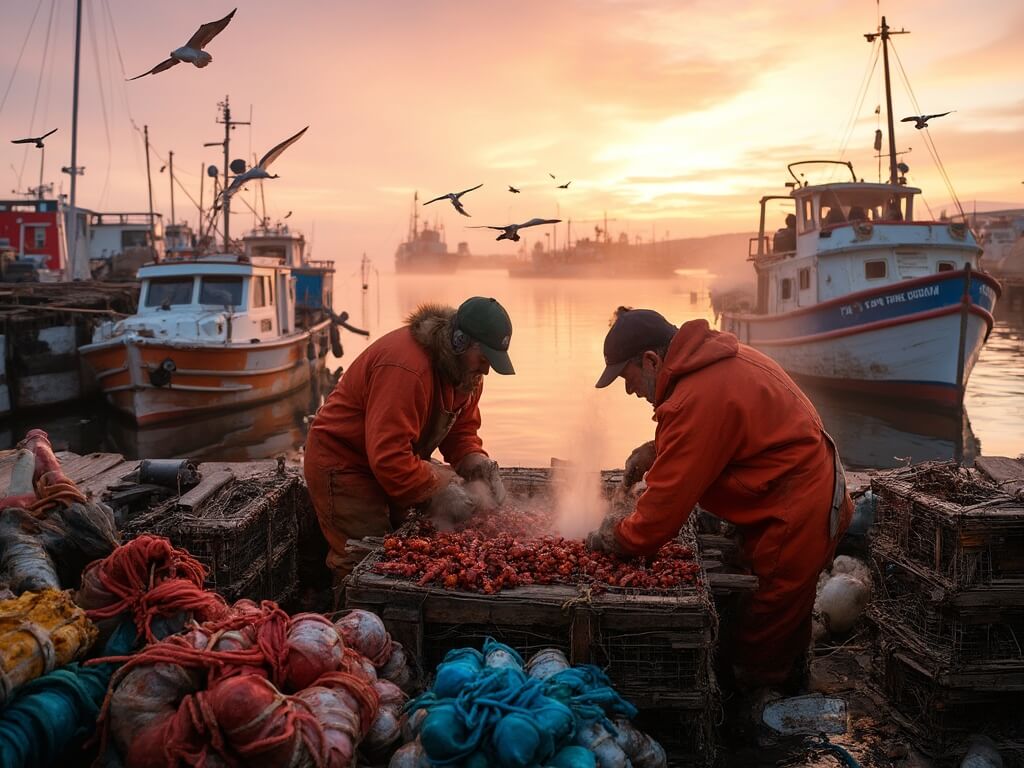
Image Credit @newslinq
When you’re eating lobster in Bar Harbor, you’re benefiting from that discipline whether you realize it or not.
Here’s the actual situation:
Maine’s Department of Marine Resources actively manages the lobster fishery with trap limits, seasonal restrictions, and size regulations. Female lobsters with eggs must be returned to the ocean. These long-term decisions preserve the ecosystem.
What You Can Actually Do About It
If sustainability matters to you, ask your restaurant about sourcing—where did the lobster come from? Which boat brought it in?
Supporting smaller, family-run operations that often have greater visibility into their supply chain helps maintain the ecosystem that makes Bar Harbor thrive.
You don’t have to become an activist, but understanding your consumption choices has consequences. For more guidance, search for Bar Harbor’s best lobster.
The Timing Question: When Actually Should You Go?
June Through August: Peak Everything
This is the high season with maximum restaurant options and abundant lobster. But expect long lines, higher prices, and crowds.
May: The Shoulder Season Sweet Spot
Moderate prices, fewer crowds, and fresh lobster make May an excellent time to visit—without the chaos of peak season.
September and October: When Locals Eat
Fewer tourists, crisp weather, and excellent lobster define this quieter, more enjoyable period of the year.
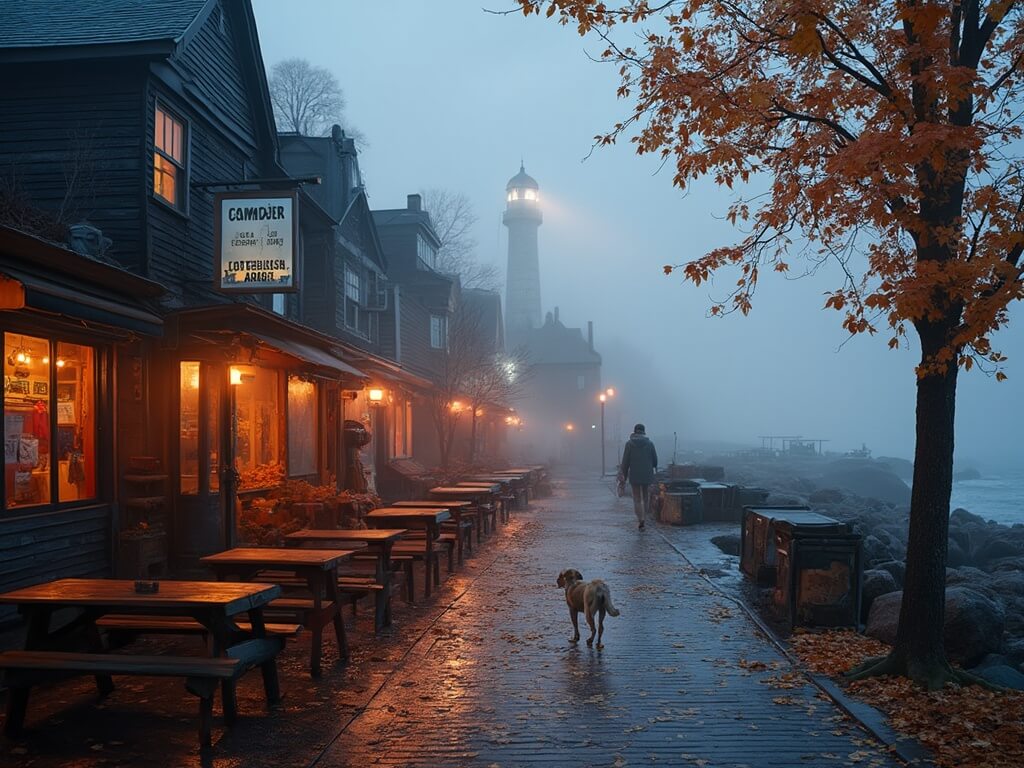
Image Credit @newslinq
November Through April: The Shutdown Season
Most shacks close, full-service restaurants reduce hours, and prices climb. Come for Acadia, not just lobster, during this season.
The Real Recommendation
May or September to October are the best months if you have flexibility. If you’re coming in summer, plan ahead. Book restaurants, arrive early, expect waits.
The Dietary Reality: What If You Don’t Eat Shellfish?
Full-Service Restaurants Get This Better Than Shacks
Places like Geddy’s and Bar Harbor Lobster Co. offer vegetarian and allergy-friendly options. Shacks focus on seafood—so options are limited.
What Actually Works as Alternatives
Look for fish dishes like halibut or swordfish, or vegetarian meals like salads and mac and cheese. Call ahead to confirm options.
The Broader Seafood Scene
Bar Harbor also features clams, mussels, haddock, and more. If seafood isn’t your thing, downtown offers pizza, burgers, and more.
Community Events and Why They Matter
Lobster Festivals and Seasonal Events
Locals outnumber tourists at these events, which often include live music, demos, and amazing lobster at better prices.
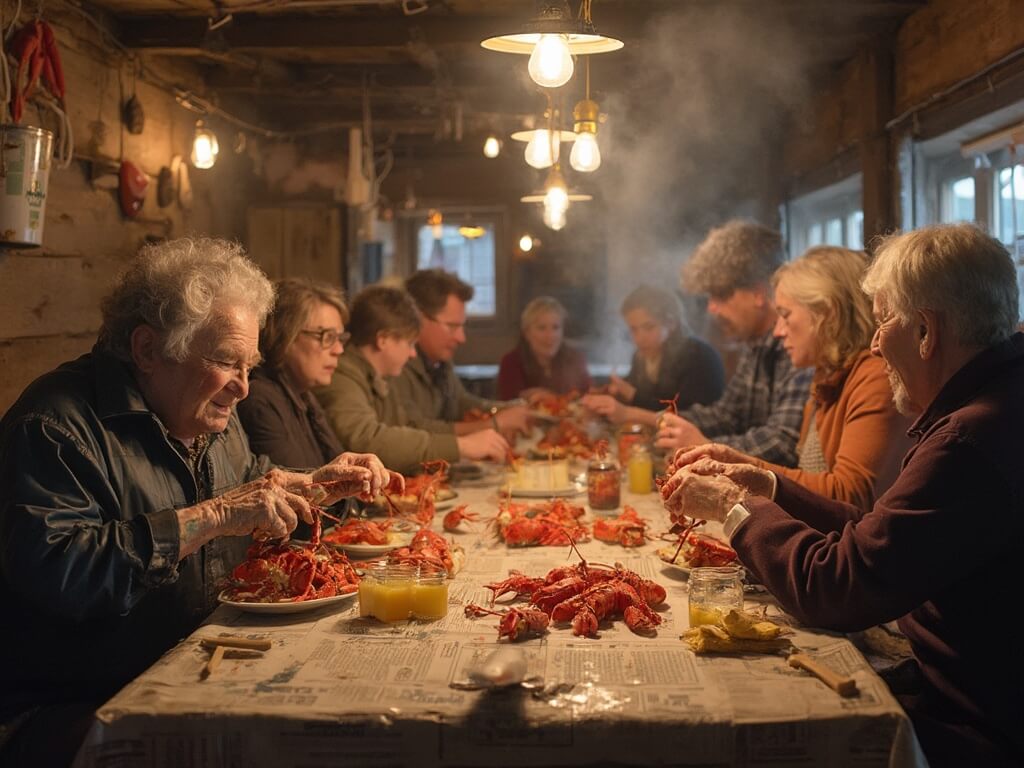
Image Credit @newslinq
Charity Events and Group Gatherings
These provide affordable, meaningful ways to eat lobster while supporting local causes. Check local Facebook groups or bulletin boards for hidden gems.
What’s Actually Changing in Bar Harbor’s Lobster Scene Right Now
Fusion and Experimentation Are Becoming Legitimate
Lobster tacos and lobster mac and cheese are no longer gimmicks—they’re great. The scene is evolving.
Transparency About Sourcing Is Becoming Expected
Restaurants now highlight their fisherman-suppliers, offering consumers built-in accountability.
Sustainability Certifications Are Spreading
Look for third-party sustainability labels. These add trust and encourage responsible practices.
Seasonal Extension Is Happening Slowly
More restaurants are staying open year-round, helping Bar Harbor feel like a real community beyond tourism.
Price Volatility Is the New Norm
Fluctuating lobster prices have led to more flexible menu pricing—better for restaurants and diners alike.
Check out the best reviewed Bar Harbor lobster restaurants on TripAdvisor.
The Question Nobody Asks But Everyone Should: Is It Worth the Trip Just for Lobster?
No—not solely. Bar Harbor is worth it for Acadia National Park, the vistas, the art, and the experience. Lobster is the cherry on top.
Pair your lobster adventures with hikes like Cadillac Mountain at sunrise and strolls through the charming town for the full value.
How to Actually Prepare for Your Visit (Practical Stuff That Actually Matters)
Before You Go: The Three Questions to Answer
- When are you going? Timing affects availability and prices.
- What restaurants matter? Know whether you want shacks, full-service, or fusion.
- Do you have dietary constraints? Call ahead.
Practical Day-Of Considerations
- Bring cash, especially at lobster pounds.
- Wear butter-friendly clothes—lobster is messy.
- Make reservations for dinner—especially in summer.
- Bring your own melted butter if you want extra.
The Stuff They Don’t Tell You
- Lobster shells are sharp—wear closed-toe shoes.
- Bring extra napkins. Then bring more.
- Bathrooms vary—ask ahead, especially with shacks.
Bringing This All Together: What You’re Actually Getting
When you eat lobster in Bar Harbor, you’re participating in a centuries-old tradition.
The butter is local. The corn is local. The atmosphere, the character, and the sense of place are local. The experience is pure Maine.
You can eat lobster anywhere, but the distance between ocean and plate is what makes Bar Harbor special.
The Final Honest Take
Go to Bar Harbor. Spend at least two full days. Eat at a shack, a proper restaurant, and try something adventurous. Be a traveler, not a tourist.
Don’t just eat lobster. Understand why it matters. That’s what makes the experience unforgettable.