Image Credit @What’s Dave Doing?
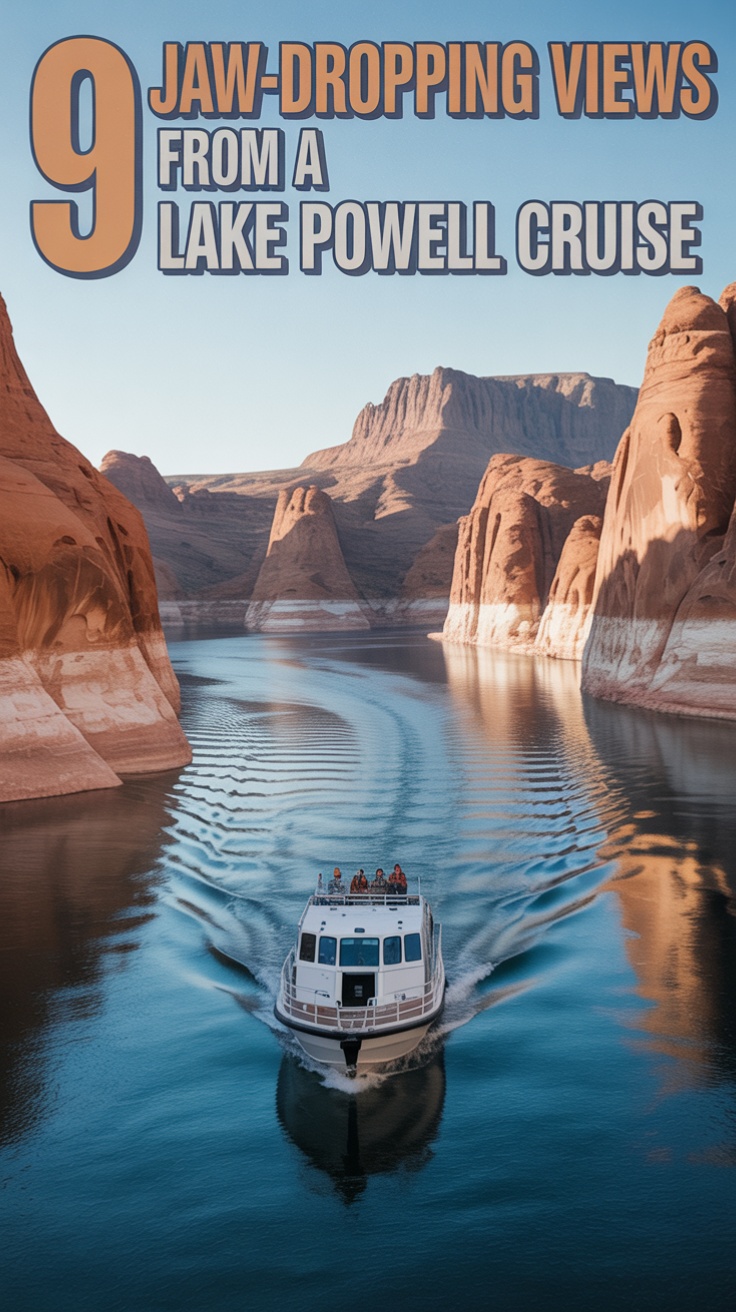
A scenic cruise on Lake Powell isn’t just another tourist tick-box.
It’s one of those rare experiences where you show up expecting pretty views and leave with something genuinely different.
I discovered this last spring when I ditched the hiking trails and hopped on the water instead.
Here’s what I learned: most people don’t realise Lake Powell exists until they’re already in Arizona.
Even fewer know it’s genuinely extraordinary.
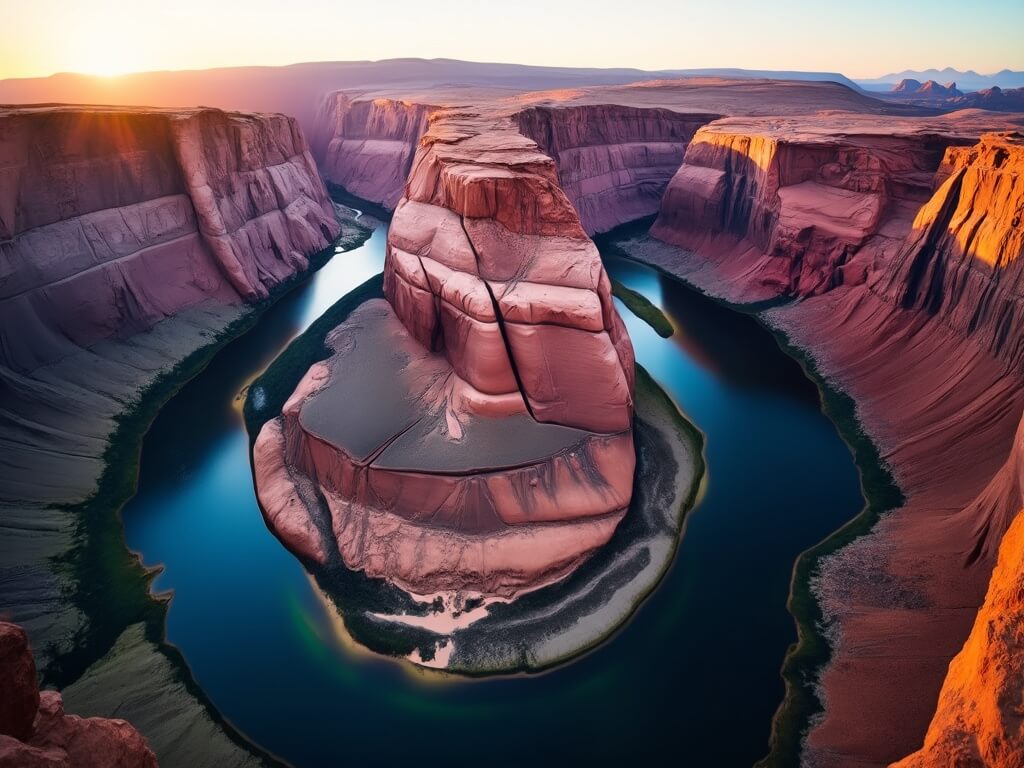
Image Credit @What’s Dave Doing?
What Makes Lake Powell So Damn Special For Boat Tours
Lake Powell sits where the Colorado River widens into this impossible blue expanse straddling Utah and Arizona.
But it’s not just big water surrounded by desert.
You’ve got towering red rock formations rising hundreds of metres, deep canyons carved into sandstone that only reveal themselves from the water, and natural arches that the land-based tourists never actually see.
The Glen Canyon National Recreation Area wraps around the whole thing like a protective barrier.
It keeps the crowds manageable and the landscape genuinely wild.
The water itself is startlingly clean and impossibly blue against the rust-coloured rocks.
Honestly, the contrast alone makes your phone camera work harder than it ever has.
Three Completely Different Types Of Cruises—Pick Your Poison
Not all Lake Powell boat tours feel the same.
That’s the thing most guidebooks miss.
Standard sightseeing cruises are your baseline experience.
You get two to three hours on the water, narrated commentary, and close-ups of geological features that sound boring until your captain explains what you’re actually looking at.
The Panoramic Lake Powell Tour to Gunsight Bay falls into this category—smooth water, manageable time commitment, works for basically anyone.
Specialty cruises are where it gets interesting.
Sunset and dinner cruises (the Canyon Princess Dinner Cruise being the most established) combine actual food with the scenery.
Private guided tours let you dictate the pace and focus, which matters if photography is your thing or you want to skip the crowds entirely.
Adventure cruises demand more time but deliver more payoff.
These push deeper into the lake system to reach genuinely remote destinations like Rainbow Bridge National Monument.
The six-hour Rainbow Bridge excursion isn’t a casual outing—it’s a proper commitment.
But standing in front of the world’s largest natural bridge, looking at something that held sacred significance for Navajo people centuries before modern tourism existed, does something to you.
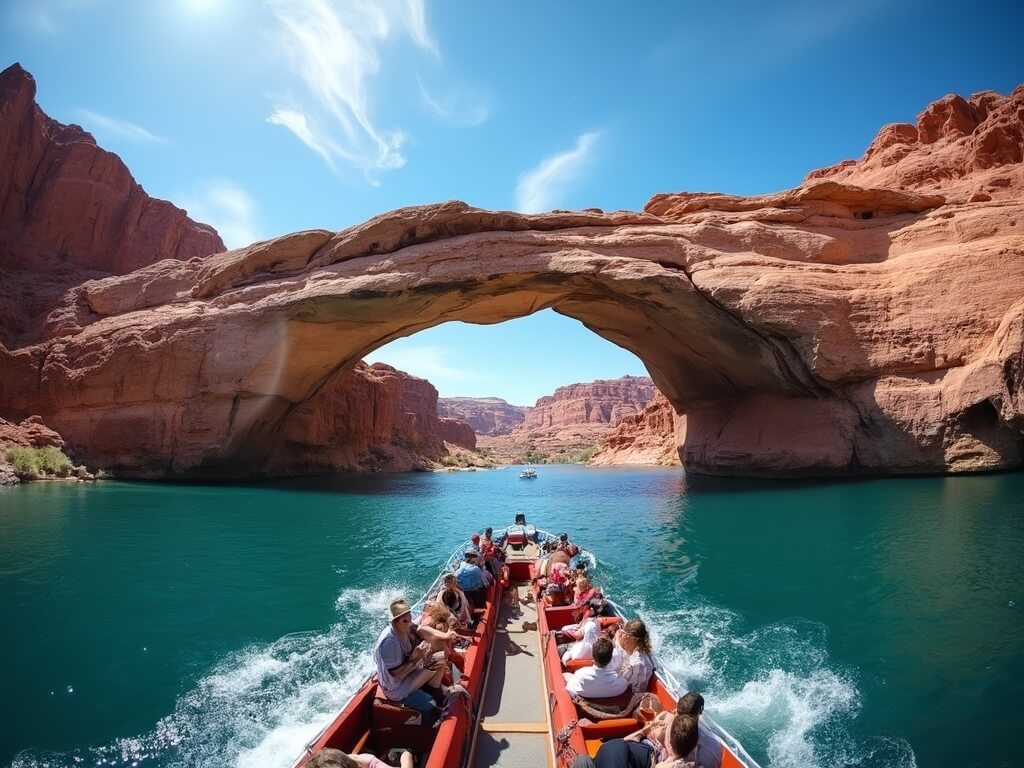
Image Credit @What’s Dave Doing?
Rainbow Bridge: The One Destination Everyone Talks About
I’ll be direct: Rainbow Bridge is why people book the longer cruises.
It’s a natural bridge, yes, but the scale is almost ridiculous.
Standing beneath it, you feel genuinely small in a way that Instagram doesn’t prepare you for.
The six-hour guided cruise includes roughly 1.5 hours to actually explore on foot once you arrive.
The journey itself isn’t wasted time either.
Your captain provides proper commentary on the geological history and the cultural significance to local tribes.
It’s not treating tourism as separate from understanding place.
Lunch and refreshments come included on most operators’ versions, though some let you bring your own.
The boat does the heavy lifting while you sit back and watch geology unfold.
Glen Canyon Dam: The Underrated Standout
Here’s what surprised me: the Glen Canyon Dam cruise might be the best value on the lake.
You’re not hiking to a viewpoint or paying for a scenic flight.
You’re literally cruising past a massive engineering feat with rock formations shooting up nearly 200 metres on either side.
The 1.5 to 2-hour timeframe is perfect—long enough to feel substantial, short enough to fit into a busy day.
These tours run seasonally from April through October, which matters if you’re planning ahead.
The geological commentary hits different when your captain can point out exactly what you’re seeing and why it matters.
Most operators offer audioguides in multiple languages now, which changes the experience entirely if English isn’t your first language or you want narration at your own pace.
Antelope Canyon From The Water—The Secret Move
Land-based Antelope Canyon tours cram hundreds of people into narrow slot canyons daily.
The water-based version eliminates that entirely.
You explore the same narrow slot canyon—carved into sandstone so precisely it feels unreal—but you do it from a boat with maybe twenty other people instead of two hundred.
These tours run March through September and clock in at around one hour.
Multiple daily departures mean you can slot this into your schedule without treating it like a military operation.
The exclusivity alone makes the water approach worth considering over the overcrowded land tours.
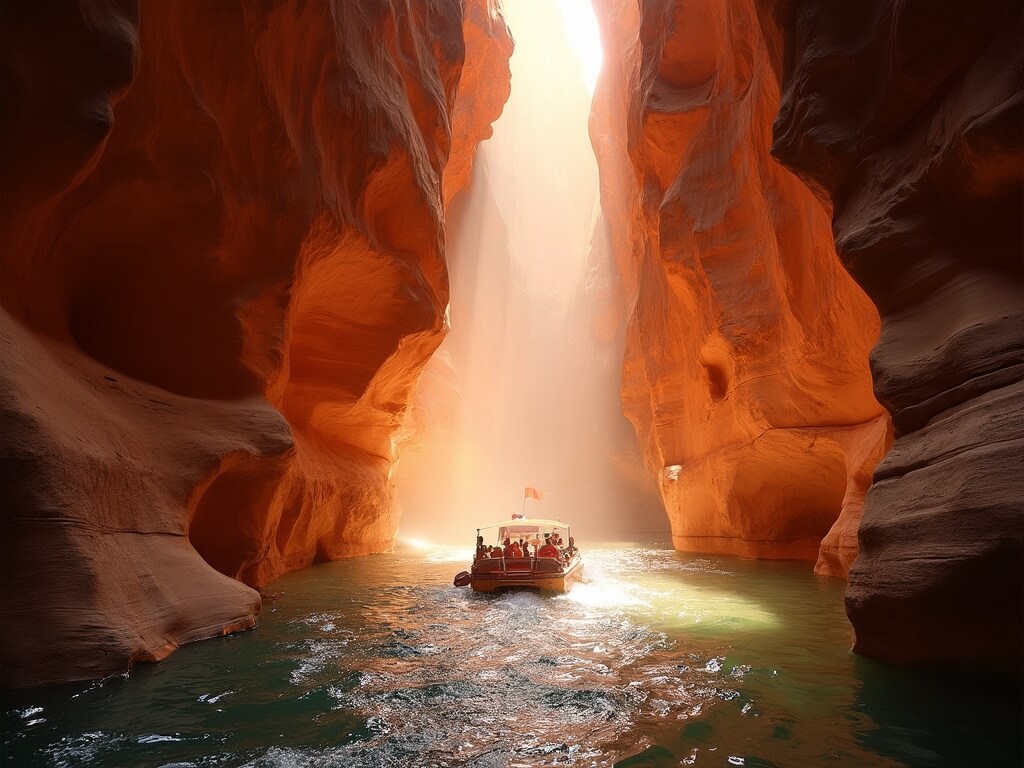
Image Credit @What’s Dave Doing?
Your Personal Checklist Before Booking Anything
Let me tell you what actually matters when you’re selecting a tour.
Check who’s actually operating the boat.
Lake Powell Resorts & Marinas, Antelope Point Marina, and Surf’s Up are the established operators with track records.
US Coast Guard licensed captains aren’t a luxury—they’re baseline safety.
Book in advance if you can.
Online reservations are standard now, and honestly, showing up and hoping for a same-day spot feels risky.
Some operators offer free cancellation, others don’t, so read those terms carefully.
Timing matters more than people think.
Spring through mid-fall (roughly March to October) represents peak season for most routes.
Water levels fluctuate seasonally, which affects which tours actually run and how long they take.
Pricing is straightforward.
Standard cruises typically run $100 to $120 per person.
Private or group tours cost more but give you flexibility those set-schedule cruises can’t match.
Dinner cruises occupy a premium tier but include food and experience you don’t get elsewhere.
What Actually Happens Once You’re On The Boat
This is where people either love or regret their choice.
The on-board experience matters as much as the destination.
Coast Guard licensed captains usually know the lake’s history genuinely well—not just tour-script level, but actual knowledge about the geological formations, Native American cultural significance, and the engineering story behind the dam.
Audioguides in multiple languages mean you’re not stuck with verbal narration you don’t understand or can’t hear properly.
Comfort varies slightly between operators, but good ones run clean, well-maintained boats with organized systems that don’t feel chaotic.
The refreshment situation depends on your specific tour.
Most provide water, coffee, and lemonade.
Some include actual lunch boxes for longer excursions.
Bring-your-own food is generally permitted, which means you can pack exactly what you want rather than eating whatever’s provided or going hungry.
Accessibility is legitimately considered on most tours these days.
Operators account for families with young kids, elderly passengers, and people with mobility limitations.
It’s not perfect across all boats, but it’s increasingly standard rather than an afterthought.
The One Personal Experience That Changed My Approach
Last May, I booked what I thought was a standard two-hour Glen Canyon Dam cruise with my partner.
Nothing fancy.
Midway through, our captain noticed I kept pointing my camera at specific angles, so he casually mentioned when the light would hit the rock formations best and suggested we reposition slightly.
He wasn’t running a photography tour—it was a regular cruise—but he understood that people bring their cameras for a reason.
Small adjustment, massive difference in the quality of shots I got.
That moment crystallised something: Lake Powell cruises are only as good as the person steering the boat and explaining what you’re seeing.
A captain who’s genuinely invested in the experience versus one who’s just completing a shift creates completely different memories.
That’s worth considering when you’re reading reviews and picking operators.
The destination matters, obviously, but so does who’s narrating it.
Why The Water Access Changes Everything
You can see Lake Powell from roads and hiking trails.
But experiencing it from the water is fundamentally different.
The red rock formations reveal themselves at angles you can’t access on foot.
The canyons open up gradually as you float deeper into them.
The silence of the engine cutting across otherwise remote landscape does something that shore-based experiences can’t replicate.
There’s also the practical matter of accessibility.
A six-hour hike to Rainbow Bridge isn’t an option for everyone.
A six-hour boat cruise with a 1.5-hour walk at the end? That’s accessible to a much broader range of people.
The water-based approach democratises access to places that geography otherwise restricts.
The boat tours operate at different intensity levels depending on which one you choose, meaning everyone from kids to seniors can find something that actually works for their specific situation.
Most people underestimate how much time you spend simply observing from a boat.
It’s not constant activity.
You sit.
You watch.
Water reflects light in ways it doesn’t from shore.
The scale of the formations becomes obvious when you’re floating past them rather than viewing from a distance.
When you’re actually on the water, you realise why people travel specifically for Lake Powell instead of treating it as a side trip to somewhere else.
The seasonal windows, the water level considerations, and the range of operators all influence which specific tour makes sense for your schedule and preferences.
Explore More:
The Conservation Question Nobody Asks—But Should
Here’s something that hits different once you’ve actually been on the lake.
Lake Powell exists in an environmental grey zone that most casual tourists never think about.
It’s beautiful, yes, but it’s also a reservoir managing water that supports millions of people downstream.
The water levels fluctuate based on drought cycles, climate patterns, and water management decisions made by federal agencies.
This directly affects which tours operate, how long they last, and whether certain destinations remain accessible.
It’s not academic—it matters for your planning.
If you’re booking a Rainbow Bridge cruise in late August versus early June, you might be dealing with significantly different water levels affecting both navigation and the experience itself.
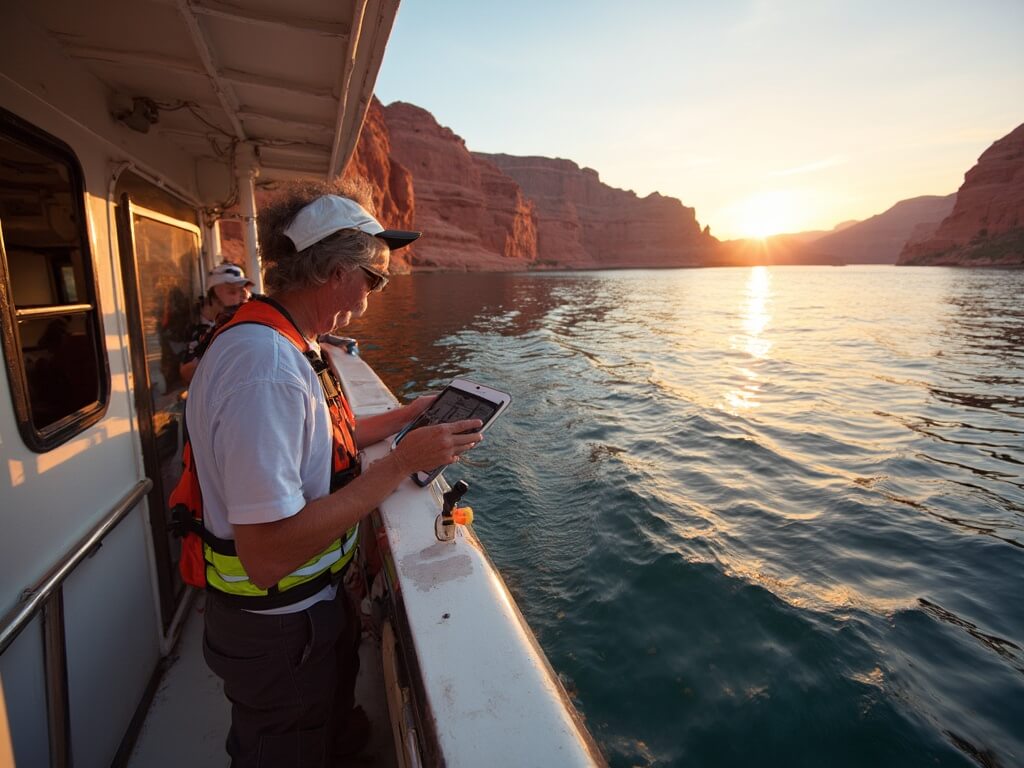
Image Credit @What’s Dave Doing?
Some operators have started implementing citizen science initiatives like the Trash Tracker volunteer program, which lets multi-day trip participants contribute to environmental monitoring while they’re out on the water.
It sounds touristy on the surface, but it’s actually substantive.
You’re collecting data on lake conditions and ecosystem health while simultaneously experiencing the landscape.
The National Park Service coordinates these programs, which means the data actually feeds into management decisions.
If environmental stewardship matters to you—and increasingly it should—asking your tour operator about their conservation practices before booking isn’t paranoid.
It’s reasonable due diligence.
Operators who emphasize responsible tourism and actively participate in conservation initiatives tend to run better tours overall because they actually care about the place they’re showing you.
Pricing Decoded: What You’re Actually Paying For
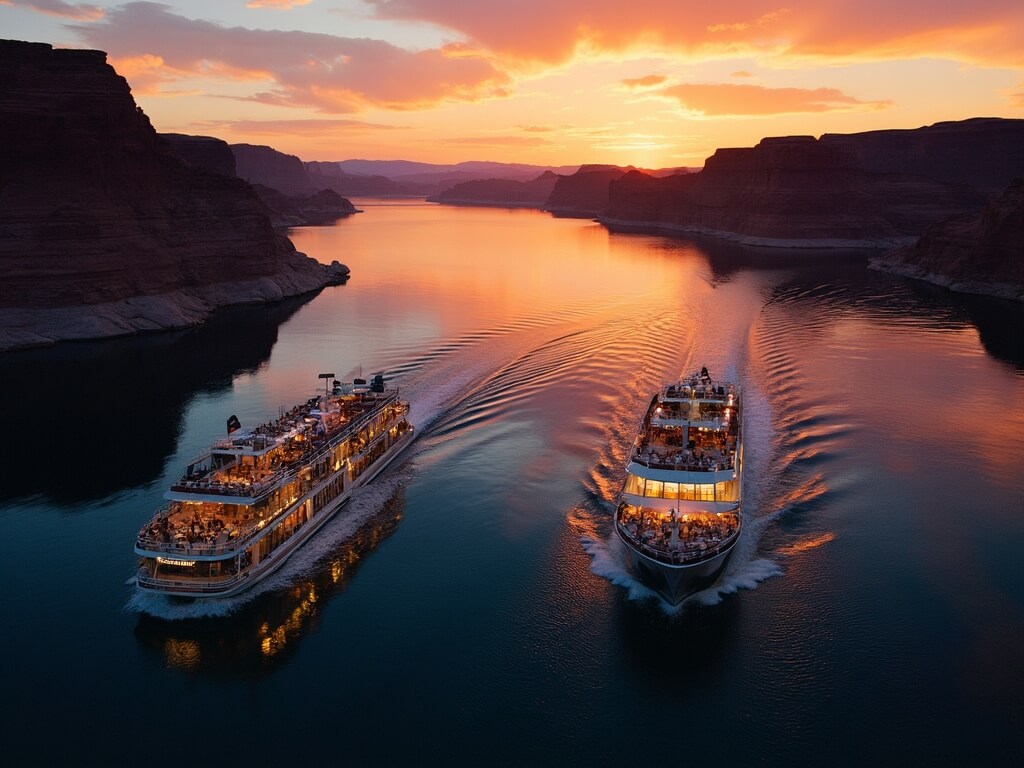
Image Credit @What’s Dave Doing?
Let me cut through the pricing confusion because it’s more logical than it initially appears.
Standard cruises running two to three hours typically cost $100 to $120 per person.
You’re paying for boat operation, fuel, a licensed captain, liability insurance, and the infrastructure to run regular departures.
Private or small-group tours cost substantially more—often double or triple the standard rate—but you’re getting flexibility you don’t get on scheduled cruises.
Photography enthusiasts regularly book private tours specifically to capture optimal light angles without coordinating around other passengers.
Dinner cruises occupy their own tier entirely. You’re paying for the boat experience plus food service. Expect $150 to $200 per person depending on menu sophistication.
Longer adventure cruises like the six-hour Rainbow Bridge excursions fall somewhere between standard and private pricing but often include lunch and extended narration.
Booking through established operators like Lake Powell Resorts & Marinas or Antelope Point Marina tends to cost slightly more than third-party websites, but you’re dealing directly with the company operating the boat.
This translates to better cancellation policies and support if plans change. Look for operators offering free cancellation at least 48 hours before departure.
The Seasonal Game: When To Actually Book
Timing fundamentally changes what you experience.
Peak season runs March through October. Spring has reasonable water levels and exceptional light for photos. Summer brings heat and crowds. Fall offers moderate crowds and improved lighting.
March and April represent the sweet spot: snowmelt boosts water levels, crowds are minimal, and mornings are cool.
July is the busiest month, with temperatures over 110°F on land. Water stays cool, which is important.
October through February is off-season. Water levels drop noticeably. Some tours stop. Rainbow Bridge cruises continue but may change routes based on conditions.
The time zone complexity is real—Arizona doesn’t observe daylight saving, Utah does. Confirm time zones with your operator to avoid missing early departures.
What Packing Actually Means—Beyond Sunscreen
Most guides tell you to bring sunscreen and water. That’s just the start.
Layered clothing matters. Even in summer, wind off the water can be chilly in the morning. Bring a fleece or light jacket.
For photography, wide-angle lenses are better than telephoto. Polarised sunglasses reduce glare and improve detail visibility.
Footwear matters—choose something that works on both deck and sandy shore, like slip-ons or water shoes.
Bring a lightweight hat, reef-safe sunscreen, and reapply every two hours. If swimming is allowed, pack swimwear.
Carry a portable charger. Most boats don’t have outlets. A small backpack helps organize essentials.
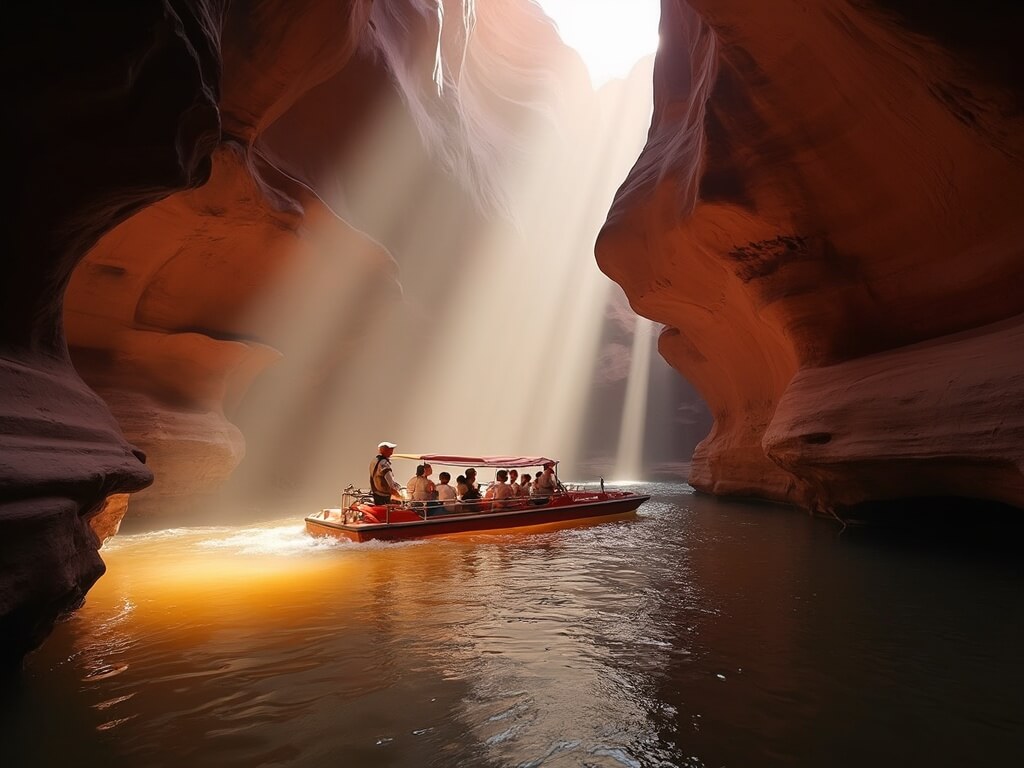
Image Credit @What’s Dave Doing?
The Family Factor: Does This Actually Work With Kids?
Most Lake Powell cruises are family-friendly, with caveats.
Shorter tours suit young kids. The Glen Canyon Dam tour works well—it’s structured and brief.
Older kids enjoy longer tours like Rainbow Bridge. Teen interest depends on photography or adventure angles.
Bring snacks and drinks—wait times can be longer than expected. Bathroom facilities are basic. Address motion sickness beforehand.
Reapply sunscreen hourly for kids. Most operators allow provisions for families—call ahead to confirm policies.
Accessibility: Who Can Actually Do This
Lake Powell cruises are far more accessible than hiking. For example, Rainbow Bridge requires a 1.5-mile walk from the boat, compared to a six-mile hike.
Newer boats offer better accessibility—wider decks, handholds, accessible restrooms. Always ask about features in advance.
Boats are joint-friendly—gentle swaying is easier on muscles than hiking.
For hearing-impaired guests, sit near the captain. Vision-impaired guests find the sensory experience of temperature, motion, and sound rewarding. Some guides specialize in accessible narration.
The Photography Angle—Because Your Phone Isn’t Enough
Lake Powell is one of the best places in the Southwest for landscape photography from water.
Wide-angle lenses (14–35mm) capture formations better than telephoto. Morning light between 6–8 AM offers dramatic contrast.
Sunset cruises are beautiful but busier and harder to shoot due to reflections and traffic.
Polarising filters work—use polarised sunglasses or lens filters to improve clarity.
Dedicated photography tours focus on light, positioning, and pacing—operators like Surf’s Up specialize in these.
If you’re serious about photography, go with a scenic boat tour of Lake Powell tailored for photographers.
Private Tours: When Standard Tours Don’t Cut It
Private boat tours offer flexibility: routing, timing, duration, and passenger preferences are all yours.
Great for photography, proposals, personal reflection, or avoiding crowds. Prices are higher but can be economical for groups of 6–8.
Book at least 48–72 hours in advance. Peak season requires more lead time. Private tours create deeply personal experiences unavailable on standard cruises.
The Antelope Canyon Water Route Mystery
Antelope Canyon offers two versions: crowded land tours and serene water-based tours.
Water-based access avoids crowds, offers different angles, and runs March through September. Tour lengths are about one hour and priced comparably.
If you’ve done the land tour and found it overwhelming, the water route offers a contrasting, tranquil experience. It’s the same canyon with a different entry and fewer people.
Navajo Canyon and Gunsight Bay: The Routes Nobody Plans But Everyone Remembers
Navajo Canyon features towering red walls and intimate canyon experiences. The colors and geological layers make it special.
Gunsight Bay sunset cruises focus on light and shadows rather than destination. Guides often include human history alongside geology.
Locals love these hidden gems more than tourist-packed top destinations. They deliver authentic, memorable experiences.
Current Realities: Water Levels, Closures, and What Actually Operates Right Now
Lake Powell’s fluctuating water levels affect tour availability.
Rainbow Bridge tours continue year-round but may take longer or change routes. Antelope Canyon water tours close during low-water periods.
Check with operators 4–6 weeks before arrival for current conditions. Use National Park Service updates or check with Lake Powell Resorts.
Fewer tourists plan around water levels, giving you less-crowded experiences if you do.
The Booking Decision: Where To Actually Reserve
Book directly with operators like Lake Powell Resorts & Marinas or Antelope Point Marina for better support and policies.
Aggregator sites offer convenience but not necessarily reliability. Specialist operators like Surf’s Up focus on specific themes like photography or adventure.
Read reviews carefully. Look for mentions of specific captains or exceptional service. Choose based on your travel goals and flexibility needs.
The Dinner Cruise Question: Romantic Or Gimmicky?
The Canyon Princess Dinner Cruise offers romantic experiences with sunset views and decent dining.
Don’t expect gourmet meals, but the ambiance and scenery make it worthwhile. Prices ($150–$200) reflect food service and experience coordination, not just boat travel.
Book early—capacity is limited and food prep requires advance planning. Cancellation policies can be stricter due to staffing and meal costs.
Weather Realities And When To Actually Reschedule
Summer monsoon season can bring sudden storms. Wind has more impact than rain on boat safety.
Operators cancel when conditions merit it—not out of caution but necessity. Early cruises are less affected by weather.
Ask your operator which months have the most reliable weather for your chosen route. That’s not overthinking—it’s smart planning.
Making The Final Decision: Practical Last Steps
1. Confirm dates align with seasonal water conditions.
2. Contact operators directly with questions.
3. Book directly unless aggregation is essential.
4. Confirm all details in writing.
5. Pack seasonally appropriate gear.
6. Mention any goals—photography, accessibility—at booking.
7. Arrive early—parking fills fast during peak times.
Do this, and your Lake Powell cruise turns from a pleasant outing to a transformative travel memory.
Why Lake Powell Cruises Actually Justify The Drive
You could see red rocks elsewhere. You could visit different lakes. But Lake Powell from the water is singular.
You’re not just seeing—it’s immersion. The scale and serenity can’t be replicated. The movement through narrow canyons, the silence, and the grandeur create something profound.
Your camera won’t capture the full experience—which makes being present even more valuable.
Take a scenic cruise on Lake Powell, and discover why locals return and tourists often miss what’s truly special.
Explore More:
- Drive the Hana Highway in Maui
- Walk the Beaches of the Oregon Coast
- Ride the Great Smoky Mountains Alpine Coaster
- Take a Lighthouse Tour in Maine
- Spend a Day at Mall of America in Minnesota