Image Credit @Turkish Travel Blog
A Louisiana swamp tour is a guided journey through some of the most biodiverse wetlands on the planet.
You’re not just taking a boat ride.
You’re stepping into an ecosystem that’s been shaping human history, culture, and survival for centuries.
These aren’t sanitised nature exhibits or theme park attractions.
They’re real wetlands—swamps, bayous, and marshes—where alligators are sunbathing on logs, cypress trees are draped in Spanish moss like something from a Gothic novel, and the air itself feels alive.
I remember my first swamp tour about seven years ago near Jean Lafitte, outside New Orleans.
I’d expected something touristy and packaged.
Instead, our captain—a weathered Cajun man named Claude—navigated us through waterways so narrow that cypress branches brushed against the boat’s sides.
He pointed out a massive alligator basking metres away and told us stories about his grandfather’s fishing traditions, passed down through five generations.
That’s when it clicked for me: these tours aren’t just about seeing wildlife.
They’re about understanding a culture and an ecosystem that exist nowhere else on Earth.
The Three Types of Swamp Tours: Which One Fits Your Style?
Boat Tours (Pontoon and Covered Vessels)
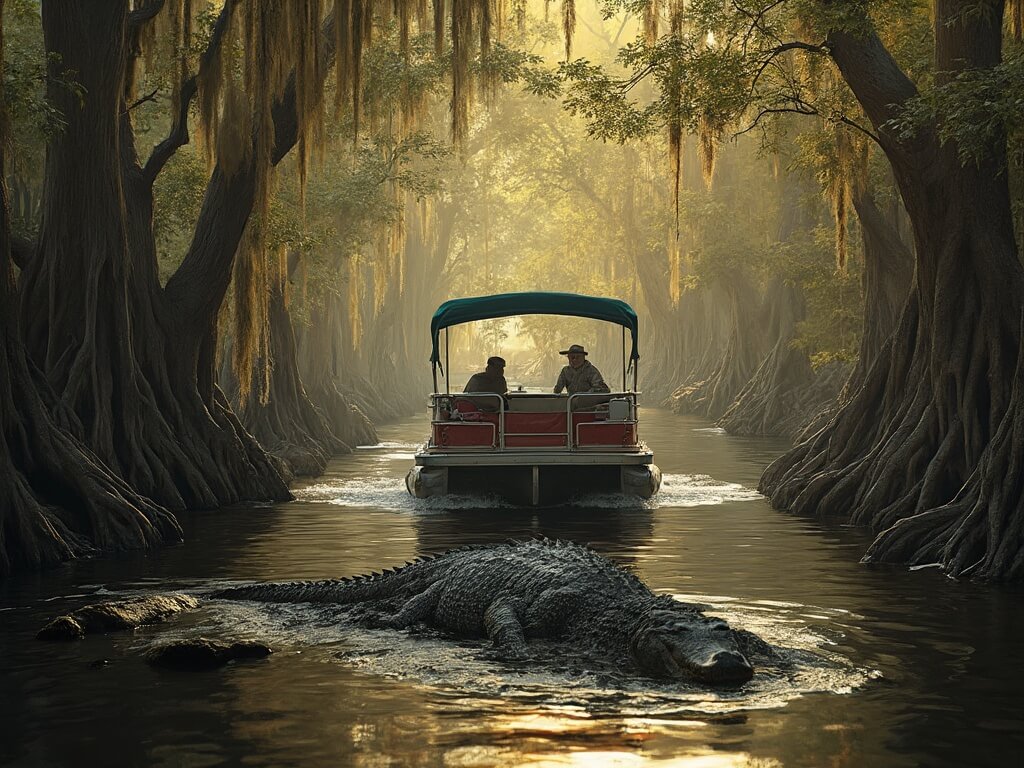
Image Credit @Turkish Travel Blog
These are the bread and butter of swamp tourism.
You’re on a stable, typically covered boat with anywhere from 10 to 30 people.
The pace is slow and deliberate—perfect for photography, observation, and absorbing the guide’s stories.
Pontoon boats offer excellent views without the noise or adrenaline rush.
You’ll see plenty of wildlife and get the cultural education, but you’re also shielded from the elements (mostly).
Airboat Tours
Think speed, noise, and adrenaline.
Airboats are shallow-draft vessels powered by massive fan propellers that let you zoom through shallow water and marshland.
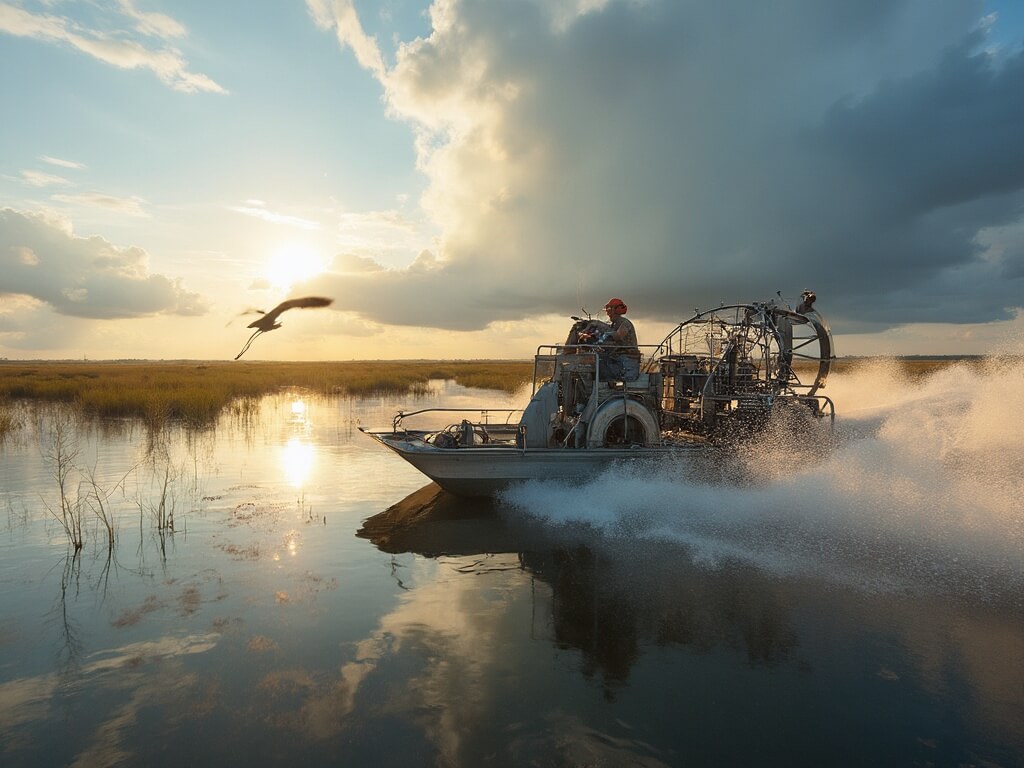
Image Credit @Turkish Travel Blog
They’re thrilling—genuinely thrilling—but they’re also loud and not ideal if you’re sensitive to noise or travelling with very young children.
Airboats excel at reaching remote areas and covering more ground quickly.
If seeing as much wildlife as possible in limited time matters to you, airboats deliver.
Kayak and Canoe Tours
These are the quiet revolutionaries of swamp tourism.
You’re paddling through the water at your own pace, getting close to nature without engines or fuel.
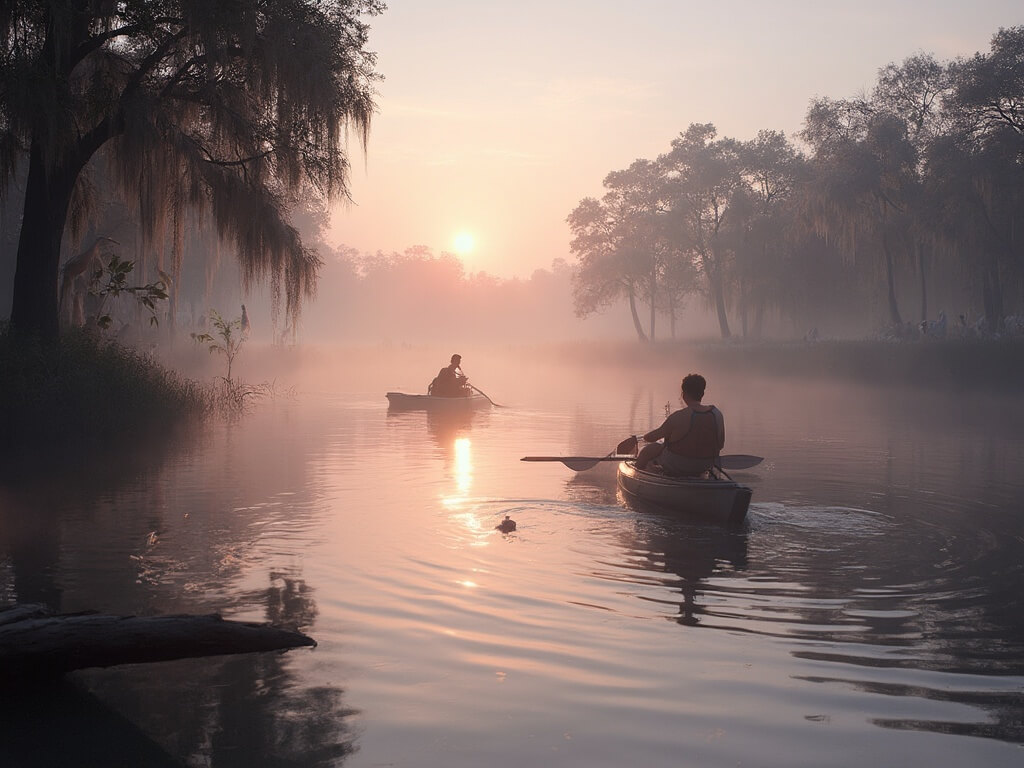
Image Credit @Turkish Travel Blog
Beginner-friendly doesn’t mean boring—you’re immersed in the soundscape of the swamp in a way motorised tours simply can’t replicate.
Birds won’t flee when you approach silently.
You’ll notice details others miss.
The trade-off: you need basic paddling fitness and comfort in the water.
Where to Go: The Five Swamp Destinations That Actually Matter
Atchafalaya Basin: The Heavyweight Champion
This is the largest river swamp in the United States—roughly 600,000 acres of pure wetland wilderness.
The biodiversity here is staggering.
You’ll see more species variety than anywhere else in Louisiana’s swamp regions.
Honey Island Swamp: For the Serious Wildlife Photographer
This swamp near Slidell has earned its reputation as pristine and genuinely wild.
Operators here deliberately limit tour group sizes to preserve the ecosystem and offer a more intimate experience.
Jean Lafitte National Historical Park: Cultural Depth Meets Nature
Located just south of New Orleans, Jean Lafitte offers something the others don’t: serious historical context.
Lake Martin: The Bird Watcher’s Paradise
If you care about birds—and I mean genuinely care—Lake Martin near Breaux Bridge is where you go.
Bayou Segnette: The Alligator Guarantee
Located near New Orleans, Bayou Segnette is known for consistent alligator encounters.
The Operators Worth Your Money and Time
Jean Lafitte Swamp & Airboat Tours
Based in New Orleans, they offer both airboat and pontoon options.
Atchafalaya Basin Landing & Swamp Tours
If you’re committed to seeing the largest river swamp in America, these operators know it better than almost anyone.
Honey Island Swamp Tours
They’re deliberately selective about group sizes—typically keeping tours to eight or fewer people.
Cajun Country Swamp Tours
Focused on Lake Martin and the Breaux Bridge area, they specialise in bird watching and photography tours.
What You’re Actually Going to See (And What’s Not Guaranteed)
Alligators: The Main Event
You will very likely see alligators—especially between late spring and early autumn.
Birds: Everywhere, All the Time
Egrets, herons, ibises, and owls are constant fixtures.
Mammals and Other Creatures
Wild hogs, deer, and raccoons appear regularly but less predictably than birds or alligators.
The Visual Landscape
Cypress and tupelo trees draped in Spanish moss create scenery that feels surreal.
What You Need to Actually Bring (And Why)
Insect Repellent: Non-Negotiable
Bring the strongest DEET-based repellent you can find—preferably 30% DEET or higher.
Sun Protection
The sun reflects off water and intensifies. Bring high-SPF sunscreen (SPF 50+).
Comfortable, Weather-Appropriate Clothing
Wear clothes you don’t mind getting damp. Avoid cotton—quick-dry fabrics are ideal.
Camera or Smartphone with Good Battery
Bring a fully charged battery pack if you’re using a smartphone.
Water and Snacks
Bring a water bottle and some light snacks.
Life Jackets (Usually Provided)
Tour operators provide life jackets as required by law.
When to Go: Seasonal Breakdown That Actually Matters
Spring (March to May): The Sweet Spot
Weather is mild, wildlife is abundant, and alligators are beginning their season.
Summer (June to August): Peak Alligator Season
If seeing alligators is your priority, summer is unbeatable.
Fall (September to November): The Underrated Option
Fewer crowds, active wildlife, and pleasant weather create ideal conditions.
Winter (December to February): Bird Watcher’s Paradise
Migratory bird populations are at their peak.
Booking Your Tour: The Practical Details
Tour length varies, but most standard swamp tours run 1.5 to 2 hours.
Extended tours of 3-4 hours are available through most operators.
Group sizes matter more than you’d think. Private or small-group tours (6-8 people) cost more but feel noticeably different.
Book in advance during peak seasons (spring and summer).
Most tours accommodate families with children, though some airboat operators have age or height restrictions.
Shuttle services from central New Orleans are available through several operators.
If you’re planning a broader trip, consider checking out other cultural destinations like the National Civil Rights Museum in Memphis or spending a day at Mall of America in Minnesota.
The educational and cultural elements that make these tours genuinely worthwhile are shaped entirely by your guide’s knowledge and communication style.
The Guide Quality Problem: Why Your Captain Makes or Breaks Everything
Here’s something operators don’t advertise explicitly: the quality of your guide determines whether you get a memorable experience or just a competent nature documentary narration.
I discovered this the hard way on my second swamp tour—a last-minute booking through a budget operator near Jean Lafitte.
The captain was technically competent. He knew where alligators congregated. He could name birds. But he had zero personality and even less interest in sharing cultural context.
The tour felt like moving through a checklist rather than experiencing something real.
My third tour, booked through a smaller operator with a guide named Marcus, was completely different. Marcus was a fifth-generation Cajun whose family had lived on the swamp for over a century. He didn’t just point out wildlife—he explained why egrets nest in specific trees, told stories about how his grandfather survived storms that would kill modern boats, and shared perspectives on wetland conservation that felt genuinely earned rather than rehearsed.
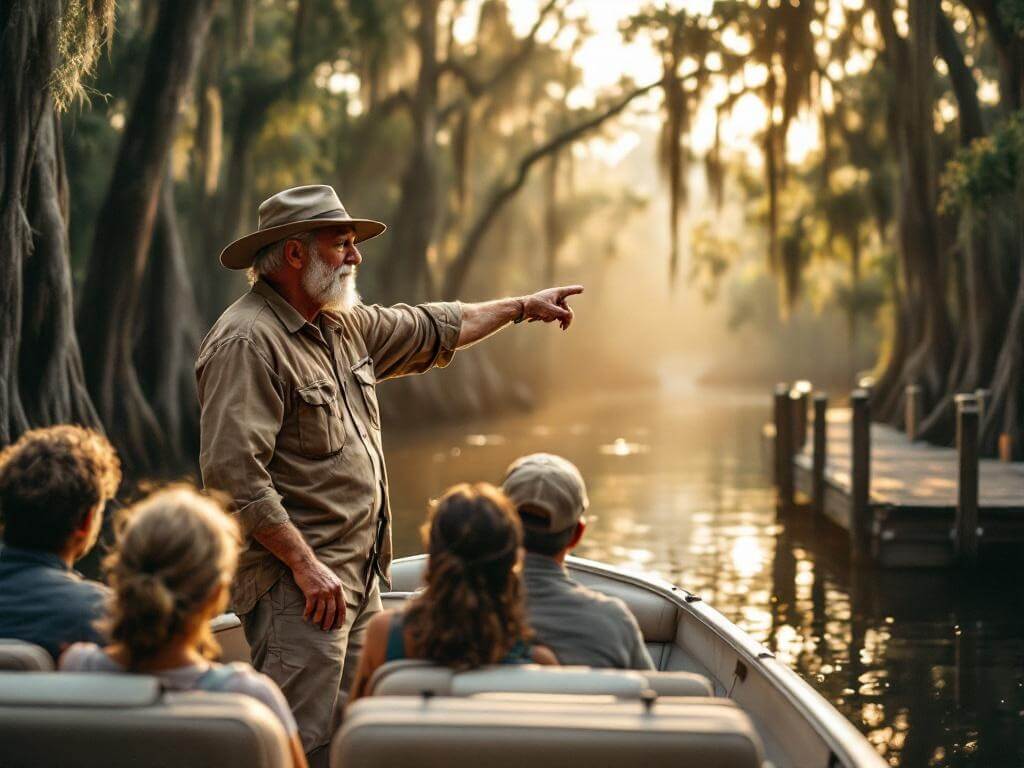
Image Credit @Turkish Travel Blog
That’s the difference between a guide and a guide.
When booking, try to read actual reviews that mention specific guides by name. Look for patterns in what people say about guide knowledge, authenticity, and storytelling ability.
Tour operators with consistently praised guides have figured out something crucial: good guides keep customers coming back and recommending tours to friends.
Understanding Cajun and Creole Culture: What You’re Actually Learning
Swamp tours aren’t just nature experiences—they’re cultural education, and most tourists don’t fully appreciate what they’re witnessing.
Cajun and Creole cultures are deeply intertwined with Louisiana’s wetlands. Understanding the distinction matters.
Cajun culture emerged from French Acadiana settlers in the 1700s who were expelled from Canada and settled in rural Louisiana swamps and bayous. They developed distinct traditions around fishing, hunting, food preparation, and oral storytelling.
Creole culture, by contrast, developed from a mix of French, Spanish, African, and Native American influences in urban and settled areas, particularly New Orleans.
Both cultures are vibrant and distinct, and they’ve been shaped entirely by living alongside swamps and bayous.
Your swamp guide—if they’re actually from the region—is carrying forward traditions that have survived centuries.
When a guide explains how their family catches crawfish or prepares traditional dishes, they’re not performing for tourists. They’re sharing knowledge that’s been passed down through generations and is genuinely disappearing as younger people leave for cities.
This is why authentic swamp tours feel different from generic nature experiences. You’re not just observing an ecosystem—you’re connecting with people whose entire cultural identity is inseparable from these wetlands.
During my tour with Marcus, he spent fifteen minutes explaining how his family interprets weather patterns by observing animal behaviour—knowledge that predates weather forecasting and that modern Cajuns still use.
Most guides will share folklore and stories about swamp legends, pirate history (Jean Lafitte actually did hide in these swamps), and local superstitions. These aren’t quaint tourist attractions—they’re legitimate historical narratives that have shaped how communities understand their environment.
If your guide isn’t sharing these elements, you’re missing a crucial layer of the experience.
Environmental Education You’ll Actually Absorb (Without Realizing It)
Swamp tours disguise themselves as entertainment, but they’re genuinely educational.
Most guides understand wetland ecology at a depth that would surprise you. They can explain why cypress trees develop those characteristic “knees” (root projections that help stabilize the tree in soft swamp soil and aid in oxygen absorption).
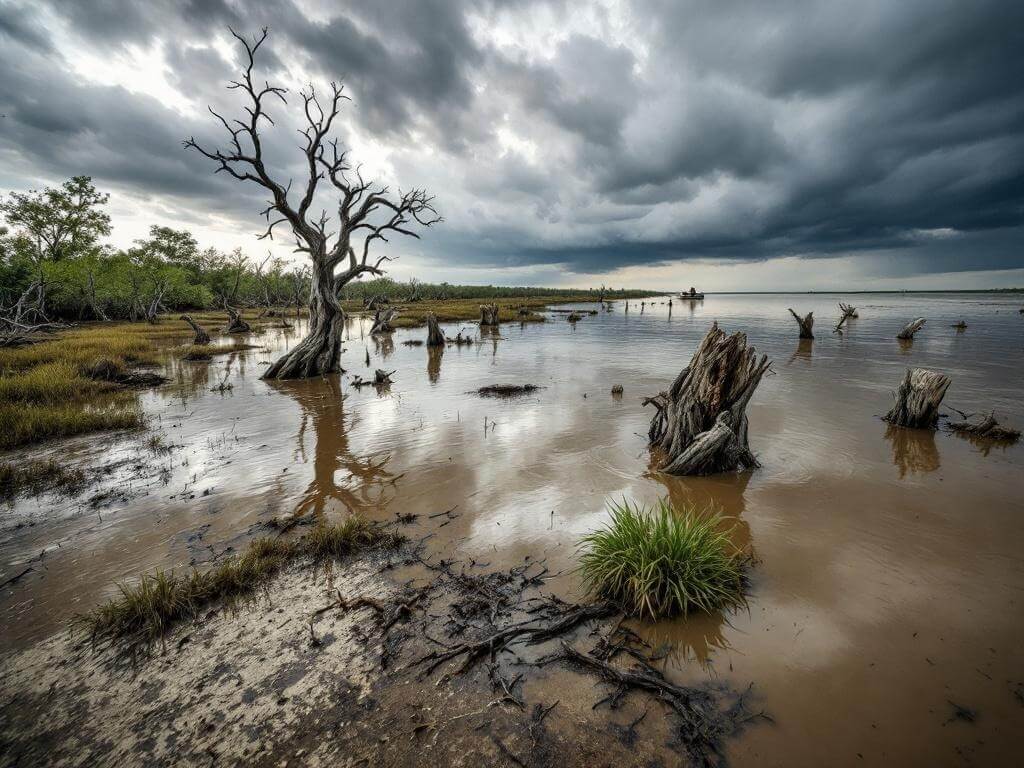
Image Credit @Turkish Travel Blog
They understand the food chain dynamics and can discuss invasive species problems, coastal erosion, and wetland restoration efforts with real expertise.
Louisiana’s swamps are losing roughly one football field’s worth of wetlands every single hour due to subsidence, sea-level rise, and coastal erosion.
Many guides use tours as an opportunity to raise awareness. Some operators partner with conservation groups—tour fees partially fund restoration projects. For example, Honey Island Swamp Tours limits group sizes to minimize ecological disruption.
When you understand what’s at stake—not just the swamp’s survival, but entire ways of life built around these ecosystems—the experience becomes more than entertainment. It becomes advocacy.
Accessibility Realities: Who Can Actually Take These Tours?
Let’s talk about what operators don’t always clearly communicate about accessibility.
Most standard boat tours on covered pontoons are accessible to seniors and people with moderate mobility challenges. Airboat tours are trickier. Kayak and canoe tours require paddling fitness and water comfort.
Contact operators directly about accessibility. Ask specific questions about seating, restroom access, and boarding.
Family-friendly is genuine across most tours. Children as young as four or five can participate. Shuttle services from central New Orleans are available and convenient.
Alcohol is permitted on some tours, but most maintain a family atmosphere. Confirm the operator’s policies if you’re planning a private or celebratory tour.
The Photography Opportunity You’ve Been Missing
If photography is your interest, sunrise and sunset tours are ideal. They offer dramatic light and reflections in still water.
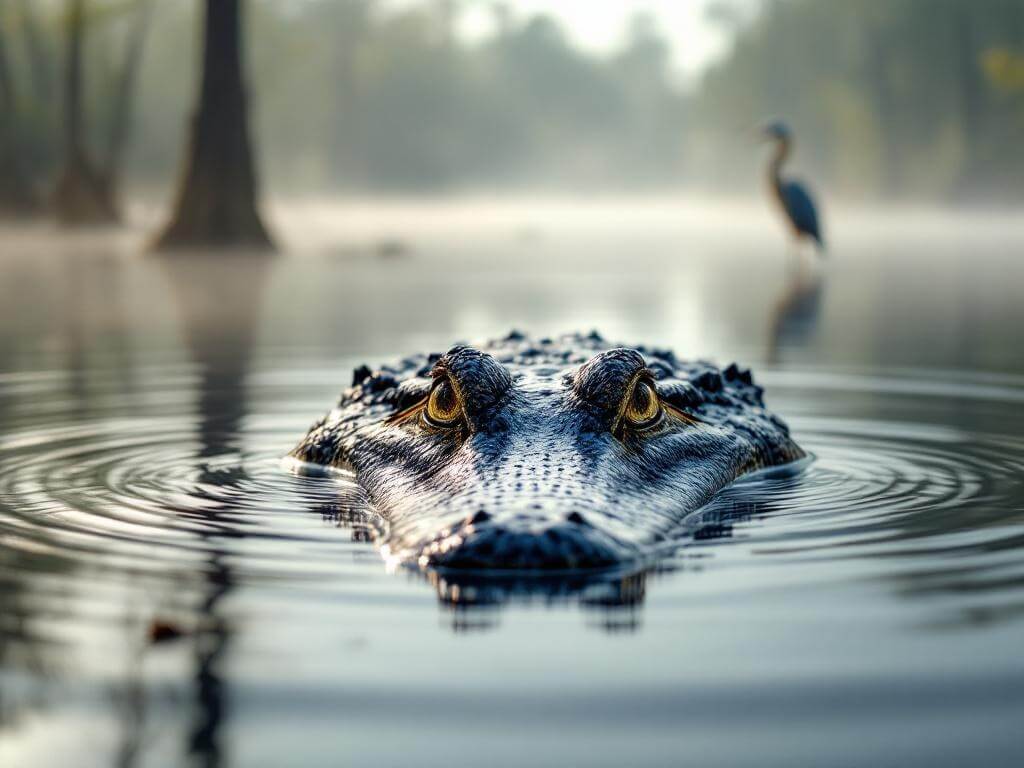
Image Credit @Turkish Travel Blog
Bring a camera with decent zoom for wildlife. Protect your equipment—water spray is constant.
Polarising filters help reduce glare. Private tours often cater to photographers. Explain your goals upfront—guides may hold position longer for shots.
Weather, Cancellations, and What Actually Happens When Plans Fall Apart
Louisiana weather is unpredictable. Tours operate in light rain but cancel in storms.
During hurricane season, operators monitor systems closely. Understand the cancellation policy before booking.
Airboats are more affected by low water conditions. Pontoon boats are more reliable.
Read the fine print. Confirm bookings during questionable weather. Flexibility helps avoid disappointment.
The Conservation Angle: What’s Actually Being Done About Wetland Loss
Wetland loss is accelerating, and tourism both helps and harms. Revenue from tours funds education and preservation but also increases ecological pressure.
Responsible operators cap group sizes and partner with conservation groups. For example, Cajun Pride Swamp Tours supports habitat restoration.
Ask operators about their conservation practices. Coastal wetlands are vanishing at one acre per hour. Your guide will likely discuss these issues—they’re real, not alarmist.
The Realistic Costs and Value Proposition
Standard 2-hour tours range from 40–70 pounds. Airboats cost more. Kayaks vary with guide size.
Private tours double the cost but offer deeper engagement. Combo tours with plantations or other sites begin around 80 pounds.
You’re paying for access, expertise, safety, and cultural insight. Compare prices, but prioritize operator reputation and guide quality over cost alone.
The Real Conversation About Safety and Liability
Swamp tours are genuinely safe when run by licensed, insured operators. Life jackets and safety briefings are standard.
Understand your rights. If something feels unsafe, you can exit and request a refund. Read waivers carefully—they acknowledge risk but shouldn’t remove all operator responsibility.
The Seasonal Breakdown Revisited: Making Strategic Booking Decisions
Spring (March–May)
Balanced wildlife, mild weather, lower crowds. Best for general travelers.
Summer (June–August)
Best for alligator sightings, but high heat, humidity, and crowds.
Fall (September–November)
Cooler, quieter, authentic. Ideal for all-purpose visitors.
Winter (December–February)
Bird watcher’s paradise. Excellent photography conditions. Less general wildlife.
Booking Strategy: The Decisions That Actually Matter
Most tourists book last-minute. Instead, plan 2–6 weeks ahead.
Research operators, read recent reviews, and check for conservation practices. Ask about specific guides if names are praised repeatedly.
Group discounts and combo packages offer value. Use online booking for availability and offers.
The Experience Nobody Talks About: What Happens After the Tour Ends
Swamp tours change your understanding of Louisiana. They spark curiosity, empathy, and awareness.
You leave with more than photos—you leave with perspective. That’s the real gift of a well-guided swamp tour.
The Final Reality Check: Is a Swamp Tour Actually Worth Your Time and Money?
Yes—if you value culture, ecology, authentic storytelling, and learning over entertainment.
Book with a reputable operator. Time it for spring or autumn. Use Louisiana Swamp Tours Guide and Things to See and Do on Swamp Tours to research and plan strategically.
Swamp tours are a uniquely Louisiana experience—worth your time, money, and curiosity.
Explore More Adventures
- Hike to Delicate Arch in Arches National Park
- Walk the Beaches of the Oregon Coast
- Take a Lighthouse Tour in Maine
- Drive the Hana Highway in Maui
- Explore White Sands National Park