Image Credit @Over Yonderlust
Ever wondered what it feels like to be in four different states simultaneously?
The Four Corners Monument isn’t just a geographical curiosity—it’s a mind-bending experience that turns mundane travel into an epic adventure.
Picture this: One precise bronze disk, four state lines, and you—straddling Utah, Arizona, Colorado, and New Mexico with nothing but a few inches of granite separating you from an incredible bragging right.

Image Credit @Over Yonderlust
The Geographical Marvel: Where States Collide
This isn’t just any random spot on the map. The Four Corners Monument represents the only place in the United States where four states intersect at a single point. Positioned deep in the Colorado Plateau within Navajo Nation land, it’s a remote testament to geographic precision.
I remember my first visit—the landscape stretched endlessly, a tapestry of rust-colored earth and expansive sky. The monument itself seemed almost impossibly simple: a bronze disk embedded in granite, with crisp lines demarcating each state’s boundary.

Image Credit @Over Yonderlust
The Ultimate Photo Opportunity
Let’s be real—most people come here for one thing: that perfect social media shot. Visitors love positioning their hands and feet across different states, creating a human geographical puzzle. Pro tip? Wear comfortable clothes and be prepared to contort yourself into some awkward positions for the ultimate four-state photo.
More Than Just Lines on a Map
But the Four Corners is far more than a quirky photo spot. It’s a cultural crossroads managed by Navajo Nation Parks & Recreation, representing centuries of indigenous history and geographical complexity.
What Makes This Spot Truly Special
- Exact intersection marked by a precision bronze disk
- Surrounded by a granite circle with state inscriptions
- Features flags from Utah, Arizona, Colorado, New Mexico
- Includes Navajo Nation and Ute Mountain Ute Tribe flags
- Elevated platform for optimal viewing and photography
A Brief Historical Snapshot
The original marker was placed way back in 1912, starting as a simple cement pad before evolving into the granite monument we see today. Interestingly, its location has been slightly adjusted over time, but it’s now officially accepted as the precise four-state intersection.
Cultural Richness Beyond Borders
This isn’t just a geographical marker—it’s a living cultural space. Navajo and Hopi artisans operate vendor markets, selling traditional crafts like intricate jewelry, handwoven rugs, and beautiful baskets. You’re not just visiting a monument; you’re experiencing a vibrant cultural exchange.
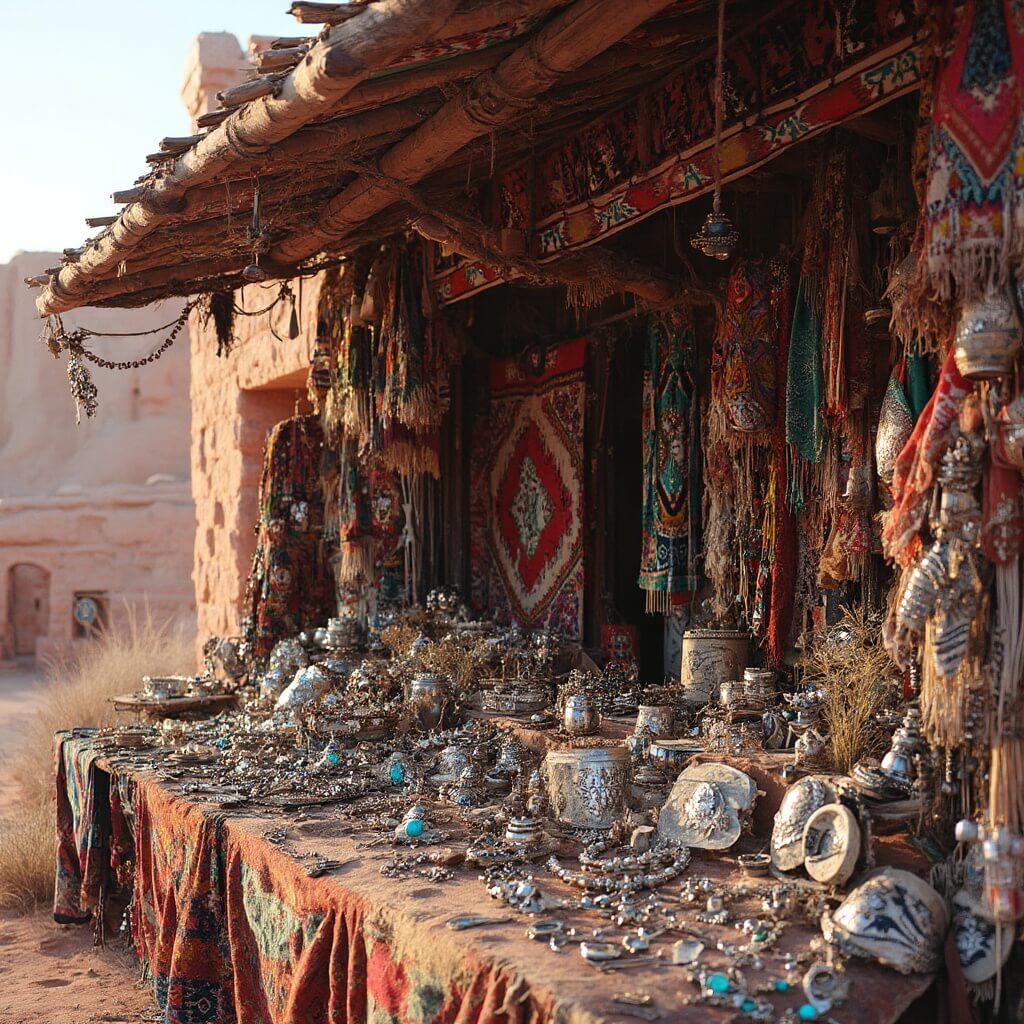
Image Credit @Over Yonderlust
Practical Visitor Tips
Operating hours run from 8 a.m. to 5 p.m., Monday through Saturday. The location is remote, so pack provisions and be prepared for limited services. It’s best approached as part of a broader Southwest road trip, perhaps combined with visits to nearby national parks.
My unexpected moment of wonder came from chatting with a local Navajo artisan who shared generations of stories about this land—reminding me that these lines on a map represent far more than just state boundaries.
The Four Corners Monument whispers stories of connection, defying the artificial boundaries we create, revealing a landscape that existed long before state lines were drawn.
The Unspoken Rules of Four Corners: What No Travel Guide Tells You
Ever wondered about the unwritten protocols of this unique monument?
Let me share a secret most travelers don’t know. The Four Corners isn’t just a geographical oddity—it’s a nuanced cultural experience with subtle etiquette many miss.
Navigation and Access: The Real Insider’s Guide
Most visitors assume this is a simple roadside attraction. Big mistake.
The monument requires strategic planning:
- Remote location means limited cellular service
- Nearest major cities are hours away
- Temperature variations can be extreme
- Always check Navajo Nation travel guidelines before arriving
My last trip taught me that preparation isn’t optional—it’s survival.
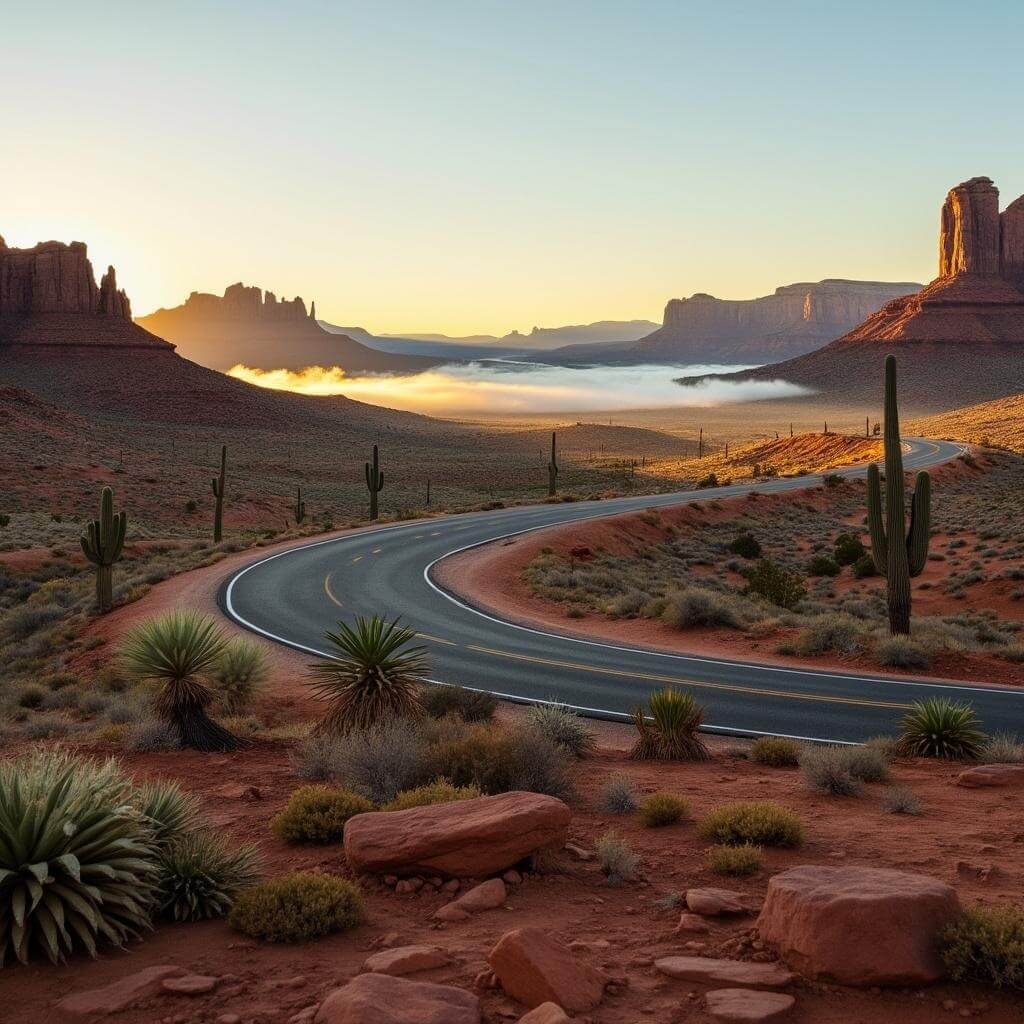
Image Credit @Over Yonderlust
Cultural Sensitivity: Beyond the Instagram Shot
Those perfect four-state photos? They’re meaningless without understanding the deeper cultural context.
The Navajo and Ute Mountain tribes aren’t just backdrop—they’re active stewards of this land. Every vendor interaction, every craft purchase represents centuries of resilience and tradition.
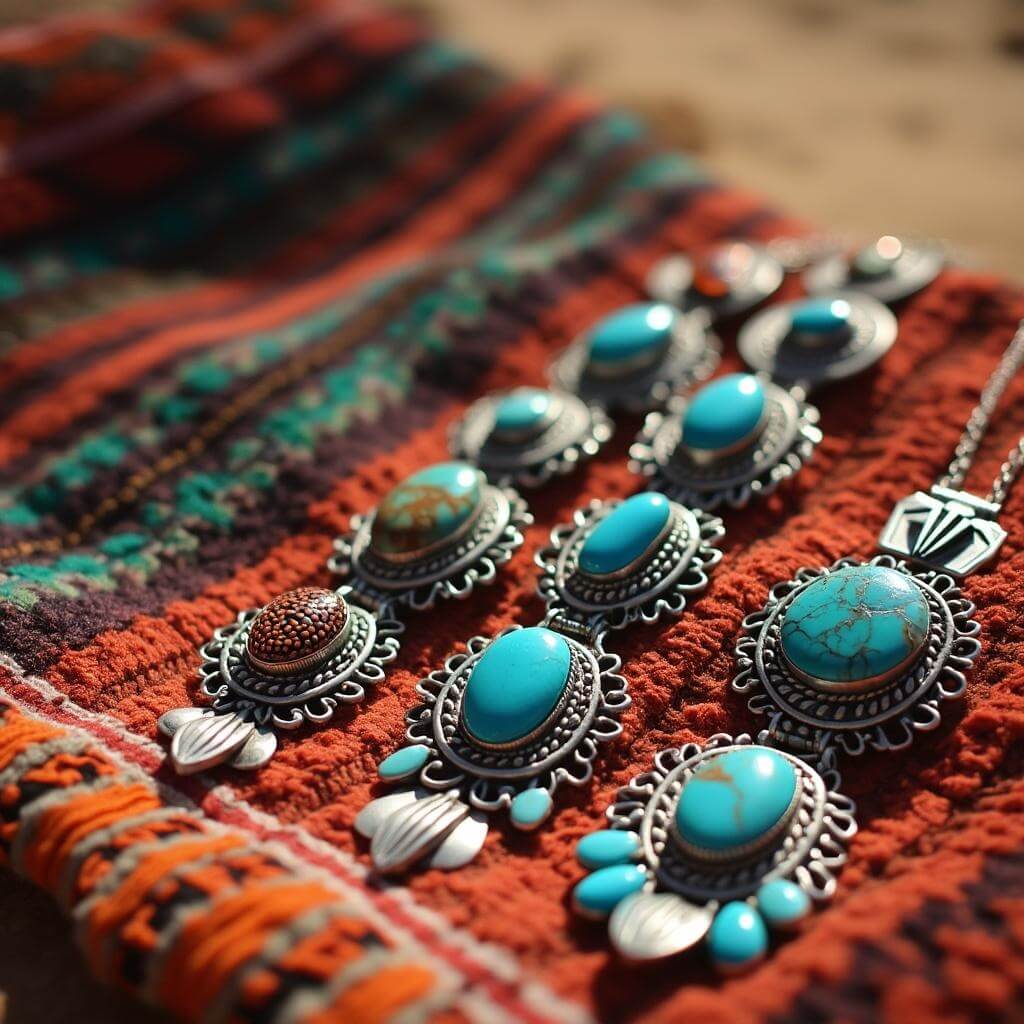
Image Credit @Over Yonderlust
Pro Traveler Insights: Maximizing Your Four Corners Experience
Want to transform a tourist moment into a meaningful journey? Here’s how:
- Engage with local artisans authentically
- Ask about craft histories, not just prices
- Respect photography restrictions
- Purchase directly from indigenous creators
- Listen more than you speak
Hidden Costs and Considerations
Admission isn’t always straightforward. Fees fluctuate based on Navajo Nation policies, so always carry cash and be prepared for potential variations.
Pro tip: Budget for unexpected expenses and support local economies through respectful purchasing.
Wildlife and Environmental Awareness
This isn’t just a monument—it’s an ecosystem.
The surrounding landscape hosts:
- Rare desert flora
- Migratory bird populations
- Delicate geological formations
- Potential archaeological sites
Your visit impacts more than just a bronze marker.
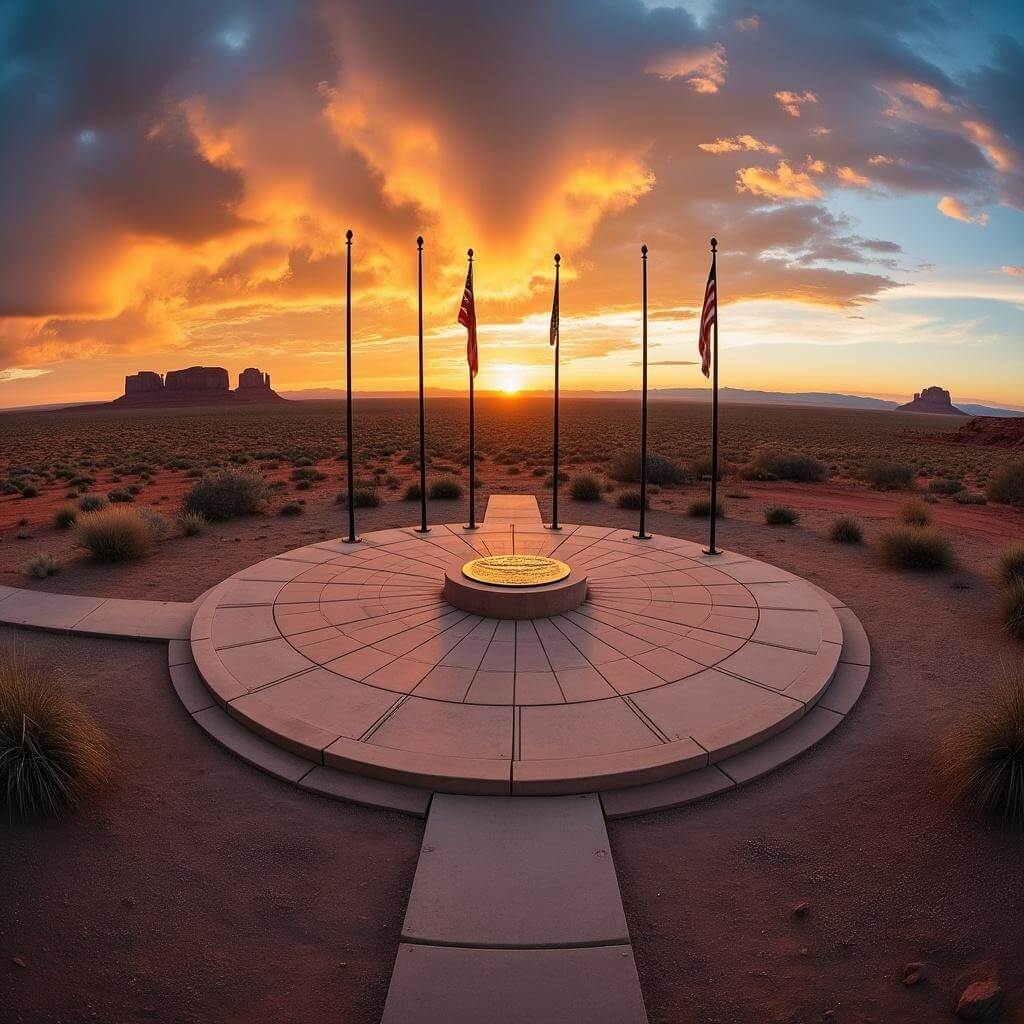
Image Credit @Over Yonderlust
Photography and Memory Making
Beyond the classic “four-state stance” photo, consider:
- Sunrise/sunset lighting
- Panoramic landscape shots
- Candid vendor interactions
- Cultural demonstration documentation
Each image tells a story beyond geographical coordinates.
When to Visit: Seasonal Strategies
Summer brings intense heat and crowded conditions.
Spring and fall offer moderate temperatures and fewer tourists.
Winter provides unique photographic opportunities with potential snow landscapes.
Questions Most Travelers Never Ask
How precise is that bronze marker, really? Minor geographical debates continue about its exact placement—a reminder that borders are human constructs, not absolute truths.
Final Reflections: More Than a Destination
The Four Corners Monument transcends a simple geographical curiosity. It’s a living narrative of intersection—where state lines, cultural boundaries, and human experiences converge.
Your visit writes another paragraph in this ongoing story.
Remember: You’re not just standing in four states. You’re participating in a complex, beautiful geographical and cultural dialogue.
Safe travels, and may your Four Corners experience be as expansive as the landscape itself.
For more information, visit the Official Four Corners Monument – Navajo Nation Parks or check out this Complete Guide to Visiting Four Corners Monument.